How To Stop Being Hungry
Are you tired of constantly feeling hungry and struggling with food cravings? Well, you’re not alone. Many people struggle with feelings of hunger throughout the day, which can make it difficult to stick to a healthy eating plan. But don’t worry, there are ways to curb your hunger and feel more satisfied without overeating. In this article, we’ll explore some strategies to help you stop being hungry and improve your relationship with food.
First and foremost, it’s important to understand the reasons behind your hunger. Are you truly physically hungry or is it more of an emotional or mental craving? Sometimes, we eat out of habit, boredom, or even stress rather than genuine hunger. By becoming more aware of your body’s cues and distinguishing between physical and emotional hunger, you can begin to address the underlying causes of your constant hunger.
In addition to eating balanced meals and snacks that include a combination of protein, healthy fats, and fiber, there are other techniques you can use to control your hunger. Drinking plenty of water throughout the day can help you feel fuller and avoid mistaking thirst for hunger. Adding more fiber-rich foods to your diet, such as fruits, vegetables, and whole grains, can also help you stay satiated for longer periods of time.
If you’re interested in learning more about fasting and healthy eating, be sure to check out the rest of the articles on our site. We’ll provide you with more in-depth information and tips to help you on your journey towards a healthier, more balanced relationship with food.
How To Stop Being Hungry
If you have ever experienced the feeling of hunger, you know how distracting and uncomfortable it can be. Whether you are trying to lose weight, maintain a healthy diet, or simply lead a more balanced lifestyle, managing your hunger is essential. Understanding the science behind hunger, controlling your meals, incorporating filling foods, managing your hydration, adopting lifestyle habits, mastering mind tricks, considering supplements, seeking support, and addressing emotional eating are all effective ways to stop feeling hungry. In this article, we will explore each of these strategies in detail, providing you with the tools you need to conquer hunger and create a healthier relationship with food.
Understanding Hunger
The Science of Hunger
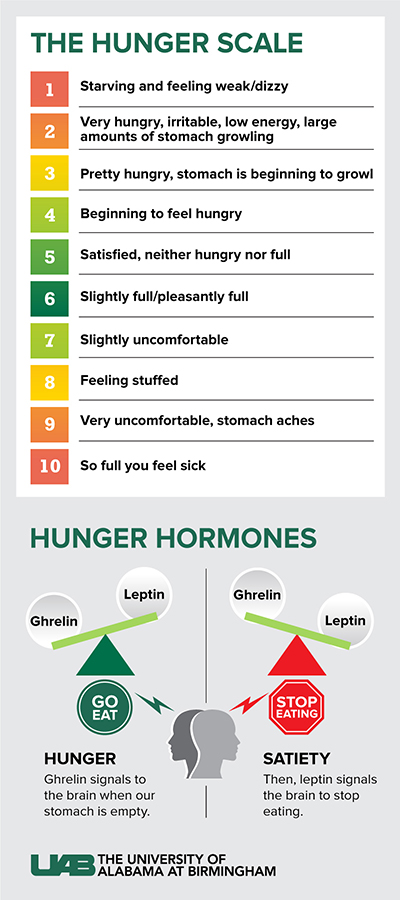
Hunger is a natural physiological response that your body uses to signal the need for energy and nutrients. It is controlled by a complex interplay of hormones, brain signals, and sensory cues. When your body needs energy, the hormone ghrelin is released, stimulating your appetite and increasing your desire to eat. On the other hand, when you consume food, hormones such as leptin are released, signaling to your brain that you are full and reducing hunger. Understanding this hormonal process can help you better manage your hunger and make healthier food choices.
Hunger Triggers
In addition to hormonal factors, hunger can also be triggered by external cues, such as the sight or smell of food, as well as emotional triggers like stress or boredom. By identifying your personal hunger triggers, you can learn to distinguish between true hunger and other factors that may lead to unnecessary eating. This awareness will empower you to make more mindful choices about when, what, and how much you eat.
Hormonal Factors in Hunger
In addition to ghrelin and leptin, other hormones such as insulin, cortisol, and serotonin also play a role in hunger regulation. Insulin, for example, helps to regulate blood sugar levels and can impact your hunger and satiety signals. Cortisol, often referred to as the “stress hormone,” can both increase your appetite and lead to emotional eating. Serotonin, a neurotransmitter involved in mood regulation, also plays a role in appetite control. Understanding the hormonal factors at play in hunger can help you take a more holistic approach to managing your appetite.

Controlling Hunger through Meal Planning
Balanced Meals and Nutrient Timing
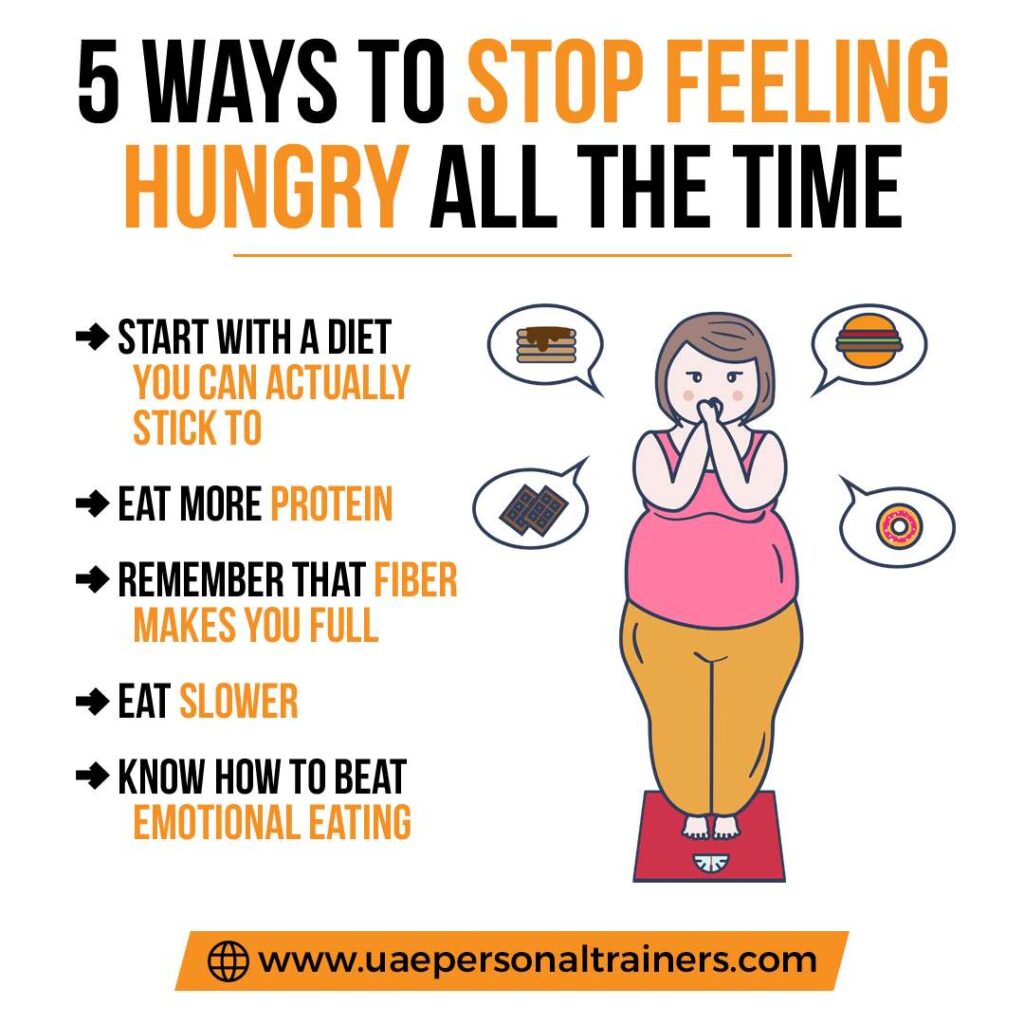
One of the most effective ways to control hunger is by planning and preparing balanced meals that provide you with a steady source of energy throughout the day. Including a variety of nutrient-dense foods such as lean proteins, whole grains, fruits, vegetables, and healthy fats in your meals can help keep you satisfied and prevent hunger pangs. Additionally, paying attention to the timing of your meals and snacks can help regulate your blood sugar levels and keep your hunger in check.
Portion Control and Healthy Snacks
In addition to creating balanced meals, practicing portion control is crucial for managing hunger. By understanding appropriate serving sizes and listening to your body’s cues of fullness, you can avoid overeating and prevent excessive hunger later on. Incorporating healthy snacks, such as fruits, nuts, or yogurt, can also help satisfy your hunger between meals and prevent you from reaching for unhealthy options.
Eating Mindfully
Mindful eating is a practice that encourages you to pay attention to the sensory experience of eating and fully engage with your food. By eating slowly and savoring each bite, you can enhance your satisfaction with the meal and prevent overeating. Mindful eating also involves paying attention to your body’s hunger and fullness cues, allowing you to eat when you are genuinely hungry and stop when you are comfortably satisfied.
Incorporating Filling Foods into Your Diet
Fiber-rich Foods and Satiety
Incorporating fiber-rich foods into your meals is an excellent strategy for managing hunger. Fiber takes longer to digest, keeping you feeling fuller for longer periods of time. Foods such as whole grains, legumes, fruits, and vegetables are all great sources of dietary fiber. Adding these to your meals can help you maintain satiety and prevent unnecessary snacking.
Protein-packed Options for Fullness
Protein is another key nutrient that plays a crucial role in satiety. Including protein-rich foods such as lean meats, poultry, fish, eggs, dairy products, and plant-based protein sources like tofu or lentils can help you feel fuller and more satisfied after a meal. Protein also requires more energy to digest, which can increase your metabolic rate and contribute to weight management.
Healthy Fats and Appetite Control
Contrary to popular belief, not all fats are bad for you. In fact, incorporating healthy fats into your meals can help control your appetite. Foods such as avocados, nuts, seeds, and olive oil are all excellent sources of healthy fats that can help keep you feeling satisfied. Additionally, these fats are essential for the absorption of certain vitamins and the production of hormones, contributing to overall well-being.
Managing Hunger with Hydration
The Importance of Drinking Water
Staying hydrated is vital for overall health and can also help manage hunger. Sometimes, what we perceive as hunger is actually thirst. By drinking an adequate amount of water throughout the day, you can prevent dehydration and avoid mistaking thirst for hunger. Drinking water before a meal can also help you feel fuller and reduce calorie intake.
Hydrating Foods and Beverages
In addition to water, incorporating hydrating foods and beverages into your diet can help keep hunger at bay. Foods with high water content, such as fruits and vegetables, provide additional hydration while adding volume to your meals without adding excessive calories. Additionally, herbal teas and infused water can be flavorful hydrating options that can also curb your appetite.
Lifestyle Habits for Curbing Hunger
Getting Sufficient Sleep
Getting enough quality sleep is essential for overall health and can also impact your hunger levels. Lack of sleep can disrupt hormone regulation, leading to increased hunger and cravings, particularly for high-calorie and carbohydrate-rich foods. By prioritizing sleep and establishing a consistent sleep schedule, you can better regulate your appetite and reduce the likelihood of overeating due to tiredness.
Reducing Stress Levels
Stress is a significant contributor to emotional eating and can lead to feelings of hunger even when your body does not require additional energy. To manage stress-related hunger, incorporating stress management techniques into your daily routine, such as meditation, deep breathing exercises, or engaging in hobbies, can be beneficial. By addressing stress in healthy ways, you can prevent it from triggering excessive eating.
Physical Activity and its Impact on Appetite
Regular physical activity not only contributes to weight management but also affects your hunger levels. Engaging in exercise can help regulate appetite hormones and increase feelings of fullness. Additionally, physical activity can distract you from thinking about food and reduce stress, both of which can contribute to overeating. Finding activities that you enjoy and incorporating them into your routine can help you manage your hunger better.

Staying Full Longer with Mind Tricks
Chewing Slowly and Mindfully
Taking the time to chew your food slowly and mindfully can help you manage your hunger by allowing your body to register feelings of fullness more accurately. Chewing thoroughly also aids digestion and can make you feel more satisfied with your meal. Additionally, focusing on the sensory experience of eating, such as the taste, texture, and aroma of your food, can enhance your satisfaction and prevent overeating.
Savoring Your Meals
Savoring your meals involves paying attention to the flavors, textures, and overall experience of eating. By truly enjoying your food and being present in the moment, you can enhance your satisfaction and prevent mindless eating. This practice can help you cultivate a healthier relationship with food and reduce the urge to eat out of boredom or emotional triggers.
Using Smaller Plates and Utensils
Believe it or not, the size of your plates and utensils can influence your perception of portion sizes and, consequently, your satisfaction with a meal. Using smaller plates and utensils can make your portions appear more substantial, tricking your mind into feeling more satisfied with less food. This simple mind trick can help you control your calorie intake and manage your hunger more effectively.
The Role of Supplements in Hunger Management
Natural Appetite Suppressants
While food should always be your primary source of nourishment, certain supplements can aid in hunger management. Natural appetite suppressants, such as glucomannan or green tea extract, can create a feeling of fullness and help control your appetite. However, it is important to consult with a healthcare professional before incorporating any supplements into your diet to ensure their safety and effectiveness.
Beneficial Herbs and Spices
Certain herbs and spices have been used for centuries to promote satiety and control hunger. For example, cayenne pepper and ginger have been shown to reduce appetite and increase calorie burning. Likewise, herbs like fenugreek and gymnema sylvestre have been traditionally used to regulate blood sugar levels and suppress cravings. Including these herbs and spices in your cooking can add flavor while also supporting your hunger management efforts.
Seeking Support and Professional Guidance
Joining a Support Group or Community
Finding support from like-minded individuals can be incredibly helpful in managing hunger. Joining support groups or online communities focused on healthy eating and weight management can provide valuable insights, encouragement, and accountability. Connecting with others who are on a similar journey can empower you to stay motivated and share experiences and strategies for managing hunger effectively.
Consulting a Registered Dietitian
If you are struggling with persistent hunger or finding it challenging to manage your appetite, seeking professional guidance from a registered dietitian can be beneficial. A dietitian can help you identify underlying factors contributing to your hunger, create a personalized meal plan, and provide practical strategies tailored to your individual needs. They can also address any nutritional deficiencies or imbalances that may be affecting your hunger levels.
Identifying and Addressing Emotional Eating
Recognizing Emotional Triggers
Emotional eating is a common response to stress, boredom, or other emotional triggers. It involves using food as a means of comfort or distraction rather than addressing the underlying emotions. Recognizing your personal emotional triggers can help you become aware of patterns of emotional eating and allow you to develop healthier coping mechanisms.
Developing Healthy Coping Mechanisms
Instead of turning to food for comfort, finding alternative, non-food-related coping mechanisms can help you manage emotional triggers more effectively. Engaging in activities such as journaling, practicing mindfulness or deep breathing exercises, going for a walk, or talking to a trusted friend or therapist can provide much-needed support and relief from emotional distress.
Finding Alternatives to Food for Comfort
Sometimes, emotional eating stems from a lack of self-care or the need for nourishment in other areas of life. Finding alternative ways to fulfill these needs, such as engaging in self-care activities, pursuing hobbies, or investing in meaningful relationships, can help you address the root causes of emotional eating and minimize its impact on your hunger and overall well-being.
Conclusion
Implementing hunger management techniques is essential for creating a healthier lifestyle and improving your relationship with food. By understanding the science behind hunger, controlling your meals, incorporating filling foods, managing your hydration, adopting lifestyle habits, mastering mind tricks, considering supplements, seeking support, and addressing emotional eating, you can stop feeling hungry and create a sustainable approach to eating. Remember, everyone’s journey is unique, so embrace experimentation and find the strategies that work best for you. With persistence and a mindful approach, you can achieve a balanced, satisfying relationship with food while nourishing your body and mind.

