How To Stop Craving Junk Food

Have you ever found yourself craving junk food, even when you know it’s not good for you? It can be a struggle to resist those tempting cravings, especially when they seem to pop up out of nowhere. But fear not, because in this article, we’re going to dive into the topic of how to stop craving junk food and discover some strategies that can help you kick those cravings to the curb.
Cravings for junk food can be a real challenge to overcome, but with the right knowledge and tools, you can regain control over your cravings and make healthier choices. In this article, we’ll explore the reasons why we crave junk food, such as the addictive nature of certain foods and the emotional associations we may have with them. We’ll also discuss practical tips for curbing those cravings, such as finding healthier alternatives, managing stress, and practicing mindful eating. So if you’re tired of constantly giving in to your junk food cravings and ready to take charge of your health, keep reading to learn more.

Understanding Cravings
We’ve all experienced that sudden urge to indulge in a bag of chips or devour a pint of ice cream. Cravings can be powerful and difficult to resist, but understanding what causes them can help us make healthier choices. In this article, we will explore the nature of cravings, why we often crave junk food, and the impact these cravings can have on our health.
What are cravings?
Cravings are intense desires for specific foods, often high in sugar, salt, or fat. These cravings can be triggered by various factors, including emotions, environmental cues, and habits. They are different from hunger, which is the body’s physiological need for nourishment. Cravings, on the other hand, are often driven by our mind and cravings for pleasurable sensations.
Why do we crave junk food?
Junk food cravings are incredibly common, and there are several reasons why we tend to crave these unhealthy options. One major reason is that junk food is designed to be highly palatable, often containing high levels of sugar, salt, and unhealthy fats. These ingredients stimulate our taste buds and trigger the release of dopamine, a neurotransmitter associated with pleasure and reward. This creates a pleasurable experience that our brain remembers and seeks to replicate.
Additionally, junk food is often readily available and heavily marketed, making it difficult to resist. We are constantly bombarded with advertisements and surrounded by fast-food restaurants, making it easy to give in to our cravings. Stress and emotions can also play a role in cravings, as many people turn to comfort food as a way to cope with negative feelings.
The impact of junk food cravings on health
While indulging in the occasional treat is not necessarily harmful, regularly giving in to junk food cravings can have serious consequences for our health. Junk food is typically high in calories, added sugars, unhealthy fats, and sodium, while lacking essential nutrients. A diet rich in these foods can lead to weight gain, increased risk of chronic diseases such as heart disease and diabetes, and poor overall health.
Highly processed junk foods are often low in fiber, which can lead to digestive issues and feelings of sluggishness. They can also negatively impact our mood and energy levels, causing spikes in blood sugar followed by crashes. Long-term consumption of junk food can even alter our brain chemistry, making it harder to resist cravings and leading to a vicious cycle of unhealthy eating habits.
Identifying Triggers and Patterns
Before we can effectively eliminate junk food cravings, it’s important to identify the triggers and patterns that lead to them. By recognizing these factors, we can develop strategies to avoid or manage them.
Recognizing emotional triggers
Emotional triggers are often at the root of many cravings. Stress, boredom, loneliness, and sadness are common emotions that can drive us to seek comfort in food. Keeping a food diary and noting our emotional state when cravings arise can help us identify patterns. Once we have a better understanding of our emotional triggers, we can explore healthier coping mechanisms, such as exercise, meditation, or talking to a friend or therapist.
Identifying environmental triggers
Environmental triggers are external cues that can prompt cravings. These can include seeing fast-food restaurants, smelling enticing aromas, or even watching food commercials. By becoming aware of these triggers, we can make conscious efforts to avoid or minimize our exposure to them. Planning alternative activities or carrying healthy snacks when we know we’ll be in tempting environments can help us resist the urge to give in to our cravings.
Understanding habitual patterns
Habits play a significant role in cravings. For example, if we always have a sugary snack while watching TV in the evening, our brain will come to associate that activity with the reward of indulging in junk food. Breaking these habits takes time and conscious effort. By replacing unhealthy habits with healthier alternatives and creating new routines, we can gradually rewire our brains and reduce cravings.
Creating a Healthy Eating Plan
Developing a healthy eating plan is essential for managing cravings and maintaining overall well-being. By focusing on the following areas, we can design a balanced approach to eating that reduces the desire for junk food.
Understanding macronutrients and their role
Macronutrients are the major nutrients our body needs in large quantities: carbohydrates, proteins, and fats. Each macronutrient plays a vital role in our health and should be consumed in appropriate proportions. Carbohydrates provide energy, proteins are essential for tissue repair and building, and fats support various bodily functions. A well-balanced diet ensures that all our nutritional needs are met, reducing the likelihood of intense cravings.
Designing balanced meals and snacks
When planning meals and snacks, it’s important to include a variety of nutrient-dense foods. These include fruits, vegetables, whole grains, lean proteins, and healthy fats. Combining different food groups in each meal helps regulate blood sugar levels and keeps us feeling satiated for longer periods. Including a mix of fiber, protein, and healthy fats in our snacks can also help prevent cravings between meals.
Incorporating whole foods and nutrients
Whole foods, such as fruits, vegetables, whole grains, and lean proteins, offer a wide range of essential nutrients. These foods are less processed and contain fewer additives, making them more fulfilling and nutritious. Including a variety of whole foods in our diet ensures we are getting a broad spectrum of vitamins, minerals, and antioxidants. These nutrients play a crucial role in maintaining optimal health and reducing cravings.
Replacing Junk Food with Healthier Alternatives
Eliminating junk food from our diet doesn’t mean we have to deprive ourselves of enjoyment. By exploring healthier alternatives, we can still satisfy our cravings while nourishing our bodies.
Exploring nutrient-dense snack options
When the urge for a snack strikes, it’s important to opt for nutrient-dense choices. Instead of reaching for a bag of chips, try munching on some raw vegetables with hummus or a handful of nuts. These options offer nutritional value and contain healthy fats and fiber, keeping us feeling satisfied for longer.
Finding healthy substitutes for common junk food cravings
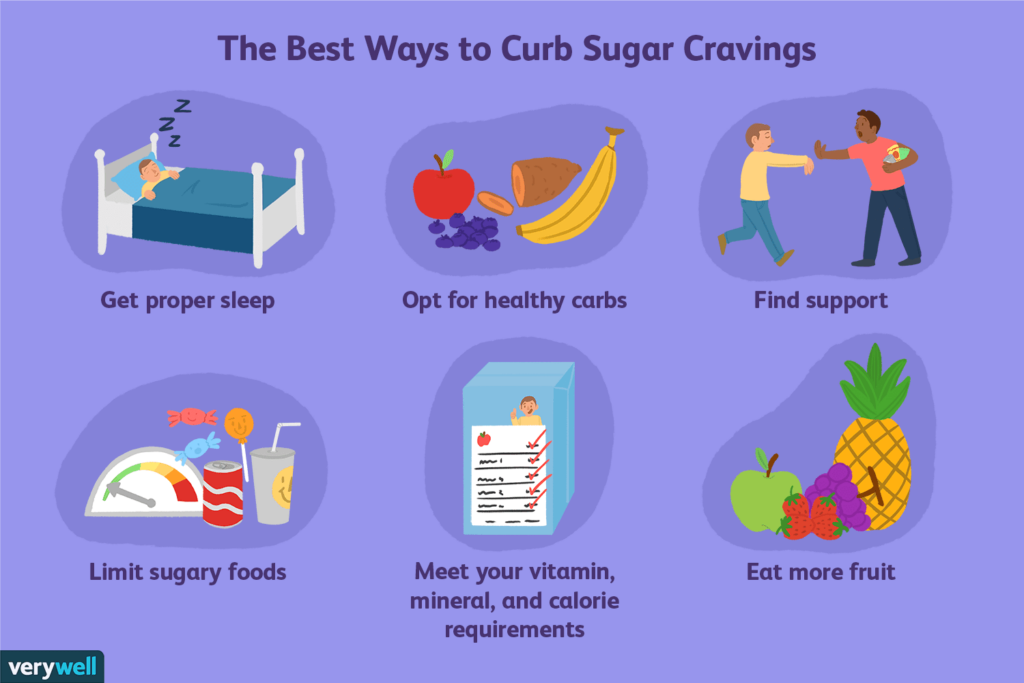
Many of our cravings are rooted in specific flavors or textures rather than the actual junk food itself. To satisfy these cravings, it can be helpful to find healthier substitutes. For example, if you’re craving something sweet, opt for a piece of fruit or a small serving of dark chocolate. If you’re in the mood for something savory, choose air-popped popcorn or roasted chickpeas instead of potato chips.
Preparing homemade versions of favorite junk foods
Another way to curb cravings is to prepare homemade versions of our favorite junk foods. This way, we have more control over the ingredients and can make healthier substitutions. For example, if you’re craving pizza, try making a whole wheat crust and loading it with fresh vegetables and lean proteins. Craving ice cream? Blend frozen bananas with a splash of almond milk to create a delicious and guilt-free treat.
Meal Planning and Preparation
Meal planning and preparation are key components of maintaining a healthy eating routine. By taking the time to plan and prepare our meals, we can avoid impulsive food choices and ensure we have nutritious options readily available.
Benefits of meal planning
Meal planning offers numerous benefits. It saves time and money by reducing the need for frequent grocery store trips and takeout meals. Additionally, it allows us to make healthier choices by consciously selecting nutrient-rich ingredients. Knowing what we will be eating in advance also helps us resist the temptation to order unhealthy meals or reach for convenience foods when cravings strike.
Tips for successful meal prep
To make meal preparation easier, it’s helpful to set aside a specific time each week to plan and prepare your meals. Start by creating a menu for the week and making a shopping list with all the necessary ingredients. When you have everything you need, dedicate a few hours to batch cooking or prepping ingredients, such as washing and chopping vegetables or cooking grains and proteins. Store these components in portioned containers for easy assembly when mealtime rolls around.
Ensuring variety and satisfaction in meals
To prevent food boredom and cravings, it’s important to prioritize variety in our meals. Experiment with different recipes, flavors, and cooking techniques to keep things interesting. Including a mix of colors, textures, and flavors in each meal not only makes it visually appealing but also ensures we receive a wide range of nutrients. Don’t forget to savor and enjoy each bite, as mindful eating can help reduce the desire for unhealthy foods.
Managing Emotional Eating
Emotional eating is a common response to stress, boredom, and other negative emotions. Learning to manage these triggers and find healthier ways to cope is essential for breaking the cycle of emotional eating.
Identifying emotional triggers and coping mechanisms
To effectively manage emotional eating, we must first identify our triggers. Keep a journal or note on your phone where you can record the emotions you experience before reaching for food. Once you recognize the patterns, explore alternative coping mechanisms to deal with these emotions. This could include engaging in physical activity, practicing meditation or deep breathing exercises, or finding a creative outlet for your feelings.
Seeking support from friends and family
Building a support network is crucial when dealing with emotional eating. Reach out to friends, family, or support groups who can offer encouragement and understanding. Having someone to vent to or seek advice from can help distract from cravings and provide healthier alternatives. Together, you can develop strategies to manage emotions and find comfort in non-food-related ways.
Developing alternative stress-relief strategies
Stress is a major trigger for emotional eating, so finding effective stress-relief strategies is key. Trying activities like yoga, journaling, taking baths, or listening to calming music can help reduce stress levels and prevent cravings. Experiment with different techniques until you find what works best for you. By incorporating stress-reduction practices into your daily routine, you can better manage cravings and maintain a healthier relationship with food.

Building a Supportive Environment
Creating a supportive environment is crucial for long-term success in avoiding junk food cravings. By setting ourselves up for success, we can make healthier choices easier and more enjoyable.
Stocking a healthy pantry and fridge
One of the most effective ways to avoid junk food cravings is to stock our pantry and fridge with healthy options. Replace sugary snacks and processed foods with fresh fruits, vegetables, whole grains, and lean proteins. Keep a variety of spices and condiments on hand to add flavor to dishes without relying on unhealthy options. When healthier choices are readily available, it becomes easier to resist the temptation for junk food.
Creating a positive eating environment
Creating a positive eating environment can enhance our dining experience and reduce cravings. Set aside designated eating areas that are free from distractions, such as television or electronic devices. Use this time to savor each bite, paying attention to the flavors, textures, and aromas of your food. Eating mindfully allows us to fully enjoy our meals and feel more satisfied, reducing the desire to continue snacking or seek out unhealthy options.
Involving loved ones in healthy eating goals
Getting loved ones involved in your healthy eating goals can provide additional support and accountability. Share your intentions to reduce junk food cravings and ask for their support and encouragement. Plan and cook meals together, explore new recipes, and engage in physical activities as a group. Having a strong support system can make the journey toward healthier eating more enjoyable and sustainable.
Mindful Eating Techniques
Practicing mindful eating can be a powerful tool in reducing cravings and fostering a healthier relationship with food.
Practicing mindful eating
Mindful eating involves paying attention to the entire experience of eating, from the physical sensations to the emotional satisfaction. Slow down and take the time to appreciate the colors, smells, and textures of each bite. Chew your food thoroughly and savor the flavors. Avoid multitasking while eating and focus on the present moment. Eating mindfully not only helps us better understand when we are physically hungry or full but also allows us to truly enjoy the food we consume.
Understanding hunger versus cravings
Distinguishing between genuine hunger and cravings is crucial for managing our food intake. True hunger is a physical sensation that arises gradually and prompts us to nourish our bodies with nutritious food. Cravings, on the other hand, are often sudden and accompanied by a strong desire for a specific food. By paying attention to the signs our body gives us, we can better respond to genuine hunger with healthy choices and recognize cravings as an emotional and psychological response.
Savoring and enjoying food
Food should be a source of pleasure and nourishment. By savoring each bite and truly enjoying the flavors and textures, we can reduce the need for large quantities of food or frequent snacking. Slow down and engage your senses while eating, noticing the different flavors and how they interact. Eating should be a pleasurable experience, and by savoring our meals, we can reduce cravings and feel more satisfied.

Staying Motivated and Overcoming Setbacks
Maintaining motivation and bouncing back from setbacks are key to long-term success in stopping cravings for junk food. Here are some strategies to help you stay on track.
Setting realistic goals and expectations
Set realistic goals that are achievable and sustainable. Be specific about what you want to achieve and establish a timeline. Break larger goals into smaller, more manageable steps and celebrate small victories along the way. It’s important to recognize that setbacks may occur, but they do not define your journey. Embrace the process and learn from each experience, adjusting your goals and strategies accordingly.
Handling cravings during special occasions
Special occasions and social gatherings often bring about an abundance of tempting treats. Prior to these events, prepare by eating a balanced meal or snack that will keep you satisfied and less likely to succumb to cravings. Plan ahead and allow yourself to enjoy a small portion of a special treat if you choose. Remember, it’s about finding balance and not depriving yourself entirely.
Learning from past setbacks
Setbacks are an inevitable part of any journey, but they can also be valuable learning opportunities. Reflect on past setbacks and identify the triggers or situations that led to them. Use this knowledge to better prepare for future challenges or to develop alternative strategies to overcome cravings. Remember, setbacks are not failures but opportunities for growth and self-discovery.
Conclusion
Cravings for junk food can be powerful, but with the right strategies and mindset, we can overcome them and establish healthier eating habits. By understanding the nature of cravings, identifying triggers and patterns, creating a healthy eating plan, and building a supportive environment, we can make positive changes to our relationship with food. Practicing mindful eating, managing emotional eating, and staying motivated and resilient are essential steps on the journey toward stopping cravings for junk food. Embrace the process, be kind to yourself, and remember that every positive choice brings you closer to a healthier, happier you.

