Curbing Sugar Cravings

Have you ever found yourself uncontrollably reaching for that extra piece of cake or grabbing a sugary snack to satisfy your cravings? We’ve all been there! The temptation to indulge in sweet treats can be hard to resist, but luckily, there are ways to curb those sugar cravings. In this article, we’ll delve into the topic of curbing sugar cravings and explore some healthy alternatives that will satisfy your sweet tooth without derailing your healthy eating goals. Whether you’re looking to cut back on sugar for weight loss or simply want to improve your overall well-being, you’ll find some helpful tips and tricks that will make the process a breeze.
Now, let’s dive into the world of curbing sugar cravings! We all know that consuming excessive amounts of sugar can have negative effects on our health, from weight gain to an increased risk of chronic diseases. However, avoiding sugar altogether can often feel like an impossible task, especially when those cravings kick in. But fear not! There are simple strategies you can incorporate into your daily routine to outsmart your sweet tooth. From choosing nutrient-dense foods to incorporating natural sweeteners into your recipes, you’ll learn how to navigate the world of sugar cravings without feeling deprived. So, come join us as we explore the wonderful world of healthier eating and discover how you can curb those pesky sugar cravings for good!
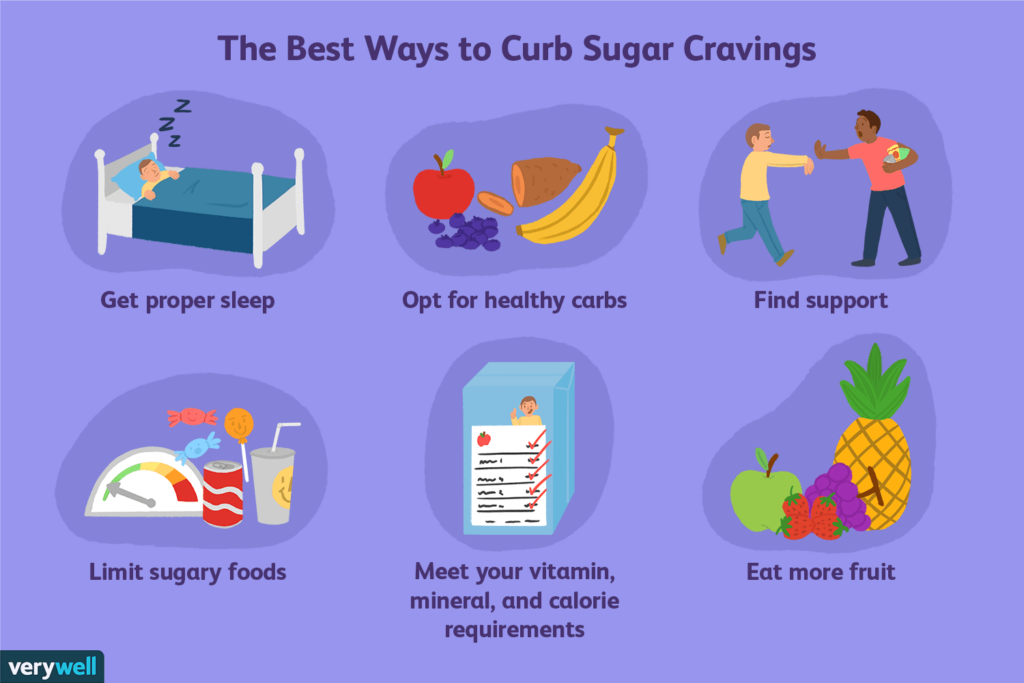
Curbing Sugar Cravings
Introduction
We’ve all experienced those irresistible sugar cravings that seem impossible to resist. The sudden desire for something sweet can be difficult to ignore, but understanding why these cravings occur and their effects on our health is crucial. In this article, we will delve into the world of sugar cravings, exploring the reasons behind them, the negative impact they can have on our well-being, and most importantly, providing practical tips and alternatives to help you curb those cravings and lead a healthier lifestyle.
Understanding Sugar Cravings
What are sugar cravings?
Sugar cravings refer to the intense desire or urge to consume foods that are high in sugar content. These cravings can be characterized by a strong yearning for sweets, such as chocolate, cookies, cakes, or sugary beverages. They often lead to the consumption of excessive amounts of sugar, which can have detrimental effects on our health.
Why do we crave sugar?
Several factors contribute to the occurrence of sugar cravings. While the exact mechanisms are still not fully understood, research suggests that both biological and psychological factors play a significant role.
Biologically, our bodies are wired to seek out sweet flavors. Sugar consumption triggers the release of feel-good hormones, such as dopamine, in the brain, creating a sense of pleasure and reward. This biological response can lead to cravings for more sugary foods.
Psychologically, sugar cravings can be influenced by our emotions and stress levels. Many people turn to sugary treats as a form of comfort or to alleviate negative emotions. Furthermore, stress can increase cravings for sugar by raising cortisol levels, a hormone that affects appetite and food preferences.
Effects of sugar cravings on health
While indulging in occasional sweet treats is a normal part of life, excessive sugar consumption can have serious consequences for our health. Here are some of the potential negative effects of giving in to sugar cravings:
Weight gain and obesity
Consuming high amounts of sugar contributes to weight gain and obesity. Sugary foods are often calorie-dense and lack essential nutrients, leading to excessive calorie intake without providing the necessary vitamins and minerals our bodies need. These empty calories can quickly add up and contribute to an unhealthy increase in body weight.
Increased risk of chronic diseases
Research has shown that excessive sugar consumption is associated with an increased risk of chronic diseases such as type 2 diabetes, cardiovascular disease, and certain types of cancer. Diets high in sugar can lead to insulin resistance, inflammation in the body, and metabolic dysfunctions, all of which are risk factors for these diseases.
Dental problems
Frequent consumption of sugary foods and beverages can wreak havoc on our oral health. The bacteria in our mouths feed on sugar, producing acids that erode tooth enamel and lead to tooth decay. Additionally, sugary snacks that stick to our teeth for longer periods, like caramels or gummies, increase the risk of cavities.
Factors Contributing to Sugar Cravings
Understanding the various factors that contribute to sugar cravings can help us address these cravings more effectively. Let’s explore the biological, psychological, and social factors that influence our desire for sugar.
Biological factors
Our biological makeup plays a significant role in our cravings for sugar. Evolutionarily, our ancestors relied on sweet foods for survival, as they often signaled the presence of ripe fruits that were safe to eat and provided a readily available source of energy. This innate preference for sweetness has carried forward to present-day humans.
Furthermore, the brain’s reward system, specifically the release of dopamine, reinforces our cravings for sugar. When we consume sugar, our brain associates the sweet taste with pleasure and reward, creating a feedback loop that encourages further consumption.
Psychological factors
Sugar cravings can also be influenced by our emotions and psychological state. Many people turn to sugary snacks as a form of self-soothing or to alleviate stress. The pleasurable taste of sugar can provide temporary comfort and distraction from negative emotions, leading to a cycle of emotional eating.
Moreover, restrictive or overly strict diets that completely eliminate sweets can paradoxically increase sugar cravings. When a particular food is labeled as off-limits, it tends to become more desirable, and the temptation to indulge becomes harder to resist.
Social factors
Our environment and social settings can significantly impact our sugar cravings. Social gatherings, celebrations, and cultural or family traditions often revolve around sweet foods. Peer pressure, advertising, and easy accessibility to sugary snacks can further reinforce our desire for sugar. Additionally, the presence of others consuming sugary treats can trigger cravings and make it more difficult to resist temptation.
Negative Effects of Excessive Sugar Consumption
Weight gain and obesity
Consuming high amounts of sugar contributes to weight gain and obesity. Sugary foods are often calorie-dense and lack essential nutrients, leading to excessive calorie intake without providing the necessary vitamins and minerals our bodies need. These empty calories can quickly add up and contribute to an unhealthy increase in body weight.
Increased risk of chronic diseases
Research has shown that excessive sugar consumption is associated with an increased risk of chronic diseases such as type 2 diabetes, cardiovascular disease, and certain types of cancer. Diets high in sugar can lead to insulin resistance, inflammation in the body, and metabolic dysfunctions, all of which are risk factors for these diseases.
Dental problems
Frequent consumption of sugary foods and beverages can wreak havoc on our oral health. The bacteria in our mouths feed on sugar, producing acids that erode tooth enamel and lead to tooth decay. Additionally, sugary snacks that stick to our teeth for longer periods, like caramels or gummies, increase the risk of cavities.

Healthy Alternatives to Satisfy Sugar Cravings
Fruits and natural sweeteners
When the craving for something sweet strikes, opting for natural sources of sweetness can be a healthier choice. Fruits such as berries, melons, and apples are not only delicious but also rich in vitamins, minerals, and fiber. Their natural sugars are accompanied by beneficial nutrients that support overall well-being. Additionally, natural sweeteners like stevia or monk fruit extract can be used to enhance the taste of beverages or desserts without adding excessive calories.
Healthy snacks and desserts
Satisfying sugar cravings with healthier snack options can prevent overindulgence. Snacks such as nuts, seeds, Greek yogurt, or dark chocolate with a high cocoa content can provide a sweet and satisfying treat while offering nutritional benefits. Homemade desserts made with wholesome ingredients like whole grain flours, nuts, and fruits can also be a great way to enjoy a sweet treat without the guilt.
Mindful eating
Practicing mindful eating can help us become more aware of our cravings and make conscious choices. By paying attention to our hunger and satiety cues, we can better differentiate between true hunger and emotional cravings. Mindful eating involves savoring every bite, focusing on the taste and texture of food, and eating slowly, allowing our bodies to register fullness and satisfaction.
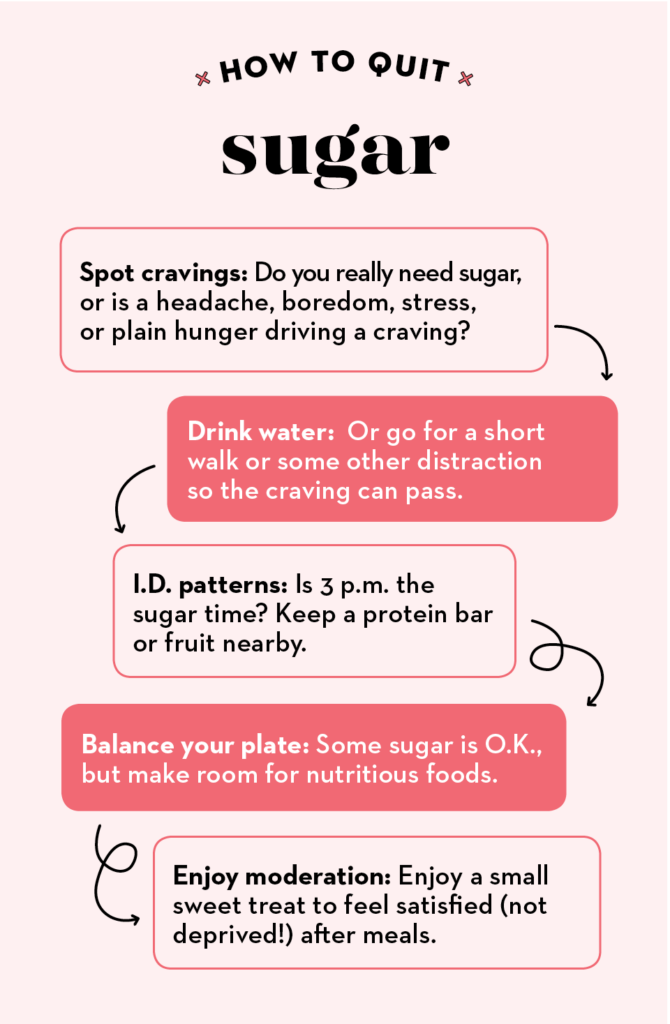
Creating a Balanced Diet
Importance of a balanced diet
Maintaining a balanced diet is crucial for overall health and well-being. A diet that includes a variety of nutrient-dense foods ensures that our bodies receive all the essential vitamins, minerals, and macronutrients they need to function optimally. By incorporating a balance of carbohydrates, proteins, and healthy fats, we can prevent nutrient deficiencies and support our body’s natural processes.
Macronutrient composition
Carbohydrates, proteins, and fats are the three macronutrients that provide our bodies with energy. Balancing the intake of these macronutrients is key to curbing sugar cravings. Including adequate protein in each meal can promote feelings of fullness and reduce cravings. Healthy fats, such as those found in avocados, nuts, and olive oil, provide satiety and help stabilize blood sugar levels. Complex carbohydrates, such as whole grains, legumes, and vegetables, release energy slowly, preventing rapid spikes and crashes in blood sugar levels.
Choosing whole foods
Opting for whole, unprocessed foods is essential when striving to curb sugar cravings. Whole foods are unrefined and retain their natural fiber, vitamins, and minerals. These foods not only provide essential nutrients but also have a lower glycemic index, meaning they release sugar into the bloodstream more slowly, preventing sudden spikes in blood sugar levels.
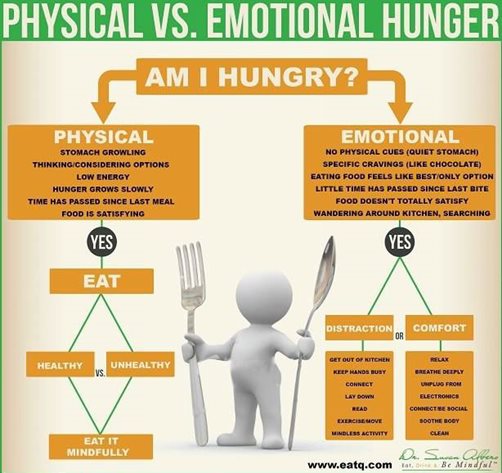
Tips for Reducing Sugar Cravings
Gradual reduction of sugar intake
Rather than completely eliminating sugar from your diet, reducing it gradually can help you adjust to the change more easily. By gradually reducing your sugar intake, you allow your taste buds to adjust and your cravings to decrease over time. Start by gradually cutting back on sugary snacks and beverages, and replacing them with healthier alternatives.
Identifying and avoiding triggers
Identifying the triggers that lead to your sugar cravings can help you develop strategies to avoid them. Keep a food diary to track when and why you experience cravings. Pay attention to situations, emotions, or activities that trigger your desire for sugar. Once you have identified your triggers, you can find alternative ways to cope with them, such as engaging in a different activity, practicing stress management techniques, or seeking social support.
Stress management techniques
Stress is a significant contributor to sugar cravings. Implementing stress management techniques into your daily routine can help you curb those cravings. Engaging in activities like meditation, yoga, deep breathing exercises, or finding hobbies that you enjoy can reduce stress levels and alleviate the need for emotional eating.
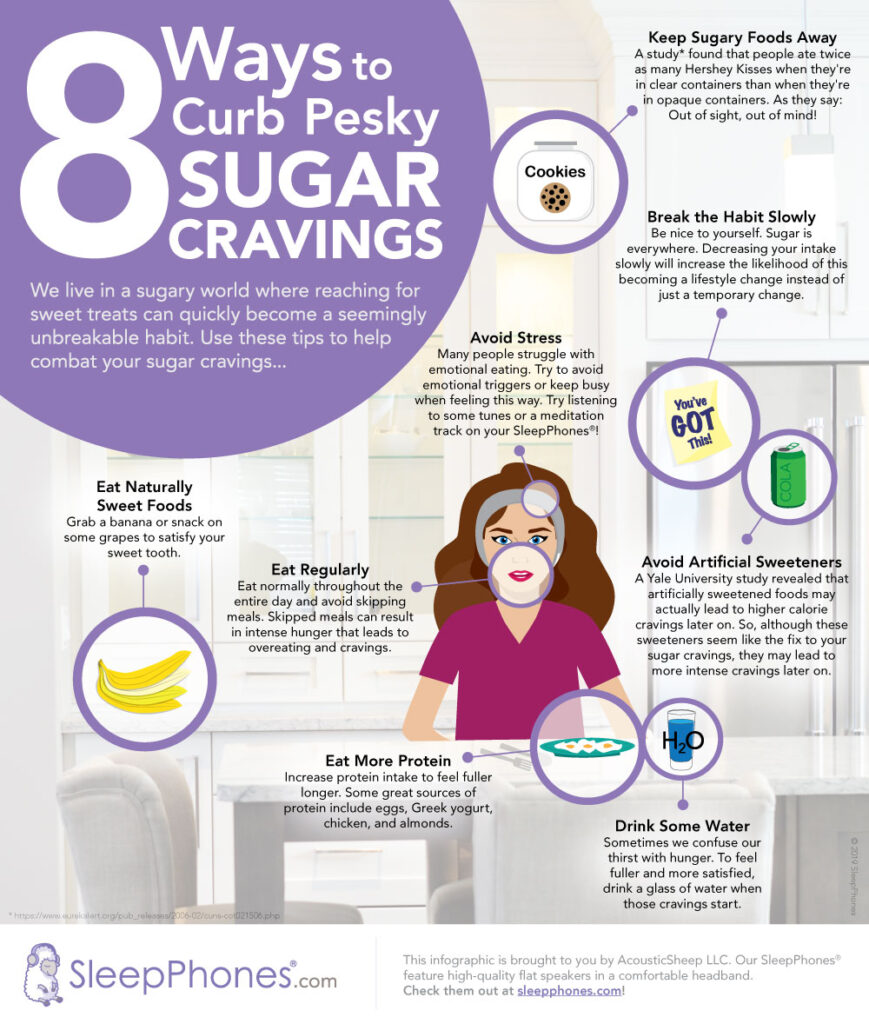
Understanding the Role of Macronutrients
Protein’s impact on satiety
Including protein-rich foods in your meals and snacks promotes a feeling of fullness and satiety, reducing the likelihood of sugar cravings. Protein takes longer to digest, keeping you satisfied for longer periods. Incorporate lean sources of protein such as poultry, fish, eggs, tofu, or legumes into your meals to increase feelings of fullness and reduce cravings.
Healthy fats for satisfaction
Including healthy fats in your diet can provide a sense of satisfaction and help control sugar cravings. Omega-3 fatty acids found in fatty fish like salmon, as well as in chia seeds and flaxseeds, can help regulate brain function and mood, reducing the desire for sugary foods. Avocados, nuts, and olive oil are also excellent sources of healthy fats that can promote satiety.
Complex carbohydrates for energy
Incorporating complex carbohydrates into your meals can provide a steady source of energy and prevent rapid fluctuations in blood sugar levels. Whole grains like quinoa, brown rice, and oats, as well as legumes and vegetables, are high in fiber and slow-digesting carbohydrates that provide sustained energy, reducing the need for quick sugar fixes.
Benefits of Regular Exercise
Impact on cravings and mood
Regular exercise has been shown to reduce food cravings, including sugar cravings. Physical activity releases endorphins, which improve mood and reduce stress, helping to suppress the desire for sugary foods. Additionally, exercise can distract from cravings and provide a healthy outlet for emotional energy.
Weight management benefits
Exercise plays a significant role in weight management, which is closely linked to sugar cravings. Incorporating regular physical activity into your routine can help maintain a healthy weight, reducing the risk of obesity and associated health issues. By managing your weight effectively, you can curb sugar cravings and achieve better overall health.
Improving overall health
Regular exercise provides numerous health benefits, ranging from improved cardiovascular health to increased energy levels and enhanced mental well-being. When your overall health improves, you are more likely to make healthier choices and have fewer cravings for sugar due to a greater sense of well-being.
Developing Healthy Habits
Meal planning and preparation
Planning and preparing your meals in advance can help you make better choices and reduce the likelihood of succumbing to sugar cravings. Having a well-balanced meal readily available eliminates the temptation to grab unhealthy snacks or indulge in sugary foods due to lack of time or options. By incorporating nutritious ingredients and adequate protein, healthy fats, and complex carbohydrates into your meals, you can satisfy your nutritional needs and reduce cravings.
Reading food labels
Taking the time to read and understand food labels is essential for curbing sugar cravings. Many processed foods and beverages contain hidden sugars that can easily go unnoticed. Familiarize yourself with different names for sugar, such as sucrose, fructose, or corn syrup, and be mindful of their presence in packaged foods. Opting for whole, unprocessed foods with minimal added sugars can help reduce overall sugar intake.
Seeking support and accountability
Seeking support from friends, family, or professional health practitioners can greatly assist you in curbing sugar cravings. Sharing your goals and challenges with someone who understands can provide motivation and accountability. Additionally, joining a support group or seeking guidance from a nutritionist or dietitian can provide valuable advice and personalized strategies to help you overcome sugar cravings.
Conclusion
Understanding and managing sugar cravings is a crucial aspect of leading a healthy lifestyle. By recognizing the factors that contribute to sugar cravings, adopting healthier alternatives, and implementing strategies to reduce cravings, you can take control of your sugar intake and improve your overall well-being. Embracing a balanced diet, incorporating regular exercise, and developing healthy habits will set you on a path towards curbing sugar cravings and enjoying a healthier, more fulfilling life. So why wait? Take control of your sugar cravings today and embark on a journey towards a healthier you!

