How To Stop Obsessing Over Food

Are you constantly thinking about food and unable to focus on other aspects of your life? Do you find yourself obsessing over what you eat and feeling guilty about every bite? If so, you’re not alone. Many people struggle with food obsessions, but the good news is that there are ways to overcome this unhealthy mindset.
In this article, we’ll dive into the topic of how to stop obsessing over food. We’ll discuss the root causes of food obsessions and provide practical tips to help you regain control of your thoughts and actions. Whether you’re looking to develop a healthier relationship with food or simply want to quiet the constant chatter in your mind, this article will guide you towards a more balanced approach.
By the end of this article, you’ll have a better understanding of why you obsess over food and how to break free from this cycle. We’ll explore strategies such as mindful eating, creating an enjoyable eating environment, and practicing self-compassion. So, if you’re ready to take a step towards a more peaceful and healthy relationship with food, let’s dive in and start reclaiming your mental space from food obsessions.
How To Stop Obsessing Over Food

Understanding Food Obsession
Do you often find yourself thinking about food all the time? Do you constantly worry about what you eat, how much you eat, and how it may affect your body? These thoughts and concerns may indicate that you are experiencing food obsession. Food obsession is characterized by an unhealthy preoccupation with food and an intense focus on eating, weight, and body image. It can lead to a variety of negative physical and psychological effects.
Recognizing the Symptoms
To address your food obsession, it is crucial to first recognize the symptoms. Common signs of food obsession include:
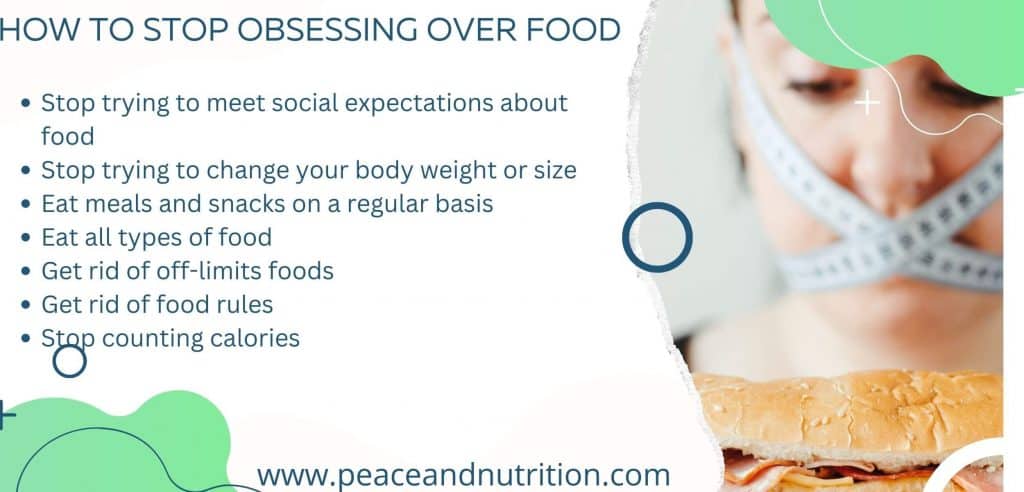
- Constant thoughts about food, weight, and body image
- Fear of certain foods or food groups
- Strict adherence to self-imposed dietary rules
- Feeling guilty or ashamed after eating
- Frequent dieting or restrictive eating patterns
- Preoccupation with counting calories or tracking food intake
Understanding the Psychological Factors
Food obsession often stems from various psychological factors. These may include a history of dieting, low self-esteem, body image issues, anxiety, or a need for control. Understanding and addressing these underlying factors is essential in breaking free from food obsession.
Identifying Triggers
To overcome food obsession, it is crucial to identify and understand the triggers that contribute to your unhealthy relationship with food. Triggers can be classified into two categories: external and internal.
External Triggers
External triggers are environmental cues that prompt food obsession. These may include being around certain foods, eating in social settings, or exposure to food advertisements. By recognizing these triggers and developing strategies to navigate them, you can minimize their impact on your mindset.
Internal Triggers
Internal triggers, on the other hand, are emotional or psychological factors that lead to food obsession. These triggers may include stress, boredom, loneliness, or negative emotions. By identifying your internal triggers, you can develop alternative coping mechanisms to address underlying emotional needs.
Common Trigger Foods
Certain foods can act as triggers for individuals struggling with food obsession. These trigger foods are often those that are associated with guilt or anxiety. Common examples include processed snacks, sugary desserts, and high-calorie foods. Identifying your trigger foods can help you develop strategies to enjoy them in moderation without succumbing to obsession.

Creating a Healthy Relationship with Food
To stop obsessing over food, it is vital to develop a healthy and balanced relationship with it. Cultivating mindful eating habits and practicing intuitive eating can lead to a more positive and sustainable approach to food.
Developing Mindful Eating Habits
Mindful eating involves paying attention to your food in the present moment, without judgment. It involves savoring each bite, eating slowly, and listening to your body’s hunger and fullness cues. By practicing mindful eating, you can become more attuned to your body’s needs and preferences, leading to a healthier relationship with food.
Practicing Intuitive Eating
Intuitive eating is an approach that emphasizes listening to your body’s internal cues, such as hunger and satisfaction, to guide your eating. It involves rejecting dieting mentality, honoring your cravings, and trusting your body to regulate its own food intake. By embracing intuitive eating, you can break free from food rules and restrictions, and instead, foster a more intuitive and balanced way of eating.
Finding Alternative Coping Mechanisms
Food obsession often serves as a coping mechanism for underlying emotional issues. By finding alternative coping mechanisms, such as engaging in hobbies, practicing mindfulness techniques, or seeking emotional support from loved ones, you can address these emotional needs without relying on food.
Building a Balanced Meal Plan
Creating a balanced meal plan can help you establish a healthy routine and promote a positive relationship with food. Understanding macronutrients and incorporating nutrient-dense foods are key components of building a balanced meal plan.
Understanding Macronutrients
Macronutrients, including carbohydrates, proteins, and fats, are the foundation of a healthy diet. Each macronutrient plays a vital role in providing energy and supporting various bodily functions. By understanding and including an appropriate balance of macronutrients in your meals, you can ensure that your body is receiving the necessary nutrients it needs to function optimally.
Including Nutrient-Dense Foods
Nutrient-dense foods are those that provide a high amount of essential nutrients with relatively few calories. These include fruits, vegetables, whole grains, lean proteins, and healthy fats. By prioritizing nutrient-dense foods in your meal plan, you can ensure that you are nourishing your body with the essential vitamins, minerals, and antioxidants it needs for optimal health.
Meal Prepping and Planning
Meal prepping and planning can help you maintain a balanced meal plan even during busy days. By dedicating some time each week to plan and prepare your meals in advance, you can avoid making impulsive or unhealthy food choices when stressed or pressed for time. This practice also allows you to have control over your food choices and ensures that you have nutritious options readily available.

Overcoming Restrictive Dieting Mentality
Restrictive dieting mindsets often contribute to food obsession. These diets create a cycle of deprivation and obsession, leading to feelings of guilt and failure when one inevitably gives in to cravings. Overcoming this mentality is crucial in establishing a healthy and sustainable relationship with food.
Recognizing the Negative Effects
Restrictive dieting can have detrimental effects on both your physical and mental health. It can lead to nutrient deficiencies, disordered eating patterns, decreased metabolism, and increased risk of binge eating. Recognizing and acknowledging these negative effects can be motivating factors in embracing a health-centric approach instead.
Adopting a Health-Centric Approach
Instead of focusing on strict diet rules or calorie counting, adopt a health-centric approach that prioritizes nourishing your body with wholesome, nutrient-dense foods. Shift your mindset to view eating as a way to support your overall health and well-being, rather than solely focusing on weight loss. Embrace the concept of balance and moderation, allowing yourself to enjoy occasional indulgences without guilt.
Seeking Professional Support
Changing an ingrained restrictive dieting mentality can be challenging, and seeking support from a registered dietitian or therapist can be immensely helpful. These professionals can provide guidance and individualized strategies to help you overcome food obsession and develop a healthier mindset towards eating.
Cultivating a Positive Body Image
An unhealthy relationship with food often stems from negative body image and societal pressures to conform to unrealistic beauty standards. Cultivating a positive body image is essential in promoting a healthy relationship with food.
Recognizing Unrealistic Beauty Standards
Society bombards us with images of thin, airbrushed models, creating unrealistic beauty standards that contribute to body dissatisfaction. Recognize that these standards are unattainable and embrace the uniqueness and beauty of your body as it is.
Practicing Self-Acceptance
Embrace self-acceptance and focus on the qualities and strengths that go beyond physical appearance. Surround yourself with positive influences, such as body-positive social media accounts or supportive friends and family, who appreciate and celebrate diverse bodies.
Promoting Body Positivity
Support the body positivity movement by advocating for inclusivity and challenging harmful body stereotypes. By promoting body positivity, you can help create a culture that celebrates all bodies and encourages a more accepting and loving relationship with oneself.
Addressing Emotional Eating
Emotional eating is often intertwined with food obsession. Understanding and addressing emotional triggers is crucial in breaking free from this destructive cycle.
Identifying Emotional Triggers
Identify the emotions or situations that lead to emotional eating. This could be stress, loneliness, boredom, or even happiness. By becoming aware of these triggers, you can develop alternative strategies for managing your emotions without turning to food.
Exploring Alternative Emotional Coping Mechanisms
Find healthy ways to cope with your emotions that do not involve food. Engage in activities that bring you joy, such as exercising, journaling, meditating, or spending time with loved ones. Find what works best for you in managing your emotions and practice these alternative coping mechanisms whenever needed.
Seeking Therapy or Counseling
If emotional eating is deeply ingrained and difficult to address on your own, consider seeking therapy or counseling. A mental health professional can help you explore the underlying emotional issues that contribute to your food obsession and provide guidance on developing healthier coping strategies.
Creating a Supportive Environment
Support from friends, family, and a network of individuals who understand and respect your journey is essential in overcoming food obsession and cultivating a healthy relationship with food.
Communicating with Friends and Family
Openly communicate with your loved ones about your struggles and goals. Let them know how they can support you, whether it is by not commenting on your eating habits or by participating in activities that do not revolve around food. Having their understanding and empathy can help you stay motivated and focused on your journey.
Building a Network of Supportive Individuals
Find a community or support group with individuals who share similar challenges and goals. This connection can provide encouragement, accountability, and practical advice. Online forums, social media groups, or local organizations may offer resources to connect with like-minded individuals.
Avoiding Toxic Diet Culture Influences
Surround yourself with positive influences and avoid toxic diet culture messaging. Unfollow social media accounts or unsubscribe from newsletters that promote harmful dieting practices or trigger food obsession. Fill your social media feeds with body-positive, uplifting, and informative content that supports your journey towards a healthy relationship with food.
Educating Yourself About Nutrition
Educating yourself about nutrition is empowering and essential in making informed food choices. Understanding food labels, learning about your nutritional needs, and consulting with a registered dietitian can help you establish a solid foundation of knowledge.
Understanding Food Labels
Navigate food labels to make informed decisions about the foods you consume. Pay attention to serving sizes, ingredients, and nutrient content. Familiarize yourself with common additives or ingredients that may be detrimental to your health and be mindful of marketing tactics that may be misleading.
Learning about Nutritional Needs
Educate yourself on your unique nutritional needs. Factors such as age, sex, activity level, and any underlying health conditions can influence your nutrient requirements. By understanding your individual needs, you can tailor your meal plan to ensure optimal nutrition and support your overall well-being.
Consulting with a Registered Dietitian
For personalized guidance and support in developing a healthy relationship with food, consider consulting with a registered dietitian. These professionals have the expertise to assess your nutritional needs, provide customized guidance, and address any concerns or challenges you may encounter.
Conclusion
Breaking free from food obsession requires a multi-faceted approach that addresses the underlying psychological factors, identifies triggers, cultivates a positive body image, and promotes a healthy relationship with food. By implementing the strategies outlined in this article, you can take steps towards developing a balanced, sustainable, and enjoyable approach to eating. Remember, it is essential to be patient and kind to yourself throughout the process, and seeking professional help when needed is always a valid option.

