
admin
How To Stop Myself From Eating

Have you ever found yourself in a battle with your own cravings? You’re not alone. We all struggle with the urge to eat, especially when it comes to unhealthy snacks that can derail our progress towards a healthier lifestyle. But don’t worry, because in this article, we’re going to delve into some effective strategies to help you stop yourself from eating when you know you shouldn’t. Trust me, it’s easier than you think!
When it comes to curbing those pesky cravings, the key is to understand the underlying reasons behind them. Are you eating out of boredom, stress, or simply because you’re used to it? Once you identify the triggers, you can then focus on finding healthier alternatives to satisfy those cravings. From keeping yourself busy with engaging activities to substituting unhealthy snacks with nutritious options, there are plenty of tricks you can try to outsmart your cravings. In this article, we’ll dive into all these strategies and more, so you can take control of your eating habits and achieve a healthier, happier you. Stay tuned and get ready to say goodbye to mindless snacking!
How To Stop Myself From Eating
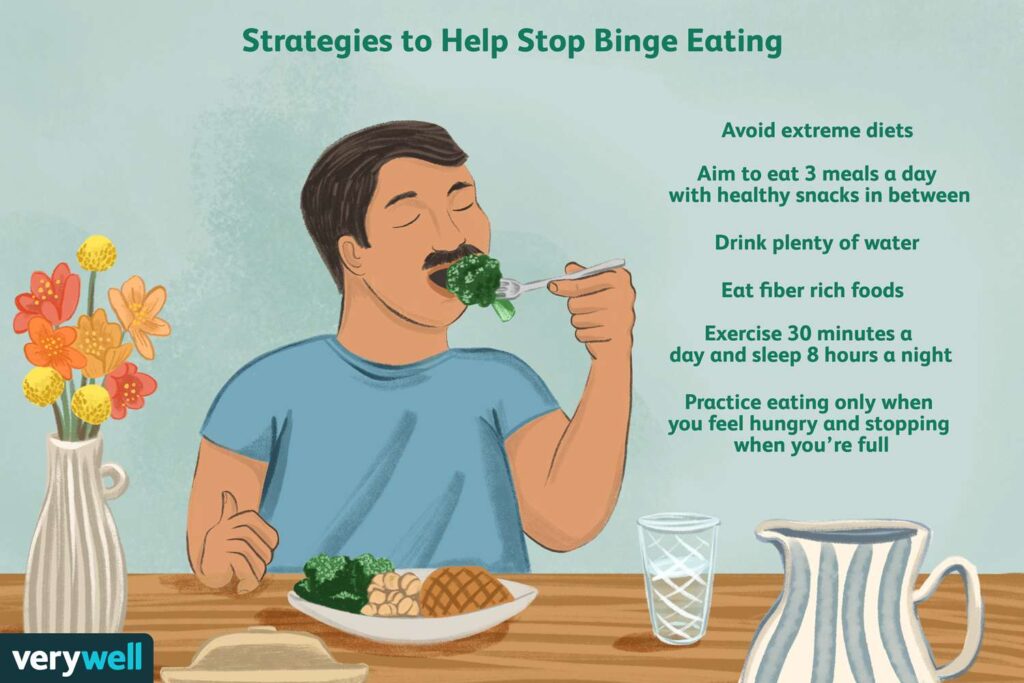
Understanding the urge to eat
When it comes to controlling our eating habits, it is essential to first understand the urge to eat and the factors that can trigger it. By identifying these triggers, you can gain a deeper insight into your eating habits and develop strategies to manage them effectively.
Identifying triggers for eating
One of the first steps in curbing your eating habits is to identify the triggers that lead to indulging in unhealthy snacks or excessive meals. These triggers can vary from person to person and may include stress, boredom, social situations, or even pleasant smells. Take note of the situations or emotions that make you reach for food, and consider alternative ways of addressing those triggers.
Differentiating between hunger and cravings
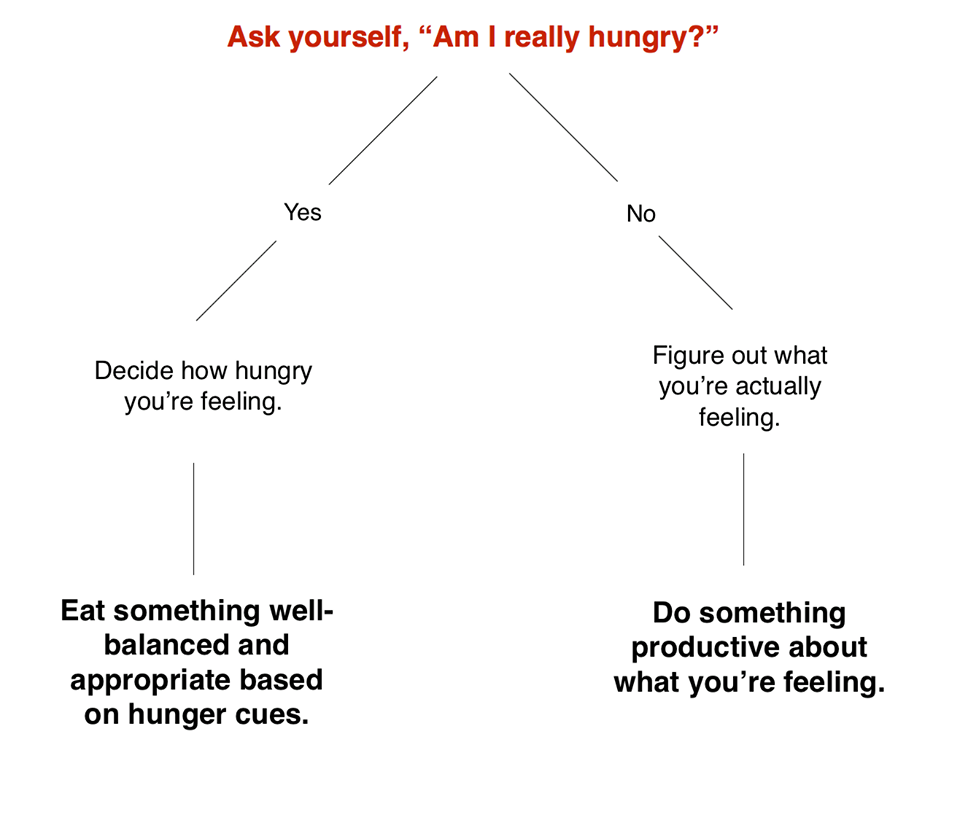
It is crucial to differentiate between genuine hunger and cravings. Hunger is a physiological response indicating that your body needs nourishment, while cravings are often a result of psychological or emotional factors. Understanding the differences between the two can help you make more mindful choices when deciding whether to eat.
Exploring emotional eating
Emotional eating is a common phenomenon where individuals turn to food as a means of comfort or stress relief. By exploring emotional eating and understanding the emotional triggers behind it, you can work towards developing healthy coping mechanisms and finding alternative ways to deal with your emotions.
Developing healthy alternatives
To prevent yourself from overeating, it is important to develop healthy alternatives that provide both satisfaction and nutrition. By incorporating these alternatives into your daily life, you can curb your cravings and maintain a balanced approach to eating.
Finding nutritious snacks
Instead of reaching for unhealthy snacks, opt for nutritious alternatives that can help curb your cravings. Stock up on fruits, vegetables, nuts, or low-fat yogurt to satisfy your hunger in a healthy way. These options are packed with essential nutrients and can help you stay satiated for longer periods.
Planning and preparing meals in advance
A significant step in controlling your eating habits is to plan and prepare your meals in advance. By doing so, you are more likely to make healthier choices, avoid impulsive snacking, and maintain portion control. Spending some time each week to plan your meals can save you from succumbing to unhealthy eating habits and promote a balanced approach to nutrition.
Discovering mindful eating techniques
Practicing mindful eating can be beneficial in curbing your eating habits. Mindful eating involves paying attention to the present moment and being fully aware of your food choices, eating habits, and body’s responses. By practicing mindful eating, you can savor your food, recognize your body’s signals of fullness, and make conscious decisions about what and when to eat.
Creating a supportive environment
It is essential to create a supportive environment that promotes healthy eating habits and discourages impulsive snacking or overeating. By making adjustments to your surroundings, you can create a space that aligns with your goals and helps you maintain self-control.
Removing tempting food from the house
To avoid the constant temptation of unhealthy snacks, take the initiative to remove them from your home. Replace them with healthier options, ensuring that your environment is conducive to making mindful food choices. Out of sight, out of mind!
Engaging in physical activity
Regular physical activity can help divert your attention from mindless eating, reduce stress levels, and improve overall well-being. Engage in activities you enjoy, such as walking, dancing, or practicing yoga, to distract yourself from unnecessary snacking and promote a healthier lifestyle.
Joining a support group
Joining a support group can provide a valuable network of individuals who are also working towards healthier eating habits. Sharing experiences, learning from others, and receiving encouragement can significantly contribute to your success in curbing your eating habits. Consider joining online communities or local support groups to gain additional support on your journey.
Handling stress and emotions
Managing stress and emotional well-being plays a significant role in preventing overeating or indulging in unhealthy snacks. By developing effective strategies to handle stress and emotions, you can alleviate the urge to eat as a means of comfort.
Exploring stress management techniques
Discovering stress management techniques that work for you can be instrumental in preventing emotional eating. This can include practices such as deep breathing exercises, meditation, journaling, or engaging in hobbies that help you relax and unwind.
Developing coping mechanisms for emotional eating
Instead of turning to food when facing emotional turmoil, identify healthier coping mechanisms that can provide the same relief. This could involve seeking support from loved ones, practicing relaxation techniques, or engaging in activities that bring you joy and comfort.
Practicing self-care strategies
Prioritizing self-care is essential in maintaining a balanced approach to eating and overall well-being. Ensure you take time for yourself, engage in activities that nourish your mind and body, and practice self-compassion. By taking care of yourself holistically, you can enhance your ability to make mindful choices and avoid unnecessary eating.
Seeking professional help
If you find it challenging to control your eating habits on your own, seeking professional help can provide you with additional guidance and support. Professionals such as nutritionists, dietitians, therapists, or counselors can offer personalized strategies and techniques to help you overcome your challenges.
Consulting a nutritionist or dietitian
A nutritionist or dietitian can assess your specific dietary needs, provide personalized meal plans, and offer guidance on proper portion control. They can help you navigate any nutritional deficiencies and assist you in making healthier food choices, ultimately promoting a balanced approach to eating.
Working with a therapist or counselor
If you struggle with emotional eating or have underlying psychological factors contributing to your eating habits, working with a therapist or counselor can be highly beneficial. These professionals can help you understand the root causes of your behaviors, develop coping mechanisms, and provide ongoing support throughout your journey.
Considering medical interventions
In certain cases, medical interventions may be necessary to address excessive eating habits. Consult with a healthcare professional to explore potential options such as medications or surgical procedures that can support your goal of overcoming overeating.
Understanding hunger cues
Recognizing hunger cues and understanding your body’s signals is crucial in managing your eating habits effectively. By listening to your body and acknowledging its needs, you can make informed decisions about when, what, and how much to eat.
Recognizing signals of genuine hunger
Genuine hunger is a natural physical sensation that indicates your body needs nourishment. Learn to distinguish between genuine physical hunger and other triggers, such as emotional cravings or boredom. Genuine hunger is often accompanied by a growling stomach and a gradual increase in intensity over time.
Differentiating physical and psychological hunger
Psychological hunger is often driven by emotions, habits, or other external factors. It may arise even when your body does not require nourishment. Understanding the difference between physical and psychological hunger can help you respond appropriately to your body’s needs and prevent unnecessary snacking or overeating.
Listening to your body’s needs
By paying attention to your body’s needs, you can make conscious choices about when to eat, what to eat, and how much to eat. Practice tuning in to feelings of fullness and satisfaction, and honor your body’s signals by stopping eating when you are genuinely satiated.

Creating a structured eating plan
Establishing a structured eating plan can significantly contribute to curbing eating habits and promoting a balanced approach to nutrition. By implementing strategies such as meal timings, portion control, and a wide variety of nutrients, you can create a structure that aligns with your health goals.
Establishing meal times and frequencies
Consistency is key when it comes to curbing eating habits. Establish regular meal times and frequencies that work for you, ensuring you provide your body with essential nourishment at appropriate intervals. This can help prevent impulsive snacking and facilitate better portion control.
Implementing portion control strategies
Portion control is critical in maintaining a balanced approach to eating. Instead of mindlessly consuming large servings, consider using smaller plates or bowls to control your portion sizes. Be mindful of portion recommendations and aim to align your intake with your body’s needs.
Including a balanced variety of nutrients
To ensure your body receives all the essential nutrients, aim for a balanced variety of foods in your meals. Include a combination of lean proteins, whole grains, fruits, vegetables, and healthy fats. This balance will help you feel satisfied, nourished, and prevent the urge to engage in excessive or unhealthy eating.
Overcoming cravings
Cravings can often derail our efforts to control our eating habits. By understanding the psychology behind cravings, finding healthier alternatives, and using distraction techniques, you can overcome cravings and maintain a healthier relationship with food.
Understanding the psychology behind cravings
Cravings can arise due to a variety of factors, including habit, emotions, or even external cues. By understanding the psychological mechanisms behind cravings, you can gain insight into your specific triggers and develop strategies to manage or replace them with healthier alternatives.
Replacing unhealthy cravings with healthier alternatives
While it is essential to address the underlying factors triggering your cravings, finding healthier alternatives to satisfy those cravings can be helpful. For example, if you crave something sweet, opt for a piece of fruit or a small portion of dark chocolate instead of reaching for a sugary treat.
Using distraction techniques
When faced with a craving, distracting yourself with alternative activities can help redirect your focus away from unhealthy eating. Engage in a hobby, go for a walk, or call a friend to occupy your mind and prevent impulsive snacking.

Monitoring and tracking progress
Monitoring and tracking your progress can provide valuable insights into your eating habits, emotions, and triggers. By keeping a food journal, tracking emotions, and celebrating milestones, you can stay motivated and make informed decisions to maintain a healthy relationship with food.
Keeping a food journal
Maintaining a food journal can help you gain awareness of your eating habits, portion sizes, and specific triggers that may lead to overeating or indulging in unhealthy snacks. Writing down what you eat, when you eat, and how you feel before and after can highlight patterns, enabling you to make informed changes.
Tracking emotions and triggers
Alongside your food journal, consider keeping track of your emotions and triggers that may impact your eating habits. By identifying these patterns, you can develop strategies to address emotional eating and make more mindful choices.
Celebrating milestones and achievements
Acknowledge and celebrate milestones and achievements along your journey towards healthier eating habits. These accomplishments serve as reminders of your progress and can motivate you to continue pursuing a balanced approach to food.
Conclusion
Achieving a healthier relationship with food requires understanding the urge to eat, developing healthy alternatives, creating a supportive environment, managing stress and emotions, seeking professional help when necessary, understanding hunger cues, creating a structured eating plan, overcoming cravings, and monitoring progress. By empowering yourself through mindful choices and embracing a balanced approach to eating, you can successfully stop yourself from overindulging and maintain a healthy lifestyle. Remember, it is a journey, and each step you take towards better eating habits is a step towards a healthier, happier you.
How To Stop Mindless Eating

Have you ever caught yourself mindlessly eating and wondered how to break that habit? It’s easy to get caught up in the rush of daily life and pay little attention to what we’re putting into our bodies. But fear not, because we have some practical tips to help you stop mindless eating and develop a healthier relationship with food. In our upcoming article, you’ll learn more about the psychology behind mindless eating and discover effective strategies to regain control over your eating habits.
When it comes to mindless eating, it’s important to understand the underlying causes. Whether it’s stress, boredom, or simply a lack of awareness, these factors can lead us to consume more calories than we actually need. But don’t worry, we’ll delve into the psychology behind mindless eating and explore how our environment can influence our food choices. From there, we’ll walk you through some helpful techniques to break the cycle of mindless eating. So grab your favorite snack and get ready to discover a whole new way of enjoying food mindfully. Stay tuned for our next article on how to stop mindless eating and take control of your health.

How To Stop Mindless Eating
In today’s fast-paced and busy world, it’s easy to fall into the trap of mindless eating. Mindless eating refers to the habit of consuming food without paying attention to what and how much we are eating. It is a common behavior that can have detrimental effects on our health and well-being. In this article, we will explore the definition of mindless eating, its causes, and its impact on our health. We will also discuss various strategies to help you identify triggers, create awareness, develop healthy eating habits, manage stress and emotions, create a supportive environment, take control of portion sizes, practice mindful eating in social situations, and maintain consistency in your journey towards stopping mindless eating.
Definition of Mindless Eating
Mindless eating can be defined as the act of eating unconsciously, without paying attention to the food being consumed, the portion sizes, or the body’s hunger and fullness cues. It often involves eating while distracted, such as watching television, working on the computer, or engaging in other activities. This behavior can lead to overeating, weight gain, and a host of health issues.
Causes of Mindless Eating
There are several factors that contribute to mindless eating. Emotional triggers, such as stress, boredom, or sadness, can lead us to seek comfort in food without consciously realizing it. Environmental triggers, such as the presence of food in our surroundings or social situations where food is abundant, can also influence our eating behaviors. Additionally, social triggers like peer pressure or the desire to fit in can lead us to mindlessly eat in order to conform or please others.
Impact of Mindless Eating on Health
Mindless eating can have a significant impact on our health. Overeating and consuming unhealthy foods can result in weight gain, obesity, and related conditions like diabetes, heart disease, and high blood pressure. Mindless eating can also disrupt our body’s natural hunger and fullness cues, leading to a disconnection from our body’s needs and an unhealthy relationship with food.
Identifying Triggers
To stop mindless eating, it is crucial to identify the triggers that lead to this behavior. By understanding what triggers your mindless eating, you can take proactive steps to address them.
Emotional Triggers
Emotional triggers are often linked to mindless eating. Stress, anxiety, boredom, and sadness can all contribute to the desire to seek comfort in food. By identifying these emotions and finding alternative ways to cope with them, you can prevent yourself from turning to food as a source of comfort. Engaging in stress reduction techniques such as deep breathing, meditation, or physical activity can help combat emotional triggers.
Environmental Triggers
Our environment plays a significant role in our eating habits. Having easily accessible unhealthy snacks, a chaotic and cluttered eating space, or an environment that promotes mindless eating can contribute to this behavior. To combat environmental triggers, it is important to organize your eating space, stock it with healthy snacks, and minimize the presence of unhealthy options. Creating a peaceful and inviting environment can help establish mindful eating habits.
Social Triggers
Social situations can also trigger mindless eating. Peer pressure, social norms, and the desire to fit in can lead us to make unhealthy food choices or consume larger portions than we need. It is important to be aware of these triggers and develop strategies to navigate social situations mindfully. Prioritize your health and well-being, and don’t be afraid to make healthy choices even if they differ from those around you. Surround yourself with supportive friends and family members who understand and respect your goals.
Creating Awareness
Developing awareness is key to stopping mindless eating. By being more conscious of our eating habits and paying attention to our body’s cues, we can break free from the cycle of mindless eating.
Practicing Mindful Eating
Mindful eating is the practice of being fully present and engaged with the eating experience. It involves paying attention to the taste, texture, and aroma of the food, as well as recognizing your body’s hunger and fullness signals. To practice mindful eating, make a habit of sitting down at a table to eat, without distractions such as the television or your phone. Take small bites, chew slowly, and savor each mouthful. Pay attention to your body’s signals of hunger and fullness, stopping when you are satisfied rather than stuffed.
Keeping a Food Journal
Keeping a food journal can be a powerful tool in creating awareness around your eating habits. By writing down everything you eat and drink, you can gain insight into patterns, triggers, and portion sizes. This can help you identify problem areas and make conscious choices to improve your eating habits. A food journal can also serve as a reminder of your goals and progress, keeping you motivated on your journey towards stopping mindless eating.
Recognizing Hunger vs. Cravings
Learning to differentiate between true hunger and cravings is an essential aspect of mindful eating. True hunger is a physical sensation that arises from the body’s need for nourishment, while cravings are often driven by emotions or external triggers. By tuning in to your body’s signals, you can recognize when you are truly hungry and make informed choices about when, what, and how much to eat. Pause before reaching for food and ask yourself if you are truly hungry or if there is another underlying reason for your desire to eat.
Developing Healthy Eating Habits
Developing healthy eating habits is crucial in stopping mindless eating. By creating structure and consistency in your eating routine, you can make conscious choices and establish a healthier relationship with food.
Planning Weekly Meals
Planning your meals in advance can help you make healthier choices and avoid impulsive decisions. Take the time to create a weekly meal plan, incorporating a balance of nutritious foods that you enjoy. Write a shopping list based on your meal plan and stick to it when you go grocery shopping. Having a plan in place will reduce the likelihood of mindlessly grabbing unhealthy options or ordering takeout.
Regular Grocery Shopping
Regular grocery shopping is an essential part of developing healthy eating habits. By keeping your kitchen stocked with fresh produce, lean proteins, whole grains, and healthy snacks, you will have nutritious options readily available. Avoid shopping on an empty stomach, as hunger can lead to impulsive and unhealthy choices. Take the time to read labels and choose products that are nourishing and align with your health goals.
Cooking at Home
Preparing meals at home allows you to have control over the ingredients and portion sizes. Cooking can be a creative and enjoyable experience that connects you with your food. Try new recipes, experiment with different flavors, and involve family members or friends in the process. By cooking at home, you can ensure that your meals are nutritious, balanced, and tailored to your individual needs.
Managing Stress and Emotions
Stress and emotions often play a significant role in mindless eating. By finding healthy ways to manage stress and cope with emotions, you can reduce the likelihood of turning to food for comfort.
Stress Reduction Techniques
Stress reduction techniques such as deep breathing, meditation, yoga, or engaging in physical activity can help manage stress levels. Find activities that you enjoy and make them a regular part of your routine. By dedicating time to relax and unwind, you can prevent stress from triggering mindless eating.
Alternative Coping Mechanisms
Instead of turning to food to cope with emotions, seek alternative coping mechanisms. Find activities that distract and fulfill you, such as reading, listening to music, taking a walk, or engaging in a hobby. Reach out to friends or family members for support or consider seeking professional help if needed. By finding healthy outlets for managing emotions, you can prevent mindless eating and promote overall well-being.
Seeking Support
Support from friends, family, or a support group can make a significant difference in your journey towards stopping mindless eating. Surround yourself with individuals who understand and respect your goals, and who can provide encouragement and accountability. Share your challenges and successes with them, and seek their guidance when needed. Having a support system can help you stay motivated, navigate difficult situations, and celebrate your progress.
Creating a Supportive Environment
Creating a supportive environment is essential in stopping mindless eating. By making healthy options readily available and minimizing temptations, you can set yourself up for success.
Stocking Healthy Snacks
Stock your pantry and refrigerator with healthy snacks that are easy to grab when hunger strikes. Keep fresh fruits, vegetables, nuts, and seeds on hand for quick and nutritious options. Remove or minimize the presence of processed snacks and sugary treats that can be tempting in moments of mindless eating.
Minimizing Temptations
Minimize temptations by removing or reducing the presence of unhealthy foods in your environment. Clear your kitchen of foods that trigger mindless eating or that don’t align with your health goals. If you have certain trigger foods that you find difficult to resist, don’t keep them in your home. Instead, treat yourself to those foods in moderation when you are in a controlled environment.
Engaging Family and Friends
Engaging your family and friends in your journey towards stopping mindless eating can create a supportive and encouraging environment. Explain your goals to them, educate them on the importance of mindful eating, and ask for their support. Encourage them to join you in creating healthy habits and cooking nutritious meals together. Having a strong support system can help you stay on track and make sustainable changes.
Taking Control of Portion Sizes
Controlling portion sizes is crucial in stopping mindless eating. By being mindful of how much you eat, you can prevent overeating and develop healthy habits.
Using Smaller Plates
Using smaller plates and bowls can help control portion sizes. Research shows that people tend to eat less when they are served food on smaller dishes. The optical illusion created by a full small plate can make it feel more satisfying than a partially filled larger plate. By downsizing your dishes, you can naturally reduce your portion sizes without feeling deprived.
Portion Control Strategies
In addition to using smaller plates, there are other portion control strategies you can implement. Measure and weigh your food to become more aware of appropriate portion sizes. Use visual cues, such as dividing your plate into quarters and filling half with vegetables, one-quarter with lean protein, and one-quarter with whole grains. Slow down your eating, taking the time to savor each bite and allowing your body to register feelings of fullness.
Avoiding Mindless Buffet Eating
Buffets can be a challenging environment for those trying to stop mindless eating. The abundance of food and the tendency to want to get your money’s worth can lead to overeating. When faced with a buffet, take time to survey all the options before making a plate. Choose smaller portions, avoid going back for seconds, and be mindful of your body’s hunger and fullness cues.
Mindful Eating in Social Situations
Eating mindfully in social situations can be particularly challenging. However, with the right strategies, you can navigate these situations while still prioritizing your health and well-being.
Eating Out Mindfully
When eating out, research the menu in advance to find healthy options that align with your goals. Take the time to savor each bite, chew slowly, and listen to your body’s hunger and fullness cues. Request any necessary modifications to make the dish healthier, such as opting for steamed vegetables instead of fries or requesting dressings and sauces on the side. Choose to dine at restaurants that offer nutritious options or consider packing a healthy meal or snack when eating out isn’t avoidable.
Handling Peer Pressure
Peer pressure can be a significant trigger for mindless eating in social situations. Learn to assertively communicate your health goals and make conscious choices that align with them. Plan ahead and come prepared with nutritious snacks or a healthy dish to share at gatherings. Surround yourself with friends who support and respect your choices, and don’t hesitate to politely decline unhealthy offerings or peer pressure.
Dealing with Party Settings
Parties and celebrations often revolve around food, making it difficult to avoid mindless eating. Before attending a party, eat a balanced meal or snack to prevent arriving hungry. Focus on socializing and enjoying the company of others rather than solely focusing on the food. Be mindful of portion sizes and savor the flavors of the foods you choose to indulge in. If there are healthier options available, prioritize those when making your choices.
Maintaining Consistency
Maintaining consistency is essential in your journey towards stopping mindless eating. By setting long-term goals, celebrating small victories, and overcoming setbacks, you can create lasting changes in your relationship with food.
Creating Long-Term Goals
Set long-term goals that are realistic and sustainable. Instead of focusing solely on weight loss, prioritize overall health and well-being. Define specific habits you want to adopt, such as consistently practicing mindful eating or incorporating more vegetables into your meals. Break these goals down into smaller, achievable steps to keep yourself motivated and on track.
Celebrating Small Victories
Celebrate each small victory along the way. Recognize and appreciate the progress you’ve made, whether it’s choosing a healthy option over an unhealthy one, practicing mindful eating for a week, or resisting the urge to mindlessly snack. Reward yourself with non-food-related treats, such as a relaxing bath, a new book, or a fun activity. By celebrating your small victories, you reinforce positive habits and stay motivated.
Overcoming Setbacks
Setbacks are a normal part of any transformative journey. If you find yourself mindlessly eating or slipping back into old habits, don’t beat yourself up. Learn from the experience and use it as an opportunity to reflect and reassess your strategies. Surround yourself with support and seek guidance when needed. Remember that setbacks are temporary, and you have the power to get back on track and continue making progress towards stopping mindless eating.
Conclusion
In conclusion, mindless eating can have negative impacts on our health and well-being. By identifying triggers, creating awareness, developing healthy eating habits, managing stress and emotions, creating a supportive environment, taking control of portion sizes, practicing mindful eating in social situations, and maintaining consistency, you can break free from the cycle of mindless eating. The journey towards stopping mindless eating takes time and effort, but the benefits to your health and overall well-being are well worth it. Take control of your health and start your journey towards mindful eating today.
How To Stop Yo Yo Dieting

Have you ever found yourself caught in the never-ending cycle of yo-yo dieting? You know, losing weight only to gain it all back, then starting another diet, only to repeat the same pattern again and again? It can be frustrating and disheartening, but the good news is that there are ways to break free from this cycle and achieve lasting results. In this article, you will discover effective strategies to help you stop yo-yo dieting and develop a healthy relationship with food and your body.
In our journey to stop yo-yo dieting, we will explore the concept of fasting and its benefits for weight loss and overall well-being. Fasting has been practiced for centuries as a way to cleanse and heal the body, and it can also be an effective tool for sustainable weight management. Through a combination of intermittent fasting, which involves cycling between periods of eating and fasting, and mindful eating, you can learn to listen to your body’s hunger and fullness cues, nourishing it with nutrient-dense foods when you truly need them. So, if you’re tired of the dieting rollercoaster and ready to make a lasting change, keep reading to discover how fasting and healthy eating can help you break free from the yo-yo dieting cycle once and for all.

How To Stop Yo Yo Dieting
Yo-yo dieting, also known as weight cycling, is a common phenomenon where individuals repeatedly lose and regain weight over time. This cycle of weight loss and regain can be frustrating and detrimental to both physical and mental health. In this article, we will explore what yo-yo dieting is, its causes and effects, and most importantly, how to break free from this unhealthy pattern.
Definition of Yo Yo Dieting
Yo-yo dieting refers to the recurrent pattern of losing weight through restrictive diets or extreme exercise regimens, only to regain the weight shortly after. This constant fluctuation in weight can have a negative impact on the body’s metabolism, making it more challenging to achieve and maintain a healthy weight in the long run.
Causes of Yo Yo Dieting
There are various factors that can contribute to the onset of yo-yo dieting. Understanding these triggers can help individuals identify and address the root causes of their weight fluctuation. Some common causes of yo-yo dieting include:
Emotional Triggers
Emotions play a significant role in our eating habits. Many individuals turn to food as a way to cope with stress, boredom, or other emotional challenges. Emotional triggers can lead to unhealthy eating habits, such as overeating or reaching for comfort foods. Over time, this can contribute to weight gain and perpetuate the yo-yo dieting cycle.
Environmental Triggers
Our environment can also impact our eating habits. The prevalence of highly processed and calorie-dense foods, coupled with sedentary lifestyles, can make it challenging to maintain a healthy weight. Busy schedules, fast food options, and social gatherings centered around food can all contribute to the yo-yo dieting pattern.
Social Triggers
Social situations and the influence of others can also contribute to yo-yo dieting. The pressure to conform to societal beauty standards or the desire to fit in with a specific social group can lead to extreme dietary measures. Additionally, constant exposure to dieting trends and fad diets through social media can create unrealistic expectations and unhealthy behaviors.
Establishing a Sustainable Eating Plan
Creating a sustainable eating plan is crucial in breaking free from yo-yo dieting and maintaining a healthy weight. Instead of restrictive diets, focus on implementing long-term changes that promote a balanced and nutrient-dense approach to eating. Here are some strategies to guide you in establishing a sustainable eating plan:
Creating a Balanced Meal Plan
A balanced meal plan involves incorporating a variety of food groups into each meal. Aim to include lean proteins, whole grains, fruits, vegetables, and healthy fats. This approach ensures that your body receives all the necessary nutrients while keeping you feeling satisfied and energized throughout the day.
Incorporating Nutrient-dense Foods
Nutrient-dense foods are those that provide a high amount of essential nutrients while being relatively low in calories. Include foods such as lean meats, fish, legumes, nuts, seeds, fruits, and vegetables in your diet. These foods are rich in vitamins, minerals, and fiber, which are essential for overall health and weight management.
Managing Portion Sizes
Portion control is critical in establishing a sustainable eating plan. Pay attention to your body’s hunger and fullness cues, and aim to eat until you are satisfied, not overly stuffed. Avoid eating large portions or overindulging in calorie-dense foods, as this can lead to weight gain and hinder your progress towards a healthy weight.

Building Healthy Eating Habits
In addition to adopting a sustainable eating plan, building healthy eating habits is vital in overcoming yo-yo dieting. By implementing mindful eating practices and listening to your body’s hunger and fullness cues, you can develop a healthier relationship with food. Here are some strategies to help you build healthy eating habits:
Mindful Eating Practices
Practicing mindfulness while eating involves paying full attention to the experience of eating and fully engaging with your senses. Slow down, savor each bite, and truly enjoy the flavors and textures of your food. This approach can help you become more in tune with your body’s hunger and fullness cues, preventing overeating or mindless snacking.
Listening to Your body’s Hunger and Fullness Cues
Learn to recognize and honor your body’s hunger and fullness cues. Eat when you are truly hungry and stop eating when you are comfortably full. Avoid restricting yourself or depriving your body of necessary nourishment, as this can lead to overeating or binge eating later on.
Avoiding Restrictive Diets
Restrictive diets can be tempting when trying to lose weight quickly. However, they are often unsustainable and can lead to a negative relationship with food. Instead of engaging in extreme dietary measures, focus on nourishing your body with wholesome foods and establishing a healthy and balanced approach to eating.
Finding Alternative Coping Mechanisms
Many individuals turn to food as a way to cope with stress, boredom, or other emotional challenges. By finding alternative coping mechanisms, you can break free from relying on food for emotional comfort and successfully manage your weight. Here are some alternative coping mechanisms to explore:
Exploring Stress-Relief Techniques
Identify stress-relief techniques that work best for you. This can include engaging in activities such as yoga, meditation, deep breathing exercises, or journaling. Find healthy outlets to manage stress and emotions, rather than turning to food as a source of comfort.
Engaging in Physical Activities
Physical activity not only helps maintain a healthy weight but also boosts mood and reduces stress. Find activities that you enjoy and make them part of your regular routine. Whether it’s dancing, hiking, swimming, or participating in a team sport, engaging in physical activities can provide a healthy outlet for emotions and contribute to overall well-being.
Seeking Emotional Support
Don’t hesitate to seek emotional support from friends, family, or professionals if needed. Sometimes, talking to someone about your struggles and challenges can provide valuable insights and assistance in overcoming yo-yo dieting. Consider reaching out to a therapist or counselor who specializes in disordered eating or joining a supportive community where you can share your experiences and receive encouragement.

Overcoming Plateaus and Setbacks
It is essential to anticipate and address plateaus and setbacks during your weight loss journey. It is normal to experience periods where progress may stall or even regain some weight. Here are some strategies to help you overcome plateaus and setbacks:
Reevaluating Your Goals and Expectations
Periodically reevaluate your goals and expectations. Adjust your expectations based on your progress and listen to your body’s needs. Remember, sustainable weight loss takes time, and it’s important to have realistic expectations throughout your journey.
Adjusting Your Exercise Routine
If you’ve hit a plateau in your weight loss journey, consider adjusting your exercise routine. Incorporate different types of exercises, increase the intensity or duration of your workouts, or try new activities to challenge your body and break through stagnant periods.
Staying Consistent and Committed
Consistency and commitment are key to overcoming plateaus and setbacks. Stay focused on your long-term goals, even when progress is slow. Acknowledge that setbacks are a normal part of any journey, and remember that each day is an opportunity to make positive choices for your health.
Tracking Progress and Celebrating Milestones
Tracking your progress and celebrating milestones along the way can provide motivation and reinforce healthy behaviors. Here are some ways to track progress and celebrate your achievements:
Monitoring Your Body Measurements
Instead of relying solely on the scale, consider tracking your progress using various measurements such as waist circumference, body fat percentage, or clothing sizes. This can help you recognize changes in your body composition and overall health, even if the numbers on the scale may not be moving as quickly as you’d like.
Recording Non-Scale Victories
Non-scale victories are accomplishments that go beyond the number on the scale. These can include increased energy levels, improved sleep quality, mental clarity, or improved physical fitness. Recording and celebrating these achievements can boost your motivation and remind you of the positive changes you’re making in your life.
Rewarding Yourself Appropriately
Rewarding yourself along your weight loss journey is important to maintain motivation and a positive mindset. However, it’s crucial to choose rewards that align with your health goals. Instead of using food as a reward, treat yourself to a spa day, buy a new workout outfit, or indulge in a hobby or activity that brings you joy.

Seeking Professional Guidance
If you’re struggling to break free from the yo-yo dieting cycle, consider seeking professional guidance. Working with a registered dietitian can provide personalized nutrition advice and guidance tailored to your specific needs. A therapist or counselor can help address any underlying emotional or psychological factors contributing to yo-yo dieting, and joining a supportive community can provide accountability and encouragement along your journey.
Maintaining a Positive Relationship with Food
Perhaps the most crucial aspect of stopping yo-yo dieting is maintaining a positive relationship with food. Here are some strategies to help you develop a healthy and balanced relationship with food:
Practicing Self-Compassion
Practice self-compassion and kindness towards yourself throughout your weight loss journey. Focus on progress rather than perfection and allow yourself room for flexibility and mistakes. Remember that change takes time and effort, and treat yourself with the same kindness and understanding you would offer to a loved one.
Embracing Food as Fuel and Enjoyment
View food as both fuel for your body and a source of enjoyment. Nourish your body with nutrient-dense foods that provide energy and support your overall well-being. At the same time, allow yourself to indulge in foods you truly enjoy without guilt or restriction, practicing moderation and mindful eating.
Avoiding Guilt and Shame
Avoid falling into the guilt and shame cycle associated with food and weight. Learn to let go of negative thoughts and judgments surrounding food choices or perceived failures. Remember that every day is a new opportunity to make positive choices for your health, and any setbacks or slip-ups should be viewed as learning experiences rather than reasons to give up.
Conclusion
Yo-yo dieting can be a frustrating and unhealthy cycle, but it is possible to break free. By understanding the causes and effects of yo-yo dieting, identifying triggers, establishing sustainable eating plans, building healthy habits, finding alternative coping mechanisms, overcoming plateaus, tracking progress, seeking professional guidance, and maintaining a positive relationship with food, you can finally put an end to yo-yo dieting. Remember, consistency and patience are key in achieving long-term success and embracing a healthy and balanced lifestyle.
How To Stop Eating In The Middle Of The Night

Do you find yourself raiding the fridge in the middle of the night? Maybe you wake up and can’t resist the urge to munch on something, even though you know you shouldn’t. If this sounds like you, don’t worry, you’re not alone! In this article, we’re going to discuss some helpful tips on how to stop eating in the middle of the night and regain control over your late-night snacking habits.
Late-night snacking can be a difficult habit to break, but with a little determination and some practical strategies, it is entirely possible to overcome this challenge. In the following paragraphs, we’ll explore various techniques that can help you curb your cravings and create healthier nighttime eating habits. From setting up a sleep routine to understanding the triggers behind your late-night snacking, you’ll find all the information you need to make positive changes in your eating habits. So, if you’re ready to put an end to those midnight munchies, keep reading to learn more in this article!

The Problem of Midnight Snacking
Understanding the urge to eat at night
Do you find yourself raiding the pantry late at night, searching for a snack to satisfy your hunger? You’re not alone. Many people struggle with the urge to eat during the midnight hours. Often, this late-night eating is driven by various factors, such as boredom, stress, or even habit. Understanding the reasons behind the urge to eat at night is essential to effectively addressing and managing this issue.
Effects of midnight snacking on health
While occasional late-night snacking may not seem harmful, regularly indulging in midnight snacks can have negative effects on your overall health. Eating late at night can disrupt your body’s natural circadian rhythm, interfering with proper digestion and sleep. It can lead to weight gain, as the body is less active during sleep, making it harder to burn off the calories consumed. Moreover, late-night snacks tend to be calorie-dense and low in nutritional value, increasing the risk of nutrient deficiencies over time.
Common triggers for late-night eating
Various triggers can lead to late-night eating habits, and recognizing them is crucial to overcoming the urge to snack during the midnight hours. Stress and emotional eating often play a significant role in this behavior. When experiencing stress, many people find comfort in food, using it as a coping mechanism. Additionally, boredom, loneliness, and habitual behavior can also contribute to the desire to eat at night. Identifying your personal triggers is the first step in addressing and changing your late-night eating habits.
Identifying and Addressing Emotions
Recognizing emotional eating patterns
Emotional eating is a common cause of late-night snacking. It involves eating as a response to emotions, such as stress, sadness, or boredom, rather than true physical hunger. To identify emotional eating patterns, pay attention to your feelings when reaching for a snack late at night. Are you eating because you’re genuinely hungry, or are you trying to fill an emotional void? Recognizing these patterns allows you to take control of your response to emotions and break the cycle of late-night eating.
Finding alternative coping mechanisms
To break free from emotional eating, it is essential to find alternative coping mechanisms for dealing with stress or other emotions. Engaging in activities you enjoy, such as reading, taking a bath, or going for a walk, can help distract you from the urge to eat. Additionally, practicing relaxation techniques, such as deep breathing or meditation, can help reduce stress levels, making it easier to resist the temptation to snack late at night. Experiment with different strategies until you find a healthy alternative that works for you.
Seeking professional help for emotional eating
If emotional eating persists despite your efforts to address it, seeking professional help can be beneficial. A therapist or counselor can provide guidance in managing emotions and developing healthy coping strategies. They can also help you explore the underlying causes of emotional eating and work towards a long-term solution. Remember, seeking help is a sign of strength, and with the right support, you can overcome emotional eating and stop eating in the middle of the night.

Creating a Healthy Eating Routine
Establishing regular meal times
One effective way to combat the urge to eat at night is to establish regular meal times throughout the day. Creating a routine where you have three regular meals and a couple of healthy snacks can help stabilize your blood sugar levels, reduce hunger cravings, and make it easier to avoid late-night snacking. Aim to eat your meals at consistent times each day, allowing your body to establish a natural rhythm and reducing the desire to eat when you should be sleeping.
Balancing macronutrients in meals
Another important aspect of creating a healthy eating routine is ensuring that your meals are well-balanced and include all essential macronutrients. Including protein, carbohydrates, and healthy fats in your meals helps keep you feeling full and satisfied for longer periods, reducing the likelihood of late-night cravings. Try incorporating lean proteins, whole grains, and a variety of fruits and vegetables into your meals to promote satiety and provide your body with the necessary nutrients.
Choosing nutrient-dense snacks
If you find yourself genuinely hungry at night, despite having a well-balanced meal plan, it’s important to choose nutrient-dense snacks that will satisfy your hunger without derailing your health goals. Opt for snacks that are rich in fiber, protein, and healthy fats, as these will keep you feeling full for longer and provide valuable nutrients. Examples of healthy late-night snack options include Greek yogurt with berries, a handful of nuts, or a veggie and hummus platter. Prioritize whole foods over processed snacks to nourish your body properly and avoid unnecessary nighttime eating.
Eliminating Temptations
Removing unhealthy snacks from the house
To effectively stop eating in the middle of the night, it’s crucial to remove any temptations from your immediate environment. Having unhealthy snacks readily available in your pantry or fridge can make it incredibly difficult to resist the urge to eat late at night. Take inventory of your kitchen and remove any high-calorie, processed snacks or sugary treats. Replace them with healthier alternatives like fresh fruit, pre-cut veggies, or homemade protein bars. By removing the temptations, you create a supportive environment that encourages healthier eating habits.
Creating a supportive environment
In addition to removing unhealthy snacks, creating a supportive environment can further aid in stopping nighttime eating. Surround yourself with individuals who prioritize their health and encourage positive behaviors. Share your goals with family and friends, so they understand and can help support you in your journey. Consider joining a support group or online community focused on healthy eating or intermittent fasting to connect with like-minded individuals who can provide guidance and encouragement.
Implementing mindful eating practices
Mindful eating is a powerful technique that can help you gain control over your eating habits and reduce the tendency to eat in the middle of the night. By practicing mindfulness, you become more aware of your body’s hunger and fullness cues, helping you differentiate between true hunger and emotional cravings. Before reaching for a late-night snack, take a moment to ask yourself if you are truly hungry. Engage your senses by savoring each bite, eating slowly, and paying attention to the flavors and textures of your food. This practice allows you to fully enjoy your meals and promotes a healthier relationship with food.

Managing Stress and Sleep
Implementing stress-reducing techniques
Stress is a significant trigger for late-night eating, so implementing stress-reducing techniques is vital to managing nighttime snacking. Find activities that help you relax and unwind, such as practicing yoga, taking a warm bath, or engaging in a creative hobby. Deep breathing exercises, journaling, or spending time in nature can also help alleviate stress and reduce the urge to eat during the midnight hours. Experiment with different methods until you find what works best for you, and incorporate stress reduction into your daily routine.
Prioritizing sleep hygiene
A lack of quality sleep can contribute to late-night snacking, so prioritizing sleep hygiene is crucial for overcoming this issue. Create a bedtime routine that allows you to unwind before sleep and helps signal to your body that it’s time to rest. Avoid stimulating activities and electronic devices close to bedtime, as the blue light emitted by screens can interfere with sleep quality. Ensure your sleep environment is comfortable, cool, and free from distractions to optimize your sleep quality and reduce the likelihood of nighttime snacking.
Developing a bedtime routine
Establishing a consistent bedtime routine can also help regulate your body’s internal clock and reduce the desire to eat at night. Engage in relaxing activities, such as reading a book, practicing gentle stretching, or taking a warm bath, to signal to your body that it’s time to wind down. Incorporating a regular sleep schedule, where you go to bed and wake up at the same time each day, can further reinforce healthy sleep patterns and reduce the likelihood of late-night snacking.
Overcoming Hunger and Cravings
Differentiating between hunger and cravings
One key aspect of stopping nighttime eating is learning to differentiate between genuine physical hunger and cravings. True hunger is a physical sensation that gradually builds up over time and can be satisfied with a balanced meal or snack. Cravings, on the other hand, are often specific desires for certain foods and can be triggered by emotions or external cues. By becoming more attuned to your body’s signals, you can better determine whether you’re truly hungry or simply experiencing cravings. This awareness empowers you to make conscious choices that align with your health goals.
Managing hunger with proper hydration and fiber
If you find that you’re genuinely hungry late at night, despite having a well-balanced meal plan, there are strategies to manage hunger in a healthy way. First, ensure you’re adequately hydrated throughout the day, as thirst can sometimes masquerade as hunger. Drinking a glass of water before reaching for a late-night snack can help curb the urge to eat. Additionally, incorporating fiber-rich foods into your meals can increase satiety, keeping you feeling full for longer. Foods like vegetables, whole grains, and legumes are excellent sources of fiber and can help manage late-night hunger.
Dealing with cravings in a healthy manner
When facing cravings, it’s important to address them in a healthy and mindful manner. Instead of completely denying yourself the pleasure of enjoying your favorite foods, consider finding healthier alternatives or practicing portion control. For example, if you’re craving something sweet, opt for a piece of dark chocolate or a small serving of fruit. Additionally, distracting yourself with a non-food-related activity, such as calling a friend, taking a walk, or engaging in a hobby, can help shift your focus away from cravings and reduce the urge to eat in the middle of the night.

Understanding the Role of Hormones
Exploring the impact of hormones on appetite
Hormones play a crucial role in regulating appetite, and understanding their impact can be helpful in managing late-night eating. Ghrelin, often referred to as the “hunger hormone,” increases during periods of fasting and can contribute to feelings of hunger. Leptin, the “satiety hormone,” signals to the brain when you are full. Hormonal imbalances can disrupt the delicate balance between these hormones, leading to increased hunger or reduced satiety signals. By recognizing the role of hormones in appetite regulation, you can take steps to maintain a hormone balance through lifestyle choices and seek professional guidance if necessary.
Ways to regulate hormone levels naturally
While hormone imbalances should be addressed with a healthcare professional, there are natural ways to help regulate hormone levels and support healthy eating habits. Regular exercise, particularly high-intensity interval training (HIIT), has been shown to positively influence hormone levels related to appetite. Getting enough quality sleep is also essential for maintaining proper hormonal balance. Moreover, consuming a diet rich in whole foods, including plenty of fruits, vegetables, lean proteins, and healthy fats, can help promote hormone balance and support overall health.
Consulting a healthcare professional for hormone imbalances
If you suspect that hormone imbalances may be contributing to your late-night snacking, it’s essential to consult a healthcare professional who can evaluate and address your specific situation. An endocrinologist or a primary care physician specializing in hormone health can perform necessary tests to determine if there are hormonal imbalances at play. They can then develop a personalized plan to help restore hormone balance, which may include lifestyle modifications, dietary changes, or even hormone replacement therapy if deemed necessary.
Mindfulness and Mindful Eating
Practicing mindfulness in daily life
Mindfulness involves being fully present and engaged in the present moment, and it can have a profound impact on your overall well-being and relationship with food. By practicing mindfulness in your daily life, you become more aware of your thoughts, emotions, and physical sensations, enabling you to make conscious choices. Engaging in mindfulness techniques, such as meditation, deep breathing, or body scans, can reduce stress levels and help break the cycle of mindless eating. By staying present and focused, you can better manage cravings and avoid the temptation to eat in the middle of the night.
Embracing mindful eating techniques
Mindful eating goes hand in hand with general mindfulness practices, allowing you to engage fully with the experience of eating. By adopting mindful eating techniques, you become more aware of your food choices, eating habits, and the sensations involved in eating. Before each meal, take a moment to observe your food, noting its colors, textures, and aromas. Slow down your eating pace, savor each bite, and chew your food thoroughly. Pay attention to your body’s hunger and fullness cues, and stop eating when you feel satisfied. Embracing mindful eating techniques can help you appreciate your food more and make healthier eating choices.
Cultivating a positive relationship with food
Developing a positive relationship with food is essential for maintaining long-term success in stopping nighttime eating. Instead of viewing food as the enemy or something to be feared, try to cultivate a healthy and balanced mindset towards eating. Recognize that food is fuel for your body and provides essential nutrients. Focus on nourishing your body with nutrient-dense foods that support your overall health and well-being. Celebrate food as a source of pleasure and enjoyment, and practice gratitude for the nourishment it provides. By developing a positive relationship with food, you can break free from unhealthy eating patterns and maintain a balanced lifestyle.

Tracking Progress and Seeking Support
Monitoring eating habits and patterns
Monitoring your eating habits and patterns is instrumental in your journey to stop eating in the middle of the night. Keeping a food diary or using a mobile app to track your meals, snacks, and emotions can help you identify problematic eating patterns, triggers, and progress over time. Additionally, noting how you feel after each meal or snack can help you become more aware of the impact specific foods have on your body. Regularly reviewing your food diary can provide valuable insights and help you make necessary adjustments to support your goals.
Seeking support from friends or a support group
Embarking on a journey to stop eating in the middle of the night can be challenging, so seeking support from friends or a support group can be incredibly beneficial. Share your goals and challenges with trusted friends or family members who can provide encouragement and accountability. Consider joining an online community or support group focused on healthy eating or intermittent fasting to connect with individuals who are facing similar struggles. Having a support system can help you stay motivated, share experiences, and gain valuable insights from others who have successfully overcome late-night eating habits.
Considering professional guidance for accountability
If you find it difficult to stay on track with your goal of stopping nighttime eating, considering professional guidance can provide additional support and accountability. Working with a registered dietitian, nutritionist, or weight loss counselor can help you develop a personalized plan, provide guidance on nutrition and meal planning, and address any underlying challenges or emotional triggers related to late-night snacking. Having a professional to hold you accountable can significantly increase your chances of success in adopting healthier eating habits and breaking free from midnight snacking.
Conclusion
In conclusion, stopping the habit of eating in the middle of the night can be challenging but is vital for maintaining a healthy and balanced lifestyle. By understanding the urge to eat at night and the detrimental effects midnight snacking can have on your health, you can take proactive steps to address this issue. Identifying and addressing emotions, creating a healthy eating routine, eliminating temptations, managing stress and sleep, overcoming hunger and cravings, understanding the role of hormones, practicing mindfulness and mindful eating, tracking progress, and seeking support are all effective strategies to overcome midnight snacking.
By committing to these strategies, you empower yourself to build a positive and sustainable relationship with food, break free from unhealthy eating habits, and achieve long-term success in your journey towards a healthier lifestyle. Remember to celebrate progress along the way, maintaining a sense of self-compassion and resilience. With determination, support, and adopting mindful practices, you can overcome the problem of midnight snacking and achieve the balance and vitality you desire.
Isabel Foxen Duke

Are you looking for a way to improve your eating habits and maintain a healthy lifestyle? Well, look no further because today we’re going to talk about Isabel Foxen Duke’s website, which is all about fasting and adopting healthy ways of eating. If you’ve been struggling with your relationship with food or want to explore different approaches to dieting, this website is a great resource for you.
Isabel Foxen Duke’s website dives deep into the world of fasting and offers valuable insights on how to incorporate this practice into your life. Whether you’re new to fasting or have some experience, this site has something for everyone. From informative articles to practical tips and even personal stories, you’ll find a wealth of knowledge to help you on your journey towards a healthier lifestyle.
In her conversational writing style, Isabel Foxen Duke covers everything from different fasting methods to the science behind it and the potential benefits. She provides clear explanations and breaks down complex information into easily understandable concepts. So, whether you want to learn more about intermittent fasting, time-restricted eating, or extended fasting, you’ll find detailed information and guidance on how to implement these practices in your daily routine.
Make sure to check out the rest of the article to dive deeper into Isabel Foxen Duke’s website and discover all the valuable resources it offers. Whether you’re just starting on your healthy eating journey or looking to enhance your current practices, this website will provide you with the knowledge and inspiration you need to make positive changes in your life.
Isabel Foxen Duke
Isabel Foxen Duke is a well-known figure in the health and wellness industry, particularly in the field of fasting and healthy eating. Her unique approach to these topics has gained her a reputation as a thought leader and advocate for body positivity and self-acceptance. In this article, we will explore Isabel Foxen Duke’s background, her contributions to the field, and her philosophy on fasting and healthy eating.

Early Life and Background
Isabel Foxen Duke grew up with a deep appreciation for food and a love for cooking. However, like many people, she also struggled with body image issues and an unhealthy relationship with food. After years of dieting and yo-yo weight fluctuations, she realized that traditional dieting approaches were not working for her and decided to explore alternatives.
Career in Health and Wellness Industry
Isabel Foxen Duke’s journey in the health and wellness industry began when she started working with individuals struggling with similar issues. She soon realized that there was a need for a more compassionate and holistic approach to health and nutrition. This led her to specialize in intuitive eating and body acceptance, areas that have now become the cornerstone of her work.

Contributions to the Field of Fasting and Healthy Eating
Isabel Foxen Duke has made significant contributions to the field of fasting and healthy eating by challenging traditional diet culture and promoting a more balanced and sustainable approach. She believes that restrictive diets and fasting can often lead to unhealthy behaviors and emotional eating. Instead, she encourages individuals to develop a healthy relationship with food and their bodies.
Understanding Fasting
Fasting has gained popularity in recent years for its potential health benefits, including weight loss and increased insulin sensitivity. But what exactly is fasting, and how does it work? Fasting can be defined as voluntarily abstaining from food for a certain period of time. There are different types of fasting, including intermittent fasting, time-restricted feeding, and prolonged fasting.

Benefits and Risks of Fasting
Fasting has been associated with several potential benefits, including weight loss, improved metabolic health, and increased cellular repair. However, it’s important to note that fasting may not be suitable for everyone and can have potential risks. Some individuals may experience negative side effects such as low blood sugar, muscle loss, and hormonal imbalances. It’s crucial to consult with a healthcare professional before embarking on any fasting regimen.
Different Fasting Methods
There are various fasting methods that individuals can choose from depending on their goals and preferences. Intermittent fasting involves alternating periods of fasting and eating. Time-restricted feeding focuses on limiting the eating window to a specific number of hours each day. Prolonged fasting, on the other hand, typically lasts for 24-72 hours and is done occasionally. Each method has its own set of guidelines and potential benefits.

Healthy Ways of Eating
While fasting can be a useful tool for some individuals, it’s essential to remember that healthy eating goes beyond just fasting. A well-rounded approach to nutrition involves consuming a balanced diet that provides all the necessary nutrients for optimal health. This includes a wide variety of whole foods, such as fruits, vegetables, lean proteins, and healthy fats.
Different Types of Diets
In recent years, various diets have gained popularity, each with its own set of guidelines and restrictions. Some of the most well-known diets include the ketogenic diet, paleolithic (paleo) diet, and vegan diet. It’s important to note that no single diet is suitable for everyone, and the best approach to healthy eating is to find a balance that works for your individual needs and preferences.

Developing a Healthy Relationship with Food
Isabel Foxen Duke believes that developing a healthy relationship with food is essential for long-term well-being. This involves listening to your body’s hunger and fullness cues, honoring your cravings without judgment, and enjoying meals without guilt or restriction. By embracing a more intuitive approach to eating, individuals can build a positive and sustainable relationship with food.
Isabel Foxen Duke’s Approach to Fasting
Isabel Foxen Duke’s approach to fasting is grounded in her principles of body acceptance and self-care. She emphasizes the importance of honoring your body’s needs and not using fasting as a punishment for overeating or as a way to control your weight. Instead, she encourages individuals to focus on nourishing their bodies and making choices that support their overall well-being.
Addressing the Emotional Aspects of Eating
One unique aspect of Isabel Foxen Duke’s approach is her focus on the emotional aspects of eating. She recognizes that cravings and emotional eating are a natural part of being human and believes that it’s essential to address the underlying emotions that drive these behaviors. By practicing mindfulness, self-compassion, and developing healthy coping mechanisms, individuals can navigate emotional eating in a more balanced and sustainable way.
Challenging Diet Culture
Isabel Foxen Duke does not shy away from critiquing traditional dieting approaches and challenging diet culture. She believes that the societal pressure to conform to certain beauty standards and the relentless pursuit of thinness can have a detrimental impact on mental health and overall well-being. Instead, she promotes body positivity and encourages individuals to appreciate their bodies for what they can do rather than focusing solely on appearance.
Overcoming Emotional Eating
Emotional eating, or using food as a coping mechanism for stress, boredom, or other emotions, is a common struggle for many individuals. Isabel Foxen Duke emphasizes the importance of understanding the connection between emotions and food. By recognizing triggers and developing alternative coping mechanisms, individuals can break free from the cycle of emotional eating and cultivate a healthier relationship with food.
Creating Sustainable Eating Habits
Achieving and maintaining healthy eating habits is not just about short-term results; it’s about creating sustainable habits that can be maintained in the long run. Isabel Foxen Duke believes in the importance of flexibility and forgiveness, allowing yourself to indulge occasionally without guilt. She also highlights the role of movement and physical activity in overall well-being, encouraging individuals to find joy in being active rather than viewing exercise as a means of punishment.
Addressing Common Misconceptions
There are many misconceptions surrounding fasting and healthy eating, and Isabel Foxen Duke aims to provide evidence-based information to debunk these myths. By exploring the science behind these misconceptions, individuals can make informed decisions about their health and well-being. It’s crucial to rely on reputable sources and consult with professionals to ensure accurate and reliable information.
Staying Motivated on the Journey
Embarking on a journey towards better health and well-being can be challenging, and staying motivated is key to long-term success. Isabel Foxen Duke encourages individuals to set realistic goals and expectations, celebrating small victories along the way. Finding support systems and accountability, whether through friends, family, or professional guidance, can also help individuals stay on track and navigate challenges.
Conclusion
Isabel Foxen Duke has made substantial contributions to the field of fasting and healthy eating through her unique approach and philosophy. By challenging traditional diet culture and promoting body positivity, she is helping individuals develop a healthier relationship with food and their bodies. Embracing a holistic approach to health that includes self-acceptance, self-care, and mindfulness is key to achieving long-term well-being. So, remember to prioritize your own well-being and embrace the journey towards a healthier and happier you.
How To Stop Eating Chalk

Have you ever found yourself uncontrollably reaching for that piece of chalk and taking a nibble? We’ve all had strange cravings at some point, but eating chalk is not a healthy habit. In this article, we’ll dive into the reasons why you might have this urge and, more importantly, how to stop eating chalk for good.
Let’s face it, eating chalk is not exactly a normal thing to do. The craving for chalk, also known as pica, can be a sign of nutrient deficiencies or underlying health issues. If you find yourself reaching for that chalkboard dust, don’t worry, you’re not alone. We’ll explore the possible causes and what you can do to curb this habit. So, if you’re ready to put down that chalk and regain control of your eating habits, keep reading. In the following paragraphs, we’ll provide you with some helpful tips and strategies.

How To Stop Eating Chalk
Understanding the Compulsion to Eat Chalk
Eating chalk may seem like a strange and unusual behavior to many people, but it is actually a condition known as pica. Pica refers to the compulsive consumption of non-nutritive substances, such as chalk, dirt, or clay. If you find yourself struggling with the compulsion to eat chalk, it is essential to understand the underlying reasons behind this behavior.
The Science Behind Pica
Pica can be influenced by various factors, including emotional triggers, nutritional deficiencies, and environmental factors. It is crucial to recognize these factors to effectively address and overcome the urge to consume chalk.
Recognizing the Signs of Pica
Identifying the signs of pica is the first step towards addressing this compulsion. Some common signs of pica include:
- Persistent cravings and thoughts about eating chalk
- Consuming chalk despite the knowledge that it is harmful
- Feeling distressed or anxious when unable to eat chalk
- Physical symptoms such as stomachaches or gastrointestinal issues
If you experience any of these symptoms, it is important to seek help and find healthy alternatives to satisfy your cravings.
Identifying the Triggers for Chalk Eating
Examining Emotional Triggers
Emotional triggers can play a significant role in the compulsion to eat chalk. Stress, anxiety, or emotional trauma can lead to seeking comfort in unconventional substances such as chalk. Recognizing and addressing these emotional triggers is essential to overcoming pica.
Exploring Nutritional Deficiencies
Nutritional imbalances or deficiencies can also contribute to the propensity to eat chalk. Research suggests that individuals with iron or zinc deficiencies are more likely to develop pica. Consulting a healthcare professional to determine any nutrient deficiencies and implementing appropriate dietary changes can help reduce the urge to eat chalk.
Considering Environmental Factors
Environmental factors can influence the development and persistence of pica. For example, living or working in an environment where chalk is easily accessible can increase the likelihood of consuming it. It is important to identify and modify these environmental factors to create a supportive and chalk-free space.

Seeking Professional Help
Consulting a Medical Doctor
If you are struggling with the compulsion to eat chalk, seeking medical advice is crucial. A medical doctor can help rule out any underlying medical conditions that may be contributing to pica. They can also conduct blood tests to identify any nutritional deficiencies and prescribe appropriate supplements if necessary.
Visiting a Therapist or Counselor
In addition to medical support, visiting a therapist or counselor can be beneficial in addressing pica. A therapist can help you explore the underlying emotional triggers and develop healthier coping mechanisms. They can also guide you through techniques such as cognitive-behavioral therapy to overcome the compulsion to eat chalk.
Joining Support Groups
Connecting with others who have experienced or are currently struggling with pica can be invaluable. Support groups provide a safe space to share experiences, exchange coping strategies, and offer emotional support. Joining a support group can provide a sense of community and understanding during your journey to overcome pica.
Exploring Alternative Coping Strategies
Finding Healthy Substitutes
Finding healthier substitutes for chalk can help satisfy the cravings without harming your body. Chewing on sugar-free gum, eating crunchy fruits and vegetables, or sipping on herbal teas can provide a similar sensory experience minus the harmful effects of consuming chalk. Experiment with different substitutes to discover what works best for you.
Engaging in Stress-Relieving Activities
Stress can exacerbate the compulsion to eat chalk. Engaging in stress-relieving activities can help alleviate the urge and distract your mind from cravings. Some effective stress-relief techniques include yoga, meditation, deep breathing exercises, or engaging in physical activities such as jogging or dancing.
Developing New Hobbies and Interests
Finding new hobbies and interests can be an effective distraction from the compulsion to eat chalk. Engaging in activities that you enjoy and that occupy your mind can help redirect your focus away from cravings. Pick up a new hobby, join a club, or explore creative outlets such as painting or writing to keep your mind engaged and away from chalk.

Creating a Supportive Environment
Informing Friends and Family
Creating a supportive environment starts with informing your friends and family about your struggle with pica. Openly communicating your challenges and educating them about the condition can help them understand and support you better. Their understanding and encouragement can be invaluable in your journey to stop eating chalk.
Educating Others about Pica
In addition to informing loved ones, educating others about pica can help create a more empathetic and understanding society. Spreading awareness about this condition can reduce stigma and promote a supportive community for individuals who are struggling with pica and other related disorders.
Establishing Boundaries and Consequences
Establishing personal boundaries and consequences can create accountability and discourage the compulsion to eat chalk. For example, setting a rule to avoid places or situations where chalk is available and adhering to it can help break the habit. Implementing consequences, such as donating a certain amount of money to a charity every time you consume chalk, can also be effective in deterring the behavior.
Developing a Healthy Eating Plan
Consulting a Dietitian
Consulting a dietitian can be instrumental in developing a healthy eating plan to address pica. A dietitian can assess your nutritional needs, recommend specific foods rich in necessary nutrients, and provide a well-balanced meal plan. Following a nutritious diet can help reduce cravings and combat nutritional deficiencies that may contribute to pica.
Implementing a Balanced Diet
Aligning your food choices with a balanced diet is essential for overcoming pica. Ensure that your meals include a variety of nutrient-dense foods such as lean proteins, whole grains, fruits, vegetables, and healthy fats. Avoid processed foods and focus on nourishing your body with wholesome and natural sources of nutrition.
Ensuring Sufficient Nutrient Intake
To address the nutritional deficiencies associated with pica, it is important to ensure sufficient intake of essential vitamins and minerals. Incorporating foods rich in iron, zinc, and other vital nutrients into your diet can help alleviate the cravings for non-nutritive substances like chalk. Additionally, your healthcare provider may recommend dietary supplements to further support your nutrient levels.

Self-Reflection and Mindfulness
Practicing Awareness of Triggers
Self-reflection and mindfulness are powerful tools in overcoming pica. Pay attention to your cravings and the circumstances surrounding them. By becoming aware of the triggers that lead to the compulsion to eat chalk, you can develop strategies to avoid or manage them effectively.
Implementing Mindfulness Techniques
Incorporating mindfulness techniques into your daily routine can help train your mind to resist the urge to eat chalk. Practice mindfulness meditation, which involves focusing your attention on the present moment without judgment. This can help create a sense of calm and reduce the desire for non-nutritive substances.
Journaling and Self-Reflection
Maintaining a journal to track your thoughts, emotions, and cravings can provide insight into your journey of overcoming pica. Regularly write down your thoughts and feelings, as well as any patterns or triggers you notice. Journaling can be a therapeutic practice that promotes self-reflection and aids in identifying effective coping strategies.
Staying Accountable and Tracking Progress
Establishing Accountability Buddies
Having accountability buddies can significantly enhance your journey to stop eating chalk. Find a trusted friend or family member who can offer support, encouragement, and understanding throughout your recovery process. Regular check-ins, sharing progress, and celebrating milestones together can help you stay motivated and accountable.
Tracking Pica Episodes
Keep a record of your pica episodes to understand the frequency and triggers associated with your cravings. This record can help you identify patterns, develop strategies to avoid those triggers, and assess your progress over time. It also serves as a reminder of how far you have come in overcoming this compulsive behavior.
Celebrating Milestones
Recognize and celebrate each milestone achieved on your path to overcoming pica. Whether it is a week without consuming chalk, conquering a challenging emotional trigger, or reaching out for professional help, acknowledge and reward yourself for your progress. Celebrating these achievements reinforces positive behaviors and keeps you motivated.

Overcoming Relapses and Setbacks
Developing Coping Strategies
Relapses and setbacks are a natural part of any recovery journey. It is important not to be discouraged by them but instead develop coping strategies to navigate difficult times. Reach out to your support system, engage in stress-relieving activities, and remind yourself of the progress you have made. Learning from setbacks and adapting your strategies can help you overcome pica in the long run.
Seeking Support During Difficult Times
During challenging periods, do not hesitate to seek additional support. Whether it’s scheduling an extra session with your therapist or reaching out to your accountability buddies or support group, asking for help when needed is vital. Remember, you are not alone in this journey, and there are people and resources available to support you.
Conclusion
Stopping the compulsion to eat chalk is a complex journey that requires a combination of self-awareness, professional guidance, and a supportive environment. Understanding the underlying factors of pica, identifying triggers, and implementing coping strategies are vital steps towards overcoming this compulsive behavior. Remember to seek appropriate professional help, surround yourself with understanding individuals, and celebrate your progress along the way. With determination, support, and healthy alternatives, you can successfully stop eating chalk and live a healthier, happier life.
How To Stop Craving Sweets At Night

Have you ever found yourself sitting on the couch late at night, craving something sweet? It can be so tempting to indulge in a sugary snack, especially after a long day. But don’t worry, because in this article, you’ll discover some tips and tricks on how to stop craving sweets at night.
Late-night cravings for sweets can be a result of various factors, such as boredom, stress, or even habit. One way to curb these cravings is by addressing the underlying causes. Try to identify if you’re eating out of actual hunger or simply out of boredom. If it’s the latter, finding alternative activities to occupy your mind, like reading a book or taking a bath, can help distract you from the desire to reach for sweets. Additionally, finding healthier alternatives to satisfy your sweet tooth, such as fruit or a small piece of dark chocolate, can be a great way to indulge without completely derailing your healthy eating goals. Stay tuned to learn more about how to kick those late-night sugar cravings for good!

How To Stop Craving Sweets At Night
Craving sweets at night can be a real challenge, especially if you’re trying to maintain a healthy eating regimen or lose weight. Understanding the science behind nighttime cravings and identifying triggers and patterns can help you overcome these cravings and make healthier choices. In this article, we will explore various strategies and techniques to curb nighttime cravings and promote a more balanced approach to eating.
The Science behind Craving Sweets at Night
Craving sweets at night is a common phenomenon that many people experience. It often stems from a combination of biological and psychological factors. From a biological standpoint, our bodies naturally produce more melatonin, the hormone that regulates our sleep-wake cycle, in the evening. Melatonin can have an impact on our hunger signals, potentially triggering cravings for sugar and carbohydrates.
Psychologically, nighttime cravings can also be linked to emotional triggers and habits. Many people use food, particularly sweets, to cope with stress, anxiety, or boredom. Additionally, our eating patterns can become ingrained over time, and if we’ve developed a habit of indulging in sweets before bed, it can be challenging to break that cycle.
Factors that Contribute to Nighttime Cravings
Several factors can contribute to nighttime cravings for sweets. One significant factor is the constant exposure to sugary foods throughout the day. Consuming foods high in sugar, especially in the evening, can lead to a spike in blood sugar levels, followed by a crash. This rollercoaster effect can trigger cravings for more sugar to regain that energy boost.
Another factor that can contribute to nighttime cravings is inadequate nutrient intake throughout the day. When our bodies aren’t properly nourished, they may send signals for more food, often in the form of sugar and carbohydrates. Additionally, lack of sleep can disrupt our hunger-regulating hormones, making us more susceptible to cravings.
Effects of Excessive Sugar Consumption at Night
Consuming excessive amounts of sugar at night can have several detrimental effects on our health. Firstly, it can contribute to weight gain and obesity. Foods high in sugar are often dense in calories and offer little to no nutritional value, leading to an imbalance in our energy intake. This excess energy can be stored as fat, resulting in weight gain over time.
Furthermore, excessive sugar consumption can have a negative impact on our sleep quality. Consuming sugary foods before bed can lead to fluctuations in blood sugar levels, which can disrupt our sleep-wake cycle. This can result in difficulty falling asleep and staying asleep throughout the night.
Lastly, a diet high in sugar can increase the risk of various health conditions, such as diabetes, heart disease, and metabolic syndrome. These conditions can have long-term implications on our overall health and well-being.
Recognizing Emotional Triggers related to Cravings
To effectively address nighttime cravings, it’s essential to identify and address the emotional triggers that may be driving the desire for sweets. Emotional eating often stems from feelings of stress, anxiety, loneliness, or boredom. By recognizing these triggers, we can find alternative ways to manage our emotions and reduce the reliance on food as a coping mechanism.
One effective strategy is to practice mindfulness and self-awareness. Take a moment to assess your emotional state before reaching for that sweet treat. Are you truly hungry, or are you seeking comfort or distraction? Engaging in activities such as deep breathing exercises, meditation, or journaling can help redirect your focus and relieve emotional tension.
Analyzing Eating Habits and Routines
Examining your eating habits and routines can provide valuable insights into your nighttime cravings. Take note of when and why you’re reaching for sweets at night. Are you consuming adequate meals and snacks throughout the day? Are you skipping meals or restricting yourself too much, leading to hunger pangs in the evening?
Maintaining a regular eating schedule can help balance your blood sugar levels and reduce cravings. Aim to have three balanced meals and two to three healthy snacks throughout the day. Including protein, fiber, and healthy fats in your meals can also help keep you feeling fuller for longer and minimize the desire for sugary snacks during the night.
Identifying Specific Food Triggers
Certain foods may act as triggers for nighttime cravings, particularly those high in sugar and refined carbohydrates. Identify the specific foods that tend to set off your cravings and find healthier alternatives. For example, if you find yourself craving ice cream in the evening, try opting for a small bowl of Greek yogurt topped with fresh fruit or a homemade smoothie made with natural sweeteners like dates or stevia.
Experimenting with alternative flavors and textures can help satisfy your cravings without derailing your healthy eating goals. Reducing the availability and accessibility of sugary snacks in your home can also make it easier to resist temptation.
Exploring Nutritious Snack Options
When cravings strike, it’s important to have nutritious alternatives on hand to satisfy your sweet tooth. Stock your pantry and fridge with wholesome snacks that provide a balance of nutrients. Fresh fruits such as berries, apples, and grapes can offer natural sweetness while providing essential vitamins and fiber.
Nuts and seeds, such as almonds or pumpkin seeds, can provide a satisfying crunch and are rich in healthy fats and protein. Consider making your own homemade energy balls or protein bars using ingredients like oats, nut butter, and a touch of honey for added sweetness.
Understanding the Role of Protein and Fiber
Incorporating protein and fiber into your meals and snacks can be instrumental in curbing nighttime cravings. Protein helps keep you feeling full and satisfied, while fiber acts as a natural appetite suppressant.
Include lean sources of protein such as chicken, fish, tofu, or legumes in your meals. Pair these with high-fiber foods such as vegetables, whole grains, and beans to create a balanced and satiating plate. Snacks that combine protein and fiber, such as a handful of almonds and a piece of fruit, can also be an effective way to ward off cravings.
Experimenting with Sugar Substitutes
If you’re craving sweets but want to reduce your sugar intake, experimenting with sugar substitutes can be a helpful strategy. There are various natural and artificial sweeteners available that can offer a similar taste without the added calories and blood sugar spikes.
Stevia, monk fruit extract, and erythritol are examples of natural sweeteners that can be used in moderation. Artificial sweeteners like sucralose or aspartame can also be an option for those seeking a calorie-free sweetener. However, it’s important to use these substitutes in moderation and be mindful of individual sensitivities and preferences.
Establishing a Balanced Meal Plan
Building a balanced meal plan is crucial in curbing nighttime cravings and fostering a healthier relationship with food. Incorporate a variety of nutrient-dense foods into your meals to ensure you’re getting the necessary vitamins, minerals, and macronutrients.
Include a mix of fruits, vegetables, whole grains, lean proteins, and healthy fats in your meals. Focus on portion control and aim for a gradual and sustainable weight loss, if necessary. Consulting with a nutritionist or dietitian can be beneficial in developing a personalized meal plan that suits your specific needs and goals.
Incorporating Regular Physical Activity
Regular physical activity not only contributes to overall health and well-being but can also aid in managing nighttime cravings. Engaging in exercise releases endorphins, which can reduce stress and improve mood, potentially reducing the reliance on food as a coping mechanism.
Find activities that you enjoy and make them a regular part of your routine. Whether it’s going for a walk, practicing yoga, dancing, or joining a sports team, finding ways to stay active can help alleviate cravings and promote a healthier lifestyle.
Practicing Mindful Eating
Practicing mindful eating involves paying full attention to the present moment while eating. It allows you to fully savor your food, be aware of your hunger and fullness cues, and make intentional choices about what and how much you eat.
Avoid distractions while eating, such as watching TV or using electronic devices. Take the time to chew your food thoroughly, savor the flavors, and appreciate the nourishment it provides. Mindful eating can help prevent overeating and make you more attuned to your body’s signals, including cravings.
Stress Reduction Techniques
Stress is often a significant contributor to nighttime cravings. Finding healthy and effective ways to manage stress can help alleviate cravings and promote a more balanced approach to eating. Engaging in stress reduction techniques such as deep breathing exercises, meditation, yoga, or engaging in hobbies can help calm the mind and reduce stress levels.
Emotional Support Systems
Having a strong support system can be crucial in overcoming nighttime cravings. Seek support from friends, family, or online communities who share similar goals or challenges. Sharing your experiences, discussing strategies, or simply venting can provide emotional support and encouragement.
Seeking Professional Help if Necessary
If nighttime cravings persist despite your efforts to manage them, seeking professional help may be beneficial. A registered dietitian, therapist, or counselor can provide personalized guidance and support to address underlying emotional issues or develop personalized strategies to manage cravings effectively.
Creating a Soothing Bedtime Routine
Establishing a soothing bedtime routine can help create an environment conducive to quality sleep and reduce the likelihood of nighttime cravings. Engage in relaxing activities such as reading a book, taking a warm bath, or practicing gentle stretches to wind down before bed. Avoid stimulating activities such as using electronic devices or engaging in intense physical exercise close to bedtime, as they can interfere with sleep quality.
Avoiding Stimulants before Bed
Certain substances, such as caffeine and nicotine, can interfere with your sleep quality and potentially trigger cravings. Limit your consumption of stimulants, especially in the evenings. Avoid consuming caffeinated beverages like coffee, tea, or energy drinks at least four to six hours before bed, as they can disrupt your sleep pattern.
Improving Sleep Hygiene
Maintaining good sleep hygiene is essential in promoting a restful night’s sleep and minimizing cravings. Ensure your sleep environment is dark, quiet, and comfortable. Establish a consistent sleep schedule by going to bed and waking up at the same time each day, even on weekends.
Limit exposure to bright lights, including electronic screens, before bed, as they can interfere with your body’s natural melatonin production. Create a calming atmosphere by using relaxation techniques such as deep breathing or listening to soft music or guided meditations.
Keeping a Food and Craving Diary
Keeping a food and craving diary can provide valuable insights into your eating patterns and identify potential triggers. Record the foods you consume throughout the day, along with any cravings or emotional states associated with them.
Reviewing your diary can help you identify patterns or triggers that may be contributing to your nighttime cravings. It can also serve as a tool to monitor your progress and hold yourself accountable to your goals.
Setting Realistic Goals for Curbing Nighttime Cravings
When it comes to overcoming nighttime cravings, it’s crucial to set realistic goals. Rome wasn’t built in a day, and changing long-standing habits takes time and perseverance. Set small, achievable goals for yourself and celebrate each step in the right direction.
Consider setting goals such as replacing sugary snacks with healthier alternatives for a certain number of nights per week or reducing the portion size of your evening treats gradually. By focusing on realistic targets, you’ll be more likely to maintain your progress and make lasting changes.
Seeking Support from Friends or Online Communities
Having a support network can significantly impact your success in overcoming cravings. Reach out to friends, family, or online communities centered around healthy eating or weight loss for support and encouragement. Sharing your struggles and successes with like-minded individuals can provide the motivation you need to keep going.
Dealing with Temporary Relapses
Setbacks and temporary relapses are part of the journey to overcoming nighttime cravings. It’s essential to be kind to yourself and recognize that mistakes happen. Instead of dwelling on these slip-ups, use them as opportunities to learn and grow.
If you find yourself giving in to cravings one night, reflect on what may have triggered the cravings and consider how to avoid similar situations in the future. Remember that progress is not always linear, and each day is a fresh opportunity to make healthier choices.
Identifying Personal Challenges and Finding Solutions
Identifying your personal challenges and finding practical solutions is key to overcoming nighttime cravings. Reflect on the factors that make it difficult for you to resist sweets at night. Whether it’s stress, lack of preparation, or mindless snacking, brainstorm ways to address those challenges proactively.
For example, if stress triggers your cravings, find alternative stress management techniques that work for you. If mindless snacking is a problem, try portioning out your snacks in advance and storing them in individual containers. Finding customized solutions that align with your unique circumstances will increase your chances of success.
Rewarding and Celebrating Small Victories
As you progress on your journey to overcoming nighttime cravings, be sure to reward and celebrate your small victories. Recognize and acknowledge the effort you put into making healthier choices. Treat yourself to non-food rewards such as a relaxing bath, a new book, or a massage. Celebrating your achievements will boost your motivation and reinforce positive behaviors.
Recognizing the Association between Cravings and Emotional State
Understanding the association between cravings and emotional state is crucial in addressing nighttime cravings effectively. Cravings for sweets at night often arise from a desire to soothe emotions or fill a void. Recognize when you’re experiencing emotional hunger rather than physical hunger.
To distinguish between the two, consider whether you’re genuinely hungry or if you’re seeking food for comfort or distraction. Engaging in other activities that bring you joy or managing your emotions in healthier ways can help break the cycle of relying on sweets to satisfy emotional needs.
Learning to Distinguish between Physical and Psychological Hunger
Learning to distinguish between physical and psychological hunger is essential in overcoming nighttime cravings. Physical hunger typically occurs gradually and is accompanied by physical sensations such as a growling stomach or low energy levels.
Psychological hunger, on the other hand, can come on suddenly and is often triggered by specific emotions or situations. It tends to focus on cravings for certain foods rather than a general need for sustenance. By becoming more attuned to your body’s hunger signals, you can respond appropriately and make conscious choices about when and what to eat.
Challenging and Replacing Negative Thoughts about Cravings
Negative thoughts and beliefs about cravings can hinder your progress in overcoming nighttime cravings. Challenge any negative thoughts or self-judgment surrounding your cravings and replace them with more positive and empowering beliefs.
Instead of beating yourself up for giving in to cravings, remind yourself that it’s just a temporary setback and that you’re committed to making healthier choices. Focus on the progress you’ve made so far and the steps you’re taking to improve your relationship with food and self-control.
Summarizing Effective Strategies to Stop Craving Sweets at Night
In summary, stopping cravings for sweets at night requires a holistic approach that addresses both the physical and emotional aspects of eating. Understanding the science behind cravings, identifying triggers and patterns, and creating healthier alternatives can help you overcome cravings and make more balanced choices.
Building healthy habits, managing stress, promoting better sleep, and seeking support are key elements in curbing nighttime cravings. By implementing these strategies consistently and persistently, you can develop a healthier relationship with food, improve sleep quality, and ultimately achieve your health and well-being goals.
Remember, progress takes time, and setbacks are part of the journey. Stay committed, celebrate your victories, and be kind to yourself throughout the process. With dedication and perseverance, you can stop craving sweets at night and foster a healthier lifestyle.
How To Quit Eating Sugar
Do you find yourself constantly craving sugar and reaching for sweets or sugary snacks throughout the day? It can be a difficult habit to break, but don’t worry – there are effective ways to quit eating sugar and improve your overall health. In this article, we will delve into some practical tips and strategies to help you cut down on sugar consumption and make healthier choices. Whether you’re looking to lose weight, boost your energy levels, or simply feel better overall, you’re in the right place.
So, let’s get started on this journey towards reduced sugar intake. One of the first steps is to become more mindful of your sugar consumption by reading food labels and identifying hidden sugars in everyday products. You’ll be amazed at how many seemingly innocent foods contain added sugars! We’ll also explore the importance of eating a balanced diet, incorporating whole foods, and finding satisfying alternatives to sugary treats. Additionally, we’ll delve into the benefits of meal planning and how it can help you avoid the temptation of reaching for that candy bar or sugary drink. By the end of this article, you’ll be armed with practical knowledge and tools to make healthier choices and kick that sugar addiction to the curb.
How To Quit Eating Sugar
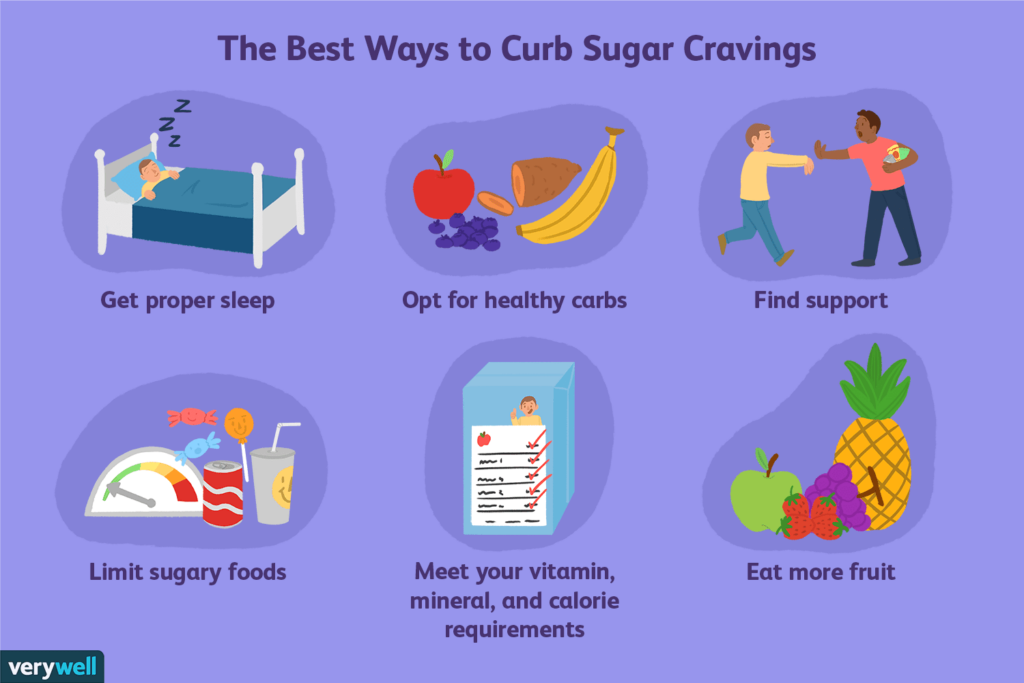
Understanding the Effects of Sugar on the Body
Sugar is a common and addictive ingredient found in many foods and beverages. While it may provide a temporary energy boost and a pleasant taste, excessive sugar consumption can have detrimental effects on your health. By understanding the impact of sugar on your body, you can make informed choices to reduce your sugar intake and improve your overall well-being.
The Impact of Excessive Sugar Consumption on Health
Research has shown that consuming excessive amounts of sugar can lead to various health issues. One significant concern is the increased risk of developing chronic diseases such as obesity, type 2 diabetes, and heart disease. Not only does sugar contribute to weight gain, but it also affects your body at the cellular level, leading to inflammation and insulin resistance.
The Role of Sugar in Weight Gain and Obesity
Sugar is a high-calorie substance that provides minimal nutritional value. Excessive consumption can contribute to weight gain and obesity as it adds extra calories to your diet without providing any feeling of fullness. Moreover, sugar is often hidden in processed foods, making it easy to overlook the amount of sugar you consume. By reducing your sugar intake, you can effectively manage your weight and reduce the risk of obesity-related health problems.
How Sugar Affects Energy Levels and Mood
Although sugar initially provides a quick burst of energy, it can lead to energy crashes and mood swings shortly afterward. This is because sugar causes a rapid rise in blood sugar levels, followed by a sharp drop. The constant fluctuations in blood sugar can leave you feeling tired, irritable, and craving more sugar to regain that temporary high. By minimizing your sugar intake, you can stabilize your energy levels and experience improved mood throughout the day.
Identifying Hidden Sources of Sugar
Sugar can hide in many common foods and beverages, making it essential to be mindful of hidden sources. By recognizing these sources, you can take proactive steps to reduce your sugar intake.
Common Foods and Beverages with Hidden Sugar
Many processed foods, such as cereals, granola bars, yogurt, and condiments, contain added sugars. Even seemingly healthy drinks like fruit juices, sodas, and flavored coffee drinks can have high sugar content. By reading food labels and choosing whole, unprocessed options, you can avoid the hidden sugars in these products.
Reading Food Labels to Recognize Sugar Content
When trying to reduce your sugar intake, it’s important to read food labels carefully. Look for ingredients such as sucrose, glucose, fructose, corn syrup, and high fructose corn syrup, which are all different names for sugar. Pay attention to the sugar content listed in grams and try to select products with lower sugar levels.
Alternative Names for Sugar in Ingredient Lists
Food manufacturers sometimes use alternative names for sugar to confuse consumers and make it harder to identify the true sugar content. Some of these alternative names include molasses, honey, agave nectar, maple syrup, and fruit juice concentrate. By familiarizing yourself with these alternative names, you can make more informed choices and reduce your sugar intake effectively.
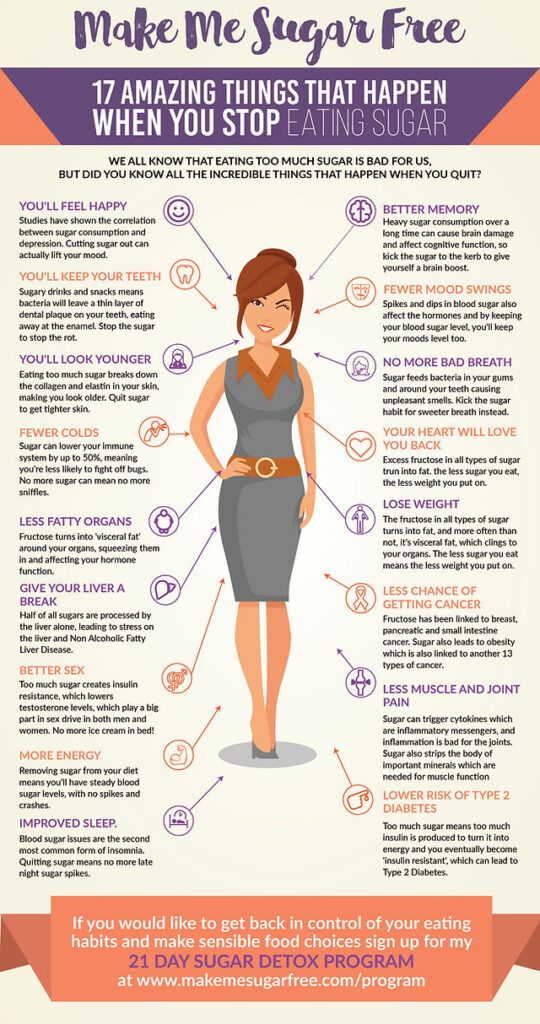
Creating a Sugar-Free Meal Plan
Building a balanced and nutritious meal plan that does not include added sugars is essential for quitting sugar. By focusing on whole, unprocessed foods and incorporating healthier alternatives, you can enjoy a variety of flavors without the harmful effects of excessive sugar.
Building a Balanced Diet without Added Sugars
When creating your sugar-free meal plan, prioritize foods that are naturally low in sugar, such as fresh fruits, vegetables, lean proteins, and whole grains. These foods provide essential nutrients and can help you stay full and satisfied throughout the day. Remember to limit or avoid processed foods, which often contain hidden sugars.
Healthy Snack Ideas without Sugar
Snacking can be a challenge when trying to quit sugar, as many snacks are high in added sugars. However, there are plenty of delicious and healthy snack options available. Fresh fruits, raw nuts, Greek yogurt, and vegetable sticks with hummus are all great alternatives to sugary snacks. Additionally, preparing homemade snacks, such as energy balls made with oats, nuts, and dried fruits, can satisfy your sweet tooth without the added sugars.
Tips for Dining Out and Avoiding Sugary Options
Eating out can be tricky when trying to avoid sugar, as many restaurant meals and fast food options are laden with added sugars. To make healthier choices, opt for dishes that are grilled, steamed, or roasted instead of fried. Ask for dressings and sauces on the side, and opt for water or unsweetened beverages instead of sugary drinks. With a little planning and mindfulness, you can enjoy a delicious meal without compromising your sugar-free goals.
Replacing Sugary Foods with Healthier Alternatives
To successfully quit sugar, it’s important to find healthier alternatives that can still satisfy your cravings for sweet flavors. By incorporating natural sweeteners and focusing on the natural sweetness of fruits, you can enjoy delicious treats without the harmful effects of added sugars.
Choosing Natural Sweeteners like Stevia or Monk Fruit
Natural sweeteners such as stevia and monk fruit extract are excellent alternatives to refined sugar. These sweeteners are derived from plants and have a negligible effect on blood sugar levels. They can be used in baking, cooking, or as a substitute for sugar in beverages. By experimenting with these natural sweeteners, you can still enjoy sweetness without the negative health consequences.
Incorporating Fruits into the Diet as a Sweet Treat
Fruits are nature’s sweet gift and can be an excellent replacement for sugary desserts. Whether enjoyed fresh, frozen, or blended in smoothies, fruits provide natural sugars along with essential vitamins, minerals, and fiber. By incorporating a variety of fruits into your diet, you can satisfy your sweet cravings and nourish your body at the same time.
Exploring Sugar-Free Recipes and Substitutions
There are countless sugar-free recipes available that can help you transition to a sugar-free lifestyle. From sugar-free cakes and cookies to homemade salad dressings and sauces, these recipes use alternative ingredients to replace refined sugar. By exploring and experimenting with sugar-free recipes, you can continue to enjoy your favorite dishes without compromising your health.

Managing Cravings and Withdrawal Symptoms
Quitting sugar can be challenging, especially in the early stages when cravings and withdrawal symptoms may arise. By understanding the psychology of sugar addiction and implementing effective strategies, you can overcome cravings and successfully navigate the sugar detox process.
Understanding the Psychology of Sugar Addiction
Sugar can be highly addictive, stimulating the release of dopamine in the brain and leading to cravings for more sugar. Understanding the psychological aspect of sugar addiction can help you develop strategies to manage cravings effectively. By recognizing the triggers that cause you to crave sugar and finding alternative ways to satisfy those cravings, you can minimize sugar’s grip on your mind and body.
Strategies for Overcoming Sugar Cravings
When cravings strike, there are several strategies you can employ to overcome them. One effective method is to distract yourself by engaging in activities that keep your mind and body occupied, such as going for a walk, practicing a hobby, or spending time with loved ones. Another useful strategy is to swap sugary snacks with healthier alternatives, as mentioned earlier, to fulfill your craving for sweetness without consuming added sugars.
Dealing with Withdrawal Symptoms and Sugar Detox
During the initial stages of quitting sugar, you may experience withdrawal symptoms such as headaches, irritability, and fatigue. These symptoms are temporary and signify your body adjusting to the absence of sugar. Stay hydrated, get plenty of rest, and focus on maintaining a balanced diet to help alleviate these symptoms. Be patient with yourself and remind yourself of the long-term benefits of a sugar-free lifestyle.
Developing Healthy Habits and Mindset
Quitting sugar is not just about eliminating an ingredient from your diet; it’s about developing a healthier mindset and adopting sustainable habits. By setting realistic goals, creating a supportive environment, and practicing mindfulness, you can establish a positive relationship with food and maintain a sugar-free lifestyle in the long run.
Setting Realistic Goals and Committing to Change
When embarking on your sugar-free journey, it’s essential to set realistic goals that align with your lifestyle and personal preferences. Start by gradually reducing your sugar intake and increasing your consumption of whole, nutrient-dense foods. Be patient with yourself and understand that change takes time. Commit to making healthier choices and hold yourself accountable for the goals you set.
Building a Supportive Environment and Accountability
Surrounding yourself with a supportive environment can significantly impact your success in quitting sugar. Share your goals with family and friends who can provide encouragement and hold you accountable. Consider joining online communities or support groups where you can connect with like-minded individuals who are also on a sugar-free journey. By creating a supportive network, you can stay motivated and inspired throughout your sugar-free transformation.
Adopting Mindfulness Techniques for Food Choices
Mindfulness is an essential practice when it comes to making conscious food choices. By incorporating mindfulness techniques into your daily routine, you can develop awareness of your cravings, emotional eating triggers, and make intentional decisions about what you eat. Practice mindful eating by savoring each bite, paying attention to your body’s hunger and fullness cues, and choosing foods that nourish and support your well-being.

Engaging in Physical Activity to Aid Sugar Detox
Physical activity plays a crucial role in supporting your sugar-free journey. Regular exercise not only helps to burn calories and maintain a healthy weight but also boosts your mood and reduces stress – factors that can influence your sugar cravings and emotional eating habits.
Choose Exercise Routines that Boost Endorphins
Endorphins are natural feel-good hormones produced by the body during physical activity. Engaging in exercises that elevate your heart rate, such as cardio exercises or high-intensity interval training (HIIT), can stimulate the release of endorphins, improving your mood and reducing cravings for sugar. Find an exercise routine that you enjoy and make it a regular part of your week.
The Benefits of Regular Physical Activity on Sugar Addiction
Regular physical activity can have a positive influence on your relationship with sugar. Exercise helps to regulate blood sugar levels, increases insulin sensitivity, and supports healthy weight management. By incorporating exercise into your routine, you can reduce the risk of developing sugar addiction and maintain optimal overall health.
Combining Exercise with Healthy Eating Habits
Your sugar-free journey will be most effective when you combine exercise with healthy eating habits. Make sure to fuel your body with nutrient-dense foods that provide the energy you need for your workouts. Consider incorporating pre and post-workout snacks that combine protein and complex carbohydrates to optimize your exercise performance and recovery.
Managing Stress and Emotional Eating
Stress and emotions play a significant role in our food choices, often leading to unhealthy eating habits and reliance on sugary comfort foods. By understanding the relationship between stress and sugar cravings and adopting alternative coping mechanisms, you can effectively manage stress without turning to sugar.
The Link Between Stress and Sugary Food Cravings
Stress triggers the release of hormones like cortisol, which can increase your desire for sugary foods. In times of stress, many individuals turn to food as a source of comfort. However, relying on sugary foods as a coping mechanism can create a vicious cycle of stress and emotional eating. By recognizing this connection, you can develop healthier strategies to manage stress.
Finding Alternative Coping Mechanisms for Stress
When faced with stress, it’s essential to find alternative coping mechanisms that don’t involve turning to sugar for comfort. Engaging in stress-reducing activities such as mindfulness meditation, deep breathing exercises, journaling, or engaging in hobbies can provide healthy outlets for stress relief. Experiment with different strategies and find what works best for you in managing stress without resorting to sugary treats.
Practicing Stress-Reducing Techniques
Incorporating stress-reducing techniques into your daily routine can help minimize the impact of stress on your sugar cravings. Prioritize self-care activities such as getting enough sleep, maintaining a regular exercise routine, and practicing relaxation techniques. By effectively managing stress levels, you’ll be better equipped to make healthier food choices and maintain a sugar-free lifestyle.
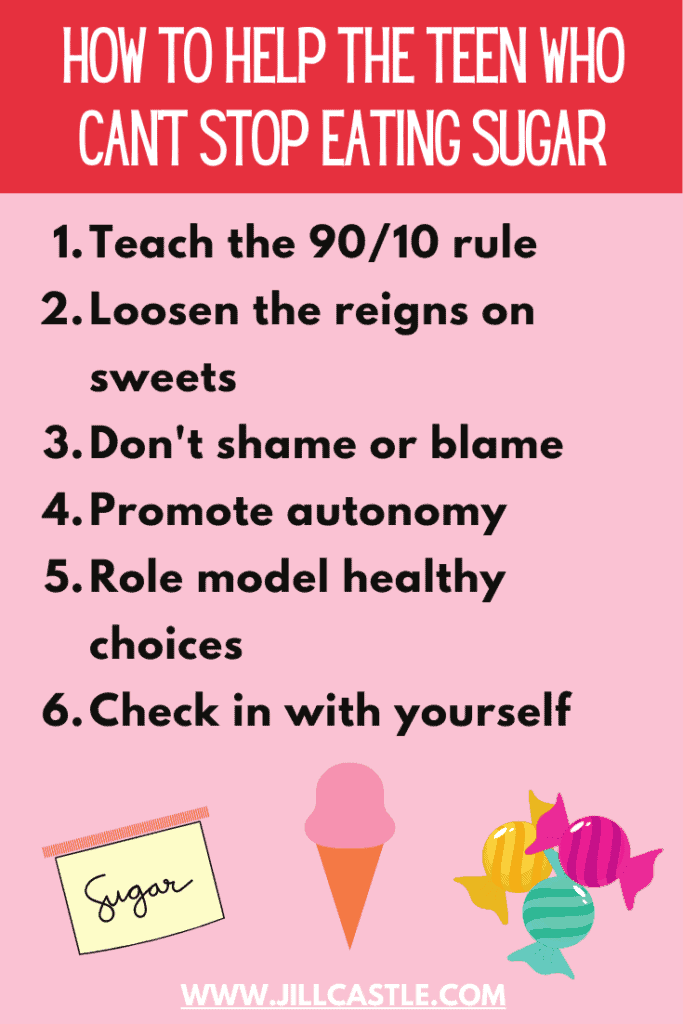
Tracking Progress and Celebrating Success
Monitoring your progress and celebrating milestones are crucial aspects of your sugar-free journey. By tracking your sugar intake, recognizing positive changes, and acknowledging your achievements, you’ll stay motivated and committed to your goals.
Using Apps and Journals to Monitor Sugar Intake
There are several apps and online tools available that can help you track your sugar intake. These apps allow you to log your meals, snacks, and beverages, providing you with a better understanding of your sugar consumption. Additionally, keeping a journal to record your thoughts, feelings, and progress can be a powerful tool for self-reflection and motivation.
Recognizing and Celebrating Milestones in Sugar-Free Journey
Acknowledge the milestones you achieve on your sugar-free journey. Whether it’s going sugar-free for a week, a month, or a year, each milestone is a significant accomplishment. Treat yourself to non-food rewards such as a relaxing spa day, a new piece of clothing, or a hobby-related gift. Celebrating your success will reinforce your commitment and encourage you to continue making healthy choices.
Reflecting on the Positive Changes and Benefits Experienced
Take time to reflect on the positive changes you have experienced since reducing your sugar intake. You may notice improvements in your energy levels, mood, sleep quality, and overall well-being. By focusing on these benefits, you’ll be motivated to continue your sugar-free journey and further improve your health.
Conclusion
Quitting sugar may seem challenging, but the long-term benefits to your overall health and well-being are well worth the effort. By understanding the effects of sugar on your body, identifying hidden sources of sugar, creating a sugar-free meal plan, replacing sugary foods with healthier alternatives, managing cravings and withdrawal symptoms, developing healthy habits and mindset, engaging in physical activity, managing stress and emotional eating, and tracking your progress, you can successfully eliminate sugar from your diet and take control of your health. Empower yourself to make informed choices, embrace a sugar-free lifestyle, and enjoy the numerous benefits that await you on this transformative journey.
How Do I Stop Eating So Much

Are you finding it difficult to control your eating habits? Do you often find yourself consuming more food than necessary? Well, you’re not alone. Many people struggle with overeating, but the good news is that there are ways to curb this habit. In this article, we’ll explore how you can break free from overeating and develop healthier eating habits.
When it comes to stopping yourself from eating too much, self-awareness is key. By taking the time to pay attention to your body’s hunger and fullness cues, you can better understand when you truly need to eat and when you’re simply eating out of habit or emotions. Additionally, practicing mindful eating can help you become more attuned to the taste, texture, and satisfaction of your food, which can prevent overeating. In this article, we’ll delve deeper into these techniques and provide you with practical tips to put them into action. So, if you’re looking to regain control over your eating habits, stay tuned for some valuable insights in the upcoming paragraphs.

How Do I Stop Eating So Much
Are you struggling with overeating and finding it difficult to control your food intake? If so, you’re not alone. Many people grapple with the challenge of stopping themselves from consuming excessive amounts of food. Overeating can have several causes, ranging from emotional triggers to unhealthy eating habits. However, with the right strategies and mindset, you can develop healthier eating habits and regain control over your food intake.
Understanding Overeating
Before diving into strategies for curbing overeating, it’s essential to understand the causes and impact of this behavior. There are various reasons why people overeat, and identifying them can help you address the root cause of your overeating tendencies.
One of the primary causes of overeating is emotional eating. Emotional triggers, such as stress, sadness, or boredom, can lead to using food as a coping mechanism. When emotions arise, turning to food may provide temporary relief, but it becomes problematic when it becomes a habitual response.
Overeating also has negative consequences for your health. Consuming more calories than your body needs can lead to weight gain, which, in turn, increases the risk of chronic diseases like heart disease, diabetes, and obesity. Recognizing the impact of overeating on your health can provide the motivation to make positive changes.
Recognizing Emotional Eating
Emotional eating is a common form of overeating where individuals use food to cope with their emotions rather than to satisfy physical hunger. It’s crucial to distinguish between physical and emotional hunger to curb overeating effectively.
Listening to your body is key to identifying emotional eating patterns. Physical hunger often builds gradually and is accompanied by symptoms such as a growling stomach, low energy, and difficulty concentrating. Emotional hunger, on the other hand, tends to be sudden and is triggered by specific emotional states.
To recognize emotional eating, pay attention to the circumstances surrounding your desire to eat. Are you feeling stressed, sad, or bored? Do you crave a particular type of food when experiencing these emotions? Being aware of these patterns can help you break free from the cycle of emotional eating.
Developing Healthy Eating Habits
Once you understand the causes of overeating and can recognize emotional eating, it’s time to develop healthy eating habits. Adopting a mindful and proactive approach to your food choices can empower you to regain control over your eating patterns. Here are some strategies to help you develop healthier habits:
Creating a meal plan
Planning your meals in advance allows you to make intentional and nutritious choices. By carefully selecting your meals and snacks, you can ensure that you have balanced nutrition and avoid impulsive eating decisions.
Start by identifying the types of foods you enjoy and that align with your health goals. Make a list and use it as a reference when creating your meal plan. Incorporate a variety of vegetables, fruits, whole grains, lean proteins, and healthy fats into your meals.
Portion control techniques
Portion control is an essential aspect of healthy eating. Many people struggle with understanding appropriate serving sizes, leading to overeating. Here are some portion control techniques to help you stay on track:
- Use smaller plates and bowls to visually trick your mind into thinking you’re eating more than you are.
- Be mindful of recommended portion sizes for different food groups, such as a palm-sized portion of protein or a fist-sized portion of carbohydrates.
- Slow down your eating pace and savor each bite. This gives your brain time to register fullness and prevents overeating.
Choosing nutritious foods
Focus on selecting whole, nutrient-dense foods rather than processed or junk foods. Nutrient-dense foods provide essential vitamins, minerals, and fiber, which can keep you fuller for longer and support overall health.
Include a variety of colorful fruits and vegetables in your meals to ensure a broad range of nutrients. Opt for whole grains like quinoa, brown rice, and whole wheat bread, which are more nutritious than refined grains. Choose lean sources of protein, such as chicken, fish, tofu, or legumes. Incorporate healthy fats from sources like avocados, nuts, and olive oil.
Eating mindfully
Mindful eating involves paying attention to your eating experience, including the taste, texture, and smell of the food. It also involves being aware of your hunger and fullness cues. When you eat mindfully, you can fully enjoy your food and better recognize when you’ve had enough.
To practice mindful eating, eliminate distractions while eating, such as television or phone screens. Chew your food slowly and savor each bite. Take breaks between bites and tune in to your body’s cues of satisfaction and fullness. Give yourself permission to stop eating when you feel satisfied, even if there is still food left on your plate.
Identifying Hunger and Fullness Cues
Understanding your body’s signals of hunger and fullness is crucial for managing your food intake effectively. By recognizing these cues, you can avoid overeating and establish a healthier relationship with food.
Listening to your body
Your body sends signals to indicate when it’s time to eat and when it’s had enough. Listening to these signals and responding appropriately is key to preventing overeating. However, the demands of daily life and external influences can sometimes drown out these cues.
To reconnect with your body’s signals, take a moment to pause and tune in before eating. Ask yourself if you’re physically hungry or if there may be emotional or external factors driving your desire to eat. Checking in with your body can help you establish a more balanced approach to eating.
Understanding physical signs of hunger
Physical hunger manifests in several ways. Pay attention to these signs to differentiate between physical and emotional hunger:
- Empty or rumbling stomach
- Increased irritability or difficulty concentrating
- Feeling lightheaded or weak
- Low energy levels
When you experience physical hunger, it’s essential to nourish your body with a balanced meal or snack to maintain energy levels and prevent excessive hunger, which can lead to overeating later.
Recognizing satisfaction and fullness
Just as your body signals when it’s hungry, it also communicates when it’s satisfied and full. Recognizing these cues is vital for preventing overeating and promoting mindful eating practices.
After each meal or snack, assess how satisfied you feel on a scale from 1 to 10. Aim to stop eating when you reach a 6 or 7, allowing yourself some room for comfort but avoiding feelings of discomfort from overeating. Pay attention to the diminishing enjoyment of food as you approach fullness and use it as a signal to stop eating.
By listening to your body’s cues of hunger, satisfaction, and fullness, you can develop a more intuitive and balanced approach to eating.

Strategies for Curbing Appetite
While understanding your body’s cues is vital, there are also strategies you can implement to help you curb your appetite and avoid overeating. Here are some effective techniques:
Increasing water intake
Drinking water before meals can help you feel fuller and reduce the tendency to overeat. Aim to drink a glass of water before each meal to curb your appetite. Not only does water provide a feeling of fullness, but it also supports overall hydration and healthy bodily functions.
Consuming fiber-rich foods
Fiber-rich foods are not only nutritious but also provide a sense of fullness and satiety. Incorporate foods like whole grains, fruits, vegetables, and legumes into your meals. These foods add bulk to your diet, making you feel more satisfied and less likely to overeat.
Incorporating protein in meals
Protein is known for its ability to increase satiety and reduce appetite. Including protein-rich foods in your meals and snacks can help you feel fuller for longer periods, thus preventing overeating.
Choose lean sources of protein such as poultry, fish, beans, tofu, or Greek yogurt. Aim to have a protein source in every meal, whether it’s a chicken breast, a handful of nuts, or a hard-boiled egg.
Adding healthy fats to your diet
Contrary to popular belief, consuming healthy fats can actually aid in appetite control. Including sources of healthy fats in your meals, such as avocado, olive oil, or nuts, can help increase feelings of fullness and satisfaction. Additionally, healthy fats are essential for nutrient absorption and overall well-being.
By incorporating these strategies into your daily routine, you can reduce your appetite and prevent overeating, enhancing your overall health and well-being.
Dealing with Food Cravings
Food cravings can be a significant challenge when trying to curb overeating. Understanding the psychology behind cravings and implementing strategies to manage them can help you make healthier choices. Here’s how you can address food cravings effectively:
Understanding the psychology of cravings
Cravings often arise from a combination of psychological, physiological, and environmental factors. Understanding these triggers can help you gain control over your cravings.
Physiologically, certain foods can stimulate the release of “feel-good” neurotransmitters, such as serotonin or dopamine, in the brain. This creates a pleasurable experience, leading to the desire to repeat the experience. Emotionally, cravings can be related to stress, comfort, or even nostalgia.
By recognizing the factors that contribute to your cravings, you can develop strategies to manage them effectively.
Replacing unhealthy cravings with healthier options
When cravings strike, it’s helpful to have healthier options readily available to satisfy your taste buds. Instead of reaching for processed or sugary foods, try incorporating healthier alternatives that still provide satisfaction.
For example, if you’re craving something sweet, opt for a piece of fruit or a small portion of dark chocolate instead of a sugary dessert. If you’re drawn to crunchy snacks, choose carrot or celery sticks with hummus instead of potato chips. Finding healthier substitutes can help you manage your cravings while still nourishing your body.
Using distraction techniques
Sometimes, distracting yourself from cravings can be an effective strategy to overcome them. Engaging in activities that divert your attention can help you ride out the cravings until they subside.
When a craving strikes, try going for a walk, practicing deep breathing exercises, or engaging in a hobby or activity you enjoy. By redirecting your focus, you can avoid succumbing to the craving and prevent overeating.

Mindset and Emotional Well-being
Maintaining a healthy mindset and emotional well-being is an integral part of curbing overeating. By addressing the emotional triggers that contribute to your overeating habits and building a positive relationship with food, you can foster healthier habits and improve your overall well-being.
Addressing emotional triggers for overeating
Emotional triggers play a significant role in overeating. Understanding and addressing these triggers is vital for breaking free from the cycle of emotional eating.
Identify the emotions or situations that cause you to turn to food for comfort or distraction. It could be stress, loneliness, or even social situations that trigger overeating. Once you’ve identified the triggers, explore alternative coping mechanisms that are healthier and more constructive, such as engaging in physical activity, journaling, or seeking support from loved ones.
Building a positive relationship with food
Developing a positive relationship with food involves establishing a balanced and flexible approach. Rather than viewing food as the enemy or something to be restricted, it’s important to recognize its nourishing and enjoyable aspects.
Practice mindful eating and savor the flavors, textures, and aromas of the food you consume. Allow yourself to indulge in your favorite treats occasionally without guilt. By embracing a non-restrictive mindset and enjoying a variety of foods in moderation, you can cultivate a healthier relationship with food and overcome the tendency to overeat.
Practicing self-compassion and self-care
Treating yourself with kindness and compassion is crucial for curbing overeating. Recognize that overeating is a common struggle for many individuals and that setbacks are a natural part of the journey towards healthier eating habits.
Be patient with yourself and avoid negative self-talk. Practice self-care by engaging in activities that bring you joy, reduce stress, or promote relaxation. This can include activities like taking a bath, practicing mindfulness or meditation, or engaging in hobbies that you love. By nurturing your emotional well-being, you can build resilience and maintain a positive mindset throughout your journey.
Creating a Supportive Environment
Surrounding yourself with a supportive environment can significantly impact your ability to overcome overeating. Here’s how you can create a supportive network to help you on your journey:
Surrounding yourself with healthy influences
Seek out individuals who have similar health goals or who live a healthy lifestyle. Engaging in conversations or activities with like-minded individuals can provide motivation, support, and accountability.
Find communities or online groups dedicated to healthy eating or weight management. These communities can serve as a source of inspiration, guidance, and encouragement, especially during challenging times.
Encouraging social support
Inform your loved ones about your goals and the challenges you face. Share your journey with friends and family members who can offer support and understanding. Having a support system can make a significant difference in your ability to overcome overeating.
Ask your loved ones to join you in adopting healthier habits or to participate in activities that promote a balanced lifestyle. This can include cooking healthy meals together, going for walks, or trying out new exercise classes. By involving them in your journey, you can create a supportive and encouraging environment.
Finding accountability partners
Accountability partners can be extremely helpful when trying to curb overeating. They can provide support, encouragement, and help you stay on track with your goals.
Find a friend, family member, or colleague who shares similar health objectives. Set regular check-ins to discuss your progress, challenges, and successes. Having someone to be accountable to can heighten your commitment and make it more difficult to deviate from your goals.

Seeking Professional Help
In some cases, seeking professional help may be necessary to address the underlying causes of overeating and develop a healthy relationship with food. Here are some professionals who can provide guidance and support:
Consulting a registered dietitian
A registered dietitian specializes in nutrition and can provide personalized guidance tailored to your unique needs. They can help you create a meal plan, navigate food choices, and address any nutrient deficiencies.
Working with a dietitian can provide you with the knowledge and tools necessary for curbing overeating in a safe and sustainable manner. They can help you develop an individualized plan that fits your lifestyle, preferences, and health goals.
Working with a therapist or counselor
For individuals struggling with emotional eating or deeper emotional issues surrounding food, working with a therapist or counselor can be beneficial. These professionals can help you address the underlying emotional triggers for overeating and develop healthier coping mechanisms.
Through therapy, you can gain insight into your relationship with food, explore the origins of emotional triggers, and learn strategies for managing them effectively. Therapy provides a safe and supportive space to unravel the complex emotions associated with overeating.
Exploring support groups
Support groups, whether in-person or online, provide a sense of community and understanding. Connecting with others who face similar challenges can be immensely reassuring and can provide valuable insights and tips for overcoming overeating.
Joining a support group allows you to share your experiences, learn from others, and receive encouragement from people who truly understand. The opportunity to connect with individuals who have successfully overcome overeating can serve as a source of motivation and inspiration.
Staying Motivated and Consistent
Maintaining motivation and consistency is key to overcoming overeating and adopting healthier eating habits. Here are some strategies to help you stay on track:
Setting realistic goals
It’s important to set realistic and achievable goals to maintain motivation. Start small and build upon your successes gradually. Celebrate each milestone along the way, whether it’s resisting a craving, trying a new healthy recipe, or reducing portion sizes.
Avoid setting rigid or restrictive goals that can lead to feelings of failure or deprivation. Instead, focus on making sustainable changes that align with your personal preferences and lifestyle.
Celebrating small victories
Acknowledging and celebrating your progress is crucial for staying motivated. Reflect on the positive changes you’ve made, no matter how small, and give yourself credit for your efforts. Reward yourself with non-food related treats such as a relaxing bath, a new book, or a night out with friends.
By celebrating small victories, you reinforce positive behaviors and boost your confidence to continue making progress towards your goals.
Tracking progress
Keeping track of your progress can provide visual evidence of your achievements and help you identify patterns or areas for improvement. Consider logging your meals, cravings, emotions, and physical activity in a journal or using a smartphone app.
Regularly reviewing your journal or app can help you identify triggers, monitor your progress, and make adjustments as needed. It can also serve as a source of motivation during challenging times.
Revisiting and adjusting strategies
Remember that developing healthier eating habits is an ongoing process that requires flexibility and fine-tuning. Be open to revisiting and adjusting your strategies as you learn more about your body and needs.
If you encounter obstacles or setbacks, don’t become discouraged. Instead, view them as learning opportunities and adjust your approach accordingly. Stay curious and embrace the journey towards a healthier relationship with food.

Conclusion
Curbing overeating is a process that requires patience, self-compassion, and a commitment to making positive changes. By understanding the causes of overeating and recognizing emotional triggers, you can begin the journey towards healthy eating habits.
Developing a mindful approach to eating, identifying hunger and fullness cues, and implementing strategies for curbing appetite are essential steps for regaining control over your food intake. Addressing emotional triggers, building a positive relationship with food, and establishing a supportive environment are equally important for long-term success.
Remember to seek professional help when necessary, celebrate your victories, and stay consistent with your efforts. With time, effort, and a friendly approach, you can overcome overeating and improve both your physical and emotional well-being. So take the first step towards a healthier relationship with food and yourself – you deserve it.
How To Not Binge

Have you ever found yourself mindlessly snacking on junk food or indulging in a binge-eating session? We’ve all been there! It can be tough to resist the temptation, but don’t worry, we’ve got your back. In this article, we’re going to share some helpful tips on how to avoid binge-eating and adopt healthier eating habits.
One key strategy to prevent binging is to make sure you’re fueling your body with nutrient-rich foods throughout the day. When you skip meals or restrict yourself from eating certain foods, you’re more likely to give in to cravings and overeat later on. It’s important to listen to your body’s hunger cues and nourish it with a well-balanced diet. We’ll delve deeper into the types of foods you should include in your meals to help curb the urge to binge.
Another effective way to avoid bingeing is to be mindful of your eating habits. It’s easy to get caught up in other distractions like watching TV or scrolling through social media while eating, but this can lead to mindless eating and consuming more than you intended. By focusing on your meal and being present in the moment, you can better gauge your hunger and satisfaction levels. We’ll share some practical tips on how to practice mindful eating and reap its benefits. So, stay tuned to discover more about how to conquer binge-eating and develop healthier eating habits!
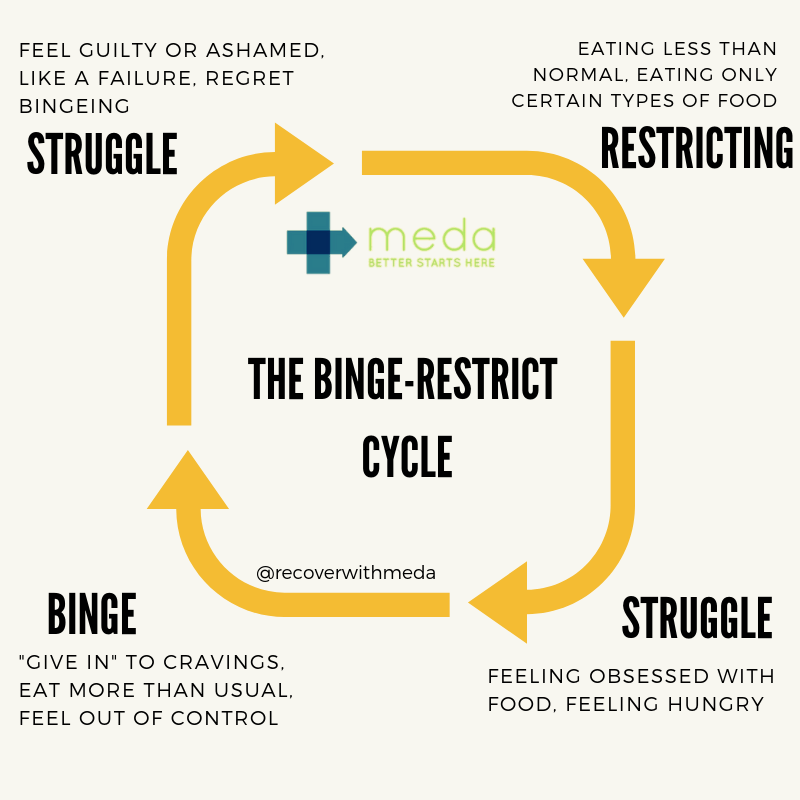
How To Not Binge
Understanding Binge Eating
Binge eating is a disorder that affects many individuals, causing them to consume large quantities of food in a short period. It is important to understand what binge eating disorder entails, why it occurs, and its negative consequences in order to address and combat this issue effectively.
Defining binge eating disorder
Binge eating disorder is characterized by recurrent episodes of consuming an excessive amount of food, often accompanied by a feeling of loss of control. Unlike other eating disorders such as anorexia or bulimia, individuals with binge eating disorder do not engage in compensatory behaviors such as purging or excessive exercising. This disorder affects people from all walks of life and can have severe physical, emotional, and social consequences.
Causes and triggers of binge eating
Binge eating can have various causes and triggers, making it essential to identify and address them. Emotional triggers, such as stress, boredom, or depression, can lead individuals to seek comfort in food. Environmental triggers, such as the presence of certain foods or social situations, can also prompt binge eating. Identifying these triggers is crucial in order to develop strategies to overcome them.
The negative consequences of binge eating
Binge eating can have detrimental effects on both physical and mental health. It can lead to weight gain, obesity, and various related health conditions. Additionally, individuals who struggle with binge eating often experience feelings of guilt, shame, and low self-esteem, which can further perpetuate the cycle of binge eating. Understanding these consequences underscores the importance of addressing binge eating disorder and finding healthier coping mechanisms.
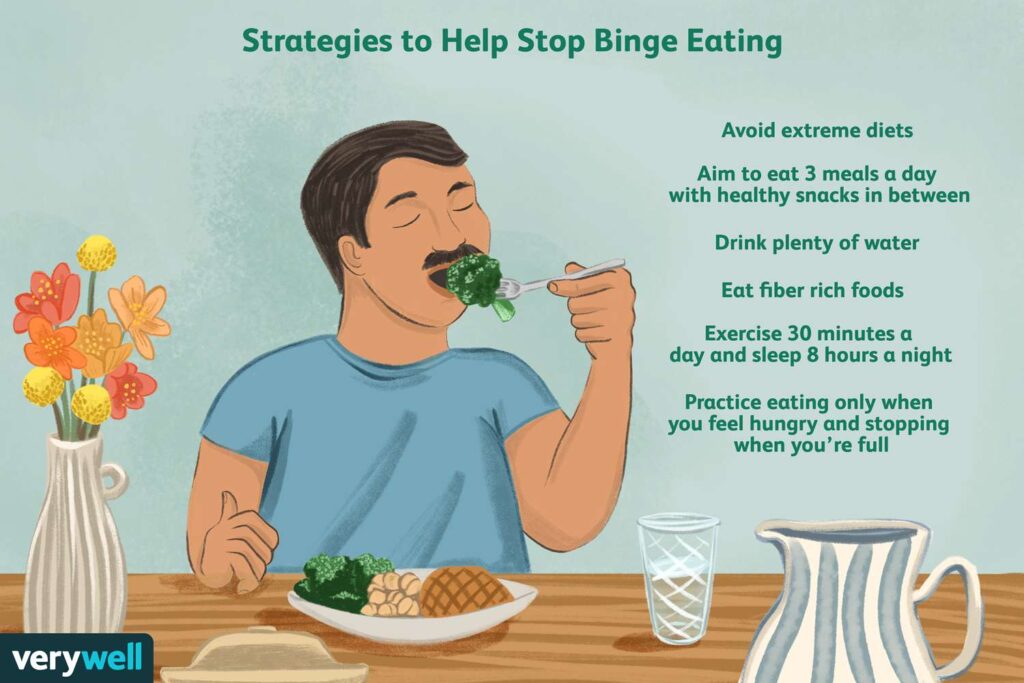
Identifying Personal Triggers
Recognizing and understanding personal triggers for binge eating is an essential step towards overcoming this disorder. By identifying emotional and environmental triggers, individuals can take proactive measures to break free from the cycle of binge eating.
Recognizing emotional triggers for binge eating
Emotional triggers can vary greatly from one person to another. It is important to reflect on how certain emotions, such as stress, sadness, or anger, contribute to the urge to binge eat. Keeping a journal, attending therapy, or engaging in mindfulness exercises can help individuals become more aware of their emotions and their relationship with food.
Identifying environmental triggers for binge eating
Environmental factors can also play a significant role in triggering episodes of binge eating. It could be as simple as the presence of certain foods in the house, or more complex, such as attending social gatherings where food is the focal point. Identifying these triggers allows individuals to make conscious choices about their environment and remove or minimize potential binge-inducing stimuli.
Understanding personal patterns and triggers
By examining past instances of binge eating, individuals can identify patterns and triggers that commonly precede these episodes. It is essential to take note of the time of day, the circumstances, and emotions experienced prior to binge eating. This awareness enables individuals to develop coping mechanisms and strategies tailored to their specific triggers.
Developing Healthy Eating Habits
Developing healthy eating habits is a crucial aspect of overcoming binge eating disorder. By creating a balanced meal plan, incorporating mindful eating techniques, and understanding portion control, individuals can establish a healthy relationship with food.
Creating a balanced meal plan
A balanced meal plan consists of a variety of nutritious foods from different food groups. It is essential to include lean proteins, whole grains, fruits, vegetables, and healthy fats in your daily meals. Planning meals in advance and meal prepping can also help reduce the likelihood of impulsive eating and promote healthier choices.
Incorporating mindful eating techniques
Mindful eating involves paying full attention to the present moment while consuming food. It encourages individuals to listen to their body’s hunger and fullness cues, savor each bite, and eat without distractions. By practicing mindful eating, individuals can develop a better understanding of their body’s needs and prevent overeating.
Understanding portion control
Portion control is key to maintaining a healthy diet and preventing binge eating. It is important to understand appropriate serving sizes and listen to your body’s hunger and fullness cues. Using smaller plates, measuring food portions, and focusing on eating slowly can all contribute to better portion control.

Building a Support System
Building a support system is vital for individuals struggling with binge eating disorder. Enlisting the help of friends and family, seeking professional guidance, and joining a support group can provide the necessary support and encouragement on the journey towards recovery.
Enlisting the help of friends and family
Informing trusted friends and family members about one’s struggle with binge eating can help create a supportive environment. They can offer encouragement, hold individuals accountable, and provide emotional support during challenging times. Open and honest communication is key in fostering these relationships.
Seeking professional guidance
In some cases, professional help may be necessary to overcome binge eating disorder. Qualified therapists or counselors can provide specialized guidance and implement effective treatment strategies. They can help individuals delve deeper into the root causes of their binge eating and develop personalized coping mechanisms.
Joining a support group
Joining a support group consisting of individuals facing similar challenges can provide a sense of community and understanding. Sharing experiences, offering encouragement, and learning from others can be incredibly empowering. Support groups can be found through local organizations, therapy clinics, or online platforms.
Coping Strategies for Urges
Overcoming urges to engage in binge eating requires implementing effective coping strategies. Practicing relaxation techniques, engaging in distracting activities, and finding alternative coping mechanisms can help individuals navigate through challenging moments.
Practicing relaxation techniques
When experiencing the urge to binge eat, practicing relaxation techniques can be highly beneficial. Deep breathing exercises, progressive muscle relaxation, and meditation are examples of techniques that promote relaxation and reduce stress. These techniques can help individuals manage their emotions and divert their attention away from food.
Engaging in distracting activities
Finding activities that divert attention away from food cravings can be an effective way to cope with urges. Engaging in hobbies, physical activity, creative outlets, or spending time with loved ones can help shift focus and provide a healthy outlet for emotions. Finding activities that bring joy and satisfaction can reduce the desire to binge eat as individuals discover alternative sources of fulfillment.
Finding alternative coping mechanisms
It is important to explore and develop alternative coping mechanisms to replace binge eating. This might involve seeking healthy ways to manage stress, such as practicing yoga or journaling, or engaging in activities that provide a sense of comfort, such as listening to music or taking a bath. Experimenting with different coping mechanisms allows individuals to find what works best for them personally.

Creating a Positive Environment
Creating a positive environment is essential in maintaining progress and preventing relapses. Removing binge-triggering foods from the house, surrounding oneself with supportive individuals, and creating a conducive environment for success can help individuals stay on track.
Removing binge-triggering foods from the house
Removing or limiting the availability of binge-triggering foods at home can be a crucial step in avoiding temptation. By replacing these foods with nutritious alternatives, individuals can create an environment that supports their goals of overcoming binge eating disorder.
Surrounding oneself with supportive individuals
Surrounding oneself with supportive individuals who understand and respect the journey can make a significant difference. Building a network of friends, family members, or peers who encourage healthy habits and provide emotional support can help individuals feel understood and motivated. Having a strong support system is particularly important during challenging times.
Creating a conducive environment for success
Creating an environment that fosters success involves implementing strategies to reduce stress and promote overall well-being. This may include organizing living spaces, creating a soothing ambiance, and establishing healthy routines. By creating a positive environment, individuals can set themselves up for long-term success in their journey towards recovery.
Learning to Forgive and Rebound
Forgiving oneself and rebounding after a binge episode are essential steps towards healing and progress. Understanding the importance of self-compassion, moving forward after setbacks, and revising and readjusting goals are crucial in maintaining motivation and perseverance.
Understanding the importance of self-compassion
It is vital to show oneself compassion and understanding throughout the recovery process. Binge eating disorder is a complex issue, and setbacks are common. By practicing self-compassion and embracing a non-judgmental attitude, individuals can approach their journey with kindness and resilience.
Moving forward after a binge episode
When a binge episode occurs, it is important to refrain from self-blame or destructive thoughts. Instead, focusing on recovering from the episode and learning from the experience allows individuals to move forward and prevent further relapses. Each setback can be seen as an opportunity for growth.
Revising and readjusting goals
As individuals progress in their recovery journey, it is important to regularly assess and revise goals. Different milestones and challenges may require adjustments to the initial plan. By remaining flexible and open to modifications, individuals can continue to make progress towards a healthier relationship with food.
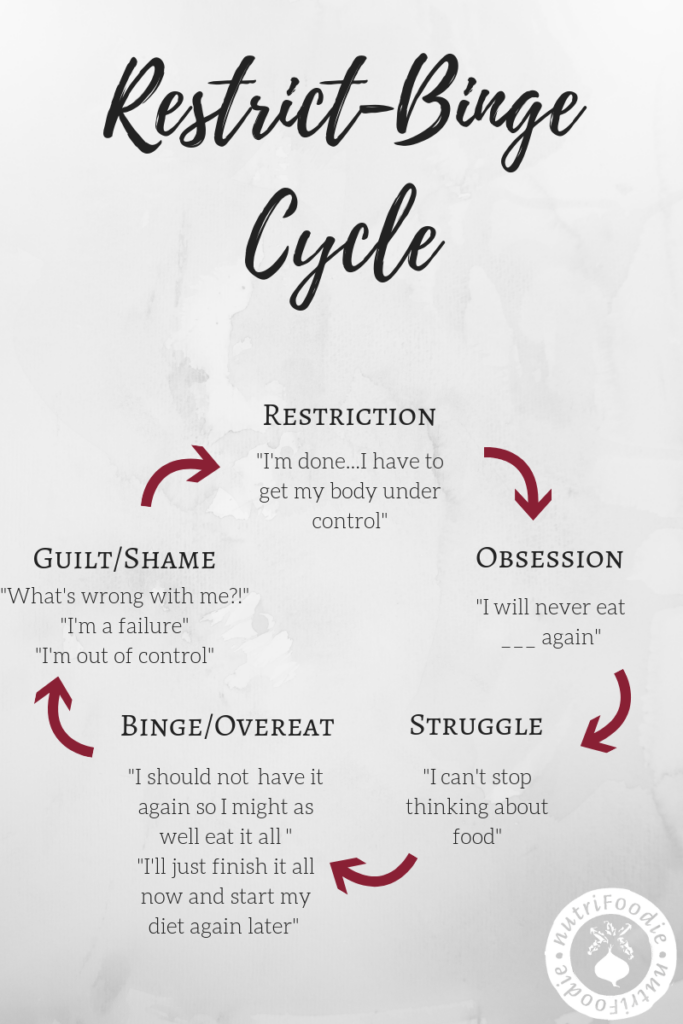
Seeking Professional Help
In some instances, professional intervention is necessary to overcome binge eating disorder. Understanding when to seek help, finding a qualified therapist or counselor, and exploring different therapy options can provide individuals with the support and tools needed for recovery.
Understanding when professional intervention is necessary
If binge eating disorder is significantly impacting an individual’s physical or mental well-being, seeking professional help is crucial. Signs that professional intervention may be necessary include severe binge episodes, major shifts in weight, or persistent feelings of hopelessness or depression. Recognizing these signs and reaching out for assistance is an important step towards recovery.
Finding a qualified therapist or counselor
Finding a qualified therapist or counselor who specializes in eating disorders is essential. They can provide individualized support, guidance, and treatment strategies tailored to each individual’s needs. Seeking recommendations from trusted sources, conducting online research, or contacting local eating disorder organizations can assist in finding qualified professionals.
Exploring different therapy options
Various therapy options exist for addressing binge eating disorder. Cognitive-behavioral therapy (CBT), dialectical behavior therapy (DBT), and interpersonal therapy (IPT) are common approaches utilized in treating eating disorders. Each therapy option has its own benefits and focuses, and exploring different modalities can help individuals find the most effective treatment plan.
Maintaining Long-Term Progress
Maintaining long-term progress requires the establishment of healthy habits, a positive mindset towards food, and consistent self-care practices. By integrating these elements into daily routines, individuals can continue their journey towards recovery.
Creating healthy habits and routines
Establishing healthy habits is essential for maintaining progress and preventing relapses. Consistently practicing portion control, engaging in regular physical activity, and prioritizing nutritious foods can help individuals form a healthy relationship with their bodies and with food. It is important to be patient and diligent in building these habits.
Developing a positive mindset towards food
Shifting one’s mindset towards food is crucial in overcoming binge eating disorder. Rather than viewing certain foods as “good” or “bad,” it is important to focus on the nourishment and enjoyment that food provides. Developing a healthy relationship with food involves embracing a balanced and flexible approach, free from guilt or strict rules.
Continuing self-care practices
Engaging in self-care practices is vital for maintaining overall well-being and preventing binge eating episodes. This can include activities such as practicing mindfulness, getting sufficient sleep, engaging in hobbies, and seeking emotional support when needed. Prioritizing self-care allows individuals to cope with stress and emotions in healthier ways.
Conclusion
Reflecting on the journey of overcoming binge eating reveals the resilience and strength individuals possess. It is important to recognize that progress takes time and to embrace patience and perseverance throughout the process. Seeking help and building a support system are crucial in attaining long-term success. Remember, you are not alone in this journey, and with the right strategies, mindset, and support, it is possible to overcome binge eating and achieve a healthier relationship with food.

