How To Quit Eating Sugar
Do you find yourself constantly craving sugar and reaching for sweets or sugary snacks throughout the day? It can be a difficult habit to break, but don’t worry – there are effective ways to quit eating sugar and improve your overall health. In this article, we will delve into some practical tips and strategies to help you cut down on sugar consumption and make healthier choices. Whether you’re looking to lose weight, boost your energy levels, or simply feel better overall, you’re in the right place.
So, let’s get started on this journey towards reduced sugar intake. One of the first steps is to become more mindful of your sugar consumption by reading food labels and identifying hidden sugars in everyday products. You’ll be amazed at how many seemingly innocent foods contain added sugars! We’ll also explore the importance of eating a balanced diet, incorporating whole foods, and finding satisfying alternatives to sugary treats. Additionally, we’ll delve into the benefits of meal planning and how it can help you avoid the temptation of reaching for that candy bar or sugary drink. By the end of this article, you’ll be armed with practical knowledge and tools to make healthier choices and kick that sugar addiction to the curb.
How To Quit Eating Sugar
Understanding the Effects of Sugar on the Body
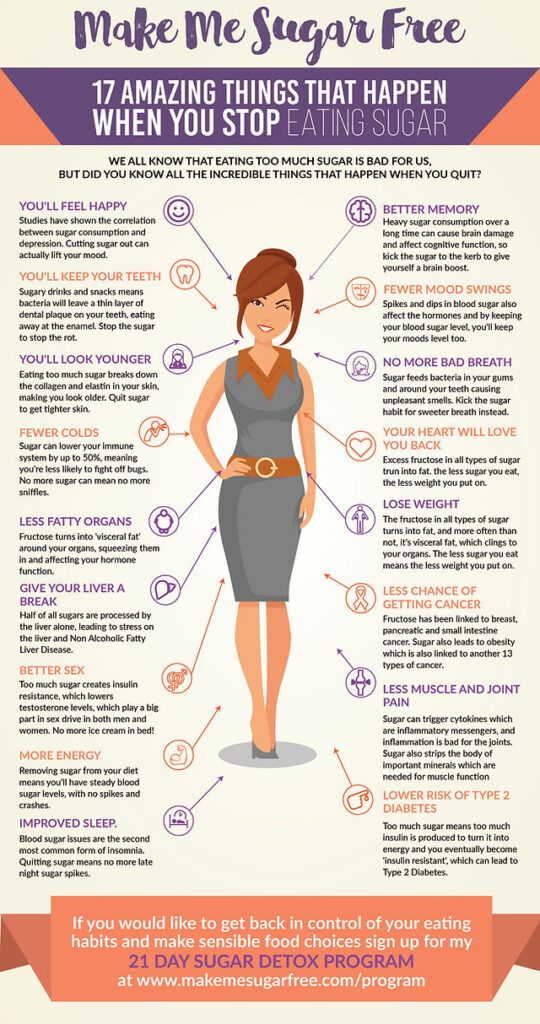
Sugar is a common and addictive ingredient found in many foods and beverages. While it may provide a temporary energy boost and a pleasant taste, excessive sugar consumption can have detrimental effects on your health. By understanding the impact of sugar on your body, you can make informed choices to reduce your sugar intake and improve your overall well-being.
The Impact of Excessive Sugar Consumption on Health
Research has shown that consuming excessive amounts of sugar can lead to various health issues. One significant concern is the increased risk of developing chronic diseases such as obesity, type 2 diabetes, and heart disease. Not only does sugar contribute to weight gain, but it also affects your body at the cellular level, leading to inflammation and insulin resistance.
The Role of Sugar in Weight Gain and Obesity
Sugar is a high-calorie substance that provides minimal nutritional value. Excessive consumption can contribute to weight gain and obesity as it adds extra calories to your diet without providing any feeling of fullness. Moreover, sugar is often hidden in processed foods, making it easy to overlook the amount of sugar you consume. By reducing your sugar intake, you can effectively manage your weight and reduce the risk of obesity-related health problems.
How Sugar Affects Energy Levels and Mood
Although sugar initially provides a quick burst of energy, it can lead to energy crashes and mood swings shortly afterward. This is because sugar causes a rapid rise in blood sugar levels, followed by a sharp drop. The constant fluctuations in blood sugar can leave you feeling tired, irritable, and craving more sugar to regain that temporary high. By minimizing your sugar intake, you can stabilize your energy levels and experience improved mood throughout the day.
Identifying Hidden Sources of Sugar
Sugar can hide in many common foods and beverages, making it essential to be mindful of hidden sources. By recognizing these sources, you can take proactive steps to reduce your sugar intake.
Common Foods and Beverages with Hidden Sugar
Many processed foods, such as cereals, granola bars, yogurt, and condiments, contain added sugars. Even seemingly healthy drinks like fruit juices, sodas, and flavored coffee drinks can have high sugar content. By reading food labels and choosing whole, unprocessed options, you can avoid the hidden sugars in these products.
Reading Food Labels to Recognize Sugar Content
When trying to reduce your sugar intake, it’s important to read food labels carefully. Look for ingredients such as sucrose, glucose, fructose, corn syrup, and high fructose corn syrup, which are all different names for sugar. Pay attention to the sugar content listed in grams and try to select products with lower sugar levels.
Alternative Names for Sugar in Ingredient Lists
Food manufacturers sometimes use alternative names for sugar to confuse consumers and make it harder to identify the true sugar content. Some of these alternative names include molasses, honey, agave nectar, maple syrup, and fruit juice concentrate. By familiarizing yourself with these alternative names, you can make more informed choices and reduce your sugar intake effectively.
Creating a Sugar-Free Meal Plan
Building a balanced and nutritious meal plan that does not include added sugars is essential for quitting sugar. By focusing on whole, unprocessed foods and incorporating healthier alternatives, you can enjoy a variety of flavors without the harmful effects of excessive sugar.
Building a Balanced Diet without Added Sugars
When creating your sugar-free meal plan, prioritize foods that are naturally low in sugar, such as fresh fruits, vegetables, lean proteins, and whole grains. These foods provide essential nutrients and can help you stay full and satisfied throughout the day. Remember to limit or avoid processed foods, which often contain hidden sugars.
Healthy Snack Ideas without Sugar
Snacking can be a challenge when trying to quit sugar, as many snacks are high in added sugars. However, there are plenty of delicious and healthy snack options available. Fresh fruits, raw nuts, Greek yogurt, and vegetable sticks with hummus are all great alternatives to sugary snacks. Additionally, preparing homemade snacks, such as energy balls made with oats, nuts, and dried fruits, can satisfy your sweet tooth without the added sugars.
Tips for Dining Out and Avoiding Sugary Options
Eating out can be tricky when trying to avoid sugar, as many restaurant meals and fast food options are laden with added sugars. To make healthier choices, opt for dishes that are grilled, steamed, or roasted instead of fried. Ask for dressings and sauces on the side, and opt for water or unsweetened beverages instead of sugary drinks. With a little planning and mindfulness, you can enjoy a delicious meal without compromising your sugar-free goals.
Replacing Sugary Foods with Healthier Alternatives
To successfully quit sugar, it’s important to find healthier alternatives that can still satisfy your cravings for sweet flavors. By incorporating natural sweeteners and focusing on the natural sweetness of fruits, you can enjoy delicious treats without the harmful effects of added sugars.
Choosing Natural Sweeteners like Stevia or Monk Fruit
Natural sweeteners such as stevia and monk fruit extract are excellent alternatives to refined sugar. These sweeteners are derived from plants and have a negligible effect on blood sugar levels. They can be used in baking, cooking, or as a substitute for sugar in beverages. By experimenting with these natural sweeteners, you can still enjoy sweetness without the negative health consequences.
Incorporating Fruits into the Diet as a Sweet Treat
Fruits are nature’s sweet gift and can be an excellent replacement for sugary desserts. Whether enjoyed fresh, frozen, or blended in smoothies, fruits provide natural sugars along with essential vitamins, minerals, and fiber. By incorporating a variety of fruits into your diet, you can satisfy your sweet cravings and nourish your body at the same time.
Exploring Sugar-Free Recipes and Substitutions
There are countless sugar-free recipes available that can help you transition to a sugar-free lifestyle. From sugar-free cakes and cookies to homemade salad dressings and sauces, these recipes use alternative ingredients to replace refined sugar. By exploring and experimenting with sugar-free recipes, you can continue to enjoy your favorite dishes without compromising your health.

Managing Cravings and Withdrawal Symptoms
Quitting sugar can be challenging, especially in the early stages when cravings and withdrawal symptoms may arise. By understanding the psychology of sugar addiction and implementing effective strategies, you can overcome cravings and successfully navigate the sugar detox process.
Understanding the Psychology of Sugar Addiction
Sugar can be highly addictive, stimulating the release of dopamine in the brain and leading to cravings for more sugar. Understanding the psychological aspect of sugar addiction can help you develop strategies to manage cravings effectively. By recognizing the triggers that cause you to crave sugar and finding alternative ways to satisfy those cravings, you can minimize sugar’s grip on your mind and body.
Strategies for Overcoming Sugar Cravings
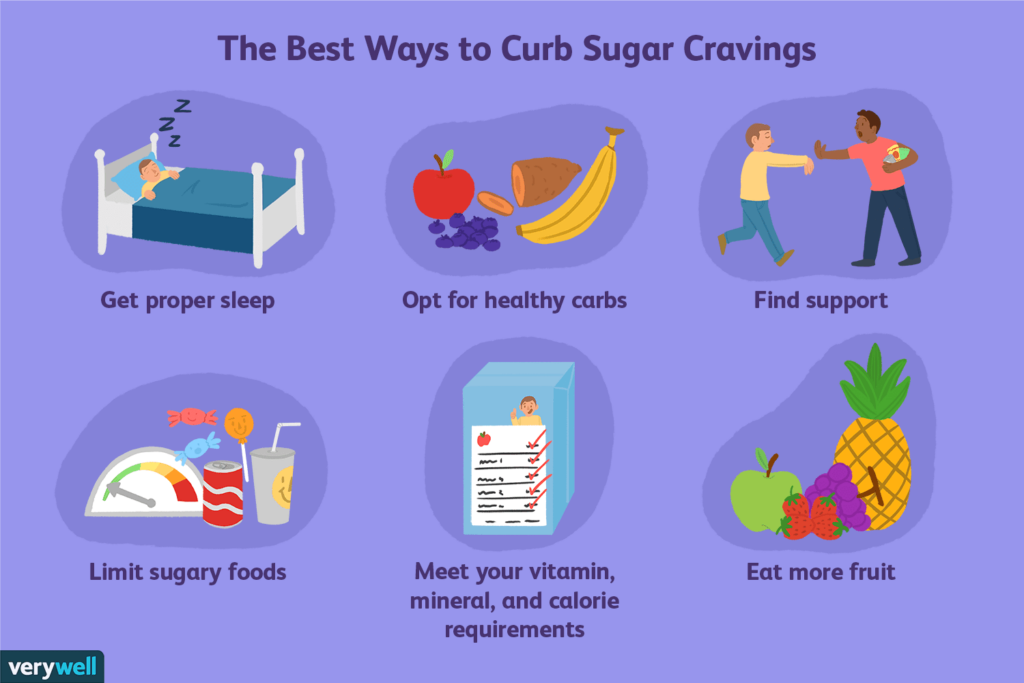
When cravings strike, there are several strategies you can employ to overcome them. One effective method is to distract yourself by engaging in activities that keep your mind and body occupied, such as going for a walk, practicing a hobby, or spending time with loved ones. Another useful strategy is to swap sugary snacks with healthier alternatives, as mentioned earlier, to fulfill your craving for sweetness without consuming added sugars.
Dealing with Withdrawal Symptoms and Sugar Detox
During the initial stages of quitting sugar, you may experience withdrawal symptoms such as headaches, irritability, and fatigue. These symptoms are temporary and signify your body adjusting to the absence of sugar. Stay hydrated, get plenty of rest, and focus on maintaining a balanced diet to help alleviate these symptoms. Be patient with yourself and remind yourself of the long-term benefits of a sugar-free lifestyle.
Developing Healthy Habits and Mindset
Quitting sugar is not just about eliminating an ingredient from your diet; it’s about developing a healthier mindset and adopting sustainable habits. By setting realistic goals, creating a supportive environment, and practicing mindfulness, you can establish a positive relationship with food and maintain a sugar-free lifestyle in the long run.
Setting Realistic Goals and Committing to Change
When embarking on your sugar-free journey, it’s essential to set realistic goals that align with your lifestyle and personal preferences. Start by gradually reducing your sugar intake and increasing your consumption of whole, nutrient-dense foods. Be patient with yourself and understand that change takes time. Commit to making healthier choices and hold yourself accountable for the goals you set.
Building a Supportive Environment and Accountability
Surrounding yourself with a supportive environment can significantly impact your success in quitting sugar. Share your goals with family and friends who can provide encouragement and hold you accountable. Consider joining online communities or support groups where you can connect with like-minded individuals who are also on a sugar-free journey. By creating a supportive network, you can stay motivated and inspired throughout your sugar-free transformation.
Adopting Mindfulness Techniques for Food Choices
Mindfulness is an essential practice when it comes to making conscious food choices. By incorporating mindfulness techniques into your daily routine, you can develop awareness of your cravings, emotional eating triggers, and make intentional decisions about what you eat. Practice mindful eating by savoring each bite, paying attention to your body’s hunger and fullness cues, and choosing foods that nourish and support your well-being.

Engaging in Physical Activity to Aid Sugar Detox
Physical activity plays a crucial role in supporting your sugar-free journey. Regular exercise not only helps to burn calories and maintain a healthy weight but also boosts your mood and reduces stress – factors that can influence your sugar cravings and emotional eating habits.
Choose Exercise Routines that Boost Endorphins
Endorphins are natural feel-good hormones produced by the body during physical activity. Engaging in exercises that elevate your heart rate, such as cardio exercises or high-intensity interval training (HIIT), can stimulate the release of endorphins, improving your mood and reducing cravings for sugar. Find an exercise routine that you enjoy and make it a regular part of your week.
The Benefits of Regular Physical Activity on Sugar Addiction
Regular physical activity can have a positive influence on your relationship with sugar. Exercise helps to regulate blood sugar levels, increases insulin sensitivity, and supports healthy weight management. By incorporating exercise into your routine, you can reduce the risk of developing sugar addiction and maintain optimal overall health.
Combining Exercise with Healthy Eating Habits
Your sugar-free journey will be most effective when you combine exercise with healthy eating habits. Make sure to fuel your body with nutrient-dense foods that provide the energy you need for your workouts. Consider incorporating pre and post-workout snacks that combine protein and complex carbohydrates to optimize your exercise performance and recovery.
Managing Stress and Emotional Eating
Stress and emotions play a significant role in our food choices, often leading to unhealthy eating habits and reliance on sugary comfort foods. By understanding the relationship between stress and sugar cravings and adopting alternative coping mechanisms, you can effectively manage stress without turning to sugar.
The Link Between Stress and Sugary Food Cravings
Stress triggers the release of hormones like cortisol, which can increase your desire for sugary foods. In times of stress, many individuals turn to food as a source of comfort. However, relying on sugary foods as a coping mechanism can create a vicious cycle of stress and emotional eating. By recognizing this connection, you can develop healthier strategies to manage stress.
Finding Alternative Coping Mechanisms for Stress
When faced with stress, it’s essential to find alternative coping mechanisms that don’t involve turning to sugar for comfort. Engaging in stress-reducing activities such as mindfulness meditation, deep breathing exercises, journaling, or engaging in hobbies can provide healthy outlets for stress relief. Experiment with different strategies and find what works best for you in managing stress without resorting to sugary treats.
Practicing Stress-Reducing Techniques
Incorporating stress-reducing techniques into your daily routine can help minimize the impact of stress on your sugar cravings. Prioritize self-care activities such as getting enough sleep, maintaining a regular exercise routine, and practicing relaxation techniques. By effectively managing stress levels, you’ll be better equipped to make healthier food choices and maintain a sugar-free lifestyle.
Tracking Progress and Celebrating Success
Monitoring your progress and celebrating milestones are crucial aspects of your sugar-free journey. By tracking your sugar intake, recognizing positive changes, and acknowledging your achievements, you’ll stay motivated and committed to your goals.
Using Apps and Journals to Monitor Sugar Intake
There are several apps and online tools available that can help you track your sugar intake. These apps allow you to log your meals, snacks, and beverages, providing you with a better understanding of your sugar consumption. Additionally, keeping a journal to record your thoughts, feelings, and progress can be a powerful tool for self-reflection and motivation.
Recognizing and Celebrating Milestones in Sugar-Free Journey
Acknowledge the milestones you achieve on your sugar-free journey. Whether it’s going sugar-free for a week, a month, or a year, each milestone is a significant accomplishment. Treat yourself to non-food rewards such as a relaxing spa day, a new piece of clothing, or a hobby-related gift. Celebrating your success will reinforce your commitment and encourage you to continue making healthy choices.
Reflecting on the Positive Changes and Benefits Experienced
Take time to reflect on the positive changes you have experienced since reducing your sugar intake. You may notice improvements in your energy levels, mood, sleep quality, and overall well-being. By focusing on these benefits, you’ll be motivated to continue your sugar-free journey and further improve your health.
Conclusion
Quitting sugar may seem challenging, but the long-term benefits to your overall health and well-being are well worth the effort. By understanding the effects of sugar on your body, identifying hidden sources of sugar, creating a sugar-free meal plan, replacing sugary foods with healthier alternatives, managing cravings and withdrawal symptoms, developing healthy habits and mindset, engaging in physical activity, managing stress and emotional eating, and tracking your progress, you can successfully eliminate sugar from your diet and take control of your health. Empower yourself to make informed choices, embrace a sugar-free lifestyle, and enjoy the numerous benefits that await you on this transformative journey.

