How To Stop Eating Junk

Have you ever found yourself mindlessly munching on potato chips or reaching for another cookie, even though you’re not truly hungry? It can be challenging to resist the temptation of junk food, but did you know that there are ways to overcome this unhealthy habit? In this article, we’ll explore some practical tips and strategies to help you stop eating junk food. By the end, you’ll have a better understanding of how to make healthier choices and improve your overall well-being.
Let’s face it, we’ve all been there – sitting in front of the TV or at our desks, craving something sweet or salty. It’s easy to give in to these cravings and indulge in a bag of chips or a sugary treat, but it’s important to be mindful of the consequences of such choices. Eating junk food on a regular basis can lead to weight gain, increased risk of chronic diseases, and decreased energy levels. However, by implementing some simple changes, you can break free from the cycle of junk food addiction. In the following paragraphs, we’ll take a closer look at these strategies and show you how to kick the junk food habit for good. So, if you’re ready to embrace a healthier lifestyle, keep reading!
How To Stop Eating Junk
Understanding the Problem
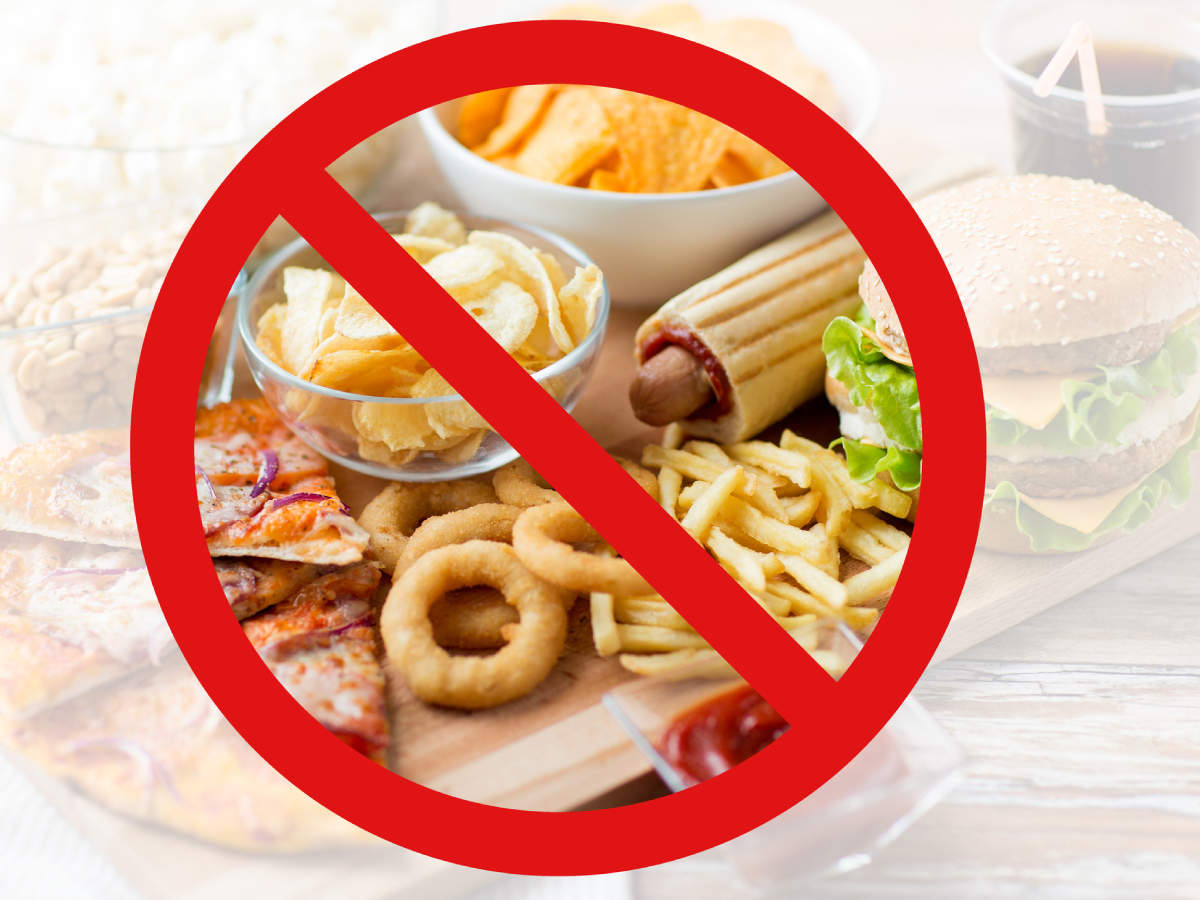
Junk food has become an increasingly prevalent part of our diets, leading to various negative effects on our health and well-being. From weight gain to increased risk of chronic diseases, the impact of junk food cannot be overlooked. Recognizing these effects is the first step towards making a change.
Recognizing the Effects of Junk Food
Consuming junk food regularly can lead to a wide range of health issues. Weight gain is one of the most noticeable effects, as junk food is often high in calories, unhealthy fats, and added sugars. This excess weight can then increase the risk of developing conditions such as obesity, heart disease, and diabetes.
Furthermore, junk food lacks essential nutrients, vitamins, and minerals. Instead, it is packed with empty calories that offer little to no nutritional value. This can leave you feeling unsatisfied and craving more food, leading to overeating and a vicious cycle of unhealthy eating habits.
Identifying Triggers and Cravings
Understanding the triggers and cravings that lead to consuming junk food is crucial for overcoming this unhealthy habit. Take a moment to reflect on what situations or emotions prompt you to reach for a bag of chips or a sugary treat. Are you eating out of boredom, stress, or as a reward for completing a task? Identifying these triggers can help you devise strategies to combat them.
Understanding the Importance of Healthy Eating
Recognizing the importance of healthy eating is the cornerstone of breaking free from junk food habits. A balanced diet that includes nutrient-dense foods like fruits, vegetables, whole grains, lean proteins, and healthy fats is vital for nourishing your body and maintaining overall well-being.
By fueling your body with nutritious foods, you will have increased energy levels, improved cognitive function, and a stronger immune system. Healthy eating also promotes better sleep, enhanced mood, and a higher quality of life. Incorporating these principles into your lifestyle will help you kick the junk food habit for good.
Creating a Healthy Environment
Creating a healthy environment is crucial in breaking the cycle of junk food consumption. Making changes to your pantry, grocery list, meal planning, and preparation can significantly impact your ability to make healthier choices.
Clearing Out Your Pantry
Start by clearing out your pantry of any junk food items. Remove the temptation by getting rid of chips, cookies, and soda. Replace these items with healthier alternatives such as nuts, seeds, fresh fruits, and vegetables. Having a pantry stocked with nutritious foods will make it easier to make healthier choices when cravings strike.
Making a Healthy Grocery List
Before heading to the grocery store, take some time to plan your meals for the week and make a healthy grocery list. Include a variety of fruits, vegetables, whole grains, lean proteins, and dairy or non-dairy alternatives. Stick to your list while shopping to avoid impulse buying of unhealthy snacks and treats.
Meal Planning and Preparation
Meal planning and preparation are key to staying on track with healthy eating. Set aside time each week to plan your meals and snacks. Prep your ingredients in advance, cook in bulk, and portion out your meals to make it easier to make healthier choices throughout the week. This will save you time and effort when you’re feeling tired or tempted to order takeout.
Developing Healthy Eating Habits
Developing healthy eating habits is essential for long-term success in stopping junk food consumption. By adopting mindful eating practices, practicing portion control, and choosing nutrient-dense foods, you can foster a healthier relationship with food.
Mindful Eating
Practicing mindful eating involves being fully present and aware of your eating habits. Slow down when eating, savor each bite, and listen to your body’s hunger and fullness cues. Avoid distractions such as television or mobile devices while eating. Pay attention to the taste, texture, and satisfaction you derive from each meal. By practicing mindful eating, you can build a healthier relationship with food and decrease mindless snacking.
Portion Control
Portion control plays a significant role in maintaining a balanced diet. Start by familiarizing yourself with recommended portion sizes for different food groups. Use measuring cups or a food scale if necessary. Avoid eating straight from the package, as it can be easy to overeat. Instead, portion out appropriate serving sizes on a plate or bowl to help you control your intake.
Choosing Nutrient-Dense Foods
When selecting your meals and snacks, opt for nutrient-dense foods that provide the most nutritional value per calorie consumed. This includes fruits, vegetables, whole grains, lean proteins, and healthy fats. Aim to incorporate a variety of colors and flavors into your meals to ensure you’re getting a diverse range of nutrients. Avoid processed foods high in added sugars, unhealthy fats, and empty calories.
Exploring Healthy Alternatives
Exploring healthy alternatives is a great way to satisfy your cravings for junk food while still nourishing your body. By discovering whole foods, trying new recipes, and exploring healthier snack options, you can find enjoyment in satisfying your taste buds without compromising your health.
Discovering Whole Foods
Whole foods, such as fruits, vegetables, whole grains, legumes, and lean proteins, are excellent alternatives to processed and junk foods. Experiment with different varieties and flavors to find ones that you enjoy. Incorporate these foods into your meals and snacks to boost your nutrient intake and satisfy your hunger.
Trying New Recipes
Rediscover the joys of cooking by trying new recipes. Look for healthy alternatives to your favorite junk food dishes. For example, make homemade baked sweet potato fries instead of reaching for a bag of greasy potato chips. Explore different cooking methods and flavor combinations to make nutritious meals that are both delicious and satisfying.
Healthy Snack Options
Swap out your usual junk food snacks with healthier alternatives. Instead of reaching for a candy bar, grab a handful of nuts or a piece of fruit. When craving something sweet, try a small portion of dark chocolate or a homemade fruit smoothie. Prepare snack packs of cut-up vegetables, hummus, or Greek yogurt to keep readily available when hunger strikes.
Dealing with Cravings
Cravings can be a significant hurdle to overcome when trying to stop eating junk food. Understanding the psychology behind cravings, finding healthy substitutes, and developing coping strategies can help you navigate these challenging moments.
Understanding the Psychology of Cravings
Cravings often stem from a variety of psychological triggers, such as stress, boredom, or emotions. Becoming aware of your emotional state when cravings strike can help you address the root cause of these cravings. Find alternative ways to manage stress, boredom, or other emotional triggers, such as engaging in physical activity, practicing mindfulness, or talking to a supportive friend or family member.
Finding Healthy Substitutes
When a craving hits, having healthy substitutes on hand can be a lifesaver. Instead of reaching for a bag of chips, try crunchy vegetables with a yogurt-based dip. If you’re craving something sweet, enjoy a piece of fresh fruit or a small serving of dried fruit. Healthy substitutes can fulfill your craving while providing essential nutrients.
Coping Strategies for Junk Food Temptations
Developing coping strategies for junk food temptations can help you stay on track. When faced with a tempting situation, distract yourself by engaging in a different activity, such as going for a walk, reading a book, or practicing a hobby. Find a positive and healthy outlet for stress or emotional turmoil instead of turning to junk food.
Seeking Support
Seeking support from family, friends, or professionals is crucial in your journey to stop eating junk food. Enlisting the help of loved ones, joining a healthy eating group, or working with a nutritionist or dietitian can provide guidance, accountability, and motivation.
Enlisting the Help of Family and Friends
Share your goals and intentions with your family and friends. Communicate your desire to stop eating junk food and ask for their support. Having a support system that understands your struggle and encourages your progress can make a significant difference in your success.
Joining a Healthy Eating Group
Consider joining a healthy eating group or online community. Surrounding yourself with like-minded individuals who share similar goals can motivate and inspire you to stay on track. These groups often offer valuable resources, tips, and support to help you navigate the challenges of ditching junk food.
Working with a Nutritionist or Dietitian
If you’re struggling to make progress on your own, consider working with a nutritionist or dietitian. These professionals can tailor a meal plan to your specific dietary needs and requirements. They can also provide education, guidance, and ongoing support to help you overcome obstacles and sustain a healthy eating lifestyle.
Staying Motivated
Staying motivated is key to achieving long-term success in stopping the consumption of junk food. By setting achievable goals, rewarding yourself, and tracking your progress, you can maintain momentum and stay on course.
Setting Achievable Goals
Set realistic and achievable goals to keep yourself motivated. Break your larger goal of stopping junk food consumption into smaller, more manageable milestones. Celebrate each milestone achieved, such as going a week without eating junk food or incorporating more whole foods into your meals. These celebrations will provide a sense of accomplishment and motivate you to keep going.
Rewarding Yourself
Reward yourself for reaching your goals, but choose rewards that align with your commitment to healthy eating. Treat yourself to a relaxing massage, a new workout outfit, or a day spent doing something you love. Avoid using food as a reward, as this can reinforce unhealthy eating habits.
Tracking Progress
Track your progress to see how far you’ve come. Keep a journal of your meals, cravings, and emotions. Take note of the positive changes you’ve experienced, such as increased energy levels, improved digestion, or weight loss. Reflecting on your progress can provide motivation and remind you of the positive impact you’re making on your health.
Dealing with Setbacks
Setbacks are a normal part of any journey, including breaking free from junk food habits. Instead of viewing setbacks as failures, learn from them and develop strategies for future challenges.
Accepting Imperfection
Accept that setbacks are part of the process and embrace imperfection. Understand that slip-ups are a natural part of breaking old habits and forming new ones. Instead of dwelling on past mistakes, focus on what you can do differently moving forward.
Learning from Slip-Ups
When faced with a setback, take the opportunity to learn from it. Reflect on what triggered the slip-up and identify strategies to prevent it in the future. Use setbacks as learning experiences and as a way to fine-tune your approach to stopping junk food consumption.
Developing Strategies for Future Challenges
Anticipate future challenges and develop strategies to overcome them. If you know you’re going to a social gathering where there will be unhealthy food options, plan in advance by eating a healthy meal beforehand or bringing a nutritious dish to share. By proactively preparing for challenging situations, you’ll be better equipped to stick to your commitment to stop eating junk food.

Celebrating Success
Celebrating your success is essential to staying motivated and reinforcing your commitment to a healthy lifestyle. Recognize and acknowledge your achievements, maintain a healthy relationship with food, and foster a positive body image.
Recognizing and Acknowledging Achievements
Take time to acknowledge and celebrate your achievements along the way. Celebrate milestones, big or small, and be proud of the progress you’ve made. Recognize the positive changes in your body, mind, and overall well-being. This positive reinforcement will motivate you to continue making healthy choices.
Maintaining a Healthy Relationship with Food
Maintaining a healthy relationship with food is crucial for long-term success. Avoid labeling foods as “good” or “bad.” Instead, focus on nourishing your body with wholesome, nutrient-dense foods while still allowing yourself occasional treats. Embrace a balanced approach to eating that promotes enjoyment of food without guilt or restriction.
Fostering a Positive Body Image
Shift your focus from weight and appearance to overall health and well-being. Cultivate a positive body image by appreciating and respecting your body for what it can do, rather than how it looks. Treat your body with kindness and prioritize self-care activities that make you feel good from the inside out.
Conclusion
Taking control of your eating habits is a powerful step towards enjoying a happier and healthier lifestyle. By understanding the effects of junk food, creating a healthy environment, developing healthy eating habits, exploring healthy alternatives, dealing with cravings, seeking support, staying motivated, dealing with setbacks, and celebrating success, you can successfully stop eating junk and embrace long-term change. Embrace the journey and commit to nourishing your body with wholesome, nutritious foods. You have the power to transform your relationship with food and unlock a vibrant and healthier you. So, take the first step today and see the positive impact it can have on your life and well-being.

