How To Stop Over Eating

Are you tired of constantly overeating and feeling guilty afterwards? Do you wish you knew how to control your portions and eat more mindfully? Well, you’re in luck! In this article, we will discuss some helpful strategies on how to stop overeating and develop healthier eating habits. Whether you’re trying to lose weight or simply want to feel more in control of your eating, these tips will surely benefit you.
So, let’s dive right in and explore the world of mindful eating and portion control. We will take a closer look at the psychological and physical factors that contribute to overeating, as well as provide practical tips and techniques to help you break free from this habit. From mindful eating practices to creating an environment that supports healthier choices, we’ve got you covered! So, if you’re ready to take control of your eating habits and embark on a journey towards a healthier lifestyle, keep reading to learn more.
How To Stop Over Eating
Do you often find yourself eating beyond satisfaction, even when you’re not hungry? If you struggle with overeating, you’re not alone. Overeating is a common issue that can have negative effects on your physical and mental well-being. The good news is that there are steps you can take to regain control over your eating habits and develop a healthier relationship with food. In this article, we will explore various strategies to help you stop overeating and embrace a sustainable and balanced approach to eating.
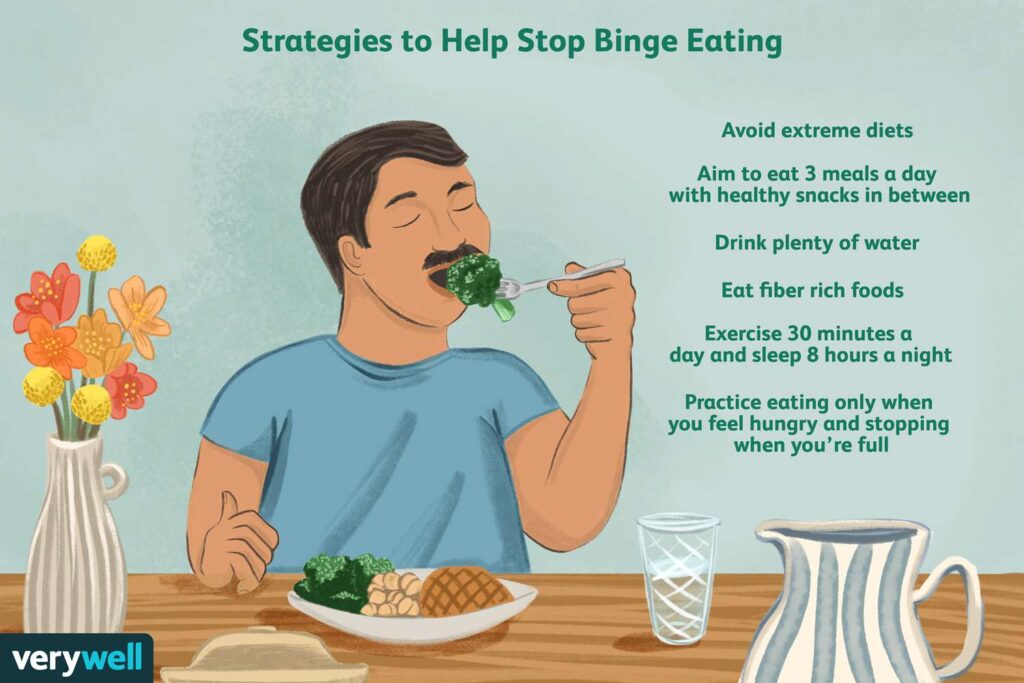
Understanding Overeating
What is overeating?
Overeating refers to the act of consuming more food than your body needs for sustenance. It is often characterized by eating beyond the point of fullness or eating in response to emotions rather than physical hunger. Overeating can occur occasionally or become a regular habit, leading to weight gain, digestive issues, and emotional distress.
Causes of overeating
Several factors can contribute to overeating. Emotional triggers, such as stress, boredom, or sadness, can lead to seeking comfort in food. Environmental triggers, such as the availability of tempting snacks or large portion sizes, can also encourage overeating. Additionally, social triggers, like eating in social settings or feeling pressure to finish your plate, can influence your eating behavior.
Physical signs of overeating
Recognizing the physical signs of overeating can help you become more mindful of your eating habits. These signs may include feeling overly full or bloated, experiencing abdominal discomfort, or needing to loosen your clothing after a meal. Paying attention to these cues can help you become more aware of your body’s signals and make more conscious choices about when to stop eating.
Effects of Overeating
Weight gain and obesity
One of the most apparent effects of overeating is weight gain. Consuming more calories than your body needs leads to an excess of energy, which is stored as fat. Over time, this can contribute to weight gain and, in severe cases, obesity. Excess weight can increase your risk of various health issues, including heart disease, diabetes, and joint problems.
Digestive issues
Overeating can put a strain on your digestive system, leading to discomfort and digestive issues. Large meals can lead to bloating, indigestion, and acid reflux. Additionally, consuming excessive amounts of unhealthy foods, such as processed or high-fat foods, can disrupt your digestive processes and result in constipation or diarrhea.
Emotional and psychological effects
Overeating is often linked to emotional and psychological factors. Many individuals use food as a way to cope with emotions, such as stress, sadness, or frustration. However, this can create a cycle of emotional eating, where food becomes a primary source of comfort. Over time, this emotional dependence on food can lead to feelings of guilt, shame, and low self-esteem.
Recognizing Triggers
Identifying emotional triggers
Understanding your emotional triggers can help you interrupt the cycle of overeating. Take note of situations or emotions that make you reach for food when you’re not physically hungry. For example, you may notice that you tend to eat more when you’re stressed at work or feeling lonely. Identifying these triggers can help you develop alternative coping mechanisms that don’t involve food.
Environmental triggers
Your environment plays a significant role in influencing your eating habits. Take a look at your surroundings and identify any environmental triggers that may encourage overeating. This could include having unhealthy snacks readily available or being in an environment where overeating is the norm, such as at social gatherings or buffets. Making changes to your environment, such as stocking your kitchen with nutritious foods and removing tempting snacks, can help create a healthier environment for making food choices.
Social triggers
Social situations can often lead to overeating, especially when eating out or with others who encourage excessive eating. Peer pressure or the desire to fit in may cause you to keep pace with others, even when you’re full. Recognizing these social triggers and learning to politely decline or practice portion control can help you navigate these situations without overeating.
Creating a Healthy Environment
Stocking your kitchen with nutritious foods
One way to prevent overeating is to have a kitchen stocked with nutritious foods that support your health goals. Fill your pantry and refrigerator with fresh fruits and vegetables, lean proteins, whole grains, and healthy snacks. Having these options readily available makes it easier to make nourishing choices rather than reaching for unhealthy processed foods.
Eliminating tempting snacks
Removing tempting snacks from your environment can help reduce the chances of mindless snacking and overeating. Get rid of any foods that you find particularly challenging to resist or replace them with healthier alternatives. Instead of having a bag of chips readily available, stock your pantry with nuts or cut-up vegetables for a satisfying and nutritious snack option.
Meal planning and prepping
Meal planning and prepping can significantly contribute to healthier eating habits and prevent overeating. By planning and preparing your meals in advance, you are less likely to make impulsive and unhealthy food choices during moments of hunger or stress. Set aside time each week to plan your meals, create a shopping list, and prepare nutritious meals and snacks in advance. This way, you always have healthier options ready to eat when hunger strikes.

Developing Healthy Habits
Mindful eating
Practicing mindful eating can help you become more attuned to your body’s hunger and fullness cues, preventing overeating. Instead of rushing through your meals or eating while distracted, take the time to savor each bite, chew slowly, and pay attention to the flavors, textures, and sensations of the food. Eating mindfully allows you to fully enjoy your meals and tune into your body’s signals of satisfaction and fullness.
Portion control
Monitoring your portion sizes is another important aspect of preventing overeating. It’s easy to lose track of how much you’re eating, especially when consuming foods that are calorie-dense or highly palatable. Use visual cues, such as smaller plates and bowls, or measuring utensils to help you gauge appropriate portion sizes. Understanding proper portion sizes for different food groups and being mindful of serving sizes can help you maintain a balanced intake and prevent overeating.
Eating balanced meals
Ensuring that your meals are balanced with a variety of nutrients can help you feel satisfied and reduce the chances of overeating later. Include a source of lean protein, whole grains, and plenty of vegetables in each meal. Protein and fiber-rich foods can help keep you full for longer, preventing excessive snacking and overeating.
Managing Stress and Emotions
Finding alternative coping mechanisms
To break the cycle of emotional eating, it’s essential to find alternative coping mechanisms for stress and emotions. Engage in activities that help you relax and unwind, such as exercise, meditation, or hobbies you enjoy. Explore other ways to express your emotions, such as journaling, talking to a trusted friend or family member, or seeking professional help if needed.
Stress-reducing activities
Engaging in stress-reducing activities can help prevent stress-induced overeating. Regular exercise, deep breathing exercises, or practicing mindfulness techniques can help reduce stress levels and promote a healthier relationship with food. Find activities that help you unwind and find balance in your life, as stress and emotional turmoil often contribute to overeating.
Seeking emotional support
Seeking emotional support from friends, family, or a therapist can be beneficial when trying to overcome overeating. Sharing your struggles with someone you trust can help alleviate feelings of shame or guilt and provide you with a support system. Additionally, a therapist or counselor can help you address any underlying emotional issues related to overeating and provide guidance on healthier coping mechanisms.
Improving Self-Control
Setting realistic goals
Setting realistic and achievable goals is essential when working towards overcoming overeating. Unrealistic expectations and rigid rules often lead to frustration and setbacks. Start by setting small, manageable goals and gradually increase them over time as you build confidence and develop healthier habits.
Practicing delayed gratification
Learning to delay immediate gratification can help you build self-control and make more conscious food choices. When faced with an impulse to overeat, take a moment to pause and consider the potential consequences. Remind yourself of your long-term health goals and the benefits of making healthier choices instead.
Avoiding restrictive diets
Restrictive diets or severe food restrictions often lead to feelings of deprivation and can trigger episodes of overeating. Instead of focusing on what you can’t eat, adopt a balanced and flexible approach to eating. Allow yourself to enjoy a variety of foods in moderation, while also prioritizing nutrient-dense options that support your overall health.
Seeking Professional Help
Consulting a nutritionist
If you’re struggling to develop a healthy relationship with food and overcome overeating, seeking guidance from a nutritionist can be helpful. A nutritionist can provide personalized advice, create a customized meal plan, and help you navigate specific dietary requirements or restrictions. They can also provide strategies for managing portion control and emotional eating.
Working with a therapist
Therapy can be beneficial in addressing the underlying emotional issues that contribute to overeating. A therapist can help you explore the emotional triggers associated with overeating and develop healthier coping mechanisms. Cognitive-behavioral therapy (CBT) and mindful eating techniques are often effective in treating overeating disorders and promoting long-term behavior change.
Joining support groups
Connecting with others who are going through similar struggles can provide a sense of community and support. Consider joining a support group for individuals dealing with overeating or attending meetings such as Overeaters Anonymous. These groups can offer guidance, encouragement, and accountability as you work towards overcoming overeating.

Creating a Sustainable Lifestyle
Adopting a balanced approach
Rather than following short-term diets or restrictive eating plans, focus on adopting a balanced approach to your overall lifestyle. Make sustainable changes that you can maintain in the long run, such as incorporating regular physical activity, choosing nutrient-dense foods, and practicing mindful eating. Consistency and moderation are key to developing a healthy relationship with food and preventing overeating.
Slow and steady progress
Remember that progress takes time, and change doesn’t happen overnight. Be patient with yourself as you work towards overcoming overeating. Celebrate small victories along the way and acknowledge that setbacks are normal. Embrace the journey of self-improvement and focus on making gradual, positive changes to your eating habits and mindset.
Rewarding yourself
Rewarding yourself for your efforts can help reinforce positive behaviors and keep you motivated. Find non-food-related ways to celebrate your achievements, such as treating yourself to a massage, purchasing a new book, or planning a fun outing. Celebrating milestones along your journey can make the process more enjoyable and inspire you to continue working towards your goals.
Conclusion
Overeating is a common struggle that can have significant effects on your physical and mental well-being. By understanding the causes and effects of overeating, recognizing triggers, creating a healthy environment, developing healthy habits, managing stress and emotions, improving self-control, seeking professional help when needed, and embracing a sustainable lifestyle, you can overcome overeating and develop a healthier relationship with food. Remember to take small steps towards change, be patient with yourself, and enjoy the benefits of stopping overeating. You have the power to regain control and create a positive and nourishing relationship with food.

