Intermittent Fasting 16/8

Have you ever wondered if there’s a way to lose weight and improve your health without restricting yourself from eating your favourite foods? Well, let me introduce you to a popular eating pattern called Intermittent Fasting 16/8. In this article, we’ll delve into the details of this approach and explore how it can benefit you in terms of weight loss, increased energy, and improved overall well-being.
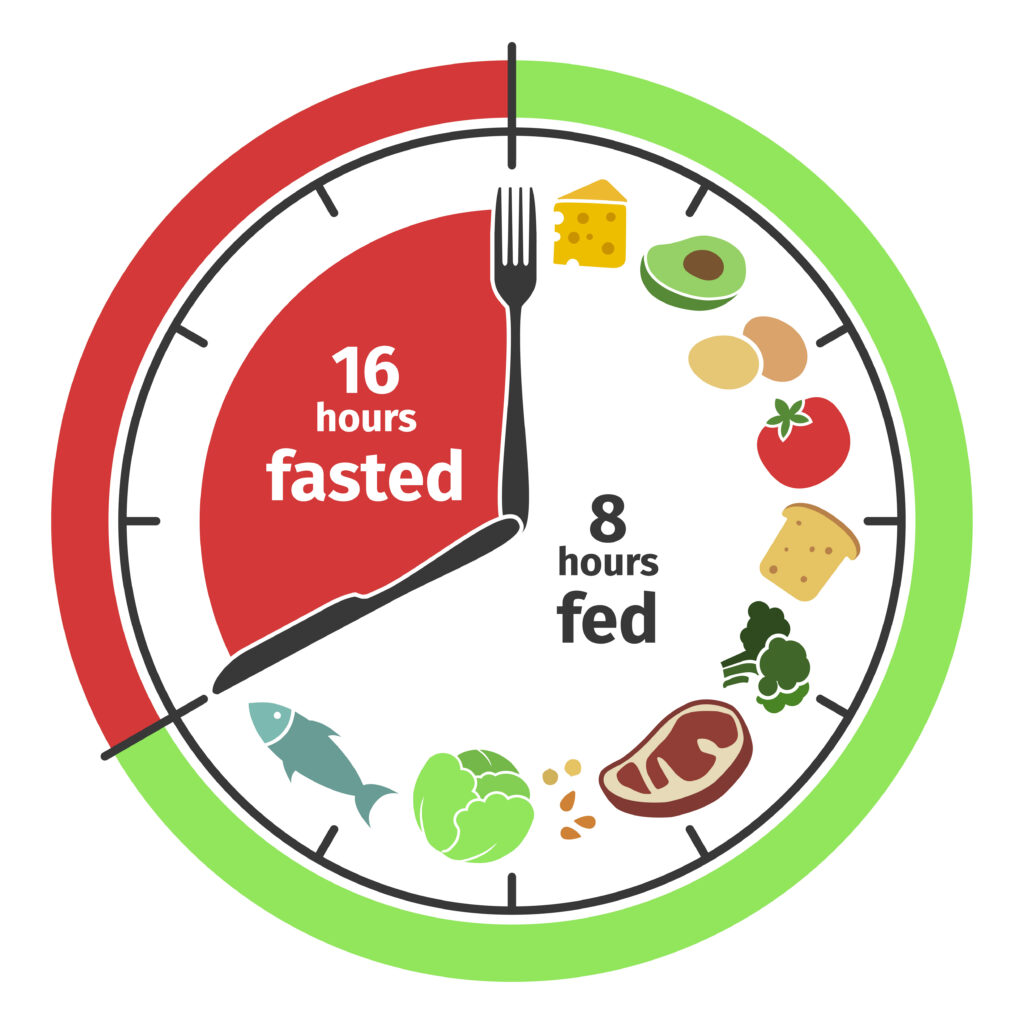
Intermittent Fasting 16/8 is a method of eating that involves fasting for 16 hours and having an 8-hour eating window each day. During the fasting period, you refrain from consuming any calories and only drink water, tea, or black coffee. This may sound daunting at first, but trust me, it’s much easier than it seems. By condensing your eating window to only 8 hours, you naturally reduce the number of calories you consume in a day without having to count them. Plus, the longer fasting period allows your body to enter a state of ketosis, where it burns fat for fuel, leading to weight loss.
In this article, we’ll delve deeper into the science behind Intermittent Fasting 16/8 and how it affects your body. We’ll also address common concerns and misconceptions surrounding this eating pattern, and provide you with practical tips on how to incorporate it into your daily routine. Whether you’re looking to shed those extra pounds or simply want to optimize your health, Intermittent Fasting 16/8 might just be the solution you’ve been searching for. So, keep reading to discover how you can revolutionize your eating habits and transform your life.
What is Intermittent Fasting?
Intermittent fasting has gained significant popularity in recent years as a method for weight loss and improved overall health. The concept revolves around alternating periods of fasting and eating. One of the most commonly followed approaches is the 16/8 method, which involves fasting for 16 hours and consuming all meals within an 8-hour eating window. This article will explore the definition, basic principles, and benefits of intermittent fasting, specifically focusing on the 16/8 approach.
Understanding the 16/8 Approach
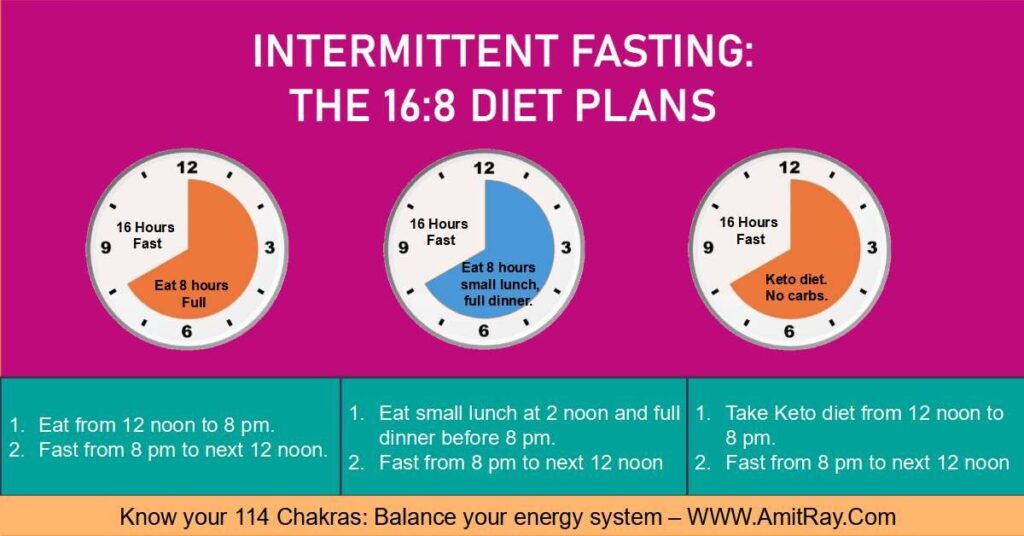
The 16/8 fasting schedule is quite straightforward. It requires fasting for 16 hours straight, including the time spent sleeping, and then limiting all meals within an 8-hour eating window. For example, one may choose to start their eating window at 12 pm (noon) and consume all meals and snacks until 8 pm, after which fasting resumes.
To successfully follow the 16/8 approach, it is crucial to maintain consistency and adhere to the designated eating window daily. During the fasting period, only water, unsweetened tea, and black coffee can be consumed to avoid breaking the fast. It is important to note that the 16/8 method does not require any specific foods to be consumed during the eating window; rather, it focuses more on the time frame.
Scientific Background of Intermittent Fasting
Numerous research studies have been conducted to explore the effects of intermittent fasting on various aspects of health. Some studies suggest that intermittent fasting can lead to improvements in metabolism, insulin levels, and overall cellular function.
Intermittent fasting has been found to have a positive impact on metabolism by promoting fat burning and increasing energy expenditure. When the body experiences a fasting period, it taps into its fat stores for energy, which can potentially lead to weight loss.
Additionally, intermittent fasting has shown to have a beneficial effect on insulin levels. Prolonged fasting periods help regulate blood sugar levels and improve insulin sensitivity. This can be particularly beneficial for individuals with diabetes or those at risk of developing the condition.
Tips for a Successful Intermittent Fasting Routine
To successfully incorporate intermittent fasting into your routine, it is essential to set realistic goals and create a meal plan that aligns with your eating window. Planning and preparing your meals in advance can help ensure you have nutritious options readily available during your eating window.
Staying hydrated is also essential during fasting periods. It is crucial to consume an adequate amount of water to prevent dehydration and support overall well-being.

Addressing Common Concerns
Many individuals wonder if intermittent fasting is safe for everyone. While intermittent fasting can be beneficial for most people, it may not be suitable for certain individuals, such as those with specific medical conditions. It is always advisable to consult with a healthcare professional before starting any fasting regimen.
Some potential side effects of intermittent fasting can include hunger, irritability, and difficulty concentrating. However, these side effects tend to subside as the body becomes accustomed to the fasting schedule. Drinking water and consuming nutrient-dense foods during the eating window can help mitigate feelings of hunger.
Intermittent Fasting and Weight Loss
Intermittent fasting has gained recognition for its potential to aid in weight loss. The 16/8 approach, in particular, promotes weight loss by restricting the eating window and allowing the body to burn fat for energy during the fasting period.
Several mechanisms contribute to weight loss during intermittent fasting. By fasting for a prolonged period, the body depletes its glycogen stores, which then prompts the utilization of stored fat. Additionally, intermittent fasting can help decrease overall calorie intake, resulting in a calorie deficit and subsequent weight loss.
Research studies have suggested that intermittent fasting can be an effective strategy for weight loss. One study found that participants who followed the 16/8 fasting schedule for 10 weeks experienced a reduction in body weight and fat mass while preserving lean muscle mass.
Combining intermittent fasting with regular exercise can further enhance weight loss results. Engaging in aerobic and strength training exercises during the eating window can promote fat burning and muscle development.

Intermittent Fasting and Physical Health
Intermittent fasting has demonstrated potential benefits for cardiovascular health. Studies have shown that intermittent fasting can lead to improvements in cholesterol levels, blood pressure, and markers of inflammation.
By reducing overall calorie intake and promoting weight loss, intermittent fasting can have a positive impact on blood pressure levels. Lower blood pressure is associated with a reduced risk of heart disease and stroke.
Furthermore, intermittent fasting has shown promising effects on diabetes management. By regulating insulin levels and improving insulin sensitivity, intermittent fasting can help individuals with diabetes better manage their blood sugar levels.
Intermittent Fasting and Mental Well-being
Beyond its physical benefits, intermittent fasting has also been linked to improved mental well-being. Research suggests that intermittent fasting can enhance cognitive function, increase mental clarity, and regulate mood.
Intermittent fasting promotes the production of a protein called brain-derived neurotrophic factor (BDNF), which plays a crucial role in cognitive function, learning, and memory. Higher levels of BDNF have been associated with improved brain health and neuroprotection.
Additionally, intermittent fasting has been found to have positive effects on mood regulation. Some individuals report feeling more focused, energized, and mentally agile during fasting periods.

Intermittent Fasting and Longevity
One area of significant interest is the potential for intermittent fasting to extend lifespan and reduce the risk of age-related diseases. Research in animals has suggested that intermittent fasting can activate cellular and molecular mechanisms that promote longevity.
Intermittent fasting triggers autophagy, a process in which the body clears out damaged cells and replaces them with new ones. This cellular rejuvenation has been linked to the prevention of age-related diseases and the extension of lifespan.
While more research is needed to fully understand the effects of intermittent fasting on longevity in humans, early studies have shown promising results.
Conclusion
Intermittent fasting, specifically the 16/8 approach, has gained attention for its potential benefits for weight loss, physical health, mental well-being, and longevity. By following a consistent fasting and eating schedule, individuals may experience improvements in metabolism, insulin levels, and overall cellular function. However, it is crucial to consult with a healthcare professional before starting any fasting regimen. With proper guidance and adherence, intermittent fasting can be a valuable tool for those looking to improve their overall health and well-being.

