Stop Sugar Cravings

Are you tired of constantly craving sugary treats and feeling like you have no control over your cravings? Well, fret not, because we have some tips and tricks up our sleeves to help you put a stop to those sugar cravings once and for all. In this article, we’ll delve into the fascinating world of sugar cravings and explore the various reasons behind them. So, get ready to gain a deeper understanding of your body and learn effective strategies to curb those pesky cravings!
Let’s face it, sugar cravings can be quite the nuisance. Whether it’s the irresistible allure of a chocolate bar or the longing for a bowl of ice cream after dinner, we’ve all been there. But fear not, my friend, for there is hope! In this article, we’ll uncover the science behind sugar cravings and why they occur in the first place. Armed with this knowledge, you’ll be better equipped to take control of your cravings and make healthier choices. So, buckle up and get ready to embark on a journey towards a sugar-free lifestyle. Trust me, your taste buds and waistline will thank you!
Understanding Sugar Cravings
Sugar cravings are a common occurrence for many people, and it can be a constant battle to resist the allure of that sweet treat. Whether it’s a craving for chocolate, soda, or sugary snacks, the desire for sugar can be intense and challenging to overcome. In this article, we will explore the reasons behind these cravings, the impact of sugar on the brain, and the consequences of uncontrolled sugar consumption. We will also provide tips on how to identify triggers and practical strategies to stop sugar cravings, as well as suggestions for healthy alternatives to satisfy your sweet tooth.
Sugar Cravings: What Are They and Why Do They Happen?
Sugar cravings are the intense desire for sugary foods or beverages that often overpower our rational thoughts. These cravings can be triggered by various factors, including emotional triggers, routines, and environmental influences. While cravings for sugar are natural, they can become problematic when they lead to excessive sugar consumption. Understanding the reasons behind sugar cravings can help us gain control over our cravings and make healthier choices.
The Science Behind Sugar Cravings
The human brain plays a significant role in driving sugar cravings. When we consume sugary foods, the brain releases dopamine, a neurotransmitter associated with pleasure and reward. This release of dopamine creates feelings of pleasure and reinforces the desire to consume more sugar. Over time, our brains develop a dependence on sugar, and this addiction-like cycle can make it challenging to resist sugar cravings.
The Impact of Sugar on the Brain
Sugar consumption not only affects our brain’s reward system but also has long-term consequences for our overall brain health. Studies have shown that excessive sugar intake can lead to decreased brain function, impaired memory, and an increased risk of developing neurodegenerative disorders such as Alzheimer’s disease. Additionally, sugar can contribute to chronic inflammation, which further negatively impacts brain health.
Consequences of Uncontrolled Sugar Cravings
Uncontrolled sugar cravings can have several detrimental effects on our health. Let’s explore some of the significant consequences associated with excessive sugar consumption.
Weight Gain and Obesity
Consuming sugary foods and beverages can lead to weight gain and obesity. Sugar is high in calories but lacks essential nutrients, making it easy to consume excessive amounts without feeling satiated. Additionally, sugar consumption spikes blood sugar levels, leading to an insulin response that promotes fat storage and inhibits fat burning.
Increased Risk of Chronic Diseases
Excessive sugar intake has been linked to an increased risk of developing chronic diseases such as type 2 diabetes, heart disease, and certain types of cancer. High sugar consumption can disrupt our body’s natural insulin regulation, resulting in insulin resistance, a key precursor to diabetes. Moreover, sugar promotes inflammation, which contributes to the development of various chronic diseases.
Negative Effects on Mental Health
Sugar can also negatively impact our mental health. Research has shown that excessive sugar consumption can increase the risk of developing depression and anxiety. In addition to the psychological repercussions of consuming too much sugar, the addictive nature of sugar can also lead to emotional distress when trying to resist cravings.
Identifying the Triggers
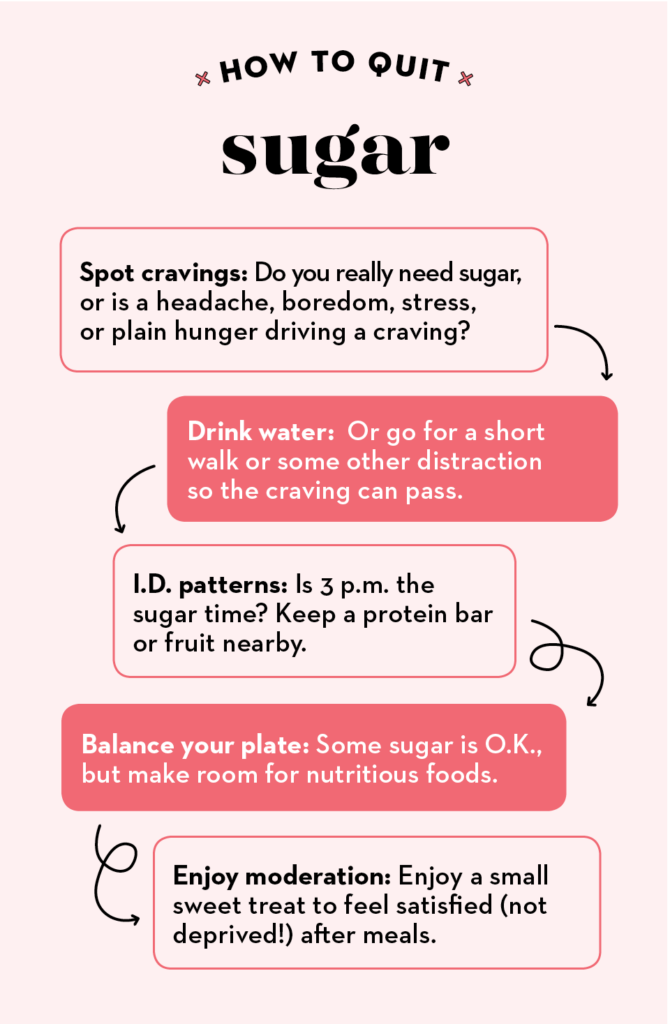
To effectively combat sugar cravings, it’s essential to identify the factors that trigger them. Here are three common triggers to be aware of:
Emotional Triggers and Stress
Emotions and stress often play a significant role in our food choices, especially when it comes to sugar. Many people turn to sugary foods as a way to cope with stress or to seek comfort during emotional situations. Identifying and addressing these emotional triggers is key to overcoming sugar cravings.
Routines and Habits
Our routines and daily habits can inadvertently contribute to sugar cravings. For example, if you always reach for a sugary snack in the afternoon as a pick-me-up, it becomes a habit that is hard to break. Becoming aware of these habits and finding healthier alternatives can help reduce sugar cravings.
Environmental Influences
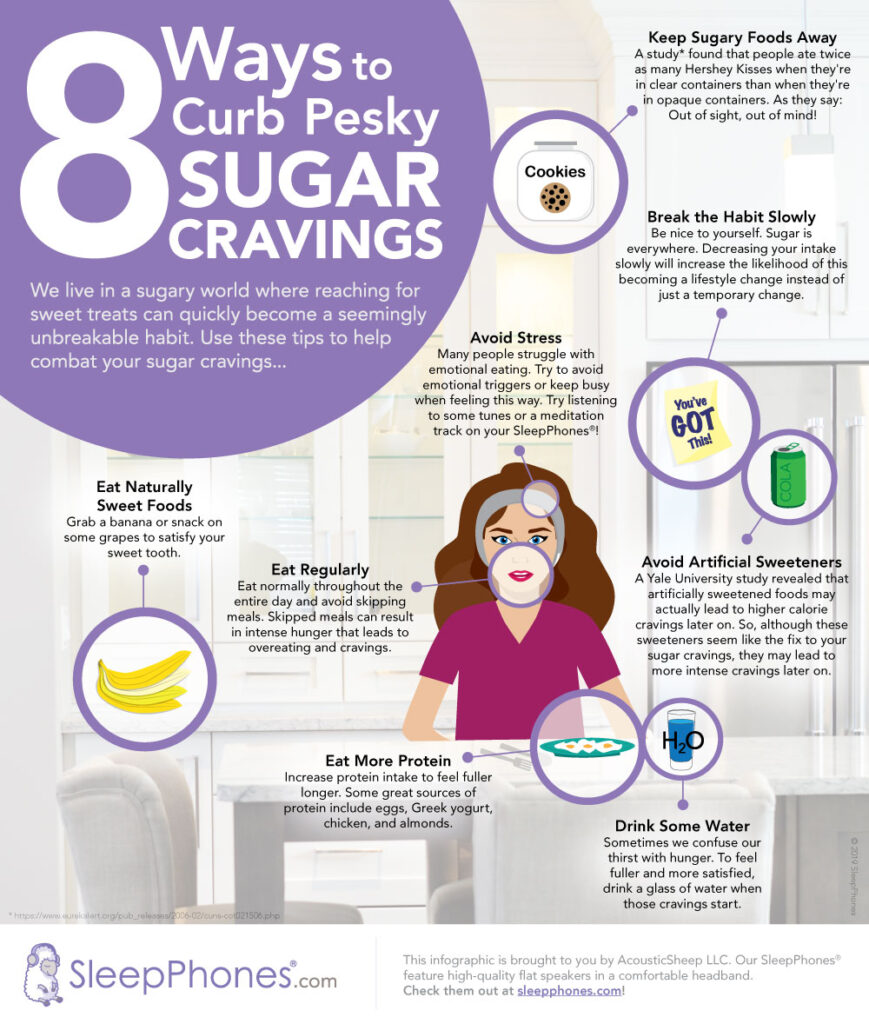
Our environment can heavily influence our food choices. If we are constantly surrounded by sugary foods and beverages, it becomes harder to resist temptation. From office break rooms to grocery store checkout aisles, these environmental influences can trigger sugar cravings. Being mindful of our surroundings and avoiding tempting environments can help reduce the frequency of sugar cravings.

Tips to Stop Sugar Cravings
While sugar cravings can feel overwhelming, there are strategies you can implement to regain control. Here are some tips to help you stop sugar cravings:
Choose Nutrient-Dense Foods
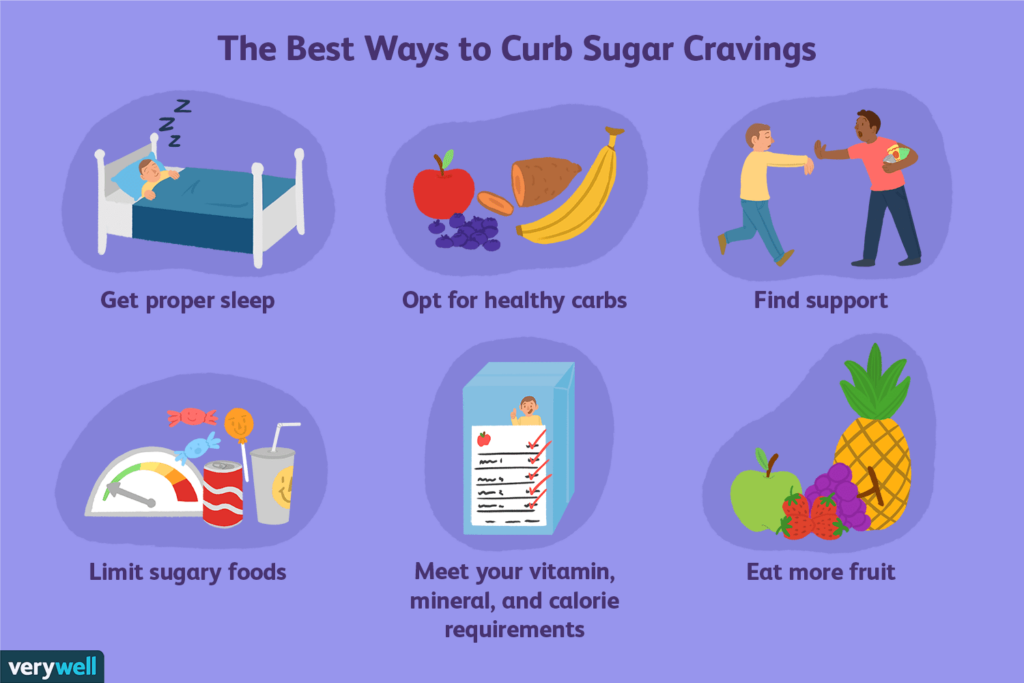
Eating a diet rich in nutrient-dense foods, such as fruits, vegetables, whole grains, and lean proteins, can help curb sugar cravings. These foods are packed with essential vitamins, minerals, and fiber, keeping you satiated and reducing the urge to indulge in sugar.
Stay Hydrated
Dehydration can sometimes be mistaken for hunger or sugar cravings. Drinking an adequate amount of water throughout the day can help keep cravings at bay. It’s recommended to aim for at least eight cups of water daily.
Include Protein and Fiber in Your Diet
Protein and fiber-rich foods can help stabilize blood sugar levels, preventing spikes and crashes that often lead to sugar cravings. Adding sources of protein such as lean meats, eggs, beans, and nuts, along with high-fiber foods like whole grains, fruits, and vegetables, can help keep cravings in check.
Manage Stress and Emotional Well-being
Since stress and emotions can trigger sugar cravings, managing your stress levels and emotional well-being is crucial. Incorporating stress-relief techniques such as exercise, meditation, journaling, or engaging in hobbies can help reduce your reliance on sugar for emotional comfort.
Practicing Mindful Eating
Being mindful of what and how we eat can significantly impact our ability to control sugar cravings. Mindful eating involves paying attention to our food choices and our body’s hunger and fullness signals. Here are some strategies to practice mindful eating:
Understanding Emotional vs. Physical Hunger
Before reaching for a sugary snack, take a moment to evaluate whether you are physically hungry or if your hunger is driven by emotions. If it’s emotional hunger, try finding alternative ways to address and satisfy those emotions without turning to sugar.
Recognizing Food Cravings vs. True Hunger Signals
Food cravings are often intense and focused on specific foods, while true hunger signals are more generalized and can be satisfied with a variety of healthy options. Learning to differentiate between cravings and true hunger can help you make healthier choices.
Practical Strategies for Mindful Eating
Practicing mindful eating involves slowing down, savoring each bite, and being present while eating. Avoid distractions such as screens or multitasking during meals. Chew your food thoroughly and pay attention to the flavors and textures. This allows you to fully enjoy your meal and helps prevent overeating or mindlessly reaching for sugary treats.

Replacing Sugary Options with Healthy Alternatives
Choosing healthier alternatives to satisfy your sweet tooth can help you break free from the cycle of sugar cravings. Here are some options to consider:
Choosing Natural Sweeteners
Instead of refined sugar, opt for natural sweeteners like honey, maple syrup, or stevia. While these alternatives should still be consumed in moderation, they provide a more wholesome and nutritious option compared to refined sugar.
Opting for Fresh Fruits
Fresh fruits are naturally sweet and provide essential vitamins, minerals, and fiber. Satisfy your sweet craving by enjoying a piece of fruit or incorporating it into meals and snacks. Fruit can also be blended into smoothies or frozen for a refreshing treat.
Satisfying Your Sweet Tooth with Dark Chocolate
Dark chocolate with a high percentage of cocoa is a healthier alternative to milk chocolate or other sugary treats. It contains antioxidants and has a lower sugar content. Enjoy a small piece of dark chocolate when you need a sweet fix.
Building Healthy Habits
In addition to making conscious food choices, building healthy habits is crucial for overcoming sugar cravings. Here are some habits to incorporate into your daily routine:
Creating a Balanced Meal Plan
Planning your meals and snacks in advance can help you make healthier choices and reduce the likelihood of succumbing to sugar cravings. Include a balance of protein, healthy fats, complex carbohydrates, and vegetables to keep your meals satisfying and nourishing.
Establishing a Regular Exercise Routine
Regular exercise not only contributes to overall physical health but can also help reduce sugar cravings. Engaging in activities you enjoy, such as walking, jogging, cycling, or dancing, releases endorphins that boost mood and reduce the desire for sugary foods.
Getting Enough Sleep
Adequate sleep plays a vital role in managing sugar cravings. When we are sleep-deprived, our hunger hormones become imbalanced, leading to increased cravings for sugar and unhealthy foods. Aim for seven to nine hours of quality sleep each night.
Seeking Support and Accountability
Seeking support and accountability can greatly assist in overcoming sugar cravings and transitioning to a healthier lifestyle. Consider the following options:
Enlisting the Help of a Nutritionist or Dietitian
A nutritionist or dietitian can provide personalized guidance, meal plans, and strategies to help you overcome sugar cravings and achieve a balanced, healthy diet. They can also address any underlying nutritional deficiencies that may contribute to cravings.
Joining a Supportive Community or Group
Joining a supportive community or group of individuals with similar health goals can provide motivation and accountability. Online forums, social media groups, or local support groups can be valuable resources for sharing experiences, tips, and strategies for overcoming sugar cravings.
Tracking Your Progress
Tracking your progress can help you stay motivated and accountable. Use a journal or a smartphone app to record your food choices, cravings, and emotions. Reflecting on your progress at regular intervals can provide valuable insights into your journey and help you identify areas for improvement.
Overcoming Setbacks and Challenges
Overcoming sugar cravings is a process that may involve setbacks and challenges along the way. Here are some strategies for dealing with common obstacles:
Dealing with Cravings and Temptations
When faced with cravings and temptations, distract yourself with activities that redirect your focus. Engage in a hobby, go for a walk, or call a friend. By shifting your attention away from the craving, you may find that it diminishes or disappears altogether.
Coping with Emotional Eating
If emotional eating is a struggle, find alternative ways to address and express emotions. Engage in activities such as journaling, talking to a supportive friend, or seeking professional help from a therapist. Developing healthy coping mechanisms will reduce the reliance on sugar as an emotional crutch.
Forgiving Yourself and Moving Forward
If you have a slip-up or indulge in sugar despite your efforts, remember that it’s essential to be kind to yourself. Avoid feelings of guilt or shame, as they can hinder your progress. Instead, acknowledge the slip-up, learn from it, and refocus on your goal of reducing sugar intake.
Conclusion
Sugar cravings can be challenging to overcome, but with the right strategies and mindset, it is possible to regain control over your cravings and make healthier choices. By understanding the reasons behind sugar cravings, identifying triggers, and practicing mindful eating, you can break free from the cycle of excessive sugar consumption. Remember to choose healthy alternatives, build healthy habits, seek support, and be resilient in the face of setbacks. By taking these steps, you can stop sugar cravings and embark on a journey towards a healthier, more balanced life.

