How To Stop Binge Eating At Night

Do you often find yourself raiding the fridge late at night? Do those midnight snacks turn into full-blown binge sessions? Well, worry no more because in this article, we’re going to discuss how to stop binge eating at night. Whether you’re constantly craving something sweet or can’t resist the salty snacks, we’ve got tips and tricks to help you break this habit and regain control over your late-night cravings. So, read on to find out more!
Late-night binge eating can be a frustrating and unhealthy habit, but with a few simple adjustments, you can make a real change. First, it’s important to understand why you’re reaching for food at night. Are you truly hungry, or is there an emotional trigger causing you to seek comfort in food? Identifying the root cause is a crucial step in learning how to stop binge eating at night. In the upcoming article, we’ll explore different strategies to help you differentiate between emotional and physical hunger and teach you techniques to cope with emotional triggers in healthier ways. So, stay tuned and get ready to take back control over your late-night snacking habits!
Understanding Binge Eating
What is binge eating?
Binge eating is a serious eating disorder characterized by regularly consuming large amounts of food in a short period of time, often to the point of discomfort or pain. It differs from occasional overeating, as it involves feeling a loss of control during the episodes and experiencing feelings of guilt, shame, or embarrassment afterwards. Binge eating episodes are typically accompanied by a sense of numbness or emotional distress and are usually followed by intense feelings of regret and self-loathing.
Causes of binge eating
There is no singular cause of binge eating, as it is often influenced by a combination of biological, psychological, and environmental factors. Some common triggers include emotional distress, such as stress, anxiety, or depression; environmental factors, like exposure to certain foods or situations; and social pressures, such as feelings of loneliness or social isolation. Additionally, individuals with a history of dieting or restrictive eating patterns are more prone to developing binge eating behaviors.
Effects of binge eating on health
Binge eating can have numerous negative effects on both physical and mental health. From a physical standpoint, it can lead to weight gain and obesity, which in turn increase the risk of developing chronic conditions such as diabetes, heart disease, and certain types of cancer. Binge eating can also cause digestive issues, including stomach pain, bloating, and discomfort.
From a mental health perspective, binge eating can severely impact an individual’s self-esteem and body image. The feelings of guilt and shame that often accompany binge eating episodes can contribute to the development of anxiety and depression. Furthermore, the secrecy and isolation associated with binge eating can lead to social withdrawal and decreased quality of life.
Identifying Triggers
Emotional triggers
Emotional triggers play a significant role in the development and perpetuation of binge eating episodes. It is important to identify the emotions that trigger your binge eating and find healthier ways to cope with them. Journaling or talking to a therapist can be helpful in understanding the underlying emotions that drive your eating behaviors. Additionally, practicing stress-reducing techniques like deep breathing, meditation, or engaging in hobbies can serve as healthier alternatives to cope with emotional distress.
Environmental triggers
Environmental factors can also contribute to binge eating. Identifying the specific situations or environments that trigger your binge eating can help you develop strategies to avoid or manage these triggers. For example, if you find that watching television late at night leads to binge eating, you may choose to engage in a different activity or remove tempting foods from your living space. Creating a supportive and healthy environment can greatly aid in overcoming binge eating behaviors.
Social triggers
Social triggers, such as eating in social settings or feeling pressure to conform to certain body ideals, can also contribute to binge eating. Surrounding yourself with individuals who support your goals and understand your struggles can be immensely helpful. It may also be beneficial to communicate your concerns and boundaries with friends and loved ones, so they can provide the necessary support and refrain from enabling unhealthy behaviors.
Creating a Support System
Seeking professional help
If you are struggling with binge eating, seeking professional help is crucial. A qualified therapist or counselor who specializes in eating disorders can help you explore the underlying causes of your binge eating, develop personalized coping strategies, and provide the necessary guidance and support throughout your recovery journey. They can also help address any co-occurring mental health conditions that may be contributing to your binge eating behaviors.
Joining support groups
Joining a support group can be a valuable resource for individuals struggling with binge eating. Connecting with others who have similar experiences can provide a sense of validation, support, and understanding. Support groups offer a safe and non-judgmental space to share your struggles, gain insights from others, and learn practical tips for overcoming binge eating. Many support groups are available both in-person and online, making them accessible to individuals in various locations.
Involving friends and family
Involving friends and family in your journey to overcome binge eating can be immensely helpful. Educate them about binge eating, its effects, and the ways in which they can support you. Encourage them to be mindful of triggering conversations or behaviors around food, and ask for their assistance in creating a positive and supportive environment. Having a strong support system can greatly enhance your chances of success in overcoming binge eating.
Developing Healthy Eating Habits
Creating a balanced meal plan
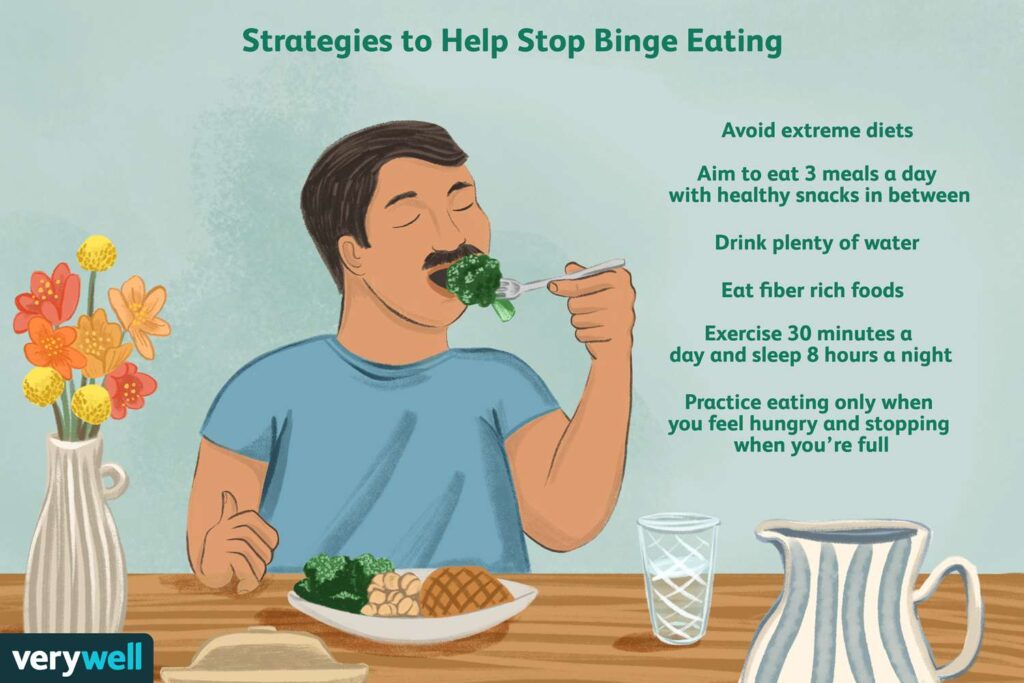
Developing a balanced meal plan is crucial in managing and preventing binge eating. Ensure that your meals consist of a variety of nutrient-dense foods, including lean proteins, whole grains, fruits, and vegetables. Including a source of healthy fats, such as avocados or nuts, can help promote satiety and reduce the likelihood of experiencing intense food cravings. It is also important to listen to your body’s hunger and fullness cues and eat mindfully, savoring each bite.
Eating mindfully
Mindful eating involves paying attention to the sensory experience of eating, such as the taste, texture, and aroma of the food. By slowing down and savoring each bite, you become more attuned to your body’s signals of hunger and fullness. Mindful eating can help prevent overeating and allow you to enjoy your meals without guilt or shame. Strategies such as eating without distractions, chewing slowly, and taking breaks during meals can promote mindful eating habits.
Avoiding restrictive diets
Restrictive diets or overly strict food rules often backfire and can lead to binge eating. Depriving yourself of certain foods or food groups can create feelings of scarcity and trigger uncontrollable cravings. Instead of following restrictive diets, focus on nourishing your body with wholesome foods while still allowing yourself to enjoy occasional treats in moderation. Adopting a balanced and flexible approach to eating can help prevent feelings of deprivation and reduce the likelihood of binge eating episodes.

Practicing Self-Care
Managing stress
Stress is a common trigger for binge eating, as many individuals turn to food as a way to cope with stress. Finding healthy alternatives to manage stress can help break this cycle. Engage in activities that promote relaxation and stress reduction, such as practicing yoga, taking a bath, or going for a nature walk. Additionally, incorporating stress management techniques like deep breathing exercises or progressive muscle relaxation into your daily routine can help you better manage stress and reduce the likelihood of turning to binge eating.
Engaging in physical activity
Regular physical activity not only contributes to overall physical health but also plays a crucial role in maintaining mental well-being. Engaging in activities that you enjoy, such as dancing, swimming, or hiking, can help decrease stress levels, improve mood, and boost self-esteem. Aim for at least 150 minutes of moderate-intensity aerobic activity or 75 minutes of vigorous-intensity aerobic activity per week, along with strength training exercises to maintain muscle mass.
Getting enough sleep
Adequate sleep is essential for overall health and can significantly impact your eating behaviors. Lack of sleep is associated with increased hunger hormones, decreased levels of satiety hormones, and heightened cravings for high-calorie foods. Aim for 7-9 hours of quality sleep per night, and establish a consistent sleep schedule by going to bed and waking up at the same time each day. Creating a peaceful bedtime routine, such as reading a book or practicing relaxation techniques, can help signal to your body that it is time to wind down and prepare for restful sleep.
Replacing Binge Eating Behaviors
Finding alternatives for comfort
One of the reasons individuals turn to binge eating is the desire for comfort or emotional relief. Finding healthier alternatives to fulfill this need can be beneficial in reducing binge eating episodes. Engage in activities that bring you joy and provide a sense of comfort, such as taking a bubble bath, listening to soothing music, or engaging in creative outlets like painting or writing. Experiment with various activities until you find what works best for you in providing comfort and emotional release.
Exploring hobbies and interests
Binge eating often occurs out of boredom or a lack of fulfillment in other areas of life. Exploring new hobbies and interests can help fill this void and provide a healthier outlet for your energy and emotions. Consider activities that stimulate your mind and body, such as learning a new instrument, practicing yoga, or pursuing a creative hobby. Not only will this help distract you from the urge to binge eat, but it will also contribute to personal growth and a sense of fulfillment.
Expressing emotions through art or writing
Artistic expression can be a powerful tool in managing emotions and redirecting energy away from binge eating. Engaging in activities like painting, drawing, or writing can provide a creative outlet for processing and expressing your emotions. Create a journal where you can freely write about your thoughts and feelings, or engage in art therapy sessions where you can explore your emotions through various art forms. Art and writing can serve as powerful tools for self-reflection and emotional healing.

Managing Cravings
Understanding the difference between cravings and hunger
It is crucial to distinguish between cravings and true physical hunger. Cravings are often specific desires for certain foods or flavors, while hunger is a physiological need for nourishment. When experiencing a craving, try to tune into your body’s cues and ask yourself if you are truly hungry or if the craving is driven by an external trigger, such as stress or boredom. If it is a genuine hunger, choose a balanced and nutritious option to satisfy your body’s needs.
Finding healthy substitutes
When cravings strike, finding healthy substitutes can help satisfy your taste buds without resorting to binge eating. For example, if you have a craving for something sweet, opt for a piece of fruit or a small serving of dark chocolate. If you are craving something crunchy, reach for carrot sticks or air-popped popcorn instead of chips. Experiment with different healthy options to find substitutes that satisfy your cravings while still aligning with your health goals.
Using distraction techniques
Distraction techniques can be effective in redirecting your attention away from cravings and preventing binge eating. Engaging in activities that require focus, such as solving puzzles, reading a book, or engaging in a hobby, can help shift your mindset and reduce the intensity of the craving. Additionally, physical activities like going for a walk or doing a short workout can help distract you from the craving and release endorphins, which can improve your mood and lessen the desire to binge eat.
Creating a Bedtime Routine
Creating a bedtime routine is crucial in establishing healthy eating habits and preventing nighttime binge eating episodes. By prioritizing adequate sleep and incorporating relaxing activities before bed, you can better manage your appetite and reduce the likelihood of late-night snacking.
Establishing a consistent sleep schedule
Establishing a consistent sleep schedule helps regulate your body’s internal clock and promotes better sleep quality. Aim to go to bed and wake up at the same time each day, even on weekends. By following a regular sleep routine, your body becomes accustomed to a predictable schedule, making it easier to fall asleep and wake up feeling refreshed.
Engaging in relaxing activities before bed
Engaging in relaxing activities before bed can help signal to your body that it is time to wind down and prepare for sleep. Choose activities that promote relaxation, such as reading a book, taking a warm bath, practicing gentle stretching, or practicing deep breathing exercises. Avoid stimulating activities or exposure to bright lights, such as using electronic devices or watching intense television shows, as these can interfere with your ability to fall asleep.
Avoiding electronic devices
The blue light emitted by electronic devices, such as smartphones, tablets, and computers, can interfere with your body’s natural sleep-wake cycle. Avoid using electronic devices at least one hour before bed to promote better sleep quality. Instead, engage in activities that relax your mind and body, such as listening to calming music, practicing meditation, or enjoying a cup of caffeine-free herbal tea.

Overcoming Setbacks
Understanding that setbacks are part of the process
It is important to understand that setbacks are a normal part of the recovery process. Recovery from binge eating involves ups and downs, and it is crucial to approach setbacks with compassion and understanding. Instead of being too hard on yourself, acknowledge that setbacks happen, learn from the experience, and use it as an opportunity to refine your strategies and coping skills. Each setback can provide valuable insights that contribute to your growth and ultimately lead you closer to a healthier relationship with food.
Learning from mistakes
Mistakes are opportunities for growth and learning. When setbacks occur, take the time to reflect on the circumstances that led to the binge eating episode and identify the possible triggers or patterns. Use this knowledge to adjust your strategies, seek additional support if necessary, and develop new coping mechanisms. With time and practice, you will become better equipped to navigate potential challenges and manage your binge eating behaviors more effectively.
Seeking support during challenging times
During challenging times, it is important to seek support from your loved ones, therapist, or support group. Reach out to individuals who understand your struggles and can provide guidance and encouragement. Sharing your experiences, emotions, and challenges with a trusted support system can help alleviate feelings of isolation and provide the necessary motivation to keep moving forward. Remember, you are not alone in your journey, and there are people who genuinely care and want to support you.
Conclusion
Overcoming binge eating at night is a challenging but achievable goal. By understanding the causes and effects of binge eating, identifying your triggers, creating a support system, developing healthy eating habits, practicing self-care, replacing binge eating behaviors, managing cravings, establishing a bedtime routine, and overcoming setbacks, you can take control of your relationship with food and create a healthier and more balanced lifestyle.
Remember, it is essential to be patient and kind to yourself throughout this process. Focus on progress rather than perfection, and celebrate even the smallest victories. With dedication, perseverance, and the support of others, you can stop binge eating at night and pave the way for a happier, healthier, and more fulfilling life.

