Stop Eating Meat

Are you looking for a way to improve your overall health and well-being? Have you ever considered cutting out meat from your diet? Well, if you haven’t, it might be worth giving it a try. In this article, we’re going to delve into the topic of stopping eating meat and explore the potential benefits it can bring to your body and the planet. So, if you’re curious to learn more about this lifestyle change, keep reading!
Now, I know what you might be thinking – giving up meat entirely seems like a daunting task. But trust me, it’s not as difficult as it may seem. By eliminating meat from your diet, you can introduce a plethora of other nutritious and delicious foods into your meals. From protein-packed legumes and tofu to nutrient-rich fruits and vegetables, there are numerous plant-based alternatives that can provide you with all the essential nutrients your body needs. In fact, studies have shown that a well-balanced vegetarian or vegan diet can reduce the risk of chronic diseases such as heart disease, diabetes, and certain cancers. So, if you’re ready to embark on a journey towards better health and a more sustainable lifestyle, keep reading our article for more information on how to successfully transition to a meat-free diet.
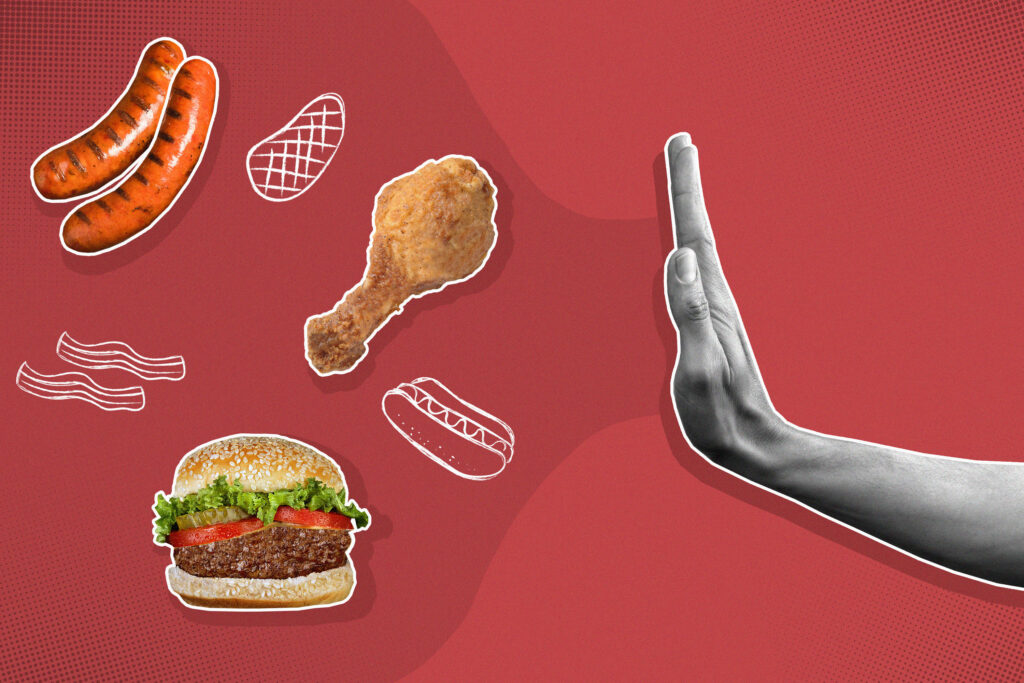
Stop Eating Meat
If you’re looking for ways to improve your health and contribute to a more sustainable environment, one step you can take is to stop eating meat. With the rise of plant-based diets and the increasing awareness of the negative impacts of meat consumption, there are numerous reasons to reconsider your dietary choices. In this article, we will explore the health benefits of consuming plant-based proteins, the environmental impact of meat consumption, the ethical considerations, the health risks associated with eating meat, alternative sources of protein, the benefits of plant-based diets, transitioning to a meat-free lifestyle, the culinary diversity and creativity of plant-based cuisine, and the economic impact of the industry transformation.
Increased Protein Intake
One concern many people have when considering a meat-free lifestyle is whether they will get enough protein. However, it is important to note that there are plenty of plant-based sources of protein that can adequately meet your nutritional needs. Foods such as beans, legumes, quinoa, and chia seeds are all excellent sources of protein. By incorporating these foods into your diet, you can easily increase your protein intake without relying on meat products.
Nutrient Richness
While meat is often associated with essential nutrients such as iron and vitamin B12, plant-based diets can also provide these nutrients in abundance. Leafy green vegetables like spinach and kale are high in iron, while fortified plant-based milk and cereals can provide an ample amount of vitamin B12. By diversifying your diet and incorporating a wide range of plant-based foods, you can ensure that you are getting all the essential nutrients your body needs.
Enhanced Muscle Development
Contrary to popular belief, it is possible to build muscle on a plant-based diet. Plant-based proteins, such as those found in soy, lentils, and hemp seeds, can provide all the necessary amino acids for muscle growth and repair. Additionally, plant-based diets tend to be rich in antioxidants, which can help reduce inflammation and aid in muscle recovery.
Better Bone Health
Calcium is essential for strong and healthy bones, and many people associate dairy products with high calcium content. However, plant-based sources such as kale, broccoli, and tofu also provide ample amounts of this important mineral. Additionally, plant-based diets are often rich in other bone-healthy nutrients like vitamin K, magnesium, and potassium, which contribute to overall bone health.
Environmental Impact of Meat Consumption
Greenhouse Gas Emissions
Meat production is a significant contributor to greenhouse gas emissions, particularly through the release of methane. The livestock industry releases large amounts of methane, a potent greenhouse gas that contributes to climate change. By reducing or eliminating meat consumption, you can significantly reduce your carbon footprint and contribute to the fight against global warming.
Deforestation
The demand for meat has led to widespread deforestation, particularly in regions like the Amazon rainforest. Forests are cleared to make way for cattle grazing or to grow animal feed crops like soybeans. This destruction of natural habitats not only threatens biodiversity but also contributes to climate change by releasing stored carbon dioxide into the atmosphere. By opting for plant-based alternatives, you can help protect forests and preserve ecosystems.
Water Scarcity
Meat production requires substantial amounts of water, both for the animals themselves and for growing their food. Livestock farming is a water-intensive industry, putting strain on water resources in many regions. By reducing meat consumption, you can help conserve water and alleviate the pressure on already scarce water supplies.
Pollution
The meat industry is a significant source of water and air pollution. The runoff from animal waste, antibiotics, and hormones used in meat production can contaminate soil and water supplies. Moreover, the emissions from factory farms can contribute to air pollution, affecting both human and environmental health. By transitioning to a plant-based diet, you can help reduce the pollution caused by the meat industry.
Ethical Considerations
Animal Cruelty
One of the most compelling reasons to stop eating meat is to address the issue of animal cruelty. Factory farming practices often involve confining animals in cramped and unsanitary conditions, depriving them of their natural behaviors and subjecting them to unnecessary suffering. By choosing plant-based alternatives, you can demonstrate compassion towards animals and advocate for their welfare.
Factory Farming Practices
Factory farming has become the dominant method of meat production, prioritizing high yields and low costs over animal welfare. The intensive use of antibiotics and hormones in these operations not only poses risks to human health but also contributes to the development of antibiotic-resistant bacteria. By eliminating meat from your diet, you can support more humane farming practices and reduce the reliance on harmful substances in food production.
Inhumane Slaughter
The process of slaughtering animals for meat often involves inhumane practices and can cause unnecessary suffering. Many individuals find it difficult to reconcile the ethical implications of taking another living being’s life for food. By adopting a meat-free lifestyle, you can align your values with your actions and respect the inherent worth of all living creatures.
Negative Impact on Wildlife
Ecosystems and wildlife are deeply affected by the meat industry. The clearing of land for grazing or growing animal feed destroys habitats, displaces species, and disrupts delicate ecological balance. By reducing meat consumption, you can help preserve biodiversity and protect vulnerable wildlife.
Health Risks of Eating Meat
Higher Risk of Heart Disease
Excessive consumption of red and processed meats has been strongly linked to an increased risk of heart disease. These meats are often high in saturated fats and cholesterol, which can raise blood cholesterol levels and contribute to the development of atherosclerosis. By reducing meat intake and replacing it with plant-based alternatives, you can promote heart health and lower your risk of cardiovascular diseases.
Increased Cancer Susceptibility
Several studies have found a positive association between meat consumption and the risk of certain types of cancer, particularly colorectal cancer. The compounds formed during meat cooking, such as heterocyclic amines and polycyclic aromatic hydrocarbons, may contribute to cancer development. By opting for plant-based proteins, you can decrease your exposure to potentially harmful substances and reduce your cancer risk.
Risk of Obesity and Diabetes
High consumption of meat, especially processed meats, has been linked to an increased risk of obesity and type 2 diabetes. These meats are often high in calories, unhealthy fats, and additives, which can contribute to weight gain and insulin resistance. By adopting a plant-based diet, you can reduce your intake of these detrimental factors and maintain a healthy weight.
Negative Effects on Digestion
Meat is often harder to digest compared to plant-based foods, requiring more energy and time for the body to break down. This can lead to digestive discomfort, including bloating, constipation, and acid reflux. By incorporating more plant-based foods into your diet, you can improve your digestion and promote a healthier gastrointestinal system.

Alternative Sources of Protein
Plant-based Proteins
There is a rich variety of plant-based proteins available that can easily replace meat in your diet. Foods like tofu, tempeh, seitan, and textured vegetable protein provide a similar texture and taste, making them excellent substitutes in many recipes. Additionally, plant-based protein powders, such as pea, soy, or hemp protein, can be used to supplement your protein intake.
Quinoa and Chia Seeds
Quinoa and chia seeds are considered complete proteins, as they contain all nine essential amino acids that the body needs. These foods are versatile and can be incorporated into a range of dishes, from salads and stir-fries to puddings and smoothies. Their high protein content makes them a nutritious addition to any plant-based diet.
Beans and Legumes
Beans and legumes, such as chickpeas, black beans, lentils, and kidney beans, are excellent sources of protein, fiber, and various essential nutrients. They can be used as the main ingredient in dishes like soups, stews, and chili or as a substitute for meat in burgers and tacos. Adding these versatile ingredients to your meals can help meet your protein requirements while providing numerous health benefits.
Nuts and Seeds
Nuts and seeds, including almonds, walnuts, pumpkin seeds, and sunflower seeds, are not only rich in protein but also provide healthy fats, vitamins, and minerals. They can be eaten as a snack or used as toppings in salads, cereals, and yogurt. Including a variety of nuts and seeds in your diet can add flavor, texture, and nutrition to your meals.
Plant-Based Diets for Optimal Health
Balanced Nutrition
Contrary to popular belief, plant-based diets can provide all the necessary nutrients for optimal health. By incorporating a diverse range of fruits, vegetables, whole grains, legumes, and plant-based proteins, you can ensure a well-rounded and balanced diet. It is essential to pay attention to adequate intake of nutrients like vitamin B12, iron, and omega-3 fatty acids, which may require supplementation or intentional inclusion of fortified foods.
Reduced Risk of Chronic Diseases
Plant-based diets have been associated with a reduced risk of chronic diseases, including heart disease, high blood pressure, type 2 diabetes, and certain types of cancer. This is primarily due to the high intake of fiber, antioxidants, phytochemicals, and other beneficial compounds found in plant-based foods, which help protect against oxidative stress and inflammation.
Weight Management
Plant-based diets naturally tend to be lower in calories and saturated fats, making them conducive to weight management. Fruits, vegetables, whole grains, and legumes are typically more filling due to their high fiber and water content. By focusing on whole, unprocessed plant-based foods, you can maintain a healthy weight and reduce the risk of obesity.
Improved Digestive Health
The fiber content in plant-based diets promotes good digestive health by regulating bowel movements, preventing constipation, and nourishing beneficial gut bacteria. Additionally, plant-based diets are usually easier to digest, leading to reduced bloating and gastrointestinal discomfort. By adopting a plant-based lifestyle, you can support a healthy digestive system and promote optimal gut health.
Transitioning to a Meat-Free Lifestyle
Gradual Reduction of Meat Consumption
Transitioning to a meat-free lifestyle does not have to be an all-or-nothing approach. Many people find it helpful to gradually reduce their meat consumption by incorporating meatless meals into their weekly routine. Start by designating certain days of the week as meat-free and gradually increase the frequency over time. This gradual approach allows for a smoother transition and enables you to explore new flavors and recipes.
Experimenting with Plant-Based Recipes
One of the most exciting aspects of adopting a meat-free lifestyle is the opportunity to explore new flavors and experiment with plant-based recipes. There is no shortage of delicious and creative options available, ranging from hearty vegetable stews to flavorful grain bowls and protein-packed plant-based burgers. Take the time to discover new ingredients, try different cooking techniques, and enjoy the adventure of creating nutritious and satisfying meals.
Seeking Supportive Communities
Transitioning to a meat-free lifestyle can feel challenging, especially if your social circle predominantly consists of meat-eaters. It can be helpful to seek out like-minded individuals or join online communities that offer support, share recipes, and provide guidance throughout your journey. Connecting with others who have similar goals and experiences can help foster a sense of community and provide valuable resources to make the transition easier.
Exploring Vegan and Vegetarian Options
If you’re ready to fully embrace a meat-free lifestyle, exploring vegan or vegetarian options can provide a wealth of resources and inspiration. Vegan and vegetarian cookbooks, websites, and blogs offer a vast selection of delicious recipes, nutritional advice, and tips on living a plant-based lifestyle. These resources can help you navigate the challenges and reap the benefits of a meat-free diet.
Culinary Diversity and Creativity
Discovering New Flavors and Ingredients
Adopting a meat-free lifestyle opens up a world of culinary exploration, allowing you to discover new flavors and ingredients. Integrating a variety of fruits, vegetables, herbs, and spices into your meals can create a diverse and exciting dining experience. By embracing different cultural cuisines and experimenting with unique combinations, you can broaden your palate and find joy in the diversity of plant-based cuisine.
Cultural Influence on Plant-Based Cuisine
Cultures from around the world offer an abundance of plant-based dishes that have been enjoyed for centuries. Exploring traditional plant-based recipes from various cultures can provide a deeper understanding of their culinary heritage. From Mediterranean mezze and Indian curries to Mexican tacos and Japanese sushi, the possibilities for flavorful and satisfying meat-free meals are endless.
Exploring Meat Substitutes
The growing popularity of plant-based meat substitutes has revolutionized the meatless dining experience. Innovations such as plant-based burgers, sausages, and deli slices mimic the taste, texture, and appearance of traditional meat products. These alternatives can be incorporated into your favorite recipes or enjoyed as standalone dishes, allowing you to indulge in familiar flavors while abstaining from meat.
Fine Dining without Meat
Contrary to popular belief, abstaining from meat does not mean sacrificing the joy of fine dining. Many upscale restaurants now offer elaborate plant-based tasting menus that celebrate seasonal produce and innovative cooking techniques. These dining experiences highlight the culinary possibilities of plant-based cuisine and offer a sophisticated and memorable dining experience for those seeking a meat-free lifestyle.
Economic Impact and Industry Transformation
Growth of Plant-Based Food Market
The demand for plant-based food products has been steadily increasing in recent years. As more individuals embrace a meat-free lifestyle, the market for plant-based alternatives has expanded. This growth has led to an increasing variety of plant-based food options, making it easier than ever to transition away from meat and enjoy a diverse, flavorful, and nutritious plant-based diet.
Investment Opportunities in Plant-Based Protein
The rise of plant-based diets has created numerous investment opportunities in the plant-based protein industry. Companies specializing in plant-based meat alternatives, dairy alternatives, and other plant-based products have attracted significant investments from venture capitalists and large food corporations. This trend not only reflects the growing demand for plant-based options but also demonstrates the potential for economic growth and innovation in the industry.
Changing Consumer Preferences
Consumer preferences are shifting towards more sustainable and ethical food choices, with an increasing number of individuals opting for plant-based diets. This change in consumer behavior has prompted restaurants, food manufacturers, and grocery stores to expand their plant-based offerings to meet the demand. By adopting a meat-free lifestyle, you are contributing to this shift in consumer preferences and influencing the food industry to provide more sustainable options.
Sustainability Initiatives
Prominent environmental organizations and institutions are recognizing the environmental impact of meat consumption and advocating for more sustainable food systems. Initiatives such as Meatless Monday campaigns and the inclusion of plant-based options in public institutions and schools aim to promote sustainable diets and educate the public about the benefits of reducing meat consumption. By supporting these initiatives and choosing plant-based alternatives, you can actively contribute to a more sustainable future.
Conclusion
Embracing a meat-free lifestyle is a personal choice that can have significant positive impacts on both your health and the environment. By opting for plant-based proteins and reducing meat consumption, you can increase your protein intake, enjoy nutrient-rich foods, and promote muscle development and bone health. Furthermore, transitioning to a meat-free lifestyle can help combat climate change by reducing greenhouse gas emissions, deforestation, water scarcity, and pollution caused by the meat industry.
Ethically, abstaining from meat consumption addresses concerns about animal cruelty, factory farming practices, inhumane slaughter, and the negative impacts on wildlife. Additionally, reducing meat intake can lower the risk of heart disease, cancer, obesity, and diabetes and improve digestion.
There is a wide range of alternative sources of protein available, including plant-based proteins, quinoa, chia seeds, beans, legumes, and nuts and seeds. Embracing a plant-based diet can provide balanced nutrition, reduce the risk of chronic diseases, aid in weight management, and improve digestive health.
Transitioning to a meat-free lifestyle can be done gradually by reducing meat consumption, experimenting with plant-based recipes, seeking the support of like-minded communities, and exploring vegan and vegetarian options. This transition allows for the discovery of new flavors and ingredients, cultural influences on plant-based cuisine, and the exploration of meat substitutes. Furthermore, embracing plant-based meals offers a diverse culinary experience and options for fine dining without meat.
The economic impact of transitioning to a meat-free lifestyle includes the growth of the plant-based food market, investment opportunities, changing consumer preferences, and sustainability initiatives. By embracing a meat-free lifestyle, you can contribute to your personal well-being, environmental conservation, economic growth, and a more compassionate and sustainable future. Stop eating meat and explore the abundance of plant-based alternatives available to you.

