How To Stop Yourself From Eating

Have you ever found yourself uncontrollably snacking throughout the day, even when you’re not hungry? It can be a frustrating habit to break, but fear not! In this article, we’re going to discuss some practical tips on how to stop yourself from mindlessly eating and regain control over your food choices. So, if you’re ready to take charge of your cravings and improve your overall health, keep reading!
We all know that feeling when the urge to snack becomes overwhelming. Whether it’s boredom, stress, or just a bad habit, mindless eating can easily derail our efforts to maintain a healthy lifestyle. Luckily, there are several strategies you can implement to regain control and avoid unnecessary snacking. In this article, we’ll delve into the concept of fasting and explore healthy ways of eating that can help curb those cravings. So, whether you’re looking to shed a few pounds or simply want to cultivate a healthier relationship with food, stay tuned to learn more about the effective techniques that can help you stop yourself from eating.
How To Stop Yourself From Eating
Understanding the Causes of Overeating
Overeating is a common issue that many people struggle with. It is not only a physical habit but also often linked to our emotions and psychology. Understanding the causes of overeating can help us identify and address the root of the problem. Here, we will delve into the psychology of hunger and emotional triggers for eating, as well as discuss the role of boredom and mindless eating.
The Psychology of Hunger
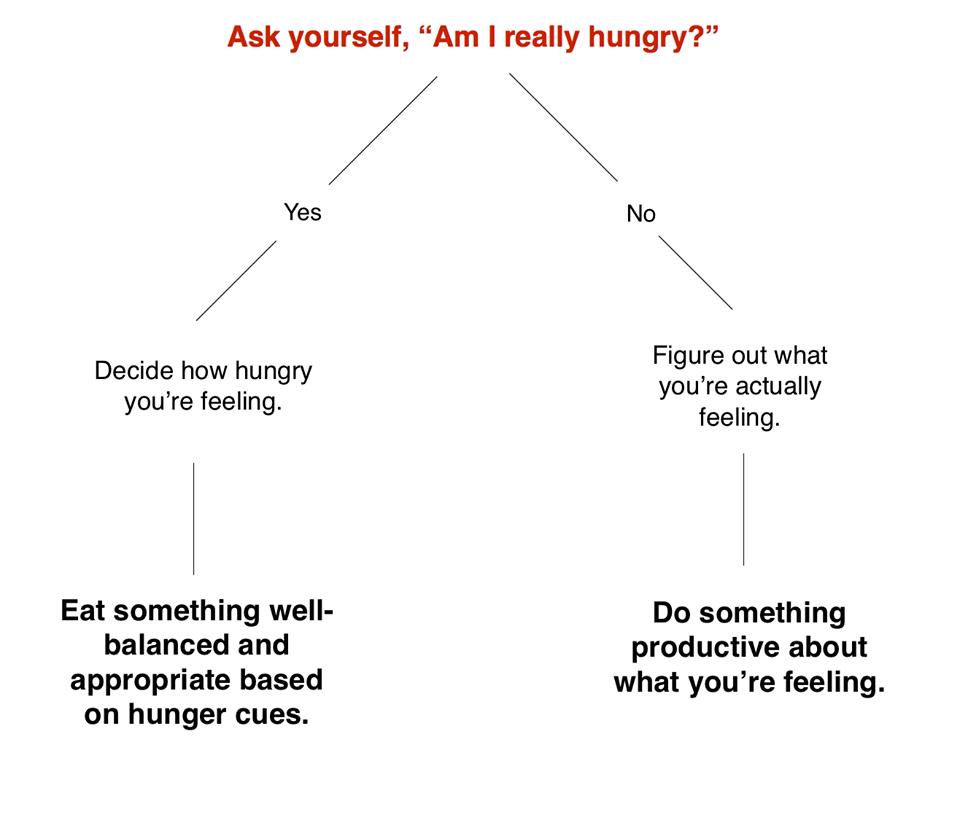
Hunger is a natural bodily response to the need for nourishment. However, in some cases, the feeling of hunger can be influenced by psychological factors. Stress, anxiety, and even boredom can trigger a false sense of hunger, leading to increased food intake. It is important to distinguish between physical and emotional hunger to prevent overeating. Physical hunger arises gradually and can be satisfied with a balanced meal, while emotional hunger tends to be sudden and directed towards specific comfort foods.
Emotional Triggers for Eating
Emotional triggers play a significant role in our eating behavior. When we experience strong emotions such as sadness, anger, or boredom, we may seek comfort in food as a coping mechanism. This habit of emotional eating can be detrimental to our health and weight management goals. To break this cycle, it is essential to identify the emotions that trigger overeating and find alternative, healthier ways to address them, such as practicing self-care, seeking support from loved ones, or engaging in stress-relief techniques.
Boredom and Mindless Eating
Boredom often leads to mindless eating, where we consume food without being fully aware or present in the moment. This can result in excessive calorie intake and poor food choices. To combat mindless eating, it is important to be mindful of our eating habits. Taking the time to savor each bite, eating at a designated space, and avoiding distractions such as TV or electronic devices can help us regain control over our food intake.
Creating a Supportive Environment
Setting Up a Healthy Kitchen
The environment in which we prepare and consume food can greatly influence our eating habits. By setting up a healthy kitchen, we can create a supportive environment that promotes mindful eating and healthy choices. This includes organizing our pantry and refrigerator, keeping nutritious ingredients easily accessible, and ensuring we have the necessary tools and equipment to prepare balanced meals.
Removing Temptation
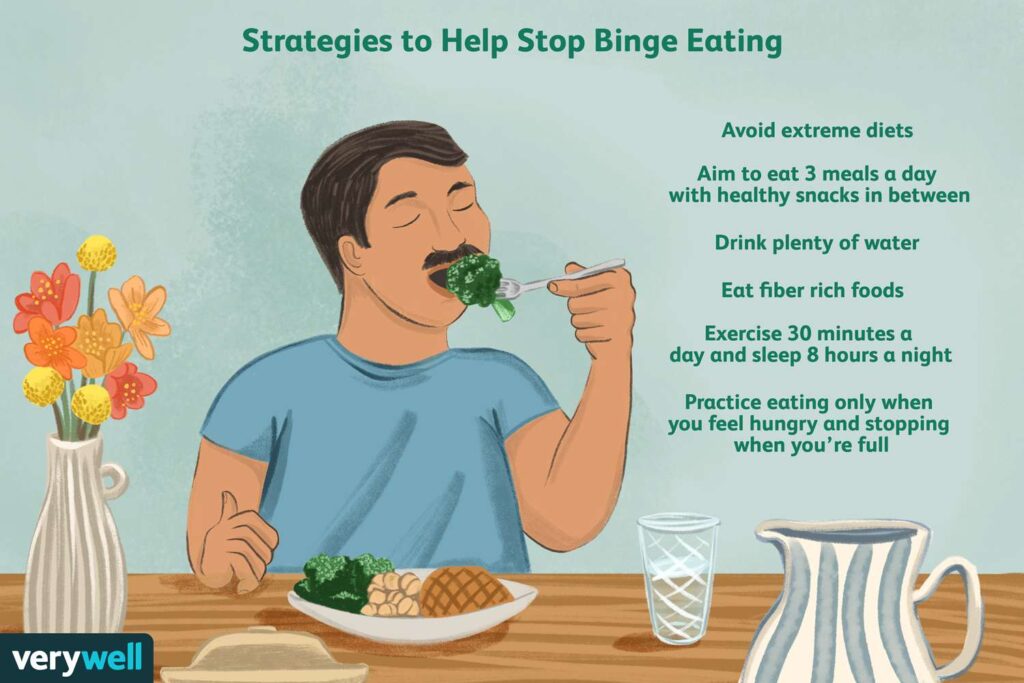
One of the main culprits of overeating is the presence of tempting, unhealthy foods in our surroundings. To prevent impulsively grabbing snacks or indulging in high-calorie treats, it is crucial to remove temptation from our living spaces. Get rid of unhealthy snacks or hide them out of sight. Instead, replace them with nutritious alternatives such as fruits, vegetables, and whole grains.
Stocking Up on Nutritious Snacks
Having healthy snacks readily available can be a great way to prevent overeating. Instead of reaching for processed or sugary options, stock your pantry with nutritious snacks like nuts, seeds, yogurt, or pre-cut fruits and vegetables. These options not only provide essential nutrients but also help satisfy hunger and curb cravings in a more wholesome way.
Developing Healthy Eating Habits
Eating Mindfully
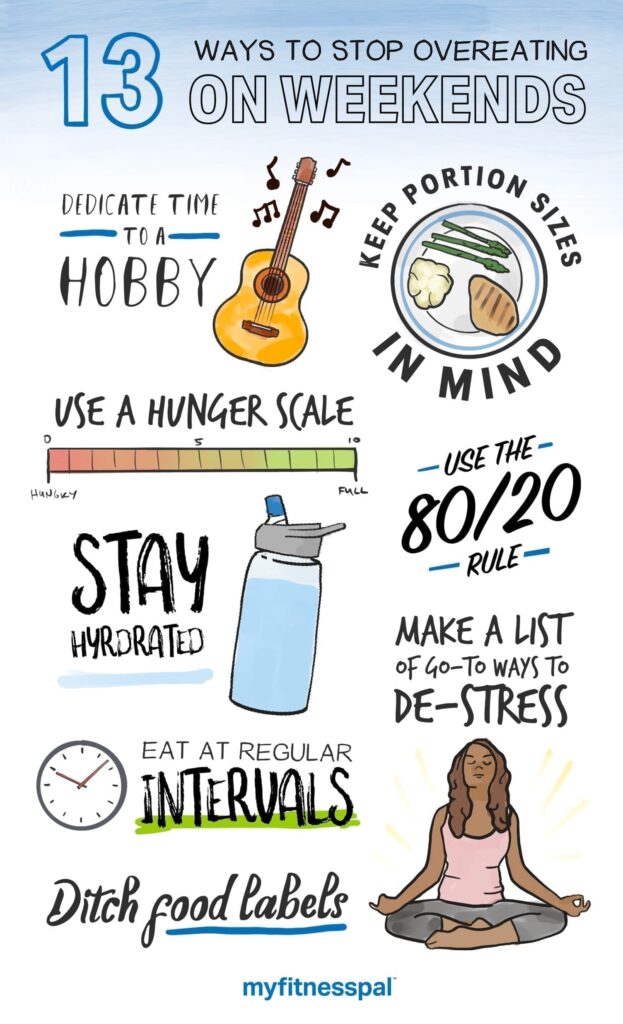
Mindful eating is a practice that involves paying full attention to our eating experience, from the taste and texture of the food to our body’s hunger and satiety cues. By eating mindfully, we become more aware of our portions, our body’s needs, and the overall satisfaction derived from a meal. This helps prevent overeating and fosters a healthier relationship with food.
Practicing Portion Control
Portion control plays a vital role in maintaining a balanced diet and preventing overeating. Understanding appropriate portion sizes and using measuring tools can help us avoid consuming excess calories. Start by measuring your portions to familiarize yourself with appropriate serving sizes, and gradually develop a sense of portion control. Additionally, using smaller plates and bowls can create an illusion of a fuller plate, reducing the urge to overeat.
Planning Balanced Meals
The key to preventing overeating is to plan and prepare balanced meals. Including a variety of food groups, such as lean proteins, whole grains, fruits, and vegetables, helps ensure that our bodies receive the necessary nutrients and remain satisfied for a longer period. Planning and prepping meals in advance can also save time and reduce the likelihood of impulsive food choices.
Finding Alternative Activities
Engaging in Physical Exercise
Engaging in physical exercise not only helps burn calories but also serves as a distraction from eating when we are not truly hungry. Exercise has numerous benefits for our physical and mental health and can help regulate our appetite. Find an activity that you enjoy and make it a part of your routine. Whether it’s jogging, dancing, or practicing yoga, regular physical exercise can significantly reduce the tendency to eat out of boredom or emotional triggers.
Exploring Hobbies and Interests
Boredom often leads to overeating, and one of the best ways to combat this is by engaging in hobbies and interests that occupy our mind and stimulate our creativity. Discovering new activities, such as painting, gardening, or playing a musical instrument, can divert our attention away from food and provide a sense of fulfillment and enjoyment.
Socializing and Distraction Techniques
Socializing with friends and loved ones can help alleviate emotional triggers for eating. Spending quality time with others, engaging in conversations, or participating in group activities can distract us from thoughts of food and reduce feelings of loneliness or boredom. Moreover, involving others in our journey towards healthy eating can provide support and accountability, making it easier to stay on track.

Managing Stress and Emotional Eating
Identifying Triggers and Coping Mechanisms
Stress is a common trigger for emotional eating, and learning to manage it effectively is crucial. Identifying the specific triggers that cause stress and finding healthy coping mechanisms can help prevent the urge to overeat. This may include engaging in relaxation techniques like deep breathing exercises or meditation, seeking professional help, or practicing hobbies that bring joy and relaxation.
Seeking Emotional Support
Talking to a trusted friend, family member, or therapist about our emotions and struggles can provide valuable emotional support. Sharing our thoughts and feelings with someone who understands can help alleviate the need for emotional eating. Moreover, they can offer guidance and provide alternative ways to address our emotions without resorting to food.
Practicing Stress-Relief Techniques
There are various stress-relief techniques that can effectively reduce the desire to eat in response to stress. Some popular methods include taking a warm bath, going for a walk in nature, listening to calming music, or practicing mindfulness meditation. Experiment with different techniques to find what works best for you and incorporate them into your daily routine to manage stress effectively.
Tracking and Monitoring Your Progress
Keeping a Food Journal
Keeping a food journal is an effective way to track our eating habits and identify patterns of overeating. By recording what we eat, when we eat, and how we feel before and after each meal, we gain insight into our behaviors and emotions associated with eating. This self-awareness helps us make conscious changes towards healthier eating habits and prevent overeating.
Using Mobile Apps or Online Tools
In this digital age, there are numerous mobile apps and online tools available to help track our food intake, calories, and macronutrients. These tools often provide personalized recommendations and guidance, making it easier to stay accountable and maintain a balanced diet. Find an app or online resource that suits your needs and preferences, and utilize it to support your journey towards healthier eating.
Measuring Body Composition
Tracking our progress does not solely rely on numbers on a scale. Measuring our body composition, which includes tracking changes in body fat percentage, muscle mass, or waist circumference, offers a more comprehensive view of our overall health and progress. Consider using devices, such as body fat calipers or smart scales, or consult with a healthcare professional to accurately measure and monitor your body composition.
Seeking Professional Help
Consulting a Registered Dietitian
If you find it challenging to navigate your eating habits or are unsure of the best approach, consulting with a registered dietitian can provide valuable guidance and support. A dietitian can assess your nutritional needs, create personalized meal plans, and help you develop healthy eating habits tailored to your specific goals and lifestyle. Their expertise can be instrumental in overcoming overeating and achieving sustainable weight management.
Working with a Therapist or Counselor
For many, overeating is deeply rooted in emotional and psychological factors. In such cases, working with a therapist or counselor specialized in eating disorders or emotional eating can be beneficial. These professionals can help identify underlying issues, provide coping strategies, and guide you towards establishing a healthier relationship with food and yourself.
Joining Support Groups
Feeling supported and understood during your journey to stop overeating is crucial to success. Joining support groups, either in-person or online, can provide a sense of community and connection with others who are facing similar challenges. Sharing experiences, offering encouragement, and receiving advice from individuals who have successfully overcome overeating can greatly enhance your motivation and commitment.
Identifying and Addressing Underlying Health Issues
Understanding Food Addictions
Food addiction is a complex issue that involves a strong craving for certain types of food, often leading to compulsive overeating. Identifying and acknowledging a food addiction is the first step towards addressing it. Seeking assistance from healthcare professionals, such as addiction specialists or therapists, can help in developing strategies to break free from food addictions and establish healthier eating patterns.
Detecting Hormonal Imbalances
Hormonal imbalances can impact our appetite, metabolism, and overall well-being, leading to overeating. If you suspect that hormonal imbalances may be contributing to your overeating, consult with a healthcare provider who specializes in endocrinology or hormonal health. They can conduct tests, diagnose any imbalances, and provide appropriate treatment options to restore hormonal balance.
Managing Medical Conditions
Certain medical conditions, such as diabetes, polycystic ovary syndrome (PCOS), or hypothyroidism, can affect our appetite and metabolism, contributing to overeating. If you have a diagnosed medical condition that may be influencing your eating habits, it is important to work closely with your healthcare team to manage and monitor the condition effectively. Their expertise and guidance can help you navigate the challenges of overeating in the context of your specific health needs.
Creating Long-Term Behavior Changes
Sustainable Diet Strategies
Adopting a sustainable diet strategy is essential in preventing overeating and maintaining a healthy relationship with food in the long term. Avoid crash diets or restrictive eating practices, as they often lead to feelings of deprivation and rebound overeating. Instead, focus on creating a balanced, varied, and enjoyable eating plan that suits your preferences and lifestyle. Gradual changes and moderation are key to sustainable behavior changes.
Creating a New Relationship with Food
In order to stop overeating, it is crucial to develop a new relationship with food. Rather than viewing food as a source of comfort or reward, try to reframe your mindset and see it as fuel for nourishment and sustenance. Adopting a more mindful and intuitive approach towards eating, where you listen to your body’s signals and provide it with the nutrients it needs, can help shift your perspective and establish healthier eating habits.
Establishing Healthy Routines
Routines are powerful tools in preventing overeating. Establishing regular meal times, setting aside dedicated space for meals, and planning ahead can all contribute to healthier eating habits. Creating a structured routine helps reduce the likelihood of impulsive snacking or emotional eating as you become more intentional and aware of your food choices. Remember to be flexible and forgiving with yourself, as building sustainable routines takes time.
Conclusion
Overeating can be a complex issue that requires understanding and addressing its underlying causes. By recognizing the psychological factors that contribute to overeating, creating a supportive environment, developing healthy eating habits, finding alternative activities, managing stress and emotional eating, tracking progress, seeking professional help when needed, identifying and addressing underlying health issues, and creating long-term behavior changes, you can take control of your eating habits and establish a healthier relationship with food. Remember, it’s a journey, and every small step counts towards achieving your goals.

