How To Stop Late Night Eating

Do you ever find yourself standing in front of the fridge late at night, searching for a midnight snack? We’ve all been there. But what if I told you there are ways to curb those late-night cravings and avoid the unnecessary calories? In this article, we’ll dive into the topic of late-night eating and explore some strategies to help you break free from this habit. So, grab a cup of tea and let’s get started.
Late-night eating can often be a result of boredom, stress, or simply being in the habit of having a snack while watching TV. But did you know that eating late at night can disrupt your sleep and contribute to weight gain? It’s true. Your body’s natural rhythm and digestion process are meant to slow down during the evening, so consuming food in the late hours can interfere with this process. But don’t worry, we’ve got you covered! In the following sections, we’ll share some tips and tricks to help you stop the late-night munchies and adopt healthier eating habits. Stay tuned to find out more!
How To Stop Late Night Eating
Late-night eating can be a common habit for many individuals. Whether it’s due to cravings, stress, or lack of a regular eating routine, consuming food during the night can have a significant impact on our overall health and well-being. In this article, we will explore strategies to recognize and address the issue of late-night eating, establish a healthy eating routine, create an optimal sleep environment, and adopt mindful eating practices. By implementing these techniques, you can break the cycle of late-night eating and develop a healthier relationship with food.
Recognizing the issue
Understanding the impact of late-night eating is the first step towards addressing this habit. Consuming food close to bedtime can disrupt your sleep cycle, leading to poor sleep quality and daytime fatigue. It can also contribute to weight gain and the development of chronic health conditions such as diabetes and heart disease. By recognizing these negative consequences, you can motivate yourself to make a change.
Identifying patterns of late-night eating is essential for breaking the habit. Keep track of when and why you tend to eat during the night. Are you genuinely hungry, or is it a result of boredom, stress, or emotional triggers? By pinpointing the root causes of your late-night cravings, you can develop strategies to address them effectively.
Examining the reasons behind late-night cravings can provide valuable insights into your eating habits. Do you have a regular eating routine throughout the day, or do you tend to skip meals? Understanding the patterns and triggers of your cravings can help you develop strategies to overcome them.
Establishing a healthy eating routine
Creating a balanced meal plan is crucial for maintaining a healthy diet and preventing late-night cravings. Make sure your meals are well-balanced, including a variety of fruits, vegetables, whole grains, lean proteins, and healthy fats. Include snacks between meals to prevent excessive hunger and reduce the likelihood of late-night eating.
Setting regular meal times is essential for regulating your eating patterns. Aim to eat your meals at consistent intervals throughout the day. This consistency will help stabilize your blood sugar levels and reduce the likelihood of cravings. Avoid skipping meals, as this can result in overeating later in the day.
Avoid excessively restrictive diets, as they can contribute to late-night cravings. Depriving yourself of certain foods can lead to intense cravings and feelings of deprivation. Instead, focus on incorporating a variety of nutrient-dense foods into your diet while allowing yourself to enjoy your favorite treats in moderation.
Creating an optimal sleep environment
Promoting relaxation before bedtime can help reduce the likelihood of late-night eating. Engage in calming activities such as reading a book, taking a warm bath, or practicing meditation or deep breathing exercises. These activities can help reduce stress and promote a restful night’s sleep.
Ensuring a comfortable sleeping environment is crucial for quality sleep. Keep your bedroom cool, dark, and quiet to create an optimal sleep environment. Invest in a comfortable mattress and pillows that support your body’s needs. Take steps to minimize distractions, such as turning off electronic devices and creating a relaxing bedtime routine.
Managing stress and anxiety is essential for preventing late-night cravings. Explore stress-management techniques such as exercise, journaling, or talking to a supportive friend or family member. By addressing the underlying causes of stress and anxiety, you can reduce the need for emotional eating during the night.
Mindful eating practices
Practicing intuitive eating involves listening to your body’s natural hunger and fullness cues. Pay attention to how your body feels before, during, and after eating. Eat when you are hungry and stop when you are satisfied, rather than when you feel full. This approach can help prevent overeating and late-night snacking.
Increasing awareness of hunger and fullness cues is a key aspect of mindful eating. Before reaching for food, ask yourself if you are truly physically hungry or if there are other factors influencing your desire to eat. Similarly, pause during meals to assess your level of fullness. Eat slowly, savoring each bite and allowing your body to register feelings of satisfaction.
Engaging all senses while eating can enhance the enjoyment and satisfaction of your meals. Pay attention to the flavors, textures, and aromas of your food. Chew each bite thoroughly, savoring the taste and allowing your body to properly digest the food. By fully immersing yourself in your meals, you can create a more mindful eating experience.
Replacing late-night eating habits
Finding alternative activities can help distract you from late-night cravings. Engage in hobbies or interests that you enjoy and that keep your mind occupied. This can help redirect your focus away from food and provide a healthy outlet for stress or emotions.
Discovering healthier snack options is essential for curbing late-night cravings. Choose nutrient-dense snacks such as fruits, vegetables, nuts, or Greek yogurt. These options provide a satisfying crunch or sweetness while supporting your overall health and well-being.
Exploring non-food ways to cope with emotions is crucial for breaking the cycle of late-night eating. Consider engaging in activities that help you manage stress, such as practicing yoga, writing in a journal, or engaging in deep breathing exercises. These strategies can help promote emotional well-being without relying on food.
Distracting oneself from cravings
Engaging in hobbies or interests can divert your attention away from late-night cravings. Find activities that you enjoy and that keep you mentally and physically engaged. This can include anything from reading a book to engaging in a creative hobby or pursuing a physical activity. By redirecting your focus, you can reduce the likelihood of late-night eating.
Socializing with friends or family can provide a pleasant distraction from late-night cravings. Plan activities or outings with loved ones that do not revolve around food. This can include spending time outdoors, watching a movie, or engaging in a shared hobby. Connecting with others can help fulfill emotional needs and minimize the desire for late-night snacking.
Engaging in physical activity can help reduce cravings and improve overall well-being. Regular exercise has been shown to reduce stress and anxiety, enhance mood, and promote restful sleep. Find activities that you enjoy and make them a regular part of your routine. Aim for at least 150 minutes of moderate-intensity exercise each week.
Practicing portion control
Using smaller plates and bowls can help control portion sizes and reduce the likelihood of overeating. Research has shown that people tend to eat more when they are presented with larger portions. By downsizing your dishware, you can trick your brain into thinking you are consuming a larger portion, even when you are eating less.
Eating slowly and savoring each bite can help promote feelings of satisfaction and prevent overeating. Take the time to chew your food thoroughly and pay attention to its flavors and textures. Engaging in mindful eating practices allows your body to properly register feelings of fullness and satisfaction.
Avoid eating directly from food packages, as it can lead to mindless eating and overconsumption. Instead, portion out your snacks or meals onto a plate or bowl. This helps you become more aware of how much you are eating and can prevent the tendency to eat more than necessary.
Seeking professional support
Consulting a registered dietitian can provide valuable guidance and support in overcoming late-night eating habits. A dietitian can help you develop a personalized meal plan, address underlying nutritional deficiencies, and provide strategies for managing cravings and emotional eating. They can also help you establish a healthy relationship with food and create a sustainable eating routine.
Seeking help from a therapist or counselor can be beneficial for addressing the psychological aspects of late-night eating. A professional can help you explore the emotional triggers behind your eating habits and develop strategies to cope with stress, anxiety, or emotional challenges. Therapy can provide a safe space for reflection and personal growth.
Joining support groups or online communities can provide a sense of community and understanding. Connecting with individuals who share similar struggles can offer support and inspiration. Online forums, social media groups, or local meet-ups can provide a space to share experiences, exchange tips, and find encouragement in your journey to overcome late-night eating.
Creating a positive food environment
Keeping healthy food readily available is essential for preventing late-night snacking. Stock your pantry and refrigerator with nutritious options such as fruits, vegetables, lean proteins, and whole grains. This way, when cravings strike, you have healthy alternatives readily accessible.
Reducing temptation by removing trigger foods from your environment can help eliminate the temptation to indulge in late-night snacking. Perform a pantry clean-out and get rid of foods that tend to trigger unplanned eating. Replace them with healthier alternatives, ensuring that your food environment supports your goals.
Optimizing the kitchen for healthy eating can make it easier to prepare nutritious meals and snacks. Organize your kitchen in a way that promotes healthy choices. Keep healthy ingredients visible and easily accessible, while placing less nutritious options out of sight. This simple adjustment can make a significant difference in your ability to resist late-night eating.
Conclusion
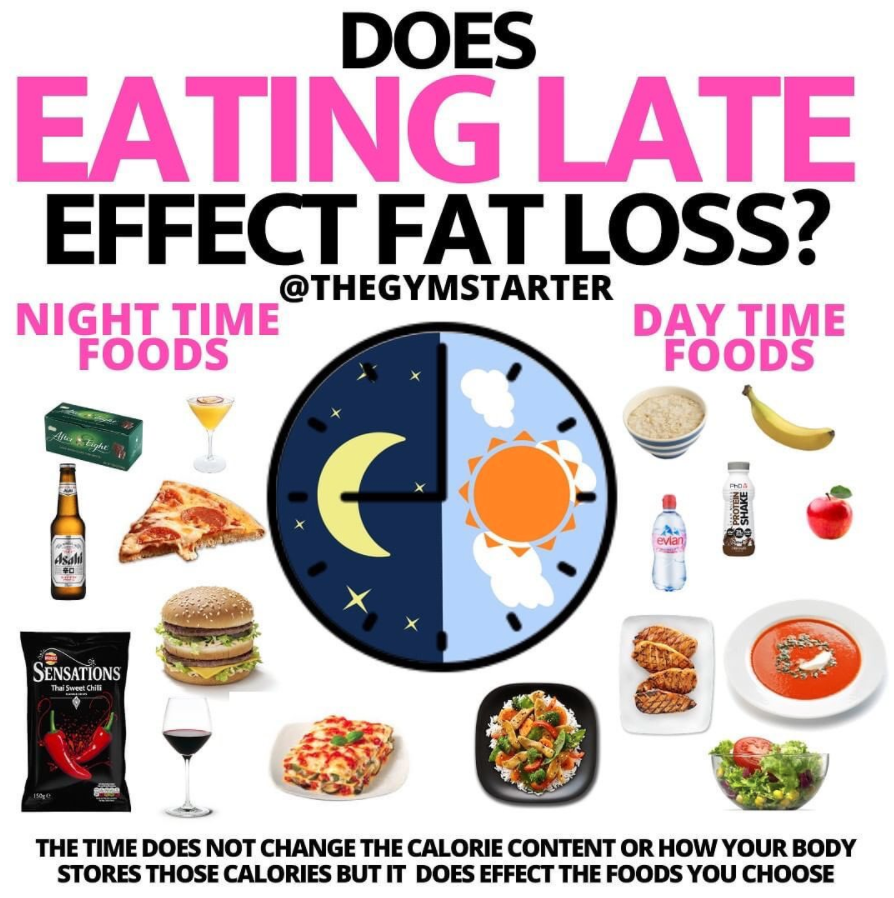
Late-night eating can disrupt your sleep, affect your long-term health, and hinder your weight management goals. By recognizing the issue, establishing a healthy eating routine, creating an optimal sleep environment, adopting mindful eating practices, replacing late-night eating habits, distracting yourself from cravings, practicing portion control, seeking professional support, and creating a positive food environment, you can overcome this habit and develop a healthier relationship with food. Remember, change takes time and effort, so be patient and kind to yourself as you embark on this journey towards better eating habits and overall well-being.

