How To Stop Eating Soil During Pregnancy
Do you sometimes find yourself craving unusual things during pregnancy? We all know about the infamous pregnancy cravings for pickles and ice cream, but what about cravings for something a little more unconventional, like soil? If you’ve been snacking on dirt and can’t seem to stop, you’re not alone. Many pregnant women experience pica, which is the craving and consumption of non-food items, such as soil or clay. In this article, we’ll discuss the reasons behind this craving and provide you with some tips on how to stop eating soil during pregnancy.
During pregnancy, your body goes through a whirlwind of changes, both physically and hormonally. While it’s unclear why some women develop pica cravings, there are a few theories. One possible explanation is that pica may be a sign of nutrient deficiencies, such as iron or zinc. Another theory suggests that the texture of soil might be satisfying for some pregnant women, providing relief from nausea or other discomforts. Whatever the reason may be, it’s important to address these cravings and find healthier alternatives. In the upcoming sections, we’ll dive deeper into the topic and provide you with some practical strategies to overcome the urge to eat soil. So, if you’re intrigued and want to learn more, keep reading!
How To Stop Eating Soil During Pregnancy
Pregnancy is a time of immense physical and emotional changes for women. As their bodies work hard to nourish and support the growing life inside, it is not uncommon for some pregnant women to experience unusual cravings and behaviors. One such behavior is known as pica, which refers to the consumption of non-food substances, such as soil. This article aims to provide a comprehensive understanding of pica and soil consumption during pregnancy, as well as strategies to stop this potentially harmful habit.
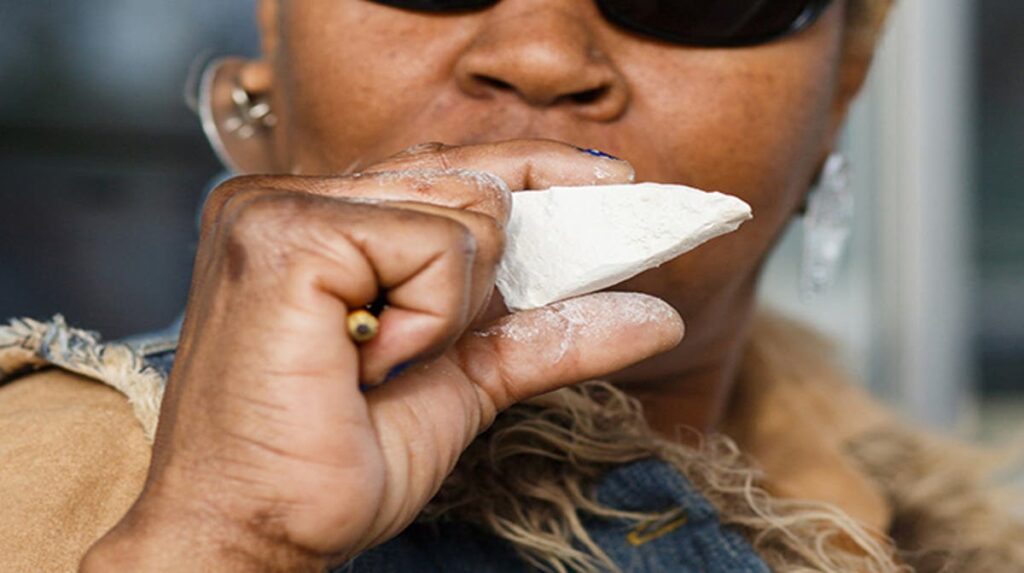
Defining Pica and Its Prevalence Among Pregnant Women
Pica is a disorder characterized by the persistent urge to eat items with no nutritional value. While pica can affect individuals of all ages and backgrounds, it is particularly prevalent among pregnant women. Studies have shown that up to 68% of pregnant women may experience pica cravings at some point during their pregnancy.
The exact reasons behind pica cravings are not fully understood. However, there are several theories, including nutrient deficiencies, cultural and childhood upbringing, and psychological factors. Understanding the underlying causes is crucial in addressing and managing pica during pregnancy.
Exploring the Reasons Behind Soil Consumption
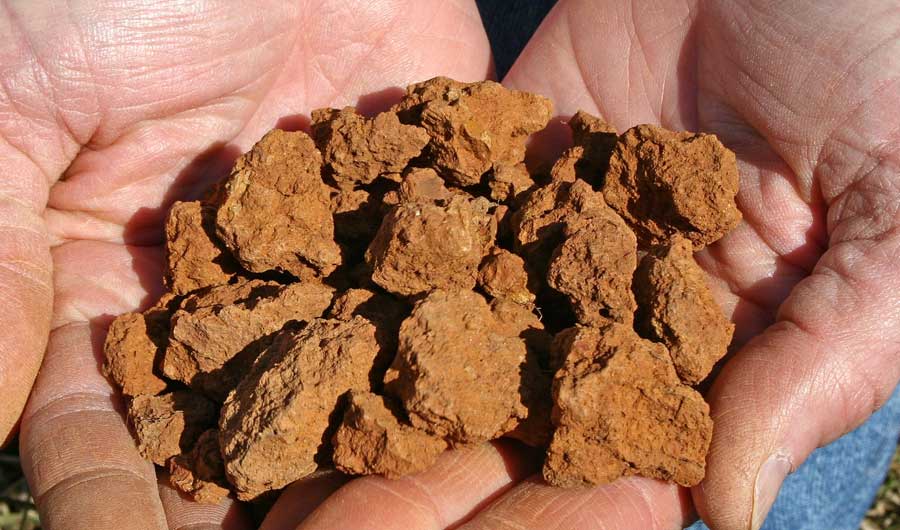
Among the many non-food substances consumed during pica, soil consumption is quite common among pregnant women. This behavior can be perplexing, as soil offers no nutritional value whatsoever. However, research suggests that soil consumption during pregnancy may be linked to several factors, including:
1. Iron deficiency anemia:
Iron plays a vital role in maintaining healthy blood and overall well-being. Pregnant women often experience an increased demand for iron, and if not adequately fulfilled, it can lead to iron deficiency anemia. Some pregnant women resort to eating soil as a way to supplement their iron levels, albeit in an ineffective and potentially harmful manner.
2. Nutrient deficiencies:
Apart from iron, pregnant women require a wide range of essential nutrients for fetal growth and development. Inadequate intake or absorption of these nutrients may trigger unusual cravings, including the consumption of soil.
3. Cultural and psychological factors:
Pica cravings may also be influenced by cultural and psychological factors. In certain cultures, soil consumption is seen as a remedy for certain ailments or believed to promote health. Additionally, stress, anxiety, and other psychological factors may contribute to the onset of pica cravings during pregnancy.
Health Risks Associated with Eating Soil During Pregnancy
Although the exact health risks of consuming soil during pregnancy are not well-documented, it is important to recognize that this habit can have potentially detrimental effects on both the mother and the developing baby.
Effects of Soil Consumption on the Body
Soil is not meant to be ingested, and its consumption can lead to various adverse effects on the body. Contaminated soil may contain harmful bacteria, parasites, or toxins that can cause gastrointestinal problems, infections, or even organ damage. Furthermore, soil does not provide any essential nutrients needed for a healthy pregnancy.
Potential Issues for the Mother and Baby
Eating soil during pregnancy may increase the risk of complications such as preterm labor, low birth weight, and developmental delays in the baby. Mothers who indulge in pica cravings may also face challenges in meeting their nutritional needs, contributing to fatigue, weakness, and anemia.
Identifying the Triggers and Underlying Causes
Now that the risks associated with soil consumption have been established, it is essential to identify the triggers and underlying causes of pica cravings during pregnancy. This understanding can help pregnant women take steps to address these causes and ultimately overcome their cravings.
Common Triggers for Soil Cravings
Pregnant women may experience soil cravings triggered by several factors. These include nutrient deficiencies, especially iron and other essential minerals, such as zinc; hormonal changes; cultural influences; and psychological factors like stress, anxiety, and depression.
Addressing Nutrient Deficiencies and Anemia
To address nutrient deficiencies, it is important for pregnant women to consult with a healthcare provider who can assess their individual needs and prescribe appropriate prenatal supplements. These supplements, along with a well-balanced diet, can help fulfill their nutritional requirements and reduce the likelihood of pica cravings.
For those experiencing iron deficiency anemia, healthcare providers may recommend specific iron supplements or suggest incorporating iron-rich foods like lean meats, legumes, and leafy greens into their diet. Further guidance from healthcare professionals is crucial to ensure the proper management of anemia and overall health during pregnancy.
Creating a Supportive Environment
Overcoming pica cravings during pregnancy can be challenging, but creating a supportive environment can significantly help in this endeavor.
Seeking Professional Help and Guidance
A healthcare provider or a registered dietitian can offer invaluable support and guidance throughout pregnancy. These professionals can monitor nutrient levels, recommend appropriate dietary changes, and help address underlying psychological factors. Seeking regular prenatal care and attending counseling sessions can provide pregnant women with the support they need to overcome pica cravings.
Establishing Healthy Eating Habits
Establishing healthy eating habits is essential for pregnant women looking to overcome pica cravings. This includes consuming a variety of nutrient-dense foods, such as fruits, vegetables, whole grains, lean proteins, and dairy products. Opting for regular, small meals and snacks can help maintain stable blood sugar levels and reduce the likelihood of cravings.
Alternative Strategies to Curb Soil Consumption
To prevent the consumption of soil during pregnancy, it is important to identify safe and nutritious alternatives to satisfy cravings.
Exploring Safe and Nutritious Substitutes
If a pregnant woman is experiencing pica cravings, it is important to find safe and nutritious substitutes. Incorporating crunchy fruits and vegetables, such as carrots or apples, can provide a satisfying texture while offering essential vitamins and minerals. Chewing on ice chips or sugar-free gum can also help address oral cravings.
Implementing Mindfulness and Distraction Techniques
Engaging in mindfulness techniques and distraction strategies can effectively redirect attention away from pica cravings. Practicing deep breathing exercises, meditation, yoga, or engaging in hobbies and activities that bring joy can help manage stress and alleviate the desire to consume soil.
Engaging in Fasting Practices Safely
Fasting is a common practice in many cultures, but it is important to understand its compatibility with pregnancy and seek proper guidance before undertaking such practices.
Understanding the Compatibility of Fasting with Pregnancy
Pregnant women considering fasting practices should consult with their healthcare providers beforehand. Fasting for extended periods during pregnancy can deprive the body and the growing baby of the necessary nutrients and may pose a risk to fetal development.
Consulting a Healthcare Provider for Recommendations
If fasting practices are deemed safe during pregnancy, it is crucial to follow healthcare providers’ recommendations regarding duration, timing, and additional nutritional support. A healthcare provider can tailor the fasting regimen to ensure adequate nutrition and the well-being of both the mother and the baby.
Maintaining a Balanced Diet and Adequate Nutrition
Maintaining a balanced diet throughout pregnancy is vital for overall health and preventing pica cravings.
Essential Nutrients for Pregnant Women
Pregnant women have increased nutritional requirements and need to ensure adequate intake of essential nutrients. These include folic acid, iron, calcium, vitamin D, omega-3 fatty acids, and other vitamins and minerals. A diet rich in fruits, vegetables, whole grains, lean proteins, and dairy products can help meet these needs.
Tips for Meal Planning and Ensuring Adequate Intake
Planning meals in advance can help ensure pregnant women have access to a variety of nutrient-dense foods. They should aim for three well-balanced meals and two to three snacks throughout the day. Incorporating foods rich in iron, such as lean meats, fish, poultry, and legumes, can help prevent cravings associated with iron deficiency anemia.
Addressing Psychological Factors
Managing stress, anxiety, and other psychological factors is crucial for pregnant women experiencing pica cravings.
Identifying and Managing Stress and Anxiety
Stress and anxiety can trigger pica cravings during pregnancy. Pregnant women should prioritize self-care practices, such as getting enough sleep, engaging in physical activity, and practicing relaxation techniques to manage stress. Seeking support from loved ones and professionals can also provide emotional relief.
Exploring Supportive Therapies and Techniques
Pregnant women experiencing significant psychological distress should consider seeking counseling or therapy. Cognitive-behavioral therapy, mindfulness-based stress reduction, and other supportive therapies can help address underlying psychological factors contributing to pica cravings.
Building a Strong Support System
Having a strong support system can significantly aid pregnant women in overcoming pica cravings.
Communicating Openly with Loved Ones
Open communication with loved ones can foster understanding and garner support. Sharing concerns and struggles related to pica cravings with trusted individuals can provide a sense of relief and ensure that pregnant women have the emotional support they need.
Joining Support Groups and Online Communities
Joining support groups and engaging with online communities can offer pregnant women a platform to connect with others facing similar challenges. Sharing experiences, gaining insights, and receiving encouragement from peers can make the journey of overcoming pica cravings more manageable.
Conclusion
Overcoming pica cravings, specifically the consumption of soil, during pregnancy requires a multifaceted approach. By understanding the triggers and underlying causes, seeking professional help, creating a supportive environment, exploring safe alternatives, maintaining a balanced diet, addressing psychological factors, and building a strong support system, pregnant women can successfully stop eating soil and ensure a healthy and well-nourished pregnancy. It is essential for pregnant women to prioritize their well-being and seek professional guidance throughout this transformative journey.

