How To Stop Bored Eating
Do you ever find yourself reaching for a bag of chips or a bowl of ice cream when you’re feeling bored? We’ve all been there, but the good news is that there are ways to stop this mindless snacking. In this article, we’ll explore strategies to combat bored eating and help you develop healthier habits.
When you’re feeling bored, it’s easy to use food as a way to pass the time or distract yourself. However, this can quickly lead to overeating and an unhealthy relationship with food. In order to break this cycle, it’s important to find alternative activities to occupy your time and engage your mind. By redirecting your attention away from food, you can start to break the habit of bored eating. In this article, we’ll discuss various activities such as reading a book, taking a walk, or trying out a new hobby that can help you stay occupied and prevent the urge to mindlessly snack. So, if you’re ready to learn more about how to stop bored eating and develop a healthier lifestyle, keep reading!
How To Stop Bored Eating
Identifying the Reason for Bored Eating
Understanding the concept of bored eating
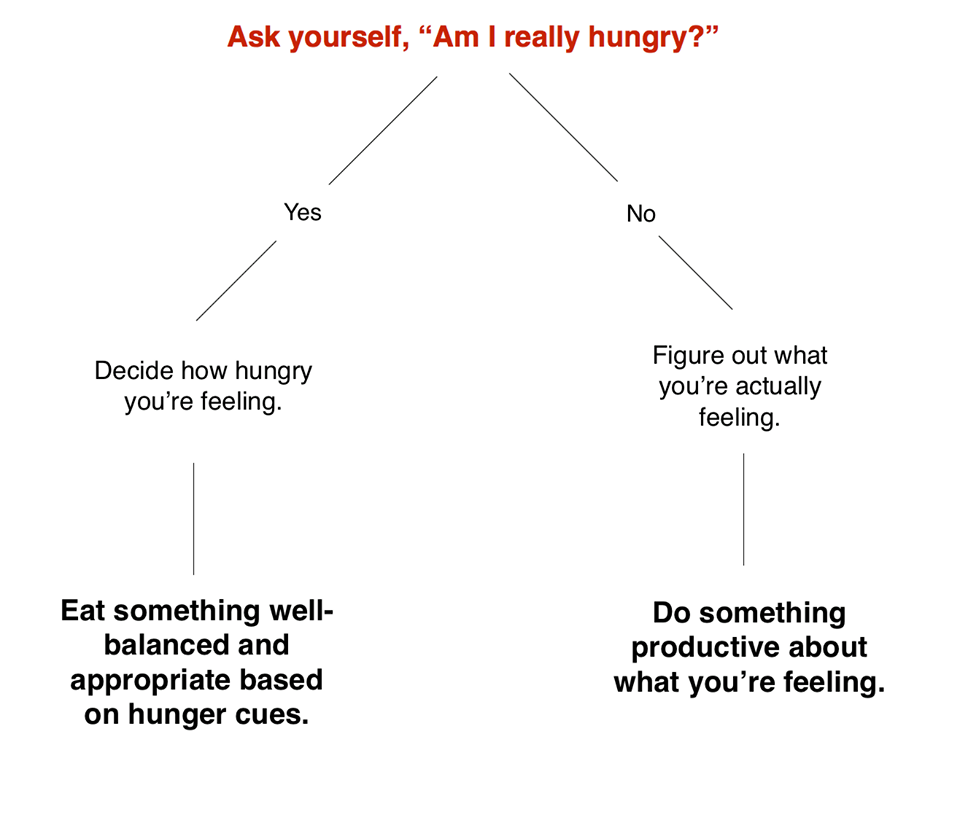
Bored eating refers to the habit of eating when not physically hungry but rather out of boredom or as a means of distraction or comfort. It is a common behavior that can lead to overeating and weight gain if not properly addressed. Recognizing the concept of bored eating is the first step in developing healthier eating habits.
Recognizing the triggers
To effectively tackle bored eating, it is essential to identify the triggers that prompt this behavior. Triggers can vary from person to person but commonly include boredom, stress, procrastination, loneliness, or even environmental factors such as the sight or smell of food. By becoming aware of these triggers, you can develop strategies to overcome them.
Examining emotional factors
Bored eating often stems from emotional factors, such as feeling sad, anxious, or even happy. Many individuals turn to food as a way to cope with or enhance their emotions. By examining these emotional factors and finding alternative ways to address them, you can break the cycle of bored eating and develop healthier coping mechanisms.
Identifying external factors
External factors, such as the availability and accessibility of food, can also contribute to bored eating. Being surrounded by tempting snacks or having easy access to them can make it difficult to resist the urge to eat out of boredom. Identifying these external factors allows you to make conscious choices and create an environment that promotes healthy eating habits.
Adopting Mindful Eating Habits
Practicing mindful eating
One effective strategy to combat bored eating is practicing mindful eating. This involves paying attention to the present moment and fully experiencing each bite of food. By savoring the flavors, textures, and smells of your meals, you can increase satisfaction and reduce the urge to eat out of boredom.
Paying attention to satiety cues
Another important aspect of mindful eating is tuning in to your body’s hunger and satiety cues. Eat until you feel comfortably full, rather than overeating out of habit or boredom. Learning to differentiate between physical hunger and emotional cravings can help you develop a healthier relationship with food.
Avoiding distractions during meals
Eating while distracted, such as watching TV or scrolling on your phone, can lead to mindless eating. When your attention is focused on something other than your meal, you may eat more than you realize. Avoiding distractions during meals allows you to fully enjoy your food and prevents overeating.
Engaging your senses while eating
Engaging your senses while eating can help you fully experience and appreciate your meals. Take the time to smell the aroma, admire the presentation, and savor the taste of the food. This not only enhances your enjoyment of the meal but also helps reduce the likelihood of turning to food out of boredom.
Discovering Healthy Snack Options
Exploring nutritious snack choices
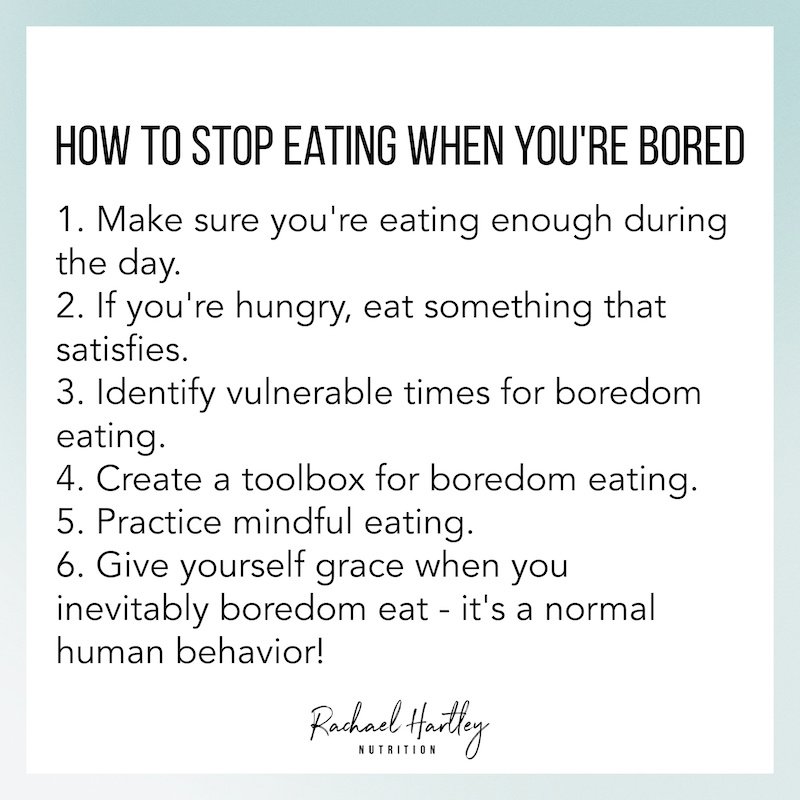
When the urge to eat out of boredom strikes, it is important to have healthy snack options readily available. Stock your pantry and refrigerator with nutritious choices such as fresh fruits, vegetables, whole-grain crackers, or Greek yogurt. These snacks provide valuable nutrients and can help curb the boredom-induced cravings.
Preparing snacks in advance
To avoid reaching for unhealthy options in moments of boredom, consider preparing snacks in advance. Cut up fruits and vegetables and store them in portioned containers. Having these snacks readily available and easy to grab can deter you from mindlessly reaching for less nutritious alternatives.
Incorporating fruits and vegetables
Fruits and vegetables are not only nutritious but also satisfying. They are rich in fiber, water, and essential vitamins and minerals, which provide a feeling of fullness. Incorporating these foods into your snacks helps you stay satiated and prevents unnecessary boredom eating.
Opting for protein-rich snacks
Protein is known to promote satiety and can be a beneficial component of a snack to prevent boredom eating. Consider incorporating protein-rich options such as hard-boiled eggs, plain Greek yogurt, or a handful of nuts into your snack choices. These foods can help satisfy your hunger and keep you feeling fuller for longer.
Creating a Structured Meal Plan
Designing a balanced meal plan
Creating a structured meal plan can help prevent boredom eating by providing a sense of routine and structure. Design a meal plan that includes a variety of nutrient-dense foods from different food groups. Strive for a balance of carbohydrates, proteins, and healthy fats to ensure your body receives the necessary nutrients.
Including all essential nutrients
To prevent boredom eating, it is crucial to ensure that your meals provide all the essential nutrients your body needs to function optimally. Include a variety of colorful fruits and vegetables, lean proteins, whole grains, and healthy fats in your meals. This will not only satisfy your nutritional needs but also provide a wide range of flavors and textures, making meals more enjoyable.
Setting specific meal times
Establishing specific meal times can help regulate your eating habits and deter you from engaging in bored eating. By sticking to a consistent schedule, you create a routine that supports mindful eating and reduces the urge to eat out of boredom.
Planning for regular meals and snacks
In addition to having structured meal times, it is important to plan for regular meals and snacks throughout the day. This helps prevent extreme hunger and the subsequent likelihood of overeating or reaching for unhealthy snack options. By fueling your body regularly, you reduce the risk of succumbing to boredom eating due to low energy levels.
Engaging in Alternative Activities
Finding enjoyable hobbies
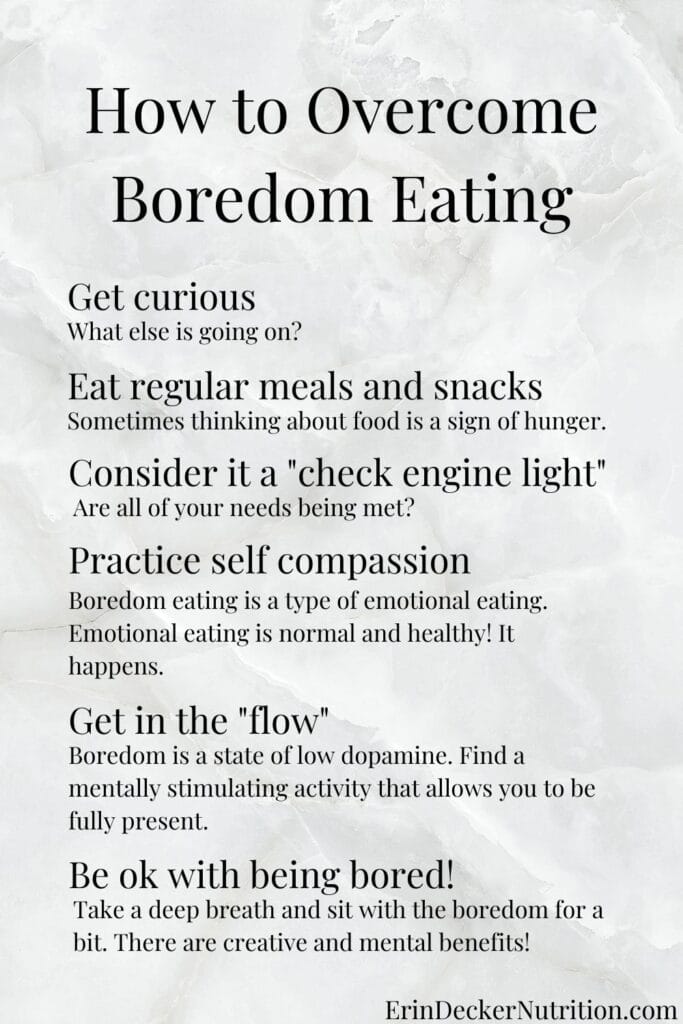
Instead of turning to food when bored, find alternative activities that bring you joy and fulfillment. Engaging in hobbies such as reading, painting, gardening, or playing a musical instrument not only distracts you from boredom but also brings a sense of accomplishment and satisfaction.
Participating in physical activities
Physical activities offer numerous benefits, including stress reduction and mood enhancement. Instead of reaching for a snack when bored, consider going for a walk, bike ride, or engaging in a workout routine. Physical activity not only promotes a healthier lifestyle but also provides a productive way to combat boredom.
Engaging in creative outlets
Creativity can be an excellent outlet for handling boredom and preventing mindless eating. Try writing, drawing, knitting, or any other creative activity that appeals to you. Engaging in these activities not only helps pass the time but also stimulates your mind and fosters a sense of accomplishment.
Connecting with others
Socializing with family and friends can help combat boredom and alleviate the urge to eat out of boredom. Plan social activities, such as game nights, movie marathons, or outings with loved ones. By surrounding yourself with positive company, you create a supportive environment that promotes healthier ways of spending your time.
Managing Stress and Emotional Well-being
Developing stress management techniques
Stress is a common trigger for bored eating. Developing effective stress management techniques can help prevent turning to food for comfort. Consider engaging in activities such as deep breathing exercises, meditation, yoga, or journaling to reduce stress levels and mitigate the urge to eat out of boredom.
Seeking support and counseling
If boredom eating is causing significant distress or interfering with your overall well-being, it is important to seek support and counseling. A mental health professional can provide guidance and help you develop strategies to address the underlying emotional factors contributing to this behavior.
Practicing relaxation exercises
Incorporating relaxation exercises into your daily routine can help reduce boredom-induced eating. Activities such as taking a warm bath, listening to calming music, or practicing guided meditation can provide relaxation and promote a healthier relationship with food.
Nurturing mental and emotional health
Taking care of your mental and emotional health is crucial in preventing bored eating. Engage in self-care activities that make you feel good, such as practicing gratitude, getting enough sleep, or spending time in nature. Nurturing your overall well-being can significantly reduce the likelihood of turning to food out of boredom.
Building a Supportive Environment
Communicating with family and friends
Creating a supportive environment starts with effective communication. Communicate your goals and intentions to your family and friends, explaining why you want to stop bored eating. By involving them in your journey, they can provide support, encouragement, and accountability.
Creating an organized and clean space
An organized and clean space can positively impact your overall mindset and encourage healthier habits. Take the time to declutter your living area and create an environment that promotes relaxation and focus. This harmonious space can help prevent distractions that often lead to bored eating.
Eliminating tempting food triggers
To prevent succumbing to bored eating, it is essential to eliminate tempting food triggers from your environment. Clear your pantry and refrigerator of unhealthy snacks or opt for healthier alternatives. By removing the temptations, you reduce the likelihood of impulsive snacking out of boredom.
Encouraging healthy eating habits
Building a supportive environment also involves encouraging healthy eating habits among your family and friends. Share nutritious recipes, cook together, or plan meals as a group. When those around you prioritize healthy eating, it becomes easier to break free from the cycle of bored eating and adopt healthier habits together.
Mindful Grocery Shopping and Meal Preparation
Making conscious food choices
Mindful grocery shopping is an important step in stopping bored eating. Prioritize whole, unprocessed foods and consciously choose nutritious options. Avoid purchasing foods solely for the purpose of snacking out of boredom. By making conscious choices at the grocery store, you set the stage for healthier eating habits.
Reading food labels and nutritional information
When grocery shopping, take the time to read food labels and understand the nutritional information. Familiarize yourself with serving sizes, calories, and ingredient lists. This empowers you to make informed decisions about the foods you consume and helps prevent mindless snacking.
Planning and preparing meals ahead of time
Meal planning and preparation can save time and prevent last-minute decisions that may lead to eating out of boredom. Set aside a specific time each week to plan your meals, create a shopping list, and prepare meals in advance. Having pre-prepared meals readily available reduces the likelihood of turning to unnecessary snacks.
Avoiding impulse purchases
Impulse purchases often lead to unhealthy snack choices that contribute to bored eating. Avoid shopping while hungry and stick to your pre-planned grocery list. By avoiding impulsive purchases, you reduce the temptation and availability of unhealthy snacks in your pantry.
Tracking and Monitoring Eating Patterns
Keeping a food diary or journal
Keeping a food diary or journal can provide valuable insights into your eating patterns and help identify triggers for bored eating. Record your meals and snacks, including the time, emotions, and circumstances surrounding each instance of eating. This detailed record allows you to analyze your behaviors and make necessary adjustments.
Analyzing eating habits and triggers
Regularly analyze your eating habits and the triggers that lead to bored eating. Look for patterns and commonalities among situations when overeating occurs. By identifying these triggers, you can develop specific strategies to overcome them and replace them with healthier coping mechanisms.
Setting goals for improvement
Setting achievable goals for improvement is crucial in the journey of stopping bored eating. Start with small, manageable steps and gradually increase the difficulty level. Whether it’s reducing the number of snacks consumed in a week or finding alternative activities to combat boredom, set goals that align with your desires and motivations.
Seeking professional guidance if needed
If you find it challenging to break free from the cycle of bored eating on your own, don’t hesitate to seek professional guidance. A registered dietitian or therapist can provide personalized support and guidance to help you develop a healthier relationship with food and overcome bored eating habits.
Conclusion
Reflecting on your personal journey in overcoming bored eating is essential. Celebrate your achievements and acknowledge the progress you have made. Applying the strategies outlined in this article, such as practicing mindful eating, finding alternative activities, managing stress, and building a supportive environment, allows you to foster a healthier relationship with food. By committing to a proactive approach and adopting healthier habits, you can successfully stop bored eating, embrace mindful eating, and experience a positive transformation in your overall well-being.

