How To Stop Being A Picky Eater

Do you find yourself always picking at your food, only eating certain types of foods, and avoiding new things? Being a picky eater can be frustrating and limiting, but don’t worry, there are ways to overcome it and expand your culinary horizons. In this article, we’ll explore how to stop being a picky eater and discover new foods that you might just fall in love with.
Being a picky eater is not uncommon, and it often stems from certain triggers or aversions that we have developed over time. It could be the texture of certain foods, a fear of trying something new, or even a dislike for certain flavors. However, by understanding the root cause of your picky eating habits, you can start taking steps towards overcoming them. From gradually introducing new foods into your diet to experimenting with different cooking methods and flavors, we’ll delve into various strategies that can help you expand your palate and embrace a wider range of foods. So, if you’re tired of always sticking to the same old meals and want to discover a whole world of delicious options, keep reading to learn more in this article about how to stop being a picky eater.
How To Stop Being A Picky Eater
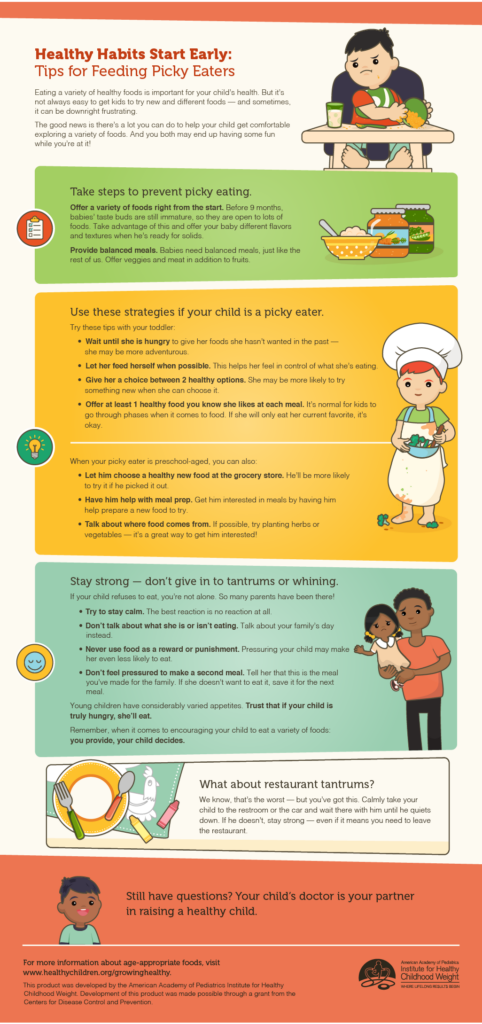
Understanding Picky Eating
What is picky eating?
Picky eating refers to the selective or limited consumption of certain foods. It is a common behavior often found in children, but it can also persist into adolescence and adulthood. Picky eaters often have a strong preference for certain foods and may refuse to try new ones, making it challenging to maintain a diverse and balanced diet.
Common causes of picky eating
There are various factors that can contribute to picky eating habits. It is important to understand these causes in order to effectively address and overcome picky eating. Some common causes include:
- Sensory issues: Picky eaters may have heightened sensitivity to certain textures, tastes, or smells of foods, which leads to aversions and limited food choices.
- Control and independence: Picky eating can also be a way for individuals to exert control and assert their independence, especially in young children.
- Family dynamics: The home environment, including parental feeding practices and family food routines, can play a role in shaping a child’s eating habits.
- Negative food experiences: Unpleasant experiences with specific foods, such as choking or food poisoning, can create aversions and reluctance to try new foods.
- Limited exposure to new foods: Lack of exposure to a wide variety of foods during early childhood can contribute to the development of picky eating habits.
- Genetic factors: Picky eating tendencies may have a genetic component, with some individuals being inherently more sensitive to tastes and textures.
Impact of picky eating on health
Picky eating can have significant implications for health and well-being. When individuals consistently avoid certain food groups or essential nutrients, they may miss out on important vitamins, minerals, and macronutrients. This can lead to deficiencies and negatively impact overall health, growth, and development.
Furthermore, picky eaters often have a limited palate, which can restrict their enjoyment of meals and social experiences involving food. They may also experience stress and anxiety around eating, leading to a disordered relationship with food. Therefore, addressing picky eating habits is crucial for promoting a diverse and nutritious diet.
Recognizing Your Habits
Identifying your food preferences
Start by becoming aware of your personal food preferences. Take note of the types of foods you naturally gravitate towards and enjoy eating. Understanding your preferences can help you identify patterns and preferences that contribute to picky eating habits.
Understanding your food aversions
Similarly, it is important to recognize and understand your food aversions. Take note of the specific textures, tastes, or smells that you find unappealing or off-putting. Identifying these aversions can help you work through them and gradually expand your food choices.
Recognizing the extent of your picky eating
Take a moment to assess the extent of your picky eating habits. Consider how often you find yourself avoiding certain foods or feeling limited in your choices. Recognizing the extent of your picky eating can motivate you to make positive changes and seek help if necessary.
Exploring the Root Causes
Early childhood experiences and picky eating
Early childhood experiences play a significant role in shaping our eating habits. If you were not exposed to a wide variety of foods during your formative years, you may have developed picky eating tendencies. Reflecting on your early experiences with food can help you understand and address any underlying issues.
Genetic factors and picky eating
Genetic factors can also contribute to picky eating habits. Some individuals may have a heightened sensitivity to tastes, textures, or smells, making it more challenging for them to try new foods. While genetics play a role, it is important to remember that it is still possible to overcome picky eating through gradual exposure and experimentation.
Psychological factors and picky eating
Psychological factors, such as anxiety or control issues, can contribute to picky eating habits. For example, if you associate certain foods with negative emotions or experiences, you may develop aversions and avoidance behaviors. Understanding and addressing these psychological factors can be an important step in overcoming picky eating.
Overcoming Fear of New Foods
Gradual exposure to new foods
One of the most effective ways to overcome picky eating is through gradual exposure to new foods. Start by including small portions of unfamiliar foods in your meals. Try to approach these new foods with an open mind and a willingness to explore different flavors and textures.
Understanding food textures and flavors
Understanding food textures and flavors can help you overcome aversions and expand your food choices. Experiment with different cooking methods to alter the texture of certain foods. For example, if you dislike the taste or texture of boiled vegetables, try roasting or grilling them for a different taste experience.
Experimenting with different cooking methods
Similarly, experimenting with different cooking methods can help you discover new flavors and enhance the enjoyment of certain foods. For example, if you don’t enjoy steamed fish, try baking or poaching it with herbs and spices to add flavor and variety.

Understanding Nutritional Needs
Importance of balanced nutrition
A balanced diet is crucial for overall health and well-being. Understanding the importance of balanced nutrition can motivate you to overcome picky eating habits. Remember that a variety of foods from different food groups is necessary to ensure you are getting the essential nutrients your body needs.
Essential nutrients for optimal health
Familiarize yourself with the essential nutrients your body requires for optimal health. This includes macronutrients such as carbohydrates, proteins, and fats, as well as micronutrients like vitamins and minerals. Knowing the benefits of these nutrients can help you appreciate the value of a diverse and nutritious diet.
Building a well-rounded meal plan
Creating a well-rounded meal plan is an effective way to ensure you are meeting your nutritional needs. Include a variety of fruits, vegetables, whole grains, lean proteins, and healthy fats in your meals. Be adventurous and incorporate new foods into your meal plan to expand your culinary horizons.
Developing Healthy Eating Habits
Creating a structured meal schedule
Establishing a structured meal schedule can help promote regular eating habits and reduce snacking or grazing on unhealthy foods. Plan and prepare your meals in advance, ensuring they include a balance of nutrients. This will help you maintain a consistent and varied diet.
Mindful eating for picky eaters
Practicing mindful eating can be particularly effective for picky eaters. Slow down and pay attention to the tastes, smells, and textures of the food you are eating. Be fully present during meals, savoring each bite and appreciating the nourishment it provides.
Incorporating variety in your diet
Make an effort to incorporate variety in your diet. Challenge yourself to try new foods regularly, even if it’s something you haven’t enjoyed in the past. You may discover that your taste preferences have changed over time, and you may develop a newfound appreciation for different foods.

Getting Support
Seeking professional help
If you find that your picky eating habits are significantly impacting your quality of life or overall health, consider seeking professional help. A registered dietitian or therapist who specializes in disordered eating can provide guidance and support tailored to your specific needs.
Joining support groups or online communities
Connecting with others who are also working to overcome picky eating can provide a sense of community and encouragement. Joining support groups or online communities can offer a space to share experiences, exchange tips, and receive support from others on a similar journey.
Sharing your goals with friends and family
Let your friends and family know about your goal to overcome picky eating. By sharing your goals, you can gain support and understanding from your loved ones. They may also be able to offer suggestions or even introduce you to new foods or recipes that they enjoy.
Making Mealtime Enjoyable
Creating a pleasant eating environment
Make mealtime a pleasant and enjoyable experience. Set a welcoming table, play soothing music, or engage in conversation with loved ones. Creating a positive eating environment can help reduce stress or anxiety around food and make trying new foods a more enjoyable experience.
Incorporating favorite foods in new ways
If you have favorite foods that you rely on heavily, consider finding new and creative ways to incorporate them into your meals. For example, if you enjoy pasta, try adding a variety of vegetables to make it more colorful and nutritious. This allows you to enjoy familiar flavors while still expanding your palate.
Exploring cultural cuisines to expand palate
Exploring different cultural cuisines can be a delightful way to expand your palate and try new foods. Each culture has its own unique flavors, ingredients, and cooking techniques. Be adventurous and explore the diverse array of dishes available, allowing yourself to experience the rich tapestry of global cuisine.

Setting Realistic Goals
Breaking down challenges into manageable steps
Overcoming picky eating is a process that takes time and patience. Break down the challenges into manageable steps. Start with small goals, such as trying one new food each week, and gradually increase the difficulty as you become more comfortable with exploring new flavors and textures.
Celebrating small victories
Celebrate every small victory along the way. Acknowledge and appreciate your progress, no matter how small it may seem. Celebrating your achievements will help you stay motivated and positive throughout your journey to overcome picky eating habits.
Tracking progress and making adjustments
Keep track of your progress and make adjustments as needed. Reflect on the foods you have tried, whether you enjoyed them, and how they made you feel. This self-reflection will help you identify patterns and preferences, enabling you to make informed decisions about your dietary choices.
Conclusion
Embracing a more diverse and nutritious diet is a journey that requires patience and persistence. By understanding the root causes of picky eating, gradually exposing yourself to new foods, and prioritizing balanced nutrition, you can overcome your picky eating habits and improve your overall well-being. Remember to seek support from professionals and loved ones, create an enjoyable eating environment, and set realistic goals. With dedication and an open mind, you can successfully stop being a picky eater and embark on a lifelong journey towards healthier habits.

