How To Not Binge

Have you ever found yourself mindlessly snacking on junk food or indulging in a binge-eating session? We’ve all been there! It can be tough to resist the temptation, but don’t worry, we’ve got your back. In this article, we’re going to share some helpful tips on how to avoid binge-eating and adopt healthier eating habits.
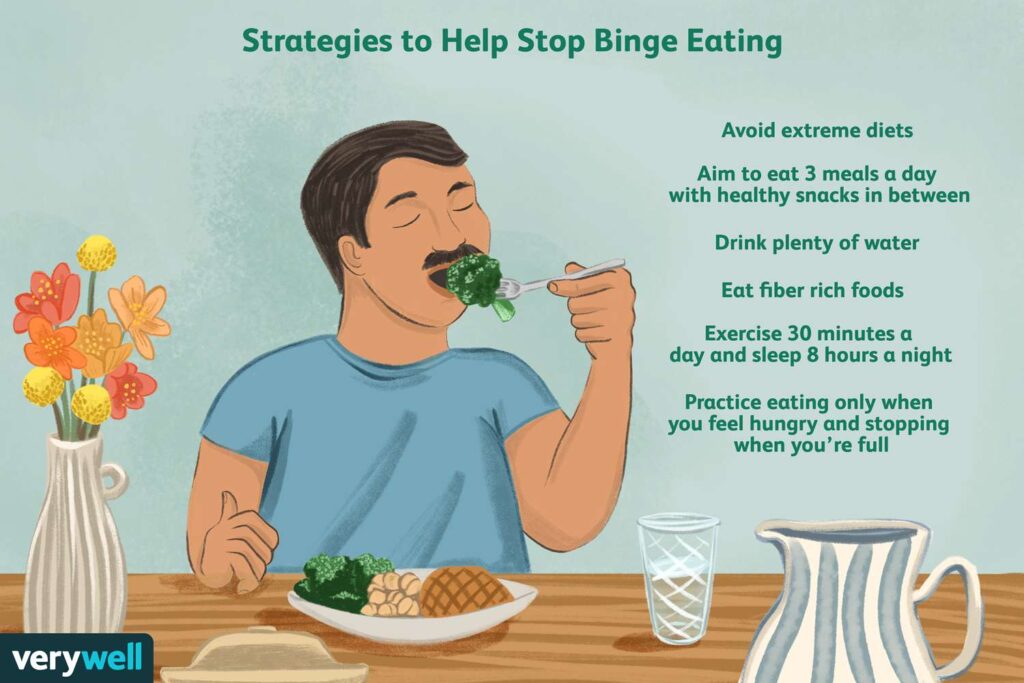
One key strategy to prevent binging is to make sure you’re fueling your body with nutrient-rich foods throughout the day. When you skip meals or restrict yourself from eating certain foods, you’re more likely to give in to cravings and overeat later on. It’s important to listen to your body’s hunger cues and nourish it with a well-balanced diet. We’ll delve deeper into the types of foods you should include in your meals to help curb the urge to binge.
Another effective way to avoid bingeing is to be mindful of your eating habits. It’s easy to get caught up in other distractions like watching TV or scrolling through social media while eating, but this can lead to mindless eating and consuming more than you intended. By focusing on your meal and being present in the moment, you can better gauge your hunger and satisfaction levels. We’ll share some practical tips on how to practice mindful eating and reap its benefits. So, stay tuned to discover more about how to conquer binge-eating and develop healthier eating habits!
How To Not Binge
Understanding Binge Eating
Binge eating is a disorder that affects many individuals, causing them to consume large quantities of food in a short period. It is important to understand what binge eating disorder entails, why it occurs, and its negative consequences in order to address and combat this issue effectively.
Defining binge eating disorder
Binge eating disorder is characterized by recurrent episodes of consuming an excessive amount of food, often accompanied by a feeling of loss of control. Unlike other eating disorders such as anorexia or bulimia, individuals with binge eating disorder do not engage in compensatory behaviors such as purging or excessive exercising. This disorder affects people from all walks of life and can have severe physical, emotional, and social consequences.
Causes and triggers of binge eating
Binge eating can have various causes and triggers, making it essential to identify and address them. Emotional triggers, such as stress, boredom, or depression, can lead individuals to seek comfort in food. Environmental triggers, such as the presence of certain foods or social situations, can also prompt binge eating. Identifying these triggers is crucial in order to develop strategies to overcome them.
The negative consequences of binge eating
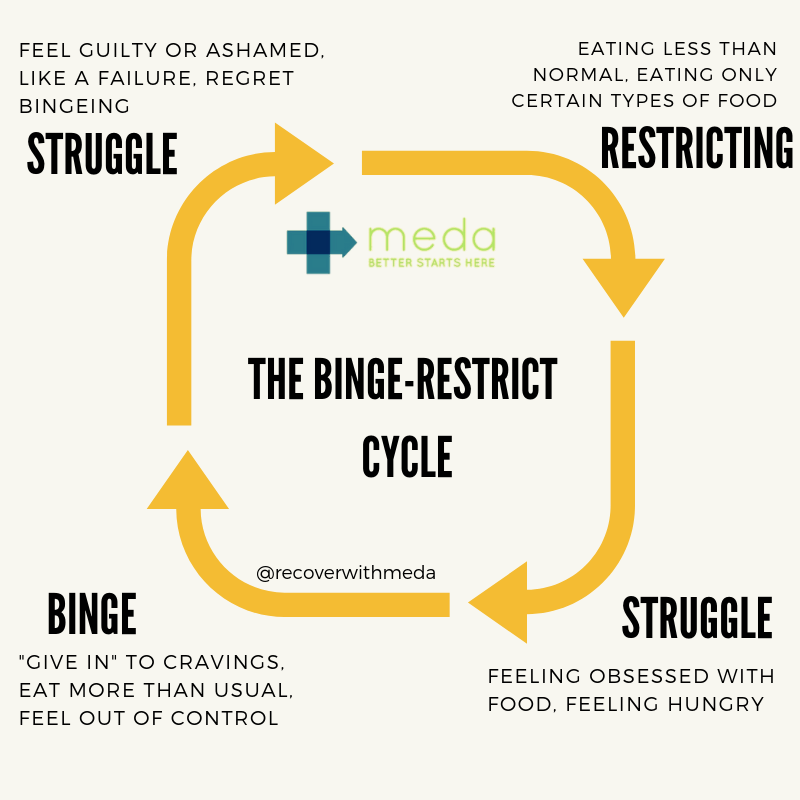
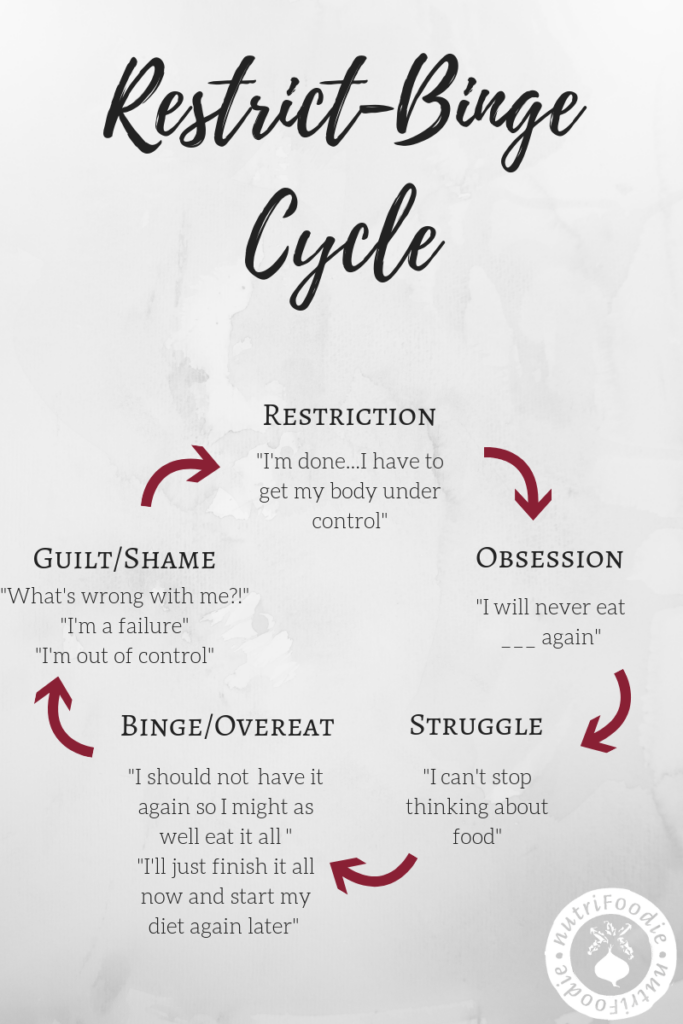
Binge eating can have detrimental effects on both physical and mental health. It can lead to weight gain, obesity, and various related health conditions. Additionally, individuals who struggle with binge eating often experience feelings of guilt, shame, and low self-esteem, which can further perpetuate the cycle of binge eating. Understanding these consequences underscores the importance of addressing binge eating disorder and finding healthier coping mechanisms.
Identifying Personal Triggers
Recognizing and understanding personal triggers for binge eating is an essential step towards overcoming this disorder. By identifying emotional and environmental triggers, individuals can take proactive measures to break free from the cycle of binge eating.
Recognizing emotional triggers for binge eating
Emotional triggers can vary greatly from one person to another. It is important to reflect on how certain emotions, such as stress, sadness, or anger, contribute to the urge to binge eat. Keeping a journal, attending therapy, or engaging in mindfulness exercises can help individuals become more aware of their emotions and their relationship with food.
Identifying environmental triggers for binge eating
Environmental factors can also play a significant role in triggering episodes of binge eating. It could be as simple as the presence of certain foods in the house, or more complex, such as attending social gatherings where food is the focal point. Identifying these triggers allows individuals to make conscious choices about their environment and remove or minimize potential binge-inducing stimuli.
Understanding personal patterns and triggers
By examining past instances of binge eating, individuals can identify patterns and triggers that commonly precede these episodes. It is essential to take note of the time of day, the circumstances, and emotions experienced prior to binge eating. This awareness enables individuals to develop coping mechanisms and strategies tailored to their specific triggers.
Developing Healthy Eating Habits
Developing healthy eating habits is a crucial aspect of overcoming binge eating disorder. By creating a balanced meal plan, incorporating mindful eating techniques, and understanding portion control, individuals can establish a healthy relationship with food.
Creating a balanced meal plan
A balanced meal plan consists of a variety of nutritious foods from different food groups. It is essential to include lean proteins, whole grains, fruits, vegetables, and healthy fats in your daily meals. Planning meals in advance and meal prepping can also help reduce the likelihood of impulsive eating and promote healthier choices.
Incorporating mindful eating techniques
Mindful eating involves paying full attention to the present moment while consuming food. It encourages individuals to listen to their body’s hunger and fullness cues, savor each bite, and eat without distractions. By practicing mindful eating, individuals can develop a better understanding of their body’s needs and prevent overeating.
Understanding portion control
Portion control is key to maintaining a healthy diet and preventing binge eating. It is important to understand appropriate serving sizes and listen to your body’s hunger and fullness cues. Using smaller plates, measuring food portions, and focusing on eating slowly can all contribute to better portion control.

Building a Support System
Building a support system is vital for individuals struggling with binge eating disorder. Enlisting the help of friends and family, seeking professional guidance, and joining a support group can provide the necessary support and encouragement on the journey towards recovery.
Enlisting the help of friends and family
Informing trusted friends and family members about one’s struggle with binge eating can help create a supportive environment. They can offer encouragement, hold individuals accountable, and provide emotional support during challenging times. Open and honest communication is key in fostering these relationships.
Seeking professional guidance
In some cases, professional help may be necessary to overcome binge eating disorder. Qualified therapists or counselors can provide specialized guidance and implement effective treatment strategies. They can help individuals delve deeper into the root causes of their binge eating and develop personalized coping mechanisms.
Joining a support group
Joining a support group consisting of individuals facing similar challenges can provide a sense of community and understanding. Sharing experiences, offering encouragement, and learning from others can be incredibly empowering. Support groups can be found through local organizations, therapy clinics, or online platforms.
Coping Strategies for Urges
Overcoming urges to engage in binge eating requires implementing effective coping strategies. Practicing relaxation techniques, engaging in distracting activities, and finding alternative coping mechanisms can help individuals navigate through challenging moments.
Practicing relaxation techniques
When experiencing the urge to binge eat, practicing relaxation techniques can be highly beneficial. Deep breathing exercises, progressive muscle relaxation, and meditation are examples of techniques that promote relaxation and reduce stress. These techniques can help individuals manage their emotions and divert their attention away from food.
Engaging in distracting activities
Finding activities that divert attention away from food cravings can be an effective way to cope with urges. Engaging in hobbies, physical activity, creative outlets, or spending time with loved ones can help shift focus and provide a healthy outlet for emotions. Finding activities that bring joy and satisfaction can reduce the desire to binge eat as individuals discover alternative sources of fulfillment.
Finding alternative coping mechanisms
It is important to explore and develop alternative coping mechanisms to replace binge eating. This might involve seeking healthy ways to manage stress, such as practicing yoga or journaling, or engaging in activities that provide a sense of comfort, such as listening to music or taking a bath. Experimenting with different coping mechanisms allows individuals to find what works best for them personally.

Creating a Positive Environment
Creating a positive environment is essential in maintaining progress and preventing relapses. Removing binge-triggering foods from the house, surrounding oneself with supportive individuals, and creating a conducive environment for success can help individuals stay on track.
Removing binge-triggering foods from the house
Removing or limiting the availability of binge-triggering foods at home can be a crucial step in avoiding temptation. By replacing these foods with nutritious alternatives, individuals can create an environment that supports their goals of overcoming binge eating disorder.
Surrounding oneself with supportive individuals
Surrounding oneself with supportive individuals who understand and respect the journey can make a significant difference. Building a network of friends, family members, or peers who encourage healthy habits and provide emotional support can help individuals feel understood and motivated. Having a strong support system is particularly important during challenging times.
Creating a conducive environment for success
Creating an environment that fosters success involves implementing strategies to reduce stress and promote overall well-being. This may include organizing living spaces, creating a soothing ambiance, and establishing healthy routines. By creating a positive environment, individuals can set themselves up for long-term success in their journey towards recovery.
Learning to Forgive and Rebound
Forgiving oneself and rebounding after a binge episode are essential steps towards healing and progress. Understanding the importance of self-compassion, moving forward after setbacks, and revising and readjusting goals are crucial in maintaining motivation and perseverance.
Understanding the importance of self-compassion
It is vital to show oneself compassion and understanding throughout the recovery process. Binge eating disorder is a complex issue, and setbacks are common. By practicing self-compassion and embracing a non-judgmental attitude, individuals can approach their journey with kindness and resilience.
Moving forward after a binge episode
When a binge episode occurs, it is important to refrain from self-blame or destructive thoughts. Instead, focusing on recovering from the episode and learning from the experience allows individuals to move forward and prevent further relapses. Each setback can be seen as an opportunity for growth.
Revising and readjusting goals
As individuals progress in their recovery journey, it is important to regularly assess and revise goals. Different milestones and challenges may require adjustments to the initial plan. By remaining flexible and open to modifications, individuals can continue to make progress towards a healthier relationship with food.
Seeking Professional Help
In some instances, professional intervention is necessary to overcome binge eating disorder. Understanding when to seek help, finding a qualified therapist or counselor, and exploring different therapy options can provide individuals with the support and tools needed for recovery.
Understanding when professional intervention is necessary
If binge eating disorder is significantly impacting an individual’s physical or mental well-being, seeking professional help is crucial. Signs that professional intervention may be necessary include severe binge episodes, major shifts in weight, or persistent feelings of hopelessness or depression. Recognizing these signs and reaching out for assistance is an important step towards recovery.
Finding a qualified therapist or counselor
Finding a qualified therapist or counselor who specializes in eating disorders is essential. They can provide individualized support, guidance, and treatment strategies tailored to each individual’s needs. Seeking recommendations from trusted sources, conducting online research, or contacting local eating disorder organizations can assist in finding qualified professionals.
Exploring different therapy options
Various therapy options exist for addressing binge eating disorder. Cognitive-behavioral therapy (CBT), dialectical behavior therapy (DBT), and interpersonal therapy (IPT) are common approaches utilized in treating eating disorders. Each therapy option has its own benefits and focuses, and exploring different modalities can help individuals find the most effective treatment plan.
Maintaining Long-Term Progress
Maintaining long-term progress requires the establishment of healthy habits, a positive mindset towards food, and consistent self-care practices. By integrating these elements into daily routines, individuals can continue their journey towards recovery.
Creating healthy habits and routines
Establishing healthy habits is essential for maintaining progress and preventing relapses. Consistently practicing portion control, engaging in regular physical activity, and prioritizing nutritious foods can help individuals form a healthy relationship with their bodies and with food. It is important to be patient and diligent in building these habits.
Developing a positive mindset towards food
Shifting one’s mindset towards food is crucial in overcoming binge eating disorder. Rather than viewing certain foods as “good” or “bad,” it is important to focus on the nourishment and enjoyment that food provides. Developing a healthy relationship with food involves embracing a balanced and flexible approach, free from guilt or strict rules.
Continuing self-care practices
Engaging in self-care practices is vital for maintaining overall well-being and preventing binge eating episodes. This can include activities such as practicing mindfulness, getting sufficient sleep, engaging in hobbies, and seeking emotional support when needed. Prioritizing self-care allows individuals to cope with stress and emotions in healthier ways.
Conclusion
Reflecting on the journey of overcoming binge eating reveals the resilience and strength individuals possess. It is important to recognize that progress takes time and to embrace patience and perseverance throughout the process. Seeking help and building a support system are crucial in attaining long-term success. Remember, you are not alone in this journey, and with the right strategies, mindset, and support, it is possible to overcome binge eating and achieve a healthier relationship with food.

