How To Stop Being Hungry At Night

Do you ever find yourself raiding the pantry late at night, searching for a snack to satisfy those midnight cravings? If so, you’re not alone. Many people struggle with nighttime hunger, often sabotaging their efforts to eat healthily and maintain a balanced diet. But fear not, because there are strategies you can employ to curb those hunger pangs and prevent late-night snacking. In this article, we will explore some practical tips and tricks to help you stop being hungry at night and get a better handle on your nighttime cravings.
When it comes to late-night hunger, it’s essential to start by examining your daily eating habits. Are you consuming enough nutrients and calories throughout the day? Oftentimes, hunger in the evening is a sign that your body hasn’t been properly fueled. Aim to eat balanced meals that include a good mix of protein, healthy fats, and carbohydrates. Additionally, make sure you’re drinking enough water throughout the day, as dehydration can sometimes be mistaken for hunger. In this article, we will dive deeper into the importance of fueling your body properly and provide you with a range of strategies to help stave off hunger at night. So if you’re tired of having your late-night cravings derail your healthy eating efforts, keep reading to discover some helpful tips and tricks to conquer those nighttime munchies.

How To Stop Being Hungry At Night
Understanding the relationship between hunger and night time
Late-night hunger can be a frustrating and challenging issue to overcome, especially when it disrupts your sleep and affects your overall well-being. Understanding the reasons behind late-night hunger and how it is linked to our sleep patterns is the first step in finding a solution. By exploring the impact of sleep on hunger hormones and developing a healthy bedtime routine, you can effectively manage night-time hunger and ensure a restful night’s sleep.
Exploring the reasons behind late-night hunger
Late-night hunger can stem from a variety of factors, ranging from physiological to psychological. One reason behind this phenomenon is our body’s natural circadian rhythm, which includes a decrease in metabolism during the evening hours. Additionally, our evolutionary history plays a role, as our ancestors would often eat before bed to ensure they had enough energy for the next day.
Furthermore, our modern lifestyles and habits contribute to late-night hunger. Irregular eating patterns, skipped meals, or inadequate calorie intake throughout the day can send hunger signals to our brain, urging us to seek out food at night. Stress and emotional triggers can also lead to nighttime overeating, as we seek comfort and distraction from our emotions.
The impact of sleep on hunger hormones
Sleep has a direct influence on our hunger hormones, which can affect our appetite and cravings during the night. Ghrelin, the hormone responsible for stimulating hunger, increases when we are sleep-deprived. On the other hand, leptin, the hormone that signals fullness, decreases when we lack adequate sleep. This hormonal imbalance can lead to increased hunger and overeating, especially during the late hours.
To counteract this hormonal effect, it is crucial to prioritize a good night’s sleep. By developing a healthy bedtime routine and creating a sleep-friendly environment, you can improve the quality and duration of your sleep, thereby reducing late-night hunger cravings.
Developing a healthy bedtime routine
Creating a relaxing evening routine
An essential component of managing nighttime hunger is to establish a relaxing evening routine. Engaging in calming activities, such as reading a book, taking a warm bath, or practicing relaxation exercises, can help signal to your body that it is time to wind down and prepare for sleep. By incorporating these activities into your evening routine, you are less likely to succumb to late-night cravings.
Avoiding stimulating activities before bed
Stimulating activities, such as watching television, using electronic devices, or engaging in intense exercise, should be avoided in the hours leading up to bedtime. These activities can disrupt your sleep patterns and interfere with the production of melatonin, the hormone responsible for regulating your sleep-wake cycle. Instead, opt for soothing activities and create a quiet, peaceful atmosphere in your bedroom to promote a restful night’s sleep.
Balancing meals and snacks throughout the day
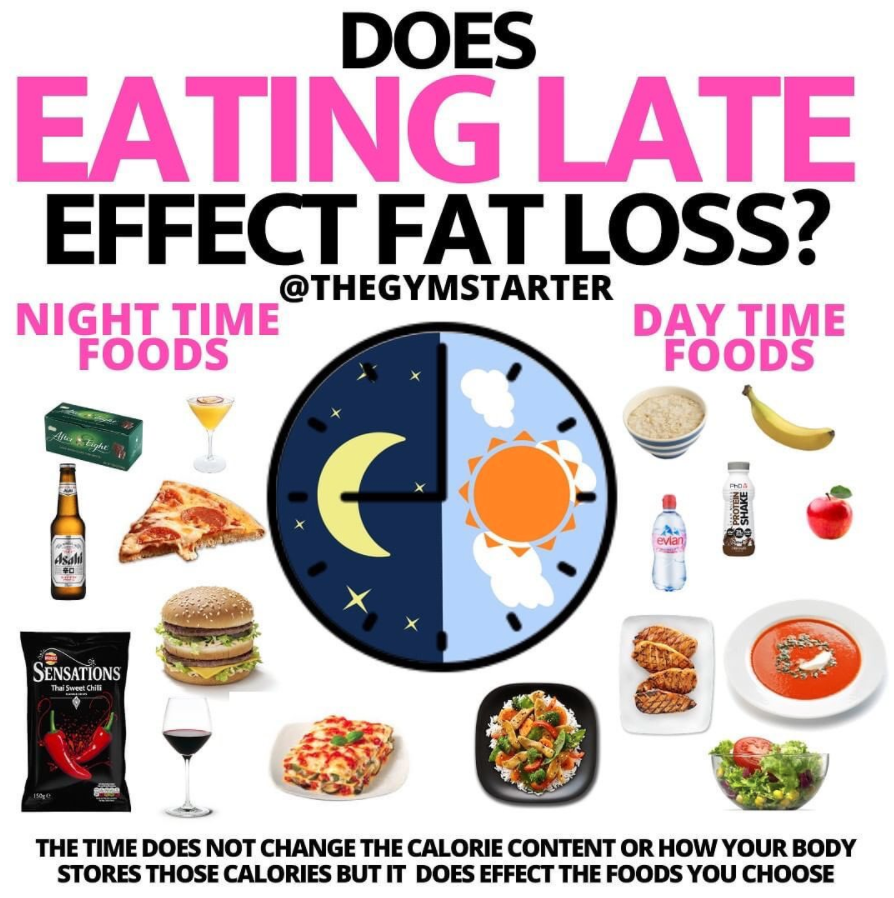
To effectively manage late-night hunger, it is crucial to balance your meals and snacks throughout the day to ensure adequate calorie intake and stable blood sugar levels. By following a few simple guidelines for breakfast, lunch, and snacks, you can nourish your body and prevent excessive hunger in the evening.
Eating a nutritious breakfast to fuel your day
Start off your day with a nutritious breakfast that includes a mix of protein, whole grains, and healthy fats. This combination will provide you with sustained energy and keep you feeling satisfied until lunchtime. Consider options such as oatmeal with berries and nuts, a vegetable omelette with whole wheat toast, or a smoothie packed with fruits, vegetables, and a scoop of protein powder.
Choosing satisfying and balanced lunch options
For lunch, opt for a balanced meal that incorporates lean protein, complex carbohydrates, and plenty of vegetables. This combination will help keep your hunger at bay and prevent cravings later in the day. Some suggestions for lunch include grilled chicken salad with quinoa, brown rice stir-fry with tofu and vegetables, or a whole wheat wrap filled with turkey, avocado, and mixed greens.
Including healthy snacks between meals
Snacks can be a valuable tool in managing your hunger throughout the day. Choose snacks that are high in protein and fiber, as these nutrients help keep you feeling full. Some examples of healthy snacks include Greek yogurt with berries, carrot sticks with hummus, or a handful of almonds and dried fruit. By incorporating these snacks into your daily routine, you can avoid excessive hunger come bedtime.
Making smart food choices in the evening
The choices we make for our evening meals can greatly impact our hunger levels and overall well-being. By opting for protein-rich dinners and incorporating fiber into our evening meals, we can prevent late-night hunger and ensure a restful sleep.
Opting for protein-rich dinners
Protein is known for its satiating effects, as it takes longer to digest and keeps you feeling full for longer periods. Include a protein source in your evening meals, such as grilled chicken, fish, tofu, or lentils. Pair it with a variety of vegetables and whole grains to create a well-rounded and satisfying dinner.
Incorporating fiber into your evening meals
Fiber is another crucial component of a satiating meal. Not only does it promote digestive health, but it also helps keep you feeling full and satisfied. Include fiber-rich foods in your evening meals, such as leafy greens, broccoli, beans, and whole grains. These foods not only support your overall health but also prevent late-night hunger cravings.
Managing stress and emotional eating
Stress and emotional triggers can often lead to nighttime overeating and disrupt our sleep patterns. By identifying the triggers for nighttime overeating and exploring stress management techniques, we can prevent these behaviors and promote a healthier relationship with food.
Identifying triggers for nighttime overeating
Take some time to reflect on the factors that contribute to your nighttime overeating. It could be stress, boredom, loneliness, or simply a habit. Once you identify these triggers, you can develop strategies to address them and find healthier ways to cope with your emotions.
Exploring stress management techniques
Stress management is essential for preventing emotional eating and promoting a healthier relationship with food. Consider incorporating stress-reducing activities into your daily routine, such as exercise, meditation, journaling, or spending time in nature. Experiment with different techniques to find what works best for you and helps you manage stress effectively.
Hydrating properly before bed
Proper hydration is crucial for overall health and can also help manage late-night cravings. By staying adequately hydrated, you can prevent misconstruing thirst for hunger and avoid unnecessary late-night snacking.
The importance of staying hydrated
Dehydration can often be mistaken for hunger, leading to unnecessary late-night snacking. Ensure you are drinking enough water throughout the day to stay properly hydrated. The general recommendation is to drink at least eight cups of water per day, but individual needs may vary based on factors such as activity level and climate.
Choosing healthy beverage options
When hydrating before bed, opt for healthy beverage options that are low in sugar and caffeine. Herbal teas, infused water, or plain water are excellent choices to quench your thirst without adding unnecessary calories or stimulating your sleep.

Creating a sleep-friendly environment
Establishing a sleep-friendly environment is crucial for getting a good night’s sleep and managing late-night hunger. By setting up a comfortable bedroom and establishing a consistent sleep schedule, you can optimize your sleep environment and promote healthy sleep patterns.
Setting up a comfortable bedroom
Create a comfortable and inviting sleep environment by investing in a supportive mattress, breathable bedding, and a soothing color scheme. Keep your bedroom cool, dark, and quiet to promote better sleep and reduce disturbances during the night.
Establishing a consistent sleep schedule
Having a consistent sleep schedule helps regulate your internal clock and promote healthy sleep patterns. Aim to go to bed and wake up at the same time every day, even on weekends. This consistency helps train your body to feel sleepy and restful at the appropriate times, reducing the likelihood of late-night hunger.
Exploring natural appetite suppressants
Certain foods and herbs possess natural appetite suppressant properties that can aid in managing nighttime hunger. By incorporating these suppressants into your diet, you can reduce cravings and promote better sleep.
Understanding the role of certain foods and herbs
Foods such as apples, avocados, almonds, and green leafy vegetables have been found to promote feelings of fullness and reduce hunger cravings. Additionally, herbs such as ginger, cinnamon, and cayenne pepper can also act as natural appetite suppressants. Incorporate these ingredients into your meals and snacks to benefit from their satiating effects.
Incorporating natural appetite suppressants into your diet
To take advantage of these natural appetite suppressants, consider incorporating them into your diet in various ways. For example, sprinkle cinnamon on your oatmeal, add ginger to your stir-fry, or snack on almonds and apple slices throughout the day. By including these foods and herbs in your meals, you can help curb nighttime hunger and promote restful sleep.

Avoiding late-night snacking pitfalls
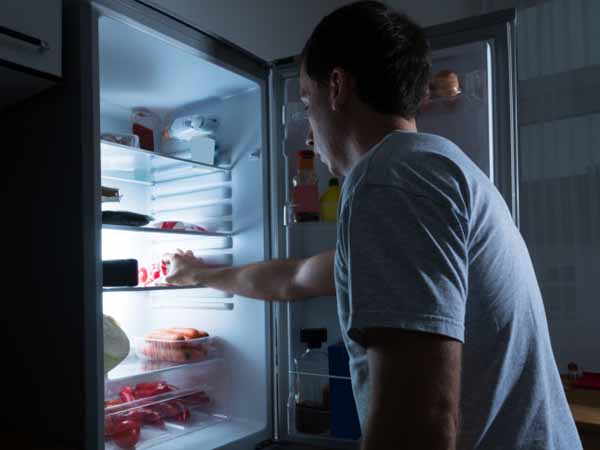
Late-night snacking can often be mindless, leading to overconsumption of unhealthy foods. By identifying common triggers for mindless eating and finding healthier alternatives to satisfy cravings, you can avoid these pitfalls and maintain a healthy eating routine.
Identifying common triggers for mindless eating
Late-night snacking is often triggered by boredom, stress, or habit. Take note of the specific situations or emotions that lead to mindless eating and find alternative activities or coping mechanisms to address those triggers.
Finding healthier alternatives to satisfy cravings
When the urge to snack strikes in the evening, opt for healthier alternatives that are low in calories and nutrient-dense. Some examples include air-popped popcorn, vegetable sticks with hummus, or a small serving of Greek yogurt with fresh berries. These options provide a satisfying crunch or sweetness without derailing your healthy eating habits.
Conclusion
Managing nighttime hunger is essential for maintaining overall well-being and promoting healthy sleep patterns. By understanding the relationship between hunger and night time, developing a healthy bedtime routine, balancing meals and snacks throughout the day, making smart food choices in the evening, managing stress and emotional eating, hydrating properly before bed, creating a sleep-friendly environment, exploring natural appetite suppressants, and avoiding late-night snacking pitfalls, you can effectively stop being hungry at night. Prioritizing your sleep and health will lead to improved energy levels, better mood, and overall better quality of life.

