How To Stop Eating At Night And Lose Weight

Are you having trouble with late-night snacking and finding it difficult to lose weight? Well, you’re not alone! Many people struggle with mindless eating at night, and it can sabotage their weight loss efforts. But don’t worry, in this article, we’re going to discuss some effective strategies to help you stop eating at night and finally shed those extra pounds.
Late-night snacking can be a result of various factors, such as boredom, stress, or simply a habit. It’s important to identify the root cause of your nighttime eating so that you can address it effectively. In this article, we’ll dive deeper into the reasons behind this behavior and provide you with practical tips to curb your late-night cravings.
Throughout this article, you’ll learn about the benefits of fasting and healthy ways of eating that can help you break free from the cycle of night-time snacking. So if you’re ready to take control of your eating habits and achieve your weight loss goals, keep reading! We’ve got all the information and strategies you need to make a positive change in your life.
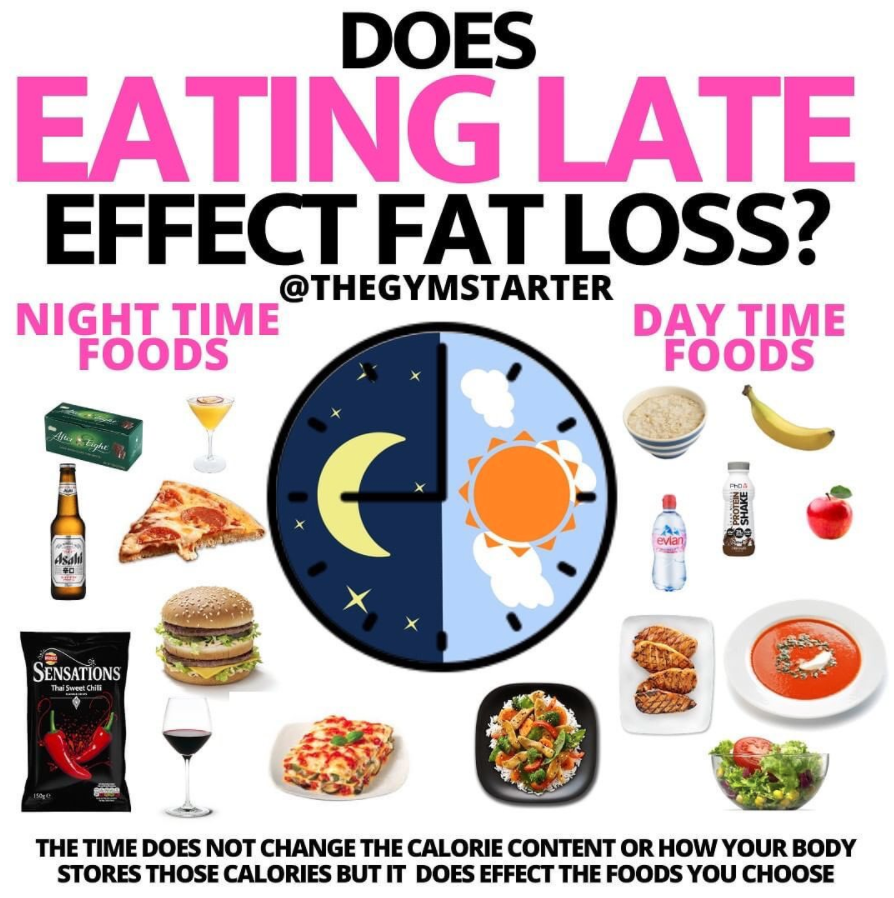
How To Stop Eating At Night And Lose Weight
Are you tired of the late-night snacking that derails all your weight loss goals? Do you find yourself drawn to the refrigerator or pantry, even when you’re not hungry? Understanding the reasons behind nighttime eating can be the first step in breaking this unhealthy habit. In this article, we will explore the link between stress and nighttime eating, the impact of emotional eating, the role of boredom, and effective strategies to overcome nighttime eating.
The Link Between Stress and Nighttime Eating
Stress and emotional eating often go hand in hand, and it is no surprise that they contribute to nighttime eating as well. When you are stressed, your body releases cortisol, also known as the stress hormone. This hormone triggers cravings for unhealthy, high-calorie foods that tend to be consumed in excessive amounts during nighttime snacking. These evening binges may temporarily provide comfort and distract you from your worries, but they can also sabotage your weight loss efforts.
Emotional Eating and Its Impact on Nighttime Eating
Another common reason for nighttime eating is emotional eating. This is when you turn to food as a way to cope with negative emotions such as sadness, boredom, or loneliness. Emotional eating often occurs at night when you have more downtime and fewer distractions. Late at night, when you may feel isolated or overwhelmed, unhealthy snacks become a source of comfort. Recognizing your emotional triggers and finding alternative ways to deal with your feelings are crucial to overcoming nighttime eating.
The Role of Boredom in Nighttime Eating
Boredom is another significant factor that contributes to nighttime eating. After a long and tiring day, you may find yourself mindlessly snacking out of sheer boredom. The absence of productive activities in the evening can lead to indulging in unhealthy foods as a means of entertainment. Unfortunately, these impulsive snacking sessions can quickly add up in calories and hinder your weight loss progress. Finding fulfilling hobbies or engaging in relaxing activities can help distract you from the urge to eat out of boredom.
Identifying Triggers for Nighttime Eating
To successfully regain control over your nighttime eating habits, it is important to identify the triggers that prompt this behavior. By recognizing the environmental, emotional, and habitual triggers, you can develop strategies to avoid or manage them effectively.
Recognizing Environmental Triggers
Environmental triggers refer to specific situations or cues around you that induce the desire to eat. For instance, watching television in the living room may subconsciously trigger the urge to snack. Pay attention to your surroundings and identify any triggers that make you crave food at night. Once you pinpoint these triggers, you can make intentional changes to create a healthier environment conducive to your weight loss goals.
Identifying Emotional Triggers
Emotional triggers are feelings or emotions that lead to nighttime eating. These triggers can vary from person to person and may include stress, anxiety, sadness, or even excitement. Take note of your emotional state when the urge to eat arises. Are you feeling down? Stressed? Anxious? Developing alternative coping mechanisms such as deep breathing exercises, journaling, or talking to a trusted friend can help you manage your emotions without resorting to food.
Exploring Habitual Triggers
Habitual triggers are ingrained behaviors that have become associated with nighttime snacking. Perhaps you have developed a habit of eating while watching TV or browsing social media. Breaking these habits is crucial to stopping nighttime eating. Replace these activities with healthier alternatives such as reading a book, taking a relaxing bath, or practicing a hobby that keeps your hands busy.

Creating a Healthy Meal Plan
A well-designed meal plan can significantly contribute to curbing nighttime eating. By ensuring you meet your calorie needs for weight loss and choosing nutrient-dense foods, you can feel more satisfied throughout the day and reduce the urge to snack at night.
Determining Calorie Needs for Weight Loss
To determine your calorie needs for weight loss, it is important to consider factors such as your age, gender, height, weight, and activity level. Consulting a registered dietitian or using online calculators can help you get an estimate of your daily calorie requirements. It is essential to create a moderate calorie deficit that promotes gradual and sustainable weight loss rather than drastic calorie restrictions.
Choosing Nutrient-Dense Foods for Satiety
Not all calories are created equal. Opting for nutrient-dense foods ensures that you are getting the most nutritional value out of each calorie consumed. Include plenty of fruits, vegetables, lean proteins, whole grains, and healthy fats in your meals. These foods provide essential vitamins, minerals, and fiber that promote satiety and keep you feeling fuller for longer.
Designing Balanced Meals and Snacks
A balanced meal consists of a combination of macronutrients – protein, carbohydrates, and fats. Including all three macronutrients in your meals helps stabilize blood sugar levels and prevents sudden spikes and drops that can trigger cravings. Aim to include a protein source, such as chicken, tofu, or beans, complex carbohydrates like quinoa or sweet potatoes, and healthy fats like avocado or nuts in each meal. Similarly, choose balanced snacks that satisfy your hunger and provide sustained energy.
Developing Healthy Eating Habits
In addition to a well-structured meal plan, developing healthy eating habits is crucial for curbing nighttime eating.
Practicing Mindful Eating
Mindful eating involves paying attention to the present moment and fully experiencing the textures, flavors, and sensations of each bite. By slowing down and savoring your food, you can better recognize signals of fullness and satisfaction. Practice mindful eating by sitting at a table, avoiding distractions, and taking small bites, savoring the taste of each mouthful.
Eating Regular Meals Throughout the Day
Skipping meals or drastically reducing your calorie intake during the day can lead to intense hunger and overeating at night. Make it a priority to have regular, well-balanced meals throughout the day to maintain stable blood sugar levels and prevent excessive hunger. This will help you control cravings and decrease the likelihood of succumbing to nighttime eating.
Avoiding Restrictive Diets
Restrictive diets often create a sense of deprivation and may set you up for nighttime cravings. Instead of following extreme diets that eliminate entire food groups, focus on creating a well-rounded, nourishing eating plan that includes a variety of foods. This approach promotes a healthier relationship with food and reduces the urge to eat excessively late at night.

Managing Cravings and Hunger
Cravings and hunger can be powerful drivers of nighttime eating. Learning how to manage them effectively is crucial in curbing this habit and achieving sustained weight loss.
Finding Alternative Ways to Manage Cravings
When a craving strikes, it is important to have a plan in place to combat it. Instead of indulging in unhealthy snacks, find healthier alternatives that satisfy your cravings. For example, if you crave something sweet, opt for a piece of fruit or a small serving of dark chocolate. If you crave something crunchy, try munching on raw vegetables or air-popped popcorn. These alternatives can help satisfy your cravings while avoiding unnecessary calories.
Addressing Emotional Hunger versus Physical Hunger
It is important to differentiate between emotional hunger and physical hunger. Emotional hunger is often sudden and intense, accompanied by specific cravings for comfort foods. On the other hand, physical hunger develops gradually and can be satisfied with a balanced meal or snack. Before reaching for food, pause and ask yourself if you are truly physically hungry or if there is another underlying emotion driving your urge to eat.
Using Hunger Cues to Guide Eating
Paying attention to hunger cues is essential for developing a healthy relationship with food. Aim to eat when you are moderately hungry and stop eating when you are comfortably full. Learning to recognize and respond to your body’s hunger and fullness cues helps prevent overeating and promotes a balanced approach to eating.
Creating a Nighttime Eating Routine
Establishing a regular nighttime routine can help reduce the likelihood of nighttime eating. By following a consistent sleep schedule and implementing a pre-bedtime routine, you can signal to your body that it is time to rest instead of reaching for a snack.
Establishing a Regular Sleep Schedule
Maintaining a consistent sleep schedule is essential for overall health and weight management. Aim for seven to nine hours of quality sleep each night. Establishing a regular bedtime and wake-up time, even on weekends, can regulate your body’s internal clock and reduce the chances of succumbing to late-night snacking.
Implementing a Pre-Bedtime Routine
Developing a relaxing pre-bedtime routine can help signal to your body that it is time to wind down. Engage in activities that promote relaxation, such as taking a warm bath, reading a book, or practicing gentle stretching. Avoid stimulating activities that can disrupt your sleep, such as using electronic devices or engaging in intense exercise too close to bedtime.
Setting Guidelines for Nighttime Snacking
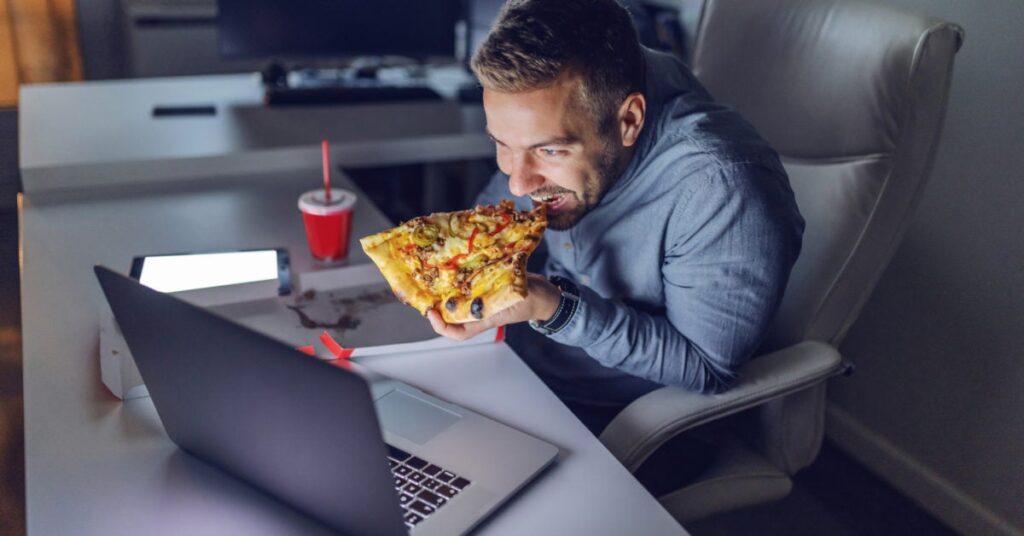
If you find yourself unable to completely eliminate nighttime snacking, setting guidelines can help control the portion sizes and types of food consumed. Opt for healthier snack options such as a small handful of nuts, a piece of fruit, or a serving of Greek yogurt. Create boundaries for yourself, such as limiting your snacking to a specific timeframe or allowing yourself only one small snack after dinner.
Utilizing Strategies to Distract from Nighttime Eating
Finding alternative activities to replace nighttime eating is an effective way to redirect your focus and curb the habit. By engaging in hobbies, exploring relaxation techniques, and seeking support systems, you can distract yourself from the urge to eat at night.
Engaging in Hobbies and Activities
Finding enjoyable hobbies and activities to do in the evening can help distract you from the desire to eat. Consider engaging in activities such as painting, writing, gardening, or playing a musical instrument. These hobbies not only keep you occupied but also provide a sense of fulfillment and accomplishment.
Exploring Relaxation Techniques
Stress and anxiety often contribute to nighttime eating. Exploring various relaxation techniques can help manage these emotions without turning to food. Incorporate practices such as deep breathing exercises, meditation, or yoga into your evening routine. These techniques can help calm your mind and reduce stress levels, minimizing the urge to eat out of emotional discomfort.
Finding Support Systems
Seeking support from friends, family, or online communities can make a significant difference in overcoming nighttime eating. Sharing your struggles and goals with others who can relate can provide encouragement and accountability. Consider joining a weight loss group, seeking professional help from a therapist or dietitian, or following online forums and social media communities focused on healthy eating and weight loss.
Dealing with Relapses and Setbacks
Breaking the habit of nighttime eating does not happen overnight, and setbacks are common. Understanding the nature of relapses, cultivating self-compassion and resilience, and learning from setbacks are vital in staying on track towards your weight loss goals.
Understanding the Nature of Relapses
Relapses are normal in the process of changing any habit, and nighttime eating is no exception. Recognize that setbacks are opportunities for growth and learning, rather than moments of failure. Understand that learning to overcome nighttime eating is a journey that requires patience and persistence.
Cultivating Self-Compassion and Resilience
Be kind to yourself when faced with setbacks. Cultivate self-compassion by acknowledging that everyone makes mistakes and that slip-ups are a natural part of the process. Rather than criticizing yourself, focus on practicing resilience and bouncing back from setbacks with a renewed sense of determination.
Learning from Setbacks and Adjusting Strategies
Take the time to reflect on what triggered the relapse and identify strategies that can help you overcome similar situations in the future. Adjust your eating plan and nighttime routine as needed to avoid future pitfalls. Use setbacks as opportunities for growth and learn from them to refine your approach.
Tracking Progress and Celebrating Success
Monitoring your eating habits and patterns is essential for long-term success in curbing nighttime eating. By setting achievable goals, tracking your progress, and celebrating milestones and achievements, you can stay motivated and maintain your weight loss journey.
Monitoring Eating Habits and Patterns
Keep a food diary or utilize a smartphone app to track your eating habits. Monitor your nighttime eating patterns, noting the triggers and emotions associated with them. Regularly reviewing your journal can provide valuable insights into your progress and areas for improvement.
Setting Achievable Goals
Set realistic and achievable goals for yourself. Rather than aiming to completely eliminate nighttime eating, focus on gradually reducing the frequency and amount of food consumed at night. Celebrate small victories along the way, such as going for several nights without nighttime snacking or choosing a healthier snack option.
Rewarding Milestones and Achievements
Celebrate your milestones and achievements to reinforce positive behaviors. Treat yourself to non-food rewards such as a relaxing spa day, new workout gear, or a favorite book. By rewarding yourself for your dedication and progress, you can stay motivated and continue making healthy choices.
Conclusion
Nighttime eating can be a challenging habit to break, but with compassion, dedication, and effective strategies, you can regain control and achieve your weight loss goals. By understanding the reasons behind nighttime eating, identifying triggers, creating a healthy meal plan, developing healthy eating habits, managing cravings and hunger, creating a nighttime eating routine, utilizing distraction strategies, dealing with setbacks, and tracking progress, you can successfully stop eating at night and achieve long-term weight loss. Remember that your journey is unique, and it is important to find what works best for you. With consistency and commitment, you can transform your nighttime eating habits and create a healthier, more balanced lifestyle.

