Stop Boredom Eating

Do you ever find yourself mindlessly reaching for snacks when you’re bored? Maybe you’re sitting at your desk, trying to focus on work, but all you can think about is the bag of chips in your pantry. Well, if this sounds familiar, you’re not alone. Many of us tend to indulge in boredom eating, especially when we’re stressed or feeling a bit restless. But don’t worry, in this article, you’ll learn some effective strategies to help you break this habit and make healthier choices.
Let’s face it, we all have those moments when we’re bored out of our minds and looking for something to do. And for some reason, food always seems to be the go-to solution. But here’s the thing: boredom eating not only adds unnecessary calories to our diet, but it can also be a result of emotional eating, where we use food to fill a void or cope with stress. So, how can we put an end to this cycle? In this article, we’ll explore various tips and techniques to help you stop boredom eating and find healthier ways to pass the time. From finding alternative activities to managing cravings, you’ll find plenty of helpful strategies that will empower you to make conscious choices when it comes to snacking. So, let’s dive in and discover how you can break free from the boredom eating trap!

Stop Boredom Eating
Understanding Boredom Eating
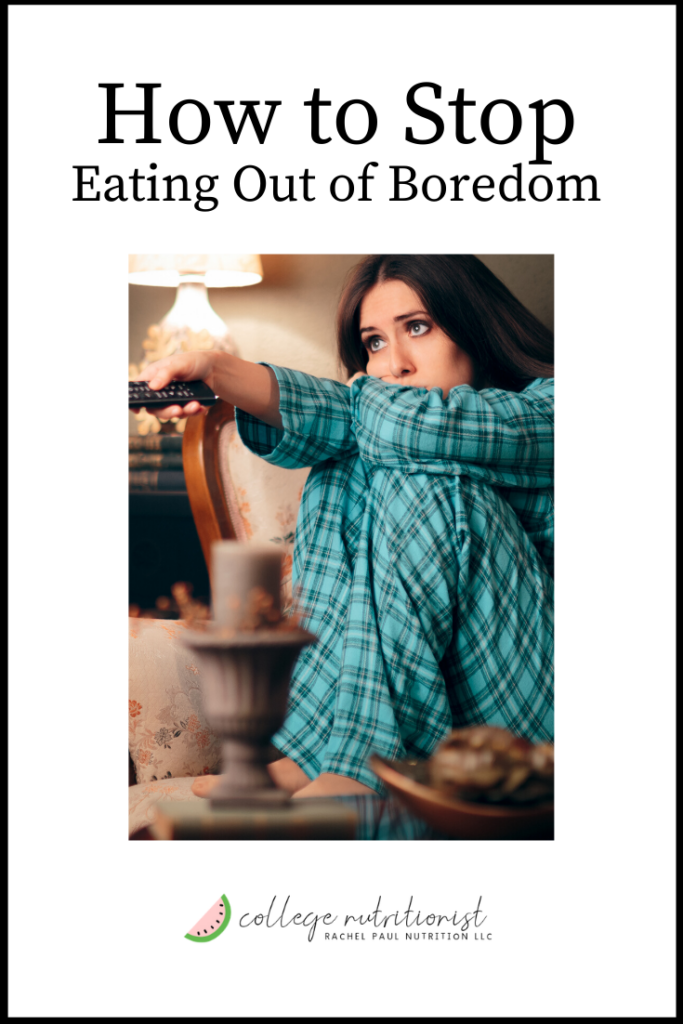
Boredom eating, also known as emotional eating or stress eating, refers to the act of consuming food not out of physical hunger but as a means of alleviating boredom or dealing with negative emotions. It is a common behavior that many individuals resort to, especially when faced with idle time or feelings of restlessness. Boredom eating often involves mindless eating, where individuals consume food without being fully aware of what or how much they are eating.
Causes of Boredom Eating
There are several factors that contribute to boredom eating. One of the main causes is the desire for immediate gratification. When bored, individuals seek instant pleasure, and food provides a quick and easy way to achieve that. Additionally, emotions such as stress, anxiety, and loneliness can also trigger boredom eating, as individuals use food as a source of comfort and distraction.
Effects of Boredom Eating
Boredom eating can have detrimental effects on one’s physical and emotional well-being. Physically, it can lead to weight gain and the development of unhealthy eating habits. Emotional consequences include guilt, shame, and a sense of loss of control around food. Over time, these effects can have a negative impact on self-esteem and overall quality of life.
Recognizing Boredom Eating Triggers
Identifying Emotional Triggers
One of the first steps to overcoming boredom eating is recognizing the emotional triggers that lead to this behavior. This involves identifying the emotions that precede or accompany the urge to eat out of boredom. For example, stress, anger, sadness, or even feelings of emptiness can all be emotional triggers for boredom eating. By acknowledging these emotions, you can start developing healthier coping mechanisms.
Identifying Environmental Triggers
In addition to emotional triggers, certain environmental cues can also contribute to boredom eating. These cues can include the sight or smell of food, the presence of snacks readily available in the pantry, or even the act of watching TV or being on social media. By becoming aware of these environmental triggers, you can take steps to counteract them and create a more conducive environment for healthy eating.
Identifying Situational Triggers
Situations can also play a role in boredom eating. For example, being stuck in traffic, waiting in line, or having free time with no particular activity can all trigger the urge to eat out of boredom. By recognizing these situational triggers, you can proactively plan alternative activities to engage in instead of turning to food.

Creating a Healthy Eating Plan
Establishing Regular Meal Times
One effective strategy to combat boredom eating is to establish regular meal times. This helps regulate your hunger and prevents excessive snacking between meals. By structuring your meals and snacks throughout the day, you are less likely to succumb to the temptation of boredom eating.
Incorporating Nutritious Foods
Another important aspect of a healthy eating plan is incorporating nutritious foods. Opt for whole grains, lean proteins, fruits, and vegetables that can provide essential nutrients and keep you feeling satisfied for longer periods. Avoid highly processed, sugary foods that can contribute to cravings and further boredom eating.
Mindful Eating Techniques
Practicing mindful eating techniques can also be beneficial in combating boredom eating. By focusing on the sensory experience of eating, such as the taste, texture, and smell of food, you can slow down the eating process and become more aware of your body’s hunger and fullness signals. This helps prevent mindless eating and encourages a healthier relationship with food.
Finding Alternative Activities
Engaging in Physical Exercise
Engaging in physical exercise is a great way to divert your attention from boredom and reduce the urge to eat. Exercise releases endorphins, which are natural mood enhancers, and can help alleviate stress and anxiety. Find activities that you enjoy, whether it’s going for a walk, practicing yoga, or participating in a sport, and make them a part of your daily routine.
Exploring Hobbies and Interests
One of the best ways to combat boredom is by exploring hobbies and interests that engage your mind and occupy your time. Whether it’s painting, reading, playing a musical instrument, or learning a new skill, finding activities that you enjoy can divert your attention away from food and provide a sense of fulfillment.
Connecting with Others
Spending quality time with friends and loved ones can also help prevent boredom eating. Socializing not only distracts you from the urge to eat out of boredom but also provides emotional support and a sense of connection. Plan outings, have virtual hangouts, or join group activities that allow you to interact with others and enjoy each other’s company.

Conquering Emotional Eating
Identifying Emotional Hunger vs. Physical Hunger
One key aspect of overcoming boredom eating is learning to differentiate between emotional hunger and physical hunger. Emotional hunger is often sudden, intense, and specific to certain foods, while physical hunger develops gradually and can be satisfied with a variety of nourishing foods. By being mindful of these differences, you can better understand your body’s true needs and make conscious choices about what and when to eat.
Developing Coping Mechanisms
Developing healthy coping mechanisms is crucial in combating emotional eating. Instead of turning to food for comfort, find alternative ways to manage negative emotions. This could include practicing relaxation techniques, such as deep breathing or meditation, journaling your thoughts and feelings, or seeking support from a trusted friend or professional.
Seeking Professional Help if Needed
If emotional eating becomes persistent and interferes with your daily life, it may be beneficial to seek professional help. A therapist or counselor can assist in addressing underlying emotional issues and provide guidance on developing healthier coping mechanisms. They can also help you navigate any challenges you encounter on your journey to stop boredom eating.
Overcoming Environmental Challenges
Eliminating Tempting Snacks from the Pantry
One effective strategy for overcoming environmental challenges is to eliminate tempting snacks from your pantry. Keeping a stock of unhealthy, high-calorie foods readily available can increase the likelihood of boredom eating. Instead, stock your shelves with nutritious options, such as fruits, vegetables, and whole grain snacks.
Creating a Positive Food Environment
Creating a positive food environment can also help curb boredom eating. This involves organizing your kitchen and dining area in a way that promotes healthy eating habits. Keep fresh produce visible, store healthy snacks in easily accessible containers, and create an inviting and clutter-free space for meals.
Planning Ahead for Healthy Options
Planning ahead can be instrumental in overcoming environmental challenges. By prepping meals and snacks in advance, you can avoid the temptation of turning to unhealthy options when boredom strikes. Pack nutritious snacks for work or outings, and plan your meals to ensure you have a variety of wholesome options available.
Dealing with Situational Triggers
Preparing for Social Events and Gatherings
Social events and gatherings often present challenges for those trying to overcome boredom eating. To navigate these situations, it can be helpful to plan ahead. Eat a nutritious meal before attending the event to reduce the temptation to snack mindlessly. Be mindful of portion sizes and choose healthier options when available. Additionally, engage in conversations and activities to divert your attention from food.
Handling Boredom at Work or Home
Boredom at work or home can be a major trigger for mindless snacking. To combat this, find ways to break up the monotony and engage your mind. Take short breaks to stretch, walk, or engage in a quick mindfulness exercise. Keep yourself occupied with tasks or projects that challenge you mentally, or consider listening to podcasts or audiobooks to keep your mind engaged.
Managing Stressful Situations
Stressful situations can often lead to boredom eating as a means of seeking comfort and distraction. Instead of turning to food, explore stress management techniques such as deep breathing exercises, meditation, or engaging in physical activity. These strategies can help reduce stress levels and prevent the urge to eat out of boredom.
Staying Mindful and Focused
Practicing Mindfulness Techniques
Mindfulness techniques can be incredibly useful in staying aware and present in the moment, which can help prevent boredom eating. Engage in mindful eating by paying close attention to the taste, texture, and aroma of your food. Practice mindfulness outside of meal times as well by being fully present in your daily activities, appreciating the small joys, and being aware of your emotions.
Setting Realistic Goals
When trying to stop boredom eating, it is important to set realistic goals. Instead of aiming for complete elimination of the behavior, focus on reducing the frequency and intensity of boredom eating episodes. Celebrate small victories along the way, as this will help maintain your motivation and confidence in overcoming the habit.
Celebrating Progress
Celebrate your progress and achievements throughout your journey of stopping boredom eating. Recognize the efforts you have made to develop healthier habits and celebrate the positive changes in your eating patterns and emotional well-being. Remember that it is a gradual process, and every step you take towards overcoming boredom eating is a step towards a healthier and happier life.

Seeking Support and Accountability
Joining a Support Group or Online Community
Joining a support group or online community focused on healthy eating and overcoming boredom eating can provide a sense of support and accountability. Connecting with individuals who share similar struggles can offer valuable insights, encouragement, and motivation. Share your experiences, seek advice, and offer support to others on their journey as well.
Enlisting a Workout Buddy or Healthy Eating Partner
Enlisting the support of a workout buddy or a healthy eating partner can significantly increase your chances of success in stopping boredom eating. Having someone to share your goals, progress, and challenges with can provide a sense of camaraderie and motivation. You can exercise together, cook nutritious meals, and hold each other accountable.
Tracking and Monitoring Progress
Tracking and monitoring your progress is an effective way to stay accountable and identify areas that need improvement. Keep a food journal to record your meals, emotions, and triggers for boredom eating. Take note of your accomplishments, setbacks, and strategies that have worked well for you. Regularly review your journal to track your progress over time.
Conclusion
Boredom eating can be a challenging habit to break, but with awareness, effective strategies, and support, it is possible to overcome. By recognizing the triggers, implementing healthy eating plans, finding alternative activities, and seeking support, you can take control of your eating habits and lead a more fulfilling and balanced life. Remember to be patient with yourself, celebrate your progress, and seek professional help if needed. You have the power to stop boredom eating and embrace a healthier way of living.

