
admin
How To Stop Eating A Lot

Do you ever find yourself reaching for another serving of your favorite comfort food, even when you’re not hungry? Or maybe you’re always snacking mindlessly, even when you’re not really craving anything specific? If so, you’re not alone. Many people struggle with the urge to eat more than they need, and it can be a challenging habit to break. But don’t worry, in this article, you’ll discover some simple and effective ways to stop eating a lot and regain control of your eating habits.
We all know that eating is not only necessary for survival, but it can also be incredibly enjoyable. However, when we eat more than our bodies actually need, it can lead to weight gain and other health issues. So how can you stop eating a lot and start practicing healthier eating habits? Well, you’ll find the answers here. In the next paragraphs, we’ll explore various strategies and tips that can help you curb overeating, from mindful eating practices to portion control techniques. By implementing these strategies, you’ll be able to develop a more mindful and balanced approach to eating, and ultimately improve your overall well-being. So, let’s dig in and discover how to stop eating a lot!
The Effects of Overeating
Physical health consequences of overeating
Overeating is a common issue that many people struggle with. It can have various negative effects on your physical health. One of the most obvious consequences of overeating is weight gain. Consuming more calories than your body needs leads to an excess of stored fat, which can result in obesity and all the associated health problems such as diabetes, high blood pressure, and heart disease.
In addition to weight gain, overeating can also cause digestive issues such as bloating, indigestion, and acid reflux. When you consume large quantities of food, your stomach stretches to accommodate it, which can lead to discomfort and gastrointestinal distress. Over time, this can even affect the functioning of your digestive system.
Psychological consequences of overeating
Overeating not only affects your physical health but also has psychological consequences. Many people who struggle with overeating develop a negative body image and experience feelings of guilt, shame, and self-disgust. This can lead to a vicious cycle of emotional eating, where individuals turn to food as a source of comfort or escape from negative emotions, further exacerbating the problem.
Overeating can also impact your mental health. Studies have shown a correlation between overeating and an increased risk of depression and anxiety. The hormonal changes and unhealthy relationship with food that result from overeating can contribute to these mental health issues, making it crucial to address the underlying causes of overeating.
Understanding the Causes of Overeating
Emotional triggers for overeating
Emotional triggers play a significant role in overeating. Many people turn to food as a way to cope with stress, sadness, boredom, or other negative emotions. This behavior is commonly known as emotional eating. When you eat to soothe your emotions, it provides temporary relief, but it does not address the underlying issues. This can lead to a cycle of using food as a crutch, making it difficult to break the habit of overeating.
Environmental triggers for overeating
Aside from emotional triggers, environmental factors can also contribute to overeating. Our surroundings and daily routines often shape our eating habits. For example, if you find yourself constantly surrounded by unhealthy food options or in situations that promote overeating, such as social gatherings with excessive food, it can be challenging to resist the temptation to indulge. These external cues can make it even more difficult to develop a healthy relationship with food and control your portions.

Recognizing the Signs of Overeating
Physical signs of overeating
Recognizing the signs of overeating can be crucial in addressing the problem. Some common physical signs include frequent bloating, feeling uncomfortably full after meals, and rapid weight gain. Pay attention to how your body feels after a meal and listen to any discomfort or changes you experience.
Behavioral signs of overeating
In addition to physical signs, there are also behavioral signs that may indicate overeating. These can include eating larger portions than necessary, feeling a loss of control when eating, and experiencing intense cravings for certain foods. If you find yourself constantly thinking about food or planning your next meal even when you are not hungry, it may be a sign that you are struggling with overeating.
Developing a Healthy Relationship with Food
Creating a balanced meal plan
One of the key steps in overcoming overeating is to develop a healthy relationship with food. Creating a balanced meal plan can help you maintain a nutritious diet and prevent overeating. Focus on including a variety of whole foods, such as fruits, vegetables, lean proteins, and whole grains, in your meals. This can provide you with the necessary nutrients and keep you feeling satisfied for longer periods, reducing the likelihood of overeating.
Practicing mindful eating
Mindful eating is another powerful technique to help you stop overeating. It involves paying attention to your body’s hunger and fullness cues, as well as being present and fully engaged in the act of eating. Slow down your eating pace, savor each bite, and listen to your body’s signals that indicate when you are comfortably satisfied. By practicing mindfulness, you can better understand your body’s needs and prevent overeating.

Building a Support System
Seeking professional help
If you are struggling with chronic overeating, seeking professional help can be beneficial. A registered dietitian or therapist specializing in disordered eating can provide valuable guidance and support. They can help you understand the underlying causes of your overeating, develop healthier coping mechanisms, and create a personalized plan to address your specific needs.
Joining a support group
Joining a support group can also be helpful in overcoming overeating. Connecting with others who are going through similar experiences can provide a sense of understanding and encouragement. Support groups offer a safe space to share your struggles, gain insight from others, and receive support throughout your journey towards a healthier relationship with food.
Implementing Healthy Eating Strategies
Portion control
Portion control is essential in preventing overeating. It involves being mindful of the amounts of food you consume and learning to listen to your body’s satiety cues. Start by using smaller plates and bowls, and be mindful of serving sizes. Avoid eating straight out of a bag or container, as it can be harder to gauge how much you have consumed. By practicing portion control, you can enjoy your favorite foods without overindulging.
Incorporating nutrient-rich foods
Another strategy to prevent overeating is to focus on incorporating nutrient-rich foods into your diet. These foods provide essential vitamins, minerals, and fiber that keep you feeling satisfied and nourished. By prioritizing nutrient-dense options like fruits, vegetables, whole grains, and lean proteins, you can nourish your body while reducing the tendency to overeat high-calorie, low-nutrient foods.

Replacing Emotional Eating with Healthy Coping Mechanisms
Identifying emotional triggers
To break the cycle of emotional eating, it is important to identify your emotional triggers. Take note of the situations, emotions, or thoughts that lead you to reach for food when you are not physically hungry. Once you recognize these triggers, you can develop alternative coping mechanisms to address your emotions in a healthy way.
Exploring alternative stress-relief techniques
Instead of turning to food for comfort, explore alternative stress-relief techniques. Engaging in physical activities like walking, yoga, or cycling can help reduce stress and promote emotional well-being. You can also try relaxation techniques such as deep breathing, meditation, or journaling to channel your emotions and manage stress without resorting to overeating.
Setting Realistic Goals and Tracking Progress
Setting achievable targets
When it comes to addressing overeating, setting realistic goals is essential. Break down your goals into smaller, achievable targets that align with your overall objective. This can help you stay motivated and maintain a positive mindset throughout your journey. Celebrate your progress and focus on the small victories along the way.
Monitoring food intake and emotional patterns
Tracking your food intake and emotional patterns can be a valuable tool in overcoming overeating. Keep a food journal to help identify patterns and triggers that lead to overeating episodes. Take note of your emotions, the circumstances surrounding your meals, and the choices you make. This self-reflection can provide valuable insights and help you develop strategies to manage your eating habits effectively.

Overcoming Obstacles and Maintaining Progress
Dealing with setbacks
It is important to acknowledge that setbacks are a normal part of the journey towards overcoming overeating. There may be times when you feel like you have overindulged or given in to emotional eating. Instead of being overly critical of yourself, focus on learning from these experiences and getting back on track as soon as possible. Remember that progress is not always linear, and each day is an opportunity to make healthier choices.
Establishing long-term habits
To maintain progress and prevent future overeating episodes, aim to establish long-term habits. Focus on sustainable changes that promote a healthy relationship with food and support your overall well-being. This can include incorporating regular physical activity, practicing self-care, and being mindful of your emotional well-being. By prioritizing self-care and adopting a balanced approach to eating, you can prevent overeating and create lasting habits that support a healthy lifestyle.
Conclusion
Overcoming overeating is a journey that requires understanding and addressing both the physical and psychological factors involved. By recognizing the consequences of overeating, understanding the causes, and implementing healthy eating strategies, you can develop a healthier relationship with food. Building a support system, replacing emotional eating with healthy coping mechanisms, setting realistic goals, and tracking your progress will help you overcome obstacles and maintain long-term progress. Remember, you have the power to stop overeating and cultivate a positive and nourishing relationship with food, leading to improved physical and mental well-being.
What Can I Take To Stop Sugar Cravings

Have you ever found yourself longing for a sweet treat, even when you know it’s not the best choice for your health? We’ve all been there – those irresistible sugar cravings can be tough to resist. But fret not, because in this article, we’ll explore what you can do to combat those pesky cravings and find healthier alternatives to satisfy your sweet tooth. So if you’re ready to kick those sugar cravings to the curb, keep reading!
When it comes to stopping sugar cravings, there are a few strategies you can try. First and foremost, it’s important to understand what causes these cravings in the first place. Often, cravings for sugary foods can be linked to imbalances in blood sugar levels or even emotional factors like stress or boredom. By recognizing the triggers behind your cravings, you can better address them and find alternative ways to fulfill your desire for something sweet. In our article, we’ll delve deeper into these triggers and provide you with practical tips on how to manage them effectively. So stay tuned and get ready to take control of those sugar cravings once and for all!

Understanding Sugar Cravings
Why do we crave sugar?
Sugar cravings are a common phenomenon experienced by many individuals. But have you ever wondered why your body craves sugar so much? Well, there are several factors that contribute to these cravings. First and foremost, our brains are wired to seek out sweet flavors. This is because sugar releases dopamine in the brain, which is a neurotransmitter associated with pleasure and reward. So, when we consume sugar, our brain gets a surge of pleasure, making us want more.
Additionally, sugar cravings can also be a result of imbalanced blood sugar levels. When we consume sugary foods, our blood sugar levels spike, providing us with a temporary burst of energy. However, this spike is followed by a crash, leaving us feeling fatigued and craving more sugar to regain that energy boost.
Furthermore, stress and emotions play a significant role in sugar cravings. Many individuals turn to sugary treats as a form of comfort when they are feeling down or stressed. This emotional connection to sugar can make it difficult to resist cravings.
The impact of sugar cravings on health
While an occasional indulgence in sweets is perfectly normal, consistently caving in to sugar cravings can have detrimental effects on your health. Consuming excessive amounts of sugar can lead to weight gain, increased risk of developing chronic diseases such as diabetes and heart disease, and even affect your mood and energy levels.
Sugar also has addictive properties, and constantly giving in to cravings can perpetuate a cycle of dependency, making it even harder to break free from the grip of sugar. It’s important to find ways to satisfy your sweet tooth in a healthier manner to maintain overall well-being.
Factors contributing to sugar cravings
Now that we understand why sugar cravings occur and their potential impact on health, let’s explore some common factors that contribute to these cravings.
Emotional triggers
Emotions can play a significant role in our food choices, including our cravings for sugar. It’s not uncommon to crave sugary treats when we are feeling stressed, lonely, bored, or even sad. These emotions can trigger a desire for instant gratification, leading us to reach for sugary snacks as a source of comfort.
Environmental triggers
Our surroundings can also influence our sugar cravings. Ads, social settings, and even the mere presence of sweets can stimulate our desire for sugar. When we see or smell sugary treats, our brains automatically associate them with pleasure, making it more challenging to resist the cravings.
Habitual triggers
Our dietary habits and routines can create habitual triggers for sugar cravings. For example, if you typically have dessert after dinner every night, your body becomes accustomed to this routine and expects the sweetness. Breaking these habits and creating new, healthier routines can help reduce sugar cravings.
Identifying Common Triggers
Emotional triggers
To overcome emotional triggers, it’s essential to find alternative ways to cope with stress or negative emotions. Consider engaging in activities that bring you joy, such as going for a walk, practicing yoga, or talking to a trusted friend. Finding healthy outlets for stress and emotions can help reduce the reliance on sugar for comfort.
Environmental triggers
While it may be challenging to completely eliminate environmental triggers, you can take steps to minimize their impact. Limit your exposure to ads promoting sugary treats by avoiding certain TV shows or websites. When attending social events, bring your own healthier alternatives instead of relying on the available sugary options.
Habitual triggers
Changing your habits and routines may take some time and effort, but it’s worth it in the long run to reduce sugar cravings. Consider replacing your after-dinner dessert with a cup of herbal tea or a piece of dark chocolate. Gradually introduce healthier alternatives and give yourself time to adjust to these new habits.
Healthy Alternatives to Satisfy Cravings
Natural sweeteners for a healthier option
When it comes to satisfying your sweet tooth, natural sweeteners can be a great alternative to processed sugar. Stevia, monk fruit, and honey are all-natural sweeteners that can provide a similar level of sweetness without the negative health effects of refined sugar. Experiment with using these alternatives in your favorite recipes to find what works best for you.
Fruit as a way to satisfy sweet cravings
Fruits are not only delicious but also packed with essential vitamins, minerals, and fiber. They offer a natural source of sweetness and can be a great way to satisfy your sweet cravings. Opt for fresh fruits like berries, apples, and citrus fruits, or enjoy dried fruits in moderation. Remember to consume fruit in its whole form rather than as juices to reap maximum nutritional benefits.
Nutritious snacks to curb sugar cravings
Instead of reaching for sugary snacks, choose nutritious alternatives that can help curb sugar cravings. Nuts, seeds, and yogurt with some berries can provide a satisfying combination of healthy fats, protein, and natural sweetness. Additionally, snacks like carrot sticks with hummus or rice cakes with almond butter can offer a crunchy and satisfying alternative to sugary treats.
Lifestyle Measures to Reduce Cravings
Maintaining a balanced diet
A balanced diet plays a crucial role in reducing sugar cravings. Ensure that you’re consuming a variety of nutrient-dense foods, including lean proteins, whole grains, fruits, vegetables, and healthy fats. When your body receives the necessary nutrients, it’s less likely to crave sugar. Make it a habit to include these foods in your daily meals.
Getting enough sleep and managing stress
A lack of sleep and high stress levels can contribute to sugar cravings. Aim for 7-8 hours of quality sleep each night to support your overall well-being. Additionally, finding healthy ways to manage stress, such as practicing meditation, deep breathing exercises, or engaging in hobbies, can help reduce the reliance on sugar for stress relief.
Regular exercise to regulate blood sugar levels
Physical activity can help regulate blood sugar levels and reduce sugar cravings. Aim for at least 30 minutes of moderate exercise most days of the week. Find activities you enjoy, such as dancing, cycling, or simply going for walks in nature. Not only will exercise benefit your physical health but also uplift your mood, making it easier to resist sugar cravings.

Supplements and Herbs
Chromium picolinate to stabilize blood sugar
Chromium is a mineral that helps regulate blood sugar levels and can potentially reduce sugar cravings. Consider supplementing with chromium picolinate, but remember to consult with a healthcare professional before starting any new supplements.
Magnesium to reduce sugar cravings
Magnesium deficiency has been linked to increased sugar cravings. If you suspect a deficiency, speak with a healthcare professional about magnesium supplementation. Additionally, incorporating magnesium-rich foods into your diet, such as leafy greens, nuts, and seeds, can also help reduce cravings.
Gymnema sylvestre as a natural suppressor
Gymnema sylvestre is an herb commonly used in Ayurvedic medicine to reduce sugar cravings. It works by suppressing sweet taste receptors on the tongue, diminishing the desire for sugar. Speak with a healthcare professional for guidance on using this herb.
Mindful Eating Techniques
Paying attention to hunger and fullness cues
Practicing mindful eating involves tuning in to your body’s hunger and fullness cues. Before reaching for a sugary snack, ask yourself if you’re genuinely hungry or if it’s just a craving. Eat slowly and savor each bite, paying attention to how your body feels along the way. This can help prevent overeating and make you more aware of your body’s needs.
Practicing mindful eating to overcome cravings
Mindfulness can also help you overcome sugar cravings by bringing awareness to the present moment and your food choices. Before indulging in a sugary treat, take a moment to pause and ask yourself if it aligns with your long-term health goals. By practicing self-awareness and making conscious choices, you can regain control over your cravings.
Engaging all senses while eating to enhance satisfaction
Engaging all your senses while eating can enhance the satisfaction you derive from your meals. Appreciate the colors, textures, and aromas of the food in front of you. Chew slowly and savor the flavors. By fully immersing yourself in the eating experience, you can find greater enjoyment and satisfaction, reducing the need for excess sugar.

Meal Planning and Preparation
Preparing meals in advance to avoid sugary temptations
Meal planning and preparation can help you avoid the temptation of sugary snacks by ensuring you have healthy options readily available. Set aside time each week to plan your meals, create a grocery list, and prepare meals in advance. By having nutritious, balanced meals ready to go, you’ll be less likely to reach for sugar-filled convenience foods.
Including protein and fiber in meals for satiety
Protein and fiber are satiating nutrients that can help reduce cravings. Aim to include a source of protein, such as lean meats, poultry, fish, beans, tofu, or lentils, in each meal. Additionally, focus on incorporating high-fiber foods like vegetables, whole grains, and legumes for added satiety.
Creating a balanced plate with a variety of nutrients
When preparing meals, aim for a balanced plate that includes a variety of nutrients. Fill half your plate with non-starchy vegetables, a quarter with lean protein, and the remaining quarter with whole grains or starchy vegetables. This combination ensures you’re getting a good balance of essential nutrients and can help reduce sugar cravings.
Support and Accountability
Joining a sugar-free challenge or support group
If you’re struggling to overcome sugar cravings, consider joining a sugar-free challenge or support group. These communities provide accountability and offer resources and support to help individuals navigate their sugar-free journey. Surrounding yourself with like-minded individuals can boost motivation and make the process more enjoyable.
Seeking professional help when needed
If you find that sugar cravings are severely impacting your life and well-being, don’t hesitate to seek professional help. Registered dietitians or therapists specializing in disordered eating or addiction can provide valuable guidance and support tailored to your specific needs.
Finding an accountability partner or buddy
Partnering up with a friend or family member who shares similar goals can increase your chances of successfully overcoming sugar cravings. You can hold each other accountable, provide encouragement, and celebrate milestones together. Having a reliable and understanding ally can make a significant difference in your journey.

Overcoming Setbacks and Long-Term Strategies
Dealing with occasional indulgences without guilt
It’s essential to understand that occasional indulgences are a normal part of life, and there’s no need to feel guilty about them. If you do give in to sugar cravings from time to time, practice self-compassion and avoid labeling yourself as a failure. Instead, refocus on your long-term goals and continue making progress towards a healthier lifestyle.
Establishing a sustainable and realistic approach
While it may be tempting to eliminate all sugar from your diet indefinitely, it may not be the most sustainable approach. Instead, focus on establishing a realistic and balanced relationship with sugar. Allow yourself small treats in moderation while prioritizing nutrient-dense, whole foods. Finding a sustainable approach that works for you will ensure long-term success.
Finding joy in healthier alternatives
Discovering healthier alternatives and finding joy in them is key to overcoming sugar cravings. Experiment with new recipes, try different fruits, and embrace the flavors and textures of whole foods. By shifting your focus to the abundance of delicious and nutritious options available, you can gradually reduce your reliance on sugary treats.
Conclusion
Taking steps to overcome sugar cravings is a journey that requires time, patience, and perseverance. By understanding the factors that contribute to sugar cravings, identifying common triggers, and implementing various strategies, you can regain control over your sugar intake and lead a healthier lifestyle.
Remember, progress takes time, and setbacks are a normal part of the process. Don’t be too hard on yourself if you falter along the way. Stay committed to your goals, seek support when needed, and find joy in the healthier alternatives available. With determination and a positive mindset, you can break free from the grip of sugar and enjoy a life filled with vitality and well-being.
How To Stop Eating Bread

Are you finding it hard to resist the temptation of a warm, freshly baked loaf of bread? Don’t worry, you’re not alone. Many people struggle with reducing their bread intake because it’s such a staple in our diets. But fear not, because in this article, you’ll discover some effective strategies to help you kick the bread habit and improve your overall health.
Bread is undeniably delicious, but consuming too much of it can lead to weight gain and other health issues. So, if you’re looking to cut back on bread, there are a few things you can do. First, try to understand why you’re eating bread in the first place. Are you eating it out of habit, boredom, or emotional reasons? Identifying your triggers can help you address the underlying reasons for your bread cravings. Additionally, make sure to stock up on healthy alternatives such as whole grains, fruits, and vegetables. These options are not only nutritious but can also provide the satisfying texture and taste you might be craving from bread. So, keep reading to learn more about how you can stop eating bread and find a healthier way of nourishing your body.

How To Stop Eating Bread
Do you find it difficult to resist the temptation of freshly baked bread? Are you worried about the impact of bread on your health, weight, and digestion? You’re not alone. Many people struggle with bread cravings and find it challenging to reduce or eliminate their bread consumption. In this article, we will explore the effects of bread on various aspects of your health and provide you with strategies to overcome bread addiction. Additionally, we will offer tips on building a nutritious meal plan without bread and replacing it with healthier alternatives. Let’s dive in!
The Impact of Bread on Blood Sugar Levels
One of the key concerns regarding bread consumption is its effect on blood sugar levels. Bread, especially refined and processed varieties, is quickly digested and absorbed in the body, leading to a rapid increase in blood sugar levels. This sudden spike is followed by a drop in blood sugar, leaving you feeling hungry and craving more carbohydrates.
To stabilize blood sugar levels, consider choosing whole grain bread instead of white bread. Whole grain bread contains dietary fiber, which slows down the absorption of sugar into the bloodstream. Additionally, pairing bread with protein-rich foods, such as eggs or lean meat, can further help regulate blood sugar levels and keep you feeling satisfied.
The Role of Bread in Weight Gain and Obesity
Bread is often associated with weight gain and obesity, especially when consumed in excess. It is high in calories and can contribute to an excessive calorie intake if not consumed mindfully. Additionally, refined breads and those made with white flour have a high glycemic index, which means they cause a rapid rise in blood sugar levels and can lead to increased fat storage.
If you’re trying to manage your weight, it may be beneficial to reduce or eliminate bread from your diet. Instead, focus on incorporating plenty of fruits, vegetables, lean proteins, and healthy fats into your meals. These foods are nutrient-dense and can help you feel full while providing essential vitamins and minerals.
How Bread Affects Digestion and Gut Health
Digestive issues, such as bloating, gas, and discomfort, are common complaints among bread consumers. Some individuals may have difficulty digesting gluten, a protein found in wheat, barley, and rye. This condition, known as gluten intolerance or celiac disease, can cause severe digestive symptoms and damage to the small intestine.
Even if you don’t have a gluten intolerance, the high carbohydrate content in bread can lead to fermentation in the gut, resulting in gas and bloating. If you suspect bread may be causing digestive issues for you, consider reducing your intake or opting for gluten-free alternatives.
Identifying the Triggers for Bread Cravings
Understanding the underlying factors that drive your bread cravings is essential when trying to overcome bread addiction. Let’s explore some psychological as well as social and cultural triggers that may influence your desire for bread.
The Psychological Factors Behind Bread Cravings
Often, bread cravings can be attributed to emotional eating or a psychological dependence on certain foods. Bread, being a comfort food for many, can provide a sense of satisfaction or relieve stress. Pay attention to your emotions and identify if you tend to reach for bread when you’re feeling anxious, sad, or bored.
To address psychological triggers, find healthy alternatives to cope with your emotions. Engage in activities that bring you joy, such as exercising, practicing mindfulness, or pursuing a hobby. It’s also important to develop a positive relationship with food and focus on nourishing your body rather than using it as an emotional crutch.
The Influence of Social and Cultural Norms on Bread Consumption
Bread is deeply ingrained in many cultural and social traditions. It is often present at family gatherings, celebrations, and meals with friends. These social norms can make it challenging to resist bread, even when you’re trying to reduce your consumption.
To navigate social situations, communicate your dietary preferences or restrictions with your loved ones. Explain that you’re making an effort to reduce your bread intake and ask for their support. Additionally, consider bringing a bread-free alternative to gatherings or suggesting restaurants with healthier options.
How Food Advertising Contributes to Bread Cravings
Food advertising plays a significant role in shaping our food choices and cravings. Bread is heavily marketed through enticing commercials and advertisements that highlight its taste, texture, and versatility. These marketing strategies can subconsciously increase your desire for bread and make it harder to resist.
To combat the influence of food advertising, limit your exposure to commercials and advertisements promoting bread. Instead, focus on educating yourself about the potential health risks associated with excessive bread consumption. This knowledge will empower you to make informed food choices based on your individual health goals.

Developing Strategies to Overcome Bread Addiction
Now that you have a better understanding of the triggers for bread cravings, it’s time to develop strategies to overcome bread addiction. Let’s explore some practical steps you can take to reduce or eliminate bread from your diet.
… [continue writing the rest of the article using the given headings and subheadings]
Food To Stop Eating To Lose Weight
Are you struggling to lose weight? Have you tried countless diets and exercise routines without seeing much progress? Well, one factor that might be hindering your weight loss journey is the food you’re consuming. That’s right – certain foods can actually sabotage your efforts to shed those extra pounds. But don’t worry, in this article, we’ll discuss some common food items that you should consider cutting down on or eliminating from your diet. By making these small changes, you’ll be on your way to a healthier and more successful weight loss journey.
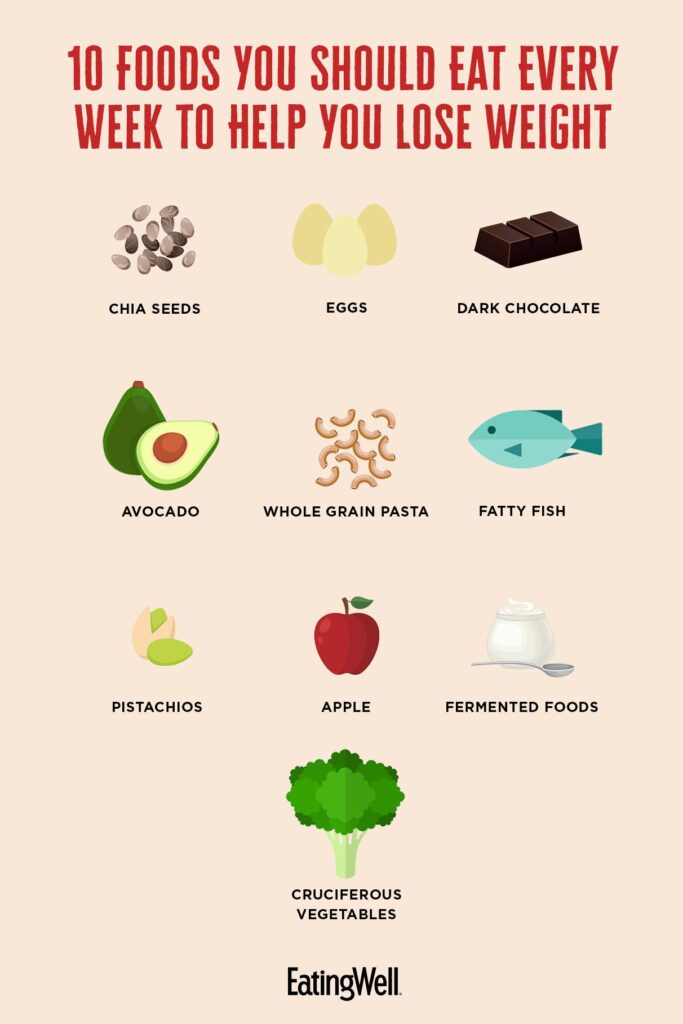
When it comes to losing weight, it’s important to be mindful of what you eat. While it’s easy to reach for that bag of chips or indulge in a sugary treat, these foods can hinder your progress. One of the first things you should consider cutting back on is processed foods. These convenient and readily available snacks and meals are often packed with unhealthy additives, preservatives, and excess sodium. Instead, focus on consuming whole, unprocessed foods like fruits, vegetables, lean proteins, and whole grains. These nutritious options will provide you with the essential nutrients your body needs to function optimally, while also keeping you feeling full and satisfied. So, if you’re ready to take your weight loss journey to the next level, keep reading to find out more about the foods you should stop eating to achieve your goals.
Food To Stop Eating To Lose Weight
Losing weight can be a challenging and daunting task for many individuals. While exercise plays a crucial role in weight loss, it is essential to understand that what you eat also greatly impacts your ability to shed those unwanted pounds. In particular, certain types of foods can sabotage your weight loss efforts and hinder your progress. In this article, we will explore the impact of various types of foods on weight loss and discuss healthier alternatives that you can incorporate into your diet.
Understanding the Role of Sugar in Weight Gain
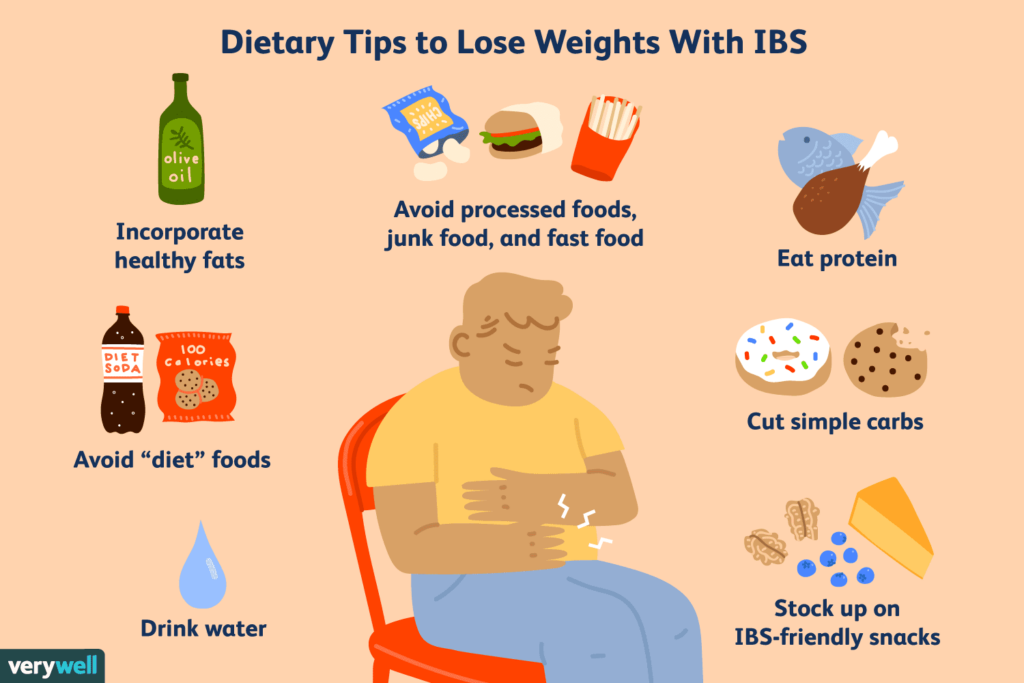
Sugar is one of the main culprits when it comes to weight gain. Consuming excessive amounts of sugar leads to an increased calorie intake, which in turn, can contribute to weight gain. Moreover, sugary foods are often low in nutrients and high in empty calories, leaving you feeling unsatisfied and prone to overeating.
To reduce your sugar intake, it is crucial to identify hidden sources of sugar in your diet. Common culprits include processed foods, such as sugary cereals, granola bars, and flavored yogurts. These seemingly innocent snacks can contain large amounts of added sugars. By reading food labels carefully and opting for products with little to no added sugars, you can significantly reduce your sugar consumption.
Substitutes for Sugar
When trying to lose weight, cutting down on sugar does not mean sacrificing sweetness altogether. There are various natural and healthier alternatives to refined sugar that you can enjoy guilt-free. Some popular options include stevia, a plant-based sweetener; honey, a natural and antioxidant-rich sweetener; and monk fruit, a low-calorie sweetener derived from a small fruit.
These sugar substitutes provide a similar level of sweetness to satisfy your cravings. Plus, they tend to have fewer calories and a lower impact on your blood sugar levels, making them suitable choices for those aiming to shed pounds.
Processed Foods and Weight Loss
Processed foods, characterized by their long shelf life and numerous additives, are notorious for hindering weight loss efforts. These foods are often high in calories, unhealthy fats, and added sugars, making them a poor choice for those seeking to slim down.
Eliminating processed foods from your diet can have substantial benefits for weight loss. Instead of reaching for packaged snacks and meals, opt for whole foods. Whole foods are minimally processed and provide more nutrients, such as vitamins, minerals, and dietary fiber. By choosing whole grains, fruits, vegetables, lean proteins, and healthy fats, you can ensure you are fueling your body with the essential nutrients it needs while supporting your weight loss goals.
Choosing Whole Foods Instead
When transitioning away from processed foods, it may feel overwhelming to navigate the grocery store aisles. To make healthier choices, focus on shopping in the perimeter of the store, where fresh produce, meat, dairy, and whole grain products are typically located. Avoid the inner aisles, as they are often filled with highly processed and unhealthy foods.
Additionally, try incorporating more homemade meals into your routine. Cooking at home allows you to have full control over the ingredients you use, ensuring that your meals are nutritious and tailored to your dietary needs. Experiment with new recipes and flavors to make the transition to whole foods enjoyable and sustainable.
Soda and Weight Loss
Soda is a ubiquitous beverage choice around the world, but it can have detrimental effects on your weight loss journey. Regular soda is loaded with added sugars, providing empty calories that contribute to weight gain. Even diet sodas, which are marketed as low calorie or calorie-free options, can impede weight loss due to the effects of artificial sweeteners.
Research has shown that artificial sweeteners, commonly found in diet sodas, can disrupt your body’s natural mechanisms for regulating appetite and metabolism. This can lead to increased cravings for sugary and high-calorie foods, sabotaging your weight loss efforts in the long run.
Healthier Beverage Alternatives
To quench your thirst without hindering your weight loss, it is important to consider healthier alternatives to soda. Water should be your go-to beverage, as it has zero calories and keeps you hydrated. If you find plain water boring, try infusing it with fruits, vegetables, or herbs for a refreshing and flavorful twist.
Additionally, unsweetened tea and coffee can be enjoyed in moderation, as they have negligible or zero calories. Be mindful of adding excessive amounts of sugar or cream to these beverages, as these can add unnecessary calories. Herbal teas, such as chamomile or peppermint, can also be a soothing and calorie-free choice.
Refined Grains and Weight Loss
Refined grains, such as white bread, white rice, and pasta made from refined flour, have undergone processing that removes the bran and germ, stripping away essential nutrients and fiber. These refined grains are quickly broken down into sugar in the body, leading to spikes in blood sugar levels and subsequent crashes, which can leave you feeling hungry and unsatisfied.
The negative impact of refined grains on weight loss is further exacerbated by their high calorie density. Consuming large quantities of refined grains can easily lead to exceeding your calorie intake for the day, hindering your weight loss progress.
Opting for Whole Grains
To support your weight loss goals and promote overall health, consider replacing refined grains with whole grains. Whole grains are less processed, retaining the bran and germ, which are rich in fiber, vitamins, and minerals. The fiber content in whole grains slows down digestion, keeping you fuller for longer and reducing the likelihood of overeating.
Next time you find yourself reaching for a refined grain product, such as white bread or white rice, try swapping it for a whole grain alternative. Whole wheat bread, brown rice, quinoa, and oats are all excellent options to incorporate into your diet. These whole grains will provide increased satiety and help regulate your blood sugar levels, making it easier to achieve your weight loss goals.
Fried and Greasy Foods and Weight Loss
Fried and greasy foods, such as French fries, fried chicken, and potato chips, are notorious for being high in unhealthy fats and calories. These foods are often deep-fried, causing them to absorb large amounts of oil, which adds unnecessary calories to each bite. Consuming too many fried and greasy foods can quickly lead to weight gain and hinder your progress in reaching your weight loss goals.
Healthier Cooking Methods
To reduce your intake of fried and greasy foods, opt for healthier cooking methods that require minimal or no oil. Baking, grilling, steaming, and sautéing with a small amount of healthy oils, such as olive oil or coconut oil, can help you achieve delicious and satisfying meals without excess calories.
When preparing dishes at home, be mindful of the ingredients you use. Choose lean proteins, such as skinless chicken or tofu, and load up on vegetables to add volume and nutrients to your meals. Experiment with herbs and spices to enhance the flavor of your dishes without relying on excessive oils or fats.
High-Calorie Snacks and Weight Loss
Snacking can often be a downfall when trying to lose weight, particularly if you frequently reach for high-calorie options. Snacks that are high in calories and low in nutrients can quickly derail your weight loss progress and lead to overconsumption of energy-dense foods.
Healthier Snack Options
To satisfy your snack cravings and aid your weight loss efforts, it is essential to opt for healthier snack options. Consider choosing snacks that are nutrient-dense and provide valuable vitamins, minerals, and dietary fiber. Fresh fruits and vegetables, such as sliced apples, carrot sticks, or cherry tomatoes, make excellent low-calorie options that also provide essential nutrients.
Other healthy snack choices include Greek yogurt, unsalted nuts and seeds, and air-popped popcorn. These snacks offer a good balance of protein, healthy fats, and fiber, keeping you satisfied between meals without significantly increasing your calorie intake.
Artificial Trans Fats and Weight Loss
Artificial trans fats are created through a process called hydrogenation, which turns liquid oils into solid fats. These trans fats are often found in processed and packaged foods, including margarine, pastries, cakes, and fried foods.
The consumption of trans fats has been linked to a range of health issues, including heart disease and weight gain. Trans fats not only contribute to weight gain but can also redistribute fat to the abdomen, increasing the risk of developing visceral fat, a dangerous type of fat that surrounds vital organs.
Choosing Trans Fat-Free Options
To support your weight loss journey and protect your overall health, it is crucial to avoid foods that contain artificial trans fats. When grocery shopping, carefully read food labels and steer clear from products that contain partially hydrogenated oils, as these are sources of trans fats.
Instead, opt for foods that are naturally low in trans fats, such as fresh fruits and vegetables, lean proteins, and whole grains. By making conscious choices and avoiding trans fats, you can improve your overall health and make significant progress towards your weight loss goals.
Alcohol and Weight Loss
Alcohol consumption can be a significant roadblock when it comes to weight loss. Alcoholic beverages are often high in calories and can contribute to weight gain if consumed in excess. Moreover, alcohol can disrupt your body’s metabolism, leading to decreased fat burning and increased fat storage.
Moderate and Healthier Alcohol Choices
If you enjoy an occasional drink, it is important to make mindful choices that minimize the impact on your weight loss efforts. Opt for lower calorie alcoholic beverages, such as light beers or spirits mixed with zero-calorie mixers. Be cautious of sweet cocktails and sugary mixers, as these can pack a considerable calorie punch.
Additionally, moderation is key when it comes to alcohol consumption. Aim to limit your intake to a moderate amount, as recommended by health experts. This usually means one drink per day for women and up to two drinks for men.

Excess Salt and Weight Loss
Excessive salt intake can hinder your weight loss progress by causing water retention, leading to bloating and weight gain. Consuming too much sodium can also increase your blood pressure, putting you at risk for various health problems.
Flavoring Foods Naturally
To reduce your salt intake and support your weight loss efforts, it is crucial to flavor your foods naturally. Start by gradually reducing the amount of salt you add to your meals during cooking and at the table. Season your dishes with fresh herbs, spices, and citrus juices to enhance flavor without relying on excessive sodium.
Furthermore, be cautious of processed and packaged foods, as these often contain high amounts of added salt. By preparing meals at home using fresh ingredients, you can have full control over the sodium content in your diet.
Conclusion
In your journey towards weight loss, it is essential to be mindful of the impact that certain types of foods can have on your progress. Foods high in sugar, processed ingredients, unhealthy fats, and excessive calories can slow down your weight loss efforts. By eliminating or minimizing these foods in your diet and opting for healthier alternatives, such as whole foods, natural sweeteners, and low-calorie beverages, you can steer your weight loss journey in the right direction. Remember, the key to successful weight loss lies in making sustainable and healthy choices that fuel your body and support your overall well-being.
Eat Stop Eat Fasting

Do you ever feel like you’re constantly dieting, trying to find the next miracle solution to lose weight and improve your health? Well, what if I told you there was a simple and effective method that could potentially change all that? Enter Eat Stop Eat Fasting – a revolutionary approach to health and nutrition that will have you questioning everything you thought you knew about eating and fasting. In this article, we’re going to take a closer look at Eat Stop Eat Fasting and how it can benefit you on your journey towards a healthier lifestyle.
With so many different diets and fasting methods out there, it can be overwhelming to figure out what really works. But trust me, Eat Stop Eat Fasting is like no other. It not only helps you shed those unwanted pounds but also provides a myriad of other health benefits. By adopting this approach, you’ll not only be able to lose weight but also improve your insulin sensitivity, promote cellular repair, and even boost your metabolism. Sounds too good to be true? Well, stick around because we’re just scratching the surface of what Eat Stop Eat Fasting has to offer. In the upcoming sections, we’ll dive deeper into the science behind this method and give you all the tools and knowledge you need to successfully incorporate it into your daily routine. So, get ready to embark on a journey to better health and discover a whole new way of eating with Eat Stop Eat Fasting.
Introduction
Overview of Eat Stop Eat Fasting
Eat Stop Eat Fasting is a popular and effective method of intermittent fasting that has gained widespread recognition in the health and wellness community. Developed by Brad Pilon, this fasting protocol involves alternating periods of regular eating with brief periods of fasting, typically for 24 hours at a time. By incorporating this fasting method into your lifestyle, you can achieve numerous health benefits and achieve your weight loss goals in a safe and sustainable way.
Benefits of Eat Stop Eat Fasting
There are several benefits associated with practicing Eat Stop Eat Fasting. One of the primary advantages is weight loss. By creating a calorie deficit during fasting periods, your body taps into its fat stores for energy, resulting in gradual and sustainable weight loss. Additionally, Eat Stop Eat Fasting can improve insulin sensitivity, which is beneficial for individuals with prediabetes or type 2 diabetes. This fasting protocol has also been found to increase growth hormone production, which can help with muscle growth and repair.
Key principles of Eat Stop Eat Fasting
The key principles of Eat Stop Eat Fasting involve intermittent fasting, calorie restriction, and maintaining a balanced nutrition plan. Intermittent fasting involves alternating periods of fasting and regular eating, usually for 24 hours once or twice a week. Calorie restriction is achieved through fasting, as it naturally reduces the number of calories consumed. However, it is essential to maintain a balanced nutrition plan during regular eating periods to ensure you are meeting your body’s nutritional needs.
Understanding Fasting
What is fasting?
Fasting is the practice of abstaining from food and, in some cases, beverages for a specific period of time. It has been practiced for centuries, often for religious or spiritual reasons. In recent years, fasting has gained attention for its potential health benefits, apart from its traditional spiritual significance.
Different types of fasting
There are several different types of fasting, including time-restricted feeding, alternate-day fasting, and extended fasting. Time-restricted feeding involves restricting the eating window to a specific number of hours each day, typically between 8-10 hours. Alternate-day fasting involves fasting every other day, while extended fasting involves fasting for prolonged periods, usually more than 24 hours.
History of fasting
Fasting has a rich history and has been practiced by various cultures and religions throughout the ages. Many ancient civilizations, including the Greeks and Romans, practiced fasting as a means of purifying the body and mind. Fasting has also been a central practice in major religions such as Islam, Christianity, and Buddhism.

How Eat Stop Eat Fasting Works
Intermittent fasting explained
Intermittent fasting is a pattern of eating that cycles between periods of fasting and eating. It focuses more on when you eat rather than what you eat. Eat Stop Eat Fasting follows a specific protocol of fasting for 24 hours once or twice a week. During the fasting period, your body undergoes several metabolic adaptations that promote fat burning and various health benefits.
The Eat Stop Eat protocol
The Eat Stop Eat protocol involves fasting for a full 24 hours once or twice a week. For example, you may choose to start a fast after dinner one day and continue until dinner the following day. During the fasting period, you should consume only non-caloric beverages such as water, black coffee, or herbal tea to avoid breaking the fast. After the fasting period, you can resume your regular eating habits until the next fasting day.
Fasting and metabolism
Contrary to popular belief, fasting does not slow down your metabolism. In fact, research has shown that shorter periods of fasting, such as those practiced in Eat Stop Eat Fasting, have minimal effects on metabolic rate. In some cases, fasting can even slightly increase metabolism due to the hormone adaptations that occur during the fasting period.
Health Benefits
Weight loss through Eat Stop Eat Fasting
One of the primary reasons individuals choose to practice Eat Stop Eat Fasting is for weight loss. By creating a calorie deficit during fasting periods, your body turns to its fat stores for energy, resulting in gradual weight loss over time. This method of fasting also helps to preserve muscle mass, which is essential for maintaining a healthy metabolism.
Improved insulin sensitivity
Insulin is a hormone that helps regulate blood sugar levels. When insulin sensitivity is impaired, it can lead to conditions such as prediabetes or type 2 diabetes. Studies have shown that intermittent fasting, such as the Eat Stop Eat protocol, can improve insulin sensitivity and help regulate blood sugar levels effectively.
Increased growth hormone production
Growth hormone is a hormone that plays a vital role in muscle growth, repair, and overall health. Intermittent fasting has been found to increase growth hormone production, leading to improved muscle mass and strength. This can be particularly beneficial for individuals looking to build or maintain muscle while losing weight.

Nutrition and Eat Stop Eat Fasting
Importance of balanced nutrition
While fasting is an essential component of Eat Stop Eat Fasting, it is equally important to maintain a balanced nutrition plan during non-fasting periods. Focus on consuming nutrient-dense foods such as lean proteins, whole grains, fruits, vegetables, and healthy fats. Adequate hydration is also crucial for overall health and well-being.
What to eat during non-fasting periods
During non-fasting periods, it is essential to consume wholesome, nutrient-rich foods. Incorporate a variety of fruits, vegetables, lean proteins, whole grains, and healthy fats into your meals. Avoid processed foods, sugary beverages, and excessive amounts of added sugars and salts.
Meal planning for Eat Stop Eat Fasting
Meal planning can be an effective strategy to ensure you are meeting your nutritional needs during non-fasting periods. Plan your meals ahead of time, focusing on incorporating a balance of macronutrients and micronutrients. This not only helps you stay on track with your nutrition goals but also saves time and prevents impulsive food choices.
Exercise and Eat Stop Eat Fasting
Combining fasting with exercise
Combining fasting with exercise can enhance the benefits of both practices. Engaging in physical activity during non-fasting periods can help maintain and build muscle mass while supporting overall health. It is essential to listen to your body and choose exercises that are suitable for your fitness level and goals.
Benefits of exercise during fasting
Exercise during fasting periods can help enhance fat burning and promote muscle preservation. Moderate-intensity activities such as walking, jogging, or strength training can be beneficial during fasting periods. However, it’s important to stay properly hydrated and refuel your body with a balanced meal after exercising.
Best exercises for Eat Stop Eat Fasting
The best exercises for Eat Stop Eat Fasting are those that you enjoy and can sustain throughout the fasting period. It could be a combination of cardiovascular exercises, resistance training, and flexibility exercises. Choose activities that fit your preferences and provide a well-rounded workout for your body.

Common Misconceptions about Fasting
Myth: Fasting leads to muscle loss
Contrary to popular belief, fasting does not automatically lead to muscle loss. In fact, through the Eat Stop Eat protocol, your body undergoes metabolic adaptations to preserve muscle mass during the fasting period. Additionally, combining fasting with exercise can further support the maintenance and growth of muscle tissue.
Myth: Fasting slows down metabolism
Another common misconception about fasting is that it slows down metabolism. Research has shown that intermittent fasting, as practiced in Eat Stop Eat Fasting, has minimal effects on metabolic rate. In some cases, fasting can even increase metabolism temporarily due to hormonal adaptations.
Debunking common myths about fasting
It is important to dispel these myths about fasting to better understand its true benefits. Eat Stop Eat Fasting has been extensively studied and has proven to be safe and effective when followed correctly. By providing your body with adequate nutrition and exercise, you can achieve your health and weight loss goals without any detrimental effects on muscle mass or metabolism.
Who Should Try Eat Stop Eat Fasting
Suitable candidates for Eat Stop Eat Fasting
Eat Stop Eat Fasting is suitable for individuals who are looking to lose weight, improve insulin sensitivity, and enhance overall health. It can be beneficial for those without underlying health conditions, and it is always advisable to consult a healthcare professional before starting any fasting protocol.
Precautions and considerations
While Eat Stop Eat Fasting is generally safe for most individuals, there are some precautions and considerations to keep in mind. It may not be suitable for pregnant or breastfeeding women, individuals with certain medical conditions, or those with a history of disordered eating. Additionally, it is important to approach fasting with the right mindset and listen to your body’s cues.
Consulting a healthcare professional
Before embarking on any fasting protocol, it is recommended to consult a healthcare professional or registered dietitian. They can assess your individual health needs, take into account any underlying medical conditions, and provide guidance on safely incorporating Eat Stop Eat Fasting into your lifestyle.

Success Stories
Real-life experiences of individuals
There are countless success stories from individuals who have experienced positive results with Eat Stop Eat Fasting. Many have shared their experiences of weight loss, improved energy levels, and better overall health. It can be inspiring and motivating to read and hear about others’ journeys as you embark on your own fasting practice.
Before and after transformations
Before and after transformations are a visual representation of the amazing results that can be achieved through Eat Stop Eat Fasting. These photos showcase the physical changes individuals have experienced, such as weight loss, improved muscle tone, and increased confidence. While everyone’s results may vary, these transformations serve as a reminder of what is achievable with dedication and consistency.
Tips from successful practitioners
Learning from those who have successfully practiced Eat Stop Eat Fasting can provide valuable insights and tips for your own journey. They may share advice on meal planning, hydration, exercise routines, and overcoming challenges. Incorporating these tips into your own fasting practice can help you optimize your results and make the process more enjoyable and sustainable.
Conclusion
Recap of key points
Eat Stop Eat Fasting is a popular and effective method of intermittent fasting that involves fasting for 24 hours once or twice a week. It offers numerous health benefits, including weight loss, improved insulin sensitivity, and increased growth hormone production. By maintaining a balanced nutrition plan, incorporating exercise, and dispelling common myths, you can successfully incorporate Eat Stop Eat Fasting into your lifestyle.
Encouragement to try Eat Stop Eat Fasting
If you are looking for a safe and effective way to lose weight, improve your overall health, and experience the benefits of intermittent fasting, Eat Stop Eat Fasting is worth considering. With the right mindset, dedication, and guidance, you can embark on this fasting protocol and achieve your health goals.
Final thoughts
Embracing a healthy lifestyle involves making informed choices about our food and exercise habits. Eat Stop Eat Fasting provides an alternative approach to weight loss and overall health by incorporating intermittent fasting into your routine. By following the principles outlined in this article, you can make a positive impact on your well-being and reach your desired health outcomes. Remember to consult a healthcare professional or dietitian before starting any fasting program to ensure it aligns with your individual needs and goals.
How To Stop Eating Out Of Boredom

Do you ever find yourself mindlessly munching on snacks when you’re feeling bored? It’s so easy to fall into the trap of eating out of boredom, but don’t worry, you’re not alone. Many of us struggle with this too. In this article, we’re going to discuss some helpful tips on how to stop eating out of boredom, allowing you to make healthier choices and curb that unnecessary snacking.
Firstly, it’s important to identify the root cause of your boredom eating. Are you truly hungry or are you just looking for something to do? One way to distinguish between the two is to ask yourself if you would be satisfied with a healthy snack like a piece of fruit or some vegetables. If the answer is no, then it’s likely that you’re not actually hungry and just seeking entertainment through food. By recognizing this pattern, you can start to find alternative activities to occupy your time, such as going for a walk, reading a book, or engaging in a hobby.
In addition to finding alternative activities, it’s also helpful to create a structured eating schedule. By having regular meal and snack times, you can ensure that you’re eating when you’re truly hungry and not out of boredom. It can be tempting to constantly graze on food throughout the day, especially when you’re bored, but this can lead to mindless eating and unnecessary calorie intake. Instead, focus on nourishing your body with balanced meals that will keep you satisfied and energized. In our upcoming articles, we’ll delve deeper into the topic of fasting and healthy eating, providing you with valuable information to help you make informed choices.
How To Stop Eating Out Of Boredom
Understanding Boredom Eating
Boredom eating, also known as mindless or emotional eating, refers to the act of eating out of boredom rather than true hunger. It is a habit that many people develop as a way to alleviate feelings of restlessness or monotony. Boredom eating often involves consuming unhealthy, calorie-dense foods and can have detrimental effects on both physical and mental health.
Causes of Boredom Eating
Boredom eating can stem from various factors. One common cause is a lack of stimulation or engagement in daily activities. When individuals find themselves with limited options for entertainment, they may turn to food as a source of pleasure or distraction. Additionally, people often use food as a coping mechanism for underlying emotions such as stress, sadness, or frustration. This emotional eating can become a habitual response to uncomfortable feelings, leading to a cycle of boredom eating.
Effects of Boredom Eating on Health
Boredom eating can have significant negative consequences on overall health and well-being. One of the primary concerns is weight gain and the development of obesity. Mindless eating often involves consuming high-calorie, low-nutrient foods, which can lead to an excess intake of calories. Over time, this can result in weight gain and an increased risk of chronic diseases such as heart disease, diabetes, and certain cancers. Boredom eating can also impact mental health, contributing to feelings of guilt, shame, and a negative relationship with food.
Identifying Boredom Triggers
Recognizing Signs of Boredom
The first step in addressing boredom eating is to become aware of the signs and signals that indicate boredom. This can include feelings of restlessness, a lack of interest or motivation, or a desire for constant stimulation. By recognizing these signs, you can begin to identify when boredom is influencing your eating habits.
Differentiating Between Physical and Emotional Hunger
It is essential to differentiate between physical hunger and emotional hunger. Physical hunger arises gradually and is felt in the stomach, accompanied by physical symptoms such as growling noises or a slight feeling of emptiness. Emotional hunger, on the other hand, can be sudden and intense, often resulting in specific cravings for comfort foods. By understanding the difference, you can determine whether your desire to eat is driven by true physical hunger or emotional triggers.
Discovering Personal Boredom Triggers
Each individual has unique boredom triggers that prompt them to reach for food. Take some time to reflect on situations or activities that tend to lead to boredom and subsequently lead to mindless eating. For some, it may be a monotonous workday, while for others, it could be a lack of social interaction. By identifying these triggers, you can begin to develop strategies to combat boredom in healthier ways.

Alternatives to Boredom Eating
Engaging in Physical Activities
One effective way to overcome the temptation of boredom eating is to engage in physical activities. Exercise has been proven to boost mood and distract from boredom. Find activities that you enjoy, such as dancing, hiking, or playing a sport, and incorporate them into your daily routine. The endorphins released during exercise can provide a natural sense of fulfillment, reducing the urge to turn to food for entertainment.
Exploring Hobbies and Interests
Finding and pursuing hobbies and interests can help fill the void often associated with boredom. Engaging in activities that you are passionate about can provide a sense of purpose and fulfillment. Whether it’s painting, gardening, or learning a musical instrument, immersing yourself in these activities can distract from the desire to eat out of boredom.
Practicing Mindfulness and Meditation
Mindfulness and meditation are powerful tools that can help break the cycle of boredom eating. By practicing mindfulness, you can become more attuned to your body’s hunger and fullness cues, making it easier to distinguish between physical and emotional hunger. Incorporating meditation into your daily routine can also reduce stress and increase self-awareness, helping you better manage your emotions and reduce the reliance on food for comfort.
Connecting with Others Socially
Loneliness and a lack of social connection can often contribute to boredom eating. Making an effort to connect with others socially can help combat these feelings and provide a healthier outlet for boredom. Whether it’s meeting up with friends, joining social clubs or online communities, or volunteering, engaging in social activities can provide a sense of fulfillment and reduce the likelihood of turning to food for comfort.
Creating a Meal Schedule
Planning and Preparing Nutritious Meals in Advance
Planning and preparing nutritious meals in advance can help prevent boredom eating. By having healthy options readily available, you can make more conscious choices about what you eat. Take the time to plan your meals and snacks for the week, ensuring that they are balanced with a variety of nutrients. This preparation will help avoid impulsive and unhealthy food choices driven by boredom.
Establishing Regular Meal Times
Establishing regular meal times can help regulate hunger and prevent mindless snacking. Stick to a schedule that works for you, ensuring that you have structured meal times throughout the day. This consistency will create a routine and reduce the likelihood of eating out of boredom between meals.
Avoiding Skipping Meals
Skipping meals can lead to excessive hunger and a greater tendency to engage in boredom eating. It is essential to prioritize regular meals throughout the day to maintain balanced blood sugar levels and provide sustained energy. Aim for three balanced meals and nutritious snacks to keep hunger at bay and prevent the urge to eat out of boredom.

Mindful Eating Techniques
Practicing Slow and Mindful Eating
Practicing slow and mindful eating can help break the habit of mindless eating. Take the time to savor each bite, fully appreciating the flavors, textures, and sensations of the food. Chew slowly and pay attention to the experience of eating. By eating mindfully, you can better gauge your body’s hunger and fullness signals, helping you eat more intuitively and reduce the likelihood of overeating due to boredom.
Focusing on Taste, Texture, and Sensations
When eating, focus on the taste, texture, and sensations of each bite. Pay attention to the flavors and how they change as you chew. Notice the textures of the food and how it feels in your mouth. By immersing yourself in the sensory experience of eating, you can enhance your enjoyment and satisfaction, reducing the need to eat out of boredom.
Listening to Hunger and Fullness Cues
Listening to your body’s hunger and fullness cues is crucial in overcoming boredom eating. Before eating, take a moment to assess your level of hunger. Eat when you feel physically hungry and stop when you are comfortably full. By tuning in to your body’s signals, you can establish a healthier and more intuitive relationship with food.
Building a Support System
Seeking Help from Friends or Family
Building a support system is essential in overcoming boredom eating. Reach out to friends or family members who can provide encouragement and accountability. Share your goals and struggles with them, and ask for their support in your journey to stop eating out of boredom.
Joining Support Groups or Online Communities
Joining support groups or online communities focused on healthy eating and mindfulness can provide a valuable source of guidance and motivation. Connecting with others who are experiencing similar challenges can foster a sense of belonging and provide a platform to share experiences and strategies for overcoming boredom eating.
Consulting a Therapist or Counselor If Necessary
If boredom eating persists despite your efforts to address it, it may be beneficial to seek the guidance of a therapist or counselor. They can help you explore the underlying emotional triggers and develop coping mechanisms specific to your needs. A trained professional can provide valuable insights and support to help you overcome boredom eating and establish a healthier relationship with food.

Redefining Food as Fuel
Changing Mindset Towards Food
To overcome boredom eating, it is crucial to change your mindset towards food. Rather than viewing food as a source of entertainment or comfort, start seeing it as fuel for your body. Shift your focus towards nourishing your body with nutritious and wholesome foods that provide sustenance and vitality.
Viewing Food as Nourishment
By viewing food as nourishment, you can prioritize nourishing your body with the nutrients it needs rather than using it as a means to combat boredom. Emphasize the importance of consuming a balanced diet that includes a variety of fruits, vegetables, whole grains, lean proteins, and healthy fats. This shift in perspective will help you make more conscious and intentional choices about what you eat.
Understanding the Impact of Emotional Eating
Recognize the impact of emotional eating on your overall well-being. Acknowledge that using food as a coping mechanism for boredom can have negative consequences for both physical and mental health. By understanding the detrimental effects of boredom eating, you can further motivate yourself to find healthier alternatives and strategies to overcome it.
Practicing Stress Management
Identifying Stressors in Life
Stress often contributes to boredom eating. Take the time to identify and address the stressors in your life that may be triggering the desire to eat. Whether it’s work-related stress, relationship issues, or financial concerns, develop healthy coping mechanisms and stress management strategies to better deal with these challenges, reducing the reliance on food for comfort.
Developing Healthy Coping Mechanisms
Finding healthy coping mechanisms is essential to overcome boredom eating. Experiment with various stress-relief techniques such as deep breathing exercises, taking walks in nature, practicing yoga, or listening to calming music. Incorporate activities into your daily routine that promote relaxation and provide a respite from boredom, helping you manage stress in a healthier way.
Engaging in Relaxation Techniques
Relaxation techniques, such as meditation, deep breathing, and progressive muscle relaxation, can help alleviate the restlessness associated with boredom. Set aside time each day to engage in these practices to help calm your mind and reduce the urge to turn to food when feeling bored or anxious.

Keeping a Food Journal
Recording Daily Food Intake
Keeping a food journal can provide valuable insights into your eating habits and patterns. Take note of everything you consume throughout the day, including portion sizes and any mindless or emotional eating episodes. This record will help you become more aware of your eating behaviors and identify specific triggers or situations that lead to boredom eating.
Noting Emotions and Triggers
In addition to recording food intake, make a note of your emotions and any triggers that may have influenced your eating choices. By identifying the underlying emotions associated with boredom eating, you can begin to develop alternative strategies for managing these emotions that do not involve food.
Analyzing Patterns and Making Adjustments
Review your food journal periodically to analyze patterns and identify areas for improvement. Look for recurring triggers or situations that consistently lead to boredom eating. With this information, you can make necessary adjustments to your routine and develop strategies to address these triggers more effectively.
Conclusion
Overcoming boredom eating is not an easy task, but with determination and the implementation of these strategies, it is possible. By becoming more mindful of our eating habits, recognizing the triggers that lead to boredom eating, and developing healthier alternatives, we can break the cycle of mindless eating and establish a more balanced and fulfilling relationship with food. Remember, everyone’s journey is unique, so be patient, kind to yourself, and embrace the process of positive change. With time and persistence, you can reclaim control over your eating habits and live a healthier, more fulfilling life.
Craving How To Stop Eating Soil

Have you ever found yourself irresistibly drawn to the taste of soil? You’re not alone! Many people experience a craving to eat soil at some point in their lives. But don’t worry, there are ways to overcome this unusual craving and ensure your health isn’t at risk. In this article, we’ll delve into the reasons behind this craving and provide you with some tips on how to stop eating soil.
Craving to eat soil, also known as geophagy, can occur due to various reasons such as nutrient deficiencies, hormonal imbalances, or even psychological factors. While it might seem strange to have a desire to consume soil, it’s important to remember that your body is trying to communicate with you. The craving could be a sign that you are lacking certain minerals or nutrients, such as iron or zinc. In our upcoming article, we will explore the potential causes of this craving in more detail and provide you with effective strategies to combat it. Stay tuned for more information on how to stop eating soil and maintain a healthy and balanced diet!

Craving How To Stop Eating Soil
Understanding the Craving for Eating Soil
Craving soil, also known as geophagy, is a phenomenon where individuals have an irresistible urge to consume earthy substances, such as dirt or clay. Although it may seem unusual, this craving is more common than one might think, especially among certain cultures and communities worldwide. In order to address and overcome this behavior, it is essential to delve deeper into the causes and psychological aspects associated with soil cravings.
Exploring the Causes of Craving Soil
The craving for eating soil can stem from various causes, both physiological and psychological in nature. One prevalent theory suggests that geophagy may be triggered by mineral deficiencies in the body. In cases where individuals lack certain essential minerals, such as iron or zinc, their bodies may try to compensate by craving and consuming soil, which contains trace amounts of these nutrients. Additionally, some experts believe that pica disorder, a condition characterized by the consumption of non-food items, could be a contributing factor to soil cravings.
The Psychological Aspects of Craving Soil
Apart from mineral deficiencies, psychological factors also play a crucial role in the craving for soil. Many individuals who experience geophagy report a sense of comfort, satisfaction, or pleasure when consuming soil. This psychological aspect may be linked to stress relief, anxiety reduction, or even childhood experiences and cultural influences. It is essential to understand these underlying psychological factors in order to address soil cravings effectively.
Health Risks and Dangers of Eating Soil
Potential Health Issues Associated with Consuming Soil
While the reasons behind craving soil may vary, it is important to acknowledge the potential health risks associated with consuming it. Soil may contain harmful bacteria, parasites, or toxins that can lead to gastrointestinal issues and infections. Ingesting large amounts of soil can also interfere with the body’s ability to absorb essential nutrients, leading to deficiencies and related health problems.
Contaminants and Toxins Present in Soil
Soil is not a sterile substance; it is teeming with microorganisms and contaminants. These contaminants can include heavy metals, pesticides, and chemicals absorbed from the environment. When ingested, these substances can have detrimental effects on the body, affecting various organs and systems.
Impact on Nutrient Absorption and Digestion
Regular consumption of soil can interfere with the process of digestion and nutrient absorption. The presence of soil particles in the gastrointestinal tract can disrupt the normal functioning of the digestive system, leading to nutrient imbalances and deficiencies. This can further exacerbate the initial deficiencies that may have triggered the soil cravings.
Identifying Pica Disorder and Related Conditions
What is Pica Disorder?
Pica disorder is a condition characterized by the persistent consumption of non-food items, such as soil, paper, or hair. It is important to differentiate pica disorder from other eating disorders, as the underlying causes and treatment approaches may differ. Pica disorder often occurs alongside other mental health conditions, such as autism spectrum disorder, obsessive-compulsive disorder (OCD), or developmental disabilities.
Differentiating Pica Disorder from Other Eating Disorders
While pica disorder involves the consumption of non-food substances, other eating disorders, such as anorexia nervosa or bulimia nervosa, revolve around distorted body image, excessive food intake, or purging behaviors. It is important to consult a healthcare professional to accurately diagnose pica disorder and explore potential underlying causes.
Recognizing Co-existing Conditions with Soil Cravings
Soil cravings may not exist in isolation and can be associated with co-existing conditions such as iron deficiency anemia or pregnancy. These conditions may increase the likelihood of individuals experiencing geophagy as their bodies attempt to fulfill specific nutritional requirements. Identifying and addressing these co-existing conditions is crucial for effectively managing and overcoming the craving for soil.
Methods for Curbing the Urge to Eat Soil
Professional Interventions and Therapies
Seeking professional help is a vital step in curbing the urge to eat soil. Healthcare professionals, such as nutritionists, therapists, or psychologists, can provide guidance, support, and tailored treatment plans. They can work with individuals to identify the underlying causes of soil cravings and implement strategies to overcome them.
Cognitive-Behavioral Techniques
Cognitive-behavioral therapy (CBT) can be particularly effective in addressing the psychological aspects of craving soil. CBT helps individuals recognize and modify unhealthy thought patterns and behaviors. By understanding the triggers behind geophagy and developing healthier coping mechanisms, individuals can regain control over their cravings.
Support Groups and Peer Counseling
Joining support groups or seeking peer counseling can provide invaluable support and understanding for those struggling with cravings for soil. Connecting with others who have experienced or are currently facing similar challenges can foster a sense of community and provide a space to share experiences, coping strategies, and encouragement.

Promoting Healthy Nutritional Alternatives
Balanced Diets to Address Nutrient Deficiencies
To address underlying nutrient deficiencies that may contribute to soil cravings, it is essential to adopt a well-balanced diet rich in essential vitamins and minerals. Including nutrient-dense foods such as leafy greens, lean proteins, whole grains, and fruits can help replenish and maintain optimal nutritional levels.
Nutrient-Rich Food Sources and Supplements
In some cases, individuals may require additional supplementation to meet specific nutritional needs. Consulting with a healthcare professional can help determine appropriate supplements or fortified foods that can aid in overcoming cravings for soil.
Alternative Practices to Satisfy Oral Cravings
For individuals who experience oral cravings, alternative practices can help redirect the urge to eat soil. Chewing on sugarless gum, sucking on ice chips, or enjoying crunchy vegetables like carrots or celery can provide satisfaction and alleviate the need for non-food substances.
Creating a Supportive Environment
Building a Strong Support Network
Creating a supportive environment is crucial in overcoming cravings for soil. Family, friends, and loved ones can play a vital role in providing emotional support, understanding, and encouragement. Communicating openly and honestly about the challenges can help foster a strong support network.
Strategies for Managing Stress and Emotional Triggers
Stress and emotional triggers can exacerbate cravings for soil. Developing healthy stress management techniques, such as regular exercise, mindfulness practices, or engaging in hobbies, can help reduce the urge to consume soil as a coping mechanism.
Educating Family and Friends about the Issue
Raising awareness and educating family and friends about the nature of cravings for soil and pica disorder can facilitate a more understanding and supportive environment. This can encourage open discussions and reduce stigma surrounding the behavior.
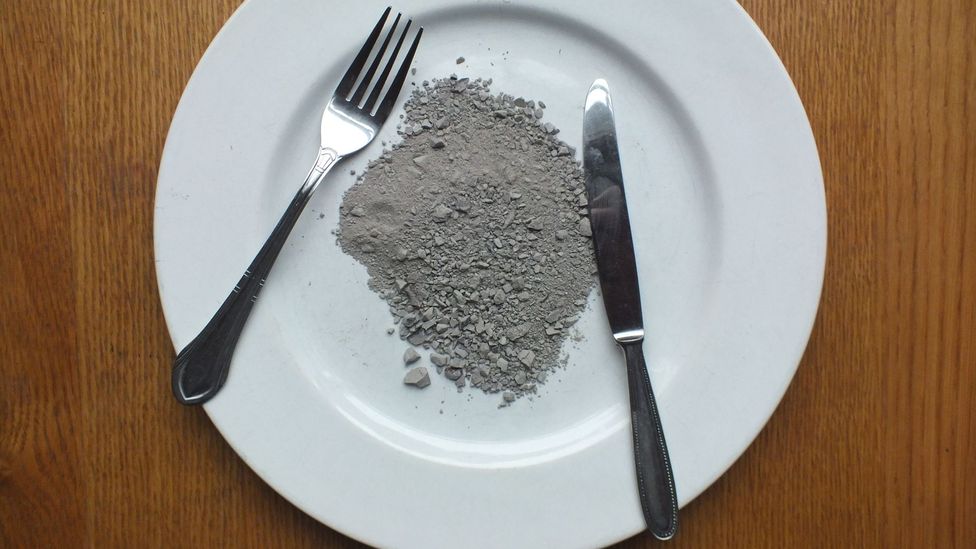
Seeking Professional Help and Treatment Options
When to Consult a Healthcare Professional
If soil cravings persist or significantly impact daily life, it is essential to seek professional help. Healthcare professionals can conduct thorough assessments, diagnose underlying conditions, and develop personalized treatment plans to address the cravings and any associated health issues.
Diagnostic Procedures for Underlying Conditions
Diagnostic procedures, such as blood tests or imaging scans, may be conducted to identify and address potential underlying conditions that contribute to the craving for soil. These tests can help healthcare professionals gain a comprehensive understanding of the individual’s health and design targeted interventions.
Therapeutic Interventions and Treatment Plans
Treatment plans for individuals with pica disorder and soil cravings may vary based on the specific needs and underlying causes. Therapeutic interventions, such as individual counseling, group therapy, or medication, may be recommended to address the psychological and physiological aspects of the craving for soil.
Prevention and Education
Preventive Measures for Vulnerable Populations
Preventing soil cravings and pica disorder involves raising awareness, education, and targeted interventions for vulnerable populations. Providing access to nutritious foods, prenatal care, and nutritional education in communities at risk can help mitigate the risk factors associated with geophagy.
School and Community Awareness Programs
Educational programs in schools and communities can promote understanding and awareness of soil cravings, pica disorder, and related conditions. By dispelling myths and misconceptions, these programs can facilitate early detection, intervention, and support for individuals who may be experiencing these cravings.
Importance of Early Detection and Intervention
Early detection and intervention are key in addressing soil cravings and pica disorder effectively. By identifying and addressing the cravings in their early stages, individuals can receive the necessary support, treatment, and guidance to overcome this behavior and prevent associated health risks.

Case Studies and Personal Experiences
Real-Life Stories of Overcoming Soil Cravings
Real-life stories from individuals who have successfully overcome soil cravings and pica disorder can serve as a source of inspiration and hope. Hearing about their journeys, coping strategies, and successes can provide insights and encouragement for those currently struggling with geophagy.
Lessons Learned and Coping Strategies
Individuals who have conquered soil cravings often share valuable lessons and coping strategies they have learned along the way. These insights can help others develop effective techniques for managing cravings, addressing underlying causes, and nurturing overall well-being.
Inspiration for Those Struggling with Pica Disorder
For individuals currently struggling with pica disorder and soil cravings, the experiences and triumphs of others can offer inspiration and motivation. Realizing that recovery is possible, and that others have overcome similar challenges, can instill hope and encourage the pursuit of a healthier lifestyle.
Conclusion
Recognizing the significance of addressing cravings for soil is essential for promoting overall well-being. By understanding the causes, potential health risks, and psychological aspects associated with geophagy, individuals can take proactive steps towards managing and overcoming this behavior. Seeking support from healthcare professionals, building a strong support network, and adopting healthy nutritional alternatives are key in curbing the urge to eat soil. With awareness, education, and early intervention, individuals can reclaim control over their cravings and promote their overall health and well-being.
Eat Stop Eat Intermittent Fasting

Are you looking for a healthy and effective way to boost your weight loss? Well, let me introduce you to Eat Stop Eat Intermittent Fasting! Have you ever wondered if there is a diet plan that allows you to eat your favorite foods while still achieving your weight loss goals? Look no further! With Eat Stop Eat Intermittent Fasting, you can enjoy the foods you love and still shed those extra pounds.
When it comes to intermittent fasting, Eat Stop Eat is a popular approach that has garnered a lot of attention. This method involves incorporating periods of fasting into your weekly routine, allowing your body to tap into its fat stores for energy. Not only does this help with weight loss, but it also has various other health benefits, such as improved insulin sensitivity, reduced inflammation, and increased autophagy.
In this article, we will dive deeper into the concept of Eat Stop Eat Intermittent Fasting and explore how it can benefit you. Whether you are new to intermittent fasting or have tried other methods in the past, we will provide you with all the information you need to make an informed decision. So, get ready to learn more about Eat Stop Eat and discover a sustainable way to achieve your weight loss goals while still enjoying the foods you love. Keep reading to find out more!
Eat Stop Eat Intermittent Fasting
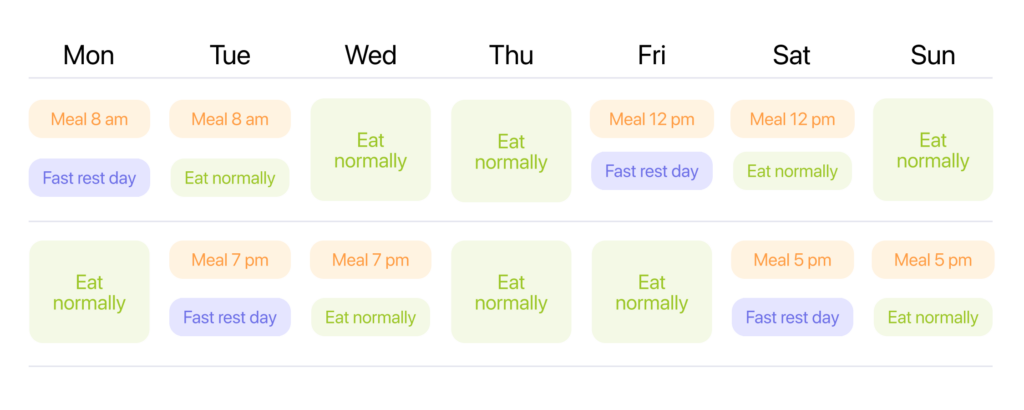
What is Eat Stop Eat Intermittent Fasting?
Understanding the concept of Eat Stop Eat
Eat Stop Eat is a popular form of intermittent fasting that involves alternating between periods of fasting and feasting. It was developed by Brad Pilon, a prominent advocate of intermittent fasting, who believed that this approach could have numerous health benefits. The concept behind Eat Stop Eat is simple – you fast for a certain amount of time, usually 24 hours, and then resume your regular eating habits. This fasting and feasting cycle is repeated as often as desired, based on individual preferences and goals.
Benefits of Eat Stop Eat Intermittent Fasting
Eat Stop Eat offers a range of potential benefits. Firstly, it can aid in weight loss and improve body composition by creating a calorie deficit. Fasting can help reduce overall calorie intake, leading to a greater energy deficit and promoting fat loss. Additionally, intermittent fasting has been shown to enhance insulin sensitivity and blood sugar control, which may have implications for individuals with diabetes or those at risk of developing the condition. Other potential benefits include improved mental clarity, increased energy levels, and a potential boost in growth hormone production.
How does Eat Stop Eat Intermittent Fasting work?
The fasting and feasting cycle
The cornerstone of Eat Stop Eat is the fasting and feasting cycle. During the fasting period, you abstain from consuming any calories for a set period of time. This period typically lasts 24 hours, but it can be adjusted according to your preferences and goals. Once the fasting period is over, you enter the feasting phase, where you resume your regular eating habits. This cycle can be repeated as often as desired, depending on your individual needs and preferences.
Mechanism behind Eat Stop Eat Intermittent Fasting
Eat Stop Eat works by creating an energy deficit, which in turn promotes weight loss. When you abstain from consuming calories for a prolonged period, your body needs to use stored energy to fuel itself. This results in the breakdown of fat stores, leading to fat loss over time. Additionally, fasting has been shown to increase autophagy, a natural process in which damaged cells are cleared out, potentially improving overall cellular health.
Getting Started with Eat Stop Eat Intermittent Fasting
Setting your fasting and feeding windows
To get started with Eat Stop Eat, you need to determine your fasting and feeding windows. The fasting window refers to the period of time when you will abstain from consuming calories, while the feeding window is when you can eat normally. The fasting period is typically 24 hours, but you can adjust it based on your schedule and preferences. Some individuals may find it easier to start with a shorter fasting window and gradually increase it as they become more comfortable with fasting.
Choosing the right foods for feasting
During the feasting phase of Eat Stop Eat, it is important to choose nutrient-dense and balanced meals. Opt for whole foods that are rich in vitamins, minerals, and essential nutrients. Include a variety of fruits, vegetables, lean proteins, whole grains, and healthy fats in your meals. This will ensure that your body receives the necessary nutrients to support its functions and promote overall health.
Tips for Successful Eat Stop Eat Intermittent Fasting
Hydration and staying hydrated
Staying hydrated is crucial when practicing Eat Stop Eat. Water is essential for numerous bodily functions, and it can help suppress hunger during fasting periods. Aim to drink at least 8 glasses of water per day, or more if you are engaging in physical activity or live in a hot climate. Additionally, herbal teas, black coffee, and non-caloric beverages can be consumed during the fasting period to help curb hunger and stay hydrated.
Listening to your body’s hunger cues
Throughout the Eat Stop Eat journey, it is essential to listen to your body’s hunger cues. Fasting should not be a punishment or a means of depriving yourself of food. If you feel excessively hungry during a fasting period, it is important to recognize and honor your body’s signals. It is perfectly acceptable to break the fast earlier than planned if needed. Remember, the goal is to develop a sustainable and healthy relationship with food and fasting, not to push yourself to extremes.

Health Benefits of Eat Stop Eat Intermittent Fasting
Weight loss and improved body composition
One of the main benefits of Eat Stop Eat is its potential to promote weight loss and improve body composition. By creating an energy deficit through intermittent fasting, you can effectively reduce overall calorie intake and promote fat loss. This can lead to improvements in body composition, such as a decrease in body fat percentage and an increase in lean muscle mass, resulting in a more toned and defined physique.
Enhanced insulin sensitivity and blood sugar control
Intermittent fasting, including the Eat Stop Eat approach, has been shown to enhance insulin sensitivity and improve blood sugar control. Insulin is a hormone that helps regulate blood sugar levels, and insulin resistance can lead to the development of conditions like type 2 diabetes. By practicing intermittent fasting, your body becomes more efficient at using insulin, leading to improved blood sugar control and a decreased risk of insulin-related health issues.
Potential Risks and Considerations with Eat Stop Eat Intermittent Fasting
Impact on metabolic rate
One concern with intermittent fasting is its potential impact on metabolic rate. Some individuals worry that fasting for prolonged periods may slow down metabolism and hinder weight loss efforts. However, research suggests that intermittent fasting does not negatively affect metabolic rate when practiced correctly. It is important to maintain a balanced and varied diet during the feasting phase and avoid prolonged fasting without proper nutrition and guidance.
Adapting to the fasting period
Adapting to the fasting period can be challenging, especially for individuals who are used to eating regularly throughout the day. It is normal to experience hunger and cravings during the initial stages of intermittent fasting. However, these sensations typically diminish over time as your body becomes adjusted to the new eating pattern. Gradually increasing the fasting window and ensuring nutrient-dense meals during the feasting period can help ease this transition.

Exercising with Eat Stop Eat Intermittent Fasting
Choosing the right workout timing
When it comes to exercising with Eat Stop Eat, timing is key. It is generally recommended to schedule your workouts during the feasting period, when your body has access to a readily available source of energy. This will ensure that you have enough fuel to power through your workouts and optimize your performance. However, every individual is different, and it is important to listen to your body and adjust your workout schedule accordingly.
Optimal exercises for fasting periods
While it is generally advised to exercise during the feasting window, light to moderate activities can be performed during the fasting phase. Activities like low-intensity cardio, stretching, yoga, or meditation can be beneficial during fasting periods. These activities can help improve blood circulation, reduce stress, and promote overall well-being. However, it is important to avoid intense or strenuous workouts during the fasting period, as your body may be lacking immediate fuel sources.
FAQs about Eat Stop Eat Intermittent Fasting
Can I drink during fasting?
Yes, you can drink non-caloric beverages such as water, herbal teas, black coffee, or unsweetened green tea during the fasting period. These beverages can help keep you hydrated and curb hunger sensations without breaking the fast.
Is this suitable for everyone?
While Eat Stop Eat Intermittent Fasting can offer numerous health benefits, it may not be suitable for everyone. Individuals with pre-existing medical conditions, pregnant or breastfeeding women, and those with a history of disordered eating should consult a healthcare professional before starting any fasting regimen.

Success Stories and Testimonials
Real-life experiences of people following Eat Stop Eat
Many individuals have shared their success stories and testimonials of following the Eat Stop Eat Intermittent Fasting approach. People have reported significant weight loss, improved body composition, increased energy levels, better digestion, and an overall improved relationship with food.
Achievements and transformation photos
Numerous individuals have achieved remarkable transformations through the practice of Eat Stop Eat, and their journeys are often showcased through before and after photos. These achievements serve as inspiration and motivation for those considering adopting this intermittent fasting approach.
Conclusion
Eat Stop Eat Intermittent Fasting offers a flexible and sustainable approach to weight loss and improved health. By incorporating fasting and feasting cycles into your routine, you can create an energy deficit, enhance insulin sensitivity, and achieve your desired body composition. Remember to listen to your body’s hunger cues, stay hydrated, and choose nourishing foods during the feasting phase. With proper considerations and guidance, Eat Stop Eat Intermittent Fasting can be an effective strategy for achieving your health and wellness goals. Give it a try and see what works best for you!
What Can I Do To Stop Eating Soil

Have you ever found yourself uncontrollably munching on soil? It may sound strange, but it’s actually more common than you think. Eating soil, also known as geophagy, is a behavior that can be linked to various underlying causes. But don’t worry, in this article, you’ll learn more about why you may be craving soil and some effective strategies to help you stop this habit.
So, why do some people have the urge to eat soil? Well, there are several reasons for this behavior. For some, it could be a nutritional deficiency, such as low iron or zinc levels, that leads to cravings for substances found in soil. Others may find comfort or relief in eating soil due to stress or anxiety. Whatever the reason may be, it’s important to understand that eating soil is not a healthy habit and can be harmful to your body. But don’t fret! In the upcoming article, we’ll delve into the various ways you can tackle this issue and find healthier alternatives to satisfy your cravings. Stay tuned!
What Can I Do To Stop Eating Soil
Understanding Pica and Soil Consumption
What is Pica?
Pica is a condition characterized by persistent cravings for non-food items. These items can range from ice, clay, chalk, paper, to soil. In the case of soil consumption, it is known as geophagia. While geophagia is not limited to any particular age group, it is commonly observed in children and pregnant women.
Causes of Pica
The causes of pica and geophagia are not fully understood. However, there are several factors that may contribute to the development of this condition. For example, some believe that pica could be related to nutritional deficiencies, such as anemia or iron deficiency. Others suggest that it could be caused by cultural or environmental factors, as well as certain mental health conditions like autism or obsessive-compulsive disorder (OCD).
The Connection between Pica and Soil Consumption
When it comes to geophagia, soil consumption is often associated with the body’s attempt to compensate for certain nutrient deficiencies. In some cases, individuals may crave soil due to its mineral content, particularly iron. However, it is important to note that consuming soil is not a safe or healthy way to address nutritional deficiencies, as it can lead to various health complications.
Recognizing the Signs and Symptoms
Physical Symptoms
There are several physical symptoms that may indicate soil consumption or geophagia. These symptoms can include:
- Persistent dirt-like taste in the mouth
- Frequent cravings for soil or other non-food items
- Unusual bowel movements, such as constipation or diarrhea
- Abdominal pain or discomfort
- Nutritional deficiencies, including anemia or malnutrition
Behavioral Symptoms
Apart from physical symptoms, there are also behavioral signs that may suggest geophagia or pica. These behavioral symptoms can include:
- Secretive or hiding behavior when consuming soil
- Spending excessive time searching for or obtaining soil
- Feeling distressed or anxious when unable to consume soil
- Worsening of symptoms during times of stress or emotional upheaval
- Compromised social interactions or isolation due to the behavior
Effects on Health and Nutrition
Eating soil can have detrimental effects on your health and nutrition. While soil may contain minerals, it also contains harmful substances such as toxins, bacteria, and parasites, which can lead to serious health issues. Ingesting soil can disrupt your digestive system, leading to nutrient imbalances, inflammation, and gastrointestinal problems. Additionally, excessive soil consumption can hinder the absorption of essential nutrients, leading to malnutrition and further worsening of existing nutritional deficiencies.

Seeking Professional Help
Consulting with a Physician
If you are struggling with geophagia or pica, it is crucial to consult with a physician. They will be able to assess your overall health and determine if there are any underlying medical conditions contributing to your cravings for soil. They may also perform blood tests to check for nutritional deficiencies and provide guidance on how to address them.
Seeing a Mental Health Professional
Geophagia and pica are often associated with underlying mental health conditions. Seeking help from a mental health professional, such as a psychologist or psychiatrist, can be beneficial in understanding and treating the root causes of this behavior. They can provide therapy and support to address any emotional triggers or compulsive behaviors associated with soil consumption.
Getting Support from a Nutritionist or Dietician
A nutritionist or dietician can play a crucial role in helping you develop a balanced and nutrient-rich eating plan. They can assess your current diet, identify any deficiencies, and provide practical advice on how to improve your nutritional status. Working closely with a nutritionist or dietician can help ensure that you are meeting your dietary needs and reduce the cravings for non-food items like soil.
Identifying Triggers and Underlying Factors
Environmental Triggers
Environmental factors can contribute to geophagia. For instance, being exposed to soil or witnessing others consuming soil can trigger cravings. Identifying and minimizing exposure to soil or non-food items can help reduce the urge to consume them. This may involve making changes in your living environment, such as keeping soil out of your reach or avoiding places where soil consumption is prevalent.
Emotional Triggers
Emotional factors, such as stress, anxiety, or boredom, can also trigger cravings for non-food items like soil. Developing healthier coping mechanisms, such as engaging in stress-reducing activities, practicing relaxation techniques, or finding alternative outlets for emotional expression, can help manage these triggers and reduce the desire to consume soil.
Nutritional Deficiencies and Imbalances
Addressing nutritional deficiencies is crucial in reducing the cravings for soil. A thorough evaluation by a healthcare professional can help identify any deficiencies that may be contributing to geophagia. Incorporating a variety of nutrient-dense foods into your diet can ensure you are getting the proper nutrients and minimize the urge to consume soil.
Developing Strategies to Stop Eating Soil
Creating a Structured Eating Plan
Developing a structured eating plan can help regulate your meals and reduce the likelihood of succumbing to cravings for soil. Eating regular, balanced meals that meet your nutritional needs can help stabilize blood sugar levels and reduce the urge to consume non-food items. Including protein, healthy fats, fiber, and a variety of fruits and vegetables can keep you feeling satisfied and reduce cravings.
Replacing Soil Consumption with Safer Alternatives
Finding safer alternatives to satisfy your cravings can be an effective strategy in stopping soil consumption. For example, chewing on gum, eating crunchy fruits and vegetables, or enjoying foods with different textures can provide sensory satisfaction without the risks associated with soil consumption. Experiment with various foods and textures to find alternatives that satisfy the urge to chew or consume non-food items.
Using Behavior Modification Techniques
Behavior modification techniques can be useful in breaking the habit of soil consumption. Strategies such as cognitive behavioral therapy (CBT) can help identify and challenge the thoughts and behaviors associated with geophagia. CBT can assist in developing new coping mechanisms and healthier behaviors to replace the urge to eat soil.
Building a Support System
Enlisting the Support of Family and Friends
Building a support system composed of family and friends who understand your struggle can provide invaluable help on your journey to stop eating soil. Sharing your goals and progress with loved ones can offer encouragement, accountability, and the understanding needed during challenging times.
Joining Support Groups
Joining support groups specifically tailored to geophagia or pica can connect you with individuals who share similar experiences and challenges. These groups can provide a safe space for sharing, learning coping strategies, and gaining support from others who have successfully overcome soil consumption. Support groups can be found both online and in-person.
Finding Online Communities
Online communities, forums, and social media groups can be excellent sources of comfort and support for individuals dealing with geophagia or pica. Connecting with others who have similar struggles can offer validation, advice, and a sense of belonging. Engaging in online communities can provide a continuous stream of support, even during times when face-to-face interactions may be limited.
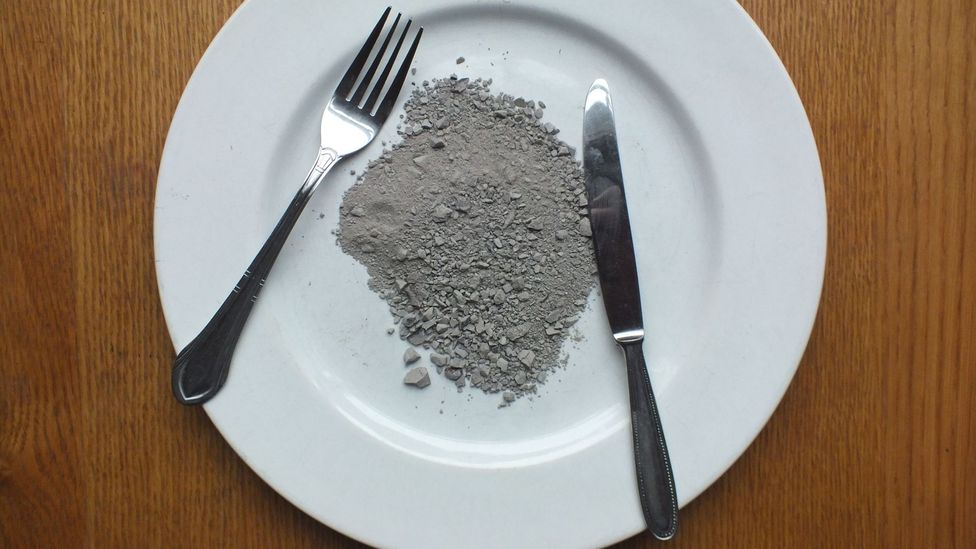
Improving Nutritional Status
Balancing Diet and Ensuring Adequate Nutrition
Improving your nutritional status is key in reducing cravings for soil. Eating a balanced diet that includes a variety of whole foods can help ensure you are getting the necessary nutrients. Focus on incorporating nutrient-dense foods like lean proteins, whole grains, fruits, vegetables, and healthy fats into your meals. Avoid skipping meals, as this can trigger cravings for non-food items.
Supplementing with Essential Nutrients
In some cases, a healthcare professional may recommend specific supplements to address nutritional deficiencies. For example, if you have anemia or iron deficiency, an iron supplement may be prescribed. However, it is important to consult a professional before taking any supplements, as they can interact with other medications or have adverse effects if not used properly.
Working with a Nutritionist for Individualized Guidance
A nutritionist can provide individualized guidance to address your specific nutritional needs. They can evaluate your eating habits, identify deficiencies, and develop a tailored plan to meet your goals. Working closely with a nutritionist can ensure that you are making informed choices and optimizing your diet to reduce cravings for soil.
Addressing Underlying Mental Health Issues
Treating Anxiety or Depression
If anxiety or depression is contributing to your geophagia or pica, it is essential to seek appropriate treatment. Consult with a mental health professional who can assess your symptoms and develop an individualized treatment plan. Therapy, medication, or a combination of both may be recommended to address any underlying mental health conditions.
Exploring Cognitive Behavioral Therapy
Cognitive Behavioral Therapy (CBT) is a widely used therapeutic approach that can help individuals overcome pica or geophagia. CBT focuses on identifying and modifying negative thoughts and behaviors associated with soil consumption. Through this therapy, individuals learn healthier coping mechanisms and strategies to manage triggers effectively.
Seeking Psychological Support
In some cases, individuals may benefit from additional psychological support to address the underlying causes of geophagia or pica. Working with a psychologist or counselor can help you explore any unresolved emotional issues or traumas that may be contributing to your cravings for soil. By addressing these underlying concerns, you can further empower yourself to overcome this behavior.

Preventing Relapse and Maintaining Progress
Identifying and Managing Triggers
To prevent relapse and maintain progress, it is crucial to identify and manage triggers effectively. Keep a journal to track situations, emotions, or events that precede the desire to eat soil. By identifying your triggers, you can develop personalized strategies to manage them, such as engaging in alternative activities, reaching out for support, or practicing relaxation techniques.
Developing Coping Mechanisms
Developing healthy coping mechanisms is essential in preventing relapse. Engage in activities that you enjoy and help relieve stress or anxiety, such as exercise, meditation, or hobbies. Find healthier ways to express emotions and handle challenging situations. By cultivating a repertoire of effective coping mechanisms, you can reduce the reliance on soil consumption as a coping strategy.
Continuing Regular Check-ups and Support
Regular check-ups with your healthcare professionals are vital in monitoring your progress and maintaining optimal health. Continue seeing your physician, mental health professional, and nutritionist, as they can provide ongoing support, guidance, and adjustments to your treatment plan if needed. By staying connected to your support system, you can ensure long-term success in overcoming geophagia or pica.
Conclusion
Overcoming the urge to eat soil requires a multi-faceted approach that addresses nutritional, behavioral, and emotional aspects. Seeking professional help, creating a structured eating plan, identifying triggers, building a support system, and addressing underlying mental health issues are crucial steps in stopping the consumption of soil. By focusing on improving nutritional status, developing healthier coping mechanisms, and maintaining regular check-ups and support, you can break free from the cycle of soil consumption and improve your overall well-being. Remember, you are not alone, and with the right support, perseverance, and determination, you can overcome geophagia and live a healthier, soil-free life.
Stop Eating To Lose Weight

Are you tired of trying countless diets and still not seeing the results you want? Have you ever wondered if there’s a better way to lose weight without feeling deprived? Well, you’re in luck! In this article, we’re going to discuss the concept of stopping eating to lose weight. Yes, you heard that right – stop eating! But before you dismiss this idea as crazy, let’s delve deeper into the topic and explore the benefits and strategies behind this approach.
When it comes to weight loss, it’s common to hear about different diets that restrict certain foods or limit your caloric intake. While these methods can be effective to some extent, they often leave us feeling hungry and unsatisfied. However, the idea of stopping eating to lose weight is not about starving yourself or depriving your body of essential nutrients. Instead, it’s about practicing intermittent fasting, a pattern of eating that involves cycling between periods of eating and fasting. By giving your body a break from constant digestion, you can tap into its natural fat-burning abilities and achieve sustainable weight loss. In the upcoming article, we will explore different types of fasting, its benefits, and how to integrate it into a healthy eating routine for optimal results. So, if you’re curious to learn more about this alternative approach to weight loss, keep reading!
The Concept of Fasting
Fasting has been practiced for centuries as a way to cleanse the body, achieve mental clarity, and even promote weight loss. In recent years, it has gained popularity as a powerful tool for achieving and maintaining a healthy weight. The idea of deliberately stopping eating may seem counterintuitive when it comes to losing weight, but research suggests that fasting can have numerous benefits and can be an effective strategy for shedding those extra pounds.
Understanding the Benefits of Fasting
Fasting has been found to have a wide range of benefits for both our physical and mental health. One of the key advantages of fasting is that it allows the body to initiate its natural detoxification processes. When we stop eating, our digestive system gets a much-needed break, allowing it to reset and function optimally. This can lead to improved digestion, enhanced nutrient absorption, and a greater sense of overall well-being.
Another major benefit of fasting is its ability to promote autophagy – a process where the body breaks down and recycles old and damaged cells. This cellular repair mechanism plays a crucial role in preventing chronic diseases and promoting healthy aging. Fasting has also been shown to improve insulin sensitivity, which is particularly beneficial for individuals with insulin resistance or type 2 diabetes.
Different Types of Fasting Approaches
There are several different approaches to fasting, each with its own unique benefits and challenges. One of the most popular methods is intermittent fasting, which involves cycling between periods of eating and fasting. This flexible approach allows individuals to choose a fasting window that best suits their lifestyle and preferences.
The 16/8 method, also known as time-restricted eating, is a commonly practiced form of intermittent fasting. In this approach, you restrict your eating to an 8-hour window each day and fast for the remaining 16 hours. This can be achieved by skipping breakfast and consuming all meals within a designated time frame, such as 12 pm to 8 pm. This method not only promotes weight loss but also simplifies meal planning and reduces overall calorie intake.
Another intermittent fasting method is alternate-day fasting, where you fast every other day or consume significantly fewer calories on fasting days. This approach can be more challenging to adhere to, especially for beginners, but has been shown to be effective for weight loss.
The 5:2 diet is another popular intermittent fasting method. With this approach, you eat normally for five days of the week and restrict your calorie intake to 500-600 calories per day for the remaining two days. The restricted calorie intake on the fasting days helps create a caloric deficit, leading to weight loss.
Exploring Intermittent Fasting
Intermittent fasting is particularly effective for weight loss due to its ability to initiate a caloric deficit. When you consistently consume fewer calories than your body needs, it will start burning stored fat for energy, leading to weight loss.
Intermittent fasting has been found to have several other weight loss-related benefits as well. It has been shown to increase levels of human growth hormone (HGH), a hormone that aids in fat burning and muscle growth. Additionally, intermittent fasting has been shown to improve metabolic health markers such as insulin sensitivity, cholesterol levels, and blood pressure.
Many people find intermittent fasting to be an easier approach to weight loss compared to traditional calorie-restricted diets. Instead of constantly worrying about what and how much to eat, you can focus on nourishing your body with healthy, whole foods during your eating windows. Intermittent fasting also gives you the flexibility to indulge in occasional treats, as long as you maintain a calorie deficit overall.
The Science behind Weight Loss
To understand why fasting can lead to weight loss, it is essential to grasp the concepts of metabolism, caloric deficit, and how the body burns fat.
Metabolism and Caloric Deficit
Metabolism refers to the chemical processes that occur within your body to convert food into energy. Your metabolic rate determines how many calories your body burns at rest. To lose weight, it is necessary to create a caloric deficit by consuming fewer calories than your body requires.
When you fast, you naturally restrict your calorie intake, facilitating a caloric deficit. This deficit prompts your body to tap into its fat stores to obtain the energy it needs. Over time, this results in weight loss.
How the Body Burns Fat
When your body requires energy, it initially relies on carbohydrates for quick energy supply. However, during fasting, when carbohydrate stores become depleted, the body transitions into burning fat for energy. This metabolic switch triggers the breakdown of fatty acids, which are converted into ketone bodies that can be used as a fuel source.
This process, known as ketosis, is particularly beneficial for weight loss as it helps to burn stubborn fat deposits. It also helps to stabilize blood sugar levels, reduce insulin resistance, and increase satiety, making it easier to control food intake.
Understanding the Role of Insulin
Insulin is a hormone that plays a crucial role in regulating blood sugar levels. When you consume carbohydrates or high-glycemic foods, your body releases insulin to help carry the glucose into your cells for energy. However, when insulin levels are consistently elevated due to excessive calorie intake or a high-carbohydrate diet, it can lead to insulin resistance and weight gain.
Fasting has been shown to improve insulin sensitivity, allowing your body to utilize insulin more effectively. With improved insulin sensitivity, your body can better regulate blood sugar levels, prevent excessive fat storage, and promote fat burning.
Benefits of Stopping Eating
The idea of stopping eating to lose weight may seem radical, but it can have several remarkable benefits for your overall health and well-being.
Resetting the Digestive System
By taking a break from eating, you allow your digestive system to rest and reset. The constant intake of food can often put a strain on your digestive organs, leading to issues such as bloating, indigestion, and sluggish bowel movements. Fasting gives your body a chance to heal and rejuvenate, promoting improved digestion and gut health.
Promoting Autophagy and Cellular Repair
Fasting triggers autophagy, a process where your body cleans up and recycles damaged cells. This cellular repair mechanism is vital for maintaining a healthy body and preventing the development of chronic diseases. During fasting, your body ramps up autophagy, helping to remove toxins, repair damaged cells, and improve overall cellular function.
Improving Insulin Sensitivity
Insulin sensitivity refers to how effectively your body can utilize insulin to regulate blood sugar levels. Chronically elevated insulin levels can lead to insulin resistance, which is a precursor to type 2 diabetes and weight gain. Fasting has been shown to improve insulin sensitivity, allowing your body to better regulate blood sugar and prevent excessive fat storage.
Meal Frequency and Weight Loss
Traditional approaches to weight loss often emphasize the concept of eating several smaller meals throughout the day to keep your metabolism revved up. However, recent research challenges this notion and suggests that meal frequency may not play a significant role in weight loss.
Challenging Traditional Approaches
Contrary to popular belief, multiple studies have shown that meal frequency does not have a significant impact on metabolic rate or weight loss. Whether you consume three meals a day or several smaller meals, as long as you maintain a caloric deficit, you can still achieve weight loss.
Debunking Common Myths
The belief that eating frequently helps to stabilize blood sugar levels and prevent overeating has been widely spread. However, research indicates that there is no substantial evidence to support these claims. In fact, studies have shown that individuals who practice intermittent fasting often experience improved blood sugar regulation and reduced cravings.
Optimizing Nutrient Intake
While meal frequency may not be a major factor in weight loss, focusing on the quality and nutrient density of the food you consume is crucial. When practicing fasting, it is essential to ensure that you are still getting all the necessary nutrients your body needs. Concentrate on incorporating whole, unprocessed foods such as fruits, vegetables, lean proteins, and healthy fats into your eating windows.

Healthy Alternatives to Eating
When you’re not indulging in regular meals, it is important to find healthy alternatives to sustain your body and nourish your mind.
Hydrating and Detoxifying the Body
During fasting, it is crucial to stay hydrated and support your body’s detoxification processes. Drinking plenty of water throughout the day helps to flush out toxins, maintain proper organ function, and keep you feeling refreshed. Additionally, incorporating herbal teas or infusions can provide additional hydration and support overall well-being.
Incorporating Fresh Juices and Smoothies
Fresh juices and smoothies can be a great way to obtain vital nutrients during fasting periods. By incorporating a variety of fruits and vegetables into your juices and smoothies, you can ensure your body receives essential vitamins, minerals, and antioxidants. However, be mindful of the calorie content and opt for low-sugar options to maintain a caloric deficit.
Using Herbal Teas
Herbal teas offer a flavorful and satisfying option during fasting periods. Not only do they provide hydration, but certain herbal teas, such as green tea or dandelion tea, also have metabolism-boosting properties. These teas can help support weight loss efforts and provide an added boost of antioxidants.
Handling Hunger and Cravings
When you stop eating, it’s natural to experience hunger and cravings, especially during the initial stages. However, understanding hunger cues, addressing emotional eating, and adopting strategies to overcome cravings can make fasting more manageable.
Understanding True Hunger
Sometimes, what we perceive as hunger may actually be thirst or emotional triggers. By tuning in to your body’s signals, you can differentiate between true hunger and other cravings. If you feel genuinely hungry, try drinking a glass of water or herbal tea to determine if your body was actually craving hydration.
Addressing Emotional Eating
Emotional eating is a common response to stress, boredom, or emotional triggers. During fasting, it becomes important to address these emotions and find alternative ways to cope without turning to food. Engaging in activities such as exercise, meditation, or spending time with loved ones can help distract from emotional eating triggers and promote a healthier relationship with food.
Strategies to Overcome Cravings
Cravings can be a significant challenge during fasting, especially when you’re accustomed to a certain eating pattern. To overcome cravings, it can be helpful to distract yourself with engaging activities or opt for healthier alternatives that mimic the flavors you’re craving. For example, if you’re craving something sweet, you can try enjoying a piece of fruit or a small serving of dark chocolate.

Intermittent Fasting Approaches
Intermittent fasting offers several different approaches, allowing you to choose a method that aligns with your lifestyle and preferences.
16/8 Method: Time-Restricted Eating
The 16/8 method is one of the most commonly practiced forms of intermittent fasting. With this approach, you restrict your eating to an 8-hour window each day and fast for the remaining 16 hours. This can be achieved by skipping breakfast and consuming all meals within a designated time frame, such as 12 pm to 8 pm. This method not only promotes weight loss but also simplifies meal planning and reduces overall calorie intake.
Alternate-Day Fasting
Alternate-day fasting involves alternating between a day of unrestricted eating and a day of fasting or significantly reduced calorie intake. This approach can be challenging to adhere to, especially for beginners. However, it has been shown to be effective for weight loss and offers the flexibility to eat normally on non-fasting days.
The 5:2 Diet
The 5:2 diet involves eating normally for five days of the week and restricting calorie intake to 500-600 calories for the remaining two days. This approach provides an effective calorie deficit while allowing for flexibility and enjoyment of a wide range of foods. The 5:2 diet has gained popularity due to its simplicity and proven weight loss results.
Combining Fasting with Exercise
When it comes to weight loss, combining fasting with regular exercise can further enhance fat burning and overall fitness.
Enhancing Fat Burning with Physical Activity
Exercise helps to boost your metabolism, increase calorie expenditure, and promote fat burning. When combined with fasting, it can further enhance the utilization of stored fat for energy. Engaging in activities such as cardio workouts, strength training, and high-intensity interval training (HIIT) during fasting can expedite weight loss and improve overall physical fitness.
Finding the Right Exercise Routine
Finding an exercise routine that you enjoy and can sustain is important for long-term success. Whether it’s walking, running, dancing, or participating in fitness classes, incorporating regular physical activity into your fasting routine can help maintain muscle mass, increase energy expenditure, and support weight loss efforts.
Pre- and Post-Workout Nutrition
When exercising during fasting periods, it’s important to consider your pre- and post-workout nutrition to support energy levels, muscle recovery, and overall performance. Consuming a small, balanced meal or snack containing protein and carbohydrates before and after workouts can provide the necessary fuel and help optimize your exercise sessions.

Monitoring and Tracking Progress
Monitoring and tracking your progress can provide valuable insights and motivation throughout your weight loss journey.
Measuring Weight Loss Success
Weighing yourself regularly can help you track your progress and determine the effectiveness of your fasting and lifestyle changes. However, it is important to remember that weight fluctuations are natural and can be influenced by various factors, including hydration levels and muscle gain. Therefore, it’s equally important to assess other indicators of progress alongside changes in body weight.
Tracking Body Measurements
In addition to monitoring weight, taking body measurements such as waist circumference, hip circumference, and body fat percentage can provide a more comprehensive view of your progress. These measurements can help you assess changes in body composition and visualize your transformation, even if the scale doesn’t reflect significant weight loss.
Other Indicators of Progress
While weight and body measurements are helpful tools, it’s important to pay attention to other indicators of progress as well. These may include increased energy levels, improved sleep quality, enhanced mental clarity, and reduced cravings or emotional eating. Celebrating these non-scale victories can help maintain motivation and encourage a positive mindset throughout your weight loss journey.
Summary and Conclusion
In conclusion, fasting can be a powerful and effective tool for weight loss when done properly and with the guidance of a healthcare professional. By embracing intermittent fasting and understanding the science behind weight loss, you can achieve sustainable and long-term results. Through resetting the digestive system, promoting cellular repair, and improving insulin sensitivity, fasting offers numerous benefits beyond just shedding pounds. By adopting healthy alternatives to eating, handling hunger and cravings, and finding the intermittent fasting approach that suits you best, you can optimize your weight loss journey. Combining fasting with exercise, monitoring and tracking progress, and embracing a healthy relationship with food are additional strategies for maintaining long-term weight loss success. So, why not stop eating to lose weight? Give fasting a try and take the first steps towards a healthier, happier you.

