What Can I Do To Stop Eating Soil
Have you ever found yourself uncontrollably munching on soil? It may sound strange, but it’s actually more common than you think. Eating soil, also known as geophagy, is a behavior that can be linked to various underlying causes. But don’t worry, in this article, you’ll learn more about why you may be craving soil and some effective strategies to help you stop this habit.
So, why do some people have the urge to eat soil? Well, there are several reasons for this behavior. For some, it could be a nutritional deficiency, such as low iron or zinc levels, that leads to cravings for substances found in soil. Others may find comfort or relief in eating soil due to stress or anxiety. Whatever the reason may be, it’s important to understand that eating soil is not a healthy habit and can be harmful to your body. But don’t fret! In the upcoming article, we’ll delve into the various ways you can tackle this issue and find healthier alternatives to satisfy your cravings. Stay tuned!
What Can I Do To Stop Eating Soil
Understanding Pica and Soil Consumption
What is Pica?
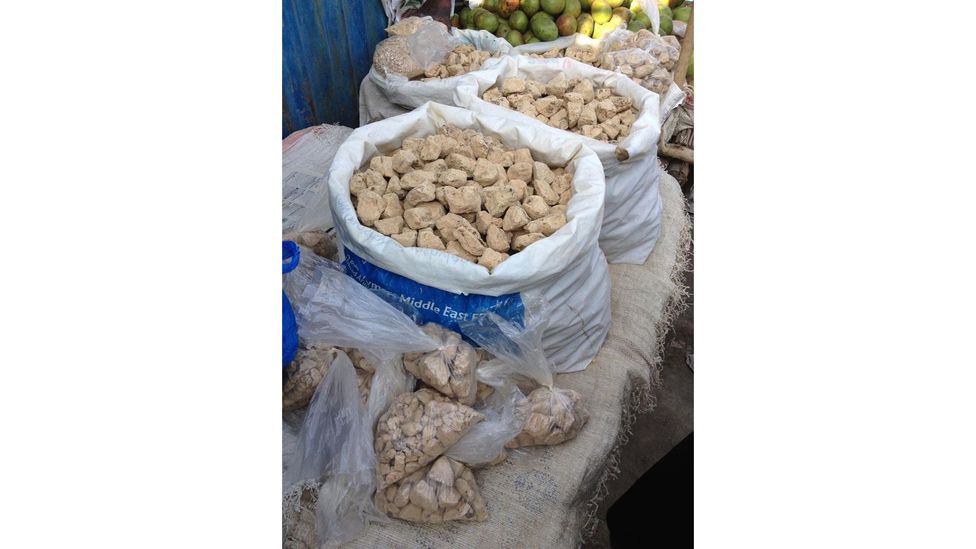
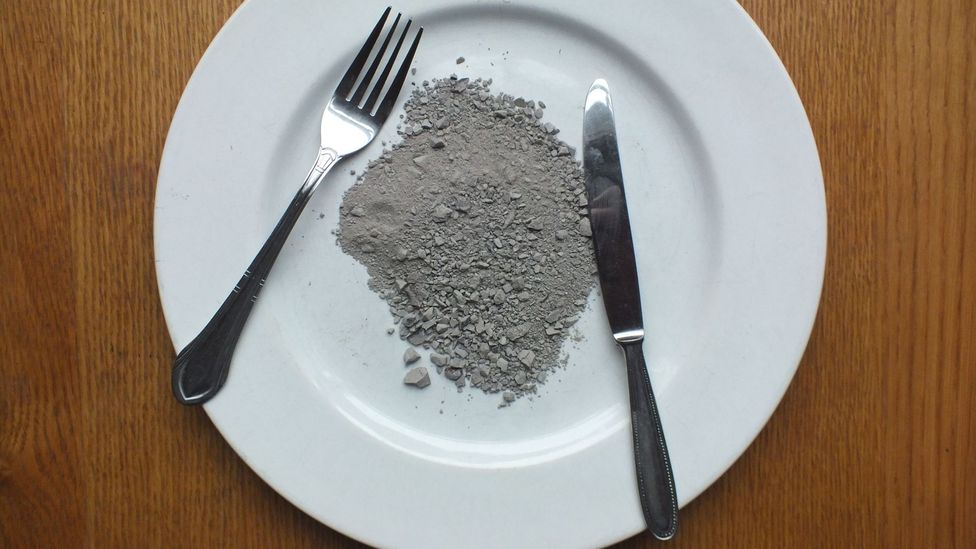
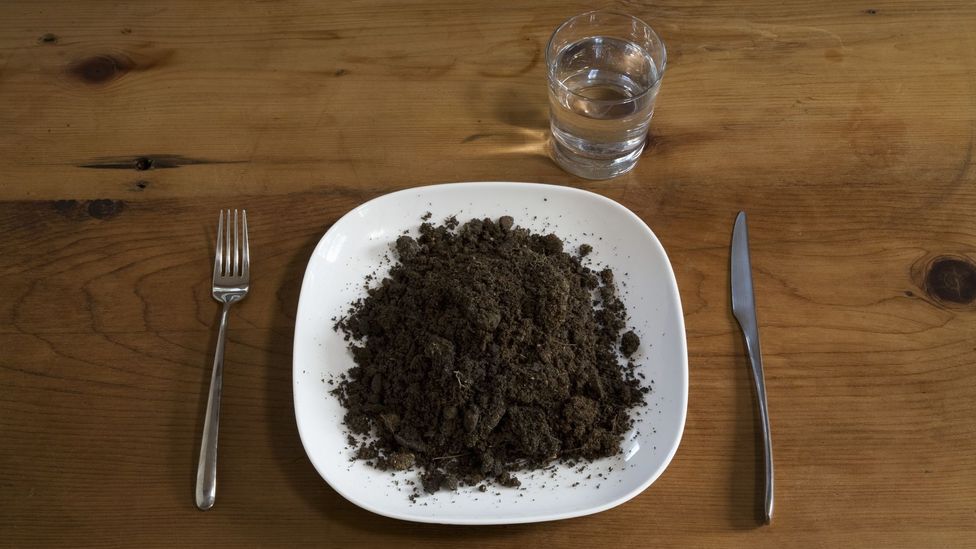
Pica is a condition characterized by persistent cravings for non-food items. These items can range from ice, clay, chalk, paper, to soil. In the case of soil consumption, it is known as geophagia. While geophagia is not limited to any particular age group, it is commonly observed in children and pregnant women.
Causes of Pica
The causes of pica and geophagia are not fully understood. However, there are several factors that may contribute to the development of this condition. For example, some believe that pica could be related to nutritional deficiencies, such as anemia or iron deficiency. Others suggest that it could be caused by cultural or environmental factors, as well as certain mental health conditions like autism or obsessive-compulsive disorder (OCD).
The Connection between Pica and Soil Consumption
When it comes to geophagia, soil consumption is often associated with the body’s attempt to compensate for certain nutrient deficiencies. In some cases, individuals may crave soil due to its mineral content, particularly iron. However, it is important to note that consuming soil is not a safe or healthy way to address nutritional deficiencies, as it can lead to various health complications.
Recognizing the Signs and Symptoms
Physical Symptoms
There are several physical symptoms that may indicate soil consumption or geophagia. These symptoms can include:
- Persistent dirt-like taste in the mouth
- Frequent cravings for soil or other non-food items
- Unusual bowel movements, such as constipation or diarrhea
- Abdominal pain or discomfort
- Nutritional deficiencies, including anemia or malnutrition
Behavioral Symptoms
Apart from physical symptoms, there are also behavioral signs that may suggest geophagia or pica. These behavioral symptoms can include:
- Secretive or hiding behavior when consuming soil
- Spending excessive time searching for or obtaining soil
- Feeling distressed or anxious when unable to consume soil
- Worsening of symptoms during times of stress or emotional upheaval
- Compromised social interactions or isolation due to the behavior
Effects on Health and Nutrition
Eating soil can have detrimental effects on your health and nutrition. While soil may contain minerals, it also contains harmful substances such as toxins, bacteria, and parasites, which can lead to serious health issues. Ingesting soil can disrupt your digestive system, leading to nutrient imbalances, inflammation, and gastrointestinal problems. Additionally, excessive soil consumption can hinder the absorption of essential nutrients, leading to malnutrition and further worsening of existing nutritional deficiencies.
Seeking Professional Help
Consulting with a Physician
If you are struggling with geophagia or pica, it is crucial to consult with a physician. They will be able to assess your overall health and determine if there are any underlying medical conditions contributing to your cravings for soil. They may also perform blood tests to check for nutritional deficiencies and provide guidance on how to address them.
Seeing a Mental Health Professional
Geophagia and pica are often associated with underlying mental health conditions. Seeking help from a mental health professional, such as a psychologist or psychiatrist, can be beneficial in understanding and treating the root causes of this behavior. They can provide therapy and support to address any emotional triggers or compulsive behaviors associated with soil consumption.
Getting Support from a Nutritionist or Dietician
A nutritionist or dietician can play a crucial role in helping you develop a balanced and nutrient-rich eating plan. They can assess your current diet, identify any deficiencies, and provide practical advice on how to improve your nutritional status. Working closely with a nutritionist or dietician can help ensure that you are meeting your dietary needs and reduce the cravings for non-food items like soil.
Identifying Triggers and Underlying Factors
Environmental Triggers
Environmental factors can contribute to geophagia. For instance, being exposed to soil or witnessing others consuming soil can trigger cravings. Identifying and minimizing exposure to soil or non-food items can help reduce the urge to consume them. This may involve making changes in your living environment, such as keeping soil out of your reach or avoiding places where soil consumption is prevalent.
Emotional Triggers
Emotional factors, such as stress, anxiety, or boredom, can also trigger cravings for non-food items like soil. Developing healthier coping mechanisms, such as engaging in stress-reducing activities, practicing relaxation techniques, or finding alternative outlets for emotional expression, can help manage these triggers and reduce the desire to consume soil.
Nutritional Deficiencies and Imbalances
Addressing nutritional deficiencies is crucial in reducing the cravings for soil. A thorough evaluation by a healthcare professional can help identify any deficiencies that may be contributing to geophagia. Incorporating a variety of nutrient-dense foods into your diet can ensure you are getting the proper nutrients and minimize the urge to consume soil.
Developing Strategies to Stop Eating Soil
Creating a Structured Eating Plan
Developing a structured eating plan can help regulate your meals and reduce the likelihood of succumbing to cravings for soil. Eating regular, balanced meals that meet your nutritional needs can help stabilize blood sugar levels and reduce the urge to consume non-food items. Including protein, healthy fats, fiber, and a variety of fruits and vegetables can keep you feeling satisfied and reduce cravings.
Replacing Soil Consumption with Safer Alternatives
Finding safer alternatives to satisfy your cravings can be an effective strategy in stopping soil consumption. For example, chewing on gum, eating crunchy fruits and vegetables, or enjoying foods with different textures can provide sensory satisfaction without the risks associated with soil consumption. Experiment with various foods and textures to find alternatives that satisfy the urge to chew or consume non-food items.
Using Behavior Modification Techniques
Behavior modification techniques can be useful in breaking the habit of soil consumption. Strategies such as cognitive behavioral therapy (CBT) can help identify and challenge the thoughts and behaviors associated with geophagia. CBT can assist in developing new coping mechanisms and healthier behaviors to replace the urge to eat soil.
Building a Support System
Enlisting the Support of Family and Friends
Building a support system composed of family and friends who understand your struggle can provide invaluable help on your journey to stop eating soil. Sharing your goals and progress with loved ones can offer encouragement, accountability, and the understanding needed during challenging times.
Joining Support Groups
Joining support groups specifically tailored to geophagia or pica can connect you with individuals who share similar experiences and challenges. These groups can provide a safe space for sharing, learning coping strategies, and gaining support from others who have successfully overcome soil consumption. Support groups can be found both online and in-person.
Finding Online Communities
Online communities, forums, and social media groups can be excellent sources of comfort and support for individuals dealing with geophagia or pica. Connecting with others who have similar struggles can offer validation, advice, and a sense of belonging. Engaging in online communities can provide a continuous stream of support, even during times when face-to-face interactions may be limited.
Improving Nutritional Status
Balancing Diet and Ensuring Adequate Nutrition
Improving your nutritional status is key in reducing cravings for soil. Eating a balanced diet that includes a variety of whole foods can help ensure you are getting the necessary nutrients. Focus on incorporating nutrient-dense foods like lean proteins, whole grains, fruits, vegetables, and healthy fats into your meals. Avoid skipping meals, as this can trigger cravings for non-food items.
Supplementing with Essential Nutrients
In some cases, a healthcare professional may recommend specific supplements to address nutritional deficiencies. For example, if you have anemia or iron deficiency, an iron supplement may be prescribed. However, it is important to consult a professional before taking any supplements, as they can interact with other medications or have adverse effects if not used properly.
Working with a Nutritionist for Individualized Guidance
A nutritionist can provide individualized guidance to address your specific nutritional needs. They can evaluate your eating habits, identify deficiencies, and develop a tailored plan to meet your goals. Working closely with a nutritionist can ensure that you are making informed choices and optimizing your diet to reduce cravings for soil.
Addressing Underlying Mental Health Issues
Treating Anxiety or Depression
If anxiety or depression is contributing to your geophagia or pica, it is essential to seek appropriate treatment. Consult with a mental health professional who can assess your symptoms and develop an individualized treatment plan. Therapy, medication, or a combination of both may be recommended to address any underlying mental health conditions.
Exploring Cognitive Behavioral Therapy
Cognitive Behavioral Therapy (CBT) is a widely used therapeutic approach that can help individuals overcome pica or geophagia. CBT focuses on identifying and modifying negative thoughts and behaviors associated with soil consumption. Through this therapy, individuals learn healthier coping mechanisms and strategies to manage triggers effectively.
Seeking Psychological Support
In some cases, individuals may benefit from additional psychological support to address the underlying causes of geophagia or pica. Working with a psychologist or counselor can help you explore any unresolved emotional issues or traumas that may be contributing to your cravings for soil. By addressing these underlying concerns, you can further empower yourself to overcome this behavior.
Preventing Relapse and Maintaining Progress
Identifying and Managing Triggers
To prevent relapse and maintain progress, it is crucial to identify and manage triggers effectively. Keep a journal to track situations, emotions, or events that precede the desire to eat soil. By identifying your triggers, you can develop personalized strategies to manage them, such as engaging in alternative activities, reaching out for support, or practicing relaxation techniques.
Developing Coping Mechanisms
Developing healthy coping mechanisms is essential in preventing relapse. Engage in activities that you enjoy and help relieve stress or anxiety, such as exercise, meditation, or hobbies. Find healthier ways to express emotions and handle challenging situations. By cultivating a repertoire of effective coping mechanisms, you can reduce the reliance on soil consumption as a coping strategy.
Continuing Regular Check-ups and Support
Regular check-ups with your healthcare professionals are vital in monitoring your progress and maintaining optimal health. Continue seeing your physician, mental health professional, and nutritionist, as they can provide ongoing support, guidance, and adjustments to your treatment plan if needed. By staying connected to your support system, you can ensure long-term success in overcoming geophagia or pica.
Conclusion
Overcoming the urge to eat soil requires a multi-faceted approach that addresses nutritional, behavioral, and emotional aspects. Seeking professional help, creating a structured eating plan, identifying triggers, building a support system, and addressing underlying mental health issues are crucial steps in stopping the consumption of soil. By focusing on improving nutritional status, developing healthier coping mechanisms, and maintaining regular check-ups and support, you can break free from the cycle of soil consumption and improve your overall well-being. Remember, you are not alone, and with the right support, perseverance, and determination, you can overcome geophagia and live a healthier, soil-free life.

