Binge Eating At Night

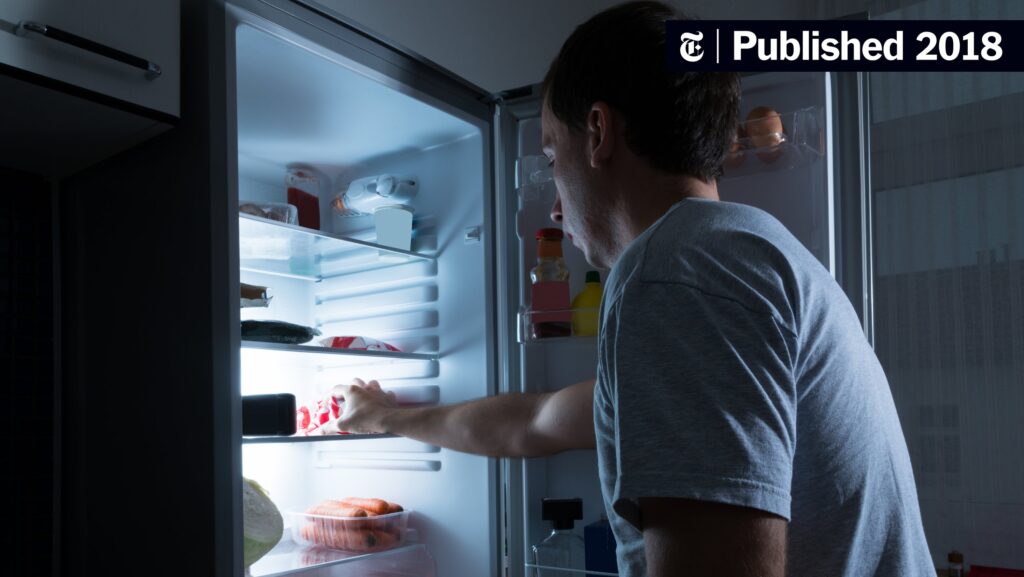
Have you ever found yourself standing in front of the fridge late at night, unable to resist the urge to snack on all those tempting treats? We’ve all been there, and it’s no secret that nighttime binge eating can be a real struggle. But don’t worry, in this article, we’re going to dive deep into this topic and explore why we tend to indulge in late-night eating and how we can overcome this habit.
Late-night munching is a common phenomenon that many of us experience, and it’s often fueled by various factors like stress, boredom, or even emotional eating. We’ll uncover the underlying reasons behind this behavior and provide you with practical tips and strategies to help curb those late-night cravings. So if you’re looking to gain a better understanding of binge eating at night and want to explore healthier alternatives, you’ve come to the right place. Get ready to learn more about this topic and empower yourself with the knowledge to make positive changes in your eating habits.
Binge Eating At Night
When it comes to establishing healthy eating habits, understanding binge eating at night plays a crucial role. Binge eating, characterized by consuming large amounts of food in a short period while feeling a lack of control, can have detrimental effects on both physical and psychological well-being. Identifying binge eating patterns at night and exploring the factors contributing to this behavior can help individuals develop strategies to overcome it and lead a balanced lifestyle.
Defining Binge Eating
Before delving into the specifics of binge eating at night, it is necessary to understand what binge eating entails. Binge eating is a form of disordered eating in which individuals consume excessive amounts of food in a brief period. Unlike other eating disorders such as anorexia nervosa or bulimia nervosa, binge eating does not involve compensatory behaviors such as purging or excessive exercise.
Identifying Binge Eating Patterns at Night
Many individuals experience a heightened desire to consume large quantities of food during the evening hours. Binge eating at night may manifest as recurrent episodes of eating significantly more than what most people would eat in a similar time frame under similar circumstances. The act of binge eating is often accompanied by a sense of guilt, shame, or distress.
Factors Contributing to Binge Eating at Night
Several factors can contribute to binge eating at night. Emotional triggers, such as stress, loneliness, or boredom, can lead to an increased desire for food as a means of emotional comfort. Additionally, environmental factors, such as the presence of easily accessible and highly palatable foods at home, can facilitate binge eating episodes. Stressful situations and inadequate coping mechanisms can also play a role in the onset of binge eating at night.
Effects of Binge Eating at Night
Understanding the effects of binge eating at night is vital to comprehend the urgency of addressing this behavior. Binge eating can have significant physical and psychological consequences, ultimately impacting an individual’s overall health and well-being.
Physical Effects of Binge Eating at Night
From a physical standpoint, binge eating at night can lead to weight gain and obesity. Consuming excessive amounts of food in a short period can overload the body with calories, leading to an increased risk of developing various health conditions, including high blood pressure, diabetes, and heart disease. Additionally, binge eating can cause feelings of discomfort, bloating, and indigestion, disrupting normal bodily functions.
Psychological Effects of Binge Eating at Night
The psychological effects of binge eating at night can be equally distressing. Feelings of guilt, shame, and loss of control during binge eating episodes can negatively impact an individual’s self-esteem and body image. The constant preoccupation with food and weight can contribute to the development or exacerbation of depression, anxiety, and other mental health disorders. The cycle of binge eating can also perpetuate negative thought patterns, leading to a vicious cycle of negative emotions and self-destructive behaviors.
Impact on Overall Health and Well-being
Binge eating at night can have a significant impact on an individual’s overall health and well-being. The combination of physical and psychological effects can lead to a decline in overall quality of life and hinder one’s ability to engage in meaningful activities. The persistent lack of control and inability to establish a healthy relationship with food can also contribute to feelings of hopelessness and a diminished sense of self-worth.
Causes and Triggers of Binge Eating at Night
To effectively address binge eating at night, it is crucial to identify and understand the underlying causes and triggers that contribute to this behavior.
Emotional Triggers
Emotional triggers play a significant role in the onset of binge eating at night. Stress, anxiety, loneliness, and boredom can all lead to a desire for emotional comfort, which individuals may seek through excessive food consumption. Identifying and addressing these emotional triggers is essential in developing healthier coping mechanisms.
Environmental Factors
The environment in which individuals find themselves can greatly influence their eating behaviors. The availability of highly palatable and easily accessible foods, particularly during late-night hours, can act as a catalyst for binge eating episodes. Creating a supportive environment that promotes healthier snack options and limits access to unhealthy foods can aid in combating binge eating.
Stress and Coping Mechanisms
Stress is a significant contributing factor to binge eating at night. Individuals often turn to food as a means of managing stress, using it as a temporary escape from emotional discomfort. Developing healthier coping mechanisms, such as engaging in relaxation techniques, exercise, or therapy, can help individuals address the underlying stressors without resorting to binge eating.
Understanding the Relationship between Sleep and Binge Eating
Sleep plays a crucial role in our overall well-being, including our eating behaviors. Understanding the relationship between sleep and binge eating can shed light on the connection between disrupted sleep patterns and nighttime cravings.
Sleep Deprivation and Late-Night Cravings
Research has shown that sleep deprivation can lead to increased cravings for high-calorie, high-sugar foods. When individuals lack adequate sleep, their hunger and satiety hormones become imbalanced, resulting in an increased appetite, particularly for energy-dense foods. This can contribute to the development of binge eating patterns at night.
Effect of Disrupted Circadian Rhythm on Eating Behavior
Disrupted circadian rhythm, commonly experienced by individuals with irregular sleep patterns, can also impact eating behaviors. Our body’s internal clock regulates various physiological processes, including appetite and metabolism. When our sleep-wake cycle is disrupted, it can lead to dysregulation in hunger and satiety cues, increasing the likelihood of nighttime binge eating.
Role of Melatonin in Regulating Appetite
Melatonin, a hormone primarily responsible for regulating sleep, also plays a role in appetite regulation. Research suggests that melatonin helps to regulate the timing and intensity of hunger signals. Imbalances in melatonin production, often associated with disrupted sleep patterns, may contribute to irregular appetite patterns, including nighttime binge eating.

Recognizing the Warning Signs of Binge Eating at Night
Recognizing the warning signs of binge eating at night is crucial in seeking appropriate support and intervention. Being aware of these signs can help individuals identify their struggle and take proactive steps towards addressing their unhealthy eating behaviors.
Compulsive Food Consumption
One of the primary warning signs of binge eating at night is a compulsive need to consume excessive amounts of food within a short period. This can involve rapidly eating large quantities of food, often until feeling uncomfortably full, and experiencing a lack of control during the episode.
Feeling Out of Control
Individuals struggling with binge eating at night often experience a sense of being out of control during their episodes. They may feel unable to stop or slow down their eating, even when they are physically uncomfortable or psychologically distressed by their behaviors.
Hoarding or Hiding Food
A common behavior associated with binge eating at night is hoarding or hiding food. Individuals may stockpile large amounts of food, often high in calories and low in nutritional value, in preparation for their binge eating episodes. This behavior can be a significant red flag indicating an unhealthy relationship with food.
Strategies for Overcoming Binge Eating at Night
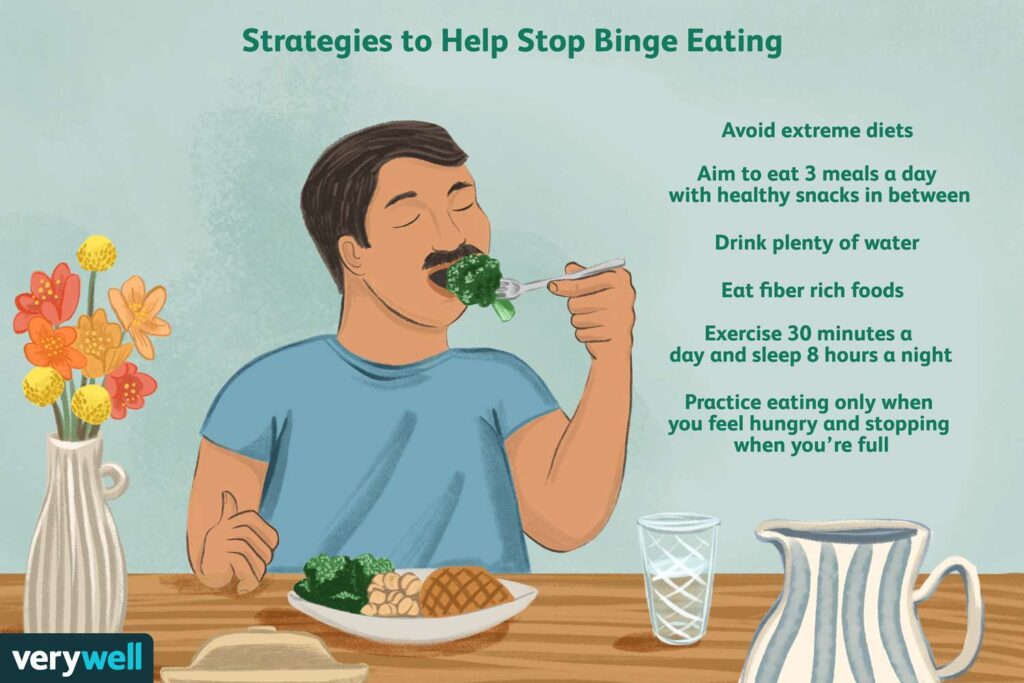
Overcoming binge eating at night requires a multi-faceted approach that addresses both the underlying causes and the specific behaviors associated with this disordered eating pattern. The following strategies can help individuals develop healthier eating habits and regain control over their relationship with food.
Building a Support Network
Seeking support from friends, family, or professional therapists can be incredibly beneficial in overcoming binge eating at night. Sharing your struggles, concerns, and goals with trusted individuals can provide emotional support and guidance throughout the recovery process.
Utilizing Mindfulness and Emotional Regulation Techniques
Practicing mindfulness and emotional regulation techniques can help individuals become more aware of their emotions and develop healthier coping mechanisms. Techniques such as deep breathing, journaling, and meditation can assist individuals in identifying and managing emotional triggers that contribute to binge eating episodes.
Creating a Healthy Nighttime Routine
Establishing a consistent and healthy nighttime routine can aid in overcoming binge eating at night. This may include setting a regular sleep schedule, engaging in relaxing activities before bed, and avoiding stimulating substances such as caffeine or electronic devices close to bedtime. Creating a calming and supportive environment can help individuals achieve better sleep quality and reduce the likelihood of nighttime binge eating.
Healthy Alternatives to Binge Eating at Night
Rather than succumbing to binge eating at night, individuals can explore healthier alternatives to satisfy their cravings and manage their emotions.
Choosing Nutritious Snacks
Opting for nutritious snacks that provide satiety and nourishment can help individuals overcome the urge to binge eat at night. Incorporating foods rich in protein, fiber, and healthy fats can promote feelings of fullness and reduce excessive calorie consumption.
Engaging in Relaxation Activities
Engaging in relaxation activities can serve as a healthier alternative to evening binge eating. Activities such as reading, taking a warm bath, practicing yoga, or engaging in a hobby can help individuals unwind and manage stress without resorting to food.
Implementing Time-restricted Eating Windows
Implementing time-restricted eating windows, also known as intermittent fasting, can help regulate eating patterns and reduce nighttime binge eating. By limiting the hours of food consumption to a specific timeframe, individuals can avoid excessive calorie intake late at night.
Seeking Professional Help for Binge Eating at Night
While self-help strategies can be effective for some individuals, seeking professional help is essential for those struggling with severe or persistent binge eating at night. Working with therapists, registered dietitians, and medical professionals can provide additional support and guidance throughout the recovery process.
Therapeutic Approaches and Counseling
Various therapeutic approaches, such as cognitive-behavioral therapy (CBT), can be highly effective in treating binge eating disorders. CBT helps individuals understand the underlying factors contributing to their binge eating behaviors and provides them with practical tools to address and modify these behaviors.
Medical Interventions and Medications
In some cases, medical interventions and medications may be prescribed to aid in the treatment of binge eating at night. Medical professionals can assess an individual’s specific needs and determine if medication for appetite regulation or other therapeutic interventions may be beneficial.
Working with Registered Dietitians
Registered dietitians specialize in nutrition therapy and can provide personalized guidance on developing a healthy relationship with food and establishing balanced eating patterns. They can work with individuals to create meal plans tailored to their specific needs and support their overall recovery journey.

Preventing Binge Eating Relapses at Night
Preventing relapses of binge eating at night is a crucial aspect of long-term recovery. By identifying triggers and implementing sustainable strategies, individuals can maintain a balanced lifestyle and reduce the likelihood of returning to unhealthy eating patterns.
Identifying and Avoiding Triggers
Identifying triggers that contribute to binge eating episodes is essential in preventing relapses. By recognizing and avoiding emotional triggers, limiting access to unhealthy foods, and developing healthier coping mechanisms, individuals can reduce the risk of engaging in nighttime binge eating.
Developing Long-term Strategies
Developing long-term strategies to manage emotional well-being and stress is crucial for maintaining recovery from binge eating at night. This may involve ongoing therapy, continued practice of mindfulness and emotional regulation techniques, and prioritizing self-care activities that promote a sense of balance and well-being.
Maintaining a Balanced Lifestyle
Maintaining a balanced lifestyle encompassing regular physical activity, nutritious eating habits, and healthy stress-management techniques is vital in preventing relapses of binge eating at night. Engaging in enjoyable and fulfilling activities can help individuals maintain a positive mindset and reduce the likelihood of turning to binge eating as a coping mechanism.
Conclusion
Understanding binge eating at night is essential in promoting healthy eating patterns and overall well-being. By recognizing the causes, effects, and warning signs of binge eating, individuals can develop strategies to overcome this disordered eating behavior. Seeking professional help, implementing healthier alternatives, and developing long-term strategies are vital components of recovery from binge eating at night. With commitment and support, individuals can regain control over their relationship with food and lead a balanced and fulfilling life. Remember, you have the power to overcome binge eating at night and embrace a healthier path.

