Eat Stop Eat Intermittent Fasting

Are you looking for a healthy and effective way to boost your weight loss? Well, let me introduce you to Eat Stop Eat Intermittent Fasting! Have you ever wondered if there is a diet plan that allows you to eat your favorite foods while still achieving your weight loss goals? Look no further! With Eat Stop Eat Intermittent Fasting, you can enjoy the foods you love and still shed those extra pounds.
When it comes to intermittent fasting, Eat Stop Eat is a popular approach that has garnered a lot of attention. This method involves incorporating periods of fasting into your weekly routine, allowing your body to tap into its fat stores for energy. Not only does this help with weight loss, but it also has various other health benefits, such as improved insulin sensitivity, reduced inflammation, and increased autophagy.
In this article, we will dive deeper into the concept of Eat Stop Eat Intermittent Fasting and explore how it can benefit you. Whether you are new to intermittent fasting or have tried other methods in the past, we will provide you with all the information you need to make an informed decision. So, get ready to learn more about Eat Stop Eat and discover a sustainable way to achieve your weight loss goals while still enjoying the foods you love. Keep reading to find out more!
Eat Stop Eat Intermittent Fasting
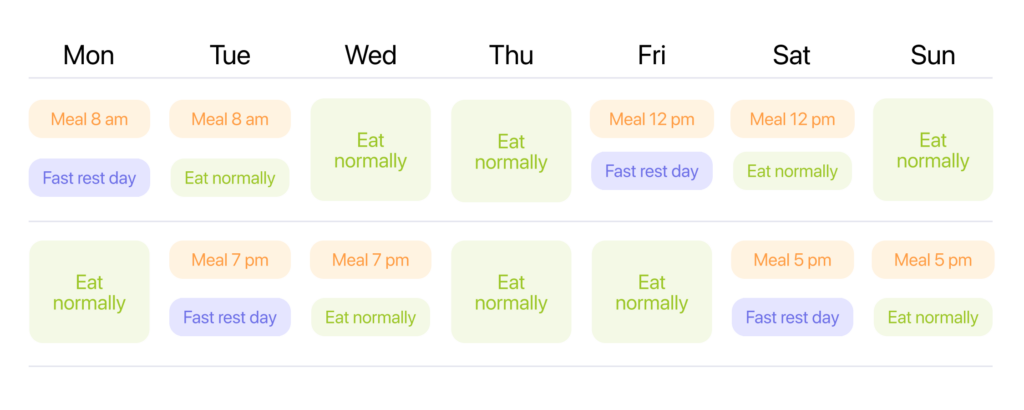
What is Eat Stop Eat Intermittent Fasting?
Understanding the concept of Eat Stop Eat
Eat Stop Eat is a popular form of intermittent fasting that involves alternating between periods of fasting and feasting. It was developed by Brad Pilon, a prominent advocate of intermittent fasting, who believed that this approach could have numerous health benefits. The concept behind Eat Stop Eat is simple – you fast for a certain amount of time, usually 24 hours, and then resume your regular eating habits. This fasting and feasting cycle is repeated as often as desired, based on individual preferences and goals.
Benefits of Eat Stop Eat Intermittent Fasting
Eat Stop Eat offers a range of potential benefits. Firstly, it can aid in weight loss and improve body composition by creating a calorie deficit. Fasting can help reduce overall calorie intake, leading to a greater energy deficit and promoting fat loss. Additionally, intermittent fasting has been shown to enhance insulin sensitivity and blood sugar control, which may have implications for individuals with diabetes or those at risk of developing the condition. Other potential benefits include improved mental clarity, increased energy levels, and a potential boost in growth hormone production.
How does Eat Stop Eat Intermittent Fasting work?
The fasting and feasting cycle
The cornerstone of Eat Stop Eat is the fasting and feasting cycle. During the fasting period, you abstain from consuming any calories for a set period of time. This period typically lasts 24 hours, but it can be adjusted according to your preferences and goals. Once the fasting period is over, you enter the feasting phase, where you resume your regular eating habits. This cycle can be repeated as often as desired, depending on your individual needs and preferences.
Mechanism behind Eat Stop Eat Intermittent Fasting
Eat Stop Eat works by creating an energy deficit, which in turn promotes weight loss. When you abstain from consuming calories for a prolonged period, your body needs to use stored energy to fuel itself. This results in the breakdown of fat stores, leading to fat loss over time. Additionally, fasting has been shown to increase autophagy, a natural process in which damaged cells are cleared out, potentially improving overall cellular health.
Getting Started with Eat Stop Eat Intermittent Fasting
Setting your fasting and feeding windows
To get started with Eat Stop Eat, you need to determine your fasting and feeding windows. The fasting window refers to the period of time when you will abstain from consuming calories, while the feeding window is when you can eat normally. The fasting period is typically 24 hours, but you can adjust it based on your schedule and preferences. Some individuals may find it easier to start with a shorter fasting window and gradually increase it as they become more comfortable with fasting.
Choosing the right foods for feasting
During the feasting phase of Eat Stop Eat, it is important to choose nutrient-dense and balanced meals. Opt for whole foods that are rich in vitamins, minerals, and essential nutrients. Include a variety of fruits, vegetables, lean proteins, whole grains, and healthy fats in your meals. This will ensure that your body receives the necessary nutrients to support its functions and promote overall health.
Tips for Successful Eat Stop Eat Intermittent Fasting
Hydration and staying hydrated
Staying hydrated is crucial when practicing Eat Stop Eat. Water is essential for numerous bodily functions, and it can help suppress hunger during fasting periods. Aim to drink at least 8 glasses of water per day, or more if you are engaging in physical activity or live in a hot climate. Additionally, herbal teas, black coffee, and non-caloric beverages can be consumed during the fasting period to help curb hunger and stay hydrated.
Listening to your body’s hunger cues
Throughout the Eat Stop Eat journey, it is essential to listen to your body’s hunger cues. Fasting should not be a punishment or a means of depriving yourself of food. If you feel excessively hungry during a fasting period, it is important to recognize and honor your body’s signals. It is perfectly acceptable to break the fast earlier than planned if needed. Remember, the goal is to develop a sustainable and healthy relationship with food and fasting, not to push yourself to extremes.

Health Benefits of Eat Stop Eat Intermittent Fasting
Weight loss and improved body composition
One of the main benefits of Eat Stop Eat is its potential to promote weight loss and improve body composition. By creating an energy deficit through intermittent fasting, you can effectively reduce overall calorie intake and promote fat loss. This can lead to improvements in body composition, such as a decrease in body fat percentage and an increase in lean muscle mass, resulting in a more toned and defined physique.
Enhanced insulin sensitivity and blood sugar control
Intermittent fasting, including the Eat Stop Eat approach, has been shown to enhance insulin sensitivity and improve blood sugar control. Insulin is a hormone that helps regulate blood sugar levels, and insulin resistance can lead to the development of conditions like type 2 diabetes. By practicing intermittent fasting, your body becomes more efficient at using insulin, leading to improved blood sugar control and a decreased risk of insulin-related health issues.
Potential Risks and Considerations with Eat Stop Eat Intermittent Fasting
Impact on metabolic rate
One concern with intermittent fasting is its potential impact on metabolic rate. Some individuals worry that fasting for prolonged periods may slow down metabolism and hinder weight loss efforts. However, research suggests that intermittent fasting does not negatively affect metabolic rate when practiced correctly. It is important to maintain a balanced and varied diet during the feasting phase and avoid prolonged fasting without proper nutrition and guidance.
Adapting to the fasting period
Adapting to the fasting period can be challenging, especially for individuals who are used to eating regularly throughout the day. It is normal to experience hunger and cravings during the initial stages of intermittent fasting. However, these sensations typically diminish over time as your body becomes adjusted to the new eating pattern. Gradually increasing the fasting window and ensuring nutrient-dense meals during the feasting period can help ease this transition.

Exercising with Eat Stop Eat Intermittent Fasting
Choosing the right workout timing
When it comes to exercising with Eat Stop Eat, timing is key. It is generally recommended to schedule your workouts during the feasting period, when your body has access to a readily available source of energy. This will ensure that you have enough fuel to power through your workouts and optimize your performance. However, every individual is different, and it is important to listen to your body and adjust your workout schedule accordingly.
Optimal exercises for fasting periods
While it is generally advised to exercise during the feasting window, light to moderate activities can be performed during the fasting phase. Activities like low-intensity cardio, stretching, yoga, or meditation can be beneficial during fasting periods. These activities can help improve blood circulation, reduce stress, and promote overall well-being. However, it is important to avoid intense or strenuous workouts during the fasting period, as your body may be lacking immediate fuel sources.
FAQs about Eat Stop Eat Intermittent Fasting
Can I drink during fasting?
Yes, you can drink non-caloric beverages such as water, herbal teas, black coffee, or unsweetened green tea during the fasting period. These beverages can help keep you hydrated and curb hunger sensations without breaking the fast.
Is this suitable for everyone?
While Eat Stop Eat Intermittent Fasting can offer numerous health benefits, it may not be suitable for everyone. Individuals with pre-existing medical conditions, pregnant or breastfeeding women, and those with a history of disordered eating should consult a healthcare professional before starting any fasting regimen.

Success Stories and Testimonials
Real-life experiences of people following Eat Stop Eat
Many individuals have shared their success stories and testimonials of following the Eat Stop Eat Intermittent Fasting approach. People have reported significant weight loss, improved body composition, increased energy levels, better digestion, and an overall improved relationship with food.
Achievements and transformation photos
Numerous individuals have achieved remarkable transformations through the practice of Eat Stop Eat, and their journeys are often showcased through before and after photos. These achievements serve as inspiration and motivation for those considering adopting this intermittent fasting approach.
Conclusion
Eat Stop Eat Intermittent Fasting offers a flexible and sustainable approach to weight loss and improved health. By incorporating fasting and feasting cycles into your routine, you can create an energy deficit, enhance insulin sensitivity, and achieve your desired body composition. Remember to listen to your body’s hunger cues, stay hydrated, and choose nourishing foods during the feasting phase. With proper considerations and guidance, Eat Stop Eat Intermittent Fasting can be an effective strategy for achieving your health and wellness goals. Give it a try and see what works best for you!

