How Can I Stop Eating Sugar
Are you addicted to sugar and finding it hard to stop eating it? Don’t worry, you’re not alone! Many people struggle with sugar cravings and the desire for sweet treats. But fear not, because in this article, you’ll learn some tips and tricks on how to kick your sugar habit for good.
We all know that sugar can be delicious and addictive, but too much of it can have negative effects on our health. From weight gain to increased risk of chronic diseases, it’s important to cut back on sugar for our overall well-being. In this article, you’ll discover some simple yet effective ways to curb your sugar cravings and find healthy alternatives. Whether you’re looking to lose weight, improve your energy levels, or simply want to break free from the sugar addiction, we’ve got you covered. So keep reading to learn more about how you can stop eating sugar and start living a healthier life.
How Can I Stop Eating Sugar
Understanding the Impact of Sugar on Health
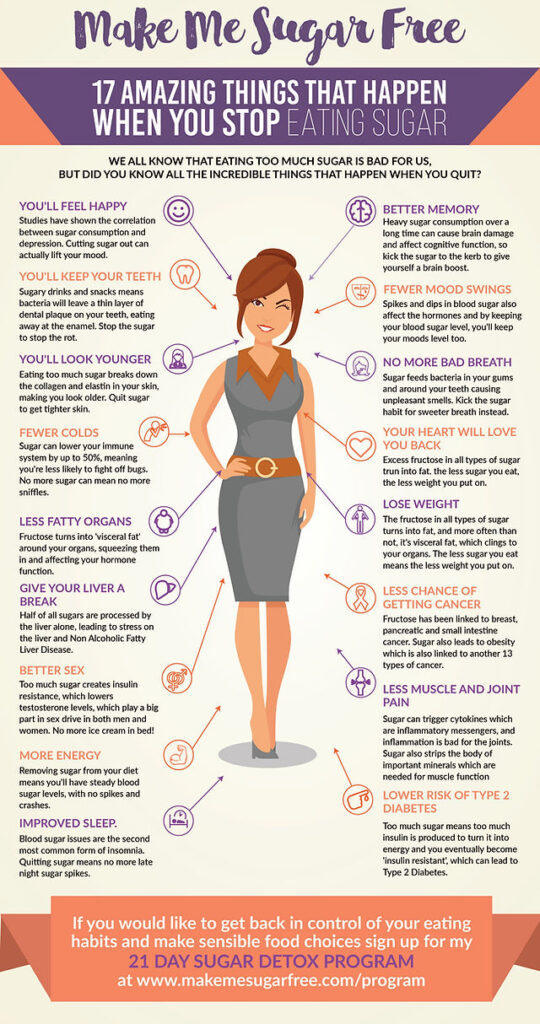
Excessive sugar consumption has been linked to a wide array of health issues, making it essential to understand the detrimental impact it can have on your body. When you consume too much sugar, it can negatively affect your energy levels, mood, and even lead to chronic diseases.
The Effects of Excessive Sugar Consumption on the Body
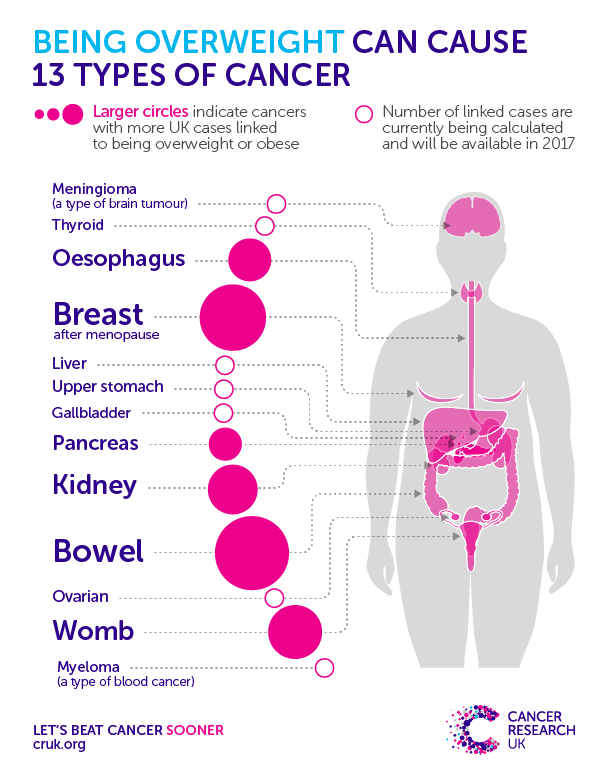
When you consume large amounts of sugar, such as in sugary drinks or desserts, it quickly raises your blood sugar levels. This rapid spike is followed by a crash, causing fatigue and decreased energy levels. Moreover, consuming excessive sugar on a regular basis can contribute to weight gain and obesity, which increases the risk of developing chronic diseases like diabetes, heart disease, and certain types of cancer.
How Sugar Affects Energy Levels and Mood
While sugar may provide a temporary energy boost, it is short-lived and often followed by a sudden drop in energy levels. This rollercoaster effect can leave you feeling lethargic and in need of another sugary pick-me-up. Additionally, excessive sugar consumption can negatively impact your mood, causing irritability, anxiety, and even depressive symptoms.
The Link Between Sugar and Chronic Diseases
Numerous studies have shown a strong association between excessive sugar intake and the development of chronic diseases. Consuming too much sugar can lead to insulin resistance, a condition where your body becomes less sensitive to insulin and is unable to regulate blood sugar effectively. This can increase the risk of developing type 2 diabetes and other metabolic disorders. Furthermore, high sugar diets have been linked to an increased risk of heart disease and certain cancers.
Identifying Hidden Sources of Sugar in Your Diet
Reducing your sugar intake starts with identifying and eliminating hidden sources of sugar in your diet. While desserts and sugary drinks are obvious culprits, there are many common foods that contain hidden sugars.
Common Foods with Hidden Sugars
Processed and packaged foods are notorious for containing added sugars. Items such as sauces, condiments, salad dressings, and even so-called “healthy” snacks often harbor hidden sugars. It is essential to read food labels carefully to identify these hidden sources and make more informed choices.
Reading Food Labels and Understanding Sugar Terminology
When reading food labels, it’s important to understand the different terms used to describe sugar. Ingredients such as high-fructose corn syrup, dextrose, glucose, sucrose, and maltose are all examples of hidden sugars. Familiarize yourself with these terms to make healthier choices and limit your sugar intake.
Recognizing Sugar Substitutes and Their Implications
While sugar substitutes like artificial sweeteners or natural alternatives such as stevia may seem like a convenient alternative, it’s important to understand their implications. Some studies suggest that artificial sweeteners may contribute to weight gain and disrupt metabolic processes. Moderation is key when using sugar substitutes, and it’s best to gradually reduce your overall sugar consumption instead.
Creating a Supportive Environment
Reducing your sugar intake is much easier when you create a supportive environment that encourages healthier choices. By making a few changes at home and involving your family and friends, you can set yourself up for success.
Removing Sugary Temptations from Your Home
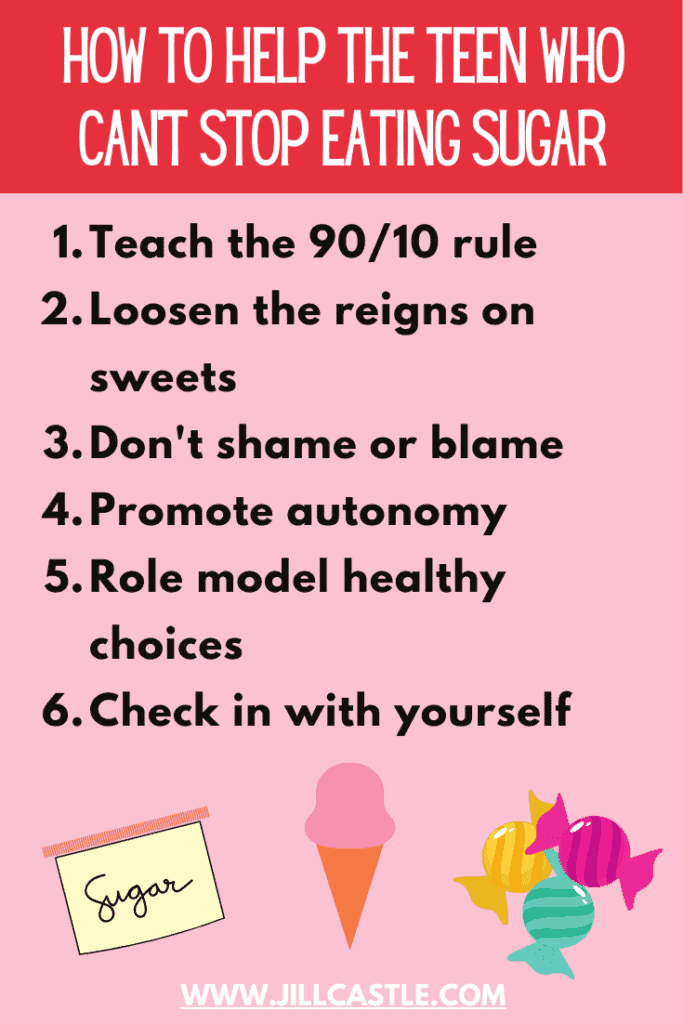
Start by cleaning out your pantry and refrigerator, getting rid of sugary treats and unhealthy snacks. This eliminates the temptation and makes it easier for you to stick to your sugar-free journey. Replace these sugary options with healthier alternatives like fruits, nuts, and vegetables.
Finding Healthier Alternatives and Substitutions
Discovering new ways to satisfy your sweet tooth without turning to sugar is essential. Experiment with natural sweeteners like honey or maple syrup in moderation, and explore options like fruit-infused water or homemade healthy desserts. By finding healthier alternatives, you can still enjoy delicious treats without the negative effects of excessive sugar consumption.
Getting Family and Friends Involved in Your Sugar-Free Journey
Enlist the support of your loved ones on your sugar-free journey. Inform them about your goals and explain why reducing sugar intake is crucial for your health. Encourage them to join you in making healthier choices and find activities that can be enjoyed together without relying on sugary foods.
Practical Strategies for Reducing Sugar Intake
Reducing sugar intake doesn’t mean you have to give up all your favorite foods. By implementing practical strategies, you can gradually decrease your sugar consumption and make long-lasting changes.
Gradually Decreasing Sugar Consumption
Making drastic changes to your diet can be overwhelming and difficult to sustain. Instead, opt for a gradual reduction in sugar intake. Start by cutting back on sugary beverages and then progressively reduce added sugars in processed foods. This approach allows your taste buds to adjust and makes it easier to stick to your sugar-free goals.
Meal Planning and Preparation to Minimize Sugar Cravings
Meal planning and preparation are essential for minimizing sugar cravings. When you have healthy meals prepared in advance, you are less likely to give in to the temptation of sugary snacks. Fill your meals with nutrient-dense foods such as lean proteins, whole grains, and plenty of fruits and vegetables to keep you satisfied and reduce cravings.
Managing Sugar Cravings and Overcoming Withdrawal Symptoms
Reducing sugar intake can initially lead to cravings and withdrawal symptoms, but these are temporary. Stay hydrated and opt for healthy foods that provide sustained energy. Choose whole, unprocessed foods that are high in fiber and protein to help stabilize blood sugar levels and reduce cravings. Over time, your body will adjust, and your cravings will decrease.

Understanding the Role of Mindset and Habits
Developing a positive mindset towards reducing sugar and replacing sugar-dependent habits is crucial for long-term success.
Developing a Positive Mindset Towards Reducing Sugar
Approach reducing your sugar intake with a positive mindset. Focus on the benefits of a sugar-free lifestyle, such as improved energy levels, mood stability, and reduced risk of chronic diseases. Celebrate small wins, and remind yourself of your long-term health goals.
Replacing Sugar-Dependent Habits with Healthier Alternatives
Identify and replace your sugar-dependent habits with healthier alternatives. For example, if you tend to reach for candy when stressed, find alternate ways to manage stress such as meditation, deep breathing exercises, or going for a walk. By breaking the association between sugary foods and certain habits, you can overcome the reliance on sugar.
Building Long-term Sustainable Habits to Maintain a Sugar-free Lifestyle
Establishing new habits is key to maintaining a sugar-free lifestyle. Incorporate regular exercise, prioritize sleep, and practice mindful eating. With time, these habits will become second nature, and you will find it easier to resist the urge to consume excess sugar.
Exploring the Benefits of a Balanced Diet
Reducing sugar intake is not just about eliminating sugar from your diet but also about embracing a balanced and nutrient-rich approach to eating.
The Importance of Macronutrients and Micronutrients
A balanced diet should include a variety of macronutrients, such as proteins, healthy fats, and carbohydrates, as well as essential micronutrients like vitamins and minerals. These nutrients support optimal health and help keep cravings at bay.
Including Nutrient-dense Foods in Your Meals
Focus on incorporating nutrient-dense foods into your meals. Opt for whole foods like lean proteins, whole grains, fruits, and vegetables, which provide essential nutrients and fiber. These foods will keep you feeling full and satisfied, reducing the desire for sugary snacks.
Seeking Professional Advice for Personalized Dietary Recommendations
If you are unsure about your specific dietary needs or have underlying health conditions, it is best to seek professional advice. A registered dietitian or nutritionist can provide personalized recommendations based on your individual needs, ensuring a balanced diet that minimizes sugar consumption.

Incorporating Regular Exercise for a Well-rounded Lifestyle
Regular exercise not only helps manage sugar cravings but also promotes overall health and well-being. Finding activities that align with your interests is vital for maintaining a consistent exercise routine.
Understanding the Role of Exercise in Managing Sugar Cravings
Exercise can help regulate blood sugar levels and reduce cravings by improving insulin sensitivity. Engaging in aerobic activities, strength training, or even low-impact exercises like yoga can all contribute to managing sugar cravings effectively.
Choosing Fitness Activities That Align with Your Interests
To ensure consistency, choose fitness activities that align with your interests. Whether it’s dancing, cycling, swimming, or hiking, find something you enjoy doing. This will increase your motivation to exercise regularly and make it a sustainable part of your lifestyle.
Developing a Consistent Exercise Routine for Overall Health
Consistency is key when it comes to exercise. Aim for at least 150 minutes of moderate-intensity aerobic exercise or 75 minutes of vigorous-intensity exercise each week. Additionally, incorporate strength training exercises at least twice a week to maintain muscle mass and support overall health.
Seeking Support and Accountability
Embarking on a sugar-free journey can be challenging, but seeking support and accountability can greatly increase your chances of success.
Joining a Support Group or Online Community
Joining a support group or online community of individuals with similar goals can provide encouragement, tips, and motivation. Sharing your experiences and learning from others’ successes can make your sugar-free journey more enjoyable and sustainable.
Enlisting the Help of a Health Coach or Nutritionist
If you feel overwhelmed or need personalized guidance, consider enlisting the help of a health coach or nutritionist. These professionals can provide expert advice, create personalized meal plans, and offer ongoing support to help you achieve your sugar-free goals.
Tracking Progress and Celebrating Achievements
Tracking your progress can help you stay motivated and celebrate achievements along the way. Use tools like a food diary or a smartphone app to keep track of your sugar intake, exercise routine, and any positive changes you experience. Seeing your progress will reinforce your commitment and encourage you to continue on your sugar-free journey.
Overcoming Challenges and Staying Motivated
While reducing sugar intake is beneficial for your health, it can be challenging at times. It’s essential to overcome common obstacles and stay motivated throughout your sugar-free journey.
Dealing With Social Situations and Peer Pressure
Social situations often involve indulging in sugary treats, and peer pressure can make it difficult to stick to your sugar-free goals. Communicate your intentions to your friends and family, and find ways to participate without consuming excess sugar. Offer to bring a healthier alternative or focus on the social aspect rather than the food itself.
Managing Emotional Eating Triggers
Emotional eating can derail your sugar-free efforts. Instead of turning to sugar to cope with stress or other emotions, find healthier strategies such as talking to a friend, practicing mindfulness techniques, or engaging in a hobby that brings you joy. By addressing the underlying emotions, you can avoid using sugar as a crutch.
Finding Healthy Ways to Reward Yourself and Stay Motivated
Rewarding yourself and staying motivated are crucial components of any successful journey. However, it’s important to find healthy ways to reward yourself instead of relying on sugary treats. Treat yourself to a spa day, a new workout outfit, or a weekend getaway as a celebration of your progress and achievements.
Conclusion
In conclusion, reducing sugar intake is a powerful step towards improving your health and well-being. By understanding the impact of sugar on your body, identifying hidden sources of sugar, and creating a supportive environment, you can successfully stop eating sugar. Implement practical strategies, develop a positive mindset, and embrace a balanced diet and regular exercise routine. Seek support, overcome challenges, and stay motivated on your sugar-free journey. Remember, commitment and consistency are key to enjoying a healthier, sugar-free lifestyle.

