How Do I Stop Binge Eating

Have you ever found yourself mindlessly devouring a bag of chips or finishing off an entire pint of ice cream in one sitting? If so, you’re not alone. Binge eating is a common struggle that many people face, but the good news is, there are ways to overcome it. In this article, we will delve into the topic of binge eating and discuss some practical tips on how to stop this unhealthy habit. So, if you’re curious to learn more, keep reading!
Binge eating can often feel like a lack of control over your eating habits. It’s that feeling of not being able to stop yourself from consuming large amounts of food, even when you’re not hungry. But don’t worry, there are steps you can take to regain that control. In this article, we will explore various strategies such as practicing mindful eating, identifying triggers, and seeking support. By implementing these methods, you’ll be well on your way to breaking free from the cycle of binge eating. So, join us as we dive deeper into this common issue and uncover effective ways to put an end to binge eating for good.
How Do I Stop Binge Eating
If you find yourself frequently overeating and feeling out of control with your eating habits, you may be experiencing binge eating disorder. Binge eating is a serious condition that can have detrimental effects on both your physical and mental health. However, understanding the causes and effects of binge eating is the first step towards finding a solution.
What is Binge Eating?
Binge eating is characterized by consuming large quantities of food in a short period of time, often accompanied by a feeling of loss of control. Unlike other eating disorders, such as bulimia nervosa, individuals with binge eating disorder do not engage in compensatory behaviors, such as purging or excessive exercise. Binge eating episodes are often followed by feelings of guilt, shame, or disgust, which can perpetuate a cycle of overeating.
Causes of Binge Eating
Binge eating can have several underlying causes, including emotional, environmental, and social factors. Emotional triggers, such as stress, boredom, or feelings of sadness, can lead to binge eating as a way to cope with these emotions. Environmental triggers, such as the availability of large quantities of food or the presence of food advertisements, can also contribute to binge eating. Additionally, social triggers, such as eating in social situations or being influenced by others’ eating habits, may play a role in the development of binge eating disorder.
Effects of Binge Eating
The effects of binge eating can be far-reaching and can impact both your physical and mental health. Physically, binge eating can lead to weight gain, obesity, and the development of other health conditions, such as diabetes, high blood pressure, and heart disease. Mentally and emotionally, binge eating can cause feelings of guilt, shame, and low self-esteem. It can also contribute to the development of anxiety and depression. Furthermore, binge eating can strain relationships and negatively affect your social life, as it may lead to isolating behaviors and a withdrawal from social activities.
Recognizing the Triggers
In order to stop binge eating, it is important to recognize the triggers that contribute to your episodes of overeating. These triggers can be categorized into three main types: emotional triggers, environmental triggers, and social triggers.
Identifying Emotional Triggers
Start by identifying the emotional triggers that lead you to binge eat. Keep a journal and record your feelings before and after binge eating episodes. Look for patterns and identify any recurring emotions, such as stress, boredom, or loneliness. By becoming aware of your emotional triggers, you can find healthier ways to address and cope with these emotions.
Identifying Environmental Triggers
In addition to emotional triggers, environmental triggers can also contribute to binge eating. Take note of the situations or settings in which you are more likely to overeat. This could be at home, when certain foods are readily available, or in specific social situations, such as parties or gatherings. By identifying these triggers, you can take proactive steps to avoid or manage them.
Recognizing Social Triggers
Lastly, pay attention to the social triggers that may influence your eating habits. Are you more likely to overeat when dining with friends or family members who have unhealthy eating habits? Are you influenced by food advertisements or social media posts that promote unhealthy eating behaviors? By recognizing these social triggers, you can make conscious choices to surround yourself with supportive individuals and create a positive eating environment.
Developing Healthy Habits
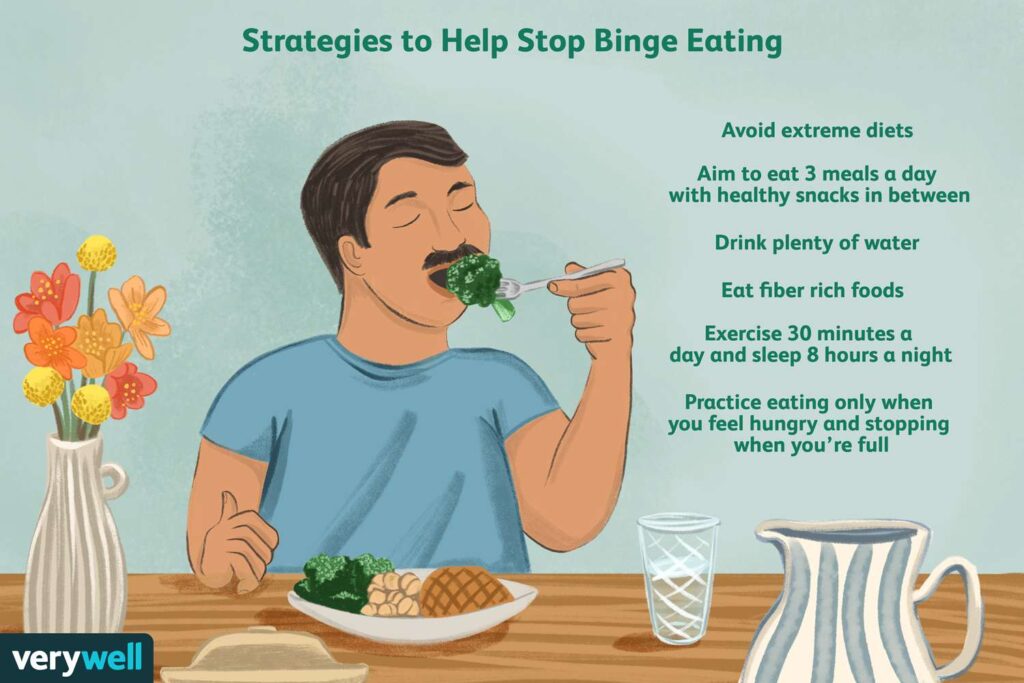
Developing healthy habits is crucial in overcoming binge eating disorder. By implementing the following strategies, you can create a balanced and sustainable approach to eating.
Creating a Balanced Meal Plan
One effective way to combat binge eating is to create a balanced and nutritious meal plan. Include a variety of whole foods, such as fruits, vegetables, lean proteins, and whole grains, in your meals. Ensure that you are nourishing your body with the nutrients it needs to thrive.
Incorporating Regular Exercise
Regular exercise not only benefits your physical health but also helps regulate your mood and manage stress. Find an exercise routine that you enjoy, whether it’s going for a walk, joining a fitness class, or engaging in a sport. Aim for at least 150 minutes of moderate-intensity exercise or 75 minutes of vigorous-intensity exercise per week.
Practicing Mindful Eating
Mindful eating is a practice that involves being fully present and aware of your eating experience. Slow down and savor each bite, paying attention to the taste, texture, and smell of your food. Avoid distractions, such as watching TV or scrolling through your phone, while eating. By practicing mindful eating, you can better listen to your body’s hunger and fullness cues and make more conscious choices about your food intake.
Seeking Professional Support
If you are struggling to stop binge eating on your own, it may be beneficial to seek professional support. A therapist or counselor who specializes in eating disorders can provide you with the guidance and tools necessary to address the underlying emotional and psychological factors contributing to your binge eating. They can also help you develop healthy coping mechanisms and manage any co-occurring mental health conditions, such as anxiety or depression.
Joining Support Groups or Programs
Joining a support group or program specifically designed for individuals with binge eating disorder can provide you with a sense of community and understanding. These groups offer a safe space to share your experiences, gain support from others who have gone through similar struggles, and learn valuable strategies for overcoming binge eating.
Exploring Treatment Options
In some cases, more intensive treatment options may be necessary. Such options may include residential or outpatient treatment programs that provide a multidisciplinary approach to address the physical, emotional, and psychological aspects of binge eating disorder. These programs typically involve a team of professionals, including therapists, nutritionists, and medical doctors, who work together to develop an individualized treatment plan.

Implementing Strategies for Prevention
Prevention is a key aspect of stopping binge eating in the long term. By implementing the following strategies, you can reduce the likelihood of experiencing binge eating episodes.
Creating a Supportive Environment
Create a supportive environment that promotes healthy eating habits. Surround yourself with people who support your goals and are understanding of your struggles. Remove or limit the presence of trigger foods in your home and stock your pantry and refrigerator with nutritious options instead.
Managing Stress and Emotions
Finding healthy ways to manage stress and emotions is essential in preventing binge eating. Engage in stress-reducing activities, such as yoga, meditation, or deep breathing exercises. Find alternative coping mechanisms for dealing with emotions, such as journaling, practicing art, or engaging in hobbies that bring you joy and relaxation.
Building Healthy Coping Mechanisms
Instead of turning to food as a coping mechanism, develop alternative strategies to deal with stress, boredom, or emotional turmoil. Experiment with different coping mechanisms, such as engaging in physical activity, reaching out to a supportive friend or family member, or practicing relaxation techniques. Find what works best for you and incorporate these healthy coping mechanisms into your daily routine.
Exploring Alternative Therapies
In addition to traditional therapy, exploring alternative therapies can be beneficial in your journey to stop binge eating.
Discovering the Benefits of Art Therapy
Art therapy is a creative and expressive approach that can help individuals explore and process their emotions in a non-verbal way. Engaging in art therapy can provide a sense of release and self-discovery, allowing you to gain insight into the underlying emotions that contribute to binge eating.
Considering Meditation and Mindfulness Practices
Meditation and mindfulness practices teach you to be present in the moment, calm your mind, and increase self-awareness. By practicing meditation and mindfulness regularly, you can develop greater self-control, reduce impulsive behaviors, and improve your ability to recognize and address emotional triggers.
Exploring Hypnotherapy or Acupuncture
Both hypnotherapy and acupuncture have shown promise in helping individuals with binge eating disorder. Hypnotherapy can help modify unhealthy eating patterns by accessing the subconscious mind and replacing negative thoughts and behaviors with positive ones. Acupuncture, on the other hand, can help balance the body’s energy and reduce cravings and anxiety.
Understanding the Impact of Binge Eating on Overall Health
Binge eating can have significant consequences on both your physical and mental health.
Physical Health Complications
Frequent binge eating can lead to weight gain, obesity, and a variety of physical health complications. These may include diabetes, high blood pressure, high cholesterol, heart disease, and digestive disorders. It is important to address binge eating in order to prevent these long-term health issues.
Mental and Emotional Consequences
Binge eating can take a toll on your mental and emotional well-being. It often leads to feelings of guilt, shame, and low self-esteem, which can perpetuate the cycle of binge eating. It can also contribute to the development of anxiety and depression, further impacting your overall quality of life.
Effects on Relationships and Social Life
Binge eating can strain relationships and negatively affect your social life. It may lead to isolation and withdrawal from social activities due to embarrassment or a fear of judgment. Addressing binge eating can help rebuild and strengthen relationships, as well as improve your social interactions and overall happiness.
Addressing Underlying Issues
In order to stop binge eating in the long term, it is important to address the underlying psychological factors that contribute to this behavior.
Identifying Underlying Psychological Factors
Binge eating is often linked to underlying psychological factors, such as low self-esteem, body image issues, or unresolved trauma. Working with a therapist or counselor can help you identify these underlying factors and develop strategies to address and heal them.
Addressing Past Traumas and Emotional Wounds
If past traumas or emotional wounds are contributing to your binge eating, it is crucial to seek support and work through these experiences. Trauma-focused therapy or other specialized treatment approaches can help you process and heal from past traumas, allowing you to develop healthier coping mechanisms and reduce the urge to binge eat.
Improving Self-Esteem and Body Image
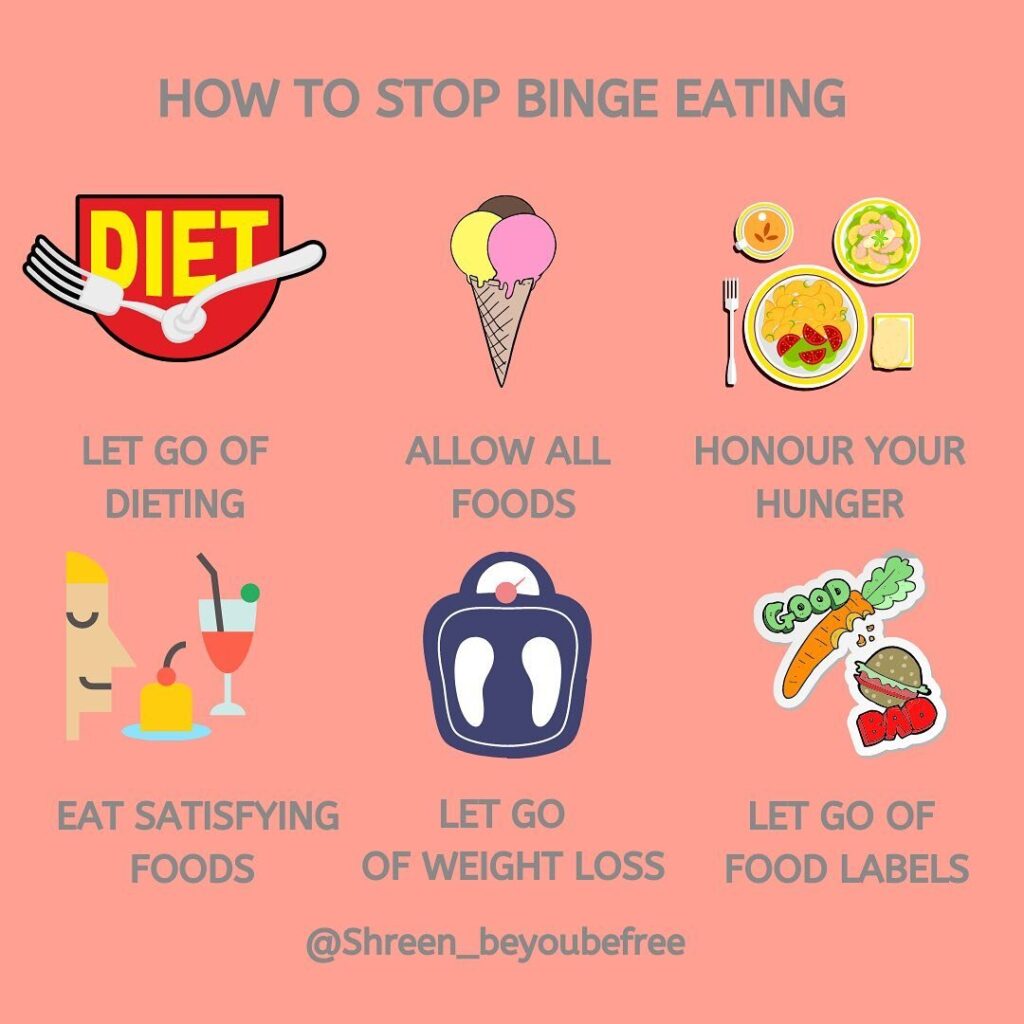
Building self-esteem and improving body image are essential components of overcoming binge eating disorder. Engage in activities that boost your self-confidence, such as practicing self-care, setting goals, and celebrating your achievements. Surround yourself with positive influences and challenge negative thoughts about your body by focusing on your strengths and unique qualities.
Developing a Long-Term Strategy
Stopping binge eating requires a long-term commitment to developing healthy habits. By following these guidelines, you can establish a sustainable strategy to overcome binge eating disorder.
Setting Realistic Goals
Set realistic and achievable goals for yourself. Instead of aiming for immediate perfection, focus on making gradual changes to your eating habits and overall lifestyle. Celebrate small victories along the way and acknowledge that setbacks are a normal part of the journey.
Tracking Progress and Making Adjustments
Keep track of your progress by journaling, using a food diary, or utilizing smartphone apps that help monitor eating patterns and emotions. Regularly review your progress and identify areas for improvement. Make adjustments to your strategies as needed to ensure continued progress.
Reevaluating and Maintaining Healthy Habits
Periodically reevaluate your eating habits, coping mechanisms, and overall progress. Make adjustments as necessary to maintain a healthy and balanced lifestyle. Remember, overcoming binge eating is a lifelong journey, and it is important to continue practicing self-care and seeking support when needed.
Conclusion
Binge eating is a challenging disorder that requires patience, perseverance, and support to overcome. By understanding the causes and effects of binge eating, recognizing your triggers, developing healthy habits, seeking professional support, and implementing prevention strategies, you can regain control over your eating habits and improve your overall well-being. Remember, you are not alone in this journey. Reach out for help and surround yourself with a supportive community to achieve lasting success in your battle against binge eating disorder.

