How To Stop A Binge Before It Starts

Do you ever find yourself in a situation where you’re trying to eat healthy, but end up bingeing on unhealthy foods? It can be frustrating and set you back on your journey to a healthier lifestyle. But don’t worry, because in this article, we’re going to discuss how you can stop a binge before it even starts.
When it comes to stopping a binge, preparation is key. One of the best ways to prevent a binge is to plan your meals ahead of time. By having a meal plan in place, you can ensure that you have healthy, nutritious options available at all times. This way, when the temptation to binge strikes, you’ll already have a plan in place and be less likely to give in.
Another important factor in stopping a binge is to tune in to your body’s hunger and fullness cues. Often, we eat out of habit or for emotional reasons, rather than because we’re actually hungry. By practicing mindful eating and listening to your body, you can avoid mindless binging and develop a healthier relationship with food.
In the full article, we’ll explore more strategies and techniques to help you stop a binge before it starts. We’ll discuss the importance of self-care, finding healthier alternatives to satisfy cravings, and seeking support when needed. So keep reading to learn more about how you can take control of your eating habits and make healthier choices.
How To Stop A Binge Before It Starts
Binge eating can be a difficult and challenging behavior to overcome, affecting both physical and emotional well-being. It is important to understand what binge eating is, its causes, and the effects it can have on your health. Recognizing triggers, building a supportive environment, developing healthy coping mechanisms, practicing mindful eating strategies, creating a meal plan, addressing emotional components, seeking professional help, and maintaining consistency and persistence are all essential in preventing and stopping a binge before it starts.
Understanding Binge Eating
Binge eating is the consumption of a large amount of food in a short period, accompanied by a sense of loss of control. Unlike other eating disorders, such as anorexia or bulimia, individuals who binge eat do not engage in compensatory behaviors, such as vomiting or excessive exercise, following a binge episode. Binge eating episodes can be distressing and can occur in response to various emotional triggers.
Causes of Binge Eating
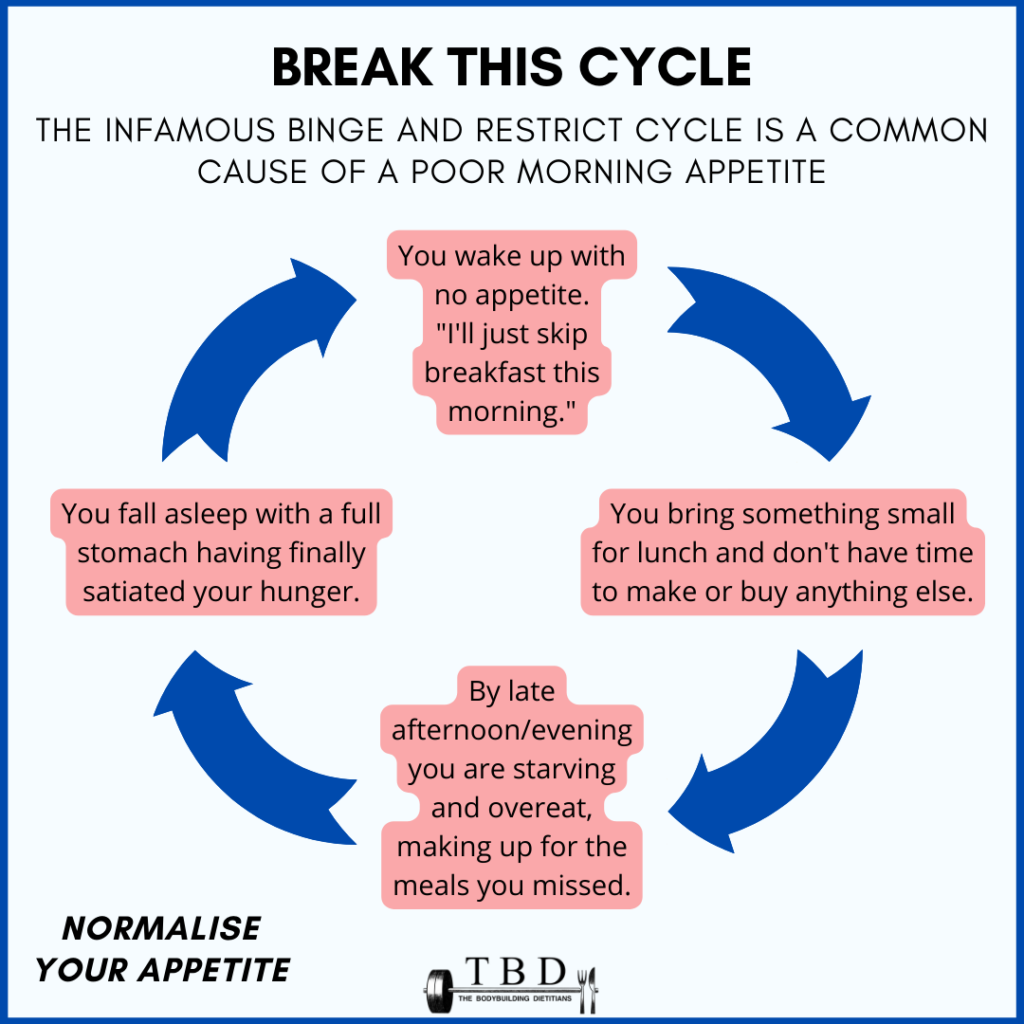
The causes of binge eating can be complex and multifactorial. Emotional triggers, such as stress, anxiety, depression, or loneliness, can often contribute to binge eating. In addition, environmental factors, such as the availability of food, chaotic schedules, or social situations that involve food, can also play a role. For some individuals, a history of dieting or restrictive eating patterns may lead to binge eating as a result of feeling deprived.
Effects of Binge Eating on Health
Binge eating can have significant physical and emotional effects on your health. Physically, it can lead to weight gain, obesity, and related health issues, such as high blood pressure, diabetes, and heart disease. Emotionally, binge eating can lead to feelings of guilt, shame, and low self-esteem, which can perpetuate a vicious cycle of binge eating and further negative emotions.
Recognizing Triggers
To stop a binge before it starts, it is crucial to recognize and identify your triggers. Triggers can be emotional or environmental factors that contribute to the urge to binge eat. By understanding your triggers, you can develop strategies to avoid or cope with them effectively.
Identifying Emotional Triggers
Emotional triggers are feelings, thoughts, or situations that prompt the desire to engage in binge eating as a way to cope. These triggers can vary from person to person, but commonly include stress, boredom, loneliness, sadness, or anger. Taking note of your emotions and recognizing patterns can help you identify your emotional triggers.
Identifying Environmental Triggers
Environmental triggers are external factors that influence your eating behaviors. These triggers can include the presence of certain foods, social gatherings centered around food, or the availability of food in your surroundings. Being aware of these triggers and the impact they have on your eating habits is essential in preventing a binge.
Recognizing Patterns of Binge Eating
By paying attention to your eating patterns, you can identify the signs of a binge before it occurs. This can include consuming large amounts of food rapidly, feeling a loss of control during eating, or eating when not physically hungry. Recognizing these patterns can help you intervene and prevent a binge episode.
Building a Supportive Environment
Creating a positive and encouraging support system is vital in overcoming binge eating. Surrounding yourself with individuals who understand and support your journey can provide the needed encouragement and motivation to make positive changes.
Creating a Positive and Encouraging Support System
Seek out friends, family members, or support groups who can provide understanding and non-judgmental support. Share your struggles and goals with them, and allow them to be a source of encouragement and accountability.
Removing Temptations from Your Surroundings
To prevent a binge, it is important to remove or limit access to the foods that trigger binge eating behaviors. Clear your pantry of unhealthy or binge-triggering foods and replace them with nutritious options. If possible, avoid situations where you may be tempted to binge, such as parties or social gatherings centered around excessive eating.
Seeking Professional Help and Therapy
For some individuals, seeking professional help may be necessary in overcoming binge eating. A mental health professional, such as a therapist or counselor, can provide guidance, support, and cognitive-behavioral therapy techniques to help you manage your emotions and develop healthier coping mechanisms.
Developing Healthy Coping Mechanisms
Finding healthy ways to cope with emotions and stress is essential in preventing and stopping a binge before it starts. By practicing stress-reducing techniques, engaging in regular physical activity, and finding alternative ways to soothe emotions, you can break the cycle of binge eating.
Practicing Stress-Reducing Techniques
Stress can often trigger binge eating episodes. Finding healthy ways to manage stress, such as deep breathing exercises, meditation, journaling, or engaging in hobbies, can help reduce the urge to binge eat.
Engaging in Regular Physical Activity
Regular physical activity can help regulate your mood and reduce the desire to engage in emotional eating. Find activities that you enjoy and make them a part of your routine. Whether it’s walking, dancing, cycling, or yoga, incorporating movement into your daily life can have a positive impact on your overall well-being.
Finding Alternative Ways to Soothe Emotions
Identify alternative ways to soothe and comfort yourself instead of turning to food. This can include seeking emotional support from friends or loved ones, practicing relaxation techniques, or engaging in activities that bring you joy and fulfillment.
Mindful Eating Strategies
Practicing mindful eating can help you develop a healthier relationship with food and prevent binge eating episodes. By being present and aware of your eating experience, you can make intentional choices and listen to your body’s hunger and fullness cues.
Practicing Mindful Eating
When eating, focus on the taste, smell, and texture of your food. Chew slowly and savor each bite. Pay attention to your body’s signals of hunger and fullness, and stop eating when you are satisfied, not overly full.
Listening to Your Body’s Hunger and Fullness Cues
Tune in to your body’s natural signals of hunger and fullness. Eat when you are physically hungry and stop when you are comfortably full. Avoid eating mindlessly or in response to emotional cues.
Avoiding Restrictive Diets and Embracing Balance
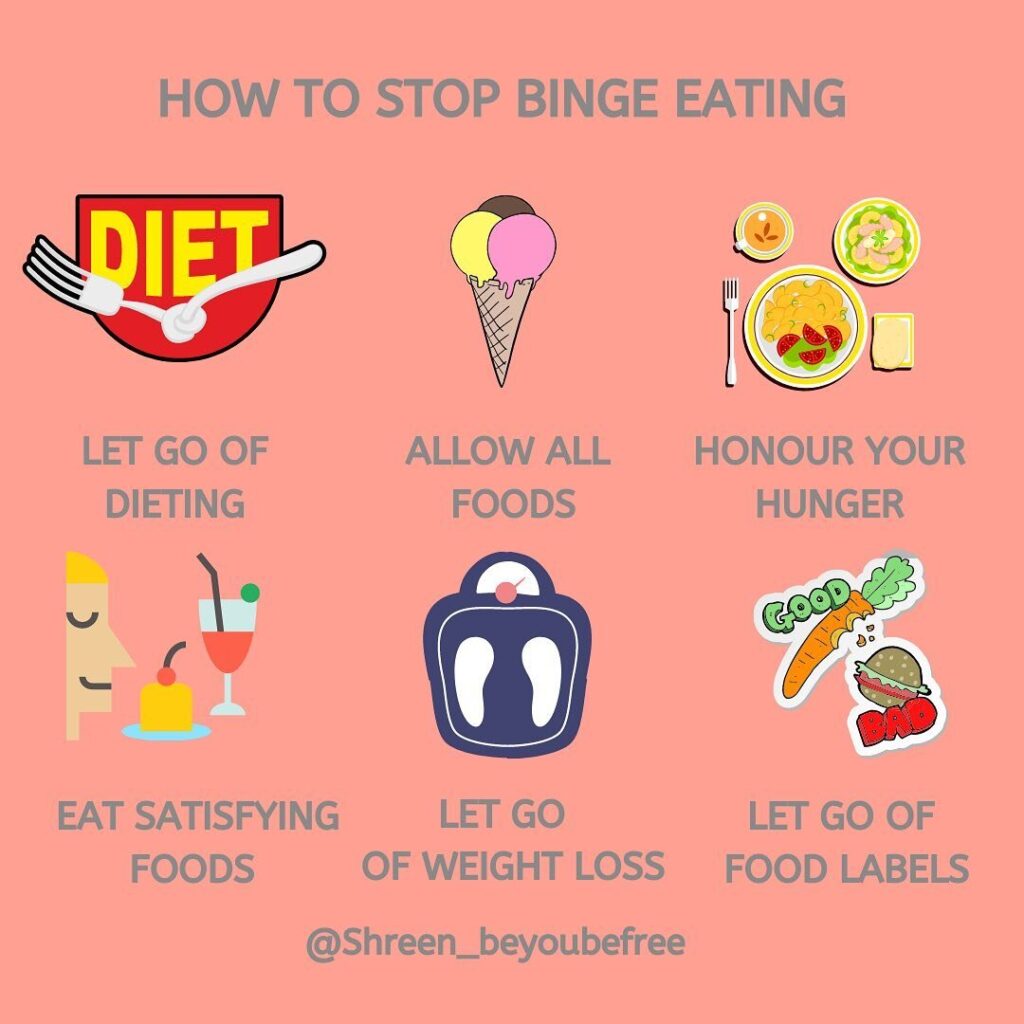
Restrictive diets often lead to feelings of deprivation, which can trigger binge eating behaviors. Instead, focus on balanced eating patterns that include a variety of nutrient-rich foods. Allow yourself to enjoy foods you love in moderation, without guilt or shame.
Creating a Meal Plan
Planning balanced meals and snacks can help you establish a structured eating routine and prevent impulsive eating. By including a variety of nutrient-rich foods and avoiding skipping meals or restrictive eating, you can maintain stable blood sugar levels and reduce the likelihood of binge eating episodes.
Planning Balanced Meals and Snacks
Take time to plan your meals and snacks ahead of time. Include a balance of protein, carbohydrates, and healthy fats in each meal. Aim for regular eating intervals throughout the day to avoid prolonged periods of hunger.
Including a Variety of Nutrient-Rich Foods
Ensure your meals and snacks include a wide range of nutrients from different food groups. Prioritize whole foods, such as fruits, vegetables, lean proteins, whole grains, and healthy fats, to provide your body with the necessary nutrients for optimal health.
Avoiding Skipping Meals or Restrictive Eating
Skipping meals or severely restricting your food intake can lead to increased hunger and a higher likelihood of engaging in binge eating. Make it a priority to nourish your body consistently throughout the day to maintain stable blood sugar levels and prevent extreme hunger.
Addressing Emotional Components
To effectively stop a binge before it starts, it is crucial to address the underlying emotional components that contribute to binge eating behaviors. Exploring emotional issues, cultivating self-compassion and self-care, and working on improving body image and self-esteem are essential steps in the recovery process.
Exploring Underlying Emotional Issues
Consider seeking therapy or counseling to explore the emotional issues that may contribute to binge eating. Addressing unresolved trauma, negative self-perceptions, or unhealthy coping mechanisms can help break the cycle of binge eating.
Cultivating Self-Compassion and Self-Care
Developing a sense of self-compassion and prioritizing self-care is important in preventing binge eating behaviors. Practice self-kindness, acceptance, and forgiveness when it comes to your relationship with food and your body.
Working on Improving Body Image and Self-Esteem
Developing a healthy body image and positive self-esteem is crucial in overcoming binge eating. Focus on your unique qualities and attributes rather than comparing yourself to others. Surround yourself with positive influences and engage in activities that boost your confidence and self-worth.
Seeking Professional Help
If you are struggling to stop binge eating on your own, it is important to seek professional help. Consulting with a registered dietitian, working with a therapist or counselor, or considering support groups and treatment programs can provide the necessary support and guidance in your recovery journey.
Consulting a Registered Dietitian
A registered dietitian can provide guidance and personalized meal plans that cater to your individual needs. They can help you establish a healthy relationship with food, optimize your nutrition, and support you in preventing binge eating episodes.
Working with a Therapist or Counselor
Therapy or counseling can be a valuable resource in addressing the underlying emotional issues and developing healthy coping mechanisms. A therapist or counselor can provide guidance, support, and techniques to challenge negative thought patterns and behaviors.
Considering Support Groups and Treatment Programs
Support groups and treatment programs specifically designed for individuals with binge eating disorder can provide a supportive community and additional tools for recovery. Consider joining a local or online support group or exploring treatment programs in your area.
Maintaining Consistency and Persistence
Overcoming binge eating is a journey that requires consistency and persistence. Setting realistic goals and expectations, tracking progress, and celebrating achievements can help you stay committed to your recovery journey.
Setting Realistic Goals and Expectations
Set small, achievable goals that align with your recovery journey. Celebrate your progress without comparing yourself to others. Recognize that overcoming binge eating takes time and patience.
Tracking Progress and Celebrating Achievements
Keep track of your progress by journaling, using a food diary, or utilizing digital health apps. Celebrate even the smallest achievements, such as practicing mindful eating or successfully avoiding a binge episode. These milestones are essential stepping stones on your path to recovery.
Staying Committed to the Journey of Recovery
Binge eating recovery is not always linear, and setbacks may occur. Stay committed to your recovery journey, even in times of difficulty. Remember that each day is a new opportunity to make healthy choices and continue moving forward.
Conclusion
In conclusion, preventing and stopping a binge before it starts requires understanding binge eating, recognizing triggers, building a supportive environment, developing healthy coping mechanisms, practicing mindful eating, creating a meal plan, addressing emotional components, seeking professional help, and maintaining consistency and persistence. By implementing these strategies and seeking support when needed, individuals can take control of their binge eating behaviors and embrace a healthier relationship with food and their bodies. Remember, you are not alone in this journey, and there is help and support available to you. Start taking steps today towards a healthier and happier life.

