How To Stop Anxiety Eating

Have you ever found yourself reaching for a bag of chips or a tub of ice cream when you’re feeling anxious? We’ve all been there. Stress and anxiety can often lead to emotional eating, and it can be really difficult to break this cycle. But fear not! In this article, we’re going to discuss how you can stop anxiety eating and develop healthier ways of coping with your emotions.
When anxiety strikes, it’s common to turn to food for comfort. The act of eating can provide temporary relief and distraction from those overwhelming feelings. However, in the long run, it only exacerbates the problem and leads to feelings of guilt and regret. So how can you break free from this cycle? Well, you’ll be glad to know that there are several strategies you can implement to manage your anxiety without turning to food. In this article, we’ll delve into mindful eating, finding alternative coping mechanisms, and seeking professional help when needed. So stay tuned to learn more about how you can stop anxiety eating and promote a healthier relationship with food.
How To Stop Anxiety Eating
Understanding Anxiety Eating
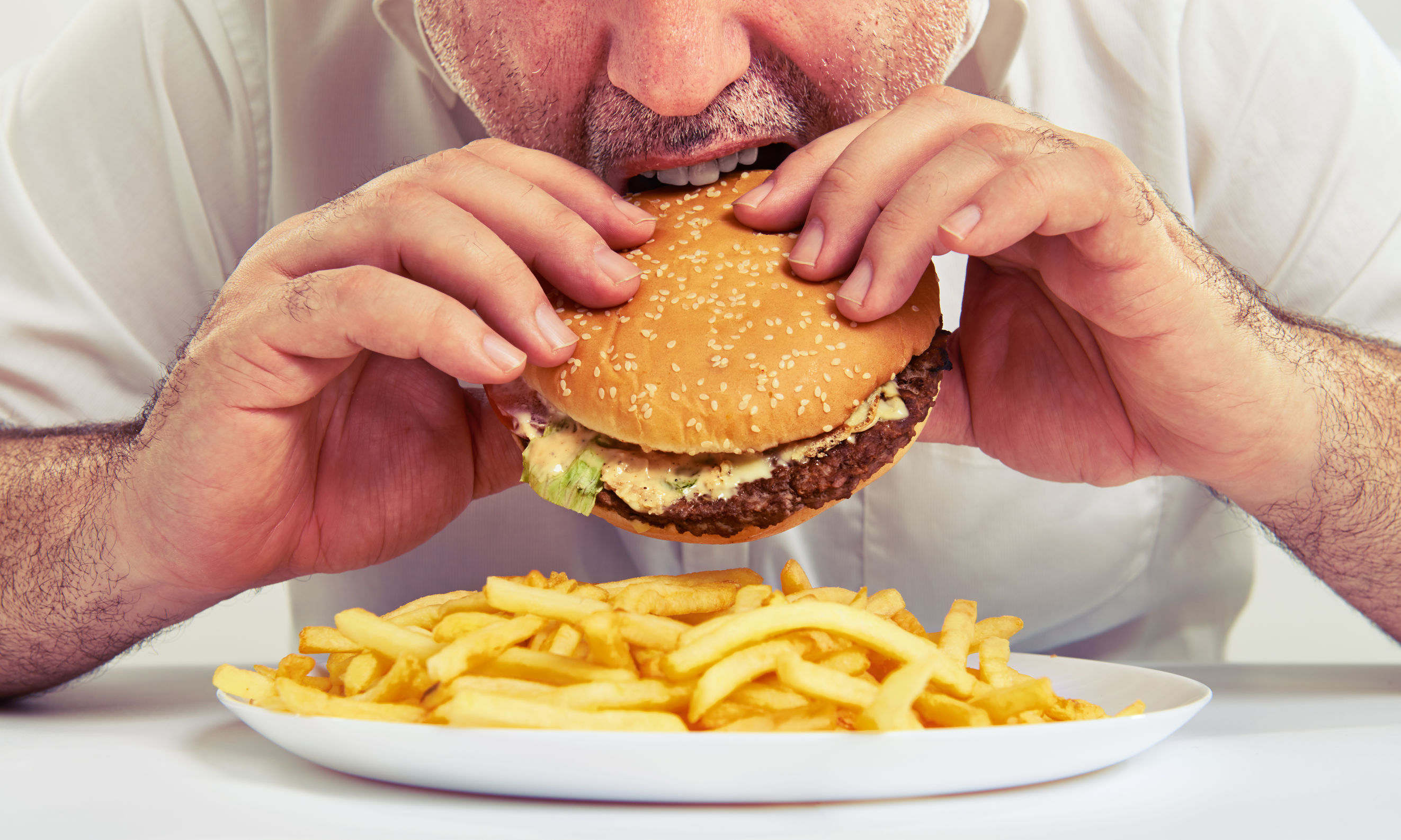
Anxiety eating, also known as emotional eating, is a common phenomenon in which individuals turn to food as a way to manage their emotions and alleviate feelings of anxiety. It is characterized by eating excessively or consuming unhealthy foods in response to stress, boredom, or other emotions.
The Relationship Between Anxiety and Food
Anxiety and food are intricately connected, as food often becomes a source of comfort and relief during times of stress. When a person experiences anxiety, their body releases stress hormones that can stimulate cravings for high-calorie, high-fat, and sugary foods. These foods can temporarily boost mood and provide a sense of relief, leading to a vicious cycle of anxiety eating.
Why is it Important to Stop Anxiety Eating
While anxiety eating may provide temporary relief, it can lead to a host of negative consequences, both physical and psychological. Excessive consumption of unhealthy foods can lead to weight gain, decreased energy levels, and increased risk of chronic diseases such as diabetes and heart disease. Furthermore, using food as a coping mechanism can perpetuate unhealthy eating habits and hinder the development of proper strategies to manage anxiety effectively.
Identifying Triggers
Recognizing Emotional Triggers
One of the first steps in stopping anxiety eating is to identify the emotional triggers that lead to overeating. These triggers can vary from person to person but may include stress, boredom, loneliness, sadness, or even happiness. Paying close attention to your emotions and the situations that trigger them can help you become more self-aware and make conscious choices about how to manage them.
Identifying Physical Triggers
In addition to emotional triggers, physical triggers can also contribute to anxiety eating. These triggers include hunger, fatigue, physical discomfort, and hormonal changes. It is essential to listen to your body and address these physical needs appropriately to avoid using food as a way to numb or distract yourself from discomfort.
Understanding the Cycle of Anxiety Eating
Anxiety eating often follows a predictable cycle: an emotional or physical trigger leads to the consumption of unhealthy foods, which provides temporary relief and comfort. However, this relief is short-lived, and feelings of guilt, shame, or regret may arise, creating more anxiety, which can then lead to further overeating. Breaking this cycle requires developing effective coping strategies and addressing the underlying emotions and triggers.

Developing Coping Strategies
Mindfulness Techniques
Mindfulness practices, such as meditation and deep breathing exercises, can be powerful tools to manage anxiety and prevent emotional eating. By focusing your attention on the present moment and grounding yourself in your body, you can gain greater awareness of your emotions and cravings without automatically responding to them with food.
Breathing Exercises
Deep breathing exercises can help regulate your body’s stress response and reduce anxiety levels. Taking slow, deep breaths in through your nose and exhaling through your mouth can activate the body’s relaxation response, calming your mind and reducing the urge to turn to food for comfort.
Journaling for Self-Reflection
Keeping a journal can be a valuable tool for self-reflection and emotional processing. By writing down your thoughts, feelings, and triggers associated with anxiety eating, you can identify patterns and gain insights into the underlying emotions driving your behavior. Journaling can help you develop a deeper understanding of yourself and provide an outlet for expressing your emotions in a healthy way.
Building a Support System
Seeking Professional Help
If anxiety eating has become a significant problem in your life and you are struggling to manage it on your own, seeking professional help is crucial. Mental health professionals, such as therapists or counselors, can provide guidance, support, and evidence-based strategies to address anxiety and develop healthier coping mechanisms.
Engaging in Therapy or Counseling
Therapy or counseling can be incredibly beneficial in addressing the underlying causes of anxiety eating. A trained professional can help you explore the root causes of your anxiety, develop effective coping strategies, and provide ongoing support and accountability throughout your journey.
Connecting with Support Groups
Connecting with others who are facing similar challenges can provide a sense of community and understanding. Joining support groups, either in person or online, can allow you to share your experiences, gain insights from others, and receive support and encouragement from individuals who have successfully overcome anxiety eating.

Creating a Positive Food Environment
Stocking up on Nutritious Foods
Creating a positive food environment by stocking up on healthy, nutritious foods is essential to combat anxiety eating. Keep your pantry and refrigerator filled with fresh fruits and vegetables, lean proteins, whole grains, and healthy snacks to ensure that you have nourishing options readily available when cravings strike.
Meal Planning and Preparation
Meal planning and preparation can help you make conscious choices about what you eat and reduce impulsive decisions driven by anxiety. Set aside time each week to plan and prepare nutritious meals and snacks, ensuring that you have balanced and satisfying options readily available. This practice can alleviate stress and provide a sense of control over your food choices.
Mindful Eating Practices
Practicing mindful eating involves paying attention to your food choices, eating slowly, and savoring each bite. By being present and fully engaged with your meal, you can enhance your enjoyment, improve digestion, and become more attuned to your body’s hunger and fullness cues. Mindful eating can help prevent overeating and foster a healthier relationship with food.
Implementing Healthy Habits
Regular Exercise Routine
Engaging in regular physical activity is not only beneficial for your overall health but also serves as a natural stress reliever. Exercise releases endorphins, the body’s feel-good hormones, which can help reduce anxiety and combat the urge to turn to food for comfort. Find an activity that you enjoy and incorporate it into your daily routine for maximum benefits.
Proper Stress Management Techniques
Managing stress effectively is crucial in preventing anxiety eating. Experiment with various stress management techniques such as yoga, meditation, or engaging in hobbies that bring you joy and relaxation. Find what works best for you and make it a priority to incorporate these activities into your daily life.
Avoiding Restrictive Diets
Restrictive diets can often lead to feelings of deprivation and trigger anxiety eating episodes. It is essential to embrace a balanced and sustainable approach to eating that allows for flexibility and enjoyment. Focus on nourishing your body with wholesome foods while also allowing yourself occasional indulgences in moderation.
Replacing Anxiety Eating with Healthy Alternatives
Exploring New Hobbies and Activities
Finding alternative activities to engage in when the urge to anxiety eat strikes can be helpful in redirecting your focus and emotions. Explore new hobbies, such as painting, reading, or gardening, that provide a sense of fulfillment and distraction from food cravings.
Engaging in Relaxation Techniques
Engaging in relaxation techniques, such as taking a warm bath, listening to calming music, or practicing aromatherapy, can help alleviate anxiety and reduce the desire to eat as a way to cope with stress. Experiment with different techniques to find what brings you comfort and helps you relax.
Practicing Self-Care
Prioritizing self-care is crucial in managing anxiety and preventing emotional eating. Engage in activities that promote relaxation and well-being, such as taking time for yourself, getting enough sleep, and practicing self-compassion. By taking care of your emotional and physical needs, you can reduce anxiety levels and create a healthier mindset.
Developing a Resilient Mindset
Challenging Negative Thoughts
Negative thoughts and self-criticism often contribute to anxiety eating. Practice challenging and reframing these negative thoughts with positive affirmations and realistic perspectives. Remind yourself that setbacks are a part of the process, and each small step towards healthier habits is a victory.
Cultivating Self-Compassion
Cultivating self-compassion is essential in overcoming anxiety eating. Be kind and understanding towards yourself when you experience setbacks or struggles. Treat yourself with the same empathy and compassion you would offer to a friend going through a similar situation.
Setting Realistic Goals
Setting realistic goals is crucial in maintaining motivation and preventing disappointment. Break down your journey into small, achievable steps, and celebrate each milestone along the way. By setting realistic expectations, you can create a positive and sustainable path towards overcoming anxiety eating.

Monitoring Progress and Making Adjustments
Tracking Food and Mood Patterns
Keeping a food and mood journal can help you identify patterns that contribute to anxiety eating. Take note of the foods you consume, your emotions before and after eating, and any triggers or stressors you encounter. Analyzing these patterns can provide valuable insights and allow you to make adjustments to your coping strategies.
Identifying Relapse Warning Signs
Relapses are common during the process of stopping anxiety eating. Pay attention to warning signs such as increased stress levels, heightened emotions, or a return to old eating habits. Identifying these warning signs early on can help you intervene and seek support before anxiety eating becomes a regular occurrence.
Seeking Professional Guidance for Adjustments
If you find that your efforts to stop anxiety eating are not yielding the desired results, seeking professional guidance is crucial. A mental health professional or registered dietitian can help assess your progress, make necessary adjustments to your strategies, and provide additional tools and techniques to overcome any obstacles you may face.
Conclusion
Taking control of anxiety eating is achievable with the right strategies, support system, and mindset. By implementing the techniques discussed in this article and seeking professional help when needed, individuals can overcome anxiety eating and lead a healthier, more balanced life. Remember, progress may take time and effort, but with patience and perseverance, you can break free from the cycle of anxiety eating and find peace with food.

