How To Stop Bad Eating Habits

Have you ever found yourself reaching for that bag of chips or devouring a whole tub of ice cream without even realizing it? We’ve all been there. Bad eating habits can be difficult to break, but luckily, there are ways to stop them. In this article, we’ll delve into the world of unhealthy eating habits and provide you with practical tips on how to kick them to the curb.
From mindless snacking to emotional eating, bad eating habits can take many forms. Perhaps you find yourself mindlessly munching on junk food while watching TV, or maybe stress triggers the urge to indulge in unhealthy comfort foods. Whatever the case may be, breaking these habits can be challenging. However, with the right strategies and mindset, you can take control of your eating habits and make healthier choices. In the upcoming article, we’ll explore the psychology behind bad eating habits and offer practical advice on how to stop them for good. So, if you’re ready to transform your relationship with food and improve your overall well-being, keep reading!
How To Stop Bad Eating Habits
Defining Bad Eating Habits
Bad eating habits refer to unhealthy patterns of eating that can have negative effects on our physical and mental health. These habits often involve the excessive consumption of junk food, processed foods, sugary beverages, and foods high in saturated fats and sodium. They can also include mindless eating, emotional eating, and irregular meal timings.
Effects of Bad Eating Habits on Health
Bad eating habits have numerous negative effects on our overall health. Continuous consumption of unhealthy foods can lead to weight gain, obesity, and an increased risk of developing chronic conditions such as heart disease, diabetes, and hypertension. These habits can also negatively impact our mental health, leading to feelings of low self-esteem, guilt, and poor body image.
Common Causes of Bad Eating Habits
There are several common causes that contribute to the development of bad eating habits. These include:
- Busy lifestyles and lack of time to prepare healthy meals.
- Emotional factors such as stress, boredom, or sadness, leading to emotional eating.
- Easy accessibility and affordability of unhealthy foods.
- Lack of knowledge about proper nutrition and healthy food choices.
- Social pressure and influence from friends, family, or coworkers.
Recognizing Your Bad Eating Habits
To change your bad eating habits, you must first recognize and be aware of them. Here are some tips to help you identify your unhealthy eating patterns:
Identifying Triggers for Unhealthy Eating
Take note of the situations, emotions, or events that trigger your unhealthy eating habits. These triggers could be stress, boredom, or even specific environments such as watching TV or being at a social gathering. By identifying these triggers, you can find alternative coping mechanisms and strategies to avoid falling into the trap of bad eating habits.
Tracking Your Eating Patterns
Keep a food diary or use a mobile app to track your daily food intake. This will give you a clearer picture of your eating habits and help you understand the quantity and quality of the foods you consume. By analyzing your food diary, you can identify patterns, such as mindless snacking or excessive consumption of unhealthy foods.
Understanding Emotional Eating
Emotional eating is a common cause of bad eating habits. It involves using food as a way to cope with emotions rather than satisfying physical hunger. Emotional eaters often turn to comfort foods high in sugar, fats, and carbs. By recognizing when you are emotionally eating, you can develop alternative strategies to address your emotions, such as practicing mindfulness, engaging in physical activity, or seeking support from loved ones.

Creating a Healthy Eating Plan
To break bad eating habits, it’s essential to create a healthy eating plan that focuses on nourishing your body and providing optimal nutrition. Here are some steps to help you create a healthy eating plan:
Setting Realistic Goals for Healthier Eating
Start by setting realistic and achievable goals for your dietary changes. Instead of completely eliminating all unhealthy foods at once, aim to gradually reduce their consumption and replace them with healthier alternatives. It’s important to be patient with yourself and understand that change takes time.
Understanding Proper Portion Control
Portion control plays a crucial role in maintaining a healthy diet. Learn to portion your meals according to recommended serving sizes. Use measuring cups or a food scale to ensure you are eating appropriate amounts. By practicing portion control, you can enjoy a variety of foods without overeating.
Incorporating a Balanced Diet
A balanced diet is key to breaking bad eating habits. Make sure to include a variety of food groups in your meals, such as fruits, vegetables, whole grains, lean proteins, and healthy fats. Strive to create meals that are colorful, flavorful, and satisfying. By incorporating a balanced diet, you will provide your body with the necessary nutrients it needs to function optimally.
Developing Strategies to Overcome Bad Habits
Breaking bad eating habits requires conscious effort and determination. Here are some strategies to help you overcome these habits:
Replacing Unhealthy Snacks with Nutritious Alternatives
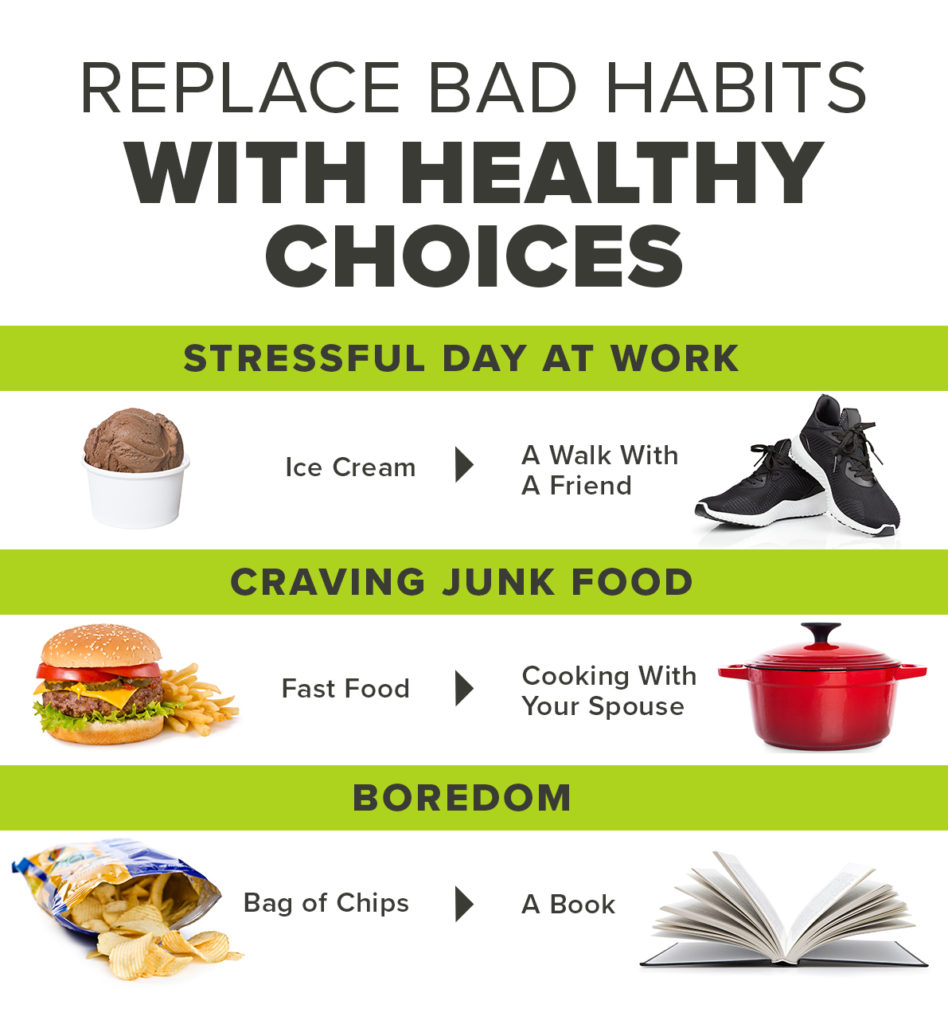
Swap out unhealthy snacks such as chips, candies, and cookies with healthier alternatives. Keep a variety of fresh fruits, vegetables, nuts, and seeds stocked in your pantry. These nutritious snacks not only provide essential vitamins and minerals but also satisfy your cravings.
Meal Planning and Prepping
Plan your meals in advance to avoid impulsive and unhealthy food choices. Dedicate a portion of your weekend to meal prepping, ensuring you have healthy meals and snacks readily available throughout the week. This will save you time, money, and reduce the likelihood of resorting to fast food or unhealthy options.
Managing Cravings and Urges
Cravings and urges for unhealthy foods are common when breaking bad eating habits. Instead of giving in to these cravings, find alternative ways to deal with them. Engage in activities that distract you, such as going for a walk, practicing a hobby, or talking to a friend. Over time, these cravings will decrease, and you will develop a taste for healthier options.

Creating a Supportive Environment
Having a supportive environment is crucial for successfully breaking bad eating habits. Here are some ways to create a supportive environment:
Involving Loved Ones in Your Journey
Share your goals and ambitions with your loved ones, and seek their support. Family and friends can provide encouragement, accountability, and even join you in making healthier choices. By involving others in your journey, you create a positive support system that can keep you motivated and on track.
Finding Accountability Partners
Consider finding an accountability partner who shares similar health goals. This could be a friend, coworker, or even an online community. By checking in with each other regularly, sharing progress, and offering support, you can hold each other accountable and stay motivated.
Avoiding Environments that Trigger Bad Eating Habits
Identify environments that trigger your bad eating habits and try to avoid them whenever possible. If certain social gatherings or locations encourage unhealthy eating, consider suggesting alternative activities or venues that align with your healthy eating goals.
Managing Stress and Emotional Eating
Stress and emotional eating often go hand in hand with bad eating habits. To address these issues, consider the following strategies:
Identifying Stressors and Finding Healthier Coping Mechanisms
Identify the sources of stress in your life and find healthier ways to cope with them. This could include engaging in regular physical exercise, practicing relaxation techniques such as yoga or meditation, or seeking professional help if needed. By managing stress effectively, you reduce the likelihood of turning to food for comfort.
Practicing Mindfulness and Stress-Reduction Techniques
Mindfulness can be a powerful tool in preventing emotional eating. Practice mindful eating by paying attention to the taste, texture, and smell of your food. Take time to savor each bite and eat slowly. By being present in the moment, you can better differentiate between physical hunger and emotional cravings.
Seeking Professional Help if Needed
If you consistently struggle with emotional eating or have difficulty managing stress, seeking professional help from a therapist or counselor can be beneficial. They can provide guidance, support, and strategies to overcome emotional eating and develop healthier coping mechanisms.

Educating Yourself about Nutrition
To break bad eating habits, it’s important to educate yourself about nutrition and make informed food choices. Here are some steps to enhance your nutritional knowledge:
Understanding Nutritional Requirements
Educate yourself about the essential nutrients your body needs and the recommended daily intake for each. Learn about the various food groups and how they contribute to your overall health. By understanding your nutritional requirements, you can make better choices when it comes to planning meals.
Reading Food Labels and Ingredient Lists
Become familiar with reading food labels and ingredient lists. Pay attention to serving sizes, calories, and the presence of any harmful additives or excessive amounts of sugar, sodium, or unhealthy fats. This will help you make informed decisions and choose healthier options at the grocery store.
Separating Fact from Fiction in Diet Trends
The world of nutrition is filled with fad diets and misleading information. Be cautious of any diet trends that promise quick fixes or overly restrictive eating patterns. Instead, rely on scientifically proven facts and consult trusted sources such as registered dietitians or reputable health organizations.
Seeking Professional Guidance and Support
If you feel overwhelmed or unsure about breaking your bad eating habits, seeking professional guidance and support can be beneficial. Here are some options to consider:
Consulting a Registered Dietitian
A registered dietitian is a qualified professional who can provide personalized dietary advice and guidance. They can help you develop a tailored eating plan, educate you about proper nutrition, and offer ongoing support throughout your journey.
Joining Support Groups or Programs
Consider joining support groups or programs that focus on breaking bad eating habits and adopting a healthier lifestyle. These groups provide a sense of belonging, encouragement, and a platform to share experiences and learn from others who are on a similar journey.
Considering Therapy for Underlying Emotional Issues
If your bad eating habits are deeply rooted in emotional issues or past trauma, therapy can be a valuable tool for addressing these underlying issues. A therapist can help you explore the emotional triggers behind your eating habits, develop coping mechanisms, and support your overall mental well-being.
Reinforcing Positive Eating Habits
Breaking bad eating habits and developing long-term healthy habits requires consistent effort and reinforcement. Here are some strategies to help you reinforce positive eating habits:
Rewarding Yourself for Progress
Celebrate your successes, no matter how small they may seem. Reward yourself with non-food-related treats such as a new book, a relaxing bath, or a day off from your regular responsibilities. Recognizing and acknowledging your progress will motivate you to continue on your journey.
Practicing Self-Compassion and Forgiveness
Remember that breaking bad eating habits is a process, and setbacks are normal. Practice self-compassion and forgive yourself if you slip up. Rather than dwelling on past mistakes, focus on the present and the steps you can take to get back on track.
Maintaining a Long-Term Commitment
Breaking bad eating habits is not a short-term fix; it requires a long-term commitment to a healthy lifestyle. Embrace this commitment and recognize that your health and well-being are worth the effort. Stay motivated by setting new goals, continuing to learn about nutrition, and enjoying the positive changes that come with healthier habits.
Conclusion
Breaking bad eating habits is a journey that requires awareness, dedication, and a desire for change. By understanding the negative effects of these habits on our health, recognizing our triggers, and developing strategies for healthier eating, we can take control of our nutrition and overall well-being. Armed with knowledge, support, and a commitment to long-term change, we can stop bad eating habits and embrace a healthier lifestyle for ourselves and those around us. Remember, it’s never too late to start making positive changes – you have the power to transform your relationship with food and thrive in your overall wellness journey.

