How To Stop Binging

Have you ever found yourself mindlessly snacking on a bag of chips or devouring a whole pint of ice cream, only to feel guilty and unsatisfied afterwards? We’ve all been there. Binging can be a challenging habit to break, but fear not! In this article, we’re going to delve into the topic of how to stop binging and provide you with some valuable tips and insights along the way. So, if you’re tired of feeling out of control with your food consumption and want to learn how to regain that sense of power and balance, keep reading!
Let’s face it, binging can often feel like an uncontrollable force taking over your willpower. From stress-eating to emotional eating, there are various factors that contribute to this habit. However, the good news is that there are steps you can take to regain control and put an end to this cycle. In this article, we’ll be exploring different strategies such as mindful eating, identifying triggers, and seeking support. By implementing these techniques, you’ll not only learn how to stop binging, but also develop a healthier relationship with food. So, whether you’re looking to break free from the grip of binging or simply want to gain a better understanding of this behavior, continue reading to discover more!
How To Stop Binging
Understanding Binge Eating Disorder
Binge eating is a serious disorder characterized by consuming large amounts of food within a short period accompanied by a loss of control. It is important to differentiate between occasional overeating and binge eating disorder (BED), as BED is a recognized mental health condition. This article aims to shed light on the causes, signs and symptoms, as well as the effects of binge eating disorder.
What is binge eating?
Binge eating refers to the consumption of an excessive amount of food while feeling a lack of control over the eating behavior. Unlike other eating disorders, such as anorexia or bulimia, individuals with binge eating disorder do not engage in compensatory behaviors such as purging or excessive exercise. Binge eating episodes are often marked by feelings of guilt, shame, or distress.
Signs and symptoms of binge eating disorder
It is crucial to be aware of the signs and symptoms of binge eating disorder to identify the condition and seek appropriate support. Some common behaviors associated with binge eating disorder include:
- Consuming an unusually large amount of food in a discrete period.
- Eating rapidly, even to the point of discomfort.
- Eating alone due to embarrassment.
- Feeling disgusted, guilty, or depressed after binge eating episodes.
- Experiencing weight fluctuations or significant weight gain.
- Feeling a loss of control during binge eating episodes.
Causes of binge eating disorder
The development of binge eating disorder can be attributed to various factors, including biological, psychological, and environmental influences. Some potential causes of binge eating disorder may include:
- Genetic predisposition: Research suggests that certain genetic factors can contribute to the development of binge eating disorder.
- Emotional distress: Binge eating episodes may be triggered by emotional factors such as stress, boredom, anxiety, or depression.
- Dieting and restrictive eating patterns: Engaging in strict diets or restrictive eating patterns can actually increase the likelihood of developing binge eating disorder.
- Body image concerns: Negative body image and dissatisfaction with one’s appearance can lead to the development of unhealthy eating behaviors, including binge eating.
Effects of Binge Eating
Binge eating disorder can have significant physical, psychological, social, and emotional effects on individuals who suffer from it.
Physical health effects
Binge eating can have detrimental effects on one’s physical health. Some of the physical health consequences commonly associated with binge eating disorder include:
- Obesity: Binge eating disorder is often associated with weight gain and can contribute to obesity, further increasing the risk of chronic diseases such as diabetes, heart disease, and certain types of cancer.
- High blood pressure: Excessive calorie intake during binge eating episodes may lead to elevated blood pressure levels.
- Digestive problems: Overeating can cause digestive issues such as bloating, stomach discomfort, and constipation.
- Sleep disturbances: Binge eating can disrupt sleep patterns, leading to difficulties falling asleep or staying asleep.
- Joint pain: Increased body weight resulting from binge eating can put additional stress on the joints, leading to joint pain and discomfort.
Psychological effects
Binge eating disorder can also have a profound impact on an individual’s mental well-being. Some common psychological effects of binge eating disorder include:
- Low self-esteem: The guilt and shame associated with binge eating can significantly impact an individual’s self-esteem and body image.
- Depression and anxiety: Binge eating disorder is often comorbid with depression and anxiety disorders. The shame and guilt experienced after binge eating can also contribute to these mental health conditions.
- Social isolation: Individuals with binge eating disorder may isolate themselves socially due to embarrassment or fear of judgment from others, leading to feelings of loneliness and further exacerbating psychological distress.
- Impaired concentration and productivity: The mental preoccupation with food and body image can significantly impact a person’s ability to focus and perform daily tasks efficiently.
Social and emotional impacts
Binge eating disorder can affect various aspects of an individual’s social and emotional life. Some of the impacts may include:
- Strained relationships: Binge eating episodes can lead to feelings of guilt, shame, and embarrassment, often causing strain within personal relationships.
- Poor body image: Binge eating disorder can contribute to negative body image and feelings of dissatisfaction with one’s appearance, which can negatively impact self-esteem and interpersonal relationships.
- Emotional distress: Binge eating episodes are often accompanied by intense negative emotions, such as sadness, guilt, or anger.
- Reduced quality of life: The physical and psychological effects of binge eating disorder can diminish an individual’s overall quality of life, leading to decreased enjoyment and fulfillment.
Recognizing Triggers and Patterns
To address binge eating disorder effectively, it is essential to recognize the triggers and patterns associated with the behavior.
Identifying emotional triggers
Emotional triggers play a significant role in the development and maintenance of binge eating disorder. Some common emotional triggers may include:
- Stress: Stressful situations can often lead to emotional eating as a way to cope with negative emotions.
- Boredom: Feeling bored or unstimulated can provoke cravings for food, leading to binge eating.
- Anxiety or depression: Emotional distress can trigger binge eating episodes as individuals may turn to food for comfort or as a distraction from their emotions.
- Loneliness or social isolation: Feelings of loneliness and isolation can contribute to emotional eating as a means of seeking comfort or companionship.
Identifying situational triggers
Situational triggers are external factors that can provoke binge eating episodes. Some common situational triggers may include:
- Availability of food: Being surrounded by readily available or easily accessible food can increase the likelihood of engaging in binge eating.
- Eating in certain environments: Eating in specific places or engaging in certain activities (such as watching TV or movies) can trigger the desire to indulge in binge eating.
- Time of day: Some individuals may find that certain times of the day, such as nighttime, are more prone to triggering binge eating episodes.
Recognizing patterns and routines
Identifying patterns and routines related to binge eating can help individuals gain a better understanding of their behavior. This awareness can then inform the development of effective coping strategies. Some patterns and routines to be aware of include:
- Certain foods or food groups: Some individuals may notice a preference for specific types of foods or food groups during binge eating episodes.
- Time of day or week: Patterns related to the timing of binge eating episodes may arise, such as certain days or times of the week being more susceptible to binge eating.
- Emotional or situational triggers: Recognizing the recurring emotional or situational triggers can help individuals develop strategies to manage them effectively.
Developing Coping Strategies
Addressing binge eating disorder involves developing healthy coping strategies to manage emotional triggers and prevent further episodes of binge eating.
Building a support network
A crucial step in overcoming binge eating disorder is building a supportive network of friends, family, or professionals who can provide understanding, encouragement, and guidance. Opening up to a trusted confidant or seeking professional help can create a safe space for individuals to share their experiences and receive support.
Finding healthy coping mechanisms
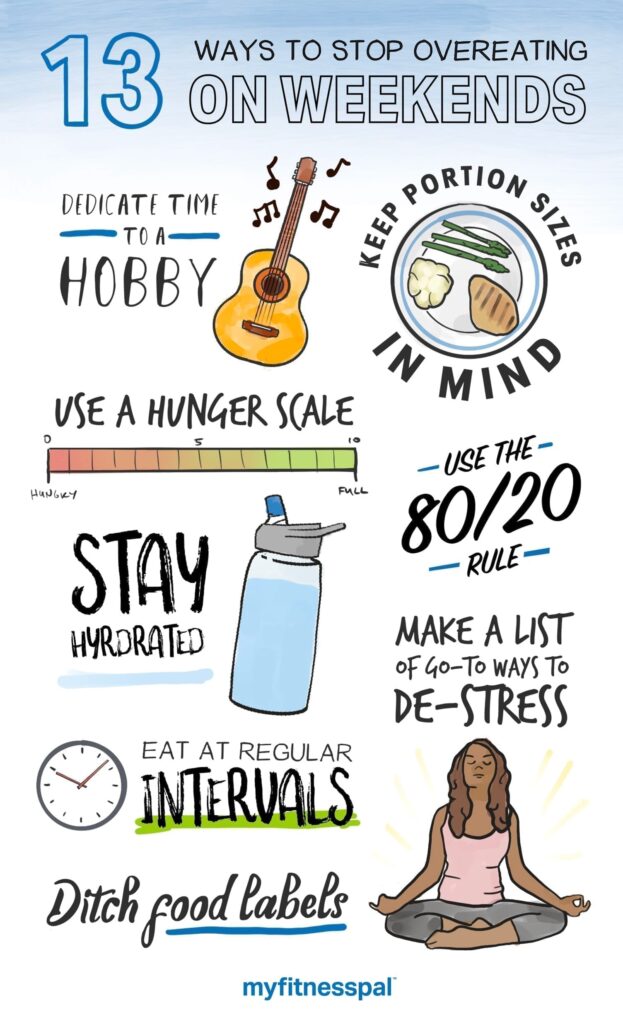
Instead of turning to food during times of emotional distress, it is important to seek and engage in healthy coping mechanisms. Some alternatives to emotional eating may include:
- Engaging in physical activity: Exercise can be a powerful way to release emotions and improve overall well-being.
- Practicing relaxation techniques: Techniques such as deep breathing, meditation, or yoga can help manage stress and promote emotional balance.
- Pursuing hobbies or interests: Engaging in activities that bring joy or fulfillment can serve as a distraction and provide a positive outlet for emotions.
- Seeking professional help: Working with a therapist or counselor trained in binge eating disorder can provide valuable tools and strategies for managing emotions.
Implementing stress management techniques
Stress can be a significant trigger for binge eating episodes. Learning effective stress management techniques can help individuals reduce their overall stress levels and prevent turning to food for comfort. Some stress management techniques to consider include:
- Time management: Properly scheduling and organizing daily activities can help minimize stress and provide a sense of control over one’s life.
- Prioritizing self-care: Taking time for oneself and engaging in activities that promote relaxation and well-being can help manage stress levels.
- Mindfulness and meditation: Practicing mindfulness and meditation can help individuals stay present, focus on the present moment, and reduce stress levels.
Creating a Structured Eating Plan
Establishing a structured eating plan can help individuals with binge eating disorder regain control over their eating habits and reduce the frequency of binge eating episodes.
Understanding the importance of regular meals
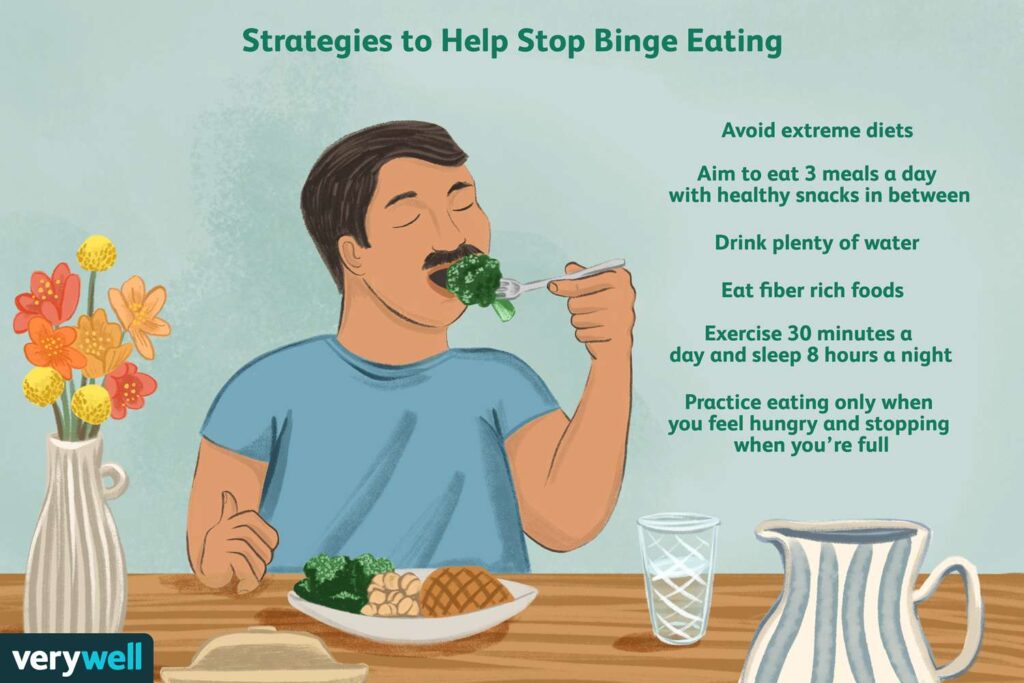
Consistency in meal timing and regularity is crucial for individuals with binge eating disorder. Establishing regular meal times helps regulate hunger levels, prevent extreme hunger, and reduce the likelihood of engaging in binge eating behaviors.
Planning balanced and nutritious meals
Including a balance of macronutrients (carbohydrates, proteins, and fats) in each meal is important for overall nutrition and satiety. Incorporating a variety of fruits, vegetables, lean proteins, and whole grains can help individuals feel satisfied and reduce the urge to binge eat.
Establishing a meal schedule
Creating a meal schedule can help individuals develop a routine and reduce the likelihood of impulsive eating. Setting specific times for breakfast, lunch, dinner, and snacks can provide structure and stability, minimizing the risk of experiencing extreme hunger and subsequent binge eating.
Mindful Eating Techniques
Practicing mindful eating can be a powerful tool for overcoming binge eating disorder. Mindful eating involves being fully present and attentive during meals, allowing individuals to develop a healthier relationship with food.
Practicing mindfulness during meals
Engaging in mindful eating involves focusing on the sensory experience of eating, including the taste, texture, and aroma of food. Paying attention to each bite and eating slowly helps individuals savor their food and enhance the enjoyment of eating.
Listening to hunger and fullness cues
Tuning in to hunger and fullness cues is crucial when practicing mindful eating. Eating when genuinely hungry and stopping when comfortably full can help individuals develop a healthier relationship with food and prevent overeating.
Engaging all senses while eating
Incorporating all senses while eating can enhance the experience and mindfulness of meals. Appreciating the visual presentation of food, enjoying the aroma, and savoring the flavors can contribute to a more satisfying and enjoyable eating experience.
Managing Food Cravings
Addressing food cravings is an important aspect of overcoming binge eating disorder. By understanding and managing triggers for food cravings, individuals can find healthier alternatives and implement effective strategies.
Identifying triggers for food cravings
Certain foods, environments, or emotions can trigger intense food cravings. Learning to identify these triggers can help individuals develop strategies to manage and overcome them.
Finding healthier alternatives to cravings
Instead of indulging in highly processed or unhealthy foods during cravings, finding healthier alternatives can help satisfy cravings while still nourishing the body. For example, swapping sugary snacks for fresh fruit or choosing whole grain alternatives can provide a nutritious alternative.
Implementing a plan for managing cravings
Having a proactive plan in place for managing food cravings is essential for individuals with binge eating disorder. Some strategies may include: distracting oneself with activities or hobbies, practicing mindful eating techniques, or seeking support from a trusted individual.
Building a Positive Relationship with Food
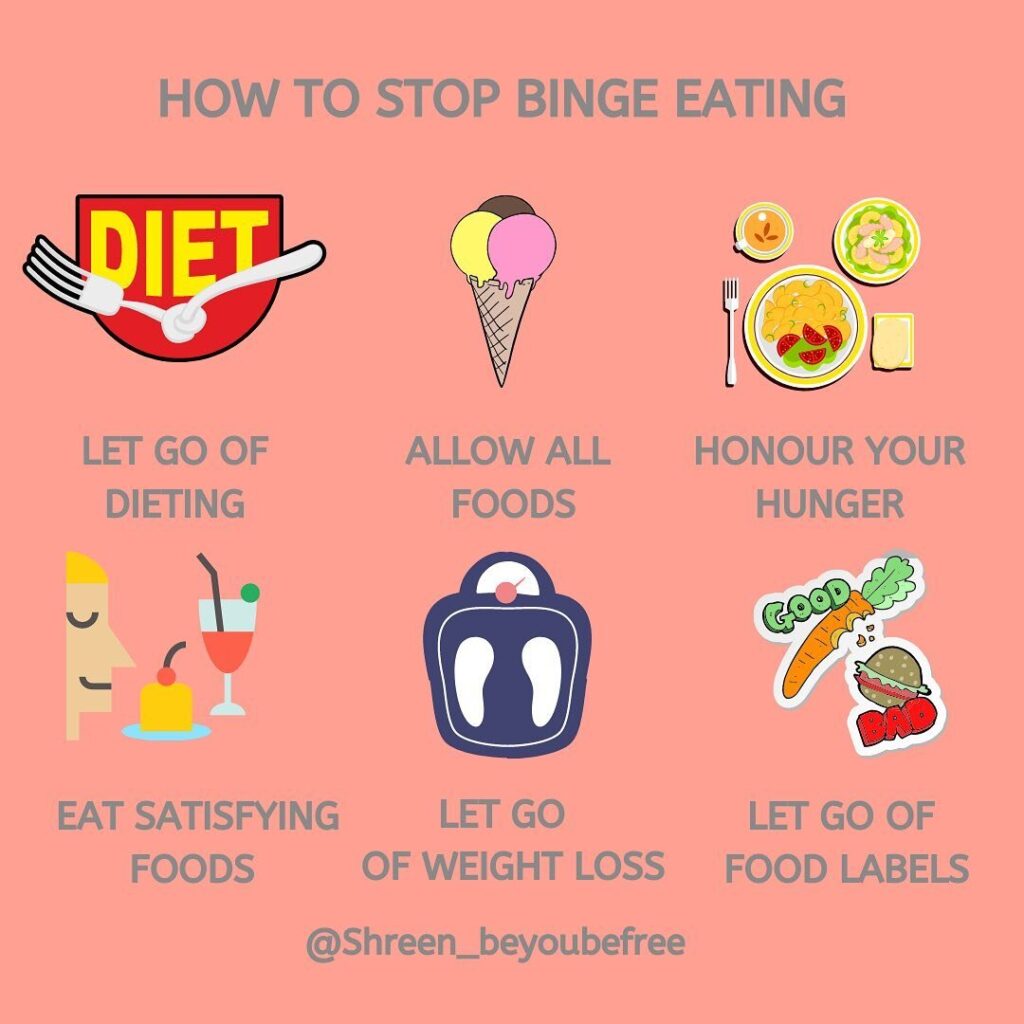
Developing a positive relationship with food is fundamental for individuals struggling with binge eating disorder. Avoiding restrictive diets, practicing self-compassion, and embracing intuitive eating can help foster a healthier attitude towards food.
Avoiding restrictive diets
Restrictive diets can often exacerbate binge eating behaviors by creating a cycle of deprivation and subsequent overeating. Instead, focusing on establishing a balanced and nourishing approach to eating can promote a positive relationship with food.
Practicing self-compassion and forgiveness
It is important to practice self-compassion and forgiveness when overcoming binge eating disorder. Recognizing that setbacks may occur and that progress takes time can help individuals approach their journey with kindness and understanding.
Embracing intuitive eating
Intuitive eating involves listening to and trusting one’s body to guide eating decisions. It encourages individuals to honor their hunger, respect their fullness, and cultivate a healthy relationship with food by focusing on internal cues rather than external influences.
Seeking Professional Help
While implementing self-help strategies can be beneficial, seeking professional help is often crucial in managing and overcoming binge eating disorder.
Considering therapy options
Therapy options such as cognitive-behavioral therapy (CBT), dialectical behavior therapy (DBT), or interpersonal therapy (IPT) have shown to be effective in treating binge eating disorder. Working with a therapist can provide individuals with helpful techniques and support tailored to their specific needs.
Consulting with a nutritionist or dietitian
A nutritionist or dietitian trained in eating disorders can provide invaluable guidance in developing a healthy and balanced eating plan. They can help individuals understand their nutritional needs, make appropriate food choices, and establish a positive relationship with food.
Exploring medication options
In some cases, medication may be used alongside therapy to manage binge eating disorder. Certain medications, such as selective serotonin reuptake inhibitors (SSRIs), have shown promise in reducing binge eating episodes and addressing co-occurring mental health conditions.
Conclusion
In conclusion, overcoming binge eating disorder requires understanding the nature of the disorder, recognizing triggers and patterns, implementing effective coping strategies, and developing a positive relationship with food. Seeking support from professionals, building a strong support network, and practicing self-compassion are key components of recovery. By taking these steps and addressing the physical, psychological, social, and emotional impacts, individuals can work towards a healthier and more balanced approach to eating, ultimately improving their overall well-being.

