How To Stop Boredom Eating
Do you ever find yourself mindlessly snacking on food when you’re bored? It’s a common habit that many of us have, but don’t worry, there are ways to break the cycle! In this article, we’ll explore how to stop boredom eating and find healthier alternatives to satisfy your cravings. So, if you’re ready to take control of your snacking habits, keep reading!
We all know that feeling of restlessness when there’s nothing to do and our minds start drifting towards the kitchen. But rather than reaching for a bag of chips or a pint of ice cream, there are plenty of other options to keep yourself occupied. For starters, finding a new hobby or activity that you enjoy can be a great distraction from boredom eating. Whether it’s painting, dancing, or learning a new instrument, engaging in something that you’re passionate about will not only prevent you from snacking but also provide a sense of fulfillment. Additionally, staying hydrated is key in curbing your appetite. Sometimes, our bodies confuse thirst for hunger, so drinking a glass of water before reaching for a snack can help differentiate between the two. These are just a few tips to get you started on your journey to stopping boredom eating. In the full article, we’ll dive deeper into this topic and provide you with even more strategies to conquer those cravings. So, stay tuned and be prepared to say goodbye to boredom snacking once and for all!
How To Stop Boredom Eating
Understanding Boredom Eating
Boredom eating refers to the habit of consuming food as a means of alleviating boredom rather than responding to genuine hunger cues. It is a common behavior observed in many individuals, and it can have detrimental effects on both physical and mental health. In this article, we will explore the reasons behind boredom eating, its impact on health, and strategies to overcome this habit.
What is boredom eating?
Boredom eating occurs when individuals turn to food as a source of entertainment or distraction from boredom, rather than eating out of genuine physical hunger. It often involves mindless snacking or overeating, often with calorie-dense, unhealthy foods.
Why do people engage in boredom eating?
There are several reasons why people engage in boredom eating. One of the main factors is emotional triggers. When individuals are bored, they may experience negative emotions such as loneliness, frustration, or restlessness. By turning to food, they hope to replace these negative emotions with temporary comfort and pleasure. Additionally, the act of eating itself provides a short-lived distraction from the monotony of boredom.
Effects of boredom eating on health
Engaging in boredom eating can have serious consequences on both physical and mental health. From a physical perspective, mindless snacking on unhealthy foods can lead to weight gain, obesity, and associated health problems. Aside from the obvious impact on body weight, excessive consumption of sugary or fatty foods can also contribute to chronic conditions such as heart disease, diabetes, and high blood pressure.
Boredom eating can also take a toll on mental well-being. The temporary relief obtained from eating while bored can create a vicious cycle. Individuals may become stuck in the habit of using food as a coping mechanism, leading to a negative relationship with food and potentially damaging their self-esteem. This negative cycle can increase feelings of guilt, shame, and frustration, which may further perpetuate the boredom eating pattern.
Identifying Triggers
Recognizing boredom cues
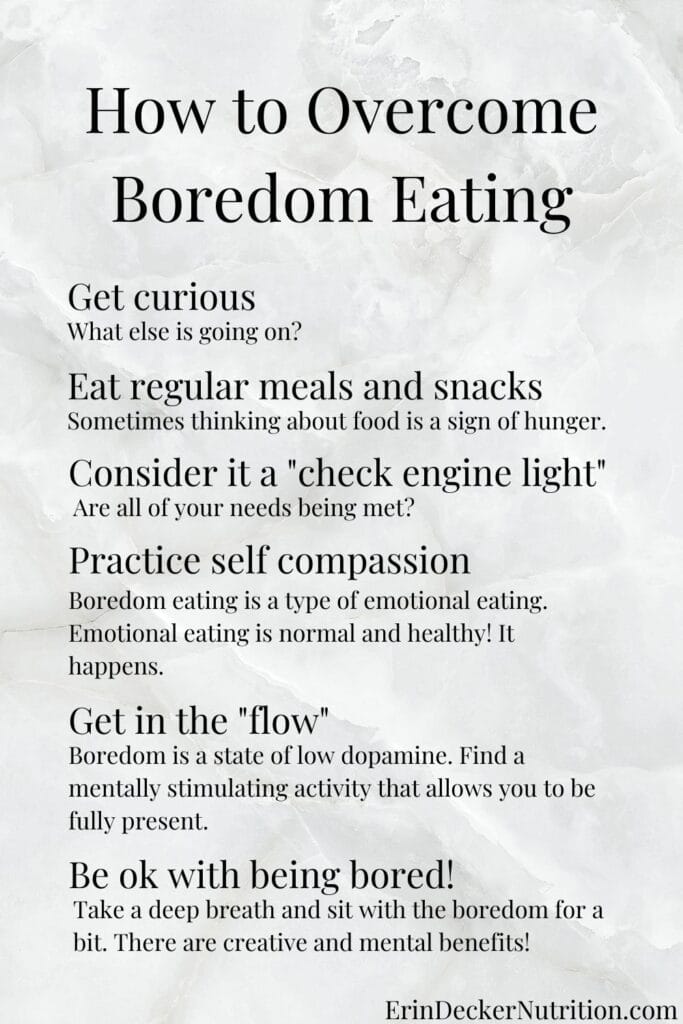
To overcome boredom eating, it is crucial to first identify the cues that trigger this behavior. Boredom cues can manifest in different ways for each individual. Some common cues include restlessness, feeling unmotivated, or searching for something to do. Being able to recognize these cues allows you to intervene and redirect your attention away from food.
Distinguishing between boredom and hunger
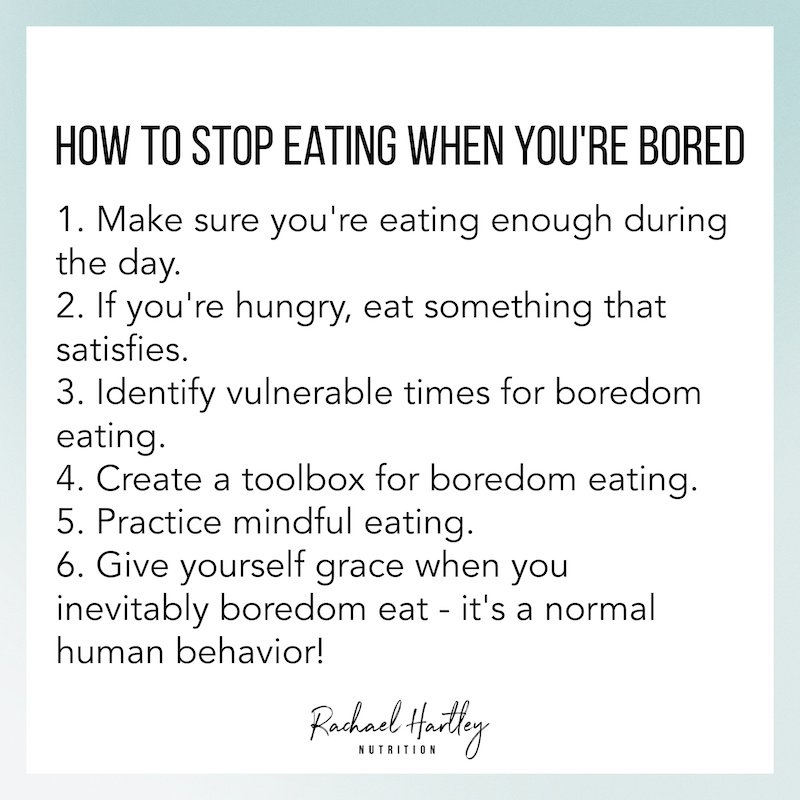
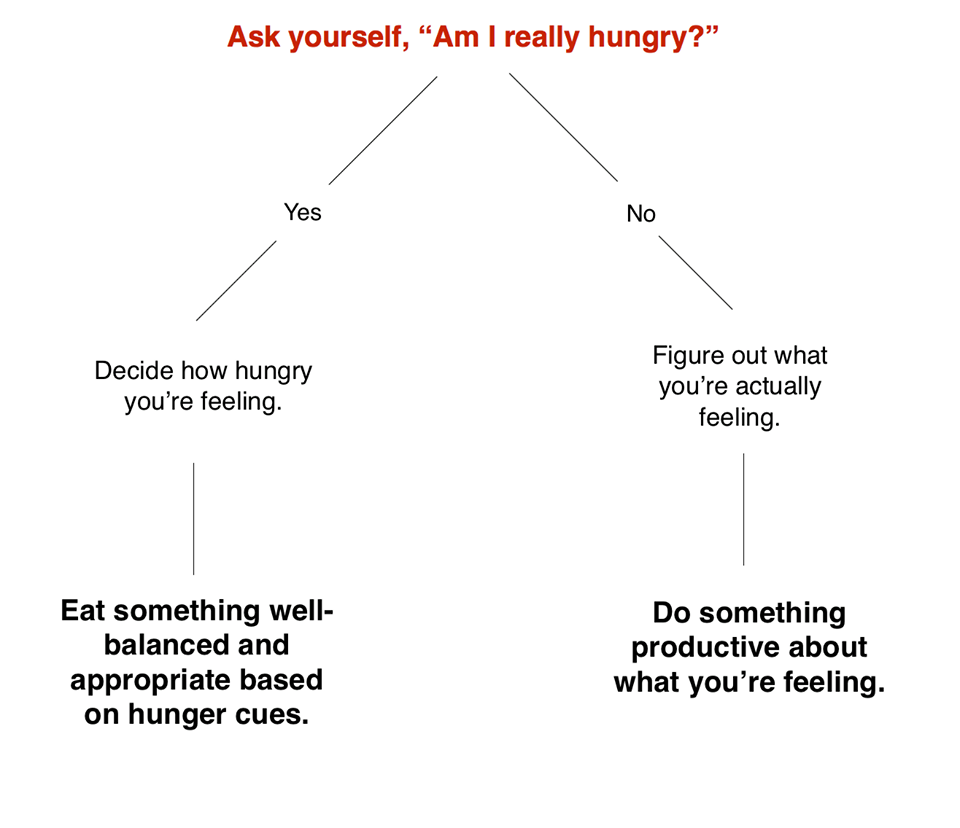
Another important step in stopping boredom eating is differentiating between true physical hunger and boredom. The sensation of boredom can often be mistaken for hunger, leading individuals to eat unnecessarily. It is essential to practice mindfulness and listen to your body, paying attention to its actual hunger signals. Ask yourself if you are genuinely hungry or if the desire to eat stems from boredom.
Uncovering emotional triggers
In addition to boredom, emotional triggers play a significant role in stimulating boredom eating. It is crucial to identify the emotions that lead to this behavior. Loneliness, anxiety, sadness, or even stress can all be underlying emotions triggering the need for distraction through food. By uncovering and addressing these emotions, alternative coping strategies can be implemented.
Creating a Healthy Environment
Stocking nutritious snacks
One effective strategy to combat boredom eating is to ensure that your environment is filled with healthy and nutritious snacks. Instead of indulging in high-calorie, processed foods, stock up on fruits, vegetables, whole grains, and lean proteins. These alternatives will not only provide essential nutrients for your body but will also keep you satisfied and curb mindless snacking.
Removing temptation
A cluttered environment filled with tempting snacks can make it challenging to resist the urge to boredom eat. To counter this, remove all unhealthy foods from your view. Out of sight, out of mind. By doing so, you will minimize the likelihood of impulsively grabbing unhealthy snacks when boredom strikes.
Establishing a meal routine
Creating structure in your eating habits can help combat boredom eating. Establishing a meal routine with set meal times allows your body to adjust to a consistent eating schedule. By ensuring that you are fueling your body properly and at regular intervals, you can minimize the temptation to eat out of boredom.
Finding Alternative Activities
Engaging in physical exercise
One of the most effective ways to combat boredom and divert your attention from eating is to engage in physical exercise. Exercise not only promotes physical health but also releases endorphins, which are natural mood boosters. Choose activities that you enjoy, such as walking, dancing, or playing a sport, and make them a part of your daily routine.
Exploring new hobbies
Another way to combat boredom is by exploring new hobbies or rediscovering old ones that provide a sense of fulfillment and engagement. Engaging in activities such as painting, gardening, reading, or playing a musical instrument can help distract from boredom and reduce the urge to turn to food for entertainment.
Spending time with loved ones
Many times, boredom stems from a lack of social interaction. To address this, seek opportunities to spend quality time with loved ones. Socializing can provide a much-needed distraction from boredom and offer emotional support. Plan outings, game nights, or even virtual gatherings with friends and family, helping to fulfill the need for human connection.
Breaking the Habit
Implementing mindful eating practices
Mindful eating is a powerful technique that can help break the habit of boredom eating. By practicing mindful eating, you become more aware of your eating habits, food choices, and how your body responds to different foods. Before eating, take a moment to check in with yourself and ask if you are truly hungry. Pay attention to the taste, texture, and sensation of each bite, savoring the experience. Mindful eating enables you to make intentional food choices and prevents mindless snacking.
Practicing stress-reducing techniques
Stress is often a culpr

