How To Stop Cravings
Have you ever found yourself constantly craving unhealthy foods? It can be frustrating when you’re trying to stick to a healthy eating plan but your cravings seem to get the best of you. Well, fear not! In this article, we’re going to discuss some strategies on how to stop cravings and stay on track with your healthy lifestyle. So, if you’re tired of giving in to those pesky cravings, keep reading to learn more!
Cravings can be a real challenge, but there are ways to overcome them. We’ll explore different techniques and tips that can help you curb those cravings and maintain a healthy diet. Whether it’s understanding the root cause of your cravings, finding healthier alternatives, or using mindfulness to overcome them, we’ve got you covered. By the end of this article, you’ll have a better understanding of why cravings occur and how to effectively manage them. So, let’s dive in and say goodbye to those cravings for good!
Understanding Cravings
Cravings are intense desires for specific foods or drinks. They can feel overwhelming and often lead to consuming larger quantities than necessary. Understanding the nature of cravings is the first step towards overcoming them.
Definition of cravings
Cravings are commonly defined as intense desires for specific foods or drinks. They often involve a strong emotional or psychological component, making it difficult to resist the urge to indulge. While cravings can vary from person to person, some common examples include cravings for chocolate, salty snacks, or sugary drinks.
Why we experience cravings
Cravings are a complex phenomenon that can be influenced by various factors. One common cause is the release of “feel-good” chemicals in the brain, such as dopamine, when we consume certain foods. This creates a pleasurable sensation that our brain craves, leading to repeated behavior.
Another key factor in cravings is the connection between food and emotions. Many people turn to food for comfort, pleasure, or to cope with stress. This emotional eating can become a habit, making it difficult to resist cravings in certain situations.
The connection between cravings and emotions
Emotions play a significant role in cravings. Stress, sadness, boredom, and even happiness can trigger cravings for certain foods. This connection is often reinforced by past experiences where individuals have used food as a source of comfort or reward.
When we experience emotions, our brain may associate them with specific foods. For example, if you tend to reach for ice cream when feeling stressed, your brain may start to associate stress with the need for ice cream. This creates a cycle where emotions trigger cravings, and cravings reinforce emotional eating.
Identifying Triggers
Understanding the triggers that lead to cravings is essential in finding strategies to overcome them. By recognizing patterns and identifying common triggers, you can take proactive steps to reduce the frequency and intensity of cravings.
Common triggers for cravings
Cravings can be triggered by a wide range of factors. Some common triggers include:
- Emotional states: Stress, boredom, sadness, and even happiness.
- Time of day: Cravings may be more prevalent at certain times, such as late at night or mid-afternoon.
- Environmental cues: Seeing or smelling certain foods can trigger cravings.
- Social situations: Being around others who are eating indulgent foods can make you crave them as well.
- Habits and routines: Engaging in specific activities or routines may trigger cravings for certain foods.
Keeping a cravings journal
A helpful tool in identifying triggers is keeping a cravings journal. Each time you experience a craving, write down the following information:
- Date and time of the craving
- What triggered the craving (emotional state, environment, social situation, etc.)
- The specific food or drink you craved
- How intense the craving was (on a scale of 1-10)
- How you responded to the craving (indulged, resisted, found an alternative, etc.)
By recording this information consistently, patterns and triggers may become apparent. This newfound awareness is crucial in developing strategies to manage and reduce cravings.
Recognizing patterns and triggers
Once you have collected data in your cravings journal, take some time to review and analyze it. Look for patterns or common triggers that are consistently associated with your cravings.
For example, you may notice that you tend to crave sugary snacks when you feel stressed in the evening. Another common pattern could be craving salty snacks when you’re in a social setting with friends. Analyzing these patterns will help you become more aware of the specific situations and emotions that trigger your cravings.
Developing Healthy Habits
Creating a foundation of healthy habits is key to reducing cravings and maintaining a balanced relationship with food. By incorporating nutrient-rich foods into your diet, maintaining regular eating patterns, and creating a balanced meal plan, you can reduce the frequency and intensity of cravings.
Creating a balanced meal plan
Having a well-balanced meal plan can make a significant difference in managing cravings. Aim to include a variety of foods from each food group, including lean proteins, whole grains, fruits, vegetables, and healthy fats. Balancing your meals with proper portion sizes can help regulate blood sugar levels and minimize cravings.
Incorporating nutrient-rich foods
Certain nutrient-rich foods can play a crucial role in reducing cravings. Some examples include:
- High-fiber foods: Foods such as fruits, vegetables, and whole grains can help you feel fuller for longer, reducing the likelihood of cravings.
- Protein-rich foods: Protein takes longer to digest, promoting feelings of fullness and satisfaction.
- Healthy fats: Incorporating sources of healthy fats, like avocados or nuts, into your meals can help keep cravings at bay.
By focusing on nutrient-rich foods, you can nourish your body and provide it with the necessary nutrients to function optimally, reducing the intensity of cravings.
Maintaining regular eating patterns
Irregular eating patterns, such as skipping meals or erratic snacking, can contribute to cravings. When you skip meals or allow yourself to become overly hungry, your body may crave quick sources of energy, such as sugary or high-fat foods.
To avoid this, it’s important to maintain a regular eating schedule and include three balanced meals a day, with healthy snacks as needed. This will help stabilize blood sugar levels and prevent extreme hunger, reducing the likelihood of cravings.
Mindful Eating Techniques
Practicing mindful eating techniques can greatly contribute to managing cravings. By bringing awareness to your eating habits, savoring each bite, and being in tune with your physical hunger cues, you can develop a healthier relationship with food.
Practicing mindfulness during meals
Mindful eating involves paying deliberate attention to the sensory experiences and emotions associated with eating. It involves fully engaging all your senses (sight, smell, taste, touch) while eating, which can enhance the enjoyment and satisfaction you get from your meals.
To practice mindfulness during meals, try the following:
- Eat in a calm and quiet environment.
- Chew your food slowly and thoroughly, savoring each bite.
- Pay attention to the flavors, textures, and smells of your food.
- Put down your utensils between bites and take breaks to check in with your level of fullness.
By practicing mindfulness, you create a space to truly appreciate and enjoy your food, reducing mindless snacking and impulsive cravings.
Savoring each bite
In our fast-paced society, it’s easy to rush through meals without truly savoring and enjoying our food. However, taking the time to savor each bite can be incredibly beneficial in managing cravings.
When you savor each bite, you give your brain time to process the pleasure and satisfaction derived from eating. This can help satisfy cravings more effectively, as you are intentional about deriving enjoyment from the food you consume.
Being aware of physical hunger cues
Listening to your body’s hunger cues is crucial in managing cravings. Often, cravings can arise when we confuse emotional hunger with physical hunger.
Before giving in to a craving, take a moment to pause and ask yourself if you are truly physically hungry. Physical hunger is often characterized by stomach growling, decrease in energy levels, and an empty or hollow feeling in the stomach. If you are not experiencing these physical cues, it may be an emotional craving.
By being aware of your physical hunger cues, you can differentiate between true physical hunger and emotional cravings, making it easier to make healthier choices and reduce indulgent food consumption.
Alternative Food Choices
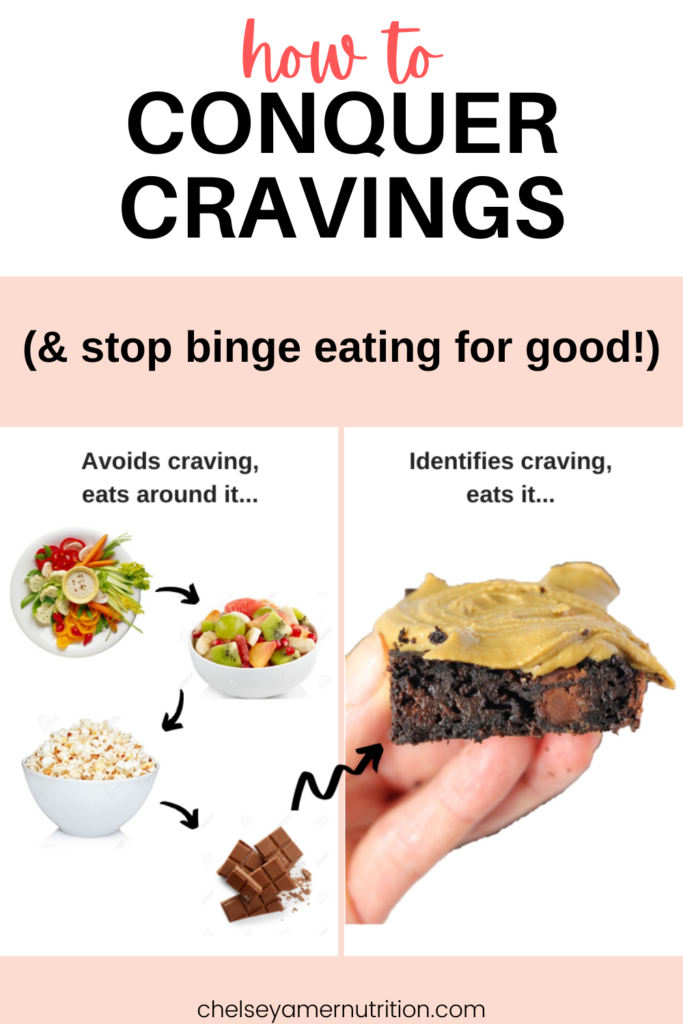
Finding healthier substitutes for cravings is a great strategy to manage and overcome them. By exploring nutritious snack options, making smarter food choices, and being mindful of portion sizes, you can satisfy your cravings while maintaining a balanced diet.
Finding healthier substitutes for cravings
When cravings strike, it’s helpful to have healthier alternatives readily available. For example, if you crave something sweet, consider reaching for a piece of fruit or a small serving of yogurt instead of a sugary dessert.
When looking for alternatives, try to choose nutrient-rich foods that still satisfy the craving. For example:
- If you crave salty snacks, opt for air-popped popcorn or roasted chickpeas.
- If you’re in the mood for something crunchy, choose carrot sticks or cucumber slices instead of chips.
- If you’re craving something creamy, opt for Greek yogurt or avocado instead of ice cream.
By finding healthier substitutes, you can satisfy your cravings while still nourishing your body.
Exploring nutritious snack options
Having nutritious snack options readily available can help prevent impulsive, unhealthy choices when cravings strike. Stock your pantry and fridge with:
- Fresh fruits and vegetables
- Nuts and seeds
- Greek yogurt or cottage cheese
- Whole-grain crackers or rice cakes
- Homemade energy bites or protein bars (made with natural ingredients and minimal added sugars)
By having these options on hand, you can make smarter snacking choices, reduce cravings, and support your overall health goals.
Making smarter food choices
Making smarter food choices throughout the day can significantly impact the intensity and frequency of cravings. Aim to include a variety of nutrient-rich foods in your meals, and opt for whole, unprocessed foods whenever possible.
Avoiding highly processed, sugary, and fatty foods can help stabilize blood sugar levels and reduce cravings. Instead, choose foods that are rich in nutrients, such as lean proteins, whole grains, fruits, and vegetables.
By making smarter food choices, you provide your body with the necessary nutrients it needs, minimizing cravings and promoting overall health.
Managing Stress and Emotions
Stress and emotions can be major triggers for cravings, so effectively managing them is essential in overcoming cravings. By identifying sources of stress, implementing stress management techniques, and seeking support, you can reduce the emotional connection to food and better manage cravings.
Identifying sources of stress
Identifying the sources of stress in your life is essential in managing it effectively and reducing its impact on cravings. Reflect on your daily activities, work environment, relationships, and personal obligations to identify any potential stressors.
Once you have identified the sources, consider implementing stress management techniques to better cope with and minimize their impact.
Implementing stress management techniques
There are many effective stress management techniques to explore. Some options include:
- Regular physical activity: Engaging in regular exercise can reduce stress levels and promote overall well-being.
- Relaxation techniques: Practices such as deep breathing exercises, meditation, and yoga can help reduce stress and promote a sense of calm.
- Time management: Prioritize tasks, delegate when possible, and create a schedule that allows for breaks and self-care.
- Healthy coping mechanisms: Find healthy outlets for stress such as journaling, reading, spending time in nature, or practicing a hobby you enjoy.
- Seeking support from loved ones or professionals: Reach out to trusted friends, family members, or professionals for support, advice, or guidance in managing stress.
By implementing effective stress management techniques, you can reduce the emotional connection to food and better manage cravings.
Creating a Supportive Environment
Your environment can greatly influence your ability to resist cravings. By getting rid of unhealthy food temptations, stocking up on nutritious alternatives, and surrounding yourself with supportive individuals, you can create an environment that supports your cravings management goals.
Getting rid of unhealthy food temptations
One effective way to avoid giving in to cravings is by removing unhealthy food temptations from your environment. Clear your pantry and fridge of processed snacks, sugary treats, and other indulgent foods.
For example, if you struggle with cravings for sweets, consider donating or discarding any sugary desserts or treats in your household. By creating an environment that lacks these temptations, you reduce the likelihood of impulsive indulgence.
Stocking up on nutritious alternatives
On the flip side, make sure to stock your pantry and fridge with nutritious alternatives to satisfy your cravings. Having healthier options readily available can be crucial in preventing impulsive, unhealthy choices.
Consider keeping a variety of fresh fruits, vegetables, lean proteins, and healthy snacks on hand. This way, when cravings strike, you can easily reach for a nutritious option that will satisfy your cravings without derailing your healthy eating goals.
Surrounding oneself with supportive individuals
Having a strong support system can greatly contribute to managing cravings effectively. Share your goals and struggles with trusted friends, family members, or support groups who can offer encouragement, accountability, and understanding.
Having supportive individuals who understand and respect your journey can make a significant difference in your ability to overcome cravings and maintain a healthy lifestyle.
Finding Healthy Ways to Indulge
Depriving yourself completely of indulgent foods can often backfire and lead to intense cravings. By allowing occasional treats in moderation, finding satisfaction in healthier alternatives, and exploring new hobbies and activities, you can find a balance between indulgence and healthy choices.
Allowing occasional treats in moderation
Depriving yourself of all indulgent foods can create an unhealthy relationship with food and increase the likelihood of binging or intense cravings. Instead, allow yourself occasional treats in moderation.
By setting guidelines for when and how often you will indulge, you create a healthy balance that respects your cravings while still maintaining overall health. For example, allow yourself a small serving of dessert once or twice a week, or enjoy a favorite indulgence on special occasions.
Finding satisfaction in healthier alternatives
Rather than focusing solely on restriction, find satisfaction in healthier alternatives for your favorite indulgent foods. Experiment with recipes and try healthier versions of your favorite treats at home.
For example, if you crave ice cream, try blending frozen bananas for a creamy and natural alternative. If you’re a fan of chocolate, opt for dark chocolate with a high cocoa content, which is often lower in added sugars.
By finding healthier alternatives that still satisfy your cravings, you can enjoy the flavors and pleasures of food while making healthier choices.
Exploring new hobbies and activities
Engaging in new hobbies and activities can help distract your mind from cravings and provide alternative sources of pleasure. Find activities that bring you joy, such as painting, reading, going for walks, or exploring nature.
By keeping your mind occupied and finding enjoyment outside of food, you reduce the focus on cravings and develop a more balanced approach to satisfaction and pleasure.

Staying Consistent and Persistent
Consistency and persistence are key when it comes to managing cravings and creating long-term lifestyle changes. By committing to your goals, overcoming setbacks and relapses, and celebrating small victories along the way, you can develop a sustainable approach to managing cravings.
Committing to long-term lifestyle changes
Overcoming cravings and developing a healthy relationship with food requires long-term commitment. Recognize that managing cravings is not a quick fix or a one-time effort but an ongoing journey.
Commit to making sustainable lifestyle changes that prioritize your overall health and well-being. Set realistic goals and expectations, and understand that progress may be gradual. By committing to long-term changes, you are investing in your health and building a foundation for lasting success.
Overcoming setbacks and relapses
Setbacks and relapses are a normal part of any journey towards change. It’s important to approach setbacks with self-compassion and a growth mindset.
When you experience a setback or give in to a craving, avoid self-criticism and instead view it as an opportunity for learning and growth. Reflect on what triggered the setback and explore strategies to prevent it from happening again in the future.
Remember that setbacks are temporary, and you have the ability to regain control and continue moving forward.
Celebrating small victories
In your journey to overcome cravings, celebrate and acknowledge your small victories along the way. Recognize and reward yourself for making healthier choices, resisting cravings, and implementing positive habits.
By celebrating small victories, you reinforce the positive behaviors you want to cultivate, increasing your motivation and confidence to continue making progress.
Conclusion
Managing cravings is a multifaceted process that requires a combination of understanding, identifying triggers, developing healthy habits, practicing mindfulness, exploring alternatives, managing emotions, creating a supportive environment, and staying consistent.
By incorporating these strategies into your daily life, you can gain control over cravings and develop a healthier relationship with food. Remember that change takes time, and it’s important to approach this journey with patience, self-compassion, and a willingness to learn and grow. With persistence and dedication, you can successfully stop cravings and achieve a balanced and fulfilling relationship with food.

