How To Stop Cravings At Night
Do you ever find yourself craving unhealthy snacks late at night? You know, when you’re snuggled up on the couch binge-watching your favorite show and all you can think about is raiding the pantry for a bag of potato chips or a box of cookies. Well, fear not! In this article, we’re going to discuss some tips and tricks to help you conquer those pesky cravings and stick to your healthy eating habits even at night.
Late-night cravings can often be the downfall of our healthy eating plans, but with a little bit of knowledge and some self-control, you can overcome them. We’ll explore the reasons why we experience cravings at night and provide you with strategies to combat them. From simple tricks like keeping yourself busy to finding healthier alternatives to satisfy your cravings, we’ve got you covered. So, if you’re tired of succumbing to late-night snacking temptations, keep reading and discover how you can take control of those cravings once and for all. Trust us, you won’t want to miss out on this valuable information!

How To Stop Cravings At Night
Do you find yourself raiding the refrigerator late at night, searching for something to satisfy your cravings? You are not alone. Many people experience intense cravings for unhealthy foods during nighttime hours. Understanding the science behind these cravings, as well as adopting healthy eating routines and mindful eating strategies, can help you overcome these urges and take control of your nighttime snacking habits. In this article, we will explore the causes of nighttime cravings, the role of hormones in triggering these cravings, and provide tips on how to manage and overcome them.
The Science Behind Cravings
Cravings are a strong desire for a specific type of food and typically involve a preference for high-calorie, sweet, or salty foods. They can be driven by a variety of factors, including emotions, habit, and even nutrient deficiencies. At night, cravings can be particularly challenging to resist due to a combination of factors such as fatigue, boredom, and reduced willpower.
Common Causes of Nighttime Cravings
Nighttime cravings can be attributed to several factors. One common cause is emotional triggers. Many people find themselves reaching for comfort foods like ice cream or cookies during stressful or emotional times. Additionally, boredom can contribute to cravings, as the mind searches for stimulation and pleasure. Finally, irregular meal patterns or skipping meals can lead to hunger pangs at night, making it difficult to resist the temptation of unhealthy snacks.
The Role of Hormones in Cravings
Hormones play a significant role in regulating appetite and satiety. Two hormones in particular, ghrelin and leptin, are responsible for signaling hunger and fullness to the brain. Ghrelin, often referred to as the “hunger hormone,” increases appetite, while leptin, known as the “satiety hormone,” decreases appetite. Inadequate sleep or poor sleep quality can disrupt the balance of these hormones, leading to increased hunger and cravings, especially for sugary and calorie-dense foods.
Creating a Healthy Eating Routine
The Importance of Meal Planning
Meal planning is a crucial step in establishing a healthy eating routine and preventing nighttime cravings. By planning and preparing meals in advance, you can ensure that you have nutritious and satisfying options readily available. This can help prevent impulsive snacking and keep your cravings in check. Make a shopping list, choose nutrient-dense foods, and consider portion sizes to maintain a balanced diet.
Balancing Macronutrients
Balancing macronutrients – protein, carbohydrates, and fats – is essential for satiety and managing cravings. Including adequate protein in your meals can help you feel full for longer periods and reduce the likelihood of snacking. Opt for lean sources of protein, such as chicken, fish, beans, or tofu. Incorporate complex carbohydrates like whole grains, fruits, and vegetables, which provide sustained energy and keep you feeling satisfied. Healthy fats, like those found in avocados, nuts, and olive oil, can also help curb cravings.
Avoiding Restrictive Diets
While it may be tempting to resort to restrictive diets to address nighttime cravings, they are not sustainable or beneficial in the long run. Restricting certain foods or entire food groups can lead to nutrient deficiencies and irregular eating patterns, which can exacerbate cravings. Instead, focus on adopting a balanced and varied diet that includes all food groups. Moderation, portion control, and mindful eating are key to developing a healthy relationship with food and reducing cravings.
Mindful Eating Strategies
Recognizing Emotional Triggers
Mindful eating involves paying attention to the present moment while eating and being aware of your thoughts, feelings, and sensations. By recognizing the emotional triggers that lead to nighttime cravings, you can develop strategies to address them. Keep a journal to track your cravings and emotions associated with them. Once you identify patterns, you can find alternative ways to cope with stress or boredom, such as engaging in hobbies, practicing relaxation techniques, or seeking support from loved ones.
Practicing Mindfulness
In addition to recognizing emotional triggers, practicing mindfulness can help you overcome cravings. Slow down and savor each bite, paying attention to the flavors, textures, and smells of your food. By eating slowly and mindfully, you can give your brain enough time to register satisfaction, reducing the urge to overeat or indulge in unhealthy snacks. Avoid distractions, such as screens or multitasking, and focus solely on enjoying your meal.
Using Hunger-Fullness Cues
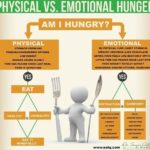
Listening to your body’s hunger and fullness cues is essential in managing cravings. Before reaching for a snack, ask yourself if you are truly hungry or if there is another underlying reason for the craving. Rate your hunger on a scale of 1 to 10, with 1 being extremely hungry and 10 being overly full. Aim to eat when your hunger is around a 4 or 5 and stop when you are comfortably satisfied, around a 6 or 7. Being in tune with your body’s cues can help you eat more mindfully and prevent overeating.
Nutritional Approaches to Reduce Cravings
Incorporating Protein-Rich Foods
Including protein-rich foods in your meals and snacks can help reduce cravings and promote satiety. Protein takes longer to digest than carbohydrates and fats, keeping you feeling full for longer periods. Consider adding lean meats, poultry, fish, eggs, dairy products, and plant-based protein sources like legumes and tofu to your meals. Snacking on protein-rich options, such as Greek yogurt or almonds, can also help stave off nighttime cravings.
Choosing Complex Carbohydrates
When selecting carbohydrates, opt for complex carbohydrates over simple sugars. Complex carbohydrates take longer to break down and provide a steadier release of energy, reducing blood sugar spikes and cravings. Whole grains, fruits, and vegetables are excellent sources of complex carbohydrates. Incorporate these into your meals and snacks to maintain stable blood sugar levels and keep cravings at bay.
Including Healthy Fats
Healthy fats are an important part of a balanced diet and can help satisfy cravings. They provide flavor and texture to meals, making them more enjoyable and satisfying. Avocados, nuts, seeds, olive oil, and fatty fish like salmon are all excellent sources of healthy fats. Including a small amount of healthy fats in each meal can help control cravings and keep you feeling satisfied.

Managing Stress and Sleep
Understanding the Connection
Stress and sleep deprivation can significantly impact cravings and eating behaviors. When you are stressed, your body releases the hormone cortisol, which can increase appetite and drive cravings for high-calorie and sugary foods. Lack of sleep also disrupts the balance of hunger hormones, ghrelin and leptin, making it more challenging to control cravings. By managing stress and improving sleep quality, you can reduce the likelihood of nighttime cravings.
Implementing Relaxation Techniques
Implementing relaxation techniques can help manage stress and reduce cravings. Find activities that help you unwind and relax, such as practicing deep breathing exercises, engaging in yoga or meditation, taking a warm bath, or listening to calming music. Experiment with different techniques until you find what works best for you. By incorporating relaxation into your daily routine, you can help reduce stress levels and minimize nighttime cravings.
Improving Sleep Quality
Prioritizing sleep and improving sleep quality is essential in managing cravings. Aim for seven to nine hours of uninterrupted sleep each night. Create a relaxing bedtime routine and establish a consistent sleep schedule. Avoid caffeine and electronic devices before bed, as they can interfere with sleep. By getting enough restful sleep, you can regulate hunger hormones and reduce the likelihood of succumbing to nighttime cravings.
Alternative Food Choices
Healthy Snack Ideas
Instead of reaching for unhealthy snacks, keep a variety of healthy options readily available. Choose snacks that combine protein, complex carbohydrates, and healthy fats to provide sustained energy and keep you feeling satisfied. Some healthy snack options include Greek yogurt with berries, carrots and hummus, apple slices with almond butter, or a handful of nuts and seeds. Experiment with different combinations to find snacks that satisfy your cravings while nourishing your body.
Finding Substitutes for Sugary Treats
If you find yourself craving something sweet at night, look for healthier substitutes that can satisfy your craving without derailing your healthy eating goals. Fresh fruits, such as berries or sliced melon, can provide natural sweetness and nutrients. If you prefer a more indulgent option, opt for dark chocolate with at least 70% cocoa content. Dark chocolate is lower in sugar and contains antioxidants that promote heart health.
Exploring Low-Calorie Desserts
For those who enjoy a nightly dessert, there are low-calorie options available that can satisfy your cravings without sabotaging your healthy eating habits. Frozen yogurt or a small portion of light ice cream made from natural ingredients can provide a refreshing and guilt-free dessert. Alternatively, you can create your own dessert using fruits, yogurt, and a small drizzle of honey or maple syrup. Get creative and experiment with flavors to find a low-calorie dessert that appeals to your taste buds.

Reducing External Triggers
Limiting Exposure to Junk Food
Reducing exposure to tempting foods can significantly reduce cravings. Keep your pantry and refrigerator stocked with nutritious foods and avoid buying sugary or high-calorie snacks. Instead, fill your environment with healthy alternatives that align with your health goals. If you live with others who indulge in unhealthy snacks, ask them to keep these items out of sight or in designated areas to avoid unnecessary temptations.
Creating a Supportive Environment
Creating a supportive environment can make it easier to overcome cravings. Communicate with your loved ones about your goals and ask for their support in making healthy choices. Encourage family and friends to join you in adopting healthier eating habits or engage in activities that do not revolve around food. Surrounding yourself with like-minded individuals who prioritize health can positively influence your own behaviors and help you stay on track.
Avoiding Nighttime Screen Time
Spending excessive time in front of screens, such as computers, televisions, or smartphones, can contribute to nighttime cravings. The blue light emitted by these devices can disrupt sleep patterns and increase hunger hormones. Additionally, watching food-related content or scrolling through social media feeds filled with mouthwatering images can trigger cravings. Limit screen time before bed and engage in activities that promote relaxation and sleep instead.
Tips for Overcoming Cravings in the Moment
Engaging in a Distraction
When cravings strike, engaging in a distraction can help divert your attention away from food. Find an activity that captures your focus and keeps your hands busy, such as reading a book, completing a puzzle, or doing a craft. Alternatively, go for a walk, exercise, or engage in a hobby that you enjoy. By focusing on something other than your cravings, you can overcome the urge to snack.
Brushing Your Teeth
Brushing your teeth can serve as a powerful tool to overcome nighttime cravings. The minty flavor of toothpaste can suppress your appetite and make the thought of eating something unappealing. Additionally, the act of brushing your teeth signals the end of eating for the night, helping you establish a cutoff point for snacking.
Having a Cup of Herbal Tea
Sipping on herbal tea can be a relaxing and soothing way to overcome cravings. Choose a caffeine-free herbal tea, such as chamomile, peppermint, or lavender, to promote relaxation and improve sleep. The warmth of the tea can help you feel satisfied and satiated, preventing the need for unnecessary snacking.

Seeking Support and Accountability
Enlisting a Buddy
Having a support buddy can greatly enhance your efforts to overcome cravings. Find someone with similar goals and dietary preferences who can provide motivation and accountability. Share your challenges and successes with each other, exchange healthy recipes or meal ideas, and encourage one another to stay on track. Knowing that someone else is on the same journey can make it easier to overcome cravings and maintain a healthy eating routine.
Joining a Support Group
If you prefer a wider network of support, consider joining a support group or online community focused on healthy eating and overcoming cravings. These groups provide a platform to share experiences, seek advice, and celebrate victories. Through regular interactions with like-minded individuals, you can gain valuable insights, learn new strategies, and stay motivated in your journey towards healthier habits.
Tracking Your Progress
Tracking your progress is an effective way to stay accountable and motivated. Use a food diary or a smartphone app to record your meals, snacks, cravings, and emotions associated with them. This not only helps you identify patterns and triggers but also allows you to reflect on your progress over time. Celebrate your accomplishments, whether it’s a day without giving in to cravings or incorporating more nutritious foods into your diet. Small steps and consistent effort lead to lasting change.
Conclusion
Taking control of nighttime cravings is a key step towards building a sustainable approach to healthy eating. Understanding the science behind cravings, adopting a healthy eating routine, practicing mindful eating strategies, and incorporating nutritional approaches can help you overcome cravings and establish a positive relationship with food. By managing stress and optimizing sleep, reducing external triggers, and seeking support and accountability, you can successfully curb nighttime cravings and pave the way towards a healthier and more balanced lifestyle. Remember, progress is a journey, and it’s never too late to start taking control of your cravings and building a healthier you.

