How To Stop Eating Candy

Do you find yourself constantly reaching for another piece of candy? Are you ready to break free from the sugar cravings and take control of your health? Well, you’re in luck because today we’re going to discuss how to stop eating candy and develop healthier eating habits. In this article, we’ll dive into the root causes of your sweet tooth, provide practical strategies to reduce cravings, and share tips for incorporating healthier alternatives into your diet. So, get ready to kiss those candy cravings goodbye and embrace a healthier lifestyle.
Let’s face it, candy can be incredibly tempting. Whether it’s a bag of gummy bears or a chocolate bar, those sugary treats have a way of calling your name. But fear not, because with a little bit of determination and some helpful strategies, you can break free from the candy addiction and make healthier choices. Throughout this article, we’ll explore the science behind sugar cravings and how they can be managed. We’ll also guide you through practical steps to reduce your candy intake, such as finding healthier alternatives and addressing the emotional aspect of your cravings. By the end of this article, you’ll have a better understanding of why you reach for candy and armed with the tools to stop the endless cycle of indulgence. So, let’s get started on this journey towards a healthier, candy-free life!
How To Stop Eating Candy
Understanding the Impact of Candy on Health
Candy may be a delightful treat, but excessive consumption can have detrimental effects on your health. The high sugar content in candies can lead to various health issues, including obesity, diabetes, tooth decay, and even cardiovascular problems. It is essential to understand the impact that candy can have on your well-being to make informed choices about your diet.
The Addictive Nature of Sugar in Candy
Sugar has an addictive nature, making it challenging to resist the temptation of candy. When you consume sugary treats, your brain releases dopamine, a neurotransmitter associated with pleasure and reward. This pleasurable sensation makes you crave more sugar, leading to a cycle of addiction. Recognizing the addictive nature of sugar empowers you to take control of your candy consumption.
Common Health Issues Caused by Eating Too Much Candy
Excessive candy consumption can have several negative health consequences. The high sugar content increases the risk of developing obesity, as sugary treats are often calorie-dense without providing essential nutrients. Additionally, consuming large amounts of sugar can lead to insulin resistance, which can eventually progress to type 2 diabetes. The consistent exposure of your teeth to sugary candies also increases the likelihood of tooth decay and cavities. Being aware of these health risks can motivate you to make positive changes in your candy consumption habits.
Recognizing the Signs of Candy Addiction
Physical Symptoms of Candy Addiction
Candy addiction can manifest in various physical symptoms. These may include intense cravings for sweets, headaches or migraines associated with sugar withdrawal, and fluctuations in energy levels throughout the day. Some individuals may also experience increased thirst, frequent urination, or weight gain due to excessive candy consumption. Recognizing these physical signs can be the first step towards overcoming your addiction to candy.
Psychological Dependence on Candy
In addition to physical symptoms, candy addiction often involves a psychological dependence. You might find yourself constantly thinking about sweets, feeling irritable or moody when unable to satisfy your candy cravings, and experiencing guilt or shame after indulging in excessive amounts of candy. Over time, this mental reliance on candy can significantly impact your overall well-being and quality of life.
Behavioral Patterns Indicating Candy Addiction
Candy addiction can also manifest in certain behavioral patterns. You may find yourself engaging in secretive behavior, such as hiding candy or sneaking it when others are not around. You may also feel a loss of control when it comes to your candy consumption, being unable to stop or reduce your intake despite your best intentions. These behaviors serve as red flags and indicate the need for intervention to break free from the cycle of candy addiction.

Developing a Mindful Approach to Candy Consumption
Why Mindfulness is Important in Reducing Candy Intake
Mindfulness plays a crucial role in reducing and eventually eliminating your candy intake. By practicing mindfulness, you become more aware of your thoughts, feelings, and bodily sensations without judgment. This heightened awareness allows you to recognize your triggers, the underlying reasons for your candy cravings, and ultimately helps you make conscious decisions about your candy consumption.
Practical Strategies for Conscious Candy Consumption
To develop a mindful approach to candy consumption, you can start by creating a plan that outlines your goals and strategies. Set limits on the amount of candy you will allow yourself to have each day or week. Additionally, establish a routine for when and where you will enjoy your candy, making it a deliberate and enjoyable experience rather than mindlessly giving in to cravings. Planning and structure can help you regain control over your candy consumption.
Mindful Eating Techniques to Overcome Cravings
When consuming candy, practice mindful eating techniques to savor and fully experience each bite. Slow down and pay attention to the taste, texture, and aroma of the candy. Be present in the moment and allow yourself to feel the satisfaction and joy that comes from enjoying a small portion of candy. By being fully engaged in the act of eating, you can find fulfillment in smaller quantities while reducing your overall candy intake.
Creating a Healthy Environment to Resist Candy Temptations
Avoiding Triggers and Temptations
Creating a healthy environment is crucial in resisting candy temptations. Identify triggers that lead to your candy cravings and take steps to eliminate or minimize their influence. For example, if passing by a candy store on your way home from work causes you to buy sweets impulsively, consider taking an alternative route. Clear your pantry of any candy, and instead, stock it with nutritious snacks to satisfy your cravings in a healthier way.
Substituting Unhealthy Candies with Healthier Alternatives
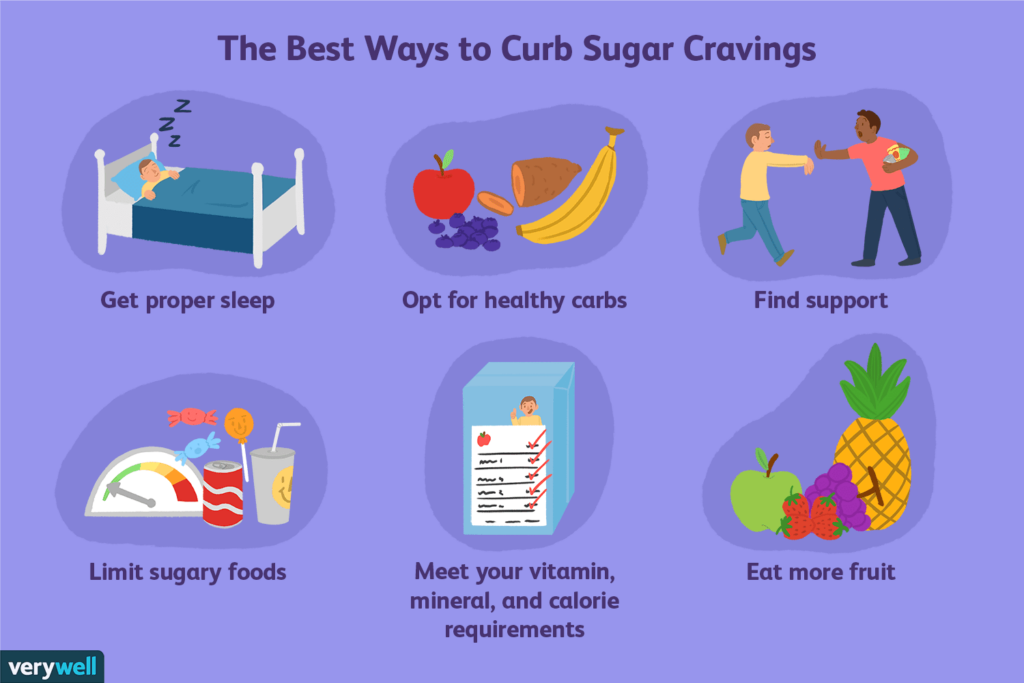
Finding healthier alternatives to satisfy your sweet tooth can aid in reducing candy cravings. Opt for fruit when you’re longing for something sweet, as it provides natural sugars along with vitamins, minerals, and dietary fiber. Dark chocolate with a high cocoa content can be a healthier alternative to traditional candy, offering antioxidants and a more moderate sugar content. Experiment with different substitutes and discover what works best for you.
Setting up a Supportive Social Circle
Having a supportive social circle can make a significant difference in your efforts to stop eating candy. Surround yourself with friends and family members who understand your goals and provide encouragement. Engage in activities that don’t revolve around candy, such as outdoor adventures or group exercise classes. Building a network of like-minded individuals can help you stay motivated and make your journey towards a candy-free life more enjoyable.

Implementing Positive Reinforcement Techniques
Rewarding Yourself for Reducing Candy Intake
Rewarding yourself for reducing your candy intake is an effective way to reinforce positive behavior change. Set small milestones and celebrate each achievement. Treat yourself to a non-food related reward, such as a relaxing massage or a new book, whenever you reach a predetermined goal. These rewards serve as a tangible reminder of your progress and provide the motivation to continue on your journey toward a candy-free lifestyle.
Celebrating Small Victories
Alongside rewards, it’s essential to celebrate small victories during your journey to stop eating candy. Acknowledge and appreciate the progress you’ve made, no matter how insignificant it may seem. Reflect on the positive changes you’ve experienced, such as increased energy levels or improved tooth health. By celebrating these achievements, you reinforce the positive habits you’ve developed and boost your confidence in maintaining a candy-free lifestyle.
Tracking Progress and Setting Goals
Tracking your progress and setting goals create a sense of accountability and direction. Keep a journal or use a mobile app to record your daily candy consumption, emotions, and any significant observations. This tracking allows you to identify patterns, triggers, and areas where you may need additional support. Set realistic goals for reducing your candy intake, gradually decreasing the amount you consume over time. Regularly reassess and adjust your goals as you progress along your journey.
Developing Healthy Habits to Curb Candy Cravings
Maintaining a Balanced and Nutritious Diet
Maintaining a balanced and nutritious diet is crucial in curbing candy cravings. Focus on consuming a variety of whole foods, including lean proteins, fruits, vegetables, whole grains, and healthy fats. These nutrient-dense foods provide the energy and nutrients your body needs while minimizing the desire for sugary snacks. Ensuring that your diet is rich in essential vitamins, minerals, and fiber helps keep you satisfied and reduces cravings for candy.
Reducing Sugar Intake from Other Sources
In addition to cutting back on candy, reducing your overall sugar intake from other sources contributes to curbing cravings. Be mindful of hidden sugars in processed foods, beverages, and condiments. Read nutrition labels carefully, and opt for lower-sugar alternatives whenever possible. As you gradually reduce your sugar intake, your taste buds will adjust, and you may find that you no longer crave excessively sweet treats like candy.
Incorporating Regular Exercise into Your Routine
Incorporating regular exercise into your routine can help reduce candy cravings and improve overall well-being. Engaging in physical activity releases endorphins, which boost mood and reduce stress levels, potentially reducing your reliance on candy for emotional comfort. Aim for a combination of cardiovascular exercise, strength training, and flexibility exercises to reap the numerous health benefits associated with regular physical activity.

Finding Support and Accountability
Engaging with Online Communities or Support Groups
Engaging with online communities or support groups provides a sense of understanding and accountability. Connect with individuals who have similar goals and share your experiences, challenges, and achievements. These communities offer a platform for encouragement, advice, and inspiration from individuals who have successfully overcome their own candy addictions. Online forums, social media groups, and dedicated websites can be valuable resources on your journey to stop eating candy.
Seeking Guidance from a Healthcare Professional
If you find that your candy addiction is significantly impacting your physical and mental health, it may be helpful to seek guidance from a healthcare professional. A qualified healthcare provider can provide personalized advice and support tailored to your specific needs. They may recommend strategies, refer you to additional resources for assistance, or suggest counseling or therapy options to address the underlying factors contributing to your candy addiction.
Enlisting the Help of a Trusted Friend or Family Member
Sharing your goals and struggles with a trusted friend or family member allows you to have a support system in place. Choose someone who understands your journey, is empathetic, and can provide encouragement during challenging times. This person can act as a confidant, helping to hold you accountable and motivating you to stay on track. Having a strong support network significantly increases your chances of success in your quest to stop eating candy.
Dealing with Relapses and Challenges in Quitting Candy
Understanding That Setbacks Are Part of the Process
It is important to recognize that setbacks are a natural part of the process when quitting candy. A relapse or momentary lapse in willpower does not signify failure but rather an opportunity for growth and learning. It is common to experience setbacks during the journey to stop eating candy, but it’s crucial to view them as temporary obstacles rather than insurmountable barriers.
Strategies for Getting Back on Track After a Relapse
After a relapse, it’s important to reflect on the factors that led to the setback and develop strategies to prevent future relapses. Identify any triggers or temptations that may have contributed to your relapse and find ways to avoid or manage them better. Remind yourself of your goals and the positive changes you’ve experienced when you were successfully reducing your candy intake. Use the relapse as an opportunity to recommit to your journey and implement the lessons you’ve learned.
Learning from Difficulties and Using Them as Motivation
Difficulties encountered on the road to quitting candy can be valuable sources of motivation. Reflect on the challenges you’ve faced and the lessons learned from them. Use these experiences to reinforce your determination and develop strategies for coping with future obstacles. Embrace the resilience and strength you’ve gained throughout the process, ultimately strengthening your resolve to maintain a candy-free lifestyle.

Long-Term Maintenance of a Candy-Free Lifestyle
Building New Habits and Coping Mechanisms
Maintaining a candy-free lifestyle requires building new habits and coping mechanisms. Replace the habit of reaching for candy with healthier alternatives, such as engaging in a hobby, practicing relaxation techniques, or enjoying a cup of herbal tea. Find activities that bring you joy, comfort, or relaxation to replace the emotional attachment you once had to candy. By establishing new habits, you create a solid foundation for long-term success in your journey to stop eating candy.
Continuing to Challenge Yourself and Set New Goals
Once you have successfully eliminated candy from your life, it’s important to continue challenging yourself and setting new goals. This could involve maintaining your candy-free lifestyle while actively exploring other aspects of your health and well-being. Set goals related to maintaining a nutritious diet, improving your fitness level, or exploring new healthy recipes. By continuously challenging yourself, you avoid complacency and continue to grow and thrive in your healthy journey.
Enjoying the Benefits of a Candy-Free Life
By living a candy-free life, you can enjoy numerous benefits that extend beyond physical health. Improved dental hygiene, stable blood sugar levels, increased energy, and enhanced overall well-being are just a few advantages of eliminating candy from your diet. Celebrate and appreciate the positive changes you’ve made and the healthier lifestyle you’ve embraced. Embrace the freedom and empowerment that comes from breaking free from the hold of candy and enjoy the numerous rewards that a candy-free life offers.
Conclusion
Quitting candy may seem challenging, but with determination, a mindful approach, and support, it is entirely possible. By understanding the impact of candy on health, recognizing the signs of candy addiction, developing a mindful approach to candy consumption, creating a healthy environment, implementing positive reinforcement techniques, and developing healthy habits, you can successfully overcome your candy cravings. Remember that setbacks are part of the journey, and long-term maintenance of a candy-free lifestyle requires continuous effort and growth. By choosing to stop eating candy, you are making a positive investment in your health and well-being, empowering yourself to live a vibrant and fulfilling life.

