How To Stop Eating Carbs

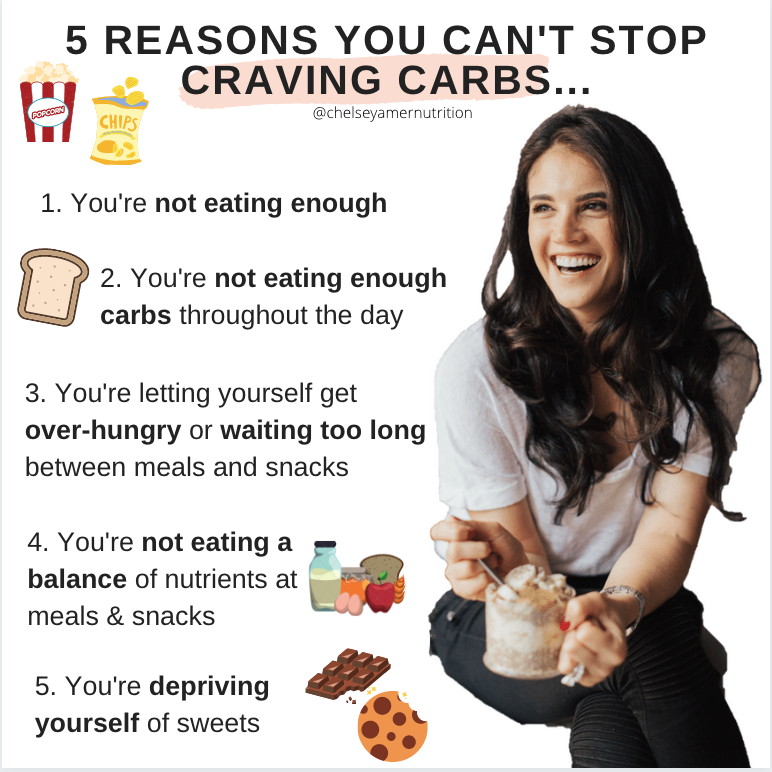
Are you struggling to cut back on carbs and find yourself always reaching for that slice of bread or bowl of pasta? Well, you’re not alone! Many of us struggle with controlling our carb intake, but fear not, because in this article we’re going to share some tips and tricks to help you stop eating carbs and start making healthier choices.
Carbohydrates are one of the main sources of energy for our bodies, but when consumed in excess, they can lead to weight gain and other health issues. It’s important to find a balance and choose the right kind of carbs – those that are rich in fiber and nutrients. In this article, we’ll explore different ways to curb your carb cravings, such as increasing your protein and vegetable intake, incorporating healthy fats into your diet, and finding satisfying alternatives to high-carb foods. So, if you’re ready to take control of your carb consumption and start nourishing your body in a more balanced way, keep reading, because we’ve got you covered!
Understanding Carbohydrates
What are carbohydrates?
Carbohydrates are one of the three macronutrients, along with proteins and fats, that provide the body with energy. They are found in a wide range of foods, including grains, fruits, vegetables, and dairy products. Carbohydrates are composed of sugar molecules and can be classified into three main types: sugars, starches, and fibers.
Types of carbohydrates
Sugars, also known as simple carbohydrates, include natural sugars found in fruits and milk, as well as added sugars found in processed foods and beverages. Starches, or complex carbohydrates, are made up of multiple sugar molecules and are found in foods like bread, pasta, rice, and potatoes. Fibers, another type of complex carbohydrate, cannot be broken down by the body and instead provide bulk to the diet, aiding in digestion and promoting feelings of fullness.
Why do people eat carbs?
Carbohydrates are a primary source of energy for the body. When consumed, they are broken down into sugar, or glucose, which is then used by the cells for fuel. Carbohydrates also play a role in brain function and muscle development. However, it’s important to note that not all carbohydrates are created equal, and some can have negative effects on health when consumed in excess.
The Impact of Carbohydrates on Health
Role of carbs in weight gain
Consuming an excessive amount of carbohydrates, especially those high in refined sugars and starches, can contribute to weight gain. This is due to the fact that these types of carbohydrates are quickly digested and can cause spikes in blood sugar levels, resulting in excess insulin production. Insulin is a hormone that promotes fat storage, leading to weight gain over time.
Effects of excessive carb consumption
In addition to weight gain, excessive carbohydrate consumption can also increase the risk of chronic diseases such as type 2 diabetes and heart disease. Diets high in refined carbohydrates have been linked to insulin resistance, inflammation, and elevated blood triglyceride levels. These factors can contribute to the development of these conditions and negatively impact overall health.
Carbs and blood sugar levels
When carbohydrates are consumed, they are broken down into glucose, which enters the bloodstream and causes blood sugar levels to rise. In response, the pancreas releases insulin to help transport glucose into the cells for energy. However, a diet high in refined carbohydrates can lead to chronically elevated blood sugar levels and increased insulin production. Over time, this can contribute to the development of insulin resistance and type 2 diabetes.

Benefits of Reducing Carb Intake
Weight loss
One of the main benefits of reducing carbohydrate intake is weight loss. By cutting back on carbohydrates, especially those high in refined sugars and starches, it becomes easier to create a calorie deficit and promote fat loss. Additionally, low-carb diets have been shown to increase satiety and reduce cravings, making it easier to stick to a calorie-restricted eating plan.
Improved energy levels
Many people report experiencing increased energy levels and improved mental clarity when reducing carbohydrate intake. This is because when carbohydrates are limited, the body starts to utilize stored fat as a source of fuel. Fat is a more efficient and longer-lasting source of energy compared to glucose, allowing for more sustained energy levels throughout the day.
Reduced risk of chronic diseases
By reducing carbohydrate intake, particularly of refined sugars and starches, it is possible to lower the risk of developing chronic diseases such as type 2 diabetes and heart disease. Low-carb diets have been shown to improve insulin sensitivity, lower blood triglyceride levels, and reduce markers of inflammation, all of which are risk factors for these conditions.
Practical Tips for Cutting Carbs
Identify high-carb foods
To reduce carbohydrate intake, it is important to identify and be mindful of high-carb foods. These include sugary beverages, processed foods, bread, pasta, rice, and starchy vegetables like potatoes. Familiarize yourself with the carbohydrate content of different foods and opt for lower-carb alternatives when possible.
Choose healthier alternatives
When cutting carbs, it’s important to choose healthier alternatives that provide more nutrients and are lower in carbohydrates. For example, instead of white rice, opt for cauliflower rice or quinoa. Instead of regular pasta, try spiralized zucchini noodles or whole wheat pasta. Choosing whole foods over processed options can help reduce carbohydrate intake while still providing essential nutrients.
Meal planning and preparation
Meal planning and preparation can be a valuable tool in reducing carbohydrate intake. By planning your meals in advance, you can ensure that you have options that are lower in carbs readily available. This can help prevent impulsive decision-making and make it easier to stick to your low-carb goals. Additionally, preparing meals at home allows you to have more control over the ingredients and portion sizes.

Transitioning to a Low-Carb Lifestyle
Gradual reduction vs. cold-turkey approach
When transitioning to a low-carb lifestyle, it can be helpful to choose an approach that works best for you. Some people find success by gradually reducing their carbohydrate intake over time, allowing their bodies to adjust and minimize withdrawal symptoms. Others may prefer to take a cold-turkey approach and eliminate high-carb foods immediately. Consider your personal preferences and choose the method that feels most sustainable for you.
Overcoming carb cravings
Reducing carbohydrate intake can lead to cravings, especially in the initial stages. To overcome carb cravings, it can be helpful to incorporate healthy fats and protein into your meals. These nutrients are satiating and can help keep you satisfied between meals. Additionally, staying hydrated and keeping yourself occupied with other activities can help distract from cravings and reduce the temptation to indulge in high-carb foods.
Seeking support and accountability
Transitioning to a low-carb lifestyle can be challenging, especially if you’re surrounded by people who consume high amounts of carbohydrates. Seeking support from friends, family, or online communities can provide accountability and encouragement. Sharing your goals and progress with others who understand your journey can make the process feel less daunting and help you stay motivated.
Managing Carbohydrate Withdrawal Symptoms
Understanding common withdrawal symptoms
Reducing carbohydrate intake can lead to temporary withdrawal symptoms, commonly referred to as the “keto flu.” These symptoms may include fatigue, headaches, irritability, and difficulty concentrating. They occur as a result of the body adjusting to using fat as its primary fuel source instead of glucose. It’s important to remember that these symptoms are temporary and will subside as your body adapts to the new way of eating.
Strategies to alleviate discomfort
To alleviate discomfort during carbohydrate withdrawal, it can be helpful to stay hydrated and ensure you are consuming enough electrolytes, such as sodium, potassium, and magnesium. These nutrients can be obtained from foods like leafy green vegetables, avocados, and nuts. Getting plenty of rest and engaging in stress-reducing activities, such as meditation or gentle exercise, can also help alleviate symptoms.
Importance of staying hydrated
Staying hydrated is crucial during the transition to a low-carb lifestyle. When carbohydrate intake is reduced, the body’s glycogen stores, which hold water, are depleted. This can lead to increased urination and potential dehydration. Be sure to drink plenty of water throughout the day and consider adding electrolyte-rich beverages or supplementing with electrolyte tablets if necessary.
Creating a Balanced Low-Carb Diet
Incorporating protein and healthy fats
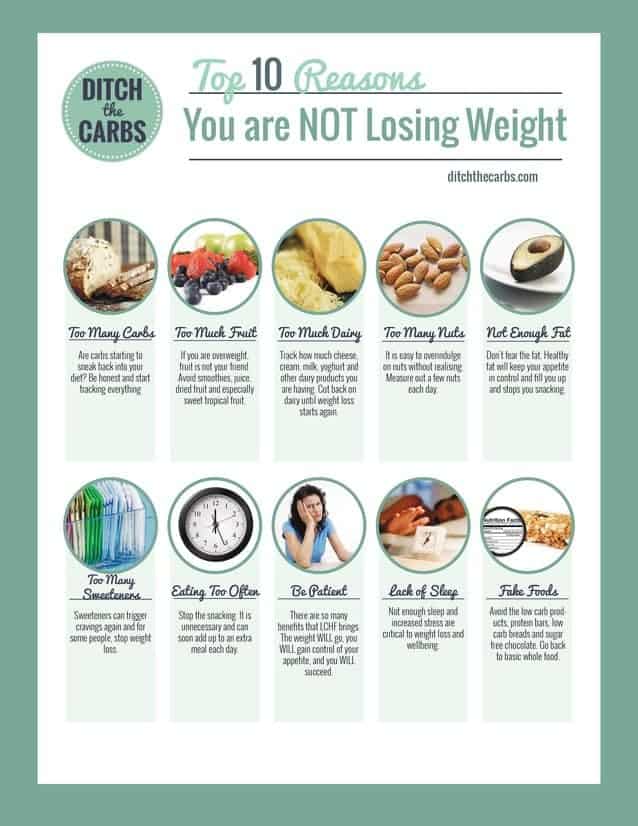
When following a low-carb diet, it’s important to prioritize the consumption of protein and healthy fats. Protein is essential for muscle repair and maintenance, while healthy fats provide satiety and support overall health. Include lean sources of protein such as poultry, fish, and tofu, and incorporate healthy fats from sources like avocados, nuts, seeds, and olive oil.
Eating a variety of non-starchy vegetables
Non-starchy vegetables are excellent sources of vitamins, minerals, and fiber while being low in carbohydrates. Include a variety of vegetables in your meals, such as leafy greens, broccoli, cauliflower, bell peppers, and zucchini. They provide essential nutrients and help add volume to your meals without significantly increasing carbohydrate intake.
Monitoring macro and micronutrient intake
When adopting a low-carb lifestyle, it is important to monitor your macronutrient and micronutrient intake. Macronutrients include carbohydrates, proteins, and fats, while micronutrients are essential vitamins and minerals. Tracking your food intake using a food diary or an app can help ensure that you are getting the necessary nutrients and staying within your desired carbohydrate range.
Staying Motivated and Overcoming Challenges
Setting realistic goals
Setting realistic goals is essential when transitioning to a low-carb lifestyle. Instead of aiming for perfection, focus on progress and small victories along the way. Celebrate each milestone, whether it’s losing a few pounds, successfully sticking to your meal plan for a week, or incorporating new low-carb recipes into your routine. By setting achievable goals, you’ll stay motivated and feel a sense of accomplishment.
Finding enjoyable low-carb recipes
One way to stay motivated and committed to a low-carb lifestyle is by finding enjoyable recipes that fit your dietary preferences. There are countless low-carb recipes available online, ranging from breakfasts to dinners and desserts. Experiment with different ingredients and flavors to create meals that you genuinely enjoy. This will make the transition to a low-carb lifestyle much more enjoyable and sustainable in the long run.
Dealing with social situations
Navigating social situations while following a low-carb lifestyle can be challenging. It’s important to communicate your dietary preferences to friends and family beforehand and offer to bring a dish that fits your eating plan to gatherings. Additionally, focus on the social aspect of these events rather than solely on the food. Engage in conversation, enjoy the company of loved ones, and remember your long-term health goals.

Finding Long-Term Success
Building a sustainable eating plan
To find long-term success with a low-carb lifestyle, it’s important to build a sustainable eating plan that fits your individual needs and preferences. Experiment with different foods, meal timings, and portion sizes to find what works best for you. Remember that flexibility and moderation are key, and occasional indulgences are part of a healthy relationship with food.
Lifestyle changes beyond just cutting carbs
While reducing carbohydrate intake is an important step towards a healthier lifestyle, it’s essential to consider other aspects of your well-being as well. Incorporate regular physical activity, prioritize sleep and stress management, and practice mindful eating. By adopting a holistic approach to your health, you’ll see greater benefits and find it easier to maintain your new low-carb lifestyle.
Ensuring overall nutritional adequacy
When following a low-carb lifestyle, it’s important to ensure that your diet is nutritionally adequate. To do this, focus on consuming a variety of whole, nutrient-dense foods. Incorporate sources of lean protein, healthy fats, and a wide array of colorful vegetables. If you find it challenging to meet your nutrient needs through food alone, consider consulting with a registered dietitian or nutritionist for personalized guidance.
Conclusion
Empowering yourself with knowledge about carbohydrates and their impact on health is the first step towards reducing carbohydrate intake. By gradually cutting back on carbohydrates, incorporating healthier alternatives, and creating a balanced low-carb diet, you can experience benefits such as weight loss, improved energy levels, and a reduced risk of chronic diseases. Staying motivated, seeking support, and making lifestyle changes beyond just cutting carbs are key factors in finding long-term success. By taking small steps towards reducing carb intake and embracing a healthier lifestyle, you can achieve your health and wellness goals.

