How To Stop Feeling Guilty After Eating
Have you ever indulged in a delicious meal, only to be overwhelmed by feelings of guilt afterwards? It’s a common experience that many of us can relate to. But don’t worry, you’re not alone. In this article, we’ll explore some helpful strategies on how to stop feeling guilty after eating, so you can enjoy your meals guilt-free!
When it comes to food, guilt can often stem from societal pressures and unrealistic expectations. We’re constantly bombarded with messages about what we should and shouldn’t eat, which can lead to feelings of guilt and shame when we deviate from these ideals. However, it’s important to remember that food is meant to be enjoyed and nourish our bodies. In this article, we’ll delve into the reasons why you might be feeling guilty after eating, including factors such as diet culture and emotional eating. We’ll also provide practical tips and techniques to help you let go of guilt and cultivate a healthier relationship with food. So, if you’re tired of feeling guilty after eating, keep reading to learn more!
How To Stop Feeling Guilty After Eating
Understanding Food Guilt
Food guilt is a common emotional response that many individuals experience after eating. It can be triggered by various factors, including societal pressures, negative body image, diet culture, and restrictive eating habits. When individuals feel guilty about what they eat, it can have a significant impact on their mental health and overall well-being. However, there are ways to address and overcome this guilt for a healthier relationship with food.
Causes of Food Guilt
Food guilt can arise from a variety of causes. One common cause is the influence of societal pressures and expectations. We live in a society that often promotes unrealistic body standards, leading individuals to feel guilty for not adhering to these standards. This pressure can make individuals feel guilty about indulging in their favorite foods or straying from a restrictive diet.
Negative body image is another cause of food guilt. When individuals have negative perceptions of their bodies, they may associate certain foods with weight gain or a lack of control. This can lead to feelings of guilt and shame after indulging in these foods.
Diet culture also plays a significant role in food guilt. Diets that focus on strict rules and restrictions can create a sense of guilt when these rules are broken. The concept of “cheat days” or “cheat meals” further reinforces this guilt, as it implies that certain foods are inherently bad and should be avoided.
Impact of Food Guilt on Mental Health
Food guilt can have a detrimental effect on mental health. It can lead to feelings of anxiety, depression, and low self-esteem. Constantly feeling guilty about food choices can create a negative cycle where individuals restrict themselves even more, leading to a disordered relationship with food.
The guilt associated with eating can also result in emotional turmoil and a preoccupation with food. This preoccupation can lead to obsessive thoughts about what to eat, when to eat, and how much to eat, affecting one’s overall quality of life.
Effects of Food Guilt on Eating Habits
Food guilt can significantly impact eating behaviors. People who experience food guilt may engage in binge-eating episodes, where they consume large amounts of food in a short period to cope with negative emotions. Alternatively, individuals may engage in restrictive eating and avoid certain foods altogether as an attempt to alleviate guilt.
These unhealthy eating habits can create an unhealthy cycle of guilt followed by restriction or overeating. It becomes challenging to find a balance and listen to the body’s natural cues of hunger and fullness.
Addressing the Root Causes of Food Guilt
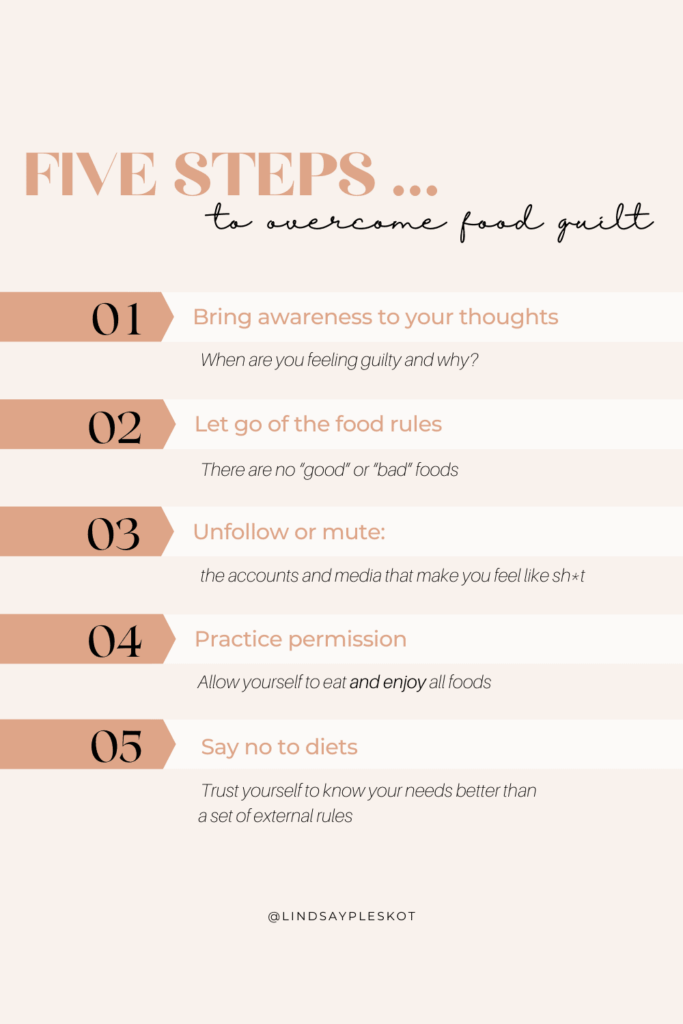
To stop feeling guilty after eating, it’s essential to address the root causes of this guilt. By understanding why these feelings arise, we can challenge negative thoughts and beliefs and develop a healthier relationship with food.
Identifying Trigger Points
Identifying trigger points is the first step in addressing food guilt. Take the time to reflect on situations, people, or thoughts that trigger guilt after eating. It could be a certain person’s comments, social media posts, or specific environments. Once you identify these triggers, you can be more mindful of their impact and work on minimizing their significance.
Challenging Negative Thoughts and Beliefs
Food guilt often stems from negative thoughts and beliefs about food and our bodies. It’s crucial to challenge these beliefs and replace them with more positive and realistic ones. Remind yourself that all foods can fit into a balanced and healthy eating pattern. Adopt a more compassionate mindset towards yourself and your body, recognizing that guilt does not serve you and that caring for your mental and physical well-being is more important than any food choices.
Seeking Professional Help
If food guilt persists and significantly affects your daily life, it may be helpful to seek professional help. Registered dietitians, therapists, or counselors who specialize in eating disorders or disordered eating can provide guidance and support tailored to your individual needs. They can help you navigate the complex emotions surrounding food guilt and develop coping strategies to overcome it.
Practicing Mindful Eating
One effective strategy for combating food guilt is practicing mindful eating. Mindful eating involves paying attention to the present moment when eating, including your thoughts, feelings, and sensations. By eating mindfully, you can develop a healthier relationship with food and prevent guilt from taking hold.
Benefits of Mindful Eating
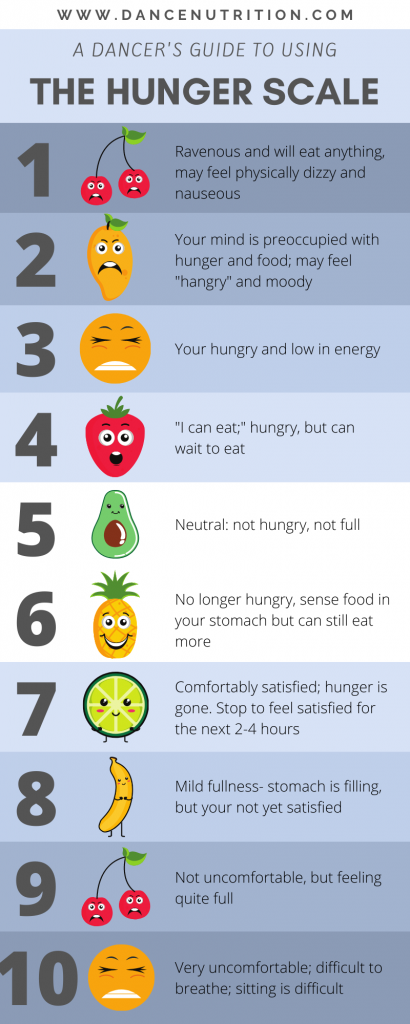
Practicing mindful eating offers numerous benefits for both physical and mental health. It allows individuals to become more attuned to their bodies’ hunger and satiety cues, leading to more balanced and intuitive eating. Mindful eating can also enhance the enjoyment of food, as it encourages individuals to savor each bite and fully engage in the eating experience.
How to Eat Mindfully
To practice mindful eating, start by paying attention to your food choices and the reasons behind them. Consider the taste, texture, and aroma of the food as you eat. Slow down your eating pace, chew thoroughly, and savor each bite. Tune into your body’s signals of hunger and fullness, and eat until you feel comfortably satisfied, rather than uncomfortably full.
Eliminate distractions during meal times, such as phones or television, and focus solely on the act of eating. This mindful approach can help create a more positive and enjoyable eating experience while minimizing guilt and negative emotions.
Developing a Healthy Relationship with Food
Mindful eating is not just about paying attention to the act of eating; it’s also about cultivating a healthy relationship with food. Allow yourself to enjoy a wide variety of foods without judgment or guilt. Remember that all foods can contribute to a balanced diet, and moderation is key. Avoid labeling foods as “good” or “bad” and instead focus on nourishing your body with a diverse array of nutrients.
Promoting Balanced Eating Habits
To stop feeling guilty after eating, it’s important to adopt a balanced approach to eating. Understanding your nutritional needs, planning meals and snacks, and avoiding restrictive diets are essential components of balanced eating habits.
Understanding Nutritional Needs
Educate yourself about your body’s nutritional needs and the importance of a well-rounded diet. Aim to include a variety of food groups in your meals and snacks, including fruits, vegetables, whole grains, lean proteins, and healthy fats. Prioritize nutrient-dense foods that provide essential vitamins and minerals, while also allowing yourself to enjoy treats in moderation.
Planning Meals and Snacks
Planning meals and snacks can help promote balanced eating habits and minimize guilt. Take the time to plan your meals in advance, ensuring they include a balance of macronutrients and essential micronutrients. Incorporate a variety of flavors and textures to make your meals more enjoyable and satisfying.
Prepare and pack nutritious snacks to have on hand, so you’re less likely to rely on convenient but less healthy options. By planning and preparing your meals and snacks, you’ll have more control over your food choices and be more mindful of what you eat.
Avoiding Restrictive Diets
Restrictive diets are often fueled by food guilt and can contribute to an unhealthy relationship with food. Avoid falling into the trap of eliminating entire food groups or adopting extreme dietary practices. Instead, focus on balance and moderation. Allow yourself to enjoy a wide range of foods without labels or restrictions, and listen to your body’s cues of hunger and satiety.
Cultivating Self-Compassion
Practicing self-compassion is vital in overcoming food guilt. Being kind to yourself and acknowledging and accepting your emotions can help reduce guilt and promote a healthier mindset.
Acknowledging and Accepting Emotions
It’s normal to experience a range of emotions, including guilt, after eating. Instead of suppressing or fighting these emotions, acknowledge and accept them. Recognize that guilt is a natural response but not a helpful one. Allow yourself to feel these emotions without judgment, and remind yourself that it’s okay to enjoy food without guilt.
Embracing Imperfections
Nobody is perfect, and that includes our relationship with food. Embrace the imperfections and let go of the pursuit of perfection. Understand that it’s normal to have days where you may indulge in foods you enjoy, and that doesn’t make you a failure. Learn to view these moments as part of the overall balance rather than a reason for guilt or self-criticism.
Practicing Self-Care
Engaging in regular self-care activities can help promote a healthier mindset and reduce food guilt. Take the time to engage in activities that bring you joy and help you relax. This could include practicing yoga, going for a walk in nature, reading a book, or indulging in a hobby. By prioritizing self-care, you can develop a more positive relationship with yourself and your body.
Building a Supportive Environment
Creating a supportive environment is crucial in overcoming food guilt. Surrounding yourself with positive influences, communicating your needs to loved ones, and joining supportive communities can help you on your journey to stop feeling guilty after eating.
Surrounding Yourself with Positive Influences
Evaluate your social media and personal connections to ensure they promote body positivity and a healthy relationship with food. Unfollow or mute accounts that perpetuate diet culture or make you feel guilty about your food choices. Instead, follow accounts that focus on self-love, intuitive eating, and body acceptance. Surround yourself with individuals who uplift and support you in your journey towards a healthier mindset.
Communicating Needs to Loved Ones
If you feel comfortable, communicate your needs to loved ones, such as friends and family. Let them know about your struggle with food guilt and ask for their support and understanding. Encourage open and non-judgmental conversations about food, body image, and mental health. Sharing your experiences and feelings can foster compassion and empathy from those closest to you.
Joining Supportive Communities
Joining supportive communities can provide a sense of belonging and understanding. Seek out online or in-person communities that focus on body positivity, self-acceptance, and intuitive eating. Engaging with individuals who share similar experiences and offer support can be empowering and help you overcome food guilt.
Finding Joy in Food and Eating
Rediscovering joy in food and eating is essential to stop feeling guilty after indulging. By embracing culinary creativity, exploring new flavors and ingredients, and appreciating the pleasure of eating, you can develop a healthier relationship with food.
Exploring Culinary Creativity
One way to find joy in food is to explore your culinary creativity. Experiment with different recipes, flavors, and cooking techniques. Try new ingredients or cuisines that you’ve always been curious about. Involve all your senses in the cooking process, from the aromas that fill your kitchen to the vibrant colors on your plate. Engaging in cooking can help you appreciate the art of nourishing yourself and create a positive connection with food.
Discovering New Flavors and Ingredients
Expand your palate by trying new flavors and ingredients. Sample a variety of fruits, vegetables, herbs, and spices to add excitement and diversity to your meals. Challenge yourself to step outside your comfort zone and embrace unfamiliar foods. This can help you develop a deeper appreciation for different flavors and enhance your overall enjoyment of eating.
Appreciating the Pleasure of Eating
Pause and take a moment to appreciate the pleasure of eating. Slow down, savor each bite, and be fully present during your meals. Allow yourself to experience the joy and satisfaction that food can bring. Practice gratitude for the nourishment it provides and the moments of enjoyment it offers. By focusing on the positive aspects of eating, guilt can gradually be replaced with a sense of gratitude and appreciation.
Engaging in Physical Activity
Physical activity is not only beneficial for physical health but also plays a crucial role in mental well-being. Incorporating enjoyable physical activities into your daily routine can help alleviate feelings of guilt and promote a positive mindset.
Benefits of Exercise for Mental Well-being
Exercise is known to release endorphins, which are natural mood boosters. Engaging in regular physical activity can reduce stress, anxiety, and depression, and improve overall mental well-being. Exercise can also provide a healthy outlet for emotions and help redirect negative thoughts associated with food guilt.
Finding Activities You Enjoy
The key to incorporating exercise into your routine is finding activities that you genuinely enjoy. Whether it’s going for a hike, dancing, cycling, or practicing yoga, choose activities that bring you joy and make you feel good. By engaging in activities you love, you are more likely to stick with them and experience the mental and physical benefits.
Incorporating Movement into Daily Routine
Physical activity doesn’t have to be limited to structured exercise. Find ways to incorporate movement into your daily routine, such as taking the stairs instead of the elevator, going for a walk during your lunch break, or playing an active game with friends or family. These small, consistent habits can make a significant impact on your well-being over time.

Reflecting and Learning from Mistakes
Finally, it’s important to reflect on and learn from mistakes to overcome food guilt. Instead of dwelling on setbacks, adopt a growth mindset and use them as learning opportunities.
Accepting Setbacks as Learning Opportunities
Recognize that setbacks are a normal part of the journey towards a healthier relationship with food. Accept that mistakes happen, and setbacks do not define you or your progress. Use these experiences as learning opportunities to understand your triggers and patterns better and develop strategies to overcome them.
Analyzing Triggers and Patterns
Reflecting on your experiences with guilt and analyzing your triggers and patterns can provide valuable insights. Consider what situations or emotions often lead to feelings of guilt, and brainstorm ways to navigate those triggers more effectively. By understanding your patterns, you can be better prepared to handle future situations and reduce the likelihood of guilt arising.
Setting Realistic Expectations
Setting realistic expectations for yourself is essential in overcoming food guilt. Understand that progress takes time and that it’s normal to have ups and downs in your journey. Rather than striving for perfection, focus on small, achievable goals that contribute to your overall well-being. Celebrate your successes, no matter how small, and be patient with yourself throughout the process.
Conclusion
Feeling guilty after eating can negatively impact mental health and eating habits. However, by understanding the root causes of food guilt, practicing mindful eating, promoting balanced eating habits, cultivating self-compassion, building a supportive environment, finding joy in food and eating, engaging in physical activity, and reflecting on and learning from mistakes, it is possible to stop feeling guilty after indulging. Remember, overcoming food guilt is a personal journey that requires patience, self-compassion, and a commitment to developing a healthier relationship with food and your body.

