How To Stop Hunger Pains

Are you tired of constantly feeling hungry and dealing with those annoying hunger pains? Well, you’re not alone! Hunger pains can be quite uncomfortable and can distract you from your daily tasks. But don’t worry, there are some simple and effective ways to stop hunger pains and keep them at bay. In this article, we will discuss some useful tips that can help you curb your hunger and feel satisfied throughout the day.
So, how can you stop hunger pains? Firstly, it’s important to understand the root causes of hunger. Hunger is a natural response of your body to the need for fuel. It’s your body’s way of telling you that it needs energy to function properly. However, sometimes hunger can be misleading and can strike even when your body doesn’t actually need that much food. That’s where mindful and healthy eating comes into play. By choosing the right foods that are nutrient-dense and filling, you can keep your hunger pangs in check. In this article, we will delve deeper into this topic and guide you on how to create a well-balanced and satiating meal plan that will keep you satisfied throughout the day.
Curious to learn more about how to stop hunger pains? Well, you’re in the right place! Throughout this article, we will share with you some valuable tips and tricks to conquer those pesky hunger pangs. From incorporating more fiber and protein into your diet to practicing mindful eating, we’ll cover it all. By the end of this article, you’ll have a better understanding of hunger and be armed with the knowledge to make smarter food choices to keep those hunger pains at bay. So, let’s dive right into it and discover the secrets to stopping hunger pains once and for all!
How To Stop Hunger Pains
Hunger pains can be uncomfortable and even distracting, making it difficult to focus on your daily tasks. Whether you’re fasting or simply trying to manage your hunger, understanding the causes behind hunger pangs can help you find effective solutions. In this article, we will explore the science behind hunger, differentiate between hunger and cravings, and provide practical tips on how to reduce hunger pains. We will also discuss meal planning strategies, effective fasting techniques, natural remedies, seeking professional guidance, potential side effects, and maintaining a balanced lifestyle for long-term hunger management.
What Causes Hunger Pains?
Hunger pains, also known as hunger pangs, are the stomach contractions experienced when your body needs food. Various factors can trigger these hunger signals in your brain, including an empty stomach, low blood sugar levels, and the release of certain hormones like ghrelin. Ghrelin is known as the “hunger hormone” because it stimulates appetite, leading to hunger sensations.
The Science Behind Hunger
When you consume food, your body breaks it down into smaller nutrients that are absorbed into the bloodstream. These nutrients provide energy to your cells, allowing your body to function properly. As time passes after your last meal, the glucose levels in your bloodstream decrease, signaling your brain that it’s time to eat. This triggers the release of ghrelin, which stimulates your appetite and eventually leads to hunger pains.
Differentiating Hunger from Cravings
It’s important to differentiate between true hunger and cravings. Hunger is a physiological need for nutrients and energy, while cravings are often psychological or emotional. Cravings tend to be specific to certain foods, such as sweets or salty snacks, while hunger is a general need for sustenance. Understanding this distinction can help you make healthier food choices and manage your hunger effectively.
Practical Ways to Reduce Hunger Pains
Eat a Balanced Diet
One of the best ways to prevent hunger pains is to consume a balanced diet that includes a variety of nutrients. Include a mixture of whole grains, lean proteins, fruits, vegetables, and healthy fats in your meals. This will ensure that you are providing your body with the necessary nutrients for optimal function and help keep you satisfied for longer periods.
Include Foods Rich in Fiber
Foods rich in fiber, such as whole grains, legumes, fruits, and vegetables, can help reduce hunger and keep you feeling full for longer. Fiber adds bulk to your meals, slowing down digestion and promoting a feeling of satiety. Additionally, high-fiber foods take longer to chew, giving your brain more time to register the feeling of fullness.
Stay Hydrated
Dehydration can often be mistaken for hunger. Ensure that you are drinking an adequate amount of water throughout the day to stay properly hydrated. Drinking water before meals can also help reduce hunger by creating a feeling of fullness in your stomach.
Don’t Skip Meals
Skipping meals may seem like a quick way to reduce calorie intake, but it often leads to increased hunger and overeating later in the day. It’s important to eat regular meals to maintain a stable blood sugar level and prevent hunger pains. Aim for three or four balanced meals throughout the day.
Avoid Processed and Sugary Foods
Processed and sugary foods can cause spikes in blood sugar levels, leading to a subsequent crash and increased hunger. These foods are often low in nutrients and high in calories, providing little satiety. Opt for whole, unprocessed foods instead to keep your hunger at bay.
Opt for Satiating Proteins
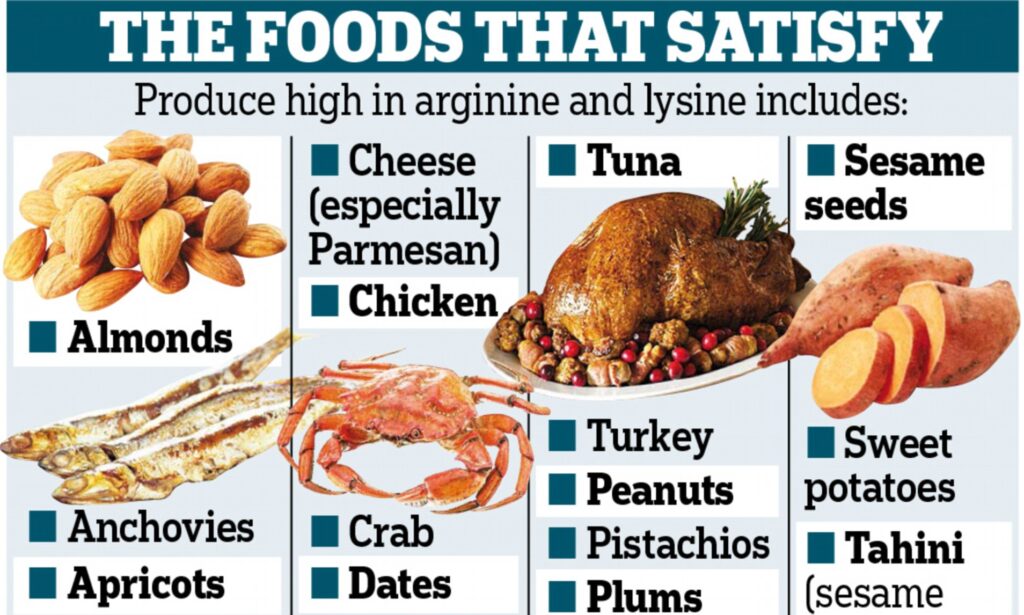
Including protein-rich foods in your meals can help reduce hunger and increase feelings of fullness. Protein takes longer to digest than carbohydrates, keeping you satisfied for longer periods. Choose lean sources of protein such as poultry, fish, tofu, beans, and lentils.
Incorporate Healthy Fats
Healthy fats, such as avocados, nuts, and olive oil, can help curb appetite and provide satiety. Including moderate amounts of healthy fats in your meals can help you stay satisfied and reduce hunger pains.
Manage Stress and Emotional Eating
Stress and emotions can often trigger overeating and cravings. Finding healthy ways to manage stress, such as exercise, meditation, or talking to a friend, can help prevent emotional eating. Recognize your triggers and find alternative ways to deal with them, rather than turning to food as a source of comfort.
Meal Planning Tips to Ease Hunger
Prioritize Regular Meal Timings
Establishing regular meal timings can help regulate your hunger cues and reduce hunger pains. Aim to eat at around the same times each day, spacing your meals out evenly.
Divide Meals into Smaller Portions
Dividing your meals into smaller, more frequent portions can help keep your hunger at bay. Instead of consuming three large meals, try eating five or six smaller meals throughout the day.
Choose Slow-Burning Carbohydrates
Opt for slow-burning carbohydrates, such as whole grains, sweet potatoes, and legumes, which provide a steady release of energy and keep you feeling fuller for longer. Avoid refined carbohydrates, such as white bread and sugary snacks, that can cause rapid blood sugar spikes and subsequent crashes.
Include Protein and Healthy Fats in Every Meal
Adding protein and healthy fats to each meal can increase satiety and help prevent hunger pains. Aim to include a source of protein, such as lean meats, fish, eggs, or plant-based proteins, and a source of healthy fats, like avocados, nuts, or olive oil, in each meal.
Add Fiber-Rich Foods to Feel Fuller
Fiber-rich foods, such as fruits, vegetables, whole grains, and legumes, can increase feelings of fullness and reduce hunger. Including these foods in your meals can help you manage your hunger more effectively.
Avoid Rapid Eating
Eating too quickly can prevent your brain from registering fullness, leading to overeating. Take your time to chew and savor each bite, allowing your brain to catch up with your stomach’s satiety signals.
Mindful Eating Techniques
Practicing mindful eating can help you better understand your hunger cues and prevent overeating. Pay attention to your body’s hunger and fullness signals, eat slowly, and savor the flavors and textures of your food.
Effective Strategies During Fasting
Set Realistic Fasting Goals
If you choose to incorporate fasting into your lifestyle, it’s important to set realistic goals and listen to your body. Consult with a healthcare professional or registered dietitian to determine the appropriate fasting approach for you.
Gradually Reduce Food Intake Before Fasting
If you plan to fast, gradually reducing your food intake leading up to the fast can help your body adapt and minimize hunger pains. It’s important to nourish your body with nutrient-dense foods during this time to prevent nutritional deficiencies.
Stay Hydrated during Fasts
Staying hydrated is crucial during fasting periods. Drink plenty of water and herbal teas to keep your body hydrated and help reduce hunger sensations.
Incorporate Nutrient-Dense Foods
During your eating window while fasting, prioritize nutrient-dense foods that provide essential vitamins and minerals. This will help nourish your body and prevent hunger pains.
Keep Yourself Busy
Keeping yourself mentally and physically engaged during fasting periods can help distract you from hunger. Engage in activities you enjoy, such as reading, exercising, or spending time with loved ones.
Use Appetite Suppressants with Caution
If you are considering using appetite suppressants during fasting or for hunger management, it’s essential to consult with a healthcare professional. These medications should only be used under their guidance and supervision.

Natural Remedies to Ease Hunger Pains
Sip on Herbal Teas
Herbal teas, such as peppermint or chamomile, can help reduce hunger cravings and promote a sense of relaxation. Sip on these teas throughout the day to help manage hunger.
Chew Sugar-Free Gum
Chewing sugar-free gum can help satisfy your cravings and provide a distraction from hunger. However, be mindful of the ingredients in the gum and choose one that doesn’t contain artificial sweeteners.
Enjoy Low-Calorie Snacks
Opt for low-calorie snacks, such as fresh fruits, vegetables, or air-popped popcorn, to help bridge the gap between meals without consuming excessive calories. These snacks provide essential nutrients while keeping your hunger in check.
Use Natural Appetite Suppressants
Certain natural appetite suppressants, such as green tea extract or saffron extract, may help reduce hunger. However, always consult with a healthcare professional before incorporating any supplements into your routine.
Try Aromatherapy
Certain scents, such as peppermint or lavender, can help reduce appetite and promote relaxation. Experiment with aromatherapy diffusers or essential oils to see if they have any impact on your hunger cues.
Mind-Body Techniques
Mind-body techniques, such as deep breathing exercises or meditation, can help you better understand and manage your hunger cues. These techniques promote mindfulness and self-awareness, allowing you to make conscious choices about when and what to eat.
Seeking Professional Guidance
Consult with a Registered Dietitian
If you’re struggling with hunger management or are unsure about the right approach for your dietary needs, consulting with a registered dietitian can provide valuable guidance and personalized recommendations. They can help create a meal plan tailored to your unique needs and goals.
Get a Medical Evaluation
If you experience persistent hunger pains or have concerns about underlying medical conditions, it’s important to seek a medical evaluation. A healthcare professional can assess your overall health and determine if there are any underlying issues contributing to your hunger.
Consider Psychological Support
Hunger and eating habits can be influenced by psychological factors. If you suspect that emotional or psychological issues are contributing to your hunger pains, it may be helpful to seek support from a mental health professional or therapist.
Join Supportive Communities
Joining supportive communities, such as online forums or local support groups, can provide you with a network of individuals who understand and share similar experiences. These communities can offer guidance, motivation, and accountability on your journey towards managing hunger.

Potential Side Effects to Be Aware of
Signs of Nutritional Deficiencies
Restricting food intake or following extreme diets may lead to nutritional deficiencies. Watch out for signs of deficiencies, such as fatigue, weakened immune system, hair loss, or brittle nails. If you suspect a deficiency, consult with a healthcare professional for appropriate supplementation.
Impact on Metabolism
Extreme dieting or prolonged fasting can lead to a slowed metabolism, making it more difficult to manage hunger and maintain weight. It’s important to adopt a sustainable approach to hunger management and consult with professionals to ensure your metabolic health is not compromised.
Effects on Mental and Emotional Health
Be aware of the impact hunger management techniques may have on your mental and emotional well-being. Extreme restrictions or obsessive behaviors around food can lead to disordered eating patterns or negatively affect your mental health. Prioritize a balanced and healthy approach to hunger management.
Risks of Extreme Dieting
Extreme dieting, such as crash diets or very low-calorie diets, can have adverse effects on your health and well-being. These diets are typically unsustainable and can lead to muscle loss, nutrient deficiencies, and metabolic damage. It’s important to approach hunger management with a focus on overall health and sustainability.
Possible Disordered Eating Patterns
Extreme hunger management techniques can sometimes contribute to disordered eating patterns. Be mindful of your behaviors and thoughts around food, and seek professional help if you suspect you may be developing an unhealthy relationship with eating.
Balanced Lifestyle for Long-Term Hunger Management
Focus on Overall Health and Well-being
Rather than solely focusing on managing hunger, prioritize your overall health and well-being. Aim for a balanced diet, regular physical activity, and adequate sleep and rest to support your body’s needs.
Regular Physical Activity
Engaging in regular physical activity can help regulate your appetite, manage stress, and improve overall well-being. Find activities you enjoy, whether it’s walking, dancing, swimming, or playing a sport, and make them a regular part of your routine.
Adequate Sleep and Rest
Lack of sleep can disrupt hunger hormones and increase cravings. Aim for seven to eight hours of quality sleep each night to support your hunger management efforts.
Practice Mindfulness and Self-Care
Incorporate mindfulness and self-care practices into your daily routine. Take time for yourself, engage in activities that bring you joy, and practice self-compassion.
Maintain a Supportive Environment
Surround yourself with a supportive environment that encourages healthy eating habits. Share your goals and struggles with your loved ones, and seek their support and understanding.
Sustainable Weight Management
Focus on sustainable weight management instead of short-term fixes. Embrace a lifestyle that includes nutritious foods, regular physical activity, and positive habits for long-term success.

Additional Tips and Tricks
Brush Your Teeth
Brushing your teeth or rinsing your mouth with minty mouthwash can provide a refreshed feeling and help reduce cravings.
Distract Yourself
When experiencing hunger, distract yourself with activities that engage your mind or body. Take a walk, read a book, or engage in a hobby to take your focus away from the feeling of hunger.
Keep a Food Diary
Keeping a food diary can help increase awareness of your eating habits and identify patterns or triggers for hunger. It can also help you make mindful choices about your food intake.
Get Creative in the Kitchen
Experiment with new recipes and flavors to make your meals more exciting and enjoyable. Trying out new cooking techniques or ingredients can help satisfy cravings and reduce boredom with your meals.
Avoid Common Hunger Triggers
Identify the specific triggers that cause you to experience hunger or cravings. It could be certain environments, situations, or emotions. Once identified, find strategies to manage or avoid these triggers.
Consider Intermittent Fasting
Intermittent fasting is an eating pattern that involves cycling between periods of fasting and eating. It can be an effective strategy for hunger management and weight loss, but it’s important to approach it with caution and seek guidance from a healthcare professional.
Stay Accountable
Find an accountability partner or support system to keep you motivated on your hunger management journey. Share your goals and progress with someone who can provide encouragement and keep you committed.
Conclusion
Understanding and managing hunger pains is essential for maintaining a healthy lifestyle. By implementing practical strategies, such as eating a balanced diet, staying hydrated, and practicing mindful eating, you can effectively reduce hunger and prevent discomfort. It’s also important to seek professional guidance when needed and prioritize a balanced lifestyle for long-term hunger management. Remember, overcoming hunger while maintaining a healthy approach is a satisfying achievement that contributes to your overall health and well-being.

