How To Stop Snacking At Night

Do you find yourself reaching for snacks late at night, even though you know it’s not the healthiest habit? Well, you’re not alone! Many of us struggle with the urge to snack in the evenings, even when we’re not truly hungry. But don’t worry, there are ways to break this habit and regain control over your late-night cravings. In this article, you’ll learn some effective strategies to help you stop snacking at night and improve your overall eating habits.
Late-night snacking can be a result of various factors, such as boredom, stress, or even just a habit that’s hard to break. But fret not, because by making some small changes, you can overcome this challenge. We’ll dive deeper into the reasons behind nighttime snacking and explore practical tips that you can implement to curb those cravings. From creating a balanced meal plan throughout the day to finding healthier alternatives to satisfy your sweet tooth, you’ll discover helpful solutions to put an end to those pesky late-night snack sessions. So, if you’re ready to take charge and make healthier choices, keep reading to learn more about how you can stop snacking at night.
Understanding Late-Night Snacking
Late-night snacking has become a common habit for many individuals, often leading to various negative consequences on both physical and mental health. In this article, we will delve into the impact of late-night snacking, the factors that contribute to it, and explore the psychological reasons behind this behavior. By understanding the consequences of late-night snacking, we can begin to develop strategies to overcome this habit and adopt a healthier approach to eating.
The impact of late-night snacking on health
Late-night snacking has been linked to weight gain, disrupted sleep patterns, and negative effects on digestion and metabolism. When we consume food close to bedtime, our body’s metabolism slows down, making it harder for the body to burn calories efficiently. Additionally, eating before bed can disrupt sleep, leading to fatigue and decreased cognitive function. It’s essential to recognize the consequences of late-night snacking in order to make healthier choices and improve overall well-being.
Factors that contribute to late-night snacking
Several factors can contribute to late-night snacking. One common reason is the indulgence in unhealthy cravings, often triggered by boredom, stress, or emotional discomfort. The availability of tempting snacks in the kitchen and a lack of nutritious alternatives can also contribute to this habit. By identifying the factors that contribute to late-night snacking, we can begin to address them and develop healthier alternatives.
Psychological reasons behind late-night snacking
Late-night snacking can sometimes be driven by psychological factors. Emotional eating, for instance, occurs when individuals use food as a way to cope with emotional stress or to enhance their mood. Understanding emotional triggers for nighttime snacking and developing alternative coping mechanisms can help break this cycle.
Recognizing the Consequences
Weight gain and its correlation to late-night snacking
Late-night snacking is often associated with weight gain. When we consume excess calories during the evening hours, our body is less likely to burn them off effectively. The surplus calories are then stored as fat, leading to weight gain over time. Recognizing the correlation between late-night snacking and weight gain can motivate us to make healthier choices and develop a more balanced approach to eating.
Disrupted sleep patterns due to snacking at night
Snacking close to bedtime can disrupt our sleep patterns, leading to restless nights and groggy mornings. When we eat before bed, our digestive system remains active, which can interfere with the body’s natural sleep process. The resulting lack of quality sleep can have detrimental effects on both physical and mental health, making it essential to establish healthy nighttime routines that prioritize restful sleep.
Negative impact on digestion and metabolism
Late-night snacking can have negative effects on digestion and metabolism. Our body’s digestion process slows down as we prepare for sleep, making it harder for our system to process food efficiently. This can lead to issues such as indigestion, heartburn, and discomfort throughout the night. Additionally, late-night snacking inhibits the body’s ability to metabolize food effectively, potentially leading to weight gain and other health problems.
Creating a Healthy Eating Schedule
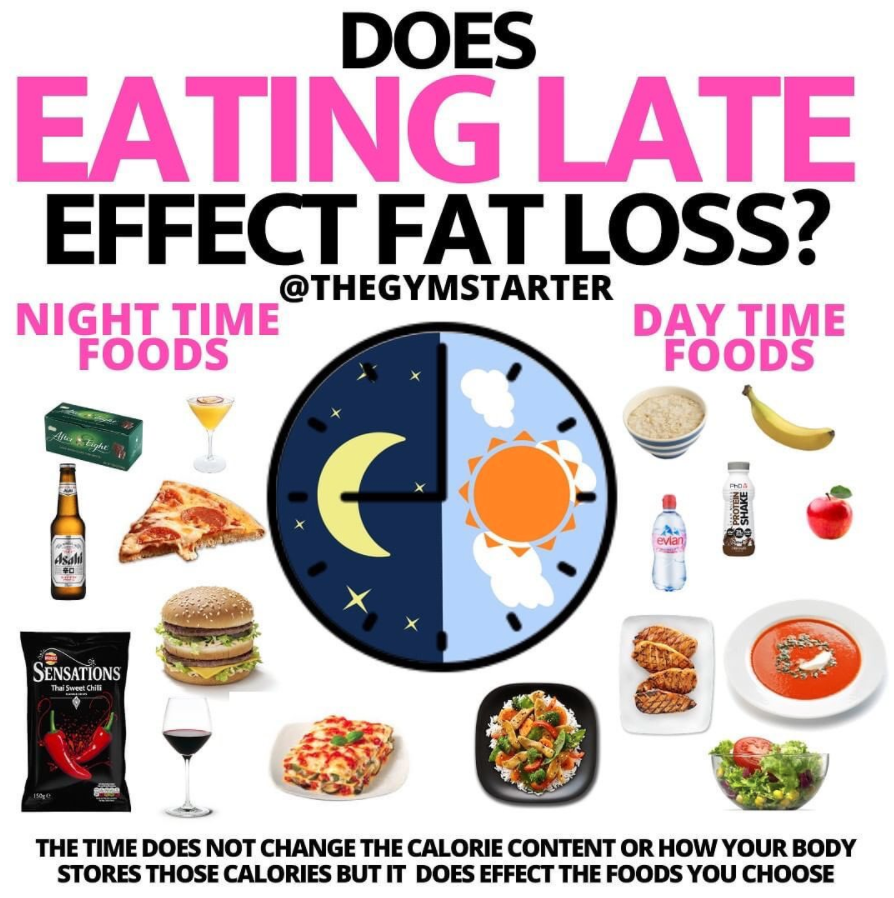
To counter the habit of nighttime snacking, it is crucial to establish a healthy eating schedule that ensures regular and balanced meals throughout the day.
Establishing regular meal times
Set specific times for your meals and stick to them as closely as possible. By spacing meals consistently throughout the day, you can help keep hunger at bay and minimize the temptation to snack late at night. Aim for three meals a day and incorporate nutritious snacks between meals to maintain a steady energy level.
The importance of a balanced breakfast
Start your day off right with a balanced and nutritious breakfast. Eating a hearty breakfast can help curb cravings later in the day and provide you with the energy you need to stay focused and productive. Include a combination of protein, whole grains, and fruits or vegetables to create a satisfying and nourishing meal.
Planning nutritious meals throughout the day
Make a conscious effort to plan and prepare nutritious meals for the entire day. Include a variety of fruits, vegetables, whole grains, lean proteins, and healthy fats in your meals to ensure you are receiving a wide range of essential nutrients. This will help keep you feeling satisfied and minimize the desire to reach for unhealthy snacks during late-night hours.
Dealing with Cravings
Cravings can be a significant roadblock when trying to avoid nighttime snacking. Here are some strategies to help you address and manage those cravings effectively.
Understanding the difference between hunger and cravings
It is essential to distinguish between genuine hunger and cravings. Cravings are often triggered by emotions, stress, or certain habits, whereas hunger is a physiological need for nourishment. By identifying the root cause of your cravings, you can find alternative ways to address those underlying issues without resorting to unhealthy snacks.
Identifying triggers for nighttime cravings
Take the time to reflect on what triggers your cravings for late-night snacks. Is it boredom, stress, or certain activities? By identifying these triggers, you can proactively find healthier alternatives to address those needs. For example, if you find that stress triggers your cravings, you can practice relaxation techniques like deep breathing or engage in a calming activity instead of reaching for a snack.
Healthy alternatives to satisfy cravings
When cravings strike, it’s essential to have healthier alternatives on hand. Stock your kitchen with nutritious snacks such as fresh fruit, vegetables with hummus, or a handful of nuts. These options can help satisfy your craving while providing essential nutrients and helping you stay on track with your healthy eating goals.
Creating a Snack-Free Environment
To avoid late-night snacking, it is crucial to create an environment that is conducive to healthier choices and minimizes temptation.
Removing tempting snacks from the kitchen
Start by removing any tempting snacks from your kitchen. If they’re not readily available, you’ll be less likely to reach for them during late-night hours. Clear out your pantry and refrigerator of unhealthy options, and replace them with nutritious alternatives. This initial step is key to setting yourself up for success in breaking the habit of late-night snacking.
Organizing your kitchen to promote healthier choices
Organize your kitchen in a way that promotes healthier choices. Make nutritious snacks visible and easily accessible, while placing less healthy options out of sight or on higher shelves. This simple reorganization can make a significant difference in your ability to make healthy choices throughout the day and reduce the temptation to snack at night.
Stocking up on nutritious snacks
Ensure you have a variety of nutritious snacks readily available at all times. Stock up on fresh fruits, cut vegetables in containers, yogurt, or pre-portioned healthy snacks. Having these options on hand makes it easier to grab a nutritious snack when hunger strikes, reducing the desire for late-night snacking.
Developing Healthy Nighttime Routines
Establishing healthy nighttime routines can help curb late-night snacking and promote better sleep patterns.
Engaging in relaxing activities before bed
Engaging in relaxing activities before bed can help calm your mind and prepare your body for sleep. Establish a bedtime routine that includes activities like reading a book, taking a warm bath, or practicing relaxation techniques such as meditation or gentle yoga. By winding down and reducing stress before bed, you’ll be less likely to turn to late-night snacking as a way to soothe your mind.
Establishing a consistent sleep schedule
Maintaining a consistent sleep schedule is crucial for overall well-being and can help reduce the desire for late-night snacking. Set a specific bedtime and wake-up time that allows for a sufficient amount of sleep each night. By following a consistent sleep routine, you can support your body’s natural sleep-wake cycle and optimize your health.
Avoiding screen time close to bedtime
The blue light emitted by electronic devices can interfere with the body’s production of melatonin, a hormone that regulates sleep. Avoid screen time, including television, smartphones, and tablets, for at least an hour before bed. Instead, engage in relaxing activities that promote restful sleep and reduce the likelihood of turning to late-night snacking as a form of entertainment or distraction.
Mindful Eating Practices
Practicing mindful eating can help you develop a healthier relationship with food and reduce the tendency to snack at night.
Practicing mindfulness during meals
Take the time to savor and fully experience your meals. Pay attention to the smells, tastes, and textures of the food you are eating. Chew slowly and pause between bites, allowing yourself to feel the sensation of being satisfied before reaching for more. By practicing mindful eating, you can cultivate a deeper appreciation for food and prevent mindless snacking later on.
Paying attention to hunger and fullness cues
Listen to your body’s hunger and fullness cues. Are you eating because you’re genuinely hungry, or are you eating out of habit or boredom? Eat until you feel comfortably full, but not overly stuffed. By tuning in to your body’s signals, you can better regulate your eating patterns and reduce the inclination to snack late at night.
Enjoying the experience of eating without distractions
Avoid eating while engaging in other activities such as watching television or working on your computer. This leads to mindless eating, often resulting in overconsumption and the desire for more food later on. Instead, create a space free of distractions and allow yourself to fully enjoy the experience of eating, savoring each bite and being present in the moment.
Creating Accountability and Support
Creating accountability and seeking support can significantly contribute to breaking the habit of nighttime snacking.
Seeking support from friends or family
Share your goals and challenges with friends or family members who can provide support and encouragement. Let them know about your commitment to stop snacking at night, and ask for their help in holding you accountable. Having someone to share your journey with can make the process more enjoyable and increase your chances of success.
Joining a community or support group
Consider joining a community or support group focused on healthy eating or overcoming nighttime snacking. Engaging with like-minded individuals who are facing similar challenges can provide valuable insights, tips, and motivation. These communities offer a safe space to share your experiences and gain support from others on a similar journey.
Tracking progress and celebrating milestones
Keep track of your progress in overcoming nighttime snacking and celebrate milestones along the way. This can be as simple as marking off days on a calendar or using a tracking app to record your achievements. Celebrate your accomplishments, no matter how small, as this will reinforce your commitment and inspire you to continue making healthy choices.
Addressing Emotional Eating
Emotional eating is a common reason behind late-night snacking. By addressing emotional triggers and developing alternative coping mechanisms, you can break the cycle of relying on food for comfort.
Identifying emotional triggers for nighttime snacking
Take the time to identify the emotions and situations that trigger your nighttime snacking. Are you using food to cope with stress, sadness, or boredom? Understanding the root causes of your emotional eating can help you find healthier ways to address those emotions without turning to food.
Developing alternative coping mechanisms
Find alternative coping mechanisms that are not food-related. Engaging in activities such as journaling, talking to a friend, going for a walk, or practicing relaxation techniques can help you manage your emotions in a healthier way. Experiment with different strategies and find what works best for you to replace the habit of late-night snacking.
Seeking professional help if necessary
If emotional eating becomes overwhelming and affects your overall well-being, consider seeking professional help. A therapist or counselor can provide guidance and support in addressing the underlying emotional issues that contribute to late-night snacking. They can help you develop healthier coping mechanisms and provide tools to break free from this cycle.
Conclusion
Snacking at night can have various negative consequences on our health and well-being, from weight gain to disrupted sleep patterns and digestive issues. However, by recognizing the impact of late-night snacking, creating a healthy eating schedule, dealing with cravings, and developing healthy nighttime routines, we can break the habit and embrace a healthier approach to eating.
By practicing mindful eating, creating a snack-free environment, and seeking accountability and support, we can overcome emotional eating and address the root causes behind nighttime snacking. Remember, it’s essential to be patient and kind to yourself throughout this journey. Celebrate your progress, learn from setbacks, and focus on the positive changes you’re making towards embracing healthier habits and promoting overall well-being.

