Intermittent Fasting For Weight Loss

Are you looking for a new and effective way to shed those extra pounds? Well, have you ever considered intermittent fasting? It’s a popular topic these days, and for good reason. In this article, we’ll dive into the details of intermittent fasting and how it can help you achieve your weight loss goals.
So, what exactly is intermittent fasting? Simply put, it’s a pattern of eating that involves alternating periods of fasting and eating. Instead of restricting the types of foods you can eat, intermittent fasting focuses on when you eat. By giving your body regular periods of rest from digestion, you can promote weight loss and improve overall health.
In the upcoming paragraphs, we’ll explore different methods of intermittent fasting, such as the 16/8 method or alternate day fasting. We’ll discuss the benefits of intermittent fasting for weight loss, including its impact on your metabolism and insulin levels. Plus, we’ll provide tips and tricks on how to successfully incorporate intermittent fasting into your lifestyle.
So, if you’re curious about intermittent fasting and want to learn more about how it can help you lose weight, keep reading! We’ve got all the information you need to embark on your weight loss journey and make intermittent fasting a part of your healthy way of eating.

Understanding Intermittent Fasting
Intermittent fasting has gained significant popularity in recent years as a powerful tool for weight loss. It involves alternating periods of fasting and eating, which can lead to numerous health benefits. In this article, we will explore what intermittent fasting is, the different types of intermittent fasting, and how it works.
What is intermittent fasting?
Intermittent fasting is not a diet plan, but rather an eating pattern that focuses on when you eat, rather than what you eat. It involves cycling between periods of fasting and eating. During the fasting periods, you abstain from consuming any calories, while during the eating windows, you can consume food and beverages.
Different types of intermittent fasting
There are several different methods of intermittent fasting, each with its own unique fasting and eating windows. Some of the most popular methods include:
-
16/8 method: This involves fasting for 16 hours and restricting your eating window to 8 hours. For example, you may choose to eat between 12 pm and 8 pm and fast from 8 pm to 12 pm the next day.
-
5:2 diet: With this method, you eat normally for five days of the week and restrict your calorie intake to 500-600 calories for the remaining two days.
-
Alternate-day fasting: This method involves alternating between fasting and eating days. On fasting days, you consume very few calories or no calories at all, while on eating days, you can eat normally.
How does intermittent fasting work?
Intermittent fasting primarily works by reducing your calorie intake and changing the hormone levels in your body. By fasting, you create a calorie deficit, leading to weight loss. Additionally, fasting triggers a series of hormonal changes in the body, such as increased levels of human growth hormone (HGH) and enhanced insulin sensitivity, which can further contribute to weight reduction.
Benefits of Intermittent Fasting
In addition to weight loss, intermittent fasting offers several other benefits that can improve your overall health. Let’s explore some of these benefits:
Weight loss
One of the primary reasons people try intermittent fasting is to lose weight. By restricting your eating window, you naturally consume fewer calories, leading to weight loss. Additionally, fasting can boost your metabolism and improve fat burning.
Improved insulin sensitivity
Insulin is a hormone responsible for regulating blood sugar levels. Intermittent fasting can improve insulin sensitivity, which helps your body utilize glucose more efficiently. This can reduce the risk of developing insulin resistance and type 2 diabetes.
Reduced inflammation
Chronic inflammation is associated with numerous health conditions, including heart disease, diabetes, and certain types of cancer. Intermittent fasting has been shown to reduce inflammation markers in the body, potentially decreasing the risk of developing these conditions.
Increased autophagy
Autophagy is a cellular process that involves the recycling of damaged cells and the removal of toxins. Intermittent fasting has been found to enhance autophagy, which may have anti-aging effects and help protect against certain diseases.

Getting Started with Intermittent Fasting
Before starting intermittent fasting, it is important to consult a healthcare professional, especially if you have any underlying health conditions or are taking medications. Once you have received the go-ahead, there are a few steps to follow to get started:
Consulting a healthcare professional
As mentioned earlier, it is crucial to seek guidance from a healthcare professional before starting intermittent fasting. They can provide personalized advice based on your individual circumstances and ensure it is safe for you to practice this eating pattern.
Setting fasting and eating windows
Decide on the duration of your fasting and eating windows. The 16/8 method is a popular choice, but you can choose a method that suits your lifestyle and schedule. Experiment with different windows to find what works best for you.
Choosing the right fasting method
Consider your goals and preferences when choosing the right intermittent fasting method. Some methods may be more suitable for beginners, while others may require more discipline and adjustment. Choose a method that you can sustain in the long run.
Preparing for Intermittent Fasting
Once you have decided to embark on an intermittent fasting journey, there are a few steps you can take to prepare yourself for success:
Stocking up on nutritious foods
During your eating windows, it is important to nourish your body with nutrient-dense foods that fuel your body and support your weight loss goals. Stock up on fresh fruits and vegetables, lean proteins, whole grains, and healthy fats.
Hydrating adequately
Hydration is key during intermittent fasting. Make sure to drink enough water throughout the day to stay hydrated. You can also enjoy herbal teas or unsweetened beverages to add variety and flavor.
Meal planning and preparation
To ensure you stick to your fasting and eating windows, it can be helpful to plan and prepare your meals in advance. This way, you will have healthy options available and will be less likely to make impulsive and unhealthy food choices.
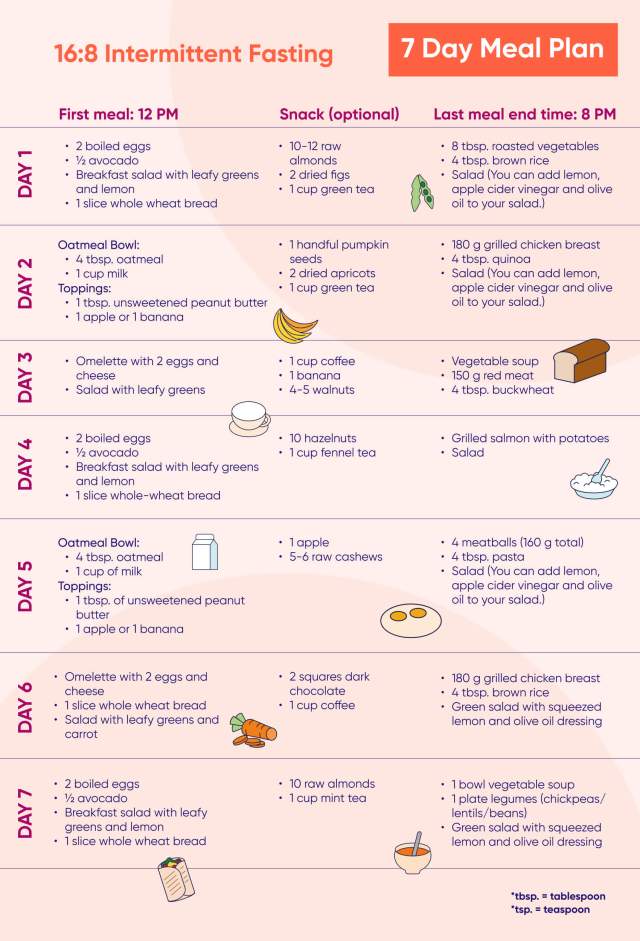
Tips for Successful Intermittent Fasting
To make the most of your intermittent fasting journey, here are some tips to keep in mind:
Stay hydrated
As mentioned before, staying hydrated is crucial during intermittent fasting. Drinking water can help curb hunger, boost metabolism, and support overall health. Aim to drink at least 8 cups of water per day.
Listen to your body
Pay attention to your body’s hunger and fullness cues. Intermittent fasting does not mean you should ignore your body’s needs. If you feel extremely hungry or unwell, it is important to break your fast and eat a balanced meal.
Stay consistent
Consistency is key when implementing any lifestyle change. Aim to stick to your chosen fasting and eating windows as much as possible to achieve optimal results. Consistency allows your body to adapt to the new eating pattern and helps you build healthy habits.
Managing Hunger During Intermittent Fasting
Hunger can be a common challenge when practicing intermittent fasting. Here are some strategies to manage hunger:
Drinking water and herbal tea
Before reaching for a snack, try drinking a glass of water or enjoying a cup of herbal tea. Sometimes, what we perceive as hunger is actually just thirst.
Consuming fiber-rich foods
Fiber-rich foods, such as fruits, vegetables, and whole grains, can help you feel fuller for longer. Incorporate these foods into your meals and snacks to stay satisfied during fasting periods.
Engaging in light physical activity
Engaging in light physical activity, such as walking or stretching, can help distract your mind from hunger and give you a boost of energy. It can also help regulate blood sugar levels and improve overall well-being.

Common Mistakes to Avoid
While intermittent fasting can be an effective tool for weight loss, there are some common mistakes to avoid:
Consuming excessive calories during eating windows
It is important to maintain a calorie deficit during intermittent fasting in order to lose weight. Avoid overeating or consuming excessive amounts of unhealthy foods during your eating windows, as this can hinder your progress.
Not getting enough nutrients
Even though you have a limited eating window, it is important to ensure you are getting all the necessary nutrients your body needs. Focus on incorporating a variety of fruits, vegetables, lean proteins, whole grains, and healthy fats into your meals.
Overindulging in unhealthy foods
Intermittent fasting does not give you a free pass to indulge in unhealthy foods during your eating windows. While occasional treats are fine, it is important to prioritize nutrient-dense, whole foods to support your overall health.
Intermittent Fasting and Exercise
Exercise can complement intermittent fasting and enhance weight loss results. Here are some considerations when incorporating exercise into your fasting routine:
Timing workouts during fasting windows
Some people prefer to exercise during their fasting periods, while others find it more comfortable to work out during their eating windows. Experiment with different timing options and choose what works best for you and your energy levels.
Adjusting exercise intensity
During fasting periods, your body may have lower energy levels. It is important to listen to your body and adjust the intensity of your workouts accordingly. If you feel fatigued or lightheaded, consider opting for lower intensity activities, such as yoga or walking.
Considering pre and post-workout nutrition
If you choose to exercise during your fasting period, you may want to consume a small pre-workout snack to provide your body with the necessary energy. After your workout, focus on replenishing your body with a balanced meal to support muscle recovery and repair.

Intermittent Fasting for Sustainable Weight Loss
Intermittent fasting can be a sustainable approach to weight loss when done properly and in a healthy manner. Here are some key considerations for long-term success:
Creating a calorie deficit
Remember that weight loss ultimately comes down to creating a caloric deficit. While intermittent fasting can make it easier to achieve a deficit, it is still important to monitor your calorie intake and ensure you are consuming fewer calories than you are burning.
Incorporating nutrient-dense foods
Prioritize nutrient-dense foods to support your overall health and well-being. Choose whole, unprocessed foods that are rich in vitamins, minerals, and antioxidants. These foods will provide you with sustained energy and keep you satisfied throughout the day.
Tracking progress and making adjustments
Monitor your progress by tracking your weight, measurements, and how you feel overall. This will help you identify any patterns and make necessary adjustments to your fasting and eating windows or overall approach.
Conclusion
Intermittent fasting can be a powerful tool for weight loss when practiced properly and with consideration for your individual needs. It is important to consult a healthcare professional before embarking on this journey and listen to your body’s needs throughout the process. By incorporating intermittent fasting into a healthy lifestyle that includes regular exercise and a balanced diet, you can achieve sustainable weight loss and improve your overall well-being.

