Intermittent Fasting Schedule
Have you ever wondered if there’s a way to eat that can help you lose weight and improve your overall health? Well, today we’re going to talk about intermittent fasting! You may have heard about it before, but do you really know what it entails? In this article, we’ll discuss the basics of intermittent fasting and why it has become such a popular trend in the health and fitness community. So, grab a cup of tea and get ready to learn more about this fascinating eating schedule!
Intermittent fasting is not a diet in the traditional sense, but rather an eating pattern. It involves cycling between periods of fasting and eating, with fasting periods typically lasting anywhere from 12 to 16 hours. During the fasting period, your body is able to make use of stored fat for energy, leading to potential weight loss. Additionally, intermittent fasting has been shown to improve insulin sensitivity, reduce inflammation, and promote cellular repair. Sounds pretty impressive, doesn’t it? In this article, we’ll delve deeper into the benefits of intermittent fasting, different schedules you can follow, and tips to make the transition smoother. So, if you’re interested in trying out a new and healthy way of eating, keep reading to learn more about intermittent fasting!
Intermittent Fasting Schedule
What is Intermittent Fasting
Intermittent fasting is a popular eating pattern that involves cycling between periods of fasting and eating. It has gained significant attention in recent years due to its potential health benefits, including weight loss, improved insulin sensitivity, and reduced inflammation. By following a structured intermittent fasting schedule, you can optimize your fasting and eating windows, allowing your body to reap the benefits of this eating pattern.
History of Intermittent Fasting
Intermittent fasting is not a new concept and has been practiced throughout history by various cultures and religions. In ancient times, it was often associated with religious practices and rituals. For example, Muslims practice fasting during the holy month of Ramadan, while certain Christian denominations observe fasting during the Lent period. However, the modern interest in intermittent fasting primarily stems from scientific research and the desire to adopt a healthier lifestyle.
Definition of Intermittent Fasting
Intermittent fasting involves alternating between periods of fasting and eating. During the fasting period, you refrain from consuming any calories, while in the eating window, you eat your meals as usual. The duration of the fasting and eating windows can vary depending on the specific intermittent fasting method you choose.
Benefits of Intermittent Fasting
Intermittent fasting has been associated with numerous health benefits, making it a popular choice for individuals looking to improve their overall well-being. Here are some of the benefits you can expect:
Weight loss
One of the main reasons people try intermittent fasting is for weight loss. By restricting your eating window, you naturally consume fewer calories, which can lead to a calorie deficit and subsequent weight loss. Additionally, intermittent fasting has been shown to increase fat burning and boost metabolism, further aiding in weight loss.
Improved insulin sensitivity
Insulin sensitivity refers to how responsive your cells are to the hormone insulin, which helps regulate blood sugar levels. Intermittent fasting has been shown to improve insulin sensitivity, which can be beneficial for individuals with type 2 diabetes or those at risk of developing the condition. By enhancing insulin sensitivity, intermittent fasting may help stabilize blood sugar levels and reduce the risk of insulin resistance.
Reduced inflammation
Chronic inflammation is linked to various health problems, including heart disease, diabetes, and certain types of cancer. Intermittent fasting has been found to reduce inflammation markers in the body, thus potentially decreasing the risk of developing chronic diseases associated with inflammation.

Different Types of Intermittent Fasting
There are several popular methods of intermittent fasting, each with its own unique approach to fasting and eating windows. Here are three common types:
16/8 method
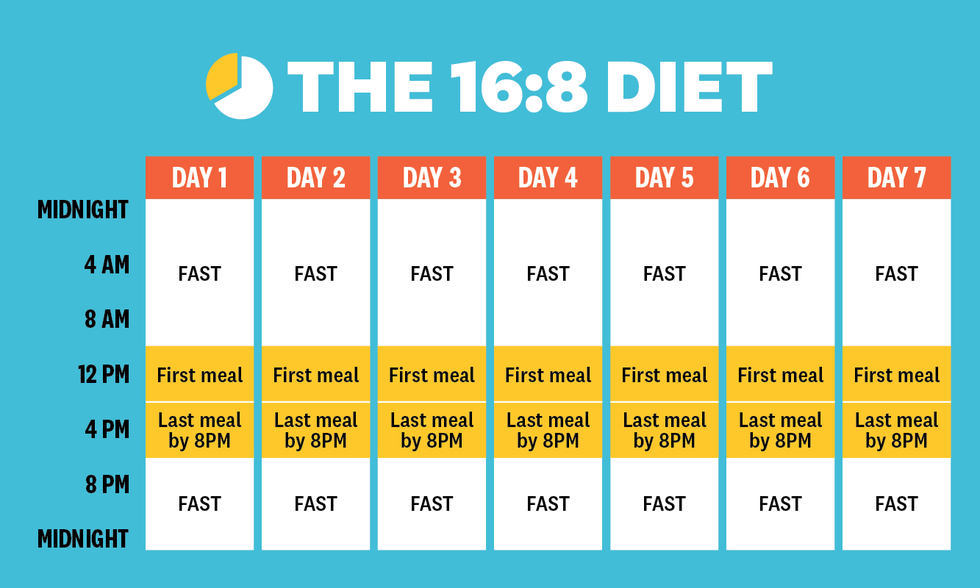
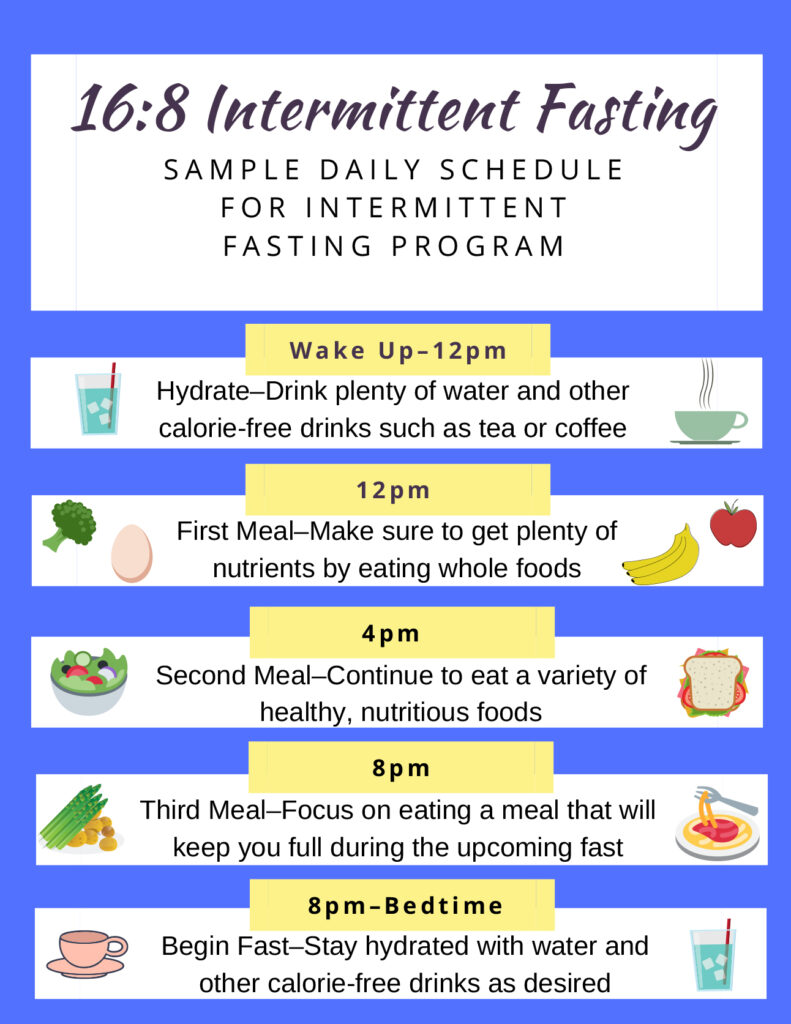
The 16/8 method involves fasting for 16 hours and restricting your eating window to 8 hours. This approach is particularly popular because it can be easily incorporated into daily life. For example, you could have your last meal at 8 PM and then fast until noon the next day, breaking your fast at 12 PM.
Eat-Stop-Eat
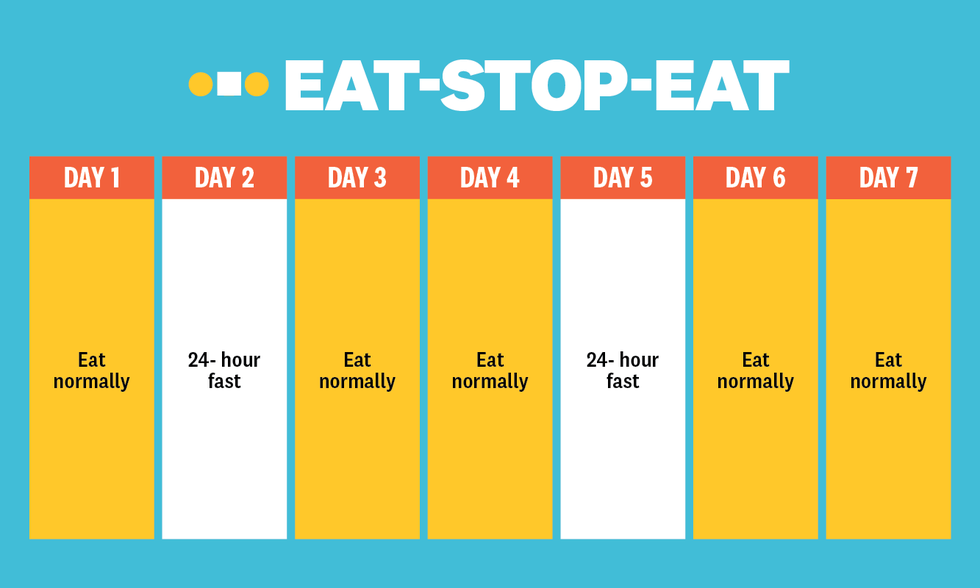
The Eat-Stop-Eat method involves a 24-hour fast, once or twice a week. This means you would eat your last meal one day and then fast until the same time the following day. For example, you might choose to fast from 6 PM on Wednesday until 6 PM on Thursday.
5:2 diet
The 5:2 diet involves eating normally for five days of the week and restricting calorie intake to 500-600 calories for two non-consecutive days. On fasting days, it is recommended to spread the calories throughout the day, consuming small meals or snacks to help manage hunger.
Creating an Intermittent Fasting Schedule
When starting with intermittent fasting, it’s important to establish a schedule that works for you. Here are some steps to help you create an effective intermittent fasting schedule:
Setting a fasting window
Decide on the duration of your fasting window, keeping in mind the different methods available. Determine a comfortable fasting period based on your lifestyle and daily routine.
Choosing eating windows
Select the time frame for your eating window. Make sure it allows you to consume your daily caloric needs and have satisfying meals. Consider aligning your eating window with social activities or times when you feel most hungry.
Listening to your body’s hunger cues
During the fasting period, it’s normal to experience hunger pangs. However, it’s essential to listen to your body’s cues and learn to differentiate between true hunger and habitual or emotional eating. Stay hydrated by drinking water or herbal tea to help manage hunger.
Foods to Eat and Avoid During Intermittent Fasting
While following an intermittent fasting schedule, it’s crucial to make mindful food choices during your eating window. Here are some recommendations for foods to eat and avoid:
Recommended foods
Opt for nutrient-dense foods that provide a good balance of macronutrients and micronutrients. Focus on lean proteins, whole grains, fruits, vegetables, and healthy fats. These foods will help nourish your body and support overall health.
Foods to avoid
Processed foods, sugary snacks, and beverages high in added sugars should be limited or avoided altogether. These foods can lead to energy crashes and make it harder to control hunger during the fasting window.
Beverages during fasting
While fasting, it’s important to stay hydrated. Water, herbal tea, black coffee, and sparkling water are suitable options during the fasting period. However, be cautious with drinks containing added sugars or cream, as they can break the fast and add unnecessary calories.
Combining Intermittent Fasting with Exercise
Exercise can be beneficial when practicing intermittent fasting. Here are some tips on how to combine these two:
Best exercises for fasting
Engaging in low to moderate intensity exercises like walking, yoga, or light resistance training can be suitable during the fasting period. These activities allow you to maintain an active lifestyle without expending excessive energy.
Timing exercise with eating windows
Consider scheduling more intense workouts or strength training sessions toward the end of your fasting period, just before you break your fast. This way, you can refuel your body with nutrients after exercising.
Tips for Success with Intermittent Fasting
To ensure a successful intermittent fasting journey, keep the following tips in mind:
Stay hydrated
Drink plenty of water throughout the day, especially during your fasting period. Staying hydrated can help manage hunger and support optimal bodily functions.
Plan meals ahead
Prepare your meals in advance to avoid making impulsive food choices during your eating window. Knowing what you will eat ahead of time makes it easier to stick to your meal plan.
Seek professional advice if necessary
If you have any underlying health conditions or concerns, it’s always a good idea to consult with a healthcare professional or registered dietitian before starting an intermittent fasting schedule. They can provide personalized guidance and ensure it aligns with your individual needs.
Common Myths about Intermittent Fasting
As with any popular health trend, intermittent fasting has its fair share of myths and misconceptions. Let’s debunk a couple of the most common ones:
Fasting leads to muscle loss
Contrary to popular belief, well-planned intermittent fasting does not lead to muscle loss. By consuming adequate protein and maintaining an active lifestyle, you can preserve muscle mass while experiencing the benefits of intermittent fasting.
Fasting slows down metabolism
While fasting may temporarily reduce metabolic rate, research has shown that it does not have lasting negative effects on metabolism. In fact, intermittent fasting has been associated with increased fat burning and improved metabolic flexibility.
Potential Risks and Side Effects of Intermittent Fasting
While intermittent fasting can be a safe and healthy eating pattern for many individuals, it’s essential to be aware of potential risks and side effects:
Hunger pangs and cravings
During the fasting window, you may experience increased hunger pangs and cravings initially. These sensations usually lessen as your body adjusts to the new eating pattern.
Digestive issues
Some individuals may experience digestive issues such as bloating or constipation when starting intermittent fasting. Making sure to include fiber-rich foods and staying adequately hydrated can help alleviate these symptoms.
Impact on mood and energy levels
Going without food for extended periods may affect mood and energy levels, especially if your body is not accustomed to fasting. It’s important to prioritize self-care, get enough sleep, and listen to your body’s needs during the adjustment period.
Conclusion
Intermittent fasting is a flexible and effective eating pattern that can provide numerous health benefits when implemented correctly. By following a structured intermittent fasting schedule, you can experience weight loss, improved insulin sensitivity, reduced inflammation, and more. Remember to choose an intermittent fasting method that suits your lifestyle and consult with a healthcare professional if needed. With the right approach and dedication, intermittent fasting can be a sustainable and successful way to improve your overall health and well-being.

