How To Stop Binge Eating

Do you find yourself constantly reaching for that bag of chips or pint of ice cream, unable to stop eating? If so, you’re not alone. Many people struggle with binge eating, and it can be a difficult habit to break. But don’t worry, we’re here to help! In this article, we’ll discuss some effective strategies to stop binge eating and develop healthier eating habits.
Binge eating can be both a physical and emotional challenge. It often stems from a combination of factors such as stress, boredom, or even certain triggers that make you crave specific foods. But by understanding the root causes of your binge eating episodes, you can begin to develop strategies to overcome them. In our upcoming article, we will delve deeper into the topic, exploring the different psychological and emotional factors that contribute to binge eating. We will also provide practical tips and techniques to help you regain control over your eating habits and develop a healthier relationship with food. So stay tuned, and get ready to conquer your binge eating tendencies once and for all!

How To Stop Binge Eating
Understanding Binge Eating
Binge eating is a disorder characterized by consuming large quantities of food in a short period of time, often accompanied by a sense of loss of control. It is different from occasional overeating and can have significant negative effects on physical and mental health. Understanding the causes and effects of binge eating is crucial in order to effectively combat this disorder.
What is binge eating?
Binge eating is a common eating disorder that affects individuals of all ages and genders. It often involves consuming large amounts of food, even when not physically hungry, and continues until feeling uncomfortably full. Unlike bulimia, binge eating episodes are not typically followed by compensatory behaviors like purging or excessive exercise.
Causes of binge eating
Binge eating can arise from a combination of genetic, biological, psychological, and environmental factors. Some common triggers include stress, emotional distress, low self-esteem, dieting or restrictive eating habits, and certain medications. Individuals who have experienced trauma or have a history of disordered eating may also be more prone to developing binge eating disorder.
Effects of binge eating
The effects of binge eating can be both physical and emotional. Physically, it can lead to weight gain, obesity, and related health problems such as high blood pressure, diabetes, and heart disease. Mentally and emotionally, binge eating can cause feelings of guilt, shame, and loss of self-esteem, further perpetuating the cycle of binge eating. It can also negatively impact relationships and social functioning.
Identifying Triggers and Patterns
In order to effectively address binge eating, it is important to identify the triggers and patterns that contribute to the episodes. By recognizing these triggers, individuals can learn healthier ways to cope with their emotions and avoid situations that may lead to binge eating.
Recognizing emotional triggers
Emotional triggers are often the underlying cause of binge eating. It is important to identify the emotions that lead to the urge to binge eat. Examples of emotional triggers may include stress, anxiety, loneliness, boredom, or sadness. Keeping a journal and writing down feelings before and after eating can help identify emotional triggers.
Identifying environmental triggers
Environmental triggers can also play a significant role in binge eating. These triggers can be specific situations, places, or people that provoke the desire to binge eat. For example, having certain types of food readily available in the house, social gatherings centered around food, or eating in front of the television can all contribute to binge eating episodes. Being aware of these triggers can help individuals avoid or modify them.
Understanding patterns of binge eating
In addition to identifying triggers, recognizing patterns of binge eating is essential for developing strategies to overcome the disorder. This includes understanding the time of day or specific circumstances when binge eating is more likely to occur. By identifying patterns, individuals can proactively plan alternative activities or coping strategies during those times.
Developing Healthy Coping Mechanisms
Replacing binge eating with healthier coping mechanisms is a crucial step in overcoming binge eating disorder. By finding alternative ways to cope with emotions and stress, individuals can gradually reduce the urge to binge eat.
Healthy alternatives to binge eating
Instead of turning to food during emotional or stressful times, it is important to find healthier alternatives. Engaging in activities such as exercise, engaging in a hobby, practicing deep breathing or relaxation techniques, or seeking support from a trusted friend or family member can be effective tools for coping with emotions without resorting to binge eating.
Practicing mindfulness techniques
Mindfulness is a powerful tool for reducing binge eating episodes. By practicing mindfulness, individuals can bring awareness to their thoughts, feelings, and physical sensations without judgment. This allows for a greater understanding of the triggers that lead to binge eating and the ability to choose healthier responses. Mindful eating, in particular, involves paying attention to the taste, texture, and satisfaction of each bite, and can help individuals develop a healthier relationship with food.
Seeking professional help and support
In some cases, overcoming binge eating may require professional help and support. Therapists specializing in eating disorders can provide guidance, personal insight, and coping strategies specifically tailored to the individual’s needs. Support groups or online communities can also offer additional support and encouragement from individuals who have experienced similar challenges.

Creating a Balanced Meal Plan
Developing a balanced meal plan is an integral part of overcoming binge eating disorder. A balanced meal plan ensures that individuals are consuming the necessary nutrients while promoting a healthy relationship with food.
Understanding nutritional needs
Understanding nutritional needs is essential for crafting a balanced meal plan. This involves including a variety of food groups to ensure adequate intake of essential nutrients such as carbohydrates, proteins, healthy fats, vitamins, and minerals. Consulting with a registered dietitian can be helpful in creating a personalized meal plan that meets individual nutritional needs.
Including all food groups in meals
Contrary to restrictive diets, it is important to include all food groups in meals. Restricting certain foods can often lead to feelings of deprivation, which can trigger binge eating episodes. By allowing oneself to enjoy a variety of foods in moderation, individuals can develop a healthier relationship with food and reduce the likelihood of binge eating episodes.
Portion control and mindful eating
In addition to including all food groups, practicing portion control and mindful eating is important in creating a balanced meal plan. Portion control involves being mindful of the amount of food consumed, while mindful eating focuses on paying attention to the body’s hunger and fullness cues. By eating slowly, savoring each bite, and stopping when comfortably full, individuals can better regulate their food intake and reduce binge eating behaviors.
Maintaining a Supportive Environment
Creating and maintaining a supportive environment is critical in overcoming binge eating. Having a strong support system and avoiding negative influences can provide the necessary encouragement and accountability needed to make lasting changes.
Communicating with family and friends
Open communication with family and friends about struggles with binge eating can be helpful. By explaining the disorder and seeking their understanding and support, individuals can create an environment that fosters acceptance and encouragement.
Building a strong support system
In addition to friends and family, building a strong support system can be beneficial. This can include joining support groups or seeking professional help, as mentioned earlier. Having individuals who can relate to the challenges of binge eating and provide guidance and support can greatly increase the chances of successfully overcoming the disorder.
Avoiding negative influences
Avoiding negative influences, such as individuals or situations that encourage binge eating, is crucial. This may involve setting boundaries, avoiding triggering environments, or limiting exposure to media or social media accounts that promote unhealthy eating habits. Creating an environment that promotes positivity and healthy behaviors can significantly contribute to overcoming binge eating disorder.

Implementing Positive Lifestyle Changes
Making positive lifestyle changes is essential in preventing future episodes of binge eating and maintaining a healthy relationship with food.
Incorporating regular physical activity
Regular physical activity is not only beneficial for overall health but can also serve as a healthy outlet for stress and emotions. Engaging in activities such as walking, jogging, yoga, or dancing can help reduce the urge to binge eat and provide a positive outlet for energy.
Getting enough rest and managing stress
Getting adequate rest and managing stress are important factors in maintaining a balanced lifestyle. Lack of sleep and high levels of stress can increase the likelihood of binge eating episodes. Prioritizing sleep and practicing stress management techniques such as deep breathing, meditation, or engaging in activities that promote relaxation can help reduce the risk of binge eating.
Establishing healthy routines
Establishing healthy routines can provide structure and stability, making it easier to maintain healthier habits. This includes setting regular mealtimes, planning meals and snacks ahead of time, and incorporating self-care activities into daily routines. By establishing healthy habits, individuals can reduce the occurrence of impulsive or emotional eating episodes.
Monitoring Progress and Seeking Help
Monitoring progress and recognizing when professional help is needed is crucial in the journey towards overcoming binge eating disorder.
Keeping a food and mood diary
Keeping a food and mood diary can aid in identifying patterns and triggers. By recording what is eaten, emotions felt before and after eating, and any binge eating episodes, individuals can gain insight into their behaviors and identify areas that need improvement. A food diary can also be helpful in tracking progress and setbacks over time.
Tracking progress and setbacks
Tracking progress and setbacks is important for maintaining motivation and identifying areas for improvement. Celebrating small victories and learning from setbacks can help individuals stay on track towards their goal of overcoming binge eating. The use of progress trackers or setting specific goals can provide additional motivation and accountability.
Recognizing when professional help is needed
While self-help techniques and lifestyle changes can be effective, it is important to recognize when professional help is needed. If efforts to stop binge eating are not successful or if the disorder is causing significant distress or interfering with daily life, it may be necessary to seek the guidance of a therapist or counselor specializing in eating disorders. Professional help can provide additional resources, support, and guidance to overcome the challenges associated with binge eating disorder.

Addressing Underlying Emotional Issues
In many cases, binge eating is closely linked to emotional issues. Addressing these underlying emotional issues is crucial in overcoming the disorder and developing a healthier relationship with food.
Understanding the connection between emotions and binge eating
Understanding the connection between emotions and binge eating is essential in overcoming the disorder. Binge eating often serves as a way to numb or suppress uncomfortable emotions. By recognizing these emotional triggers and developing healthier coping mechanisms, individuals can break free from the cycle of emotional eating.
Seeking therapy or counseling
Therapy or counseling can be invaluable in addressing underlying emotional issues related to binge eating disorder. Cognitive-behavioral therapy (CBT), dialectical behavior therapy (DBT), and interpersonal therapy (IPT) are commonly used therapeutic approaches that can help individuals identify and change negative thought patterns, develop healthier coping strategies, and improve overall emotional well-being.
Learning healthy ways to cope with emotions
Learning healthy ways to cope with emotions is an important aspect of overcoming binge eating. This can involve techniques such as journaling, practicing self-care, seeking support from loved ones, or engaging in activities that promote relaxation and self-reflection. By finding healthier ways to manage emotions, individuals can reduce the reliance on binge eating as a coping mechanism.
Breaking the Cycle of Shame and Guilt
Shame and guilt are common emotions experienced by individuals struggling with binge eating disorder. Breaking free from these negative emotions is crucial in creating lasting change.
Practicing self-compassion and forgiveness
Practicing self-compassion and forgiveness is an important step in breaking the cycle of shame and guilt. Binge eating is a disorder, not a character flaw, and individuals should treat themselves with kindness and understanding. By replacing self-critical thoughts with self-compassionate ones, individuals can foster a healthier mindset and reduce the likelihood of engaging in disordered eating behaviors.
Challenging negative thoughts and beliefs
Challenging negative thoughts and beliefs is essential in overcoming binge eating. Negative self-talk and beliefs can perpetuate the cycle of binge eating. By consciously questioning and reframing negative thoughts, individuals can develop a more positive and empowering mindset.
Letting go of perfectionism
Perfectionism often plays a significant role in binge eating disorder. Letting go of the need to be perfect and embracing imperfection is crucial in breaking free from disordered eating behaviors. Accepting that setbacks and mistakes are a natural part of the recovery process can reduce feelings of shame and guilt and provide the motivation to continue on the path towards a healthier relationship with food.

Conclusion
Overcoming binge eating is a challenging journey, but with dedication and support, it is possible. By understanding the causes and effects of binge eating, recognizing triggers and patterns, developing healthy coping mechanisms, creating a balanced meal plan, maintaining a supportive environment, implementing positive lifestyle changes, monitoring progress, addressing underlying emotional issues, and breaking free from shame and guilt, individuals can take the first steps towards a healthier and happier life. Remember, you have the power to create lasting change and embrace a healthier relationship with food.
How To Stop Emotional Eating

Have you ever found yourself reaching for a tub of ice cream or a bag of chips when you’re feeling down or stressed? We’ve all been there. Emotional eating is a common habit that many people struggle with. But don’t worry, we’ve got your back! In this article, we’ll dive into the topic of emotional eating and share some useful tips to help you break free from this unhealthy habit.
Emotional eating occurs when we use food as a way to cope with emotions, rather than eating for hunger or nourishment. It can often lead to overeating and feeling guilty afterwards. But fear not, because we’ve got some strategies that can help you put an end to this cycle. In our upcoming article, we’ll discuss the underlying causes of emotional eating and provide practical tips to help you manage your emotions in a healthier way. So, stay tuned and get ready to take control of your relationship with food!
How To Stop Emotional Eating
Emotional eating can be a challenging cycle to break. It’s a habit many people develop as a way to cope with emotions, stress, or boredom. However, recognizing and addressing emotional eating is essential for maintaining a healthy relationship with food. In this article, we will discuss how to recognize emotional eating, address it, build a healthy relationship with food, develop emotional intelligence, practice self-care and stress management, implement practical strategies to stop emotional eating, create a supportive environment, overcome setbacks and relapses, and celebrate progress and achievements.
Recognizing Emotional Eating
Understanding the concept of emotional eating
Emotional eating refers to using food as a way to cope with emotions rather than to satisfy physical hunger. It happens when individuals turn to food for comfort, distraction, or pleasure. It often involves consuming large amounts of food, particularly high in sugar, fat, and calories. Emotional eating can be triggered by stress, sadness, anxiety, boredom, or any other emotional state. Recognizing emotional eating is the first step to overcoming this harmful habit.
Identifying triggers and patterns of emotional eating
To address emotional eating, it is crucial to identify the triggers and patterns that lead to this behavior. Keep a food diary to track when and why you eat, paying attention to your emotional state and any specific events or circumstances that may have influenced your eating habits. By identifying the triggers and patterns, you can gain a better understanding of what emotions lead to overeating and address them directly.
Differentiating emotional hunger from physical hunger
It is essential to distinguish emotional hunger from physical hunger. Emotional hunger tends to be sudden and intense, and it craves specific comfort foods, such as sweets or salty snacks. On the other hand, physical hunger develops gradually and can be satisfied with a variety of foods. Emotional hunger is often accompanied by feelings of guilt or shame after eating, while physical hunger is a natural bodily response. Learning to recognize the signs of emotional hunger will help you respond to your needs more effectively.
Addressing Emotional Eating
Developing healthy coping mechanisms
Finding alternative ways to cope with emotions is crucial when addressing emotional eating. Instead of turning to food for comfort, explore other healthy coping mechanisms. This may involve engaging in physical activity, such as going for a walk or practicing yoga, which can help release endorphins and improve mood. Journaling, deep breathing exercises, or talking to a supportive friend or therapist are also beneficial strategies to manage emotions effectively.
Finding alternative activities to distract from emotional eating
Another effective approach to address emotional eating is to find alternative activities to distract yourself from turning to food. This can include engaging in hobbies, such as painting, playing a musical instrument, or reading. Listening to music, watching a movie, or going for a bike ride are also great distractions that can help shift your focus from emotional eating to more fulfilling activities.
Seeking support from loved ones or a therapist
Seeking support from loved ones or a therapist is invaluable when dealing with emotional eating. It is essential to have a solid support system comprised of individuals who understand your journey and can offer guidance and encouragement. A therapist or counselor can provide professional advice, help identify underlying emotional triggers, and teach effective coping strategies. Remember, you don’t have to go through this alone – reaching out and seeking support is a sign of strength.

Building a Healthy Relationship with Food
Practicing mindful eating
Mindful eating is a powerful tool in building a healthy relationship with food. By being fully present and aware of the experience of eating, you can connect with your body’s hunger and fullness cues. Slow down, savor each bite, and pay attention to the taste, texture, and smell of your food. This practice helps prevent mindless overeating and allows you to enjoy your meals more fully.
Learning to listen to your body’s hunger and fullness cues
Learning to listen to your body’s hunger and fullness cues is essential in developing a healthy relationship with food. Practice tuning in to your body’s signals and eating when you are physically hungry rather than emotionally hungry. Eat until you are comfortably full, not stuffed. Remember that everyone’s body is unique, so it is essential to honor your individual needs and eat accordingly.
Creating a balanced and nourishing meal plan
Creating a balanced and nourishing meal plan is crucial in breaking the cycle of emotional eating. Include a variety of fruits, vegetables, whole grains, lean proteins, and healthy fats in your meals. Aim for regular mealtimes and snacks to maintain stable blood sugar levels and prevent excessive hunger. Planning and preparing your meals in advance can also help you make healthier choices and avoid impulsive emotional eating.
Developing Emotional Intelligence
Understanding and managing emotions effectively
Developing emotional intelligence is key to preventing emotional eating. It involves understanding and managing emotions effectively, recognizing how emotions influence your relationship with food, and finding healthier ways to cope. Take the time to reflect on your emotions and explore their underlying causes. Once you gain a deeper understanding of your emotional landscape, you can make more mindful choices and respond to your feelings in a healthier way.
Enhancing self-awareness to prevent emotional eating
Self-awareness is an essential component of emotional intelligence. It involves paying attention to your thoughts, feelings, and behaviors related to food. By becoming more self-aware, you can recognize the signs of emotional hunger or emotional triggers that may lead to overeating. With this awareness, you can intervene before engaging in emotional eating and develop more constructive responses.
Strengthening emotional resilience
Building emotional resilience is crucial in overcoming emotional eating. This involves developing the ability to bounce back from setbacks and adapt positively to stressful situations. Practice self-care, engage in activities that bring you joy, and find healthy outlets for stress and emotions. By strengthening emotional resilience, you can reduce the likelihood of turning to food as a coping mechanism.

Self-Care and Stress Management
Implementing self-care practices to reduce stress
Self-care plays a vital role in managing stress, which often contributes to emotional eating. Engage in activities that nurture your physical, emotional, and mental well-being. This may include taking relaxing baths, practicing meditation, or enjoying a massage. Find what activities help you feel rejuvenated and make them a regular part of your routine.
Using relaxation techniques to manage emotions
Relaxation techniques, such as deep breathing exercises, progressive muscle relaxation, or guided imagery, are effective tools for managing emotions. Explore different relaxation methods and discover what works best for you. These techniques can help calm your mind and body, reducing the urge to turn to food for emotional relief.
Prioritizing sleep and rest for overall well-being
Adequate sleep and rest are important for overall well-being and can significantly impact emotional eating patterns. Aim for a consistent sleep schedule and ensure you are getting the recommended amount of sleep for your age and individual needs. Quality rest allows your body and mind to recover, making it easier to manage emotions and make healthier choices throughout the day.
Practical Strategies to Stop Emotional Eating
Keeping a food journal to track emotional triggers
Keeping a food journal is a helpful strategy to track emotional triggers and identify patterns of emotional eating. Record your meals and snacks, including the time, location, and emotional state when eating. This can provide valuable insight into your eating habits and help you identify emotional triggers that prompt overeating. With this awareness, you can devise strategies to address these triggers effectively.
Engaging in regular physical activity to improve mood
Regular physical activity is a powerful tool in managing emotions and improving mood. Exercise releases endorphins, which are natural mood boosters. Find activities you enjoy and make them a regular part of your routine. Whether it’s going for a run, practicing yoga, or dancing, engaging in physical activity can help reduce stress and prevent emotional eating.
Setting realistic goals and celebrating progress
Setting realistic goals is vital in overcoming emotional eating. Start small and focus on achievable objectives. Celebrate your progress along the way, acknowledging and rewarding yourself for your efforts. Remember that change takes time, and setbacks are a normal part of the process. Be kind to yourself and keep moving forward, adapting your strategies as needed.

Creating a Supportive Environment
Clearing your environment of tempting trigger foods
Creating a supportive environment involves clearing your surroundings of tempting trigger foods. Remove any unhealthy snacks or comfort foods that may trigger emotional eating from your home. Instead, stock your kitchen with nourishing and wholesome options that align with your goals. Taking proactive steps to control your environment can greatly reduce the likelihood of giving in to emotional eating.
Surrounding yourself with positive influences and support
Surrounding yourself with positive influences and support is essential in breaking the cycle of emotional eating. Seek out like-minded individuals who share your commitment to health and well-being. Join support groups, online communities, or find an accountability partner who can encourage and inspire you on your journey.
Communicating your needs and boundaries with others
It is important to communicate your needs and boundaries with others to create a supportive environment. Let your loved ones know about your goals and ask for their understanding and cooperation. Share your struggles and triumphs with them, as the support and encouragement of those closest to you can make a significant difference in your journey to stop emotional eating.
Overcoming Setbacks and Relapses
Recognizing that setbacks are a normal part of the process
It is crucial to recognize that setbacks are a normal part of the process when it comes to overcoming emotional eating. Instead of viewing setbacks as failures, see them as opportunities for growth and learning. Use setbacks as a chance to reflect on what triggered the relapse and adjust your strategies accordingly. Remember that progress is not always linear, but every step forward brings you closer to your goal.
Learning from relapses and adjusting strategies accordingly
Relapses can offer valuable insights into your emotional eating triggers and patterns. Take the time to reflect on what led to the relapse and identify any potential areas for improvement. Adjust your strategies accordingly and seek additional support or professional help if needed. With each new understanding, you can strengthen your resolve and make sustained progress.
Seeking professional help if necessary
If you find that your emotional eating habits are persistent and impacting your overall well-being, it may be beneficial to seek professional help. A therapist or counselor specializing in eating disorders or emotional eating can provide guidance, support, and tailored strategies to help you manage your emotions and develop a healthier relationship with food.

Celebrating Progress and Achievements
Acknowledging and celebrating small victories
Acknowledge and celebrate every small victory on your journey to stop emotional eating. Whether it’s resisting the urge to turn to food during a difficult moment or making a conscious choice to nourish your body with healthy options, celebrate these accomplishments. Recognizing and appreciating your progress will motivate you to continue making positive changes.
Rewarding yourself in non-food related ways
When celebrating progress, reward yourself in non-food related ways. Treat yourself to a massage or a spa day, go on a day trip to explore a new place, or indulge in a hobby you enjoy. Find activities or experiences that bring you joy and use them as rewards for your hard work. Remember, self-care and self-love are key components of breaking free from emotional eating patterns.
Reflecting on the positive changes and growth
Take time to reflect on the positive changes and growth you’ve experienced throughout your journey. Acknowledge how far you’ve come and embrace the newfound freedom from emotional eating. Celebrate the transformation in your relationship with food and the increased emotional resilience you’ve developed. Recognize the strength and determination you’ve shown in taking control of your health and well-being.
Conclusion
Emotional eating can be challenging to overcome, but with awareness, support, and a commitment to self-care, it is possible to stop the cycle and develop a healthier relationship with food. By understanding and addressing emotional triggers, practicing coping mechanisms, building emotional intelligence, and prioritizing self-care, you can break free from the harmful patterns of emotional eating. Remember to seek support, celebrate your progress, and be patient with yourself as you embark on this transformative journey towards a healthier and more fulfilling way of living.
How To Stop Stress Eating

Have you ever found yourself reaching for a bag of chips or a pint of ice cream during times of stress? It’s a common habit that many people struggle with. The good news is that there are ways to break free from stress eating and find healthier ways to cope. In this article, you’ll discover some effective strategies for stopping stress eating and learn how to take control of your food choices even during challenging times. So, if finding alternative methods to deal with stress sounds appealing to you, keep reading!
When stress hits, it’s easy to turn to food for comfort. However, stress eating can quickly become a vicious cycle that is hard to break. The first step is to recognize the triggers that lead you to stress eat. Are you reaching for food when you’re bored, anxious, or overwhelmed? Once you identify the triggers, you can find healthier alternatives to cope with stress. For example, instead of turning to food, you could try going for a walk, practicing deep breathing exercises, or engaging in a hobby that you enjoy. By implementing these strategies, you’ll be able to take back control of your relationship with food and lead a healthier, happier life. In this article, we’ll explore more practical tips and techniques to help you overcome stress eating, so stay tuned!
How To Stop Stress Eating
Stress eating, also known as emotional eating, is a common response to stress, anxiety, or negative emotions. It involves consuming large amounts of food, often high in sugar or fat, as a way to cope with these emotions. This behavior can have negative effects on both physical and emotional health. In this article, we will explore what stress eating is, its causes, and the potential effects it can have on our overall well-being. We will also provide practical tips and techniques to help you develop healthy coping mechanisms, create a positive food environment, establish healthy eating habits, manage emotional well-being, seek professional guidance, and track progress and accountability.
What is Stress Eating?
Stress eating is the act of consuming food, usually in large quantities, as a response to stress, anxiety, or emotional discomfort. This behavior is often driven by the desire to find comfort or distraction from negative emotions and can lead to a temporary feeling of relief. However, stress eating is typically followed by feelings of guilt, shame, and regret, which can perpetuate the cycle of emotional eating.
Causes of Stress Eating
Stress eating can stem from various causes, including:
-
Emotional Triggers: Emotional triggers such as work pressure, relationship issues, financial stress, or even boredom can lead to stress eating. Food becomes a way to numb or distract oneself from these emotions.
-
Environmental Triggers: Certain environments or situations can act as triggers for stress eating, such as watching TV, being around certain individuals who engage in unhealthy eating habits, or being surrounded by readily available unhealthy food options.
-
Physical Triggers: Physical factors like hormonal imbalances, lack of sleep, or fatigue can contribute to stress eating. Our body may crave certain foods to provide temporary energy or comfort.
Effects of Stress Eating
Stress eating can have several negative effects on both physical and emotional well-being. Some of the common effects include:
-
Weight Gain: Consuming calorie-dense, unhealthy foods frequently can lead to weight gain, which in turn can contribute to various health issues such as obesity, diabetes, and heart disease.
-
Negative Emotional Impact: Engaging in stress eating often leads to feelings of guilt, shame, and a decreased sense of self-control. This can have a negative impact on self-esteem and overall emotional well-being.
-
Unhealthy Food Choices: Stress eating usually involves reaching for high-sugar, high-fat, or processed foods that provide temporary satisfaction but lack the necessary nutrients for optimal health.
-
Cycle of Emotional Eating: Stress eating can create a vicious cycle, where the temporary relief provided by food becomes the go-to coping mechanism for negative emotions, reinforcing the behavior over time.
Identifying Triggers
To effectively address stress eating, it is crucial to identify the triggers that lead to this behavior. Here are some strategies to help you recognize and understand your triggers:
Recognizing Emotional Triggers
Become aware of the emotions that precede or accompany your stress eating episodes. Ask yourself the following questions:
-
What emotions am I experiencing before I turn to food for comfort?
-
Do certain situations or events consistently trigger my stress eating?
-
Are there any patterns or common denominators in my stress eating episodes?
By recognizing and acknowledging your emotional triggers, you can begin to develop healthier coping mechanisms.
Identifying Environmental Triggers
Evaluate your physical environment and the factors that may contribute to stress eating. Consider the following:
-
Are there specific locations or contexts where I am more likely to engage in stress eating?
-
Are there certain individuals or social interactions that influence my eating habits?
-
Am I surrounded by readily available unhealthy food options?
-
Is external stress, such as work demands or family obligations, impacting my eating habits?
Identifying your environmental triggers can help you make conscious choices to create a supportive environment for healthy eating.
Understanding Physical Triggers
Pay attention to your body and the physical cues that may be triggering stress eating. Consider the following factors:
-
Am I experiencing hunger or is it a craving driven by emotional factors?
-
Does lack of sleep or fatigue contribute to my desire to engage in stress eating?
-
Are there hormonal imbalances that may be impacting my food cravings?
Understanding the physical triggers of stress eating can help you differentiate between actual hunger and emotional cravings.
Developing Healthy Coping Mechanisms
Once you have identified your stress eating triggers, it is essential to develop alternative and healthier coping mechanisms. Here are some strategies to help you manage stress and emotional discomfort without turning to food:
Finding Alternative Stress Relievers
Engage in activities that provide relaxation and stress relief. These activities could include reading, engaging in hobbies, practicing deep breathing exercises, listening to music, or taking a walk. Experiment with different techniques and find what works best for you as an alternative to stress eating.
Practicing Mindfulness and Meditation
Mindfulness and meditation are powerful practices that can help you become more aware of your thoughts, emotions, and physical sensations. These practices can provide a sense of calm and help you detach from stressors, reducing the likelihood of resorting to stress eating.
Engaging in Physical Activities
Physical activity is not only beneficial for your overall health but can also serve as an effective stress management tool. Engaging in activities like yoga, jogging, dancing, or even regular walks can help release endorphins, boost mood, and reduce stress, making it easier to avoid stress eating.
Creating a Positive Food Environment
Establishing a positive food environment can greatly support your efforts in overcoming stress eating. Consider implementing the following strategies:
Stocking Nutritious Foods
Fill your pantry and refrigerator with wholesome, nutrient-dense foods. Opt for fruits, vegetables, whole grains, lean proteins, and healthy fats. Having these options readily available will make it easier to make healthier choices during moments of stress.
Avoiding Temptation
Remove or limit the presence of unhealthy, processed, or trigger foods from your environment. Create a space that promotes healthy eating and minimizes the temptation to engage in stress eating.
Meal Planning and Preparation
Plan your meals and snacks in advance to avoid impulsive and unhealthy choices during times of stress. By having prepared and nutritious options readily available, you can reduce the likelihood of resorting to stress eating.
Building a Support System
Building a support system is vital when it comes to managing stress eating. Having people who understand and support your goals can make a significant difference. Consider the following strategies:
Seeking Professional Help
If stress eating is significantly impacting your life and well-being, consider seeking help from a therapist or counselor who specializes in disordered eating or emotional well-being. They can provide guidance, support, and strategies tailored to your specific needs.
Sharing with Friends and Family
Discuss your goals and challenges with close friends and family members who can provide emotional support and encouragement. Sharing your journey with trusted individuals can make the process of overcoming stress eating more manageable.
Joining Support Groups
Consider joining support groups or online communities focused on stress management, emotional eating, or healthy eating habits. Sharing experiences and insights with others who are going through similar struggles can provide a sense of belonging and motivation.
Establishing Healthy Eating Habits
Developing healthy eating habits is crucial in breaking the cycle of stress eating. Here are some strategies to help you establish a sustainable approach to food:
Listening to Your Body’s Hunger Cues
Pay attention to your body’s hunger and fullness signals. Eat when you are truly hungry and stop eating when you feel comfortably satisfied. Avoid using food as a way to manage emotions rather than fueling your body.
Eating Balanced Meals
Opt for balanced meals that include a combination of protein, healthy fats, complex carbohydrates, and fiber. This will help keep you feeling satisfied and nourished, reducing the likelihood of turning to unhealthy foods during times of stress.
Avoiding Restrictive Diets
Avoid restrictive diets that eliminate entire food groups or severely limit caloric intake. These diets can often lead to feelings of deprivation and increase the likelihood of binge-eating episodes. Focus on nourishing your body with wholesome foods rather than restrictive eating patterns.
Managing Emotional Well-being
Managing your emotional well-being is crucial in overcoming stress eating. Here are some strategies to help you maintain balance and reduce stress:
Learning Stress Management Techniques
Explore and practice stress management techniques that work for you. This could include deep breathing exercises, journaling, engaging in hobbies, spending time in nature, or seeking therapy. Find activities that help you effectively manage stress and emotions without resorting to food.
Improving Sleep Quality
Adequate sleep is essential for overall well-being, including managing stress. Prioritize good sleep hygiene by establishing a consistent sleep schedule, creating a tranquil sleep environment, and practicing relaxation techniques before bed. Quality sleep can help regulate hormones that influence hunger and cravings.
Practicing Self-Care
Nurture yourself and make self-care a priority. Engage in activities that you enjoy, take breaks to relax and recharge, and practice self-compassion. Nurturing yourself emotionally can help reduce stress levels and decrease the likelihood of turning to food for comfort.
Seeking Professional Guidance
If stress eating continues to be a challenge despite your best efforts, it may be beneficial to seek professional guidance. Consider the following options:
Consulting a Therapist or Counselor
Working with a therapist or counselor experienced in emotional eating or disordered eating can help you address underlying issues that contribute to stress eating. They can provide guidance, support, and evidence-based strategies to help you reshape your relationship with food.
Working with a Registered Dietitian
A registered dietitian can assess your nutritional needs, help you develop a balanced eating plan, and provide support in establishing healthy eating behaviors. They can also address any nutrient deficiencies or imbalances that may be influencing your food choices.
Exploring Cognitive Behavioral Therapy
Cognitive Behavioral Therapy (CBT) is a form of therapy that focuses on identifying and changing unhealthy behaviors and thought patterns. CBT can be effective in addressing stress eating by helping you recognize and challenge negative thoughts and develop healthier coping mechanisms.
Tracking Progress and Accountability
Finally, tracking your progress and holding yourself accountable can be helpful in breaking the cycle of stress eating. Consider the following strategies:
Keeping a Food Journal
Record your food intake, emotions, and thoughts in a food journal. This can help you identify patterns, triggers, and emotional cues that lead to stress eating. Keeping a journal can also serve as a reference point to track progress and celebrate successes.
Monitoring Emotional Triggers
Continue to monitor and evaluate your emotional triggers. Observe any changes or trends to better understand your emotional and stress-eating patterns. This self-awareness will allow you to make conscious choices and develop healthier coping mechanisms.
Setting Realistic Goals
Set realistic, achievable goals for yourself, both in terms of managing stress eating and overall well-being. Break down larger goals into smaller, manageable steps to avoid becoming overwhelmed. Celebrate each milestone reached, no matter how small, to maintain motivation and momentum.
Conclusion
Stress eating is a common response to negative emotions and stress, but it can have detrimental effects on our physical and emotional well-being. By recognizing the triggers, developing healthy coping mechanisms, creating a positive food environment, building a support system, establishing healthy eating habits, managing emotional well-being, seeking professional guidance if needed, and tracking progress and accountability, you can break the cycle of stress eating. Remember that each individual’s journey is unique, and it may take time to develop new, healthier habits. Be patient with yourself and focus on progress rather than perfection. With dedication and perseverance, you can overcome stress eating and live a balanced, healthy life.
How To Stop Eating

Do you ever find yourself mindlessly snacking throughout the day, even when you’re not hungry? If so, you’re not alone. Many people struggle with the urge to constantly eat, whether it’s out of boredom, stress, or habit. But don’t worry, there are ways to regain control of your eating habits and establish a healthier relationship with food. In this article, we’ll delve into techniques and strategies to help you stop eating when you don’t need to, so that you can achieve your desired health and wellness goals.
In this article, we will discuss various approaches to stopping unnecessary eating. From practicing mindful eating to understanding the role of emotions in our food choices, we will explore the reasons why we often eat when our bodies don’t actually require fuel. You’ll learn practical tips for curbing those cravings and gaining a better understanding of the true signals your body sends when it’s hungry. By implementing these techniques, you’ll be able to break free from the cycle of mindless eating and create a healthier relationship with your body and food. So, without further ado, let’s dive in and learn how to stop eating when it’s not serving us.
How To Stop Eating
Understanding the Importance of Healthy Eating
Healthy eating plays a crucial role in maintaining overall well-being. It not only helps in achieving and maintaining a healthy weight but also provides essential nutrients to keep our body and mind functioning optimally. However, unhealthy eating habits can have detrimental effects on our health. It is important to understand the impact of unhealthy eating patterns and find ways to overcome them.
Why is Healthy Eating Important?
Healthy eating is important because it provides the necessary nutrients, such as vitamins, minerals, and antioxidants, that the body needs to function properly. It helps in preventing chronic diseases like heart disease, obesity, and diabetes. A well-balanced diet also boosts the immune system, improves brain function, and enhances overall energy levels.
The Impact of Unhealthy Eating Habits
Unhealthy eating habits can have several negative consequences on our health. Regular consumption of processed foods high in sugar, salt, and unhealthy fats can lead to weight gain, high blood pressure, and increased risk of heart disease. In addition, unhealthy eating can contribute to mental health issues, such as depression and anxiety.
Recognizing Unhealthy Eating Patterns
To overcome unhealthy eating habits, it is important to recognize and identify them. Emotional eating triggers, binge eating disorder, and food addiction are common patterns that can have a significant impact on our eating habits and overall health.
Identifying Emotional Eating Triggers
Emotional eating refers to the tendency to eat in response to emotions rather than hunger. Stress, loneliness, boredom, or sadness often trigger the desire to eat comfort foods, which are typically high in calories and low in nutritional value. To overcome emotional eating, it is important to identify the triggers and find alternative ways to cope with emotions, such as engaging in physical activity, practicing relaxation techniques, or seeking support from friends and family.
Understanding Binge Eating Disorder
Binge eating disorder is a serious eating disorder characterized by recurrent episodes of consuming large amounts of food in a short period, accompanied by a feeling of loss of control. It is important to seek professional help if you suspect you may have this disorder, as it requires proper diagnosis and treatment. Cognitive-behavioral therapy and counseling can be effective in managing binge eating disorder.
Recognizing Food Addiction
Food addiction is a psychological disorder characterized by a compulsive desire for certain foods, similar to the cravings experienced by individuals addicted to drugs or alcohol. It can be challenging to overcome food addiction on our own, and seeking professional help is recommended. Therapy and support groups can provide guidance and support in managing food addiction.

Exploring the Benefits of Fasting
Fasting is a practice that has gained popularity in recent years due to its potential health benefits. It involves abstaining from food for a specific period, typically ranging from a few hours to several days. While fasting should be approached with caution and under proper guidance, it can have a positive impact on our health.
What is Fasting?
Fasting is the intentional restriction of food intake for a specific period. It has been practiced for centuries in different cultures and religions for various reasons, including spiritual, health, and weight loss purposes. Fasting can be done in different ways, such as intermittent fasting, alternate-day fasting, or extended fasting.
The Different Types of Fasting
Intermittent fasting is a popular fasting method that involves alternating between periods of fasting and eating. The most common approach is the 16/8 method, where you fast for 16 hours and restrict your eating to an 8-hour window. Alternate-day fasting, on the other hand, involves fasting every other day. Extended fasting refers to fasting for longer periods, usually lasting more than 24 hours.
The Potential Health Benefits of Fasting
Fasting has been associated with several potential health benefits. It can promote weight loss by reducing calorie intake and boosting metabolism. Fasting has also been shown to improve insulin sensitivity, regulate blood sugar levels, and reduce inflammation in the body. Additionally, it may have a positive impact on brain health, as it stimulates the production of brain-derived neurotrophic factor (BDNF), a protein that promotes brain cell growth and function.
Educating Yourself About Nutritional Needs
Understanding our nutritional needs is crucial in maintaining a healthy diet. Learning about macronutrients and micronutrients, developing a balanced meal plan, and practicing portion control are essential steps towards achieving a healthier lifestyle.
Understanding Macronutrients and Micronutrients
Macronutrients refer to the three main components of our diet: carbohydrates, proteins, and fats. They provide energy to the body and play a vital role in its proper functioning. Micronutrients, on the other hand, are essential vitamins and minerals required in smaller amounts. They support various bodily functions, such as immune system function, bone health, and energy production.
Developing a Balanced and Nutritious Meal Plan
Creating a balanced meal plan involves incorporating a variety of foods from different food groups to ensure a sufficient intake of essential nutrients. Aim to include fruits, vegetables, whole grains, lean proteins, and healthy fats in your diet. Planning meals in advance and batch cooking can help maintain a nutritious diet even during busy times.
The Importance of Portion Control
Portion control is essential in maintaining a healthy weight and preventing overeating. It is important to be mindful of portion sizes and listen to your body’s hunger and fullness cues. Use smaller plates and bowls, practice mindful eating, and avoid distractions while eating to promote portion control.

Building Healthy Habits
In addition to improving eating habits, building healthy habits in general is crucial for overall well-being. Creating a realistic eating schedule, incorporating regular exercise into your routine, and finding healthy alternatives to unhealthy foods are important steps towards a healthier lifestyle.
Creating a Realistic Eating Schedule
Establishing a consistent eating schedule can help regulate hunger and prevent excessive snacking. Plan regular meals and snacks throughout the day, and try to eat at similar times each day. This can also help in stabilizing blood sugar levels and maintaining energy levels throughout the day.
Incorporating Regular Exercise into Your Routine
Regular physical activity is essential for maintaining a healthy weight, improving cardiovascular health, and boosting mood. Find activities you enjoy and make them a part of your routine. Aim for at least 150 minutes of moderate-intensity exercise or 75 minutes of vigorous-intensity exercise per week.
Finding Healthy Alternatives to Unhealthy Foods
Finding healthier alternatives to your favorite unhealthy foods can help in transitioning to a healthier diet. For example, instead of reaching for potato chips, try snacking on air-popped popcorn or roasted chickpeas. Experiment with different herbs and spices to add flavor to your meals without relying on excessive salt or unhealthy sauces.
Managing Food Cravings and Temptations
Managing food cravings and resisting temptations can be challenging, but with the right strategies, it is possible to overcome them.
Identifying Triggers for Food Cravings
Food cravings are often triggered by specific situations, emotions, or environmental cues. Recognizing these triggers is an important step in managing cravings. Keep a food diary to identify patterns, and find healthier alternatives or distraction techniques to overcome cravings.
Strategies for Overcoming Cravings
When facing cravings, distracting yourself with engaging activities, practicing mindful eating, or using healthier substitutions can be effective techniques. Avoid keeping unhealthy foods in your home, and instead, stock up on nutritious options to satisfy snack cravings.
How to Navigate Social Situations Involving Food
Social events often involve unhealthy food choices, which can make it difficult to stick to a healthy eating plan. Communicate your dietary preferences or restrictions with others, and plan ahead by bringing a healthy dish or eating a nutritious meal before attending an event. Focus on the social aspect rather than indulging in unhealthy foods.

Seeking Professional Help
If you struggle with unhealthy eating habits or have a history of disordered eating, it is important to seek professional help. Consulting with a healthcare professional can provide guidance and support in developing a healthier relationship with food.
Importance of Consulting with a Healthcare Professional
A healthcare professional, such as a registered dietitian or nutritionist, can provide personalized guidance on nutrition, develop a tailored meal plan, and help overcome specific challenges. They can also address any underlying medical conditions or nutrient deficiencies that may be impacting your eating habits.
Finding the Right Support System
Building a support system is crucial in sustaining healthy eating habits. Surround yourself with people who support your goals and encourage healthy choices. Consider joining support groups or online communities focused on healthy eating and wellness.
When to Consider Therapy or Counseling
In some cases, therapy or counseling may be necessary to address underlying emotional or psychological factors contributing to unhealthy eating habits. These professionals can help explore the root causes and develop strategies to overcome them.
Creating an Environment Conducive to Healthy Eating
Creating an environment that supports healthy eating can make it easier to maintain a nutritious diet.
Organizing Your Pantry and Fridge for Success
Ensure that your pantry and fridge are stocked with healthy options. Remove any unhealthy foods that may tempt you, and organize your kitchen in a way that makes healthy choices more accessible and convenient.
Meal Prepping and Planning
Meal prepping and planning can help save time and ensure that healthier meals are readily available. Set aside time each week to plan your meals, create a shopping list, and prep ingredients in advance. This will help avoid impulse food choices and minimize the reliance on processed or unhealthy options.
Ensuring a Supportive Social Circle
Surrounding yourself with individuals who prioritize healthy eating and a balanced lifestyle can reinforce your own goals and motivations. Seek out like-minded individuals, join fitness or wellness groups, and engage in activities that promote healthy living.

Sparking Motivation for Healthier Choices
Staying motivated is key to maintaining healthy eating habits. Setting achievable goals, rewarding yourself for progress, and reflecting on your journey can all contribute to long-term success.
Setting Achievable Goals
Set realistic and achievable goals that align with your specific needs and desires. Break them down into smaller, more manageable steps to keep yourself motivated and track your progress.
Rewarding Yourself for Progress
Celebrate your accomplishments and reward yourself for staying consistent with your healthy eating habits. Treat yourself to non-food rewards, such as a new book, a spa day, or a new workout outfit.
Staying Motivated through Self-Reflection
Regularly reflect on how far you have come and the positive changes you have experienced in your health and well-being. Remind yourself of the reasons you started on this journey and visualize the long-term benefits of healthy eating.
Conclusion
In conclusion, the importance of healthy eating cannot be overstated. It is crucial for maintaining overall well-being and preventing chronic diseases. By recognizing and overcoming unhealthy eating patterns, educating yourself about nutritional needs, building healthy habits, managing food cravings, seeking professional help when necessary, creating a supportive environment, and staying motivated, you can take control of your eating habits and experience the long-term benefits of a healthy lifestyle. Start implementing these strategies today and embark on a journey towards improved health and well-being.
How To Stop Boredom Eating
Do you ever find yourself mindlessly snacking on food when you’re bored? It’s a common habit that many of us have, but don’t worry, there are ways to break the cycle! In this article, we’ll explore how to stop boredom eating and find healthier alternatives to satisfy your cravings. So, if you’re ready to take control of your snacking habits, keep reading!
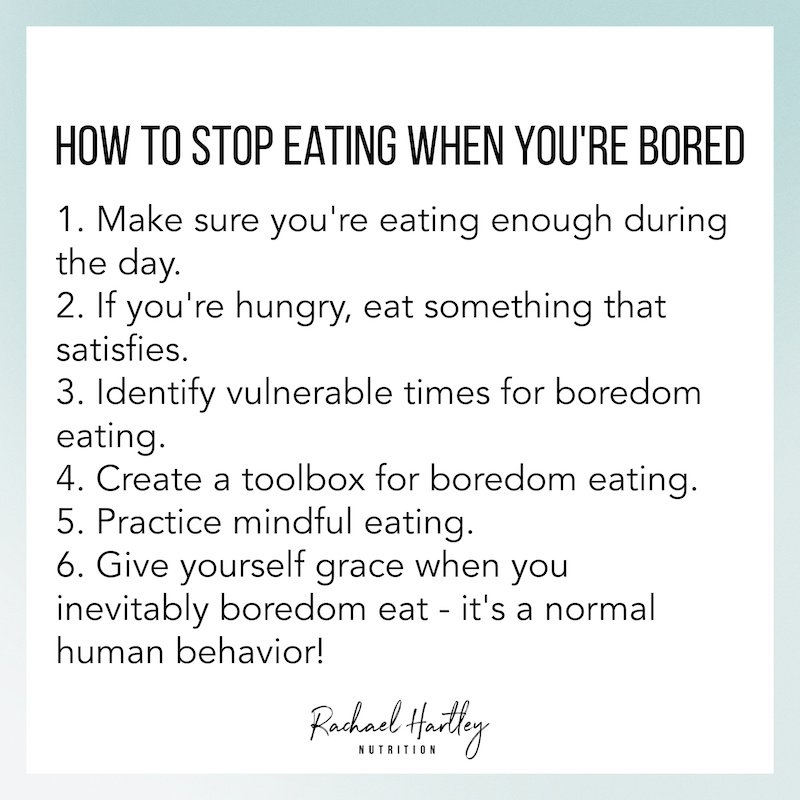
We all know that feeling of restlessness when there’s nothing to do and our minds start drifting towards the kitchen. But rather than reaching for a bag of chips or a pint of ice cream, there are plenty of other options to keep yourself occupied. For starters, finding a new hobby or activity that you enjoy can be a great distraction from boredom eating. Whether it’s painting, dancing, or learning a new instrument, engaging in something that you’re passionate about will not only prevent you from snacking but also provide a sense of fulfillment. Additionally, staying hydrated is key in curbing your appetite. Sometimes, our bodies confuse thirst for hunger, so drinking a glass of water before reaching for a snack can help differentiate between the two. These are just a few tips to get you started on your journey to stopping boredom eating. In the full article, we’ll dive deeper into this topic and provide you with even more strategies to conquer those cravings. So, stay tuned and be prepared to say goodbye to boredom snacking once and for all!
How To Stop Boredom Eating
Understanding Boredom Eating
Boredom eating refers to the habit of consuming food as a means of alleviating boredom rather than responding to genuine hunger cues. It is a common behavior observed in many individuals, and it can have detrimental effects on both physical and mental health. In this article, we will explore the reasons behind boredom eating, its impact on health, and strategies to overcome this habit.
What is boredom eating?
Boredom eating occurs when individuals turn to food as a source of entertainment or distraction from boredom, rather than eating out of genuine physical hunger. It often involves mindless snacking or overeating, often with calorie-dense, unhealthy foods.
Why do people engage in boredom eating?
There are several reasons why people engage in boredom eating. One of the main factors is emotional triggers. When individuals are bored, they may experience negative emotions such as loneliness, frustration, or restlessness. By turning to food, they hope to replace these negative emotions with temporary comfort and pleasure. Additionally, the act of eating itself provides a short-lived distraction from the monotony of boredom.
Effects of boredom eating on health
Engaging in boredom eating can have serious consequences on both physical and mental health. From a physical perspective, mindless snacking on unhealthy foods can lead to weight gain, obesity, and associated health problems. Aside from the obvious impact on body weight, excessive consumption of sugary or fatty foods can also contribute to chronic conditions such as heart disease, diabetes, and high blood pressure.
Boredom eating can also take a toll on mental well-being. The temporary relief obtained from eating while bored can create a vicious cycle. Individuals may become stuck in the habit of using food as a coping mechanism, leading to a negative relationship with food and potentially damaging their self-esteem. This negative cycle can increase feelings of guilt, shame, and frustration, which may further perpetuate the boredom eating pattern.
Identifying Triggers
Recognizing boredom cues
To overcome boredom eating, it is crucial to first identify the cues that trigger this behavior. Boredom cues can manifest in different ways for each individual. Some common cues include restlessness, feeling unmotivated, or searching for something to do. Being able to recognize these cues allows you to intervene and redirect your attention away from food.
Distinguishing between boredom and hunger
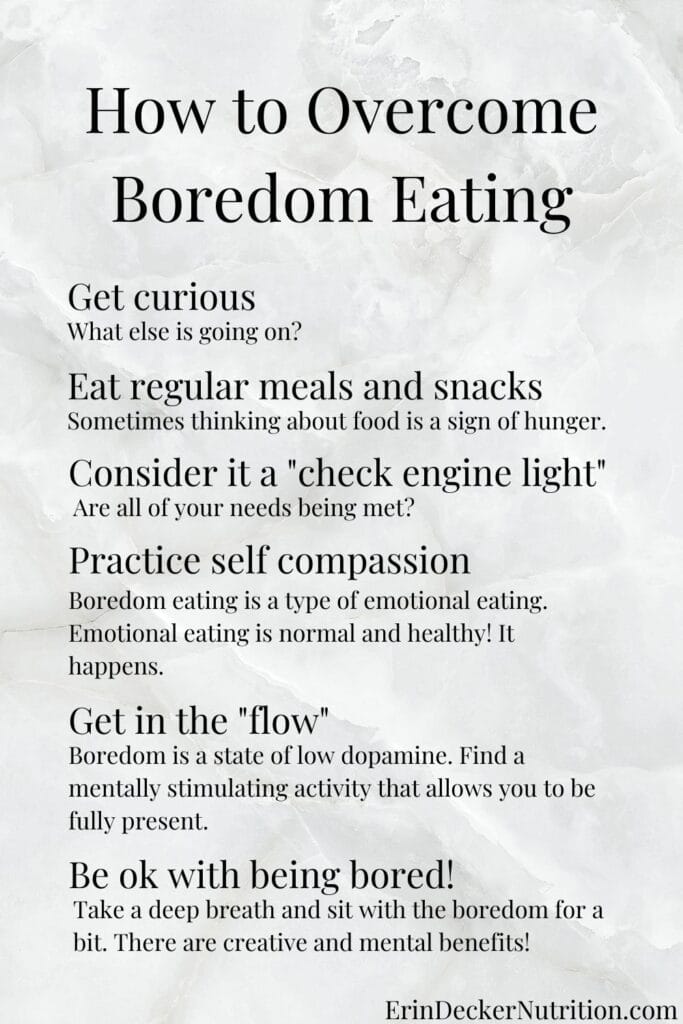
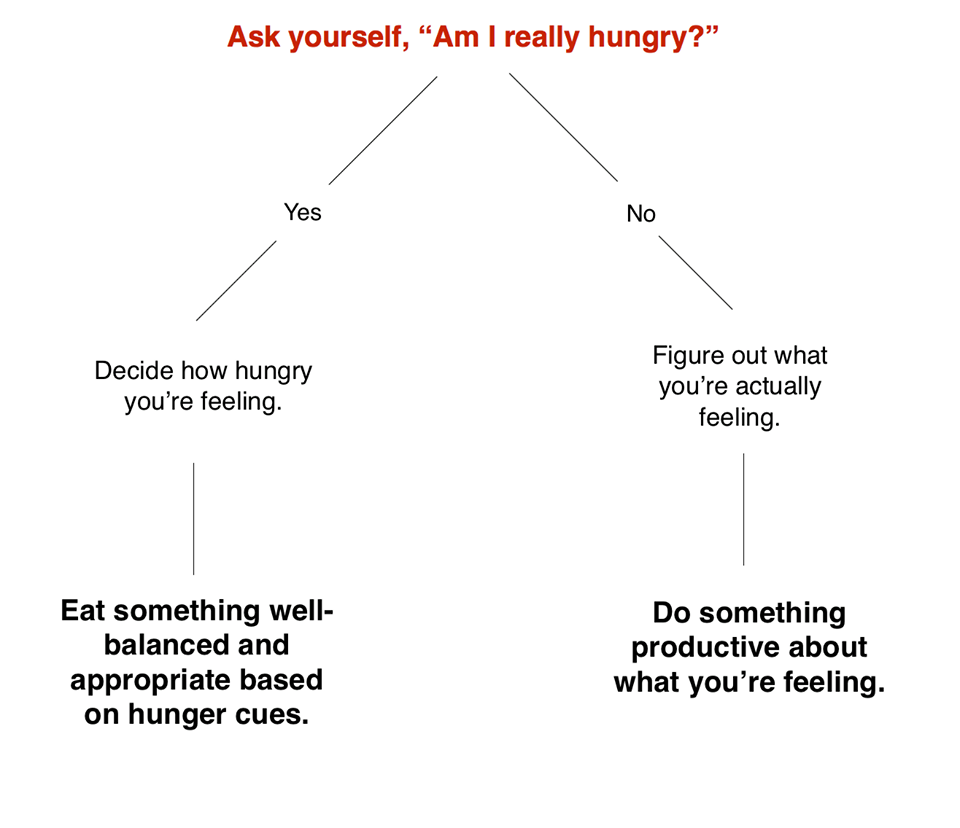
Another important step in stopping boredom eating is differentiating between true physical hunger and boredom. The sensation of boredom can often be mistaken for hunger, leading individuals to eat unnecessarily. It is essential to practice mindfulness and listen to your body, paying attention to its actual hunger signals. Ask yourself if you are genuinely hungry or if the desire to eat stems from boredom.
Uncovering emotional triggers
In addition to boredom, emotional triggers play a significant role in stimulating boredom eating. It is crucial to identify the emotions that lead to this behavior. Loneliness, anxiety, sadness, or even stress can all be underlying emotions triggering the need for distraction through food. By uncovering and addressing these emotions, alternative coping strategies can be implemented.
Creating a Healthy Environment
Stocking nutritious snacks
One effective strategy to combat boredom eating is to ensure that your environment is filled with healthy and nutritious snacks. Instead of indulging in high-calorie, processed foods, stock up on fruits, vegetables, whole grains, and lean proteins. These alternatives will not only provide essential nutrients for your body but will also keep you satisfied and curb mindless snacking.
Removing temptation
A cluttered environment filled with tempting snacks can make it challenging to resist the urge to boredom eat. To counter this, remove all unhealthy foods from your view. Out of sight, out of mind. By doing so, you will minimize the likelihood of impulsively grabbing unhealthy snacks when boredom strikes.
Establishing a meal routine
Creating structure in your eating habits can help combat boredom eating. Establishing a meal routine with set meal times allows your body to adjust to a consistent eating schedule. By ensuring that you are fueling your body properly and at regular intervals, you can minimize the temptation to eat out of boredom.
Finding Alternative Activities
Engaging in physical exercise
One of the most effective ways to combat boredom and divert your attention from eating is to engage in physical exercise. Exercise not only promotes physical health but also releases endorphins, which are natural mood boosters. Choose activities that you enjoy, such as walking, dancing, or playing a sport, and make them a part of your daily routine.
Exploring new hobbies
Another way to combat boredom is by exploring new hobbies or rediscovering old ones that provide a sense of fulfillment and engagement. Engaging in activities such as painting, gardening, reading, or playing a musical instrument can help distract from boredom and reduce the urge to turn to food for entertainment.
Spending time with loved ones
Many times, boredom stems from a lack of social interaction. To address this, seek opportunities to spend quality time with loved ones. Socializing can provide a much-needed distraction from boredom and offer emotional support. Plan outings, game nights, or even virtual gatherings with friends and family, helping to fulfill the need for human connection.

Breaking the Habit
Implementing mindful eating practices
Mindful eating is a powerful technique that can help break the habit of boredom eating. By practicing mindful eating, you become more aware of your eating habits, food choices, and how your body responds to different foods. Before eating, take a moment to check in with yourself and ask if you are truly hungry. Pay attention to the taste, texture, and sensation of each bite, savoring the experience. Mindful eating enables you to make intentional food choices and prevents mindless snacking.
Practicing stress-reducing techniques
Stress is often a culpr
How To Stop Feeling Hungry
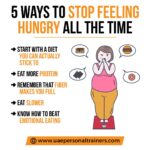
Do you ever find yourself constantly feeling hungry, no matter how much you eat? It can be incredibly frustrating, especially when you’re trying to maintain a healthy diet. But fear not, because in this article, we’re going to discuss some effective strategies on how to stop feeling hungry. You’ll learn about the importance of listening to your body’s hunger cues, making smart food choices, and incorporating mindful eating practices into your daily routine. So, if you’re tired of constantly reaching for snacks and feeling unsatisfied, keep reading to discover some helpful tips that can help curb your hunger.
One of the key factors in stopping those persistent hunger pangs is by becoming more attuned to your body’s natural hunger signals. Many times, we eat out of habit or due to emotional reasons, rather than genuine hunger. By learning to recognize the physical signs of hunger, such as a growling stomach or low energy levels, you can differentiate between true hunger and cravings. Additionally, making wise food choices is vital in managing hunger. Opt for nutrient-dense foods that are high in fiber and protein, as these will keep you feeling full for longer periods. In this article, we’ll delve deeper into specific foods that can help curb hunger and keep you satisfied throughout the day. We’ll also discuss the benefits of practicing mindful eating, which involves being present and fully engaged in the act of consuming a meal. So, if you’re tired of feeling hungry all the time and ready to take control of your appetite, keep reading to learn more about how to stop feeling hungry.

How To Stop Feeling Hungry
Understanding Hunger
Hunger is a natural physiological response that our bodies experience when we need to refuel. It is our body’s way of signaling that it requires sustenance. However, frequently feeling hungry can be frustrating and can hinder our efforts to maintain a healthy weight or adhere to a fasting routine. In order to effectively manage hunger, it is essential to first understand the science behind it and recognize the different types of hunger.
The Science Behind Hunger
Hunger is primarily regulated by the hormones ghrelin and leptin. Ghrelin is responsible for stimulating our appetite and signaling to the brain that we need to eat, while leptin acts as a counterpart by suppressing our appetite and signaling fullness. The levels of these hormones fluctuate throughout the day based on various factors, including our food intake and energy expenditure.
Different Types of Hunger
There are different types of hunger that are important to distinguish in order to effectively address them. Physical hunger is the most common type, which is characterized by sensations such as stomach growling, low energy levels, and a feeling of emptiness in the stomach. Emotional hunger, on the other hand, is driven by our emotions rather than actual physiological needs. It often results in cravings for specific comfort foods and a desire to eat even when not physically hungry.
Identifying Causes of Hunger
In order to effectively manage hunger, it is essential to identify its underlying causes. Lack of nutrient-rich foods in our diet can contribute to increased hunger, as our bodies may be lacking certain essential nutrients. Emotional triggers, such as stress, boredom, or loneliness, can also lead to overeating or mindless snacking. Additionally, poor eating habits, such as skipping meals or consuming large amounts of processed foods, can disrupt our hunger and fullness signals.
Healthy Eating Practices
Incorporating healthy eating practices is crucial for managing hunger and maintaining a balanced diet. Prioritizing balanced meals that include a variety of food groups, such as lean proteins, whole grains, fruits, and vegetables, can help keep you satiated and provide essential nutrients. Portion control is also important, as it allows us to satisfy our hunger while avoiding overconsumption. By listening to our bodies and eating until we are comfortably full rather than overeating, we can better manage our hunger cues.
Fiber-rich Foods and Satiety
Including fiber-rich foods in our meals can have a significant impact on reducing hunger. Fiber takes longer to digest, which means it stays in our stomach for longer periods of time and helps us feel full and satisfied. Foods such as whole grains, legumes, fruits, and vegetables are excellent sources of fiber and should be prioritized in our diet. Additionally, staying hydrated is important as dehydration can often be mistaken for hunger. Drinking an adequate amount of water throughout the day can help control our hunger and prevent unnecessary snacking.
Mindful Eating Techniques
Practicing mindful eating techniques can be an effective way to manage hunger and improve our relationship with food. Chewing slowly and mindfully allows us to fully savor the flavors and textures of our meals, making the eating experience more enjoyable. This also gives our brain more time to register feelings of fullness, preventing us from overeating. Taking the time to sit down, eliminate distractions, and truly focus on our meals can help us become more in tune with our hunger and fullness cues.
Healthy Snack Options
Snacking can be a part of a healthy eating routine as long as we choose nutrient-dense options. Opting for snacks that are high in protein and fiber, such as nuts, seeds, Greek yogurt, or vegetables with hummus, can help keep us full between meals. It is important to avoid processed and sugary snacks, as they can lead to energy crashes and a subsequent increase in hunger. Instead, prioritize whole foods and incorporate them into a well-balanced diet.
Meal Planning and Preparation
Meal planning and preparation are effective strategies for managing hunger and ensuring we have nutritious and filling meals available. By taking the time to plan our meals in advance, we can make sure we have a variety of nutrient-dense options and reduce the likelihood of resorting to unhealthy convenience foods. Prepping meals in advance, such as cooking large batches of vegetables, lean proteins, and whole grains, can save time and make it easier to assemble well-balanced meals throughout the week.
Managing Emotional Eating
Recognizing emotional triggers that lead to overeating is crucial in managing hunger. Emotional eating often stems from using food as a coping mechanism for stress, boredom, or other emotions. Developing healthy coping mechanisms, such as engaging in stress-reducing activities like meditation or exercise, can help break the cycle of emotional eating. Seeking support from friends, family, or even professional therapists can also provide valuable guidance in managing emotional eating.
Incorporating Physical Activity
Regular physical activity not only has numerous health benefits but also plays a role in appetite regulation. Exercise has been shown to suppress appetite, especially high-intensity workouts. Engaging in enjoyable physical activities, such as dancing, hiking, or playing a sport, can help distract from feelings of hunger and reduce the likelihood of emotional eating. However, it is important to listen to your body and fuel it adequately before and after exercise to ensure optimal performance and recovery.
Seeking Professional Guidance
If you are struggling to manage your hunger and develop healthy eating habits, it may be beneficial to seek professional guidance. Consulting a nutritionist or dietitian can provide personalized recommendations and assistance in creating a well-balanced meal plan that suits your individual needs. Additionally, exploring therapy or counseling for emotional eating can help address underlying psychological factors that contribute to overeating.
Conclusion
Feeling hungry is a normal physiological response, but it can sometimes be challenging to manage. By understanding the science behind hunger, identifying its causes, and implementing healthy eating practices, we can effectively control our hunger and maintain a balanced diet. By incorporating mindful eating techniques, choosing nutrient-dense snacks, and planning and preparing our meals, we can further support our efforts to stop feeling hungry. Remember, seeking professional guidance and incorporating physical activity can also play a vital role in managing hunger and overall well-being.
Eat Stop Eat

Have you ever wondered if there’s a way to improve your health while still enjoying your favorite foods? Well, I’ve got some exciting news for you! Have you heard about Eat Stop Eat? It’s an incredible website that delves into the world of fasting and healthy eating. If you’re curious about how fasting can benefit your body and overall well-being, then you’re in for a treat.
On Eat Stop Eat, you’ll find a plethora of information about different fasting methods and the science behind them. Whether you’re interested in intermittent fasting, alternate-day fasting, or extended fasting, this site has got you covered. It breaks down the different approaches and guides you towards finding a fasting strategy that suits your lifestyle and goals. But it doesn’t stop there! Eat Stop Eat also explores the impact of fasting on weight loss, muscle gain, and even longevity. You’ll learn about the numerous health benefits associated with fasting, such as improved insulin sensitivity, increased human growth hormone production, and enhanced cellular repair. So, if you’re eager to learn more about how fasting can transform your health, keep reading! This article will provide you with all the juicy details you need to know.

Introduction to Eat Stop Eat
Welcome to our site, where we explore various fasting and healthy eating patterns. In this article, we will be focusing on the popular fasting protocol known as Eat Stop Eat. If you’re looking to lose weight, improve insulin sensitivity, and enhance your overall well-being, then this article is for you. Join us as we delve into the concept, history, principles, benefits, implementation, and sustainability of Eat Stop Eat.
Understanding the concept of Eat Stop Eat
Eat Stop Eat is an intermittent fasting protocol developed by Brad Pilon. It revolves around the concept of fasting for 24 hours once or twice a week, while still enjoying normal eating patterns on non-fasting days. This flexible approach allows you to maintain a balanced lifestyle, while also reaping the numerous health benefits associated with fasting.
Brief history of Eat Stop Eat
The Eat Stop Eat protocol has gained popularity over the years due to its simplicity and effectiveness. It was first introduced in 2007 when Brad Pilon published his book, “Eat Stop Eat.” Since then, thousands of people have embraced this fasting method and witnessed remarkable results in terms of weight loss and overall health improvements.
Principles of Eat Stop Eat
The principles of Eat Stop Eat are rooted in the physiological benefits of intermittent fasting. By abstaining from food for 24 hours, your body undergoes various metabolic changes that ultimately lead to weight loss and improved health. Let’s explore some of the key principles of Eat Stop Eat in detail.

Benefits of Eat Stop Eat
Weight loss
One of the primary benefits of Eat Stop Eat is weight loss. By incorporating regular fasting periods, you can create a calorie deficit, leading to the burning of stored body fat. Additionally, fasting has been shown to reduce appetite, making it easier to stick to a calorie-controlled diet.
Improved insulin sensitivity
Research has shown that fasting can improve insulin sensitivity, which is particularly beneficial for individuals with insulin resistance or type 2 diabetes. When you fast, your body becomes more efficient at utilizing insulin, reducing the risk of blood sugar spikes and insulin resistance.
Increased human growth hormone production
Another advantage of Eat Stop Eat is the increase in human growth hormone (HGH) production. HGH plays a crucial role in fat metabolism, muscle growth, and overall body composition. By practicing intermittent fasting, you can naturally stimulate the secretion of HGH, leading to better body composition and improved athletic performance.
Enhanced cellular repair and autophagy
During fasting, your body undergoes autophagy, a natural process where damaged cells are broken down and recycled. This cellular repair mechanism not only improves overall cell health but also has the potential to reduce the risk of chronic diseases such as cancer and neurodegenerative disorders.
Improved mental clarity and focus
Many individuals who practice Eat Stop Eat report improved mental clarity and focus while fasting. This may be attributed to the increase in ketone production, a byproduct of fat metabolism, which has been shown to have cognitive benefits. Fasting also promotes the release of brain-derived neurotrophic factor (BDNF), a protein that enhances brain function and protects against various mental health conditions.
How Eat Stop Eat Works
Explanation of intermittent fasting
Intermittent fasting is a term used to describe various eating patterns that cycle between fasting and non-fasting periods. Eat Stop Eat follows a specific intermittent fasting schedule, involving a 24-hour fasting period once or twice a week. This prolonged fast helps create a calorie deficit and triggers the metabolic benefits mentioned earlier.
The fasting and feeding cycle
During the fasting period of Eat Stop Eat, you abstain from consuming any calories for 24 hours, typically from dinner to dinner or lunch to lunch. This means you can still enjoy a full dinner or lunch before and after the fasting period. On non-fasting days, you can resume your regular eating patterns, prioritizing whole, nutrient-dense foods.
Understanding calorie restriction
While Eat Stop Eat does not require strict calorie counting, it is still essential to maintain an overall calorie deficit for weight loss. However, the flexible nature of this protocol allows for more freedom in food choices, making it easier to adhere to in the long term.
Metabolic effects of Eat Stop Eat
Eat Stop Eat can have several positive metabolic effects on your body. By fasting, your body’s insulin levels decrease, leading to improved insulin sensitivity and reduced fat storage. Fasting also promotes the release of adiponectin, a hormone that aids in fat burning and improves metabolic health.

Implementing Eat Stop Eat
Choosing the fasting and feeding windows
When implementing Eat Stop Eat, it is crucial to choose fasting and feeding windows that suit your lifestyle and preferences. You can start by fasting for 24 hours from dinner to dinner, lunch to lunch, or any other time frame that works best for you. Experiment with different schedules until you find what feels most comfortable and sustainable.
Creating a meal plan
Although Eat Stop Eat is not a specific diet, it is still essential to follow a balanced and nutritious eating plan. On non-fasting days, focus on consuming whole, unprocessed foods that provide vital nutrients to support your overall health. Incorporate a variety of fruits, vegetables, lean proteins, whole grains, and healthy fats into your meals.
Tips for staying hydrated during fasting periods
Staying hydrated is crucial during fasting periods. While water is the primary source of hydration, low-calorie beverages such as herbal tea, black coffee, and sparkling water can also be consumed. Be mindful of added sugars or creamers that may break your fast, and opt for plain, unsweetened options instead.
Incorporating exercise into Eat Stop Eat
Exercise can be safely incorporated into your Eat Stop Eat routine. Aim for a combination of cardiovascular exercises, strength training, and flexibility exercises to maintain overall fitness. However, listen to your body and adjust your exercise intensity as needed on fasting days.
Addressing Common Concerns
Will fasting slow down my metabolism?
Contrary to common misconceptions, fasting does not significantly slow down metabolism. In fact, intermittent fasting has been shown to have minimal impact on metabolic rate, especially when coupled with regular exercise and adequate protein intake.
Can I still build muscle while fasting?
While muscle growth may be slightly limited during fasting periods, maintaining muscle mass is achievable with the right approach. By ensuring an adequate protein intake and incorporating resistance training into your routine, you can preserve and even build muscle while practicing Eat Stop Eat.
Is Eat Stop Eat suitable for everyone?
While Eat Stop Eat can be beneficial for many individuals, it may not be suitable for certain populations, such as pregnant or breastfeeding women, individuals with a history of eating disorders, or those with specific medical conditions. It is always advisable to consult with a healthcare professional before starting any new dietary or fasting regimen.

Frequently Asked Questions
How often should I practice Eat Stop Eat?
The frequency of practicing Eat Stop Eat is up to personal preference and goals. Some individuals find success with one fasting day per week, while others opt for two days. Start slowly and gradually increase as you become comfortable with the protocol.
What can I consume during fasting hours?
During fasting hours, it is best to consume only non-caloric beverages such as water, herbal tea, black coffee, or unsweetened sparkling water. Consuming any calories during the fasting period can break the fast and hinder the metabolic benefits.
Can I have coffee or tea during fasting?
Yes, black coffee and herbal tea are allowed during fasting hours, as they are low in calories and do not significantly impact blood sugar or insulin levels. However, be cautious with adding any sweeteners, creamers, or milk that may break the fast.
Success Stories
Personal testimonials of individuals who practiced Eat Stop Eat
Countless individuals have experienced success with Eat Stop Eat. They have not only achieved significant weight loss but also improved their overall health and well-being. Personal testimonials highlight the flexibility of this fasting protocol and its ability to fit into various lifestyles.
Before and after transformations
Before and after transformation stories showcase the dramatic physical changes that can be achieved through Eat Stop Eat. These stories serve as motivation and inspiration for those looking to embark on their own fasting journey.
Tips for overcoming challenges and staying motivated
Embarking on any dietary or fasting regimen can present challenges. Success stories often include tips on how to overcome obstacles, stay motivated, and maintain long-term adherence to the Eat Stop Eat protocol.

Expert Opinions on Eat Stop Eat
Interviews with nutritionists and fitness experts
We spoke with several nutritionists and fitness experts to gather their opinions on Eat Stop Eat. The consensus was that this flexible fasting protocol can be a helpful tool for weight loss and overall health improvement when implemented correctly and personalized to individual needs.
Scientific research supporting the effectiveness of Eat Stop Eat
Numerous scientific studies have explored the benefits of intermittent fasting, providing evidence to support the effectiveness of protocols like Eat Stop Eat. Research has shown improvements in weight loss, insulin sensitivity, metabolic health, and various other markers of well-being.
Long-Term Sustainability
Maintaining weight loss and health benefits
The long-term sustainability of Eat Stop Eat lies in its flexibility and adaptability to individual lifestyles. By incorporating healthy eating habits and regular physical activity on non-fasting days, you can maintain weight loss and enjoy improved overall health benefits.
Adapting Eat Stop Eat to individual lifestyles
Every individual has unique preferences and circumstances. The beauty of Eat Stop Eat is that it can be adapted to fit various lifestyles, such as shift work, social events, or personal preferences. The key is to find a schedule and eating pattern that works best for you and that you can sustain in the long run.
Combining Eat Stop Eat with other healthy eating patterns
If desired, Eat Stop Eat can be combined with other healthy eating patterns, such as a Mediterranean diet or a plant-based approach. This allows you to incorporate a variety of nutritious foods into your eating plan and enjoy the benefits of both approaches.
Conclusion
In conclusion, Eat Stop Eat is a versatile and effective intermittent fasting protocol that can help you achieve weight loss, improve insulin sensitivity, and enhance your overall well-being. By incorporating regular fasting periods into your routine, you can tap into the numerous metabolic and health benefits that come with intermittent fasting. Remember to consult with a healthcare professional and listen to your body as you embark on your fasting journey. Embrace the flexibility and sustainability of Eat Stop Eat, and discover a healthier way of eating that aligns with your goals and preferences.
How To Stop Snacking

Are you constantly reaching for the bowl of chips or the cookie jar, even when you’re not hungry? Snacking can be a difficult habit to break, but it’s not impossible. In this article, we’ll explore some tips and strategies that can help you curb your snacking habits and make healthier choices. So, if you’re ready to kick those cravings to the curb, keep reading!
Snacking can often be a result of boredom or emotional eating, rather than actual hunger. One way to combat this is by identifying the triggers that lead you to snack. Are you snacking out of habit? Is it because you’re feeling stressed or anxious? By understanding the underlying reasons behind your snacking, you can start to find alternative ways to cope with those emotions or distractions. In our upcoming article, we’ll delve deeper into these triggers and provide you with practical solutions to help you overcome them.
Another key aspect to consider when trying to stop snacking is the types of foods you have readily available. If your pantry is stocked with unhealthy snacks, it’s no wonder you find yourself grabbing them whenever you have the slightest craving. By replacing these tempting snacks with healthier options, such as fresh fruit or nuts, you can still satisfy your hunger without overindulging in empty calories. We’ll discuss more about the importance of keeping a well-stocked pantry with nutritious options in our next article, so be sure to check it out!
How To Stop Snacking
Snacking has become a common habit for many people today. Whether it’s the mid-afternoon slump or late-night cravings, we often find ourselves reaching for a quick bite to satisfy our hunger or cravings. However, excessive snacking can lead to weight gain, obesity, and negative effects on our metabolism and digestion. Understanding the factors contributing to snacking, identifying triggers, and adopting healthy habits can help break the snacking cycle and promote a balanced and mindful approach to eating.
The Meaning of Snacking
Snacking refers to the consumption of small amounts of food between meals, typically outside of regular meal times. Snacks are often easy to grab and consume on-the-go, such as chips, cookies, or candy bars. While occasional snacking may not be harmful, excessive and mindless snacking can lead to a range of health issues.
Factors Contributing to Snacking
Several factors can contribute to snacking habits. Emotional triggers, such as stress, boredom, or sadness, can often lead to reaching for comfort foods. Environmental triggers, like the availability of snacks at home or in the workplace, can also influence our snacking habits. Understanding these factors is essential for developing strategies to overcome the urge to snack unnecessarily.
The Negative Effects of Snacking
Excessive snacking can have detrimental effects on our health, particularly when it comes to weight gain and obesity. Consuming snacks high in calories, sugar, and unhealthy fats can lead to an increased calorie intake, which can contribute to weight gain over time. Additionally, frequent snacking can disrupt our metabolism and digestion processes, leading to issues such as indigestion, bloating, and slowed metabolism.
Identifying Triggers and Patterns
To break the snacking cycle, it is crucial to identify the triggers that lead to unnecessary snacking. Emotional triggers often result in mindless eating as a coping mechanism. By recognizing these triggers, such as stress, anxiety, or loneliness, we can develop alternative strategies to address these emotions without turning to food.
Environmental triggers also play a role in our snacking habits. Surrounding ourselves with unhealthy snack options can make it difficult to resist the temptation. By creating a supportive environment that promotes healthy choices, such as keeping fresh fruits and vegetables readily available, we can reduce the likelihood of reaching for unhealthy snacks.
Creating a Healthy Eating Routine
Establishing a regular eating routine is essential in managing snacking habits. When we skip meals or have irregular eating patterns, we are more likely to experience intense hunger and cravings, leading to unplanned snacking. Setting specific meal times and prioritizing balanced meals with nutrient-rich ingredients can help regulate our appetite and reduce the urge to snack unnecessarily.
Building Willpower and Mindfulness
Breaking the snacking habit requires building willpower and practicing mindfulness. Developing self-control strategies, such as keeping tempting snacks out of sight or distracting yourself with other activities, can help curb impulsive snacking. Practicing mindful eating involves paying attention to the flavors, textures, and sensations of food, leading to a more satisfying and nourishing eating experience.
Finding Alternatives to Snacking
Instead of reaching for snacks, finding alternative activities to engage in can redirect our attention away from food. Engaging in physical activity, such as taking a walk or doing a quick workout, not only helps distract from snacking but also promotes overall health and well-being. Exploring hobbies or engaging in activities that bring joy and fulfillment can also serve as a healthy distraction from snacking.
Healthy Snacking Habits
Snacking itself is not inherently bad; it is the choices we make that determine whether it is beneficial or detrimental to our health. Choosing nutritious snack options, such as fresh fruits, vegetables, nuts, or yogurt, provides essential nutrients while keeping calorie intake in check. Practicing portion control and moderation is also crucial in maintaining a balanced snacking routine.
Managing Stress and Emotional Eating
Stress and emotional eating often go hand in hand, leading to excessive snacking as a form of comfort. Managing stress through various techniques, such as deep breathing, meditation, or engaging in activities that promote relaxation, can help reduce the reliance on food to cope with emotions. Seeking emotional support from friends, family, or professionals can also be beneficial in addressing underlying emotional triggers.
Keeping a Food Journal
Keeping a food journal is an effective tool in helping to identify snacking patterns and track progress in breaking the habit. By recording what, when, and why we snack, we can gain insight into our eating behaviors and identify potential triggers. This awareness allows us to develop strategies to overcome these triggers and make more mindful choices.
Conclusion
Snacking can become a habit that is difficult to break, but with understanding, awareness, and implementation of healthy habits, it is possible to regain control of our eating patterns. By identifying triggers, adopting a healthy eating routine, building willpower and mindfulness, finding alternatives to snacking, practicing healthy snacking habits, managing stress and emotional eating, and keeping a food journal, we can take steps towards breaking the snacking cycle and promoting a balanced and mindful approach to eating. Remember, it is not about completely eliminating snacking but about making conscious choices that support our overall health and well-being.
How To Stop Sugar Cravings

Are you constantly craving sugar and finding it hard to resist those sweet treats? Well, you’re not alone! Many of us struggle with sugar cravings and find it difficult to curb our sweet tooth. But fear not, because in this article, we’ve got some great tips and tricks to help you stop those sugar cravings and make healthier choices.
In today’s fast-paced world, it’s so easy to reach for sugary snacks that give us a quick energy boost. However, these sugary treats can lead to weight gain, low energy levels, and even health problems like diabetes. But don’t worry, we’ve got your back! Throughout this article, we’ll share practical strategies to help you break free from sugar cravings and adopt a healthier lifestyle. From swapping out sugary snacks for nutritious alternatives to managing stress levels, you’ll learn all the tips and tricks you need to conquer those sugar cravings. So stick around and find out how you can kick those sugar cravings to the curb for good!
How To Stop Sugar Cravings
If you find yourself constantly reaching for sugary treats and battling intense sugar cravings, you’re not alone. Sugar cravings can be a difficult obstacle to overcome, but with the right understanding and strategies, you can regain control of your cravings and embrace a healthier lifestyle. In this article, we will explore the science behind sugar cravings, factors contributing to these cravings, the effects of sugar on health, and most importantly, how to stop sugar cravings.
The Science Behind Sugar Cravings
To understand how to stop sugar cravings, it’s important to delve into the science behind these cravings. When you consume sugar, it stimulates the release of dopamine in your brain, creating a pleasurable sensation. This “sugar high” can lead to a vicious cycle of craving more sugar to experience the same level of pleasure. Additionally, eating sugar triggers the release of insulin, which can cause your blood sugar levels to spike and then crash, leaving you craving more sugar to regain that energy boost.
Factors Contributing to Sugar Cravings
Several factors can contribute to sugar cravings, and it’s important to identify these triggers in order to effectively overcome them. Environmental triggers, such as the sight or smell of sugary foods, can lead to cravings. Emotional triggers, such as stress, boredom, or even sadness, can also drive cravings for sugar as a means of comfort. Physical triggers such as hormonal changes or dehydration can also intensify sugar cravings.
Effects of Sugar Cravings on Health
Sugar cravings can have detrimental effects on your health, both in the short term and the long term. Consuming excess sugar can lead to weight gain, increased risk of heart disease, diabetes, and other chronic conditions. Sugar can also negatively impact your energy levels, mood, and even your skin health. It’s crucial to address sugar cravings and adopt healthier habits to protect your overall well-being.
Identifying Triggers
To effectively stop sugar cravings, it’s important to identify the triggers that lead to these cravings. Environmental triggers can include situations where sugary foods are easily accessible or visible, such as keeping candy at your desk or passing by a bakery. Emotional triggers may involve turning to sugar as a coping mechanism for stress or other negative emotions. Lastly, physical triggers can be related to physiological imbalances in your body, such as dehydration or hormonal fluctuations.
Creating a Supportive Environment
One of the first steps in overcoming sugar cravings is to create a supportive environment that encourages healthier choices. Start by stocking your pantry with healthy alternatives to sugary snacks. Replace the candies and cookies with fresh fruits, nuts, and other nutritious options. Removing temptations such as sugary drinks or packaged sweets from your home can also help reduce the likelihood of succumbing to cravings. Additionally, creating a meal plan can ensure that you have nourishing and balanced meals readily available, making it easier to resist sugar cravings.
Building Healthy Habits
Changing your habits is essential for stopping sugar cravings in the long term. Ensure that every meal is balanced and includes a variety of nutrients such as lean proteins, whole grains, and plenty of vegetables. Avoid skipping meals, as this can lead to hunger and subsequently, intense sugar cravings. Instead of reaching for sugary snacks when hunger strikes, keep a selection of nutritious foods on hand for snacking, such as carrot sticks with hummus or a handful of almonds. Staying well-hydrated by drinking plenty of water throughout the day can also help combat sugar cravings. Additionally, prioritizing adequate sleep and regular exercise can help regulate your body’s hormones and reduce cravings.
Managing Stress
Stress is a common trigger for sugar cravings, as many individuals turn to sugary treats as a means of comfort or stress relief. To effectively manage stress and reduce the likelihood of sugar cravings, it’s important to identify your personal stress triggers. Whether it’s work-related stress or personal relationships, understanding what causes stress in your life will allow you to develop strategies to alleviate it. Practicing stress-relieving techniques such as deep breathing, meditation, or engaging in relaxation activities like yoga or taking a bath can help reduce stress levels and lessen the desire for sugar.
Using Substitutes for Sugar
When trying to stop sugar cravings, it’s important to find suitable alternatives that can satisfy your sweet tooth without the negative health effects of excess sugar consumption. Natural sweeteners like honey, maple syrup, or stevia can be used in moderation to add sweetness to your meals or beverages. Sugar-free alternatives, such as artificial sweeteners, can also be an option for those looking to reduce their sugar intake. However, it’s important to use these substitutes sparingly, as some may come with their own set of health concerns. Herbal teas can also be a great way to satisfy cravings for a sweet flavor without consuming excess sugar.
Mindful Eating
Practicing mindful eating can be an effective strategy for overcoming sugar cravings and adopting a healthier relationship with food. Start by eating your meals slowly and mindfully, savoring each bite and paying attention to the flavors and textures. This can help you feel more satisfied and reduce the urge for sugary foods. Listening to your body’s hunger cues is also crucial. Eat when you are truly hungry and stop when you are comfortably full. By being more in tune with your body’s needs, you can avoid unnecessary snacking and sugar cravings.
Seeking Support
Changing your eating habits and overcoming sugar cravings can be challenging, especially if you feel like you’re doing it alone. Seeking support from others who are on a similar journey can be immensely helpful. Joining a supportive community, whether it’s an online forum or a local group, can provide you with a sense of belonging and accountability. Additionally, finding an accountability partner, such as a friend or family member, can help keep you motivated and focused on your goals. If needed, don’t hesitate to consult with a health professional, such as a registered dietitian, to get personalized guidance and support.
Tracking Progress
Tracking your progress is essential to stay motivated and celebrate the milestones along the way. Keeping a food diary can help you become more aware of your eating habits and identify patterns that may be fueling your sugar cravings. This can empower you to make necessary adjustments to your diet and lifestyle. Monitoring your sugar intake is also crucial. Reading labels and being mindful of added sugars in packaged foods can help you make informed choices. Remember to celebrate your achievements, no matter how small, as each step forward is a step towards achieving sugar cravings success.
Conclusion
Overcoming sugar cravings is a journey that requires patience, persistence, and a commitment to embracing a healthy lifestyle. By understanding the science behind sugar cravings, identifying your personal triggers, creating a supportive environment, building healthy habits, managing stress, using substitutes for sugar, practicing mindful eating, seeking support, and tracking your progress, you can successfully overcome sugar cravings and enjoy the benefits of a balanced and nourishing diet. Remember, you have the power to regain control of your cravings and embrace a healthier future.
Eat Stop Eat
Eat Stop Eat
Can You Consume Alcohol Water While Fasting?
If you are intending to do a quick, one of the main questions that occur is: Can you consume alcohol water while fasting? Well, the response to this concern depends on your objectives. Many individuals are perplexed as well as ask yourself if it is actually feasible to stay hydrated while fasting. There are a number of vital points to bear in mind to remain healthy throughout a fast. Below are some standards:Eat Stop Eat
Stay clear of sweetening agenbets}
If you are on a rapid and are lured to sugarcoat to your water, you must recognize that sugar can disrupt your fast. Some sweeteners raise insulin levels, while others can disrupt your rapid. Discover which sugar benefit your quick and which ones should be prevented. If you’re following a strict fast as well as preventing sugar, here are a couple of means to make it less complicated. Eat Stop Eat
One means to avoid these sugar while fasting is to keep away from all-natural sugar. Some researches reveal that sweetening agents actually boost insulin degrees, as well as can result in weight gain. Sweetening agents like sucralose are typically contributed to container fruit, condiments, and syrup. Scientists have contrasted insulin feedbacks when insulin-sensitive individuals consumed alcohol water or sucrose with those who drank sugar-free or low-calorie soft drink.
Stay clear of beverages with high calorie web content
You should consume a lot of water to remain moisturized and also to reduce your appetite. If you’re not eating, however, it’s finest to stay clear of drinks high in calories and sugar. During the rapid, you may intend to explore flavorful water beverages. Real club soda does not contain sugarcoated or artificial sweeteners, yet know that some flavored water drinks are loaded with calories. Eat Stop Eat
One way to break your rapid is by consuming coffee. Although coffee has no calories, it can still interrupt your rapid, as it has a caffeine impact. The empty stomach boosts the high levels of caffeine impact. A small amount of high levels of caffeine might assist enhance your fat-burning capacity during your fast, but too much will make you feel skittish. If you must consume alcohol caffeine-containing beverages during your rapid, stay with black, bitter coffee as well as unsweetened tea.
If you’re fasting for medical factors, it’s finest to stay clear of sugar-laden drinks. You can substitute these with calorie-free water or carbonated water. But you shouldn’t have more than 2 glasses daily. If you don’t intend to reduce calories, try including a few lemon slices to your water-based beverages. A percentage of lemon slices suffices to please thirst while fasting without raising calories.Eat Stop Eat
Prevent exercise throughout a quickly
Individuals who are not eating must avoid workout throughout the hours of fasting. This consists of cardio workout and high intensity period training (HIIT). A quick can decrease blood sugar level levels, however certain kinds of exercise boost blood glucose degree as well as trigger a spike. This is why people with diabetes need to intend their physical activities carefully. They should restrict exercise to reduced intensity during the fasting hrs and enhance their exercise on calorie-rich days.
Although lots of physicians discourage exercise throughout a quick, there are lots of methods to keep your physical health. The sort of workout you execute relies on your age, genes, and also underlying health and wellness problems.Eat Stop Eat
Usually speaking, you can do aerobic exercise if you quick for 16 hours. If you are not eating for more than 72 hours, you need to stick to much less intensive cardiovascular workouts. The very best workout prepare for a person on a quick is one that permits you to do exercise without feeling ill or irritable.
Prevent drinking milk
When it concerns fasting, the biggest blunder that people make is consuming milk. Milk has nearly 5 grams of lactose per 100 ml, as well as about as much milk protein. While this makes a difference in coffee, it in fact diminishes the advantages of fasting. There are several methods to stay clear of milk throughout your rapid, nevertheless. Of all, choose low-fat milk. The only distinction in between low-fat and also full-fat milk is the amount of sugar as well as fatEat Stop Eat
While milk consists of carbs, it is a high-protein beverage, and it is additionally high in fat. It activates the body’s insulin reaction, which can create a fast rise in blood sugar. Furthermore, milk consists of calories, as well as can be unsafe throughout a quick. While some people discover milk healthy and balanced as well as scrumptious, lots of others avoid it altogether. If you are not eating, you should stay with bitter almond milk rather. If you absolutely should have a coffee, request for a low-calorie variation.
Eat stop Eat

