Stop Calorie Counting
Are you tired of counting every single calorie you consume? Do you find it tedious and restrictive? Well, guess what? You don’t have to do it anymore! In this article, we’re going to discuss why you should stop calorie counting and how there are healthier ways to achieve your weight loss goals.
Counting calories can be a daunting task. It requires meticulously tracking everything you eat and constantly calculating how many calories you’ve consumed. Not only is it time-consuming, but it can also lead to an unhealthy relationship with food. Instead, it’s time to focus on nourishing your body and listening to its signals of hunger and fullness. In this article, we’ll explore alternative methods like intuitive eating and mindful eating that can help you reach your ideal weight without the stress of counting calories. So, if you’re ready to break free from the calorie counting trap and embrace a healthier approach, keep reading!
Stop Calorie Counting
Are you tired of obsessing over every single calorie you consume? Do you find calorie counting to be frustrating, time-consuming, and ultimately ineffective? You’re not alone. Many experts argue that calorie counting is not only inaccurate but also detrimental to our emotional well-being and body image. In this article, we will explore the problem with calorie counting and present alternative approaches to weight management that prioritize overall health and well-being.
The Inaccuracy of Calorie Counts
One of the major flaws with calorie counting is its inherent inaccuracy. While it may seem like a precise way to manage your weight, the truth is that calorie counts on food labels and in databases can be highly unreliable. Studies have shown that the actual calorie content of a food can vary by up to 20% from what is listed on the label. This means that even if you meticulously track your calories, you could still be consuming more or fewer calories than you think.
Furthermore, calorie counts do not take into account individual differences in metabolism, digestion, and nutrient absorption. Each person’s body is unique, and the way it processes and utilizes calories can vary greatly. Relying solely on calories as a measure of energy intake overlooks the complex interplay between hormones, gut health, and overall well-being.
The Emotional Toll of Calorie Counting
Engaging in calorie counting can take a significant toll on your emotional well-being. Constantly monitoring and restricting your food intake can lead to an unhealthy obsession with food and weight. It can contribute to feelings of guilt, shame, and anxiety, which can negatively impact your relationship with food and your body.
Additionally, calorie counting often promotes a mindset of deprivation and restriction. This can lead to increased cravings and binge-eating episodes, as the body tries to compensate for the perceived lack of nourishment. This vicious cycle of restriction and overconsumption can be emotionally and physically exhausting.
The Negative Impact on Body Image
Calorie counting tends to promote a narrow focus on weight and appearance rather than overall health and well-being. It sends the message that your worth is determined by the number on the scale, disregarding the importance of body diversity and body acceptance.
Constantly tracking and striving to meet a specific calorie goal can foster an unhealthy preoccupation with a thin or unrealistic body ideal. This can lead to body dissatisfaction, low self-esteem, and disordered eating behaviors. It is important to shift the focus from weight to overall well-being and cultivate a positive body image.
Understanding the Role of Hormones in Weight Management
To effectively manage weight and overall health, it is crucial to understand the role of hormones in our bodies. Hormones play a significant role in regulating appetite, satiety, and fat storage. Two key hormones that affect weight management are insulin and leptin.
The Influence of Insulin on Fat Storage
Insulin is a hormone that helps regulate blood sugar levels and promote the storage of excess energy as fat. When we consume carbohydrates, our bodies release insulin to shuttle glucose into our cells for energy or storage. However, consistently high levels of insulin, often caused by a diet high in processed carbohydrates, can lead to weight gain and insulin resistance.
Reducing the intake of refined sugars, starches, and processed foods can help regulate insulin levels and promote healthy weight management. By focusing on whole, unprocessed foods that provide a steady release of energy, we can support our bodies in maintaining balanced hormones and a healthy weight.
The Effects of Leptin and Ghrelin on Hunger and Satiety
Leptin and ghrelin are hormones that regulate hunger and satiety signals. Leptin, often referred to as the “satiety hormone,” is released by fat cells and signals to the brain that we are full and no longer need to eat. Ghrelin, on the other hand, is known as the “hunger hormone” and stimulates appetite.
When we chronically restrict calories, our bodies respond by reducing leptin production and increasing ghrelin production. This can lead to increased hunger, decreased satiety, and a higher likelihood of overeating.
Instead of relying on external calorie counting to regulate food intake, it is important to listen to our body’s natural hunger and fullness cues. By practicing mindful eating and learning to eat intuitively, we can foster a healthier relationship with food and build a stronger connection with our bodies.
The Importance of Nutrient Density
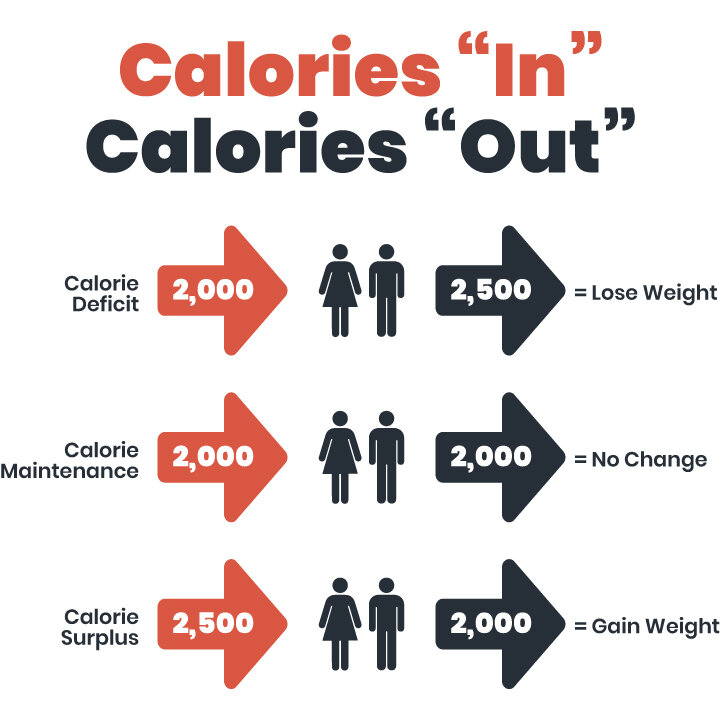
While calories play a role in weight management, it is equally important to consider the nutrient density of the foods we consume. Nutrient density refers to the amount of vitamins, minerals, and other essential nutrients in relation to the number of calories in a food.
Focusing on Quality Over Quantity
Instead of solely focusing on calorie counts, it is more beneficial to prioritize nutrient-dense foods that nourish our bodies. Foods that are rich in vitamins, minerals, fiber, and antioxidants provide essential nutrients that support our overall health and well-being.
By shifting our focus to the quality of food we consume, we can ensure that our bodies receive the necessary nutrients for optimal function. This approach also allows for greater food variety and enjoyment, as we are not limited by arbitrary calorie restrictions.
Prioritizing Whole, Unprocessed Foods
One of the best ways to increase nutrient density in our diets is to prioritize whole, unprocessed foods. These include fruits, vegetables, whole grains, lean proteins, and healthy fats. These foods are more satiating and provide a wide range of essential nutrients, making them key components of a healthy eating pattern.
Avoiding highly processed foods that are often high in added sugars, unhealthy fats, and artificial ingredients can also help regulate appetite and promote sustained energy levels. By choosing whole foods, we can nourish our bodies and support optimal health.
The Role of Micronutrients in Health
Micronutrients, such as vitamins and minerals, are essential for various bodily functions and play a crucial role in overall health. By prioritizing nutrient-dense foods, we can ensure that our bodies receive an adequate supply of these micronutrients.
For example, vitamin D is important for bone health and immune function, while iron is necessary for oxygen transport in the blood. By consuming a variety of nutrient-dense foods, we can support optimal health and prevent micronutrient deficiencies.
Listening to Your Body’s Hunger and Fullness Signals
In our fast-paced society, it is easy to lose touch with our body’s natural hunger and fullness cues. Many of us have become accustomed to eating at specific times or based on external cues such as calorie counts or portion sizes. However, listening to our body’s signals is essential for maintaining a healthy relationship with food and supporting our overall well-being.
Practicing Mindful Eating
Mindful eating involves paying attention to the sensory experience of eating and being fully present in the moment. It means savoring each bite, chewing slowly, and tuning in to our body’s cues of hunger and fullness.
By practicing mindful eating, we become more attuned to our body’s needs and can differentiate between physical hunger and emotional or environmental cues. This allows us to make more conscious choices about what and how much we eat, leading to a greater sense of satisfaction and overall well-being.
Learning to Eat Intuitively
Intuitive eating is a philosophy that encourages us to trust our body’s innate wisdom when it comes to nourishing ourselves. It involves rejecting external diet rules and embracing a more flexible and compassionate approach to eating.
By honoring our hunger and fullness cues, eating for physical satisfaction, and rejecting the diet mentality, we can develop a healthy and sustainable eating pattern. This approach promotes a positive body image, improves our relationship with food, and supports long-term well-being.
Honoring Your Body’s Natural Cues
Each person’s body is unique, and our hunger and fullness signals can vary from day to day. It is important to listen to and honor our body’s needs without judgment or restriction. This means eating when we are hungry, stopping when we are comfortably full, and respecting our body’s natural rhythms.
By tuning in to our body’s cues and treating them with kindness and respect, we can establish a healthier and more balanced relationship with food and our bodies.

The Power of Food Freedom
Stepping away from the restrictive mindset of calorie counting and embracing food freedom can be incredibly liberating. It involves breaking free from the rigid rules and restrictions of diets and embracing a more intuitive and flexible approach to eating.
Breaking Free from Restrictive Diets
Restrictive diets, such as those focused solely on calorie counting, often fail to produce long-term, sustainable results. They can be mentally and emotionally draining, leading to feelings of deprivation, frustration, and failure.
By letting go of restrictive dieting and embracing a more holistic approach to health, we can foster a healthier relationship with food and our bodies. This means focusing on nourishment rather than deprivation and embracing food as a source of pleasure and joy.
Finding Joy in Eating
Food is not just fuel for our bodies; it is also a source of pleasure, culture, and connection. Embracing food freedom means allowing ourselves to enjoy a wide variety of foods without guilt or judgment.
By savoring our meals, trying new flavors and cuisines, and nourishing both our bodies and our souls, we can find joy and fulfillment in eating. This approach promotes a healthier and more sustainable relationship with food, free from the constraints of calorie counts and restrictive diets.
Cultivating a Healthy Relationship with Food
Developing a healthy relationship with food involves seeing it as nourishment rather than an enemy. It means giving ourselves permission to eat without judgment or restriction and trusting our body’s natural wisdom.
By embracing a non-diet approach and cultivating self-compassion, we can build a positive and sustainable relationship with food. This includes letting go of guilt and shame, practicing forgiveness and moderation, and honoring our body’s needs and preferences.
Exploring Alternative Approaches to Weight Management
Rather than relying solely on calorie counting, there are alternative approaches to weight management that focus on overall health and well-being. These approaches take into consideration the complex interplay of hormones, nutrient density, and individual differences.
Intermittent Fasting: Restricting Eating Times Rather than Calories
Intermittent fasting is a popular approach to weight management that involves cycling between periods of eating and fasting. Instead of restricting calories, intermittent fasting restricts the timing of food intake.
This approach can help regulate hormones, enhance fat burning, and improve insulin sensitivity. It can also simplify meal planning and allow for greater food enjoyment during designated eating windows.
The Benefits of a Ketogenic Diet
The ketogenic diet is a low-carb, high-fat diet that has gained popularity in recent years. By drastically reducing carbohydrate intake and increasing fat consumption, the body enters a state of ketosis, where it burns fat for fuel instead of glucose.
While the ketogenic diet can be effective for weight loss and improving insulin sensitivity, it may not be suitable for everyone. It is important to work with a healthcare professional to ensure that the diet is sustainable and meets individual nutritional needs.
The Role of Physical Activity in Weight Management
Regular physical activity plays a key role in weight management and overall health. It helps burn calories, build muscle mass, improve insulin sensitivity, and support overall well-being.
Instead of solely relying on calorie restriction, incorporating regular movement into our daily routine can have numerous benefits. This can include activities such as walking, strength training, yoga, or any form of exercise that we enjoy and can sustain long-term.
Lifestyle Factors that Impact Weight
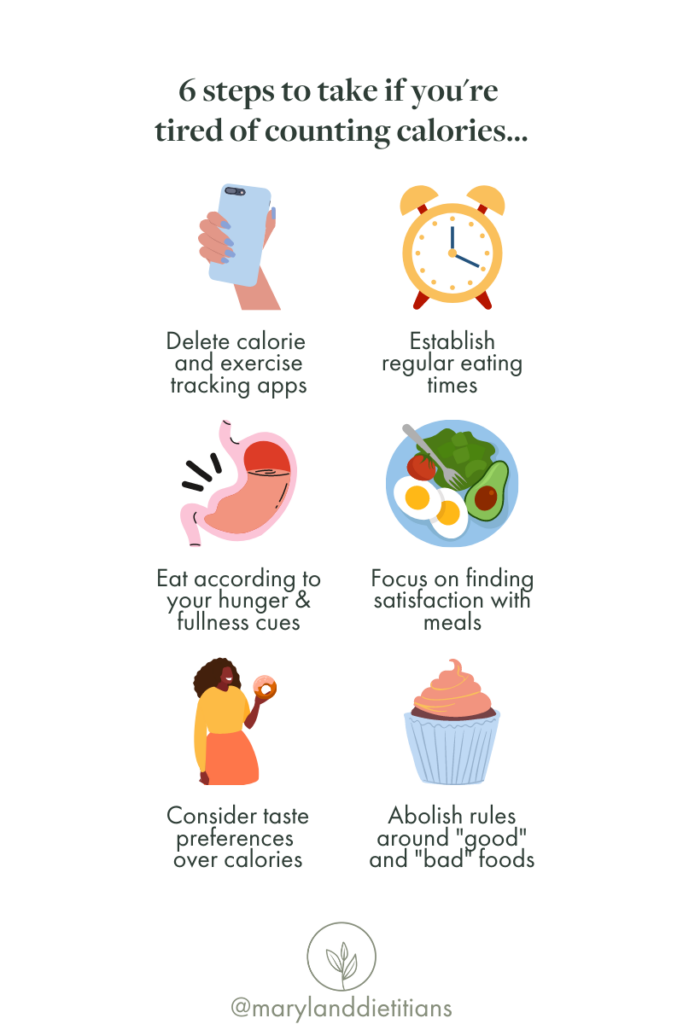
While food and exercise are important components of weight management, other lifestyle factors can also have a significant impact. These include stress levels, sleep quality, and social environments.
Stress and Cortisol: The Connection to Weight Gain
Chronic stress can lead to increased cortisol production, a hormone that promotes fat storage, particularly in the abdominal area. High cortisol levels can also affect appetite regulation, leading to increased cravings and overeating.
By managing stress through practices such as meditation, mindfulness, and self-care activities, we can support healthy weight management. This also includes prioritizing stress-reducing activities and cultivating a supportive social network.
The Importance of Quality Sleep
Getting an adequate amount of quality sleep is essential for overall health and weight management. Lack of sleep can disrupt hormone regulation, increase hunger and appetite, and lead to weight gain.
To prioritize sleep, it is important to establish a consistent bedtime routine, create a sleep-friendly environment, and practice relaxation techniques before bed. By getting enough restorative sleep, we support our body’s natural processes and promote optimal health.
Supportive Social Environments
The social environments in which we live and interact can have a significant impact on our eating habits and overall well-being. Surrounding ourselves with supportive and positive influences can encourage healthier choices and promote a more balanced relationship with food.
By seeking out like-minded individuals, joining support groups, or involving loved ones in our journey towards a healthier lifestyle, we can create a social network that fosters our goals and provides ongoing encouragement and support.
Building Sustainable Habits for Long-Term Health
Instead of focusing solely on short-term weight loss goals, it is important to prioritize long-term health and well-being. By establishing sustainable habits, we can create lasting changes that support our overall health and promote a positive lifestyle.
Creating a Nourishing Meal Plan
A key aspect of sustainable eating habits is creating a nourishing meal plan that is balanced, varied, and enjoyable. This involves incorporating nutrient-dense foods, meal prepping for convenience, and finding recipes and cooking methods that suit our tastes and lifestyle.
By taking the time to plan and prepare meals ahead of time, we can ensure that we have nourishing and satisfying options readily available. This helps us make healthier choices and minimizes the reliance on calorie counting or impulse eating.
Incorporating Regular Movement into Your Routine
Regular physical activity is essential for overall health and weight management. Instead of viewing exercise as a chore or means of burning calories, it is important to find activities that bring joy and can be sustained long-term.
By incorporating movement into our daily routine, whether it be through formal workouts, recreational activities, or simply moving more throughout the day, we can support our weight management goals and improve our overall well-being.
Prioritizing Self-Care
Self-care is not a luxury but a crucial element of maintaining overall health and well-being. Taking the time to prioritize self-care activities, such as relaxation, hobbies, and social connections, can help manage stress levels, improve mental health, and support sustainable lifestyle changes.
By recognizing the importance of self-care and incorporating it into our daily lives, we promote a healthier mindset and create a foundation for long-term health and well-being.
Shifting the Focus from Weight to Overall Well-Being
It is time to shift the focus from weight as the sole determinant of health and well-being. Instead of fixating on numbers on a scale, we should prioritize overall health markers and celebrate non-scale victories.
Emphasizing Health Markers Rather than Numbers on a Scale
Health is not solely determined by weight but by a multitude of factors, including blood pressure, cholesterol levels, energy levels, mental well-being, and more. By shifting our focus to these health markers, we can adopt a more comprehensive and holistic approach to well-being.
Tracking and celebrating improvements in these markers, such as increased energy, improved mood, or reduced medication usage, can be far more meaningful and motivating than focusing solely on weight loss.
The Relationship Between Weight and Health
While there is often a correlation between weight and certain health conditions, it is important to remember that weight is not the sole determinant of health. Many factors, including genetics, lifestyle habits, and overall well-being, influence our health outcomes.
By adopting healthy lifestyle habits, such as nourishing our bodies with nutrient-dense foods, engaging in regular physical activity, managing stress, and prioritizing self-care, we can improve our overall health regardless of our weight.
Celebrate Non-Scale Victories
In addition to emphasizing overall health markers, it is important to celebrate non-scale victories along our wellness journey. These victories may include increased energy levels, improved sleep quality, reduced cravings, increased strength or flexibility, or improved mental well-being.
By expanding our definition of success beyond weight loss, we can cultivate a healthier and more positive mindset. This allows us to appreciate and acknowledge the progress we have made in various aspects of our health and well-being.
Conclusion
Calorie counting may seem like a logical approach to weight management, but it is often inaccurate, emotionally draining, and detrimental to body image. Instead, we should focus on understanding the role of hormones, prioritizing nutrient density, listening to our body’s cues, and embracing food freedom.
By exploring alternative approaches to weight management, such as intermittent fasting, a ketogenic diet, and regular physical activity, we can optimize our overall health and well-being. Additionally, addressing lifestyle factors such as stress levels, sleep quality, and supportive social environments can further support our weight management efforts.
Building sustainable habits and shifting the focus from weight to overall well-being allows us to cultivate a positive and healthy relationship with food and our bodies. By embracing holistic approaches to health and celebrating non-scale victories, we can achieve long-term health and well-being. So, it’s time to stop calorie counting and start focusing on nourishing our bodies and embracing a healthy and balanced lifestyle.

