Stop Snacking
Are you constantly reaching for snacks throughout the day? Do you find it hard to resist the temptation of grabbing a bag of chips or a chocolate bar when hunger strikes? Well, you’re not alone! Many of us struggle with the habit of snacking, but the good news is that there are ways to break this cycle and embrace healthier eating habits.
In this article, we will delve into the topic of snacking and explore why it can be detrimental to our overall health. We’ll discuss the negative impacts of excessive snacking on weight management and energy levels, as well as the potential risks it poses to our dental health. But don’t worry, we won’t just leave you hanging! We’ll also provide you with tips and tricks to help you curb your snacking urges and adopt a more balanced approach to eating.
So, if you’re curious to learn more about why snacking may not be the best habit for your well-being and how to break free from its grasp, keep reading! We’ve got you covered with all the information and solutions you need to start making healthier choices when it comes to your daily munching habits.
Stop Snacking
Snacking has become a common habit for many individuals, often done mindlessly throughout the day. While the occasional snack can be enjoyable and provide a quick energy boost, excessive snacking can have negative effects on both physical and mental health. In this article, we will explore the concept of snacking, its effects on health, and the benefits of stopping the habit. We will also provide tips on how to curb snacking, create a structured eating schedule, find alternative stress coping mechanisms, seek support, and overcome cravings.
What is Snacking?
Snacking refers to the act of consuming food or beverages between main meals. It typically involves consuming smaller portions of food, often referred to as “snacks,” that are easily accessible and require little to no preparation. Snacks can vary widely in terms of their nutritional content, ranging from healthy options like fruits and vegetables to less nutritious choices such as processed snacks high in sugar, salt, and unhealthy fats.
The Purpose of Snacking
People snack for various reasons. Some snack to satisfy hunger between meals, while others snack out of habit or boredom. Additionally, snacking can serve as a way to cope with emotions or reduce stress. The purpose of snacking can differ from person to person, but it’s important to understand that excessive snacking can lead to negative consequences.
Effects of Snacking on Health
Weight Gain and Snacking
One of the most significant effects of snacking is weight gain. When snacking is not done mindfully or in moderation, it can contribute to an increase in calorie intake. Over time, the excess calories from snacking can lead to weight gain and potentially obesity. Additionally, snacking often involves consuming foods that are high in added sugars, unhealthy fats, and salt, which can further contribute to weight gain and negatively impact overall health.
Nutritional Imbalances Caused by Snacking
Snacking can also lead to nutritional imbalances in the diet. Instead of opting for nutrient-dense options, such as fruits, vegetables, or whole grains, many individuals tend to choose highly processed snacks that lack essential vitamins, minerals, and fiber. This can result in deficiencies in key nutrients and potentially lead to health issues in the long run.
Understanding the Psychology of Snacking
Emotional Eating and Snacking
Emotional eating is a common phenomenon that often goes hand in hand with snacking. During times of stress, sadness, or boredom, many individuals turn to food for comfort. This emotional connection can create an unhealthy association between snacking and emotional well-being. However, it’s important to note that emotional eating rarely solves the underlying emotional issues and can instead exacerbate the problem.
Unconscious Snacking Habits
In addition to emotional eating, unconscious snacking habits can also contribute to excessive snacking. Many of us have developed a routine of reaching for snacks automatically without even realizing it. These habits often stem from environmental triggers, such as seeing snacks in the pantry or fridge, being surrounded by snacks at social gatherings, or even watching television. Breaking these unconscious snacking habits is key to reducing overall snacking.
Benefits of Stopping Snacking
Improved Weight Management
By stopping snacking, you can better manage your weight. By eliminating unnecessary calories from snacks, you create a calorie deficit that can help with weight loss or weight maintenance. Additionally, by focusing on nutrient-dense meals instead of mindless snacking, you can ensure that your body receives the necessary nutrients for optimal health.
Balanced Nutritional Intake
Stopping snacking allows you to prioritize balanced meals over frequent snacking. Instead of relying on snacks for energy or sustenance between meals, you can design balanced meals that provide all the necessary nutrients your body needs. This balanced approach to eating ensures that you consume a variety of foods from different food groups, allowing you to meet your nutritional needs more effectively.
Tips to Curb Snacking
Identify Triggers and Substitute Actions
The first step in curbing snacking is to identify the triggers that lead to mindless eating. These triggers can be emotional, environmental, or even habitual. Once you have identified your triggers, you can substitute snacking with alternative actions. For example, if stress triggers your snacking, you can try engaging in stress-relieving activities such as deep breathing exercises, meditation, or going for a walk instead of reaching for a snack.
Keep Healthy Alternatives Available
Another effective strategy to curb snacking is to keep healthy alternatives readily available. By stocking your pantry and refrigerator with nutritious snacks such as cut-up fruits, raw vegetables, or homemade trail mix, you can satisfy your cravings for a snack while choosing options that are good for your health. Having these healthy alternatives within reach makes it easier to resist the temptation of unhealthy snacks.
Creating a Structured Eating Schedule
Intermittent Fasting as a Scheduling Method
One approach to curbing snacking and creating a structured eating schedule is through intermittent fasting. Intermittent fasting involves cycling between periods of eating and fasting. By limiting the time frame within which you consume food, you can reduce the opportunity for mindless snacking. There are several different methods of intermittent fasting, so it’s important to choose one that best suits your lifestyle and goals.
Designing Balanced Meals
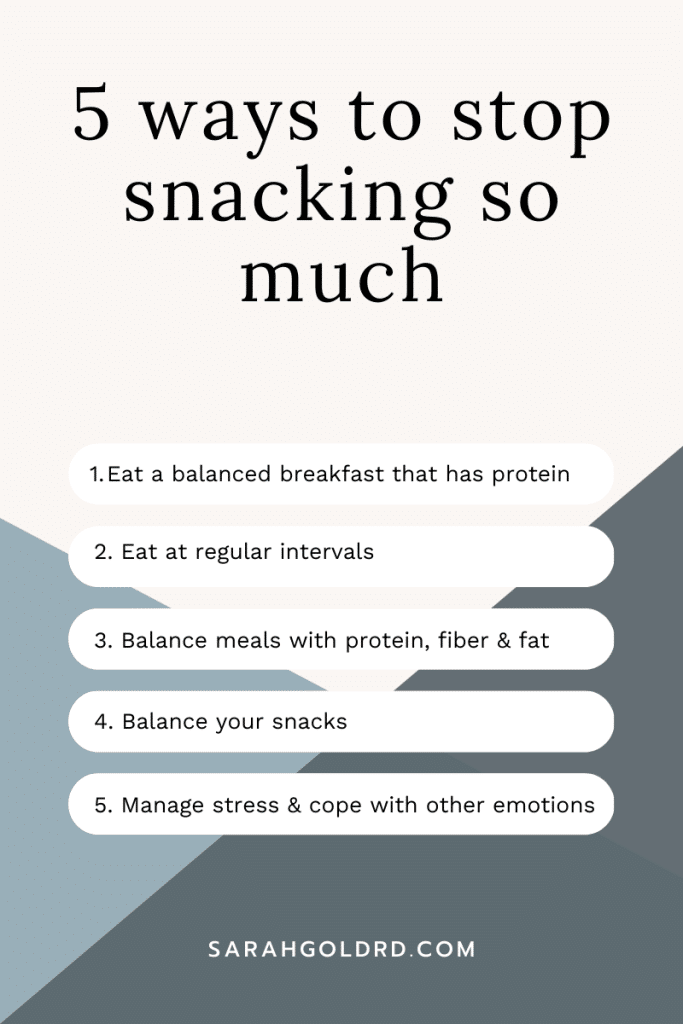
Another aspect of creating a structured eating schedule is designing balanced meals. By planning and preparing meals ahead of time, you can ensure that your meals are well-balanced and satisfying. Including a variety of fruits, vegetables, whole grains, lean proteins, and healthy fats in your meals will help you feel more satiated and less likely to snack between meals.
Finding Alternative Stress Coping Mechanisms
Exercise and Mindfulness Techniques
Finding alternative stress coping mechanisms is crucial to overcoming the desire to snack. Engaging in regular exercise can help reduce stress levels and release endorphins, which can have a positive impact on your mood. Additionally, practicing mindfulness techniques such as deep breathing, yoga, or meditation can help you become more aware of your emotions and prevent stress from triggering the urge to snack.
Engaging in Hobbies and Activities
Another way to cope with stress and reduce the temptation to snack is by engaging in hobbies and activities that you enjoy. Redirecting your focus towards activities that bring you joy or help you relax can take your mind off snacking. Whether it’s reading, painting, gardening, or any other hobby, finding activities that fulfill you can prevent stress-induced snacking.
Seeking Support and Accountability
Joining Support Groups and Forums
Seeking support from others who are also trying to stop snacking can provide encouragement and accountability. Joining support groups or online forums where individuals share their experiences, struggles, and successes can help you stay motivated on your journey. It provides a sense of community and a space to share tips, strategies, and recipes with others who have similar goals.
Buddy System for Accountability
Finding an accountability partner can also be highly beneficial. Having someone to check in with regularly, share your progress, and discuss strategies for overcoming snacking can increase your chances of successfully stopping the habit. Your accountability partner can be a friend, family member, or colleague who has similar goals and is committed to making healthier choices.

Understanding and Overcoming Cravings
Differentiating Cravings from True Hunger
Understanding the difference between cravings and true hunger is essential in overcoming the urge to snack. Cravings are typically driven by emotional or psychological factors, while true hunger is a physiological response to the body’s need for nourishment. By learning to differentiate between the two, you can make more conscious choices about whether to snack or wait until your next meal.
Techniques to Distract From Cravings
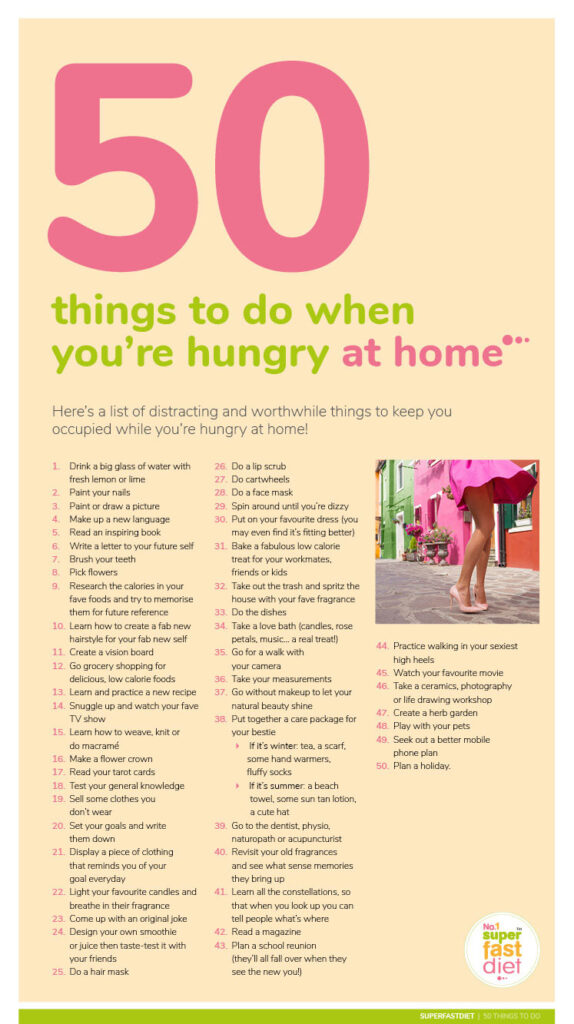
When cravings strike, distracting yourself can be an effective way to overcome them. Engaging in a different activity, such as going for a walk, calling a friend, or practicing a hobby, can redirect your attention away from the craving. Additionally, drinking a glass of water or enjoying a cup of herbal tea can help delay or suppress the urge to snack.
Conclusion
Snacking can be a difficult habit to break, but the benefits of stopping snacking are plentiful. By reducing excessive snacking, you can improve weight management, achieve a balanced nutritional intake, and develop a healthier relationship with food. With the tips provided in this article, you can start curbing snacking, creating a structured eating schedule, finding alternative stress coping mechanisms, seeking support, overcoming cravings, and ultimately improve your overall well-being. Remember, it’s always within your power to make healthy choices and develop healthier habits.

