How To Stop Eating At Night

Have you ever found yourself mindlessly snacking late at night, even when you’re not hungry? We’ve all been there. Whether it’s out of boredom, stress, or simply a bad habit, late-night eating can be a hard habit to break. But don’t worry, we’ve got you covered. In this article, we’ll delve into some practical tips and strategies to help you stop eating at night. So sit back, relax, and get ready to learn how to conquer those late-night cravings.
So why do we tend to reach for the snacks when the sun goes down? Well, one reason could be boredom. When we’re not occupied with activities or have downtime in the evening, it’s easy to turn to food as a source of entertainment. In addition, stress can also play a role in our late-night eating habits. We may use food as a way to cope with our emotions or to provide comfort during stressful times. But, fear not, because there are ways to combat these cravings and develop healthier nighttime habits. In the upcoming article, we’ll explore various techniques such as mindful eating, finding alternative activities, and creating a nighttime routine that can help you break the cycle of late-night snacking. So stay tuned for more valuable tips on mastering the art of curbing those after-hours munchies!
How To Stop Eating At Night
Nighttime eating can often be a challenging habit to break. Whether it’s due to stress, emotional triggers, or simply boredom, consuming food late at night can have a negative impact on both your weight and overall health. However, by understanding the common causes of nighttime eating, creating a healthy evening routine, addressing hunger and cravings, practicing mindful eating, creating an environment for success, managing stress and emotional health, adapting sleeping patterns, incorporating regular physical activity, and tracking progress, you can successfully break free from nighttime eating habits.
Common Causes of Nighttime Eating
There are several common causes of nighttime eating that can lead to an unhealthy cycle. One major cause is emotional triggers. Many people turn to food as a way to cope with stress, anxiety, or other negative emotions. Late at night, when you’re alone and feeling vulnerable, it can be tempting to reach for comfort foods for temporary relief. Additionally, boredom can play a significant role in nighttime eating. When you have little to do in the evening, snacking can become an activity to fill the time. Understanding these triggers is the first step in breaking the cycle of nighttime eating.
Impact on Weight and Health
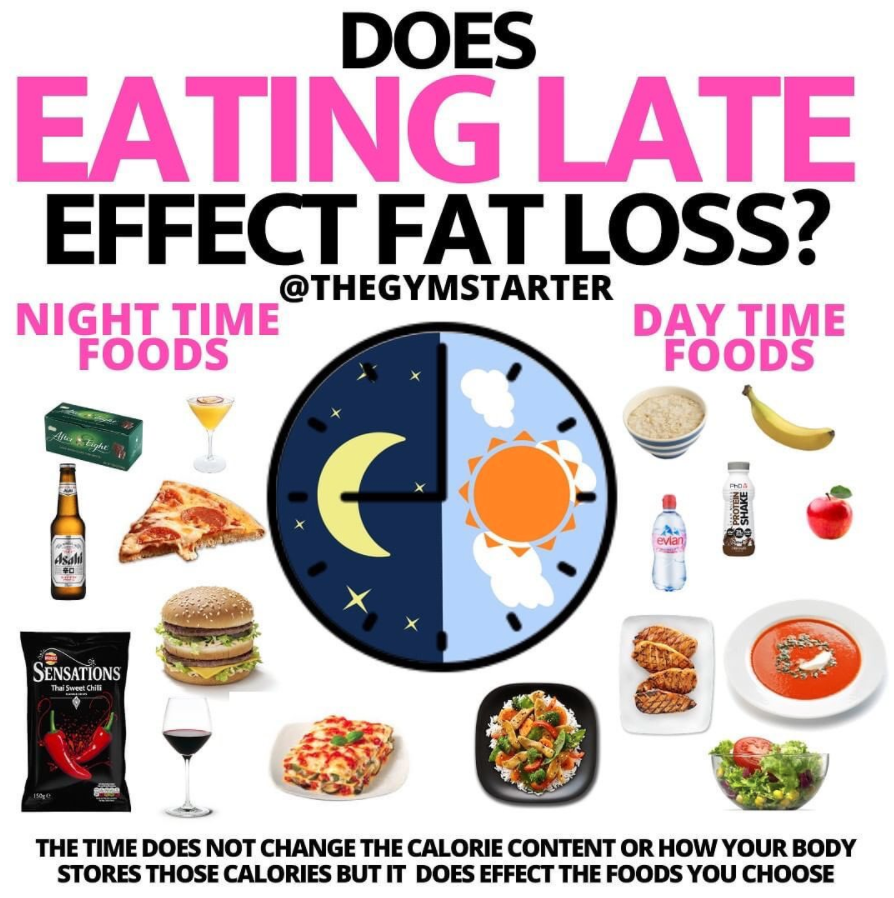
Nighttime eating can have a significant impact on both your weight and overall health. Consuming excess calories, especially in the form of high-sugar and high-fat snacks, can lead to weight gain. Late-night snacks are often not necessary, as your body’s metabolism slows down during sleep, making it less efficient at burning calories. Furthermore, eating late at night can disrupt your sleep cycle and lead to poor sleep quality. This can affect your energy levels, mood, and overall well-being. It is important to recognize the negative impact nighttime eating can have on your body and take steps to break the habit.
Recognizing Emotional Triggers
Understanding and recognizing your emotional triggers is an essential step in addressing nighttime eating. When you feel the urge to eat late at night, take a moment to reflect on your emotions. Are you feeling stressed, anxious, or sad? By identifying these emotions, you can begin to find alternative ways to cope with them instead of turning to food. Engaging in activities such as journaling, meditating, or taking a warm bath can help alleviate stress and emotional triggers without the need to consume food.
Creating a Healthy Evening Routine
Establishing a healthy evening routine is vital in breaking the cycle of nighttime eating. By setting clear meal times, avoiding late-night snacking, and engaging in relaxing activities, you can create a structured routine that promotes better eating habits and improved overall health.
Setting Clear Meal Times
One of the most effective ways to prevent nighttime eating is to establish clear meal times throughout the day. By consuming balanced meals at regular intervals throughout the day, you can ensure that your body is adequately fueled and satisfied. Aim for three main meals and two healthy snacks between meals. This way, by the time evening rolls around, you will be less likely to feel hungry and reach for unnecessary snacks.
Avoiding Late-Night Snacking
Late-night snacking can easily become a habit if not addressed. In order to avoid the temptation, it is important to create a cutoff point after which you refrain from consuming any food or drinks, except for water. This cutoff time should be at least two hours before you plan to go to bed. By giving your body enough time to digest before sleeping, you can prevent indigestion and promote a more restful sleep.
Engaging in Relaxing Activities
Instead of turning to food for comfort or boredom, engage in relaxing activities during your evening routine. This might include reading a book, practicing yoga, taking a walk, or listening to soothing music. Finding activities that you enjoy and that help you unwind can distract you from the desire to eat and promote a sense of calm and well-being.

Addressing Hunger and Cravings
By addressing hunger and cravings, you can effectively discourage nighttime eating. By evaluating your daily caloric intake, including balanced meals, and choosing satiating foods, you can better control your hunger levels and reduce the urge to snack late at night.
Evaluating Daily Caloric Intake
It’s important to ensure that you are consuming enough calories throughout the day to meet your nutritional needs. Often, nighttime eating is a result of inadequate calorie intake during the day. Use online calculators or consult with a healthcare professional to determine your daily caloric needs based on your age, sex, weight, and activity level. By meeting these caloric needs with nutrient-dense meals and snacks, you can reduce the likelihood of feeling excessively hungry and turning to nighttime eating.
Including Balanced Meals
To prevent hunger and cravings throughout the day, it is important to include balanced meals that contain a good mix of carbohydrates, protein, and healthy fats. Carbohydrates provide quick energy, while protein and healthy fats help keep you satiated for longer periods of time. This combination of nutrients can help curb your appetite and prevent the desire to snack excessively late at night.
Choosing Satiating Foods
In addition to balanced meals, choosing foods that are high in fiber and protein can help you feel fuller for longer. Foods such as fruits, vegetables, whole grains, lean meats, and legumes are all excellent choices. These foods take longer to digest and provide a steady release of energy, which can prevent hunger pangs and the need to eat late at night. Avoid processed and sugary foods, as they tend to provide temporary satisfaction but leave you feeling hungry shortly after.
Power of Mindful Eating
Practicing mindful eating techniques can be a powerful tool in breaking the habit of nighttime eating. By understanding the difference between hunger and emotional eating and enjoying food without guilt, you can cultivate a healthier relationship with food.
Practicing Mindful Eating Techniques
Mindful eating involves paying attention to the sensory experience of eating and being fully present in the moment. To practice mindful eating, take the time to savor each bite, chew slowly, and really taste the flavors and textures of your food. Put away distractions such as phones or television and focus on the act of eating. By being present and mindful, you can better recognize your body’s cues of hunger and fullness and avoid mindless snacking late at night.
Understanding Hunger vs. Emotional Eating
It is important to distinguish between physical hunger and emotional eating. Physical hunger is a biological need for sustenance, whereas emotional eating is driven by emotions and is often a response to stress, boredom, or sadness. Learn to recognize the signs of physical hunger, such as a growling stomach or a slight drop in energy levels. If you determine that you are not physically hungry, but rather experiencing an emotional trigger, find alternative activities to address those emotions instead of reaching for food.
Enjoying Food without Guilt
Food should be enjoyed without guilt or restriction. Allowing yourself to enjoy your favorite foods in moderation can help prevent feelings of deprivation and the urge to overindulge. Instead of labeling foods as “good” or “bad,” focus on nourishing your body with a variety of nutritious foods while still allowing yourself the occasional treat. By cultivating a positive and balanced relationship with food, you can break free from the cycle of nighttime eating and promote a healthier lifestyle.
Creating an Environment for Success
Creating an environment that supports your goals of stopping nighttime eating is crucial for success. By keeping a well-stocked kitchen, minimizing temptations, and setting up a supportive system, you can eliminate triggers and make healthier choices.
Keeping a Well-Stocked Kitchen
Stock your kitchen with nutritious foods that are easy to prepare when hunger strikes. Having fruits, vegetables, Greek yogurt, nuts, and other healthy snacks readily available can satisfy cravings and prevent the need for unhealthy nighttime eating. Keep a variety of spices and seasonings on hand to enhance the flavor of your meals and make them more enjoyable.
Minimizing Temptations
Remove unhealthy snacks and trigger foods from your pantry and refrigerator. By eliminating tempting foods from your surroundings, you reduce the likelihood of reaching for them late at night. Replace these foods with healthier alternatives that you enjoy. By keeping your environment free from temptation, you can create a supportive atmosphere that promotes better eating habits.
Setting Up Supportive System
Let your friends and family know about your goals to stop nighttime eating. By sharing your intentions with loved ones, you can gain their support and encouragement. If possible, find an accountability partner or join a support group to further motivate and inspire you. Having someone to share your progress, setbacks, and successes with can make the journey towards breaking nighttime eating habits easier and more enjoyable.
Managing Stress and Emotional Health
Managing stress and prioritizing your emotional well-being is essential in breaking the cycle of nighttime eating. By implementing stress-reducing techniques, seeking emotional support, and engaging in self-care practices, you can address the underlying causes of nighttime eating and find healthier ways to cope.
Implementing Stress-Reducing Techniques
Stress can often lead to emotional eating, particularly at night. Implementing stress-reducing techniques such as deep breathing exercises, meditation, yoga, or engaging in a hobby can help alleviate stress and reduce the urge to turn to food for comfort. Find activities that you enjoy and that help you relax. Experiment with different techniques to discover what works best for you in managing stress.
Seeking Emotional Support
If stress or emotions are a significant factor in your nighttime eating habits, consider seeking emotional support from a therapist or counselor. Talking through your feelings and challenges with a professional can provide valuable insights and strategies for managing stress and emotional triggers. They can help you develop healthier coping mechanisms and provide the guidance and support necessary for breaking the cycle of nighttime eating.
Engaging in Self-Care
Make self-care a priority in your daily routine. Engage in activities that bring you joy and make you feel nurtured and cared for. This might include taking a bubble bath, practicing yoga or meditation, scheduling regular massages, or simply spending time doing something you love. By prioritizing self-care, you can better manage stress and emotions, reducing the need to turn to food for comfort.

Adapting Sleeping Patterns
Establishing healthy sleeping patterns is crucial in overcoming nighttime eating habits. By establishing a consistent sleep routine, avoiding stimulants before bed, and creating a restful sleep environment, you can improve the quality of your sleep and reduce the likelihood of late-night snacking.
Establishing Consistent Sleep Routine
A consistent sleep routine helps regulate your body’s internal clock and promotes better sleep quality. Aim to go to bed and wake up at the same time each day, even on weekends. Establishing a routine signals to your body that it is time to sleep and can help combat insomnia and other sleep disturbances. By getting an adequate amount of sleep each night, you can reduce fatigue-induced cravings and make healthier food choices throughout the day.
Avoiding Stimulants Before Bed
Stimulants such as caffeine and nicotine can disrupt your sleep cycle and lead to restlessness and difficulty falling asleep. Avoid consuming these substances at least four to six hours before bedtime. Instead, opt for relaxing herbal teas or warm milk, which can soothe and calm your body before sleep.
Creating a Restful Sleep Environment
Designing a sleep environment that promotes relaxation and comfort is essential for quality sleep. Create a dark, cool, and quiet space. Invest in blackout curtains, earplugs, or a white noise machine if necessary. Sleep on a comfortable mattress and pillows that support your body and ensure a restful night’s sleep. By creating an environment that promotes relaxation and rest, you can reduce stress and minimize the need for nighttime eating.
Incorporating Regular Physical Activity
Regular physical activity plays a crucial role in breaking the cycle of nighttime eating. By finding activities you enjoy, making exercise a priority, and exploring different workout options, you can not only increase your energy expenditure but also improve your mood and overall well-being.
Finding Activities You Enjoy
One of the keys to maintaining regular physical activity is finding activities that you genuinely enjoy. Whether it’s walking, dancing, swimming, cycling, or participating in group fitness classes, choose activities that bring you joy and keep you engaged. By engaging in activities that you look forward to, you are more likely to stick with them and make exercise a regular part of your routine.
Making Exercise a Priority
Incorporating exercise into your daily routine is crucial for breaking nighttime eating habits. Make exercise a priority by scheduling it into your calendar and treating it as non-negotiable time for self-care. Aim for at least 150 minutes of moderate-intensity aerobic activity each week, along with muscle-strengthening activities on two or more days. By making exercise a priority, you can improve your fitness level, enhance your mood, and reduce the desire to engage in nighttime eating.
Exploring Different Workout Options
Variety is the spice of life, and the same goes for exercise. Exploring different workout options can keep your routine fresh and exciting. Try new classes, activities, or outdoor workouts to keep your body and mind engaged. If you’re unsure where to start, consider hiring a personal trainer or joining a fitness club to gain access to a variety of workout options. By embracing variety, you are more likely to find activities that you enjoy, which can help you maintain a regular exercise routine.

Tracking Progress and Staying Motivated
Tracking your progress and celebrating your achievements is vital for staying motivated on your journey to breaking nighttime eating habits. Set realistic goals, use food and mood journals, and reward yourself for non-food achievements to stay motivated and committed.
Setting Realistic Goals
Setting realistic goals is important for staying motivated and avoiding feelings of frustration or failure. Break down your ultimate goal into smaller, achievable milestones. For example, instead of focusing on completely eliminating nighttime eating, start by aiming to reduce it to two nights per week. As you achieve these smaller goals, you can progress towards larger milestones and celebrate your successes along the way.
Using Food and Mood Journals
Keeping a food and mood journal can provide valuable insights into your eating patterns and emotional triggers. Record everything you eat during the day, including the time and any emotional factors that may have influenced your choices. Additionally, track your mood throughout the day and how it relates to your food choices. By identifying patterns, you can better understand your relationship with food and make adjustments as needed.
Rewarding Non-Food Achievements
Rewarding yourself for non-food achievements can help keep you motivated and reinforce positive habits. Instead of using food as a reward, treat yourself to a massage, buy a new book, or indulge in a relaxing spa day. Choose rewards that align with your values and nourish your body and mind. By celebrating your achievements, you can stay motivated and focused on your journey towards breaking nighttime eating habits.
Conclusion
Breaking the cycle of nighttime eating can be challenging, but by understanding the common causes of nighttime eating, creating a healthy evening routine, addressing hunger and cravings, practicing mindful eating, creating an environment for success, managing stress and emotional health, adapting sleeping patterns, incorporating regular physical activity, tracking progress, and staying motivated, you can overcome this habit and foster a healthier relationship with food. Remember, progress takes time, so be patient with yourself and celebrate every step in the right direction. With determination and the right strategies, you can successfully stop eating at night and achieve a healthier, more balanced lifestyle.

