How To Stop Eating Sweets
Are you struggling to resist the temptation of sweets? Do you find yourself reaching for candy, cookies, or sugary treats more often than you’d like? We’ve all been there! But don’t worry, because in this article, we’re going to discuss some helpful tips on how to stop eating sweets and regain control over your cravings. Trust me, you’re not alone in this, and together we can find ways to overcome those sugar cravings.
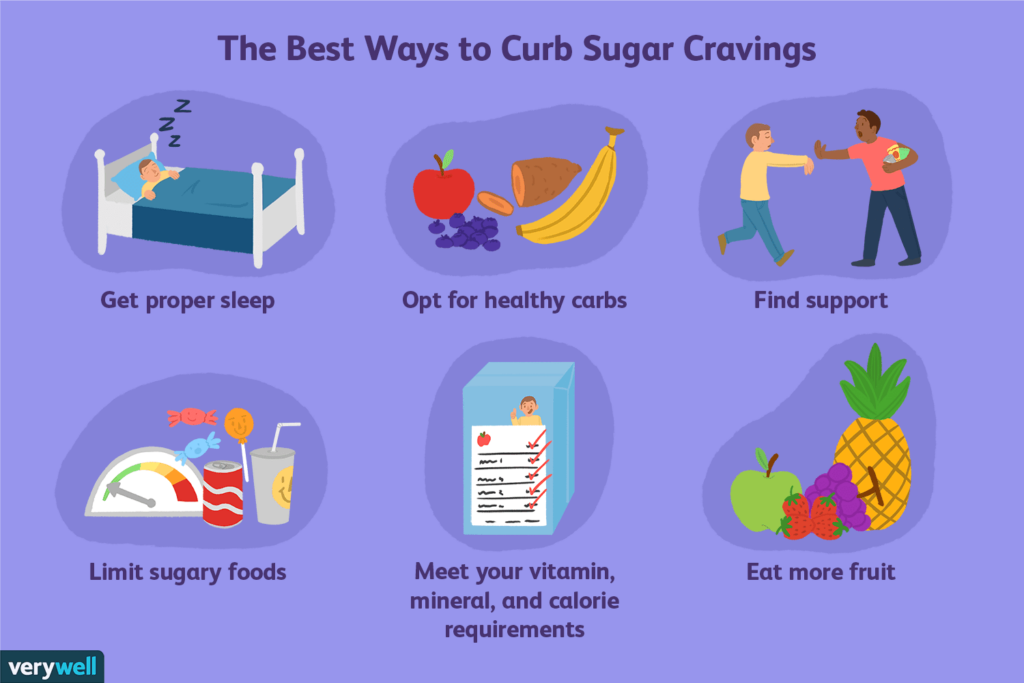
Now, let’s dive into some practical strategies that you can start implementing right away. First and foremost, it’s important to understand that cutting out sweets entirely may not be realistic or sustainable in the long run. Instead, we’re going to focus on reducing your sugar intake gradually and making smarter choices. By replacing sugary snacks with healthier alternatives like fruits or nuts, you can satisfy your sweet tooth while still nourishing your body with nutritious options. Furthermore, it’s crucial to identify the triggers that lead you to indulge in sweets. Is it stress, boredom, or a particular time of day? Once you pinpoint these triggers, you can come up with alternative activities or distractions to combat the urge to reach for sweets. In our full article, we’ll explore even more techniques that can help you curb your sweet cravings and develop a healthier relationship with food. So, stick around and get ready to conquer your sugar addiction!
How To Stop Eating Sweets
Understanding the Impact of Eating Sweets
Eating sweets can have a significant impact on your overall health and well-being. While they may taste delicious and provide temporary satisfaction, the health consequences of consuming too many sugary treats are well-documented.
Recognizing the Health Consequences
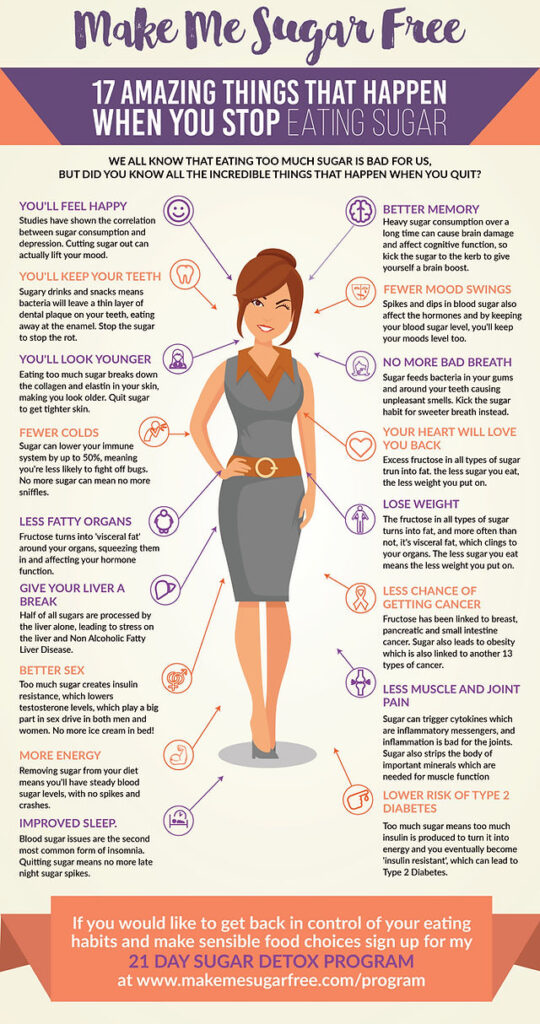
Excessive consumption of sweets can lead to various health problems, including weight gain, obesity, diabetes, heart disease, and tooth decay. These conditions not only affect your physical health but also have a negative impact on your self-esteem and mental well-being.
Understanding the Addiction to Sweets
Many people find it challenging to resist the allure of sweets due to the addictive nature of sugar. When you consume sugary foods, your brain releases chemicals (like dopamine) that give you a sense of pleasure and reward. This pleasurable sensation can create a craving for more sweets, leading to a continuous cycle of addiction.
Identifying Triggers for Sweet Cravings
To effectively stop eating sweets, it is essential to identify the triggers that lead to cravings. By understanding these triggers, you can take proactive steps to avoid or manage them successfully.
Emotional Triggers
Emotional triggers, such as stress, anxiety, boredom, or sadness, often lead to cravings for sugary comfort foods. It is crucial to recognize when your emotions are influencing your food choices and find healthier ways to cope with these feelings.
Environmental Triggers
Environmental triggers, like seeing sweets at the grocery store or having sugary snacks readily available at home or your workplace, can make it harder to resist cravings. By creating a healthier environment, you can reduce the temptation and make it easier to stick to your goals.
Physical Triggers
Physical triggers, such as hormonal imbalances or nutrient deficiencies, can also contribute to sweet cravings. Ensuring you have a balanced diet and addressing any underlying health issues can help curb these cravings.
Developing a Plan to Curb Sweet Cravings
To successfully curb sweet cravings, it is essential to develop a plan that encompasses various strategies and goals. Here is a step-by-step approach to help you on your journey:
Setting Realistic Goals
Start by setting realistic and achievable goals. Rather than completely eliminating sweets altogether, consider gradually reducing your intake or having occasional treats in moderation. By setting attainable goals, you are more likely to stay motivated and stick to your plan.
Creating a Healthy Eating Plan
Developing a healthy eating plan is crucial to overcoming sweet cravings. Focus on incorporating nutrient-rich foods such as fruits, vegetables, whole grains, lean proteins, and healthy fats into your meals. These foods not only satisfy your nutritional needs but also help reduce cravings for sugary treats.
Finding Alternatives to Sweets
Instead of reaching for sugary snacks, find healthier alternatives that satisfy your sweet tooth. Fresh fruits, dark chocolate, or homemade energy balls made with natural sweeteners like dates can be excellent substitutes for traditional sweets.
Incorporating Mindful Eating Techniques
Incorporating mindful eating techniques can help you develop a better relationship with food and make conscious choices about what and how much you eat.
Practicing Mindful Eating
Take the time to savor and enjoy each bite of your meal. Pay attention to the flavors, textures, and sensations in your mouth. This practice helps you become more aware of your body’s signals of hunger and fullness, making it easier to resist cravings and make healthier choices.
Avoiding Multitasking while Eating
Avoid distractions such as watching TV, using your phone, or working while eating. When you multitask, you are more likely to overeat and consume unhealthy foods without even realizing it. By focusing solely on your mealtime, you can better listen to your body’s cues and make thoughtful choices.
Building a Support System
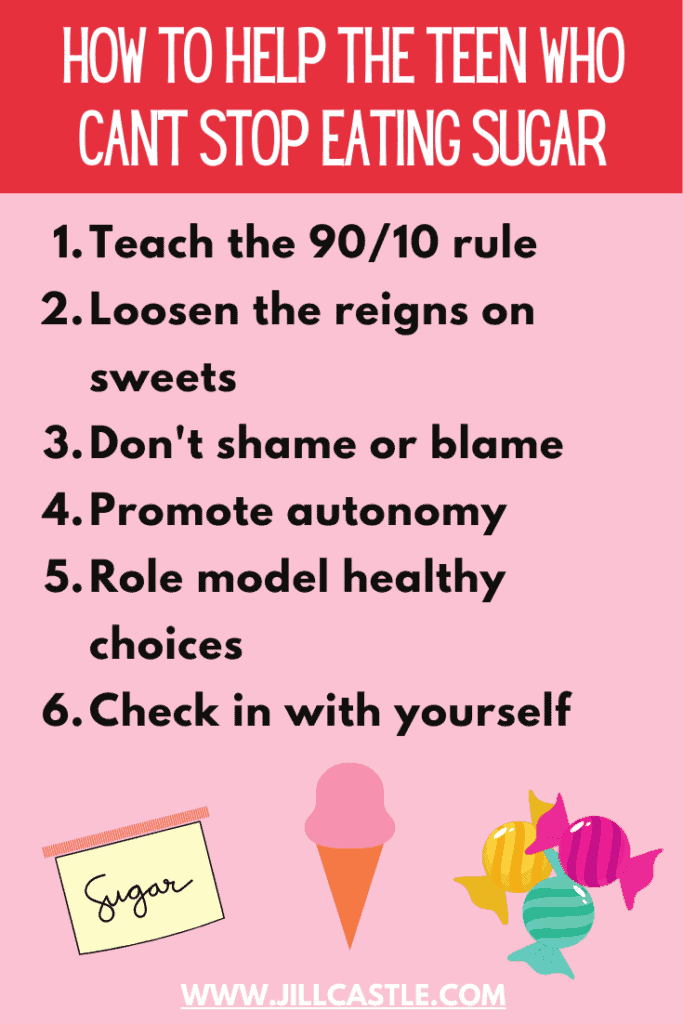
Having a support system can significantly increase your chances of successfully stopping your sweet cravings. Surrounding yourself with individuals who understand and respect your goals can provide the encouragement and accountability you need.
Enlisting Friends and Family
Share your goals with your friends and family and ask for their support. They can help keep you accountable, provide motivation, and even join you on your journey to a healthier lifestyle.
Seeking Professional Help if Needed
If you find it challenging to overcome your sweet addiction on your own, it may be beneficial to seek professional help. Nutritionists, dietitians, therapists, or support groups specializing in food addiction can provide valuable guidance and support.
Implementing Strategies to Resist Temptation
Resisting temptation is a crucial aspect of stopping your sweet cravings. By implementing effective strategies, you can overcome the urge to indulge in sugary treats.
Avoiding Food Triggers
Identify specific foods or situations that trigger your sweet cravings and actively avoid them. For example, if passing by a bakery makes it difficult for you to resist buying sweets, try taking a different route or avoiding that area altogether.
Keeping Sweets Out of Sight
Out of sight, out of mind. Keep sugary snacks hidden away or avoid buying them altogether. If you don’t have sweets readily available, you will be less likely to succumb to temptation.

Managing Sweet Cravings in Social Situations
Social situations can often be challenging when it comes to resisting sweet cravings. However, with a bit of planning and preparation, you can stay on track.
Making Healthy Choices at Parties
When attending parties or social gatherings, opt for healthier choices such as fresh fruit, vegetable platters, or homemade snacks. If you do decide to indulge, practice moderation and savor the treat without guilt.
Dealing with Peer Pressure
Peer pressure from friends or family members who encourage you to indulge in sweets can make it difficult to stay on track. Communicate your goals and reasons for wanting to stop eating sweets, and kindly ask for their support and understanding.
Creating Accountability and Tracking Progress
Creating accountability and tracking your progress are crucial aspects of successfully stopping sweet cravings. These practices help you stay committed and motivated on your journey.
Keeping a Food Diary
Keep track of your food intake by maintaining a food diary. This allows you to identify patterns, discover triggers, and hold yourself accountable for your choices. It also provides a visual representation of your progress, which can be incredibly motivating.
Rewarding Yourself for Achievements
Celebrate your achievements along the way. Set small milestones, and reward yourself with non-food related treats such as a spa day, a new book, or a weekend getaway. These rewards will further motivate you to stay on track and continue making progress.
Staying Motivated and Persistent
The journey to stop eating sweets may have its ups and downs, but with these strategies, you can stay motivated and persistent.
Finding Personal Motivation
Identify your personal reasons and motivations for wanting to stop eating sweets. Whether it’s improving your overall health, fitting into your favorite pair of jeans, or setting a positive example for your loved ones, keeping these motivations at the forefront of your mind will help you stay focused and determined.
Overcoming Setbacks
It’s normal to experience setbacks along the way. If you do indulge in sweets or have a moment of weakness, don’t beat yourself up. Instead, use it as an opportunity to learn and grow. Reflect on what triggered the setback and find alternative strategies to handle similar situations in the future.
Conclusion
Stopping the consumption of sweets is a challenging but achievable goal with the right strategies and mindset. By understanding the impact of eating sweets, identifying triggers, developing a plan, incorporating mindful eating techniques, building a support system, implementing strategies to resist temptation, managing social situations, creating accountability, and staying motivated and persistent, you can successfully break free from the addiction to sweets and embrace a healthier way of eating. Remember, it’s a journey, and every step in the right direction is a victory towards a healthier, happier you.

