Stop Eating Sugar

Have you ever wondered how much sugar you consume on a daily basis? Whether it’s through the soda you drink, the cookies you snack on, or the sauces you add to your food, sugar seems to be everywhere. But did you know that too much sugar in your diet can have negative effects on your health? In this article, we’ll explore the reasons why you should consider cutting back on sugar and how it can benefit your overall well-being.
When it comes to sugar, moderation is key. While it may provide a quick boost of energy, excessive sugar intake has been linked to various health problems such as obesity, diabetes, and heart disease. Not only does consuming too much sugar add empty calories to your diet, but it can also lead to spikes in blood sugar levels and contribute to insulin resistance. By reducing your sugar intake, you can lower your risk of developing these chronic conditions and enjoy better overall health. In our upcoming article, we’ll dive deeper into the reasons why sugar is harmful, provide tips on how to reduce your sugar consumption, and share healthier alternatives to satisfy your sweet tooth. Stay tuned to learn more and take control of your sugar intake for a happier, healthier life.
Stop Eating Sugar
The Dangers of Sugar
Sugar, oh how sweet it tastes! From the frosting on a cake to the spoonful you add to your morning coffee, sugar is a common ingredient found in many of our favorite foods and beverages. However, the excessive consumption of sugar can have detrimental effects on our health. In this article, we will explore the dangers of sugar, its impact on the body, weight gain, mental health, and aging.
Sugar and its Effects on the Body
When you consume sugar, your body breaks it down into glucose, which provides energy. However, too much sugar can overload your body with glucose, leading to several negative effects. One major consequence is the spike in blood sugar levels, causing a rapid release of insulin. Over time, this can lead to insulin resistance, a condition often associated with type 2 diabetes.
Moreover, excessive sugar consumption can contribute to inflammation in the body. Inflammation has been linked to various chronic diseases, including heart disease, cancer, and Alzheimer’s disease. By reducing your sugar intake, you can minimize the risk of developing such conditions and improve your overall health.
The Role of Sugar in Weight Gain
If you are struggling with weight gain or finding it difficult to shed those extra pounds, sugar may be one of the culprits. Sugar is high in calories but provides little to no nutritional value. Consuming sugary beverages and snacks can quickly add up your daily calorie intake without providing a feeling of fullness or satiety.
Furthermore, sugar can lead to weight gain by promoting the accumulation of visceral fat, commonly known as belly fat. This type of fat is particularly dangerous as it is associated with an increased risk of diabetes, heart disease, and metabolic syndrome. By reducing your sugar consumption, you can help regulate your weight and support a healthier body composition.
Sugar Addiction and its Impact on Mental Health
Have you ever found yourself craving something sweet and feeling like you cannot function without it? You may be experiencing sugar addiction. Sugar stimulates the reward centers in your brain, releasing dopamine, a neurotransmitter associated with pleasure and reward. This can lead to a cycle of dependence and cravings, similar to the patterns seen with substance abuse.
Not only can sugar addiction result in weight gain and physical health issues, but it can also have a significant impact on your mental well-being. Studies have shown that excessive sugar consumption may increase the risk of developing mental health conditions such as depression and anxiety. By reducing your sugar intake, you can improve your mental health and overall emotional well-being.
Health Risks Associated with Sugar Consumption
Increased Risk of Obesity and Diabetes
The link between excessive sugar consumption and obesity is well-established. The high calorie content in sugar-laden foods and beverages can contribute to weight gain, which in turn increases the risk of obesity. Obesity is a serious health concern as it is associated with an increased risk of many chronic conditions, including diabetes.
Excessive sugar intake can also lead to insulin resistance, a condition where your body’s cells become less responsive to the effects of insulin. Insulin resistance is a precursor to type 2 diabetes, a chronic condition characterized by high blood sugar levels. By reducing your sugar intake, you can lower your risk of obesity and type 2 diabetes.
Effects of Sugar on Heart Health
A diet high in added sugars has been linked to an increased risk of heart disease. Consuming excessive amounts of sugar can lead to elevated triglyceride levels, increased blood pressure, and chronic inflammation in the body. These factors contribute to the development of heart disease, one of the leading causes of death worldwide.
It is important to note that not all sugars are created equal. Naturally occurring sugars found in fruits and dairy products are accompanied by fiber and other beneficial nutrients. On the other hand, added sugars found in processed foods and sugary beverages provide empty calories with no nutritional value. By cutting back on added sugars and focusing on whole, unprocessed foods, you can improve your heart health and reduce the risk of cardiovascular disease.
Sugar and Its Link to Cancer
While the relationship between sugar and cancer is still being studied, there is evidence to suggest that excess sugar consumption may increase the risk of certain types of cancer. A high-sugar diet can contribute to obesity and insulin resistance, both of which have been linked to an increased risk of developing cancer.
Furthermore, sugar may promote inflammation and oxidative stress in the body, which can damage DNA and potentially lead to the development of cancer cells. By reducing your sugar intake and adopting a healthy eating plan rich in fruits, vegetables, and whole grains, you can minimize your risk of cancer and support overall well-being.

Sugar and Aging
How Sugar Contributes to Premature Aging
Have you ever heard the term “sugar face”? Excessive sugar consumption can accelerate the aging process, resulting in premature wrinkles, sagging skin, and dull complexion. When you consume sugar, it triggers a process called glycation, where sugar molecules bind to proteins in your body, including collagen and elastin. These proteins are essential for maintaining youthful and vibrant skin.
Glycation can lead to the formation of advanced glycation end-products (AGEs), which can impair collagen and elastin, ultimately causing skin to lose its elasticity and firmness. This can result in the appearance of fine lines, wrinkles, and skin that looks older than your actual age. By reducing your sugar intake, you can preserve your skin’s natural youthfulness and slow down the aging process.
Effects of Sugar on Skin Health
In addition to promoting premature aging, sugar can also contribute to other skin issues. A diet high in sugar has been associated with acne and other inflammatory skin conditions. It is believed that the hormonal changes triggered by sugar consumption can increase sebum production, leading to clogged pores and the development of acne.
Moreover, sugar can disrupt the balance of good and bad bacteria in your gut, which has a direct impact on your skin health. An imbalance in gut bacteria can lead to increased inflammation, which can manifest as skin issues such as redness, eczema, and psoriasis. By cutting back on sugar and focusing on a well-balanced diet, you can support clear and healthy skin.
Sugar and Its Impact on Cognitive Function
Your brain relies on glucose as its primary source of energy. However, an excess of sugar can impair cognitive function and negatively impact your brain health. Studies have shown that a high-sugar diet may increase the risk of cognitive decline and impair memory and learning abilities.
When you consume excessive amounts of sugar, it can lead to chronic inflammation, oxidative stress, and insulin resistance, all of which can directly affect brain function. Moreover, sugar can cause fluctuations in blood sugar levels, leading to mood swings, poor concentration, and decreased mental clarity.
By reducing your sugar intake and adopting a diet rich in nutrient-dense foods, you can support optimal brain function, enhance cognitive abilities, and maintain mental sharpness throughout your lifetime.
The Benefits of Quitting Sugar
Improved Energy Levels and Mood
If you often find yourself feeling tired and low on energy, excess sugar consumption may be to blame. While sugar provides a quick burst of energy, it is followed by a crash as blood sugar levels drop. By reducing your sugar intake, you can stabilize your energy levels, experience fewer energy crashes, and maintain consistent energy throughout the day.
Moreover, reducing sugar can also have a positive impact on your mood. Excessive sugar consumption can lead to mood swings, irritability, and increased feelings of anxiety and depression. By eliminating or minimizing sugar from your diet, you can experience improved mental and emotional well-being, supporting a more positive and stable mood.
Weight Loss and Improved Metabolic Health
If weight loss is one of your goals, quitting sugar can be a game-changer. As mentioned earlier, sugar is high in calories, but it does not provide the feeling of fullness or satiety that comes from consuming nutrient-dense foods. By cutting back on sugar and focusing on whole, unprocessed foods, you can reduce your calorie intake without sacrificing nutritional value.
Moreover, quitting sugar can also improve your metabolic health. Excessive sugar consumption can lead to insulin resistance, which disrupts the balance of blood sugar in your body. By reducing sugar intake, you can support insulin sensitivity, regulate blood sugar levels, and improve overall metabolic function.
Reduced Risk of Chronic Diseases
By quitting sugar, you can significantly reduce your risk of developing chronic diseases such as obesity, type 2 diabetes, heart disease, and certain types of cancer. High sugar intake has been linked to inflammation, insulin resistance, and other metabolic dysfunctions that contribute to the development of these conditions.
Furthermore, a diet rich in added sugars often lacks essential nutrients and fiber, which are vital for overall health and disease prevention. By replacing sugary foods and beverages with nutrient-dense options, you can provide your body with the necessary fuel to function optimally and protect against chronic diseases in the long run.

Healthy Alternatives to Sugar
Natural Sweeteners and Their Benefits
If you have a sweet tooth but want to reduce your sugar consumption, there are several natural sweeteners available that can satisfy your cravings without the negative health impacts of refined sugar. Some popular natural sweeteners include stevia, monk fruit extract, and erythritol.
Stevia is a plant-based sweetener that is much sweeter than sugar but contains zero calories and has no effect on blood sugar levels. Monk fruit extract is derived from a small green melon and is a great alternative for those looking to cut back on sugar without sacrificing sweetness. Erythritol is a sugar alcohol that provides sweetness without the calorie content or impact on blood sugar.
These natural sweeteners can be incorporated into your favorite recipes, beverages, and snacks, allowing you to enjoy the sweetness you crave without the negative health consequences.
Incorporating Fruits as a Sweetener
Nature’s candy, fruits, can be a perfect replacement for processed sugars in your diet. Fruits are not only sweet but also provide a plethora of vitamins, minerals, and dietary fiber. This fiber helps slow down the absorption of sugar into the bloodstream, preventing spikes in blood sugar levels.
You can satisfy your sweet tooth by incorporating fruits such as berries, apples, and citrus fruits into your meals and snacks. Try adding sliced fruit to your cereal or yogurt, blending them into smoothies, or enjoying them as a delicious and refreshing snack throughout the day.
Using Spices and Herbs to Enhance Sweetness
Another way to reduce your sugar intake while still enjoying the sweetness in your meals is by using spices and herbs. Cinnamon, nutmeg, vanilla extract, and cardamom are just a few examples of spices that can enhance the natural sweetness of your foods, allowing you to use less added sugar.
Experiment with different combinations of spices and herbs to enhance the flavor profile of your dishes. Mix cinnamon with a sprinkle of nutmeg in your oatmeal, add a dash of vanilla extract to your coffee, or use cardamom to flavor your homemade desserts. These natural alternatives can add depth and richness to your meals without relying on excessive sugar.
Tips for Reducing Sugar Intake
Reading Food Labels and Identifying Hidden Sugars
One of the most important steps in reducing your sugar intake is becoming a savvy food label reader. Sugar can hide in various forms and under different names, making it essential to identify hidden sugars in processed foods. Look out for ingredients such as corn syrup, fructose, sucrose, and maltose, among others.
Additionally, be mindful of the order in which ingredients appear on the label. Ingredients are listed in descending order by weight, so if sugar is listed near the beginning, it means that the product likely contains a significant amount of added sugars.
By familiarizing yourself with common sugar sources, reading food labels, and choosing products with little to no added sugars, you can make informed choices and reduce your overall sugar intake.
Gradually Reducing Sugar Consumption
Quitting sugar overnight may not be realistic or sustainable for everyone. Instead, consider reducing your sugar intake gradually. Start by cutting back on sugary beverages such as soda, flavored juices, and sweetened coffee drinks. Replace these drinks with water, herbal tea, or unsweetened alternatives.
Next, focus on reducing the amount of added sugars in your meals and snacks. Instead of reaching for a sugary granola bar, opt for a piece of fresh fruit or a handful of nuts. Choose plain yogurt and add natural sweeteners like fresh berries or a drizzle of honey.
By taking small and manageable steps towards reducing your sugar intake, you can gradually adjust your taste buds and develop healthier eating habits.
Finding Healthier Alternatives for Sugary Snacks
Sometimes, we crave a sweet treat or snack to satisfy our cravings. Instead of reaching for processed snacks loaded with refined sugars, consider healthier alternatives that still provide a satisfying sweetness.
Fresh fruit, like grapes or sliced melon, can be a refreshing and naturally sweet snack. Greek yogurt topped with a sprinkle of cinnamon or a dollop of nut butter offers a protein-packed option that curbs cravings. Dark chocolate with a high cocoa content can also be an indulgent option that provides antioxidants and satisfies your sweet tooth.
By finding healthier alternatives to sugary snacks, you can still enjoy delicious treats while keeping your sugar intake in check.
Meal Planning without Sugar
Balancing Macronutrients and Choosing Whole Foods
When planning meals without relying on sugar as a source of flavor, it is important to focus on a balanced intake of macronutrients – carbohydrates, proteins, and fats. Incorporate a variety of whole grains, lean proteins, and healthy fats into your meals to ensure you are getting all the necessary nutrients.
Whole foods such as vegetables, fruits, legumes, and whole grains not only provide essential nutrients but also contain natural sugars and dietary fiber to support overall health. These foods can be the foundation of your meals and provide satiety without relying on added sugars.
Creating Satisfying and Nutritious Sugar-Free Meals
Creating sugar-free meals does not mean sacrificing flavor or satiety. Get creative in the kitchen and experiment with different herbs, spices, and natural sweeteners to enhance the taste of your dishes.
Instead of reaching for store-bought sauces and dressings laden with added sugars, experiment with making your own using ingredients like herbs, spices, and olive oil. This way, you have control over the amount of sugar in your meals and can tailor the flavors to your liking.
Incorporate a variety of vegetables into your meals, both raw and cooked. Roasting vegetables can bring out their natural sweetness, creating a savory and satisfying dish.
Remember to focus on whole, unprocessed foods while planning your meals to ensure you are nourishing your body with nutritious and balanced options.
Healthy Snacking Options
Snacking can be a challenge when trying to reduce sugar intake. However, with a little planning and preparation, you can have healthy and satisfying snacks readily available.
Nuts and seeds, such as almonds, walnuts, or pumpkin seeds, provide a nutrient-dense and protein-packed snack. Pair them with some fresh fruit or vegetables for added fiber and minerals.
Hard-boiled eggs, Greek yogurt, and cottage cheese are excellent sources of protein that can be enjoyed on their own or combined with some sliced vegetables for a quick and filling snack.
By having these healthier options readily available, you can curb cravings and snack mindfully without resorting to sugary treats.
Overcoming Sugar Cravings
Identifying Triggers and Finding Healthier Coping Mechanisms
Sugar cravings can be triggered by various factors, including stress, emotions, boredom, or habit. Identifying your triggers can help you better understand your cravings and find healthier coping mechanisms.
If stress is a trigger, find alternative ways to manage your stress levels. Engage in activities such as exercise, meditation, or spending time in nature. These activities release natural endorphins, which can boost your mood and minimize stress-induced sugar cravings.
Emotional eating is another common trigger for sugar cravings. Instead of turning to sugary foods to comfort yourself, explore alternative emotional coping strategies such as journaling, talking to a friend, or engaging in a hobby that brings you joy.
Finding healthier ways to cope with triggers can help break the cycle of sugar cravings and support a more balanced and mindful approach to eating.
Breaking the Cycle of Emotional Eating
Emotional eating often leads to mindless consumption of sugary foods, as a way to comfort or distract oneself. Breaking the cycle of emotional eating involves becoming more aware of your emotions and finding alternative ways to address them.
Next time you find yourself reaching for a sugary snack due to emotional reasons, try taking a pause and reflecting on what you are truly feeling. Is there an underlying emotion that needs addressing? Are there healthier ways to address that emotion?
Instead of turning to food, consider engaging in activities that bring you joy, such as going for a walk, listening to music, or practicing a hobby. Finding healthier outlets for emotional needs can help break the cycle of emotional eating and reduce the reliance on sugar for comfort.
Strategies for Managing Cravings
Managing sugar cravings can be challenging, but with the right strategies, it is possible to overcome them. Here are some techniques to help you manage your cravings:
-
Stay hydrated: Sometimes, our bodies mistake thirst for hunger or sugar cravings. Stay hydrated by drinking enough water throughout the day to ensure you are adequately hydrated.
-
Plan ahead: Prepare healthy snacks and meals in advance. When cravings strike, having nutritious options readily available can help prevent reaching for sugary treats.
-
Distract yourself: Engage in activities that divert your attention away from cravings, such as going for a walk, practicing a hobby, or spending time with loved ones.
-
Practice mindful eating: When you do indulge in a sweet treat, savor each bite mindfully. Pay attention to the flavors, textures, and sensations in your mouth. This can help you feel satisfied with smaller portions and be more aware of your body’s signals of satiety.
-
Find healthier alternatives: Explore healthy alternatives to your favorite sugary snacks. There are plenty of sugar-free or low-sugar options available that can satisfy your cravings without sabotaging your health goals.
With perseverance and determination, you can develop strategies to manage and overcome sugar cravings, allowing you to make healthier choices and support your well-being.

Maintaining a Sugar-Free Lifestyle
Building Long-Term Habits for a Sugar-Free Diet
Committing to a sugar-free lifestyle involves building healthy habits that will support your long-term well-being. Start by making small changes and gradually integrate them into your daily routine. Focus on the positive outcomes of reducing sugar in your life, such as increased energy, better mood, and improved overall health.
To make it easier to maintain a sugar-free diet, create a meal plan and grocery list that aligns with your goals. By having nutritious options readily available, you are less likely to reach for sugary alternatives when hunger strikes. Plan your meals, batch cook, and always have healthy snacks on hand to avoid relying on processed foods.
Navigating Social Situations and Dining Out
Social situations and dining out can present challenges when trying to maintain a sugar-free lifestyle. However, with a little planning and communication, you can navigate these situations successfully.
When attending social events, communicate your dietary preferences or restrictions to the host beforehand. Offer to bring a dish that aligns with your sugar-free goals to ensure there are options available for you to enjoy.
When dining out, review the menu in advance and choose restaurants that offer healthier and sugar-free options. Ask for substitutes or modifications to meals if needed, and be assertive in communicating your dietary needs to the waitstaff.
Remember, maintaining a sugar-free lifestyle is a personal choice, and it is essential to prioritize your health and well-being, even in social situations.
Creating a Sustainable and Enjoyable Eating Plan
Adopting a sugar-free lifestyle should not feel like a punishment. Instead, focus on creating a sustainable and enjoyable eating plan that nourishes your body and satisfies your taste buds.
Experiment with new recipes, flavors, and cooking techniques to keep your meals interesting and delicious. Choose a variety of fruits, vegetables, whole grains, lean proteins, and healthy fats to create balanced and flavorful meals. Incorporate herbs, spices, and natural sweeteners to enhance the taste of your dishes without relying on excessive sugar.
Remember to practice self-compassion and allow yourself occasional indulgences. While the goal is to reduce sugar overall, there is room for flexibility and enjoyment in a healthy lifestyle.
Conclusion
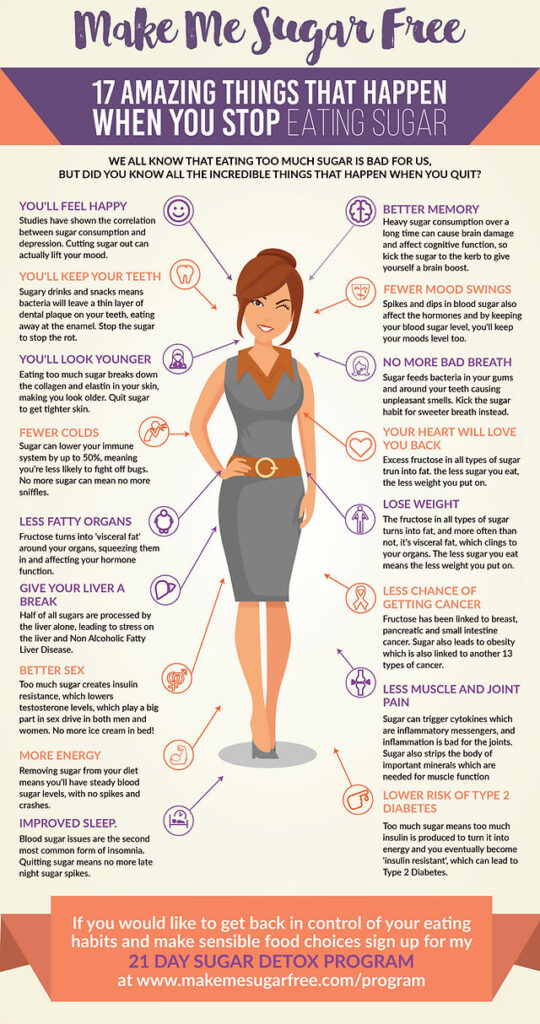
The benefits of eliminating sugar from your diet are numerous and wide-ranging. By understanding the dangers of sugar, making mindful choices, and embracing healthier alternatives, you can improve your overall well-being and reduce the risk of chronic diseases.
Quitting sugar is not an easy feat, but with dedication and support, you can successfully transition to a sugar-free lifestyle. Focus on nourishing your body with whole, unprocessed foods, and find alternatives that satisfy your sweet tooth without compromising your health.
Remember, it’s not about completely eradicating sugar from your life but rather about finding a balance that works for you. By prioritizing your health and making conscious choices, you can enjoy a vibrant and sugar-free life. So, why not take the first step towards a healthier future by reducing your sugar intake today? Your body and mind will thank you tomorrow.

