How To Stop Food Cravings
Do you ever find yourself craving certain foods, even when you’re not really hungry? We’ve all been there! It can be frustrating and difficult to resist those cravings, but don’t worry, I’ve got some tips to help you out. In this article, we’re going to dive into the topic of how to stop food cravings and explore some strategies that can help you overcome those intense desires for specific foods.
Food cravings are a common occurrence, and they often stem from a variety of factors such as emotional triggers, stress, or even just the sight or smell of certain foods. But the good news is, there are ways to manage and even stop those cravings in their tracks. In this article, we’ll discuss some practical tips and techniques that you can use to take control of your cravings and make healthier choices. Whether you’re trying to lose weight, improve your overall eating habits, or just gain some self-control, you’ll definitely find some valuable insights here. So, let’s get started and explore how to put an end to those pesky food cravings once and for all.
How To Stop Food Cravings
Understanding Food Cravings
Food cravings can be a difficult challenge to overcome when trying to maintain a healthy diet. Whether it’s the sudden desire for a sweet treat or the insatiable longing for a bag of salty chips, food cravings can derail even the most disciplined individual. But fear not, there are strategies and techniques that can help you manage and even overcome these cravings. In this article, we will explore the science behind food cravings, identify common triggers, and discover healthy habits that can help you achieve your goals.
What are food cravings?
Food cravings are intense desires for specific types of food. They can be triggered by a variety of factors, including physiological, psychological, or environmental influences. While it’s normal to occasionally have a craving, frequent and uncontrollable cravings can interfere with your efforts to maintain a healthy diet.
The science behind food cravings
Food cravings are not simply a figment of our imagination. They are rooted in biology and can be attributed to various physiological mechanisms. One of the main drivers of food cravings is the release of certain hormones, such as ghrelin and leptin, which regulate hunger and satiety. When these hormones are imbalanced or disrupted, cravings can arise.
Additionally, certain foods, especially those high in sugar and fat, can activate the brain’s reward system, triggering the release of dopamine, a neurotransmitter associated with pleasure and motivation. This leads to a cycle of craving and consumption, as the brain seeks the pleasurable experience associated with the desired food.
Why do we experience food cravings?
Food cravings can be triggered by a multitude of factors. Some of the most common triggers include:
Common triggers for food cravings
- Hunger: The body and brain naturally crave food when they are in a state of hunger.
- Emotional state: Stress, sadness, boredom, or anxiety can all contribute to food cravings, as individuals often seek comfort or distraction through eating.
- Environmental cues: The sight or smell of certain foods can trigger cravings, especially if they are associated with positive memories or experiences.
- Nutritional deficiencies: Cravings can sometimes indicate a lack of specific nutrients in the body.
Identifying Triggers
Understanding the triggers that contribute to your food cravings is an essential step towards overcoming them. By recognizing these triggers, you can develop strategies to manage and redirect your cravings.
Emotional triggers and food cravings
Emotional triggers, such as stress or boredom, can often lead to mindless and unhealthy eating habits. To combat emotional eating, it’s important to develop healthy coping mechanisms for stress and other emotions. This can include practicing relaxation techniques like deep breathing or engaging in activities that bring joy and fulfillment.
Environmental triggers and food cravings
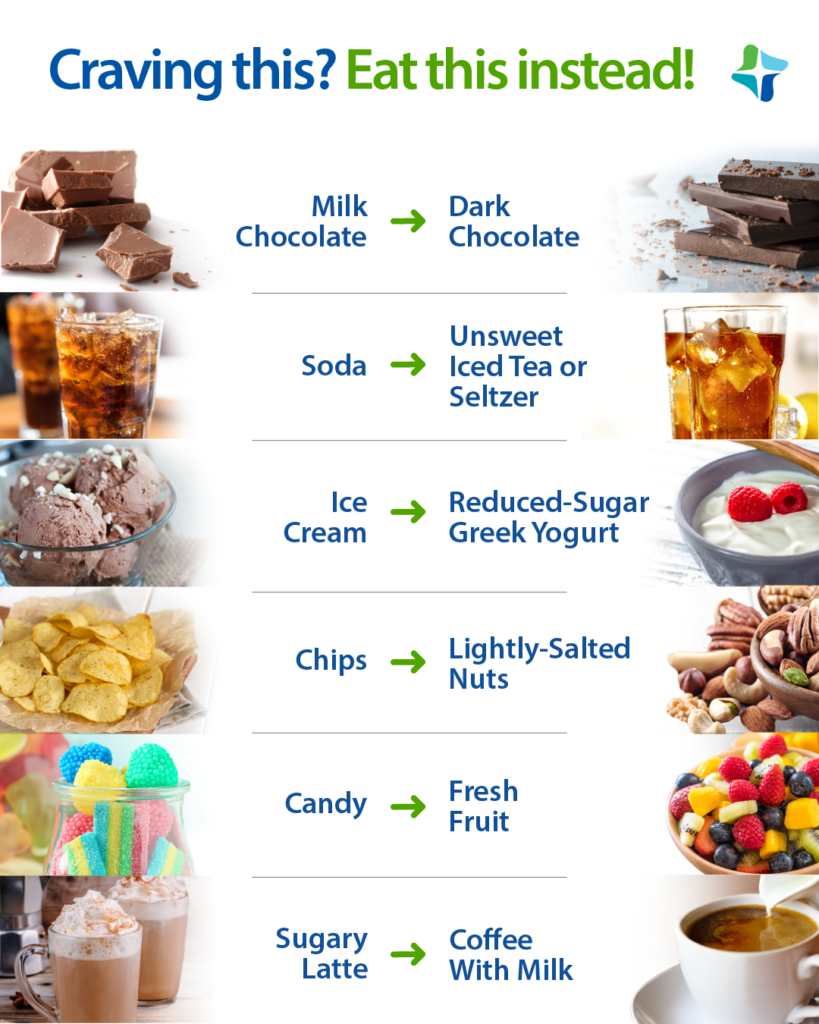
Environmental cues, such as the presence of certain foods or social situations, can greatly influence our cravings. For example, if you always crave sweets when you pass by a bakery, it may help to choose a different route or find alternative activities that don’t involve food. Additionally, finding healthier substitutes for your favorite indulgences can help satisfy cravings without derailing your healthy eating goals.
Creating a Healthy Diet Plan
A well-balanced diet is a crucial component in managing food cravings. By fueling your body with nutritious foods, you can help minimize cravings and promote overall well-being. Here are some strategies to consider when creating a healthy diet plan:
Balancing macronutrients
To maintain balanced blood sugar levels and prevent cravings, it’s important to include a combination of protein, healthy fats, and complex carbohydrates in each meal. This combination provides sustained energy and helps keep cravings at bay.
Incorporating whole foods
Whole foods, such as fruits, vegetables, lean proteins, and whole grains, should form the foundation of your diet. These foods are rich in essential nutrients and fiber, which can help regulate hunger and keep cravings in check.
Reducing processed food intake
Processed foods, especially those high in sugar, salt, and unhealthy fats, can stimulate cravings and negatively impact your overall health. Limiting your intake of processed foods can help to break the cycle of cravings and pave the way for a healthier lifestyle.
Meal planning and preparation
By planning and preparing your meals in advance, you can take control of your food choices and reduce the likelihood of succumbing to cravings. Not only does meal planning save time and money, but it also ensures that you have nutritious options readily available, making it easier to make healthier choices.
Managing Stress and Emotional Eating
Stress and emotional eating go hand in hand for many individuals. When faced with difficult emotions, it’s easy to turn to food for comfort. However, this temporary relief can turn into a cycle of emotional eating, leading to guilt and further emotional distress. To manage stress and break free from emotional eating, consider the following strategies:
Understanding the connection between stress and cravings
Stress triggers the release of cortisol, a hormone that can increase appetite and drive cravings. By understanding this connection, you can become more aware of how stress influences your eating habits and develop healthier coping mechanisms.
Healthy coping mechanisms for stress
Instead of turning to food when stressed, try incorporating healthy stress-management techniques into your routine. This can include practices such as exercise, meditation, journaling, or engaging in hobbies that bring joy and relaxation. Finding healthy ways to deal with stress can help reduce the frequency and intensity of cravings.
Strategies to avoid emotional eating
When emotions run high, it’s important to have alternative strategies in place to avoid falling into emotional eating patterns. This can include reaching out to a friend or family member for support, practicing mindfulness and self-compassion, or finding activities that provide emotional comfort and nourishment without relying on food.
Building a Support System
Having a support system in place can make a tremendous difference when it comes to managing food cravings. Surrounding yourself with individuals who share your goals and values can provide accountability, encouragement, and understanding. Here are some ways to build a support system:
The importance of a support system
A support system can provide the motivation and encouragement needed to stay committed to your healthy eating goals. They can offer guidance, celebration of successes, and a helping hand when feelings of temptation arise.
Finding accountability partners
Seek out individuals who share your desire for healthier eating habits. Whether it’s a family member, friend, or coworker, having an accountability partner can help keep you on track and offer support during challenging times.
Joining communities or support groups
Joining communities or support groups dedicated to healthy eating can provide a sense of belonging and a wealth of knowledge and resources. These communities can be found online or locally, and they offer a safe space to share experiences, seek advice, and celebrate progress.
Alternative Strategies to Deal with Cravings
While it’s important to understand the root causes of food cravings, it’s equally important to have strategies in place to deal with them when they arise. Here are some alternative strategies you can use to manage cravings:
Mindful eating techniques
Practicing mindful eating can help you tune in to your body’s hunger and fullness cues, promoting a healthier relationship with food. By slowing down, savoring each bite, and paying attention to your body’s signals, you can differentiate between true hunger and cravings driven by other factors.
Using distraction techniques
When a craving hits, engaging in a distracting activity can help redirect your focus. This can include activities such as going for a walk, reading a book, calling a friend, or engaging in a hobby that brings you joy.
Incorporating physical activity
Physical activity not only provides numerous health benefits but can also help combat cravings. Exercise releases endorphins, which can elevate mood and reduce the desire for unhealthy foods. Engaging in regular physical activity can also improve self-control and self-regulation, making it easier to resist cravings.
Exploring appetite suppressants (if necessary)
In certain cases, individuals may benefit from exploring natural appetite suppressants, such as herbal supplements or foods that promote satiety. However, it’s important to consult with a healthcare professional before incorporating these options into your routine.
Developing Healthy Habits and Routines
Creating healthy habits and routines is crucial when it comes to managing food cravings. By incorporating consistent practices into your daily life, you can establish a foundation for long-term success. Here are some habits and routines to consider:
Creating a consistent meal schedule
Eating meals at regular intervals can help regulate hunger and prevent extreme fluctuations in blood sugar levels. Establishing a consistent meal schedule can reduce the likelihood of experiencing intense food cravings.
Prioritizing sleep and rest
Adequate sleep and rest are essential for overall well-being and can have a significant impact on cravings. Lack of sleep can disrupt hormones that regulate hunger and satiety, leading to increased cravings. Aim for 7-9 hours of quality sleep each night to support your health and minimize cravings.
Regular exercise and movement
Engaging in regular physical activity not only supports weight management but also reduces stress, improves mood, and boosts overall well-being. Aim for at least 150 minutes of moderate-intensity aerobic activity each week, along with strength-training exercises at least twice a week.
Practicing self-care
Self-care encompasses a variety of activities that promote mental, emotional, and physical well-being. Engaging in activities that bring you joy, nurturing your relationships, and taking time for yourself can help reduce stress, promote emotional balance, and reduce the likelihood of turning to food for comfort.
Understanding Portion Control
Portion control plays a significant role in managing food cravings and overall calorie intake. Here’s why portion control is important and some tips to incorporate it into your routine:
How portion sizes affect cravings
Large portion sizes can lead to overeating and increase the likelihood of cravings. When we are presented with larger portions, our brains interpret it as a signal to consume more, even if we are already satisfied. By practicing portion control, we can train our brains to recognize appropriate food quantities.
Tips for practicing portion control
- Use smaller plates and bowls to create the illusion of a full plate, even with smaller portions.
- Measure and weigh your food to ensure accurate serving sizes.
- Fill up on low-calorie, fiber-rich foods, such as vegetables and fruits, before indulging in higher-calorie options.
Meal prepping for portion control
Meal prepping is a valuable tool for managing portion sizes and ensuring that you are consuming a well-balanced diet. By pre-portioning your meals and snacks, you can take the guesswork out of portion control and have healthy options readily available when cravings strike.
Incorporating Mindfulness and Mindful Eating
Mindfulness and mindful eating practices can transform your relationship with food and reduce cravings. By cultivating awareness and being fully present during meals, you can make intentional choices and enjoy your food more fully. Here’s how to incorporate mindfulness into your eating habits:
What is mindful eating?
Mindful eating is the practice of paying attention to the sensory experience of eating. It involves being fully present in the moment, tuning in to your body’s hunger and fullness cues, and savoring each bite. Mindful eating encourages a non-judgmental attitude towards food and promotes a healthier relationship with eating.
Benefits of mindful eating
Practicing mindful eating can help you develop a greater appreciation for food, reduce emotional and mindless eating, and cultivate a healthier attitude towards eating and nutrition. Mindful eating can also help you distinguish between true hunger and cravings driven by emotions or external cues.
Practical tips for mindful eating
- Slow down and savor each bite, paying attention to the flavors, textures, and aroma of the food.
- Eat without distractions, such as TV or electronic devices, to fully focus on the eating experience.
- Listen to your body’s hunger and fullness cues, eating until satisfied but not overly full.
- Engage all of your senses in the eating process and become curious about the source and quality of your food.
Conclusion
Food cravings can be a challenge, but with knowledge and strategies, they can be managed and even overcome. By understanding the science behind cravings, identifying triggers, and developing healthy habits and routines, you can gain control over your cravings and maintain a healthy relationship with food. Remember, it’s a journey, and there will be ups and downs along the way. Empower yourself with the tools necessary to navigate these challenges, and celebrate each step towards a healthier, more balanced lifestyle.

