How To Stop Eating Sugar

Have you ever found yourself reaching for that piece of chocolate or that sugary snack, even though you promised yourself you would cut back on sugar? Well, you’re not alone. Sugar cravings can be tough to resist, but fear not – we’ve got some tips to help you conquer your sweet tooth. In this article, we’ll dive into the topic of how to stop eating sugar and provide you with some helpful strategies to curb those cravings and improve your overall health.
So, why should you even be concerned about cutting back on sugar? Well, excessive sugar consumption can lead to a wide range of negative health effects, such as weight gain, increased risk of chronic diseases like diabetes and heart disease, and even mood swings. By reducing your sugar intake, you can not only improve your physical well-being but also enhance your energy levels and mental clarity. In this article, we’ll explore different techniques to gradually reduce your sugar intake, incorporate healthier alternatives into your diet, and ultimately take control of your relationship with sugar. So, stay tuned – you’ll soon be equipped with the knowledge to kick those sugar cravings to the curb!

How To Stop Eating Sugar
Understanding the Effects of Sugar Consumption
Sugar has become a prevalent part of our everyday lives, finding its way into numerous foods and beverages. While it may be tempting to indulge in sweet treats, it is essential to be aware of the impact that excessive sugar consumption can have on our health. By understanding the effects of sugar on our bodies, we can make informed decisions about our dietary habits and work towards reducing our sugar intake.
The Impact of Sugar on Health
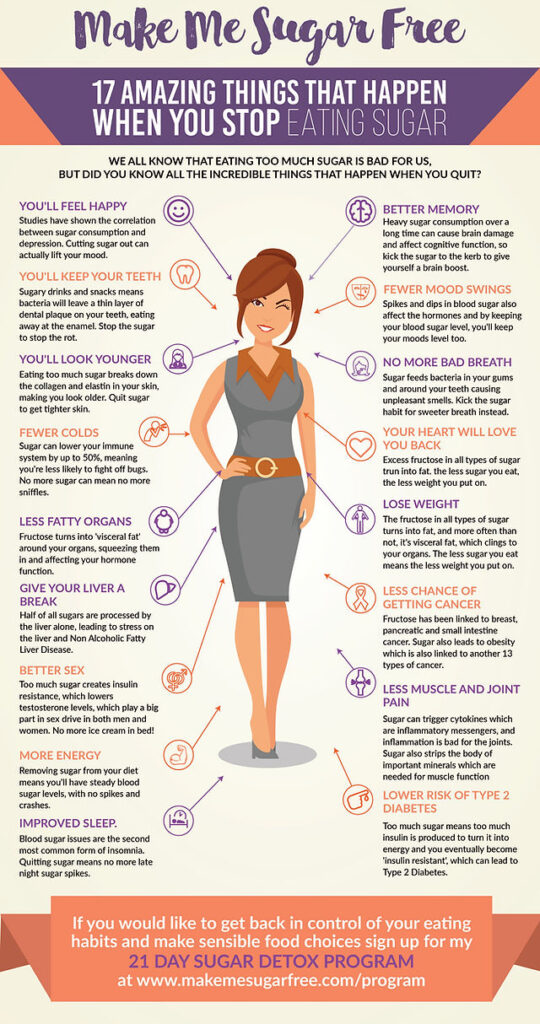
Excessive sugar consumption has been linked to various health issues, including obesity, heart disease, and type 2 diabetes. When we consume sugary foods and drinks, they are rapidly broken down into glucose in our bodies, causing a surge of insulin to be released into the bloodstream. Over time, this can lead to insulin resistance and an increased risk of developing diabetes.
Furthermore, high sugar intake has been associated with weight gain, as it provides empty calories with little nutritional value. Sugar also contributes to the accumulation of visceral fat, which surrounds vital organs and has been linked to an increased risk of metabolic disorders.
Addictive Nature of Sugar
Many individuals find it challenging to reduce their sugar consumption due to the addictive nature of sugar. Sugar activates the brain’s reward system, releasing dopamine and creating a sense of pleasure and craving. This can lead to a cycle of sugar cravings, making it difficult to resist the temptation of sugary foods and beverages.
Understanding the addictive nature of sugar is crucial for breaking free from its hold on our dietary habits. By recognizing the triggers that lead to cravings and developing strategies to manage them, we can regain control over our sugar intake.
Dangers of Excessive Sugar Intake
Excessive sugar intake can have detrimental effects on our bodies, both physically and mentally. Consuming too much sugar can cause energy crashes and mood swings, as it disrupts blood sugar levels and can contribute to feelings of fatigue and irritability. Additionally, sugar has been shown to negatively impact cognitive function, including memory and learning abilities.
Furthermore, excessive sugar consumption can have adverse effects on dental health. Sugar provides fuel for bacteria in the mouth, leading to tooth decay and cavities. By reducing sugar intake, we can protect our teeth and promote better oral hygiene.
Identifying Hidden Sources of Sugar
Reducing sugar consumption begins with identifying the hidden sources of sugar in our diets. While it may be easy to recognize sugar in obvious sources such as cakes and sodas, sugar can be found in many other foods that we consume regularly.
Common Foods with High Sugar Content
Familiarizing ourselves with common foods that contain high amounts of sugar is essential for making informed choices about what we consume. Some examples of foods with hidden sugars include flavored yogurts, granola bars, cereals, and even savory condiments such as ketchup and barbecue sauce.
Being mindful of these hidden sources of sugar can help us make healthier decisions when it comes to selecting our meals and snacks.
Reading Nutrition Labels
Reading nutrition labels is an effective way to identify the sugar content of packaged foods. However, it is important to note that sugar can often be disguised under various names, such as high-fructose corn syrup, cane sugar, sucrose, and molasses. Familiarizing ourselves with these alternative names can help us identify hidden sugars and make more informed choices when grocery shopping.
Uncovering Sugar in Processed Foods
Processed foods are notorious for their high sugar content, as sugar is often added to enhance taste and prolong shelf life. By opting for whole, unprocessed foods, we can significantly reduce our sugar intake and focus on nourishing our bodies with nutrient-dense options.
Creating a Sugar-Free Environment
Creating a sugar-free environment is crucial for successfully reducing our sugar consumption. By clearing our pantry of sugary products and stocking up on healthier alternatives, we can set ourselves up for success in maintaining a sugar-free lifestyle.
Clearing Your Pantry of Sugary Products
Start by going through your pantry and getting rid of any sugary products that may tempt you. This includes sugary snacks, candies, sugary cereals, and any processed foods with high sugar content. Instead, replace these items with healthier alternatives such as fresh fruits, nuts, and seeds.
Removing these sugary temptations from your environment will make it easier to resist cravings and stay on track with your sugar-free journey.
Stocking Up on Healthy Alternatives
Stocking up on healthy alternatives is essential for creating a sugar-free environment. Fill your pantry with whole foods such as whole grains, lean proteins, and plenty of fresh fruits and vegetables. Instead of reaching for processed snacks that are high in sugar, have a selection of pre-cut fruits and vegetables readily available for when you need a quick and healthy option.
Preparing Sugar-Free Meals and Snacks
Preparing sugar-free meals and snacks is an excellent way to stay on track with your sugar-free lifestyle. Explore new recipes that utilize natural sweeteners like stevia or monk fruit, or experiment with savory dishes that are packed with flavors and nutrients.
By taking the time to prepare your meals and snacks ahead of time, you can ensure that you have healthy options readily available and avoid impulsive choices that may lead to excessive sugar consumption.
Building Healthy Habits and Mindset
Reducing sugar consumption involves more than just making changes to our diet; it requires us to develop healthy habits and a positive mindset. By setting realistic goals, finding sugar substitutes, and managing cravings and temptations, we can cultivate a lifestyle that supports our desire to reduce sugar intake.
Setting Realistic Goals
Setting realistic goals is essential for long-term success in reducing sugar consumption. Instead of completely cutting out all sugar at once, start by gradually reducing your sugar intake and setting achievable targets. This could involve limiting sugary snacks to a certain number of days per week or gradually reducing the amount of sugar you add to your coffee or tea.
By setting smaller, attainable goals, you can build confidence and momentum as you work towards your overall objective of reducing sugar intake.
Finding Sugar Substitutes
Finding sugar substitutes can help satisfy your sweet cravings without the negative impacts of excessive sugar consumption. Natural alternatives such as stevia, monk fruit, and xylitol can be used to sweeten your food and beverages without adding additional calories or causing spikes in blood sugar levels. Experiment with different sugar substitutes to find the ones that work best for your taste preferences.
Managing Cravings and Temptations
Managing cravings and temptations is a crucial aspect of reducing sugar consumption. When cravings strike, it can be helpful to have a plan in place to avoid giving in to temptation. Find alternative activities to distract yourself, such as going for a walk, practicing deep breathing exercises, or enjoying a herbal tea. By acknowledging and addressing your cravings, you can develop healthier coping mechanisms and break free from the hold of sugar addiction.
Developing a Meal Plan
Developing a meal plan is an effective strategy for reducing sugar consumption and incorporating a balanced diet into your lifestyle. By balancing macronutrients, including whole foods, and planning for nutrient-rich meals, you can ensure that you are providing your body with the nutrition it needs while minimizing your sugar intake.
Balancing Macronutrients
Balancing macronutrients is crucial for maintaining stable energy levels and reducing sugar cravings. Aim to include a source of protein, healthy fats, and complex carbohydrates in each meal to promote satiety and prevent blood sugar spikes. By focusing on whole, unprocessed foods, you can naturally decrease your sugar intake and support overall health and wellbeing.
Including Whole Foods
Including whole foods in your meal plan is essential for reducing sugar consumption. Whole foods, such as fruits, vegetables, whole grains, and lean proteins, are nutrient-dense and provide a wide range of vitamins, minerals, and fiber. By prioritizing whole foods in your meals, you can nourish your body and reduce the need for added sugars.
Planning for Nutrient-Rich Meals
When creating your meal plan, aim to incorporate nutrient-rich meals that provide a balance of essential vitamins and minerals. Include a variety of colorful fruits and vegetables, whole grains, legumes, and lean proteins in your meals. Pay attention to portion sizes and aim for a balanced plate that includes all food groups.
Exploring Sugar Detox Methods
For those looking to kick-start their journey towards reducing sugar intake, exploring sugar detox methods can be beneficial. Whether it involves gradually reducing sugar or completely eliminating it from your diet, a sugar detox can help reset your taste buds and reduce cravings.
Gradual Sugar Reduction
Gradually reducing sugar can be an effective approach to sugar detox. Start by cutting back on obvious sources of sugar, such as sugary beverages and desserts. As you become more comfortable, gradually reduce sugar in other areas of your diet, such as coffee or tea.
By gradually reducing sugar, you give your taste buds time to adjust, and the process becomes more manageable.
Complete Sugar Elimination
For some individuals, completely eliminating sugar from their diet may be the most effective way to break free from sugar addiction. This approach involves removing all sources of added sugars from your meals and snacks. While it may be challenging at first, many individuals report feeling more energetic and experiencing a reduced desire for sugary foods over time.
Supporting Your Body with Detoxifying Foods
During a sugar detox, it is essential to support your body with detoxifying foods that promote overall health and well-being. Incorporate plenty of fruits and vegetables, which are rich in antioxidants and promote detoxification processes in the body. Additionally, focus on staying hydrated by drinking plenty of water throughout the day.

Embracing a Balanced and Nourishing Lifestyle
Reducing sugar consumption is not just about eliminating sugar from your diet; it is about embracing a balanced and nourishing lifestyle. By prioritizing regular physical activity, getting sufficient sleep, and managing stress and emotional eating, you can create a nurturing and supportive environment for yourself.
Prioritizing Regular Physical Activity
Regular physical activity not only supports overall health but can also help reduce cravings and manage stress, both of which can contribute to excessive sugar consumption. Aim for at least 150 minutes of moderate-intensity exercise per week, such as brisk walking, cycling, or swimming. By incorporating regular physical activity into your routine, you can increase your overall well-being and reduce the desire for sugary foods.
Getting Sufficient Sleep
Getting sufficient sleep plays a crucial role in regulating hormonal balance and reducing cravings. Lack of sleep has been linked to increased hunger and an inclination towards choosing high-sugar, energy-dense foods. Aim for seven to nine hours of quality sleep each night to support overall health and reduce the risk of excessive sugar consumption.
Managing Stress and Emotional Eating
Stress and emotional eating can often lead to excessive sugar consumption as individuals turn to sugary foods for comfort. Finding healthy ways to manage stress, such as practicing mindfulness techniques, engaging in hobbies, or seeking support from loved ones, can help break this cycle. By addressing the underlying causes of stress and emotional eating, you can reduce your reliance on sugar as a coping mechanism.
Seeking Support and Accountability
Embarking on a journey to reduce sugar consumption can be made easier with the support and accountability of others. Engaging with a nutritionist or dietitian can provide valuable guidance and personalized recommendations to help you achieve your goals. Additionally, joining sugar-free support groups or sharing your journey with friends and family can provide a sense of community and encouragement.
Engaging with a Nutritionist or Dietitian
A nutritionist or dietitian can offer expert advice tailored to your specific dietary needs and goals. They can help craft a personalized meal plan, provide insight into hidden sources of sugar, and offer support and guidance throughout your sugar reduction journey.
Joining Sugar-Free Support Groups
Joining sugar-free support groups can provide a sense of community and connection with others who are on a similar journey. Online platforms and social media groups offer a space to share experiences, ask questions, and celebrate achievements. By surrounding yourself with like-minded individuals, you can gain support and motivation to stay committed to your sugar-free lifestyle.
Sharing Your Journey with Friends and Family
Sharing your journey with friends and family can also provide valuable support and accountability. Inform those closest to you about your goals and why reducing sugar is important to you. Having their understanding and encouragement can make it easier to adhere to your sugar-free lifestyle, especially during social gatherings or events.

Tracking Progress and Celebrating Milestones
Tracking your progress and celebrating milestones is essential for staying motivated and committed to your sugar reduction journey. By monitoring your sugar intake, noting changes in energy levels, and rewarding yourself for achievements, you can stay on track and recognize the positive impact of reducing sugar in your life.
Monitoring Sugar Intake
Tracking your daily sugar intake is an effective way to hold yourself accountable and identify areas for improvement. Use a food diary or mobile app to record your meals and snacks, noting the sugar content of each item. By being aware of your sugar consumption, you can make necessary adjustments to prioritize a lower sugar lifestyle.
Noting Changes in Energy Levels
As you reduce your sugar intake, you may notice significant changes in your energy levels. Pay attention to how you feel throughout the day, noting improvements in stable energy and reduced energy crashes. Celebrate these positive changes as indications of your efforts paying off.
Rewarding Yourself for Achievements
Rewarding yourself for achieving milestones is an essential part of maintaining motivation and commitment. Set small goals and establish rewards for yourself when you achieve them. These rewards can be non-food-related, such as treating yourself to a massage or enjoying a day off to relax. By celebrating your achievements, you reinforce positive habits and continue to strive towards your sugar-free lifestyle.
Conclusion
Committing to a sugar-free lifestyle is a conscious decision that can have significant long-term benefits for your overall health and well-being. By understanding the effects of sugar consumption, identifying hidden sources of sugar, creating a sugar-free environment, building healthy habits and mindset, developing a meal plan, exploring sugar detox methods, embracing a balanced and nourishing lifestyle, seeking support and accountability, and tracking progress and celebrating milestones, you can successfully reduce your sugar intake and prioritize your overall well-being.
Remember, reducing sugar consumption is a journey, and it is essential to be patient and kind to yourself along the way. With dedication, support, and perseverance, you can create a sustainable and healthy relationship with food, allowing you to live your best, sugar-free life.

