How To Stop Food Cravings At Night

Do you ever find yourself reaching for a late-night snack, even when you’re not actually hungry? We’ve all been there, and those food cravings can be a real challenge to overcome. But don’t worry, we’ve got you covered! In this article, we’re going to explore some helpful tips and strategies to help you stop those pesky food cravings at night.
Late-night food cravings can often be the result of emotional or stress eating, boredom, or simply habits that have formed over time. One effective way to combat these cravings is to identify the underlying cause. Are you feeling stressed or anxious? Is there an emotional trigger that makes you turn to food for comfort? Understanding the reason behind your cravings can empower you to find healthier alternatives. In addition, we’ll also explore the role of hunger hormones and how they can influence your cravings. So, if you’re tired of giving in to those late-night cravings, keep reading to discover how you can take back control and create healthier habits for yourself.

How To Stop Food Cravings At Night
Are you one of those individuals who constantly find themselves raiding the pantry late at night, unable to resist the urge for unhealthy snacks? If so, you’re not alone. Nighttime food cravings can be a common struggle for many people, often leading to overeating and unhealthy food choices. In this article, we will explore the science behind food cravings, why they tend to happen at night, and most importantly, strategies to curb and overcome these cravings.
The Science Behind Food Cravings
Food cravings, particularly the ones that strike at night, can be a complex interplay of various factors. Research suggests that cravings are influenced by a combination of biological and psychological factors. Biologically, certain hormones like ghrelin, which stimulates hunger, and leptin, which signals fullness, can play a role in driving cravings. Additionally, the brain’s reward system and neurotransmitters like dopamine can also contribute to the intense desire for certain foods.
From a psychological perspective, food cravings can be triggered by environmental cues, emotional states, and even nutritional deficiencies. Understanding these underlying mechanisms is crucial in addressing nighttime food cravings effectively.
Why Food Cravings Tend To Happen At Night
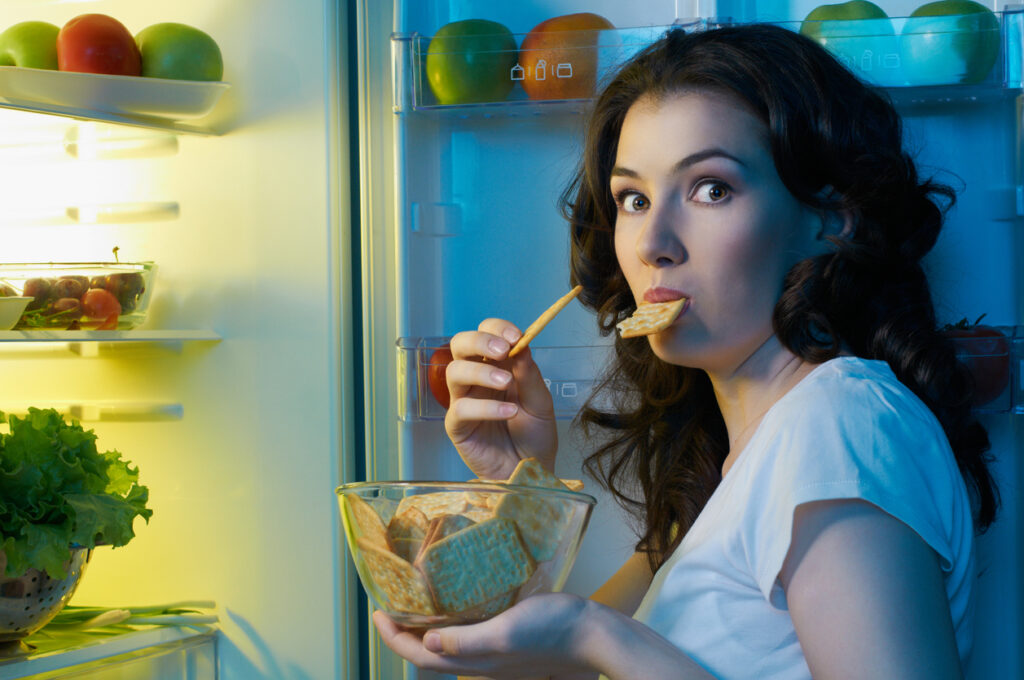
There are several reasons why food cravings tend to occur more frequently at night. Firstly, research suggests that our circadian rhythm, the body’s internal clock, plays a role in regulating hunger and appetite. Our hunger hormones follow a distinct pattern throughout the day, peaking in the evening and late at night. This natural increase in hunger can make it more challenging to resist cravings during these times.
Secondly, our daily routines and habits can contribute to nighttime cravings. After a long and exhausting day, we often seek comfort and relaxation. Food, particularly unhealthy snacks, can provide a temporary sense of pleasure and stress relief. This emotional connection to food can make it harder to resist cravings during nighttime.
Lastly, during the evening, there may be fewer distractions or demands on our time, leading to boredom and increased focus on food. This heightened awareness of food can amplify cravings and make it harder to resist indulging.
The Consequences of Nighttime Food Cravings
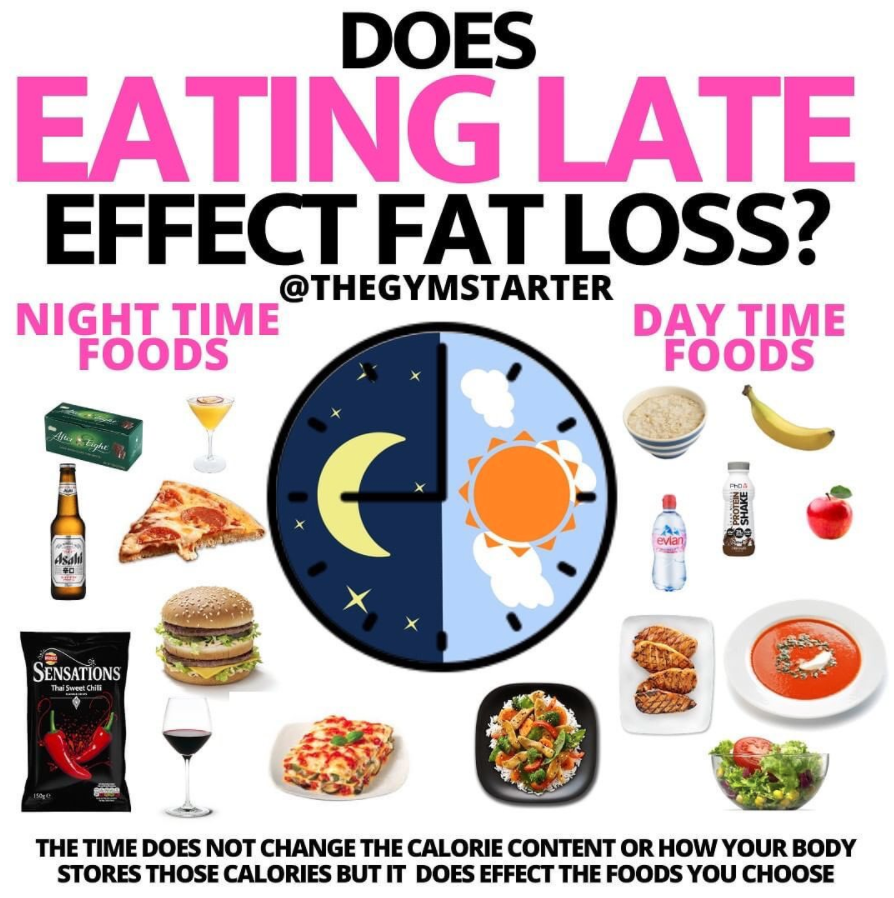
Indulging in nighttime food cravings can have several negative consequences on our health and well-being. Firstly, nighttime snacking often involves consuming unhealthy, calorie-dense foods that are high in sugar, salt, and unhealthy fats. Regularly indulging in these foods can contribute to weight gain, increased risk of chronic diseases like diabetes and heart disease, and poor overall nutritional intake.
Nighttime eating can also disrupt our sleep patterns. Consuming heavy, greasy, or sugary foods close to bedtime can lead to digestion issues, heartburn, and discomfort that can interfere with falling asleep and maintaining a restful sleep throughout the night. Poor sleep quality, in turn, can have a negative impact on our energy levels, mood, cognitive function, and overall well-being.
Recognizing the consequences of nighttime food cravings is important in motivating us to find strategies and make changes to break this cycle.
Identifying Triggers for Nighttime Food Cravings
Understanding the triggers that contribute to your nighttime food cravings is a crucial step in developing strategies to overcome them effectively. These triggers can be categorized into emotional, environmental, and nutritional factors.
Emotional Triggers
Emotional triggers for nighttime food cravings often involve using food as a coping mechanism for stress, boredom, loneliness, or other negative emotions. Identifying specific emotional triggers and finding alternative ways to address these emotions can help reduce the desire for unhealthy snacks. Engaging in relaxation techniques, practicing mindfulness, or engaging in hobbies or activities that bring joy and satisfaction can be effective in managing emotional triggers.
Environmental Triggers
Environmental factors, such as the sight and smell of food, can play a significant role in triggering nighttime cravings. Keeping your environment free from tempting foods, particularly in the evening, can help reduce the likelihood of giving in to cravings. Additionally, creating a relaxing and comfortable sleep environment that promotes restful sleep can indirectly contribute to reducing nighttime food cravings.
Nutritional Deficiencies
Nutritional deficiencies can also contribute to nighttime food cravings. When the body is lacking certain nutrients, it may send signals in the form of cravings for specific foods. Identifying potential deficiencies and ensuring a well-balanced, nutrient-rich diet can help alleviate these cravings. Including a variety of fruits, vegetables, whole grains, lean proteins, and healthy fats can help provide the body with the necessary nutrients it needs to function optimally.
Developing Healthy Eating Habits
Establishing healthy eating habits is crucial in preventing and managing nighttime food cravings. By adopting specific strategies, you can create a routine that promotes balanced meals and reduces the likelihood of giving in to cravings.
Establishing Regular Meal Times
Setting regular meal times and sticking to them can help regulate hunger hormones and promote a consistent eating pattern throughout the day. Aim to have three balanced meals and healthy snacks if needed. By fueling your body with nourishing foods at regular intervals, you can curb hunger and reduce the likelihood of nighttime cravings.
Consuming Balanced Meals
Eating a balanced meal that includes a combination of complex carbohydrates, protein, and healthy fats can help provide sustained energy throughout the day. Fiber-rich foods like whole grains, fruits, and vegetables can help you stay full for longer, reducing the tendency to reach for unhealthy snacks. Additionally, including protein and healthy fats can further promote satiety and stabilize blood sugar levels.
Incorporating Nutrient-Rich Foods In Your Diet
Ensuring that your diet is rich in essential nutrients can help reduce cravings and support overall well-being. Incorporate a variety of fruits, vegetables, whole grains, lean proteins, and healthy fats into your meals. These nutrient-dense foods provide vital vitamins, minerals, and antioxidants that support optimal bodily functions.
Practical Strategies To Curb Nighttime Food Cravings
In addition to developing healthy eating habits, implementing practical strategies can significantly help in curbing nighttime food cravings. By addressing the underlying triggers and creating positive habits, you can break the cycle of late-night snacking.
Creating A Calming Bedtime Routine
Establishing a soothing bedtime routine can help relax your mind and body, reducing stress and promoting better sleep. Engage in activities like reading, taking a warm bath, practicing gentle stretching exercises, or practicing relaxation techniques like deep breathing or meditation. By creating a calm and peaceful environment, you can mitigate stress-related cravings and promote better sleep quality.
Choosing Satiating Snacks
Instead of reaching for unhealthy snacks, opt for satisfying and nutrient-rich alternatives. Choose snacks that combine protein with fiber or healthy fats to provide satiety and keep you feeling full. Examples include Greek yogurt with berries, a handful of nuts, or carrot sticks with hummus. These options can help curb cravings while nourishing your body.
Mindful Eating To Combat Cravings
Practicing mindful eating involves being fully present and aware of your eating habits. Slow down and savor each bite, paying attention to the taste, texture, and sensations of the food. By eating mindfully, you can better recognize and respond to your body’s hunger and fullness cues, reducing the likelihood of overeating or mindless snacking.
Exploring Alternative Activities
Finding alternative activities to engage in can redirect your focus away from food cravings. By occupying your mind and body with other enjoyable or fulfilling activities, you can reduce the desire for unhealthy snacks.
Engaging In Physical Exercise
Physical activity not only provides numerous health benefits but also helps distract you from cravings. Engage in activities that you enjoy, whether it’s going for a walk, dancing, practicing yoga, or participating in a sport. Exercise releases endorphins, which can improve your mood and reduce stress, making it easier to resist cravings.
Practicing Relaxation Techniques
Stress is a common trigger for food cravings, especially at night. Implementing relaxation techniques like deep breathing exercises, practicing yoga, or taking up hobbies that help you unwind can alleviate stress and reduce the inclination to turn to food for comfort.
Distracting Yourself From Cravings
When cravings strike, finding ways to distract yourself can be helpful. Engage in activities that divert your attention, such as reading a book, watching a movie, listening to music, or pursuing a hobby. By redirecting your focus, you can effectively ride out the cravings until they subside.
Seeking Support And Accountability
Enlisting support from others can significantly increase your chances of success in overcoming nighttime food cravings. By having someone to lean on, share your challenges and progress with, and hold you accountable, you can stay motivated and focused on your goals.
Enlisting A Supportive Friend Or Family Member
Share your journey with a friend or family member who can provide encouragement, understanding, and motivation. Having someone who can hold you accountable and provide support during challenging times can make a significant difference in your success.
Joining A Support Group
Consider joining a support group or community that focuses on healthy eating, mindful living, or overcoming food cravings. These groups can provide a safe space to share experiences, gain insight from others facing similar challenges, and learn from their successes.
Tracking And Monitoring Progress
Keeping track of your progress can help you stay accountable and motivated. Use a journal or a tracking app to log your meals, cravings, emotions, and any progress you make. Seeing improvements and recognizing patterns can provide valuable insights and help you make informed decisions moving forward.

Utilizing Sleep Hygiene Practices
Improving your sleep hygiene can indirectly help reduce nighttime food cravings. By creating a sleep-friendly environment and establishing consistent sleep habits, you can promote better sleep quality and reduce the likelihood of cravings.
Creating A Sleep-Friendly Environment
Make your bedroom a calm and inviting space that promotes rest and relaxation. Keep the room cool, dark, and quiet, and remove electronic devices that can interfere with sleep. Investing in a comfortable mattress, pillows, and bedding can also contribute to better sleep quality.
Establishing A Consistent Sleep Schedule
Go to bed and wake up at the same time every day, even on weekends. This regular sleep routine can help regulate your body’s internal clock and promote better sleep patterns. Aim for seven to nine hours of sleep each night to ensure you are well-rested and less likely to experience fatigue-induced cravings.
Prioritizing Sufficient Rest
Lack of sleep or poor sleep quality can disrupt the hormones responsible for regulating hunger and satiety, leading to increased cravings and unhealthy food choices. Make sleep a priority by ensuring you allocate enough time for restful sleep each night.
Managing Stress And Emotional Well-being
Stress and negative emotions can significantly impact our food choices and contribute to nighttime cravings. Implementing strategies to manage stress and nurture emotional well-being is essential in reducing cravings and making healthier choices.
Implementing Stress-Reduction Techniques
Finding effective ways to manage and reduce stress is crucial in overcoming nighttime food cravings. Discover stress-reduction techniques that work for you, such as practicing mindfulness, deep breathing exercises, journaling, or engaging in activities that bring you joy.
Engaging In Self-Care Activities
Taking care of yourself physically, mentally, and emotionally is important in managing cravings. Incorporate self-care activities into your daily routine, such as taking a bath, reading a book, practicing a hobby, or spending time in nature. By prioritizing self-care, you can reduce stress levels and improve overall well-being.
Identifying And Addressing Emotional Triggers
Understanding the emotional factors that contribute to cravings is vital in effectively managing them. Identify specific emotions or situations that trigger your cravings, and find healthier ways to address these emotions. This can involve seeking therapy or counseling to gain insight and develop coping strategies to better navigate challenging emotions.

Overcoming Nutritional Deficiencies
Sometimes, food cravings at night can occur due to nutritional deficiencies. These deficiencies may be a result of inadequate dietary intake or underlying health conditions. If you suspect that you may have nutritional deficiencies contributing to your cravings, consider the following strategies.
Consulting A Healthcare Professional
If you suspect that your cravings are due to specific nutrient deficiencies or underlying health conditions, consult a healthcare professional. They can assess your overall health, conduct necessary tests, and provide appropriate guidance on dietary changes or potential supplementation.
Considering Dietary Supplements
Supplements can be a useful tool in addressing nutritional deficiencies. However, it is essential to seek professional guidance to ensure you choose appropriate supplements and dosages based on your individual needs. Remember, supplements should never replace a well-balanced diet but rather complement it.
Incorporating Nutrient-Dense Foods
To overcome nutritional deficiencies, focus on including nutrient-dense foods in your diet. A variety of fruits, vegetables, whole grains, lean proteins, and healthy fats can help provide essential vitamins and minerals. Incorporate foods like leafy greens, nuts, seeds, legumes, and fatty fish into your meals to nourish your body adequately.
Conclusion
Addressing nighttime food cravings is a crucial step towards embracing a healthier and balanced lifestyle. By understanding the science behind cravings, identifying triggers, and developing healthy habits, you can overcome these cravings for good. Implement practical strategies like creating a calming bedtime routine, choosing satiating snacks, engaging in alternative activities, and seeking support to break the cycle of nighttime cravings. Prioritize sleep, manage stress and emotional well-being, and address any potential nutritional deficiencies. Remember, finding personalized strategies and embracing a balanced lifestyle are key to long-term success in curbing nighttime food cravings and fostering overall wellness. So, start implementing these strategies today and take control of your nighttime snacking habits.

